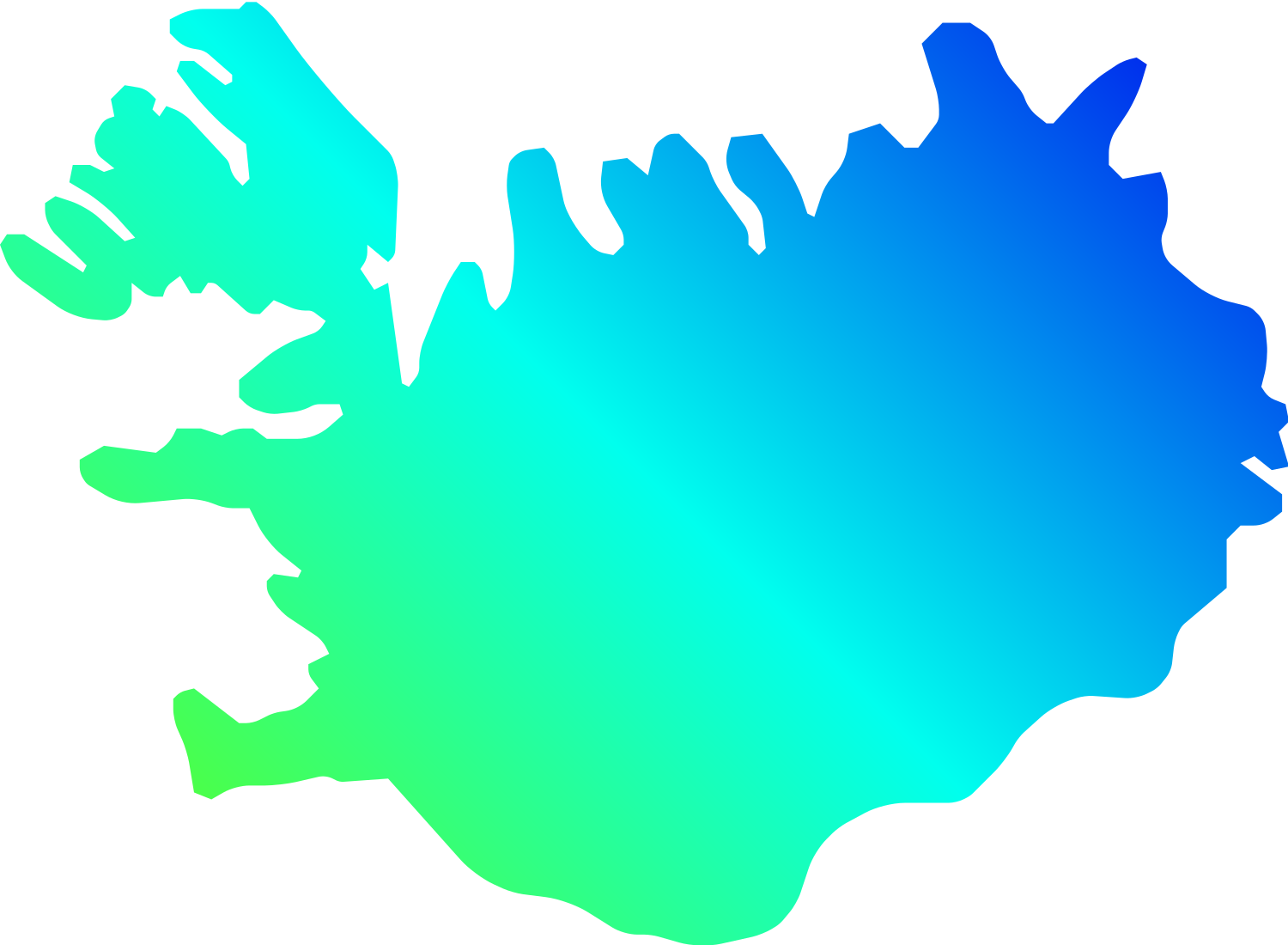
Mýrdalssandur is the broad black-sand outwash plain east of Vík on Iceland’s South Coast, best for travelers deciding whether to pause for volcanic scale or keep time for nearby Vík-area stops.
Coast snapshot
Type
Black-sand outwash plain shaped by Katla and Mýrdalsjökull
Region
South Iceland, east and southeast of Vík
Route context
South Coast and Ring Road landscape between Vík, Katla, and the eastern sand plains
Time to allow
A drive-through view can be brief; a deliberate photo or geology pause needs extra margin
Best experience
Seeing how glacier floods, black sand, coast, and isolated headlands change the South Coast scale
In this guide
Mýrdalssandur is worth slowing down for if you want the South Coast to feel like a volcanic landscape
Yes, Mýrdalssandur is worth slowing down for if you want the South Coast to feel like a volcanic landscape, not just a chain of waterfalls and beaches.
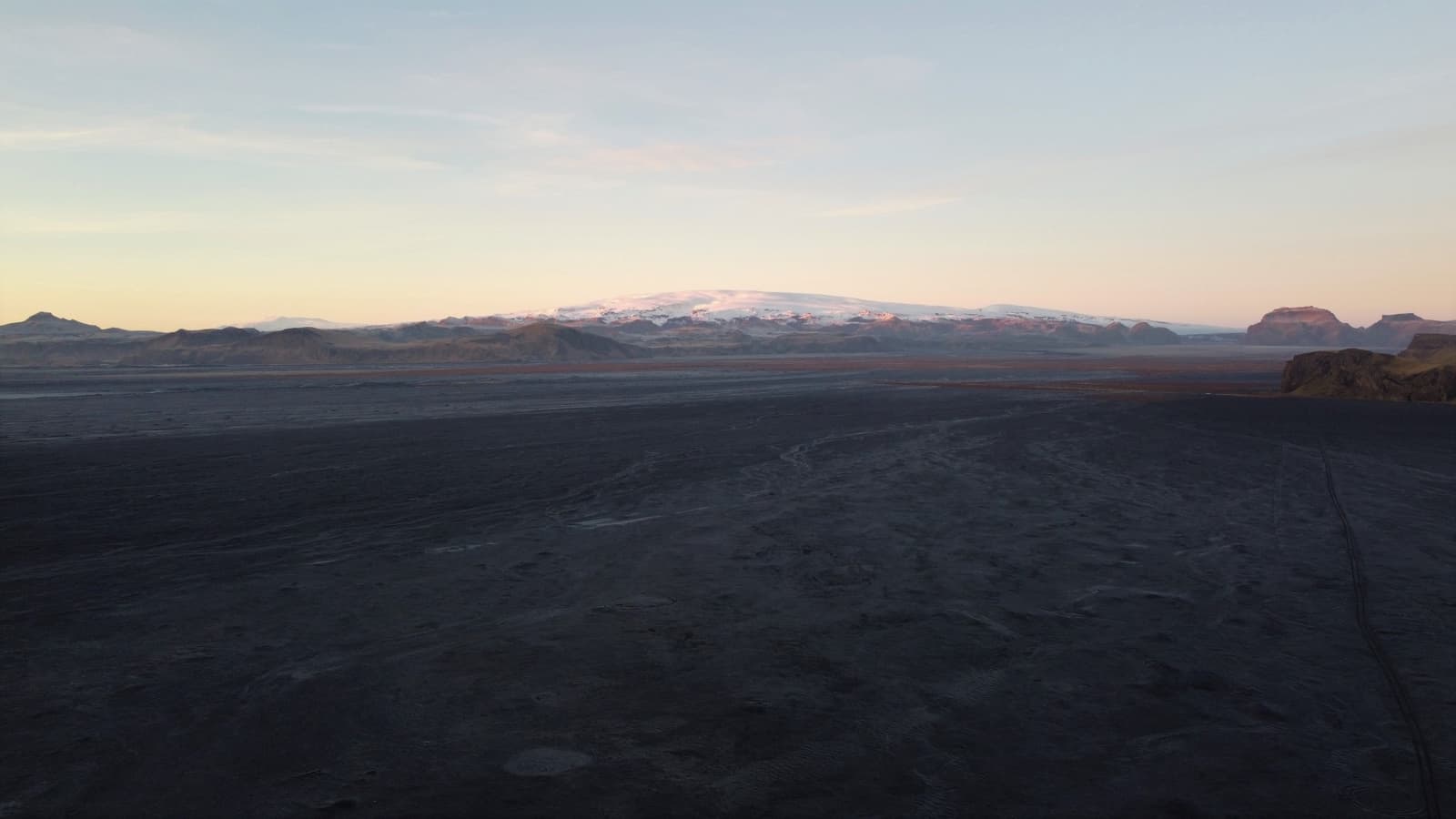
The useful decision is whether to make it a deliberate stop. Mýrdalssandur is a vast black outwash plain, so the reward is scale: dark sand, low horizons, wind, glacier-fed rivers, and the sense that Katla and Mýrdalsjökull have shaped far more than the mountains in the distance.
Add Mýrdalssandur when the day already passes through Vík and the traveler cares about geology, photography, or a quieter pause between bigger-name stops. Skip a planned pause when the same day is already full with Reynisfjara, Dyrhólaey, Skógafoss, Seljalandsfoss, and a long drive east.
Photo guide
Mýrdalssandur in photos
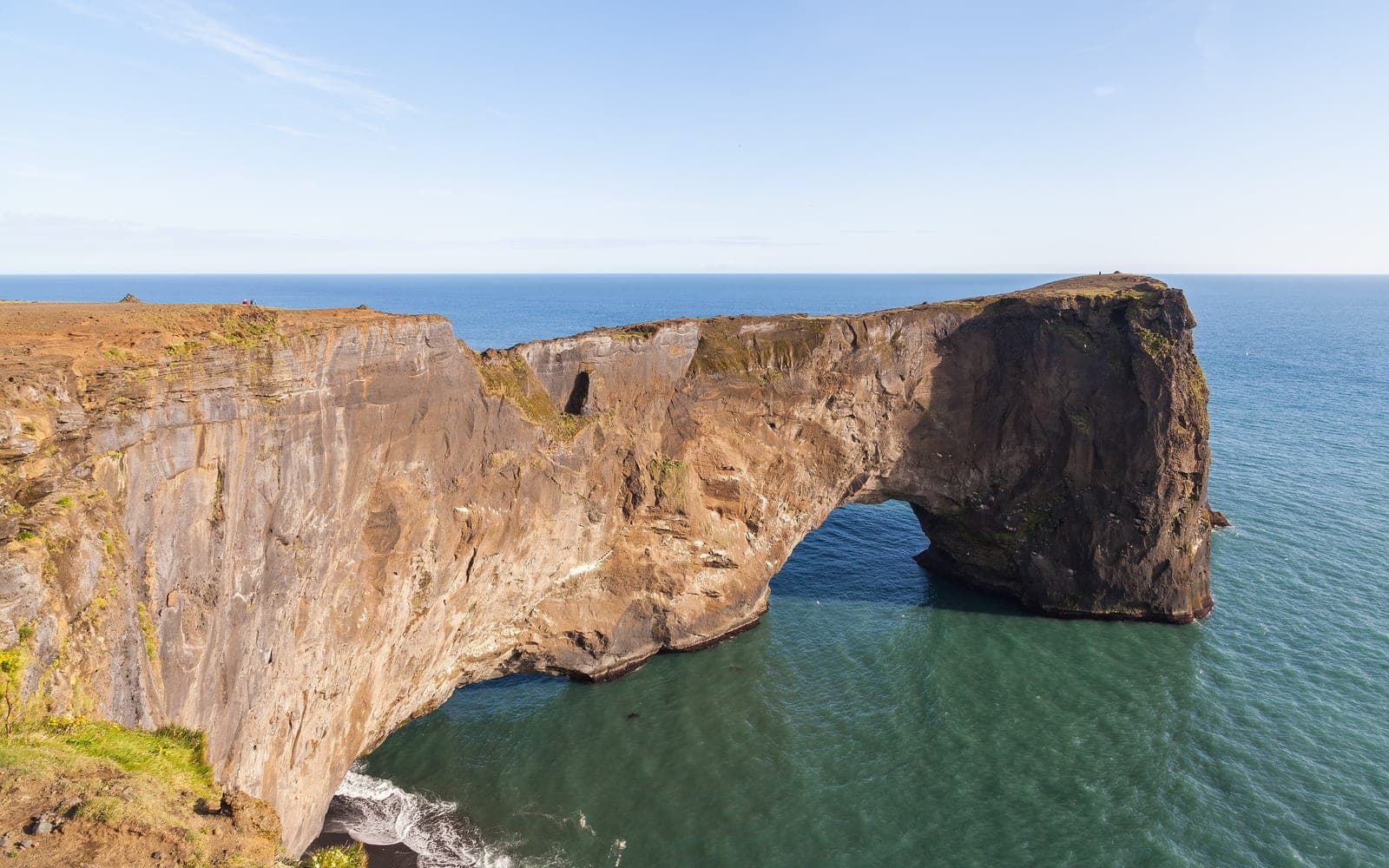
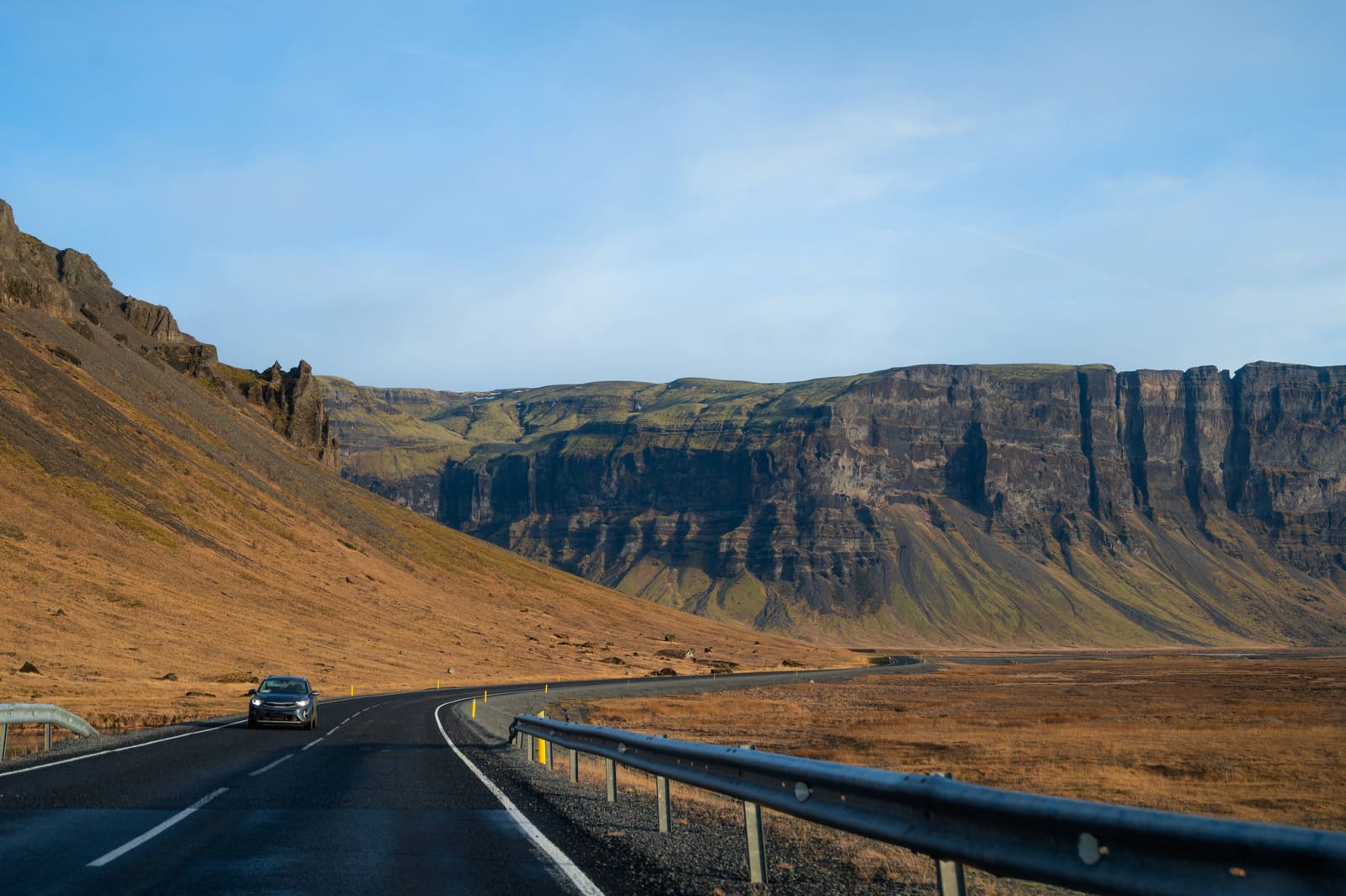
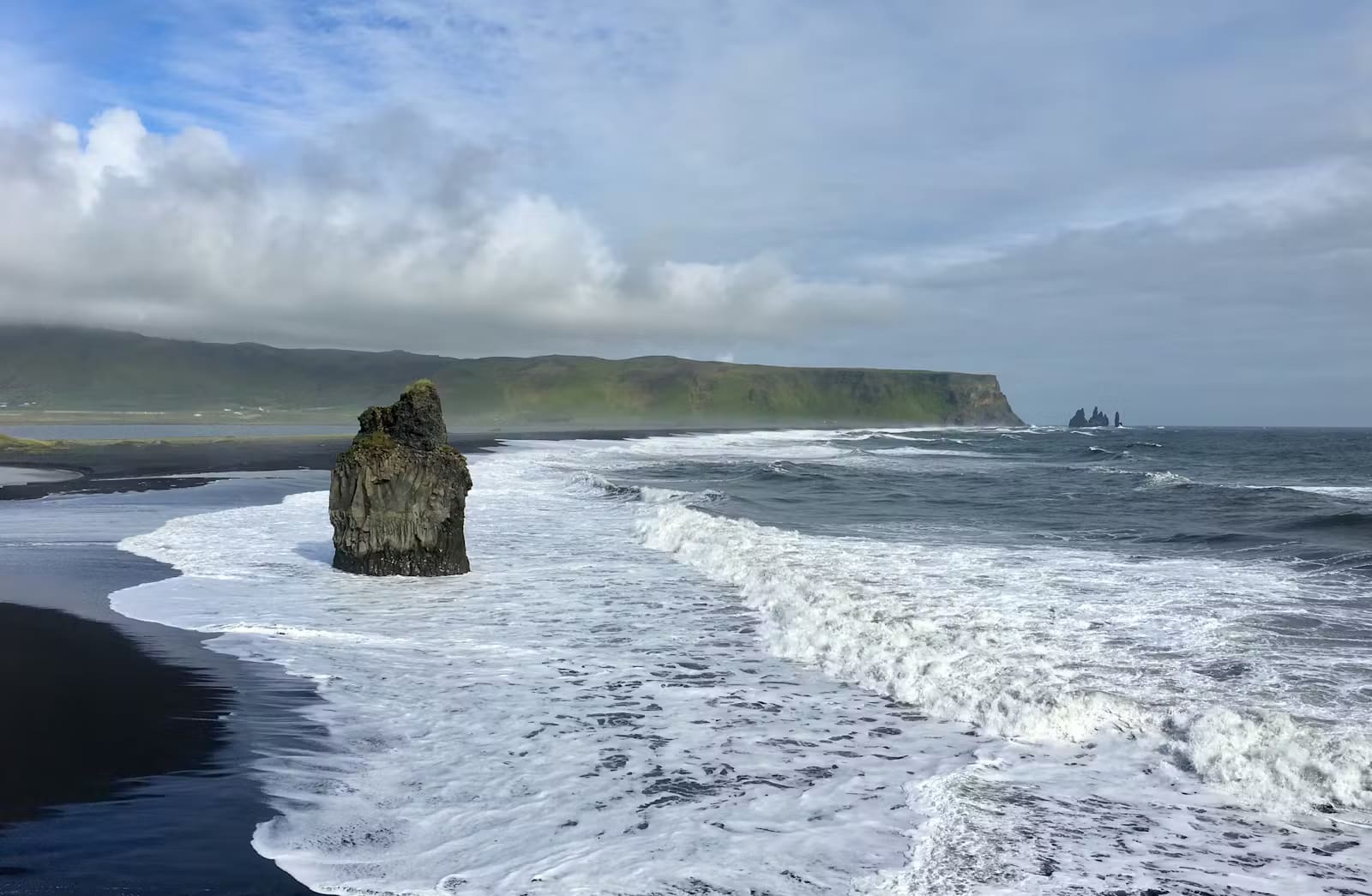
The plain sits in the same South Coast cluster as Vík, Hjörleifshöfði, Reynisfjara, and Dyrhólaey.
What makes the black plain different from nearby beaches?
Mýrdalssandur is not just another stretch of dark coast. It is an outwash plain built by glacial floods from the Katla and Mýrdalsjökull system.
Katla Geopark describes the plain as sand and glassy volcanic material laid down by repeated jökulhlaups. That is why the landscape feels so open and severe: the plain is the product of water, ice, eruptions, sediment, wind, and sea working across a wide lowland.
Storms and glacial floods leave visible layers in the black sand landscape.
This is the contrast with Dyrhólaey and Reynisfjara. Those stops give cliffs, surf, stacks, and viewpoints. Mýrdalssandur gives the space between them: the black floor that makes the Vík area feel exposed, volcanic, and unusually wide.
Where does Mýrdalssandur fit in a South Coast day?
Fit Mýrdalssandur into the day as a short route-context pause, not as the main anchor unless you are deliberately building a geology or photography stop.
Mýrdalssandur visit choices
Visit style
Best when
Planning tradeoff
Drive-through context
You are moving between Vík and eastern South Coast stops
Notice the plain without adding pressure to the day
Short photo pause
Weather, visibility, and parking choices make a stop sensible
Keep enough time for the next named attraction
Geology-focused pause
You want to understand Katla, Mýrdalsjökull, floods, and black sand
Trade one easier stop for slower landscape time
Skip as a stop
The day is already full or conditions make the exposed plain unrewarding
Use Reynisfjara, Dyrhólaey, or Katla for clearer focus
On a shorter South Coast road trip, Mýrdalssandur is usually a transition between Vík-area decisions and the longer road east. On a slower 5-day Iceland itinerary, it can help explain why the South Coast changes so sharply between waterfalls, black beaches, glacier views, and open sand.
What should you check before crossing or stopping?
The main checks are road conditions, weather, wind, visibility, and safety guidance, especially if you plan to stop away from the most obvious roadside areas.
Mýrdalssandur is exposed. Wind and dust can change the value of a pause quickly, and beach or sand areas should not be treated as open playgrounds. Build the stop around marked, sensible access rather than chasing a photo across soft or uncertain ground.
This matters even more when Mýrdalssandur is part of a winter-driving plan. The plain may look simple on a map, but the useful question is whether the South Coast drive still has daylight, visibility, and enough margin for slower travel.
Pair Mýrdalssandur with places that make the Vík and South Coast landscape easier to understand, then choose the stop that deserves the most time
Pair Mýrdalssandur with places that make the Vík and South Coast landscape easier to understand, then choose the stop that deserves the most time.
Use Reynisfjara when the day needs the clearest black-sand beach experience and strong surf-safety awareness.
Use Dyrhólaey when you want a higher coastal viewpoint over cliffs, arches, and the surrounding black coast.
Use Katla when the volcanic and glacier context matters more than a simple roadside pause.
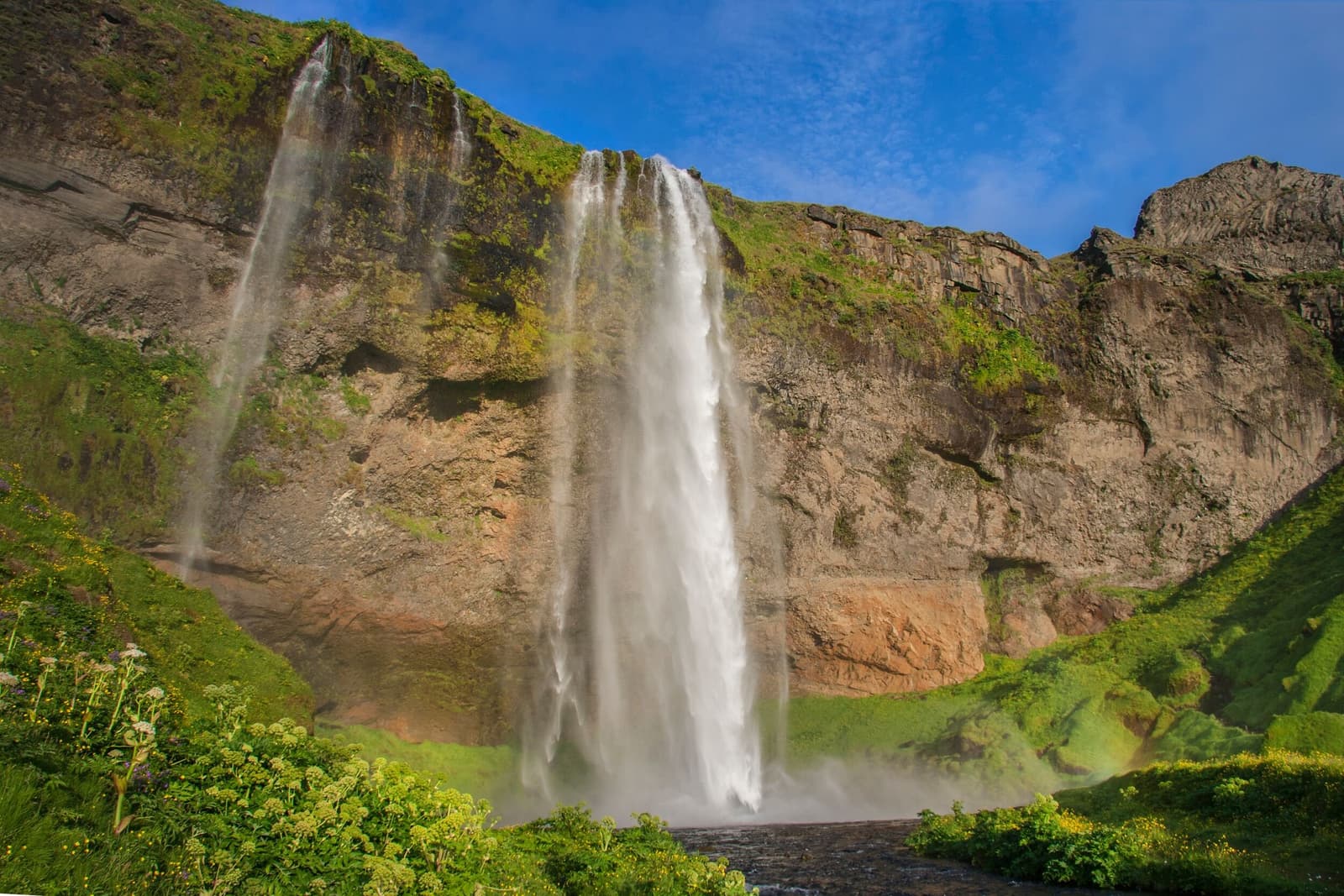
Use Skógafoss and Seljalandsfoss when the South Coast day needs classic waterfall anchors before the Vík area.
Use Jökulsárlón only when the route has enough eastbound time; it is a major distance commitment from the Vík area.
The simplest planning rule is to give Mýrdalssandur a job. If it explains the landscape and keeps the day coherent, pause. If it only adds another vague stop between stronger attractions, let it be the view that frames the drive.
Use for forecasts and warnings before exposed stops.
Mýrdalssandur FAQ
These are the practical questions that decide whether the plain should become a real stop or remain part of the drive.
Is Mýrdalssandur a must-see South Coast stop?
No, it is better treated as a valuable landscape context stop than a universal must-see. Stop when you want black-sand scale, Katla context, or photography time; skip a deliberate pause when the day already has stronger anchors.
How long should I allow for Mýrdalssandur?
Most travelers only need a brief pause or drive-through context. Allow more time only if weather, visibility, and the rest of the route make a slower photo or geology stop worthwhile.
Is Mýrdalssandur the same as Reynisfjara?
No, Mýrdalssandur is the broad outwash plain, while Reynisfjara is a specific black-sand beach with basalt, sea stacks, and serious surf-safety decisions. They work well together but answer different travel questions.
What should I check before stopping on Mýrdalssandur?
Check official road conditions, weather guidance, and SafeTravel before relying on an exposed stop. Wind, dust, visibility, shoreline conditions, and local signs should shape the decision.