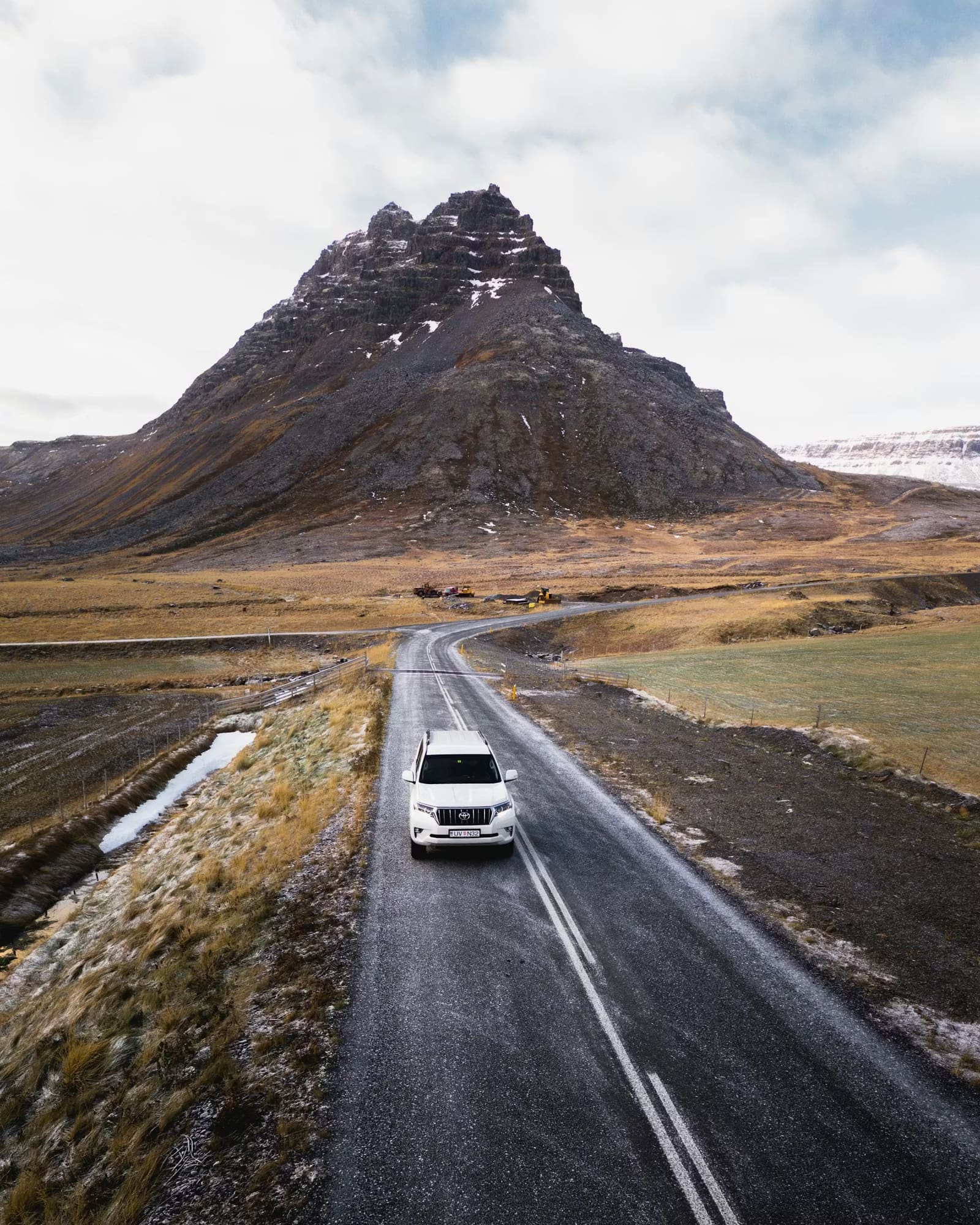
Arnarker is a rough lava-tube cave in Leitarhraun near Þorlákshöfn, worth considering for flexible self-drive travelers who can verify access and safety, but easy to skip for a first South Coast sightseeing day.
Geology snapshot
Type
Lava-tube cave, sinkhole entrance, and rough natural site
Region
South Iceland, in the Leitarhraun lava field near Þorlákshöfn and Route 380
Route context
Best as a flexible southwest cave detour, not a core South Coast anchor
Time to allow
Plan a short stop plus margin for the approach, on-site checks, rough footing, and a possible turnaround
Effort level
Condition-sensitive and rough underfoot; the cave environment needs stronger judgement than a roadside viewpoint
In this guide
Arnarker can be worth the detour if you specifically want a raw lava-cave stop and your plan is flexible enough to turn around after checking access
Yes, Arnarker can be worth the detour if you specifically want a raw lava-cave stop and your plan is flexible enough to turn around after checking access, footing, weather, and on-site signs.
Arnarker is not the cave to add because you need one more easy sight before dinner. It is a rough Leitarhraun cave with a dramatic collapsed entrance, dark lava walls, loose rock, and access details that deserve more caution than a normal viewpoint.
Add Arnarker for cave-curious self-drive travelers who already understand that the stop may become a cave-mouth look rather than a full underground visit. Skip it on a first South Coast road trip if Seljalandsfoss, Skógafoss, Reynisfjara, and the drive east already need the day.
Go if: you want a quiet lava-cave detour and can make a conservative decision on arrival.
Skip if: your group wants a guided, lit, and clearly managed cave experience.
Check before committing: official/local visitor information, on-site signs, road conditions, weather, daylight, and your group's cave equipment.
What kind of lava cave is Arnarker?
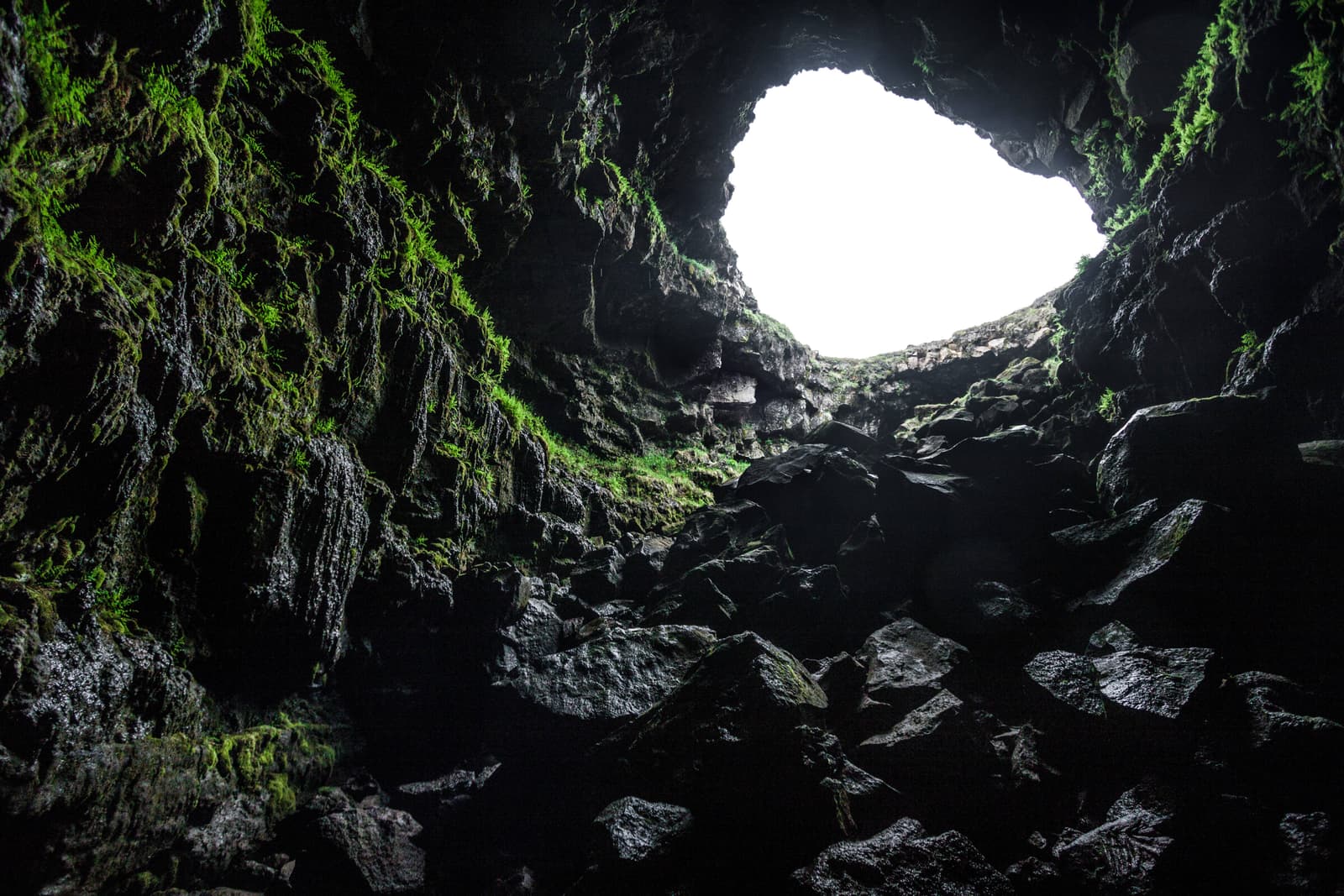
Arnarker is a lava-tube cave in the Leitarhraun lava field, entered through a large collapsed opening where the roof has broken into a sinkhole-like mouth.
The place feels less polished than Raufarhólshellir Lava Tunnel. The identity is the raw edge: black broken lava, moss and ferns around the mouth, a sudden drop into shadow, and the sense that the cave continues farther than a casual visitor should assume.
The entrance is part of the decision: Arnarker feels like a rough cave site, not a polished roadside stop.
Local descriptions frame the cave as roughly half a kilometre of lava tube, with one shorter branch and one longer branch leading away from the opening. That scale explains the appeal, but it should not tempt visitors into treating the cave as simple without proper gear and current access checks.
Short cave-mouth and access-aware detour for flexible self-drivers
Better alternative for certainty
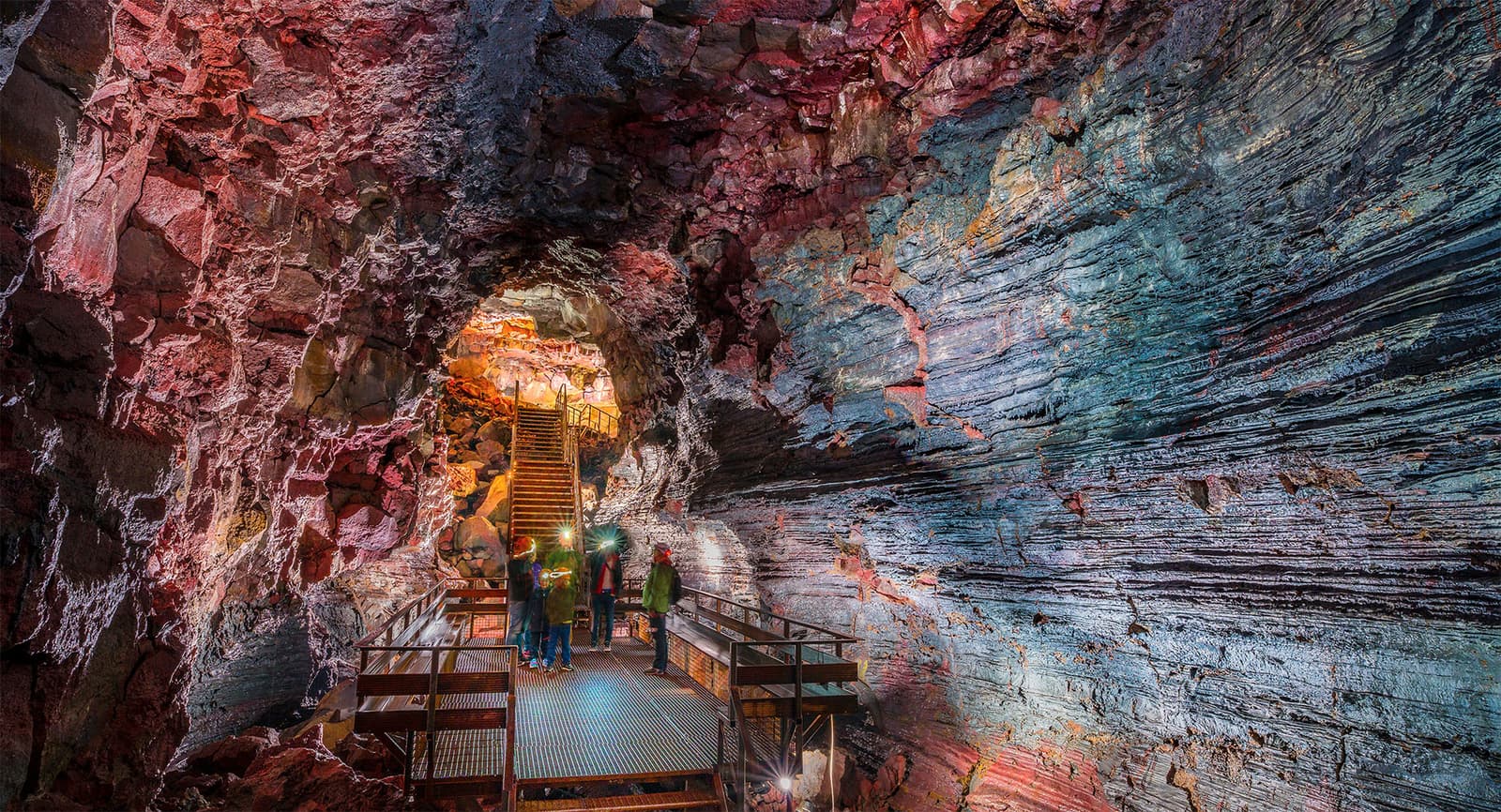
Raufarhólshellir Lava Tunnel, if a structured cave visit matters more than raw texture
How much effort and caution does Arnarker need?
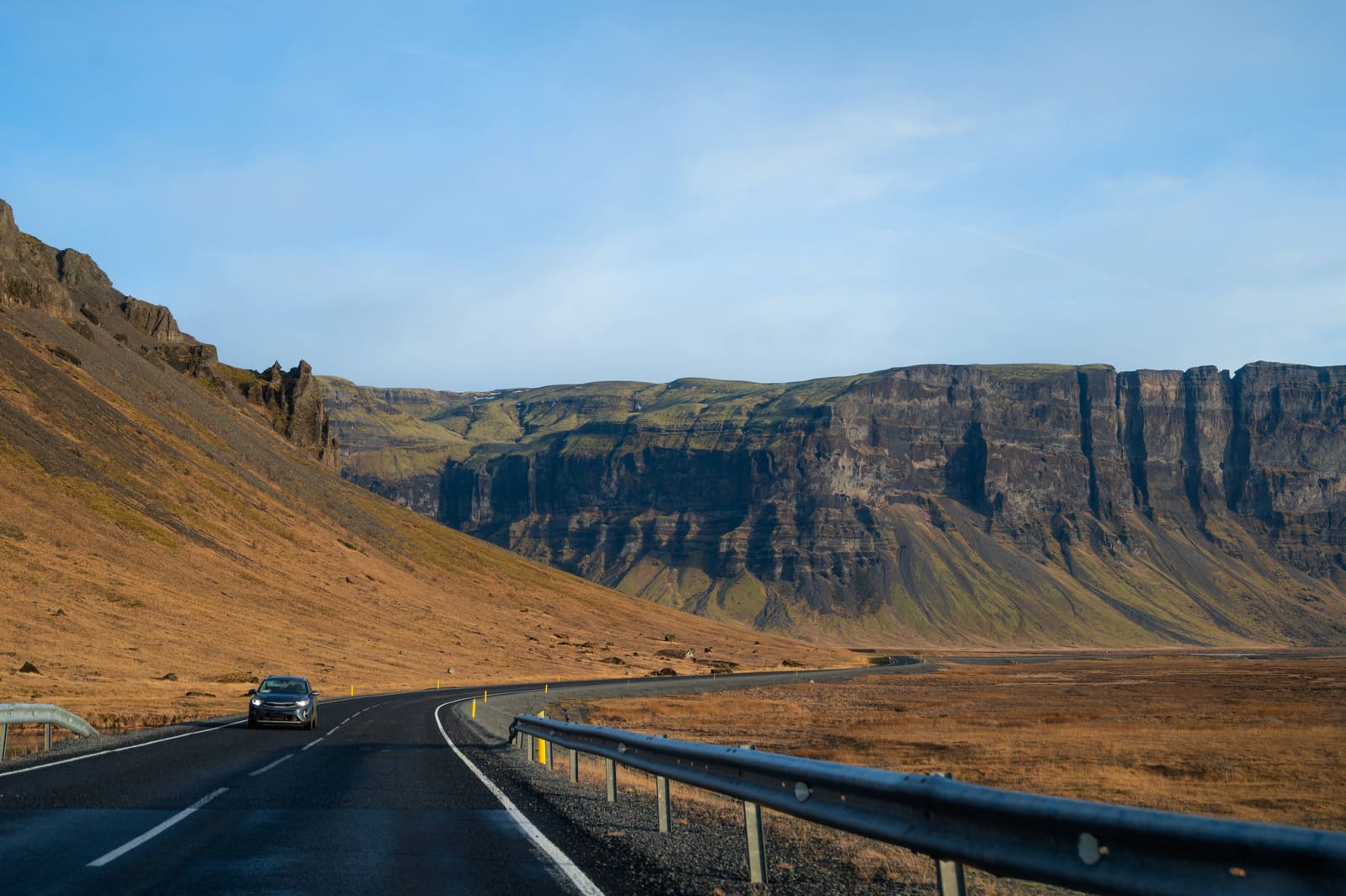
Arnarker needs more caution than its map position suggests. The road approach, rough ground, dark cave environment, possible ice, and changing access details can all decide whether the stop is sensible.
For many travelers, the practical visit is short: reach the signed area, walk to the entrance, assess conditions, take in the cave mouth, and continue. Going farther requires a different mindset from ordinary sightseeing.
Loose rock and darkness make Arnarker a judgement call, especially for mixed-ability groups.
Arnarker visit styles
Visit style
Best when
Main caution
Cave-mouth look
You want a short, flexible detour and conditions look uncertain
Stay well within your comfort and respect signs
Careful short descent
Access guidance, footing, daylight, and group ability all support it
Darkness, loose rock, ice, and low sections still matter
Managed cave experience instead
Your group wants clearer structure, lighting, guide support, and less uncertainty
Choose Raufarhólshellir rather than forcing Arnarker
If winter conditions, wind, poor visibility, or road uncertainty are already part of the day, check Winter Driving in Iceland before treating the detour as casual. The cave itself can also feel colder, darker, and slicker than the outside weather suggests.
Arnarker works best as a small southwest cave decision, not as the reason to reshape a strong South Iceland day
Arnarker works best as a small southwest cave decision, not as the reason to reshape a strong South Iceland day.
The cleanest comparison is Raufarhólshellir Lava Tunnel: choose Raufarhólshellir when the cave is the main experience, and choose Arnarker only when the raw, uncertain nature of the stop is part of the appeal.
If your day is already moving deeper into South Iceland, protect the bigger anchors first. Þjórsá can make sense for river-corridor context, while Seljalandsfoss, Skógafoss, and Reynisfjara usually deserve priority on a first South Coast day.
Near Reykjavík or Hveragerði: compare Arnarker with Raufarhólshellir before deciding how much cave time you want.
South Coast day: keep Arnarker optional unless the group specifically wants a cave detour.
Bad-weather or short-day plan: choose the simplest safe stop rather than adding a rough cave because it looks close on a map.
Ice can be part of Arnarker's appeal, but it also reinforces why cave conditions need caution.
Check access, safety, roads, and weather before making Arnarker a fixed part of the day
Check access, safety, roads, and weather before making Arnarker a fixed part of the day. The important point is not whether the cave is famous; it is whether the visit still makes sense for your group when you arrive.
Official/local visitor information and on-site signs should override old trip reports, photos, and map assumptions. Cave access can change, and a staircase, path, or descent detail shown in one source should not be treated as permanent.
Use for warnings, wind, precipitation, and visibility before the detour.
Arnarker FAQ
Can you go inside Arnarker?
Only treat cave entry as possible after checking official/local information and on-site signs. Access details have changed across sources, and the rough cave environment means a cave-mouth visit may be the right choice.
Is Arnarker better than Raufarhólshellir?
No for most first-time visitors. Raufarhólshellir is the better choice when you want a managed lava-tunnel experience, while Arnarker is better for cautious travelers who specifically want a raw cave detour.
Do you need special gear for Arnarker?
Yes if you plan to go beyond a cautious look at the entrance. Strong lights, sturdy footwear, helmet-level cave judgement, warm layers, and a willingness to turn around matter more than the short distance from the road.
Is Arnarker a good family stop?
Usually not as a default family stop. Families who need simple access, clear visitor support, and low uncertainty should compare Raufarhólshellir or choose easier South Iceland sights.
Is Arnarker useful in winter?
Only with conservative checks. Ice can make the cave visually interesting, but winter roads, daylight, wind, footing, and cave conditions can also make the detour weaker or easier to skip.
Use these pages to decide whether Arnarker fits as a raw detour, whether Raufarhólshellir is the better cave experience, or whether the wider South Iceland day needs the time.