Experience fit
- Departure base
- Usually Reykjavík Domestic Airport
- Landing rule
- Planned, not guaranteed
- Main variable
- Aviation weather
- Cabin choice
- Shared seats or private
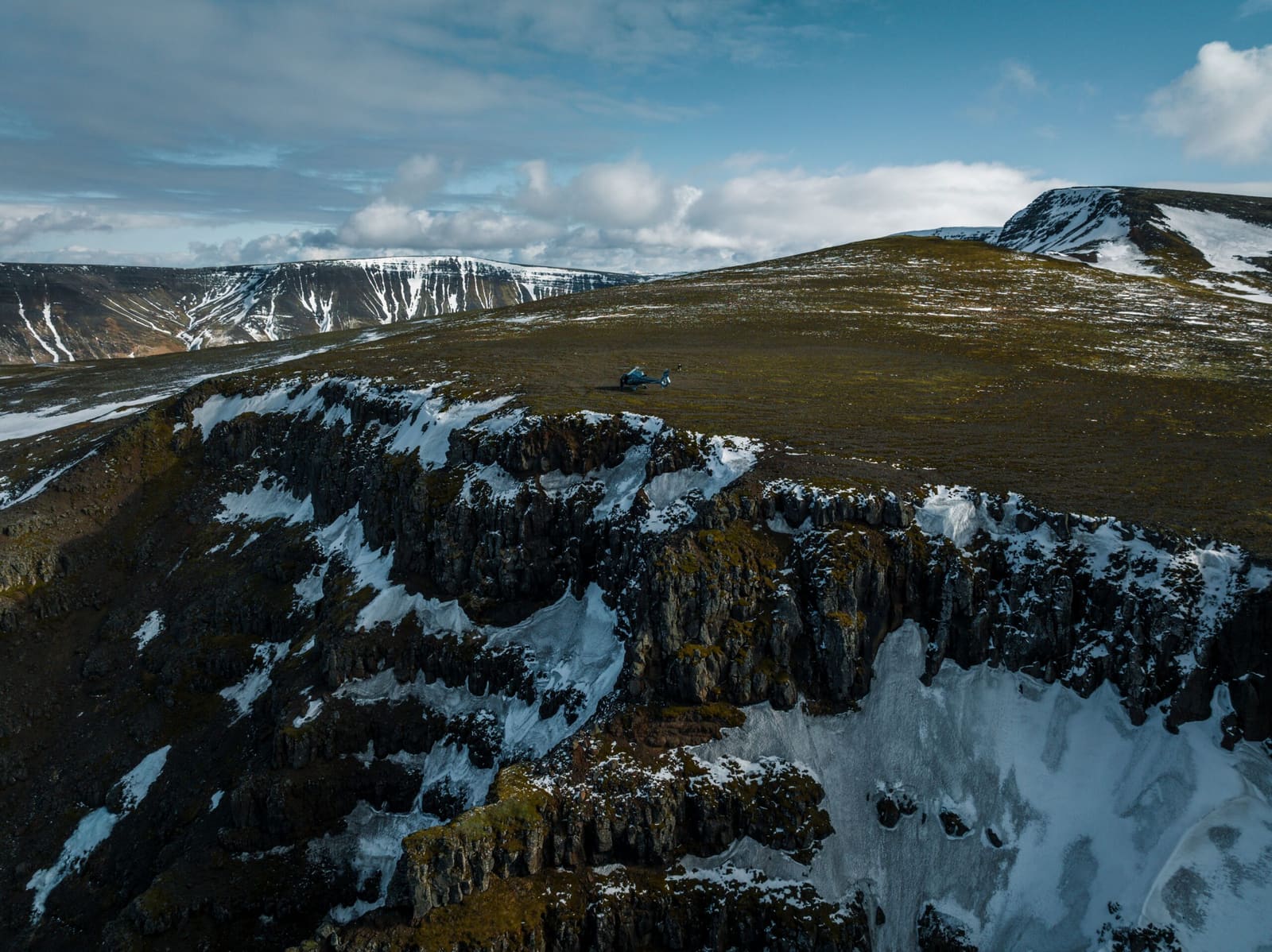
An Iceland helicopter tour can be a compact flight above Reykjavík, a focused look at volcanic terrain, a glacier landing, or a longer trip with several landscapes. Decide what must be seen from the air, read the landing wording carefully, and leave enough room for weather to change the plan.
Experience fit
A helicopter tour, a named route, and a landing are three separate promises. Read the product page closely enough to know which ones you are buying.
Some sightseeing flights stay airborne for the entire route. Others plan a summit, glacier, or geothermal landing. Even then, the pilot may use another safe site, change the route, shorten the flight, or cancel when cloud, wind, visibility, daylight, airspace, or the surface at the landing site makes the original plan unsuitable.
That distinction matters because the landing often carries much of the appeal. Standing on snow beside the aircraft feels different from seeing the same glacier through the window. If the stop on the ground is essential to you, find the operator's alternative: another landing site, another time, another date, a different route, or a refund under its terms.
Photo guide
1 / 7
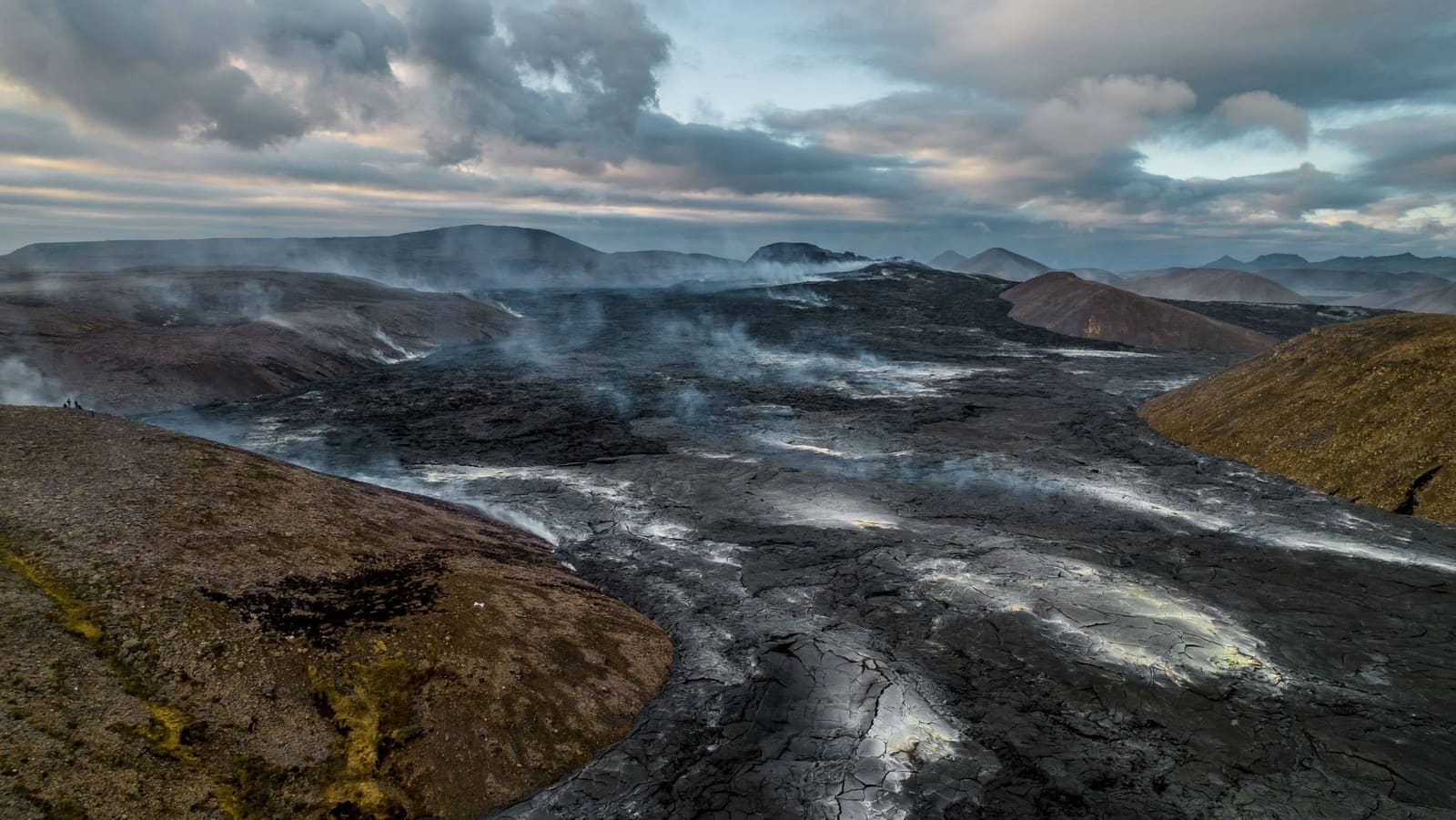
This is a past Reykjanes eruption view, not a promise of visible lava on a current volcano flight.
Good to know
The most useful comparison is not a list of operators. It is what the aircraft spends its time doing and what part of the experience can disappear when conditions change.
| Flight format | What you see | Landing plan | Weather and schedule cost |
|---|---|---|---|
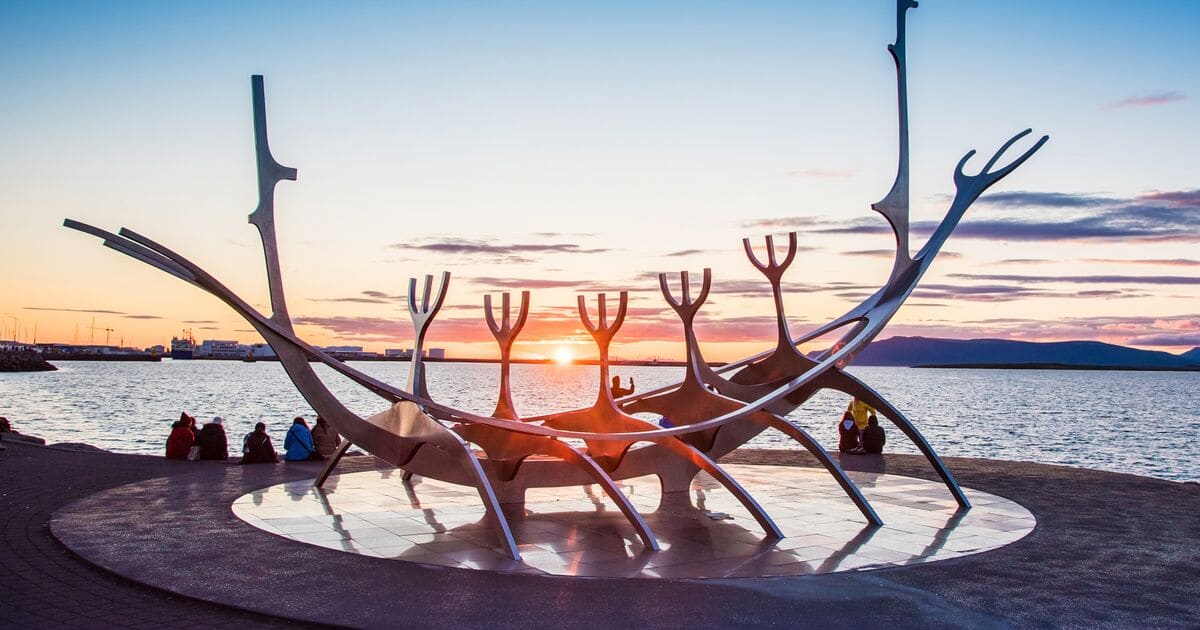
| Compact city and mountain flight | Reykjavík roofs, coastline, and nearby ridges | Often one planned summit stop | Shorter booking, but the stop and route remain conditional |
| Focused volcano flyover | Reykjanes craters, lava fields, and fissure country | Can have no stopover | The terrain remains the subject even when no eruption is visible |
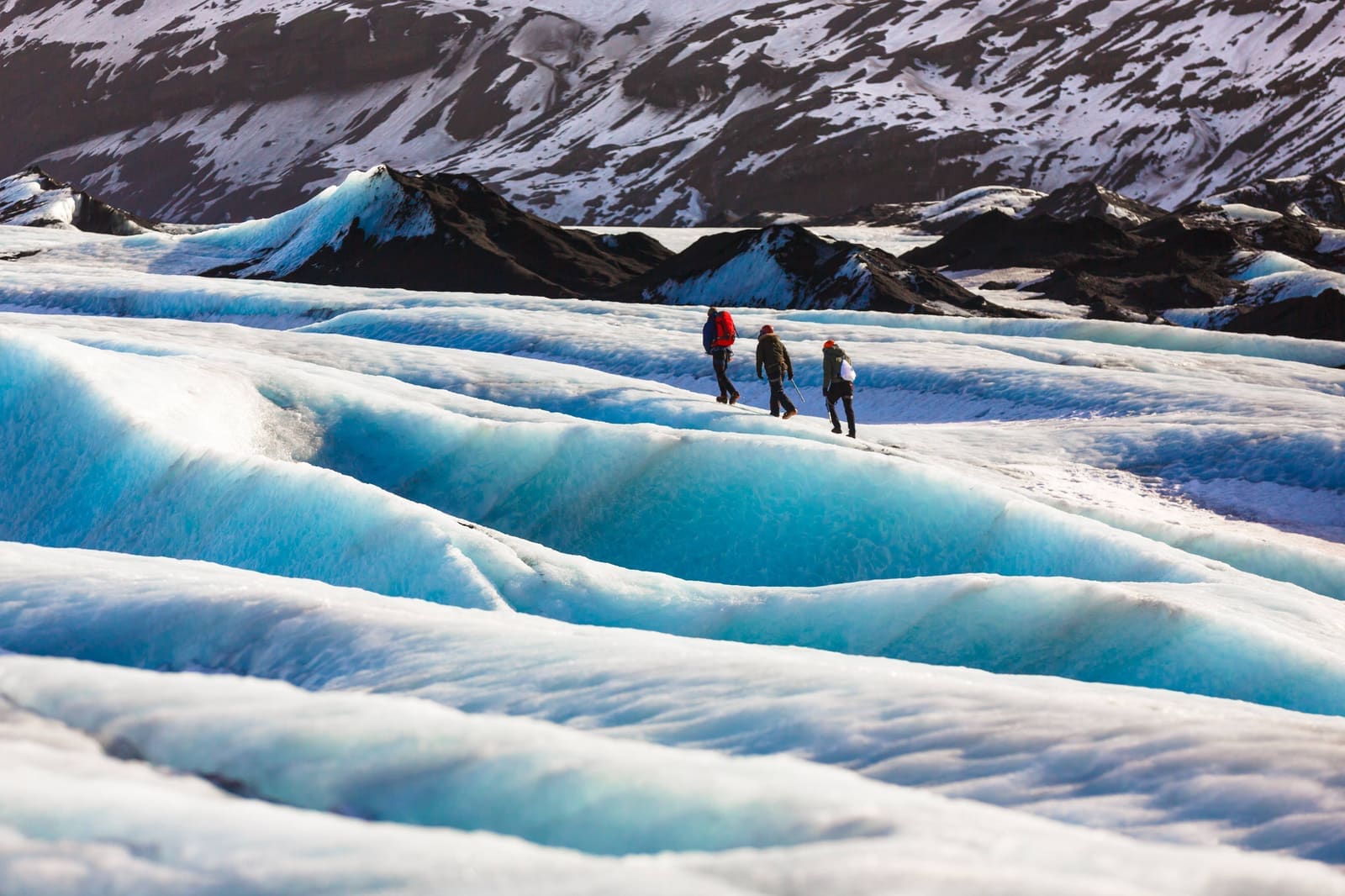
| Glacier flight | Ice, waterfalls, valleys, and rift landscapes | Glacier or safer nearby landing | Cloud and the landing surface may change the route or site |
| Glacier and geothermal flight | Two contrasting landscapes in one outing | Two planned landings | More of the experience depends on weather and daylight |
A longer route is not automatically better. A compact flight can make sense when Reykjavík is your base and you want the city-to-mountain change more than a remote landing. A longer flight earns its extra space in the trip when both landscapes matter and you can move the booking if either landing becomes unsuitable.
Pick one main subject. The view is easier to value when you know what the helicopter reveals that a ground day would not.
Reykjavík and its nearby ridges give the clearest short-flight contrast: dense streets and colored roofs give way quickly to water, mountains, and open ground. This is the simplest match for a city stay, especially when the Reykjavík activity guide already covers the hours before or after the flight.
Reykjanes is about shape and scale. From the air, long fissures, overlapping lava fields, craters, roads, and coast sit in one frame. Book it for volcanic terrain, not for a promise of visible lava. The volcano experience guide explains the ground, cave, exhibition, and eruption-dependent alternatives, while the Reykjanes Peninsula guide helps place those landscapes in a wider stay.
A glacier flight adds the edge between rock, ice, rivers, and valleys. Routes may also pass Glymur or Þingvellir, so the appeal is broader than white ice alone. If walking on ice, entering an ice cave, or taking a boat beside a glacier is the real aim, compare those ground-level formats in the glacier activity guide before paying for the aerial view.
A gray city morning does not tell you exactly what is happening at a summit or glacier. The operator and pilot make the flight decision using aviation conditions along the route.
Low cloud can hide a ridge or landing site while another part of the route remains usable. Wind can be acceptable at the airport and less suitable in mountain terrain. Daylight matters more to a flight with several distant stops than to a compact city route. Airspace and operational conditions can also affect what happens, even when the weather outside your hotel looks calm.
Give the flight an alternate time or date whenever you can. Keep the operator's messages available, answer quickly if a move is offered, and read the cancellation terms before paying. A sensible ground plan should satisfy the same interest without relying on the same conditions; a Reykjanes Peninsula road trip, museum, or city day is more useful than a second aviation booking.
These direct product pages show the practical difference between a no-stopover flight, one planned landing, and a longer two-landing outing. Recheck the exact route, landing terms, cabin format, and weather policy before booking.
Start with the landscape and landing plan. Then compare how much of the day you can leave open if the flight moves.
Norðurflug
Best forA compact Reykjavík stay that wants city views and one nearby mountain stop.
Keep in mindThe summit landing and exact route still depend on aircraft and weather conditions.
Check firstConfirm the landing wording, meeting point, passenger details, and alternate-date terms.
Volcano Heli
Best forTravelers who want a focused view of Reykjanes volcanic terrain without making a landing the point.
Keep in mindThere is no scheduled stopover, and visible lava or an eruption is never assured.
Check firstConfirm shared or private use, the current route description, and weather-rescheduling terms.
Reykjavík Helicopters
Best forA group that wants glacier scenery with Glymur and Þingvellir context in the same flight.
Keep in mindThe landing may move from the glacier to a safer nearby location when conditions require it.
Check firstConfirm the landing alternative, cabin format, passenger rules, and cancellation policy.
Norðurflug
Best forTravelers who value both glacier and geothermal landscapes and can protect a larger weather window.
Keep in mindTwo planned landings expose more of the outing to weather and daylight changes.
Check firstConfirm both landing plans, route-change terms, passenger details, and alternate-date options.
A sightseeing helicopter is a compact moving cabin, followed on some tours by a brief step into exposed mountain or glacier conditions.
Headsets help passengers hear the pilot and each other over the aircraft noise. The window view is broad, but reflections, seat position, vibration, and banking affect photography. Hold a phone or camera only as instructed, keep loose items secured, and do not assume a large bag can come aboard.
For a landing, dress for the ground, not the warm cabin. A mountain summit, glacier edge, or geothermal area can be windy, cold, wet, snowy, or uneven. Warm layers, a wind-resistant outer layer, and secure closed footwear are more useful than dressing for the temperature beside your Reykjavík hotel.
There is no useful universal price test. The better question is what the helicopter adds that your route cannot deliver from the ground.
A focused volcano flyover earns its place when seeing the pattern of lava fields and fissures is the goal. A glacier landing adds a short period on remote snow or ice, but it should not replace a guided glacier walk when time on the ice is what you really want. A city-and-summit flight can be worthwhile for a short stay because the landscape changes quickly without a long drive.
Compare the usable experience, not only advertised minutes. Count the main landscape, whether the landing matters, shared or private use, the quality of the weather alternative, and what the ground backup would cost in time. Skip the flight when only one exact view will satisfy you or when moving it would damage the rest of the trip.
Keep the booking confirmation, exact airport meeting point, passenger details, and operator contact together. Reykjavík Domestic Airport is inside the city and is not Keflavík International Airport.
Follow the operator's message for the go, move, route change, or cancellation. Aviation forecasts add useful context, but they do not replace the pilot's decision for one aircraft and route. If the flight moves, confirm the new meeting time and decide immediately whether the rest of the day still works.
Review aviation forecasts and warnings, then follow the operator's flight decision.
Check weather changes, passenger weights, shared flights, and rescheduling terms.
Read how pilot-led weather and safety changes are handled.
See destination-level context for reaching Icelandic landscapes by helicopter.
By ThorPublished Updated
Where to do it
A volcano route, glacier activity, or Reykjavík day can preserve the main interest when the aircraft cannot fly.
Regions
See which part of Iceland is most convenient for this experience and what else you can visit nearby.
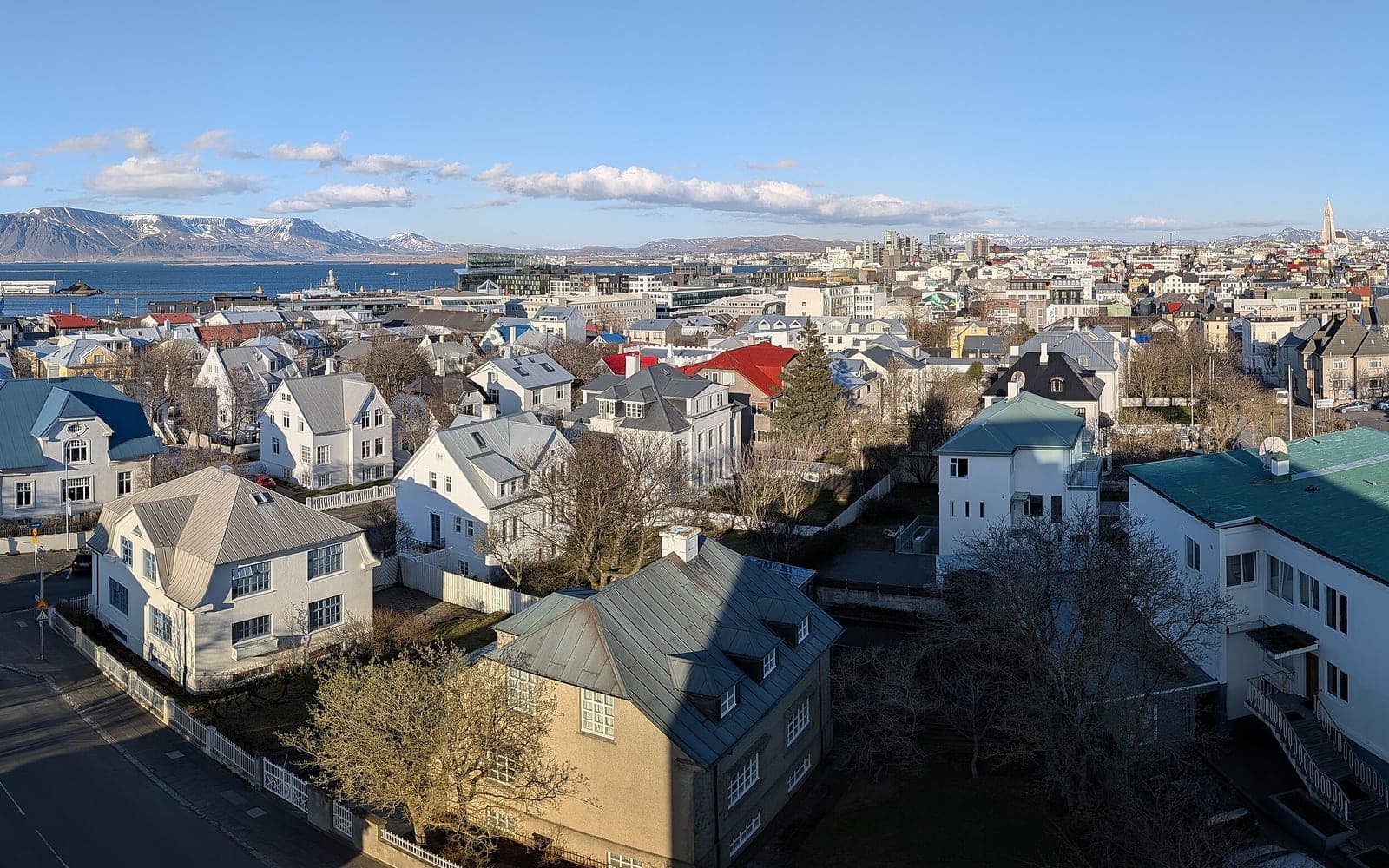
Choose Reykjavík for one or two car-free city days, a short break or a weather buffer—not as the default base for every long day trip.
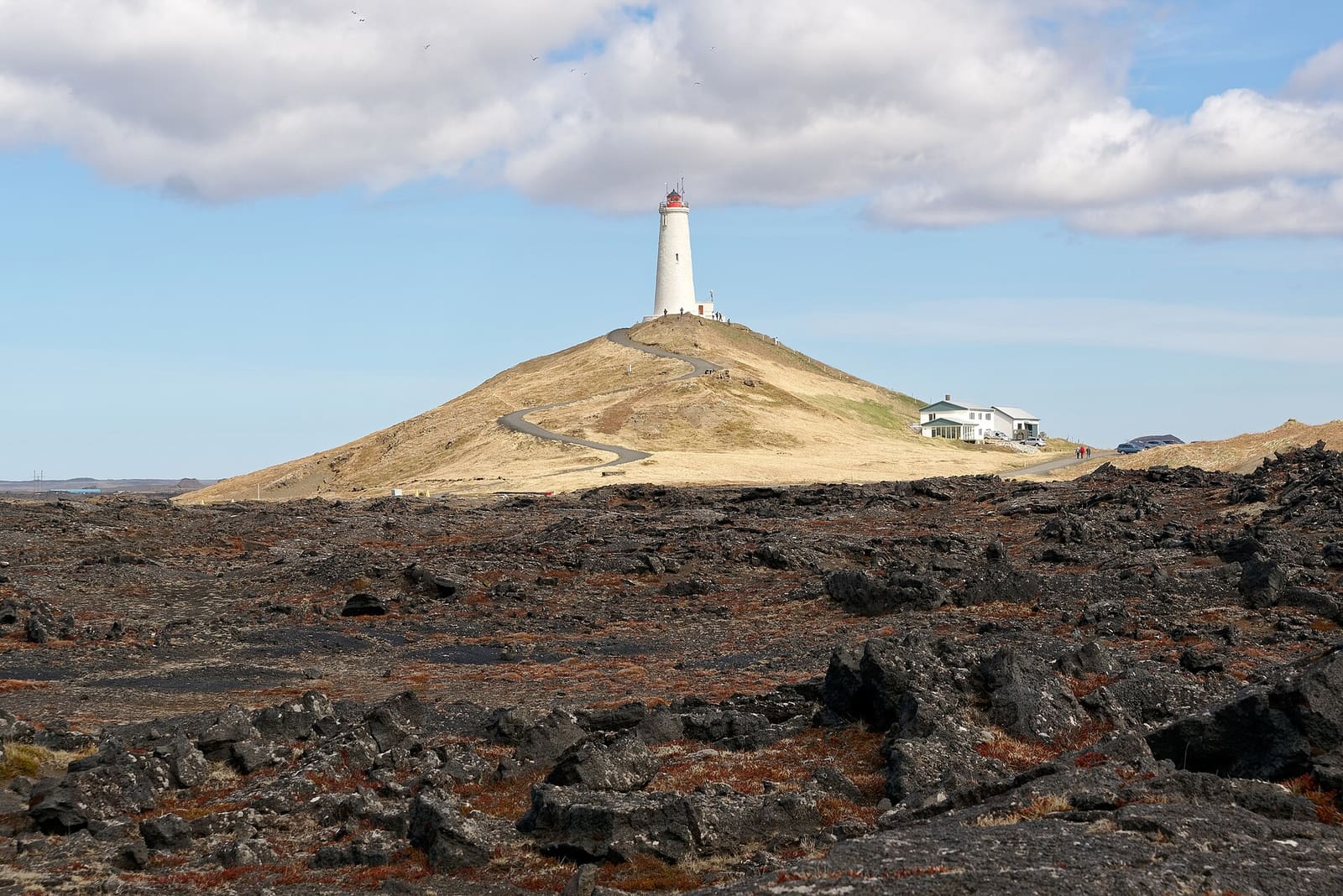
Use this volcanic peninsula for a careful half- or full-day route near KEF, but keep eruption sites, Grindavík and Blue Lagoon plans conditional.
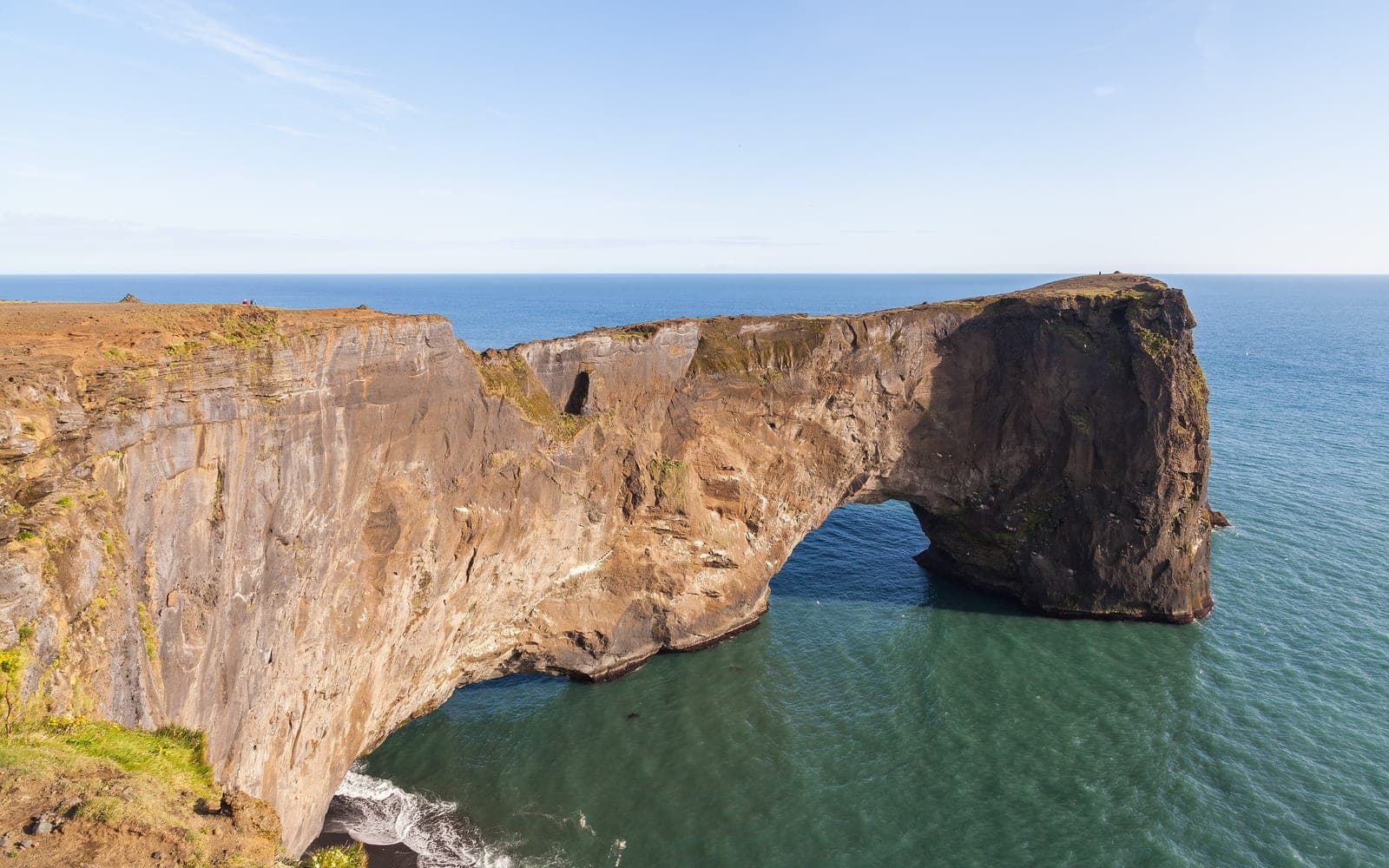
Build a first-trip route around waterfalls, black-sand coast and glacier country, but allow two to four days if Jökulsárlón is part of the plan.
Choose West Iceland for a Borgarnes-based mix of waterfalls, geothermal stops, and caves; skip it if Snæfellsnes already fills your spare westbound day.
After choosing the flight
Confirm the landing language, hold a movable time, and know which ground-level plan still works if the flight changes.