Fagradalsfjall is Reykjanes's best-known volcano hike, worth the effort when you want recent lava terrain, wide peninsula views, and enough time for a long exposed walk rather than a quick roadside stop.
Geology snapshot
Type
Volcano ridge, recent lava-field landscape, and Reykjanes hike
Region
Reykjanes Peninsula, inland from Grindavík and within easy reach of Reykjavík and Keflavík
Route context
Best as the main effort stop in a Reykjanes Peninsula day rather than a casual airport detour
Time to allow
A longer half day to full hike window, depending on the viewpoint, terrain, and turnaround point
Effort
Exposed hiking over gravel, lava, uneven ground, and steeper sections that feel longer than the map suggests
In this guide
Fagradalsfjall: when the hike itself is the point
Yes, when the hike itself is the point. Fagradalsfjall is strongest for travelers who want recent lava terrain, wide Reykjanes views, and an exposed walk that earns the stop rather than another easy roadside landmark.
The famous name can mislead people into expecting a quick volcano stop. In practice, Fagradalsfjall works best as a longer walk through young lava, gravel, and open ridges where the reward is the scale of the landscape and the sense of how much recent eruptions changed this part of Reykjanes.
Add Fagradalsfjall when the group has good weather, proper footwear, and enough margin for the hike to own the day. Skip it on a tight airport schedule, after a long arrival, or any time Blue Lagoon, Gunnuhver, or Kleifarvatn would give cleaner value with less exposure.
Photo guide
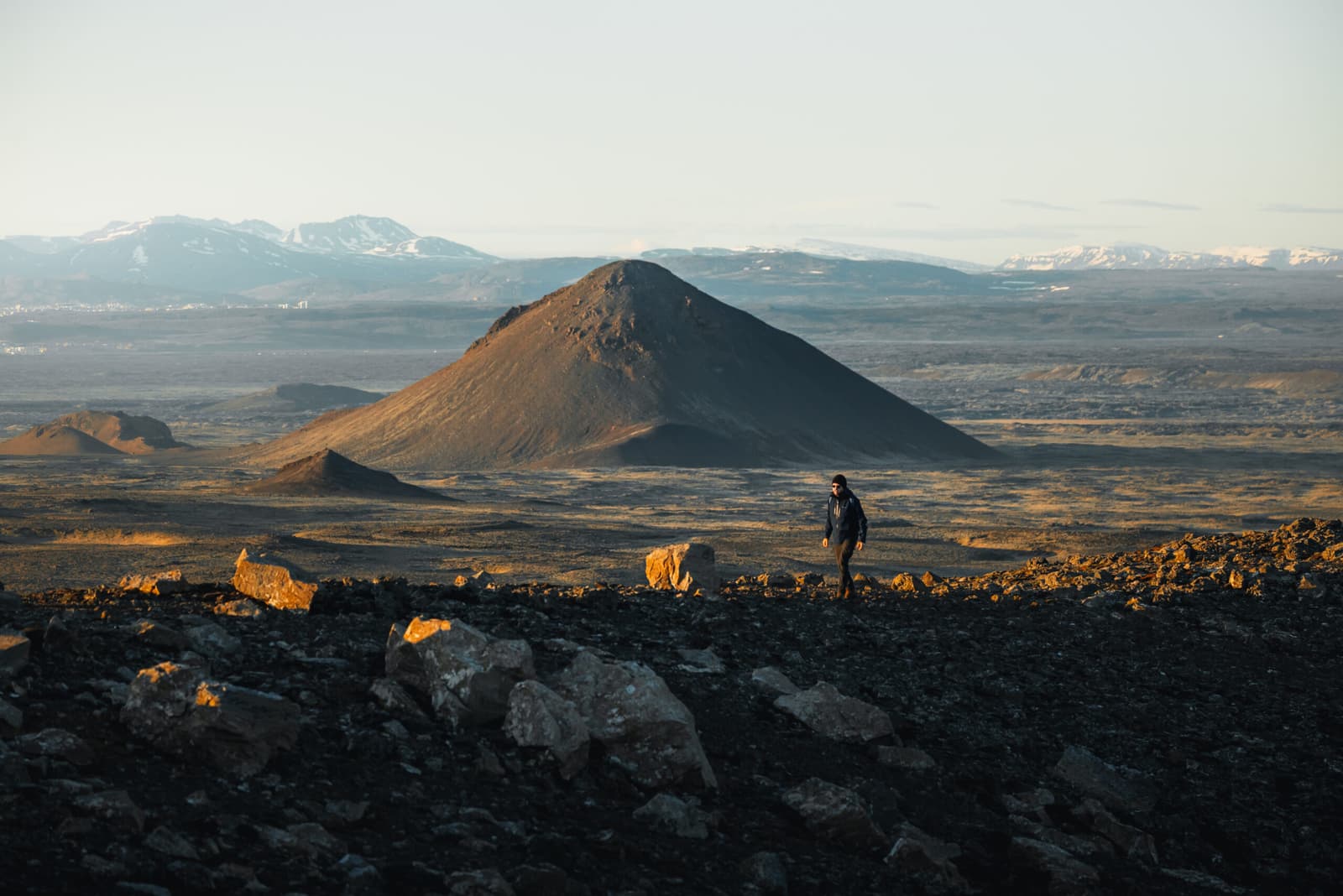
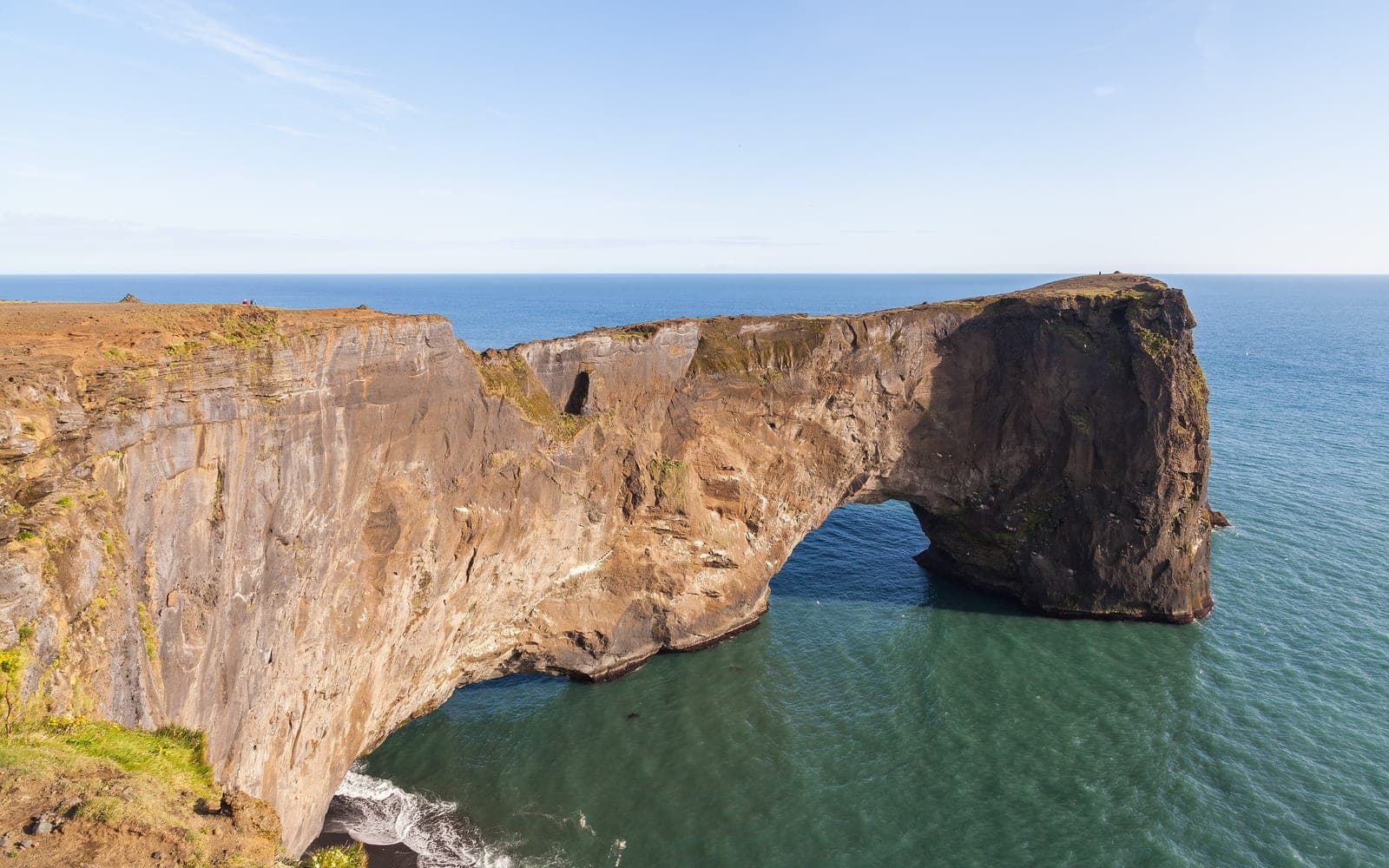
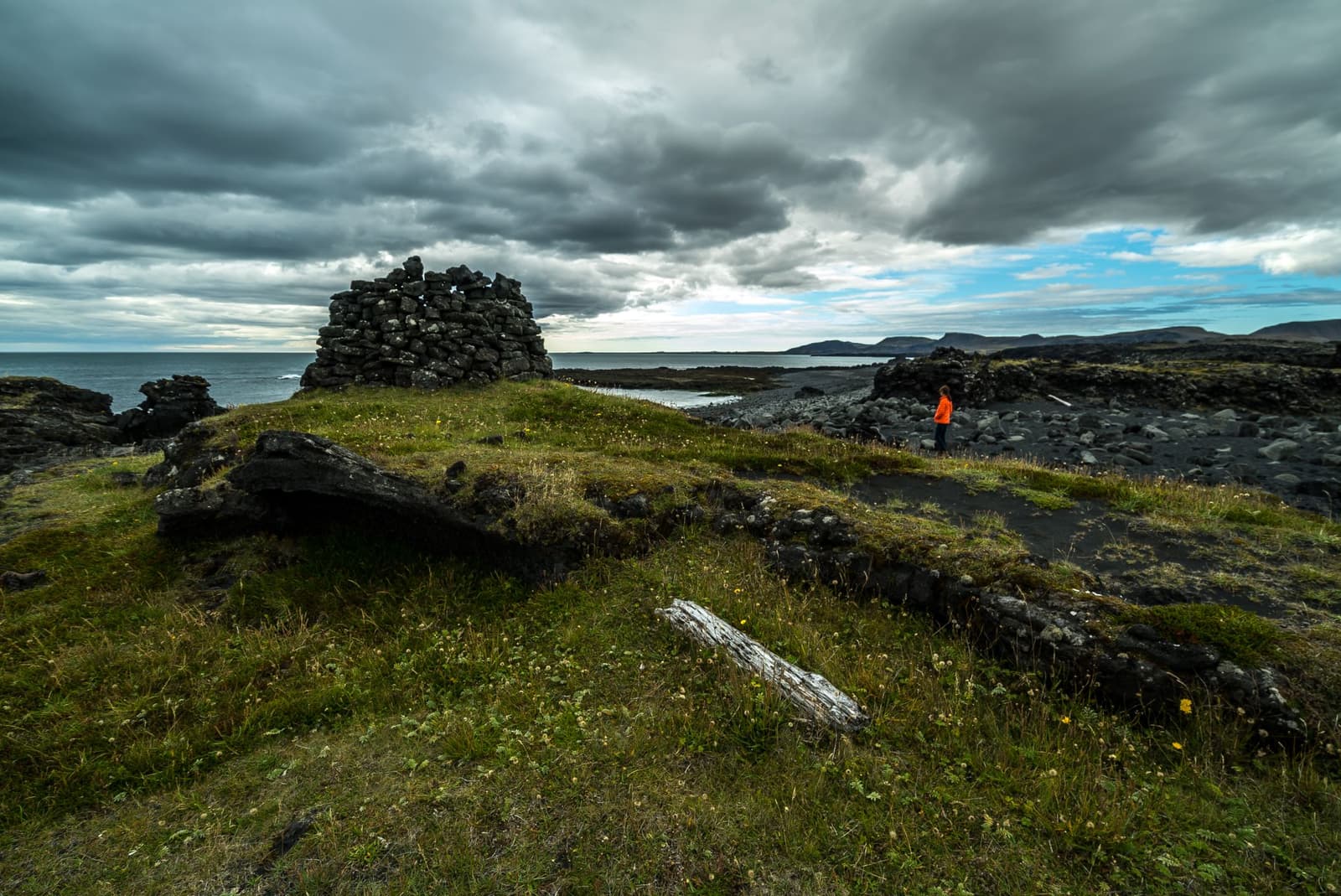
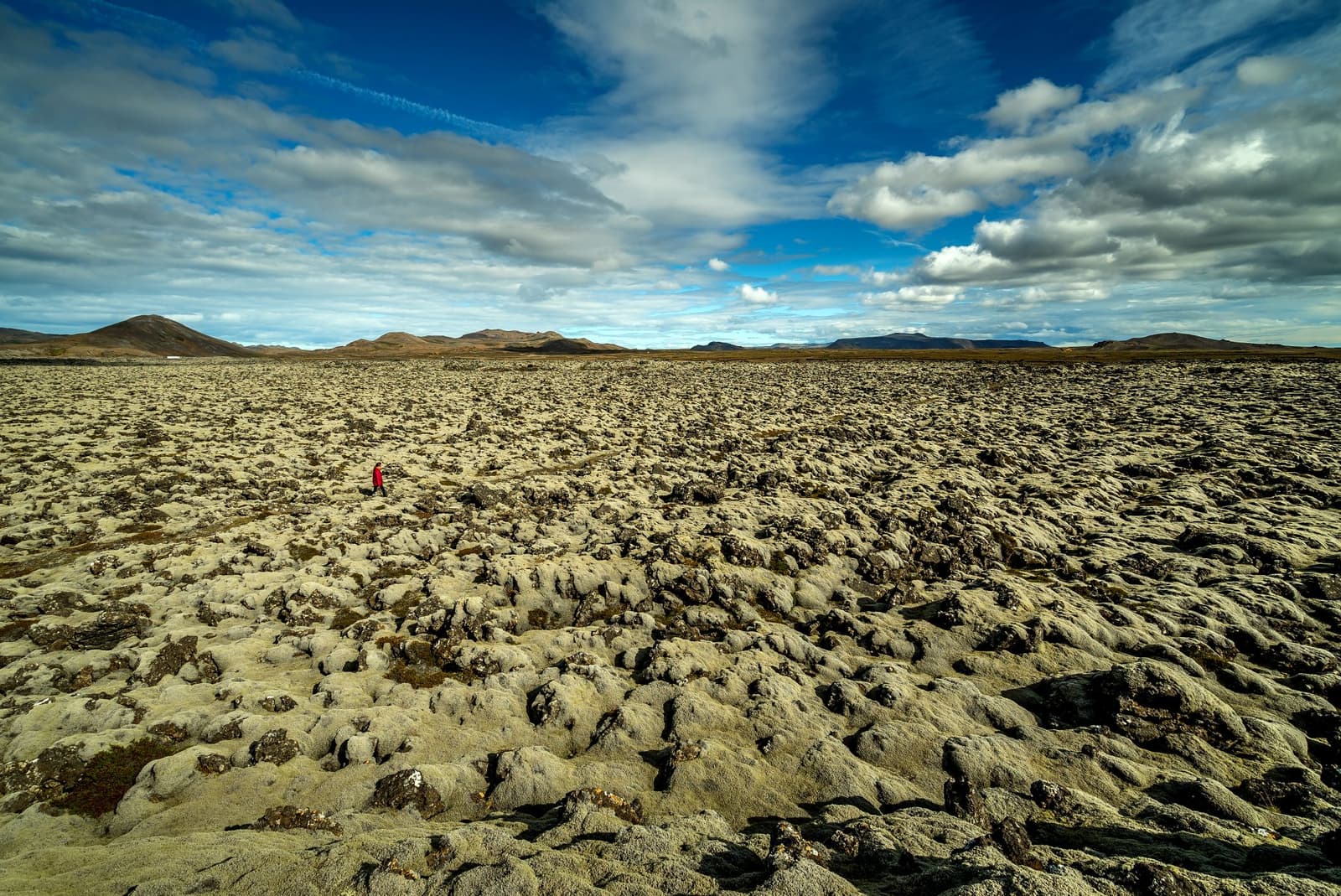
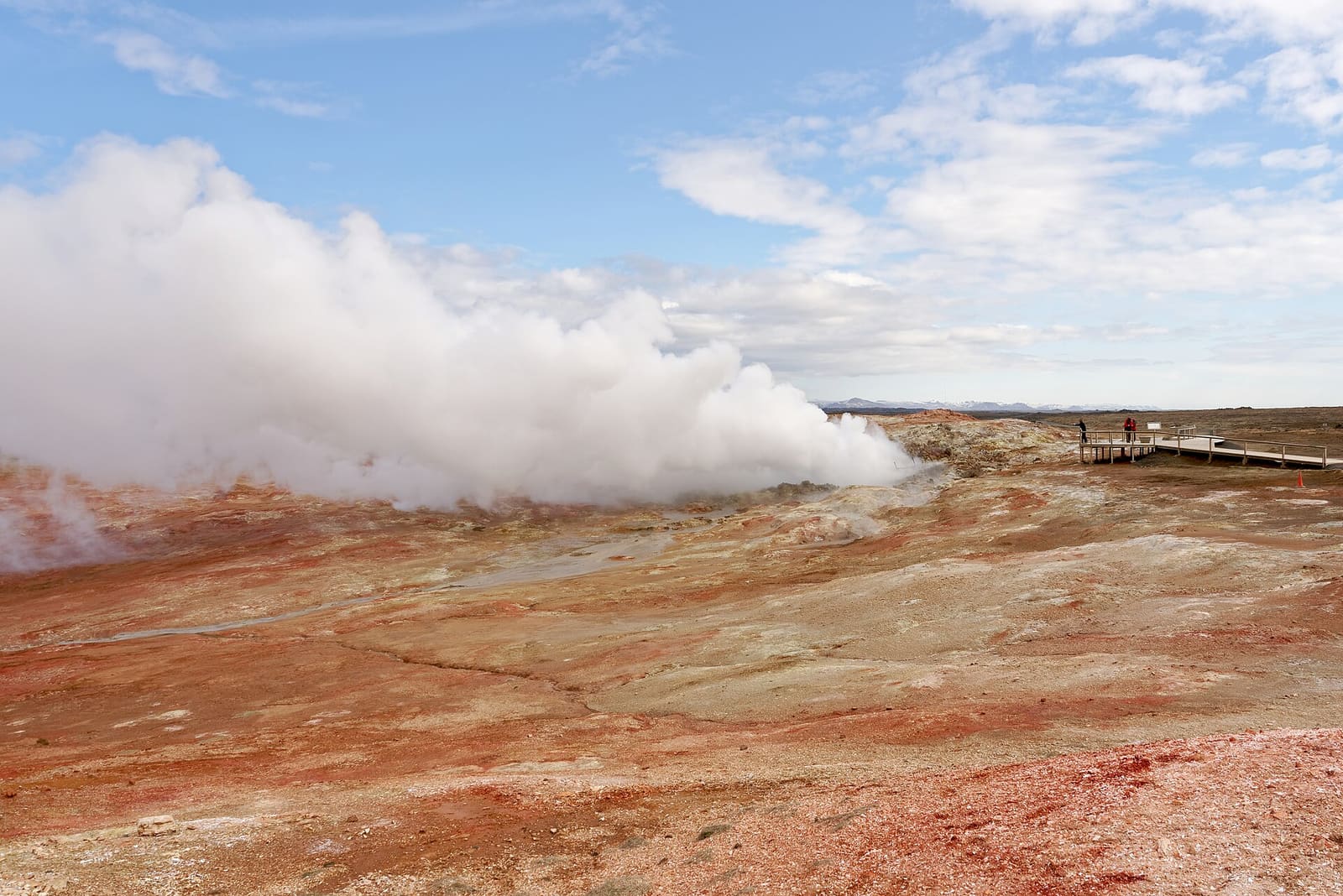
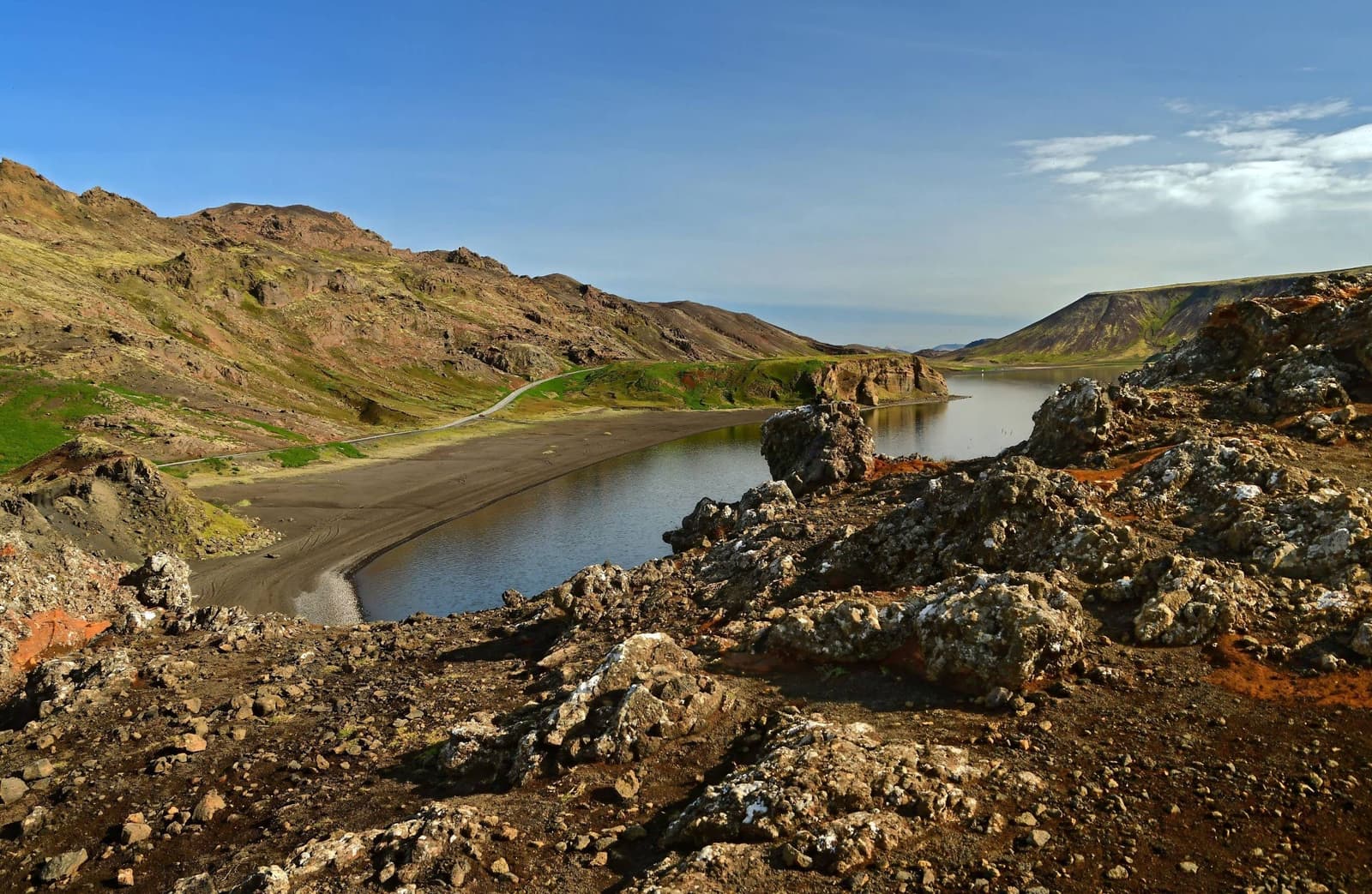
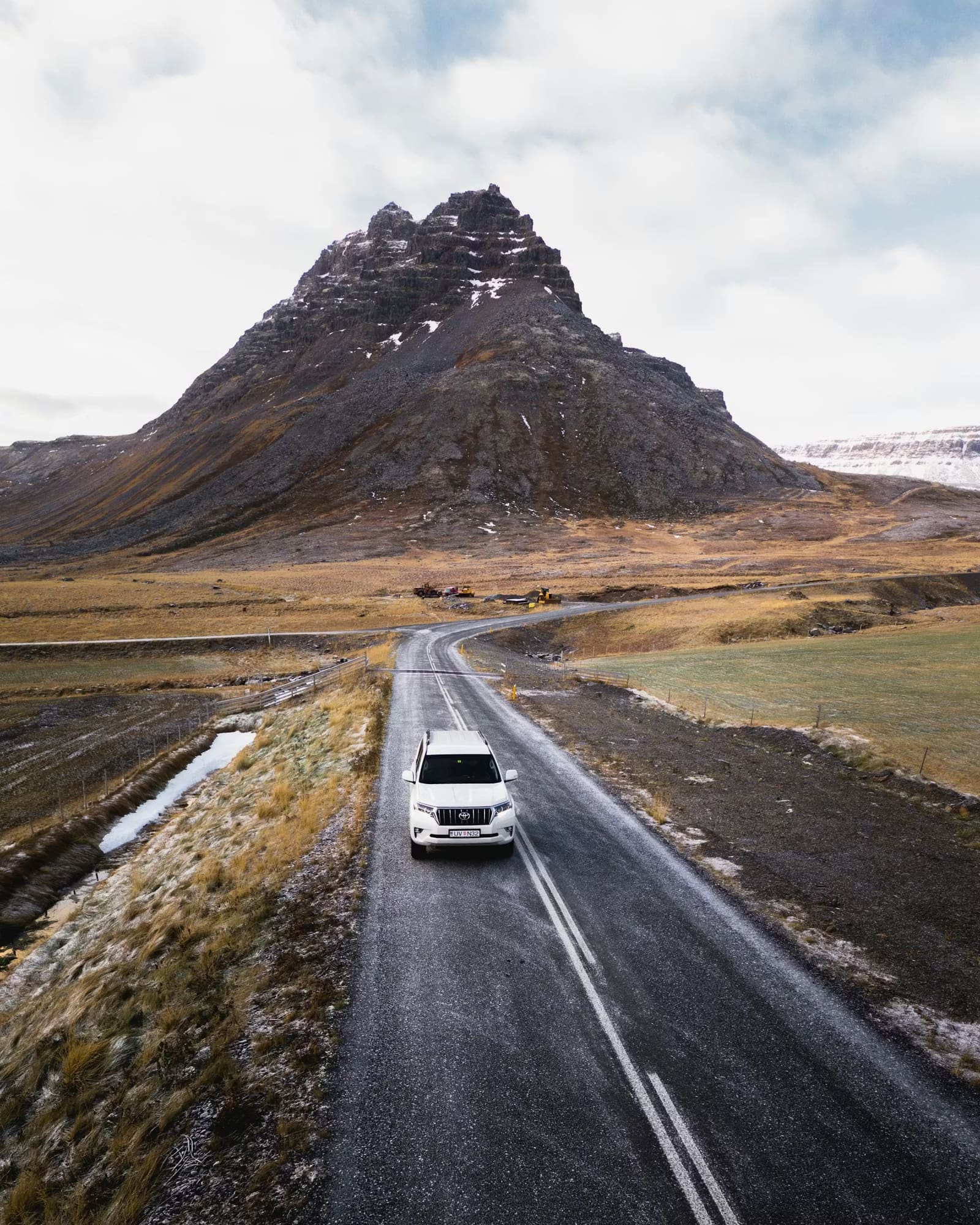
Fagradalsfjall in photos
The 2023 Litli-Hrútur eruption is useful historical context, not a promise of what the hike will show on every visit.
What makes the landscape feel different from other Reykjanes stops?
Fagradalsfjall feels raw, open, and young. Instead of boardwalks or a single lookout, you move through dark lava, broken rock, ridge lines, and broad views over terrain that was recently reshaped by eruption.
That is the real difference from Gunnuhver, Reykjanesviti Lighthouse, or even Ögmundarhraun. Those stops are easier to read in minutes. Fagradalsfjall asks you to earn the volcanic context on foot, with the lava field, ocean horizon, and cones slowly coming into view as the walk opens up.
The value of Fagradalsfjall is the scale of the lava landscape and ridges, not one fixed viewpoint.
The broader area became internationally famous because of the 2021, 2022, and 2023 eruptions, but the public value of the stop now is not the promise of live activity. It is the chance to walk through a volcanic landscape that still feels visibly new.
Fagradalsfjall: plan a longer half day to a full hike window
Plan a longer half day to a full hike window. The useful question is not the shortest possible route number, but whether your group can handle exposed volcanic ground without rushing the return.
Official hiking information for the area describes several route styles, and all of them share the same reality: gravel, lava fields, uneven ground, and steeper sections that can feel longer than a tidy map estimate. Even the cleaner options are not casual strolls by Reykjanes standards.
Allow enough time for the drive, parking, a slower start on rough ground, and an unhurried turnaround.
Wear real hiking footwear and carry layers for wind, exposed ridges, and shifting visibility.
Treat low cloud, strong wind, fatigue, and thin daylight as reasons to shorten the plan or skip the hike.
Use the hike style, not the famous name alone, to decide whether Fagradalsfjall belongs in the plan. The right choice depends on how much walking, lava context, and exposure the day can absorb.
Choose the hike style before you commit to the drive.
Hike style
What it gives you
Best when
Ridge or summit viewpoint
Broad peninsula views and a stronger sense of the mountain itself
You want the volcanic landscape more than a close lava-edge objective.
Longer lava-context walk
A fuller sense of the recent eruption fields and how the terrain changed
You have several hours, steady weather, and the appetite for rougher ground.
Full commitment day
The best chance to absorb the area without rushing nearby stops
The hike is the main objective and the rest of the route stays light.
Skip or defer
A cleaner Reykjanes day with less exposure and less fatigue
Airport timing, low visibility, wind, or tired legs make the hike poor value.
Recent-lava context is part of the draw, but the best route still depends on official access and how much walking the day can support.
Route names, parking arrangements, and the safest viewing options can change over time. Treat the official hike and parking page as the authority for the day-of setup, then use this guide to judge whether the walk still fits the trip.
Fagradalsfjall: check the practical sources before leaving paved-road assumptions behind
Check the practical sources before leaving paved-road assumptions behind. Access, gas and air-quality guidance, parking arrangements, weather, and the safest viewing area can all matter more than the headline attraction name.
The official hiking pages for this area warn about challenging terrain, changing access, and the danger of walking on fresh lava. SafeTravel, Umferðin, and the Icelandic Meteorological Office should decide whether the hike stays in the plan, not an old trip report or a map screenshot.
Confirm official hike and parking details before you drive out.
Check gas and air-quality guidance and never treat fresh lava as safe walking surface.
Verify road conditions, weather, and daylight before turning the hike into a fixed schedule item.
Keep an easier backup such as Kleifarvatn or Gunnuhver if conditions weaken the hike.
Use for forecasts, warnings, wind, and wider volcanic-area context.
Fagradalsfjall works best inside a Reykjanes sequence with only one or two easier companion stops
Fagradalsfjall works best inside a Reykjanes sequence with only one or two easier companion stops. If the hike is doing its job, the rest of the day should stay simple.
Kleifarvatn is the cleanest scenic alternative when the volcanic mood matters more than a long walk. Gunnuhver gives you immediate geothermal force without the hiking commitment, while Reykjanesviti Lighthouse works when you want a coastal end-of-peninsula stop after a lighter volcanic day.
Blue Lagoon can still pair with Fagradalsfjall, but only if the booking stays loose enough that the hike does not break the schedule. Selatangar and Ögmundarhraun make better companions when you want a rougher south-Reykjanes texture and can keep the whole day flexible.
Fagradalsfjall should sit inside a route you can still shorten, not a Reykjanes checklist you feel forced to finish.
Fagradalsfjall FAQ
These are the questions most likely to decide whether the hike belongs in a real Reykjanes plan.
Can you expect to see active lava at Fagradalsfjall?
No. You may see recent lava terrain, but you should never assume live volcanic activity or walkable fresh lava. Use official hike, safety, and hazard sources before expecting a specific view.
Is Fagradalsfjall a hard hike?
It is harder than many Reykjanes stops because the ground is exposed, uneven, and volcanic. The effort depends on the route you choose, but most worthwhile versions need real walking time and steady footing.
Is Fagradalsfjall a good airport-day stop?
Usually only if the hike is the main point of the day and your timing is generous. If the day is tight, Kleifarvatn, Gunnuhver, or Blue Lagoon are often cleaner choices.
Do you need to check parking, gas, and weather before going?
Yes. Official hike and parking details, gas and air-quality guidance, road conditions, and weather checks are part of the decision for this attraction, not an optional extra.