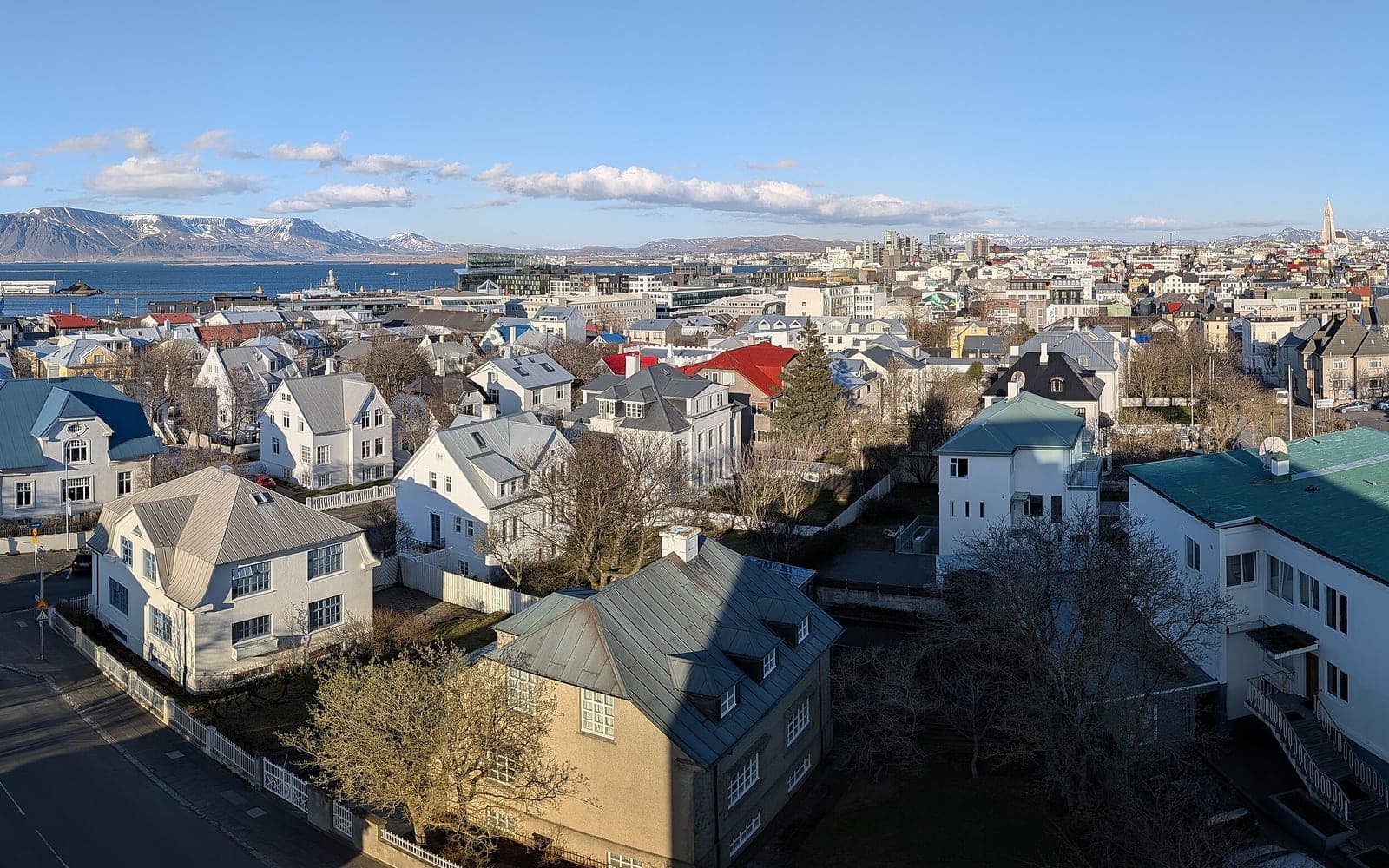
Is Elliðavatn worth a stop from Reykjavík?

Yes, Elliðavatn is worth a stop when your Reykjavík day needs quiet water, birdlife, and easy nature rather than another landmark. It is weaker as a standalone detour on a very short first trip.

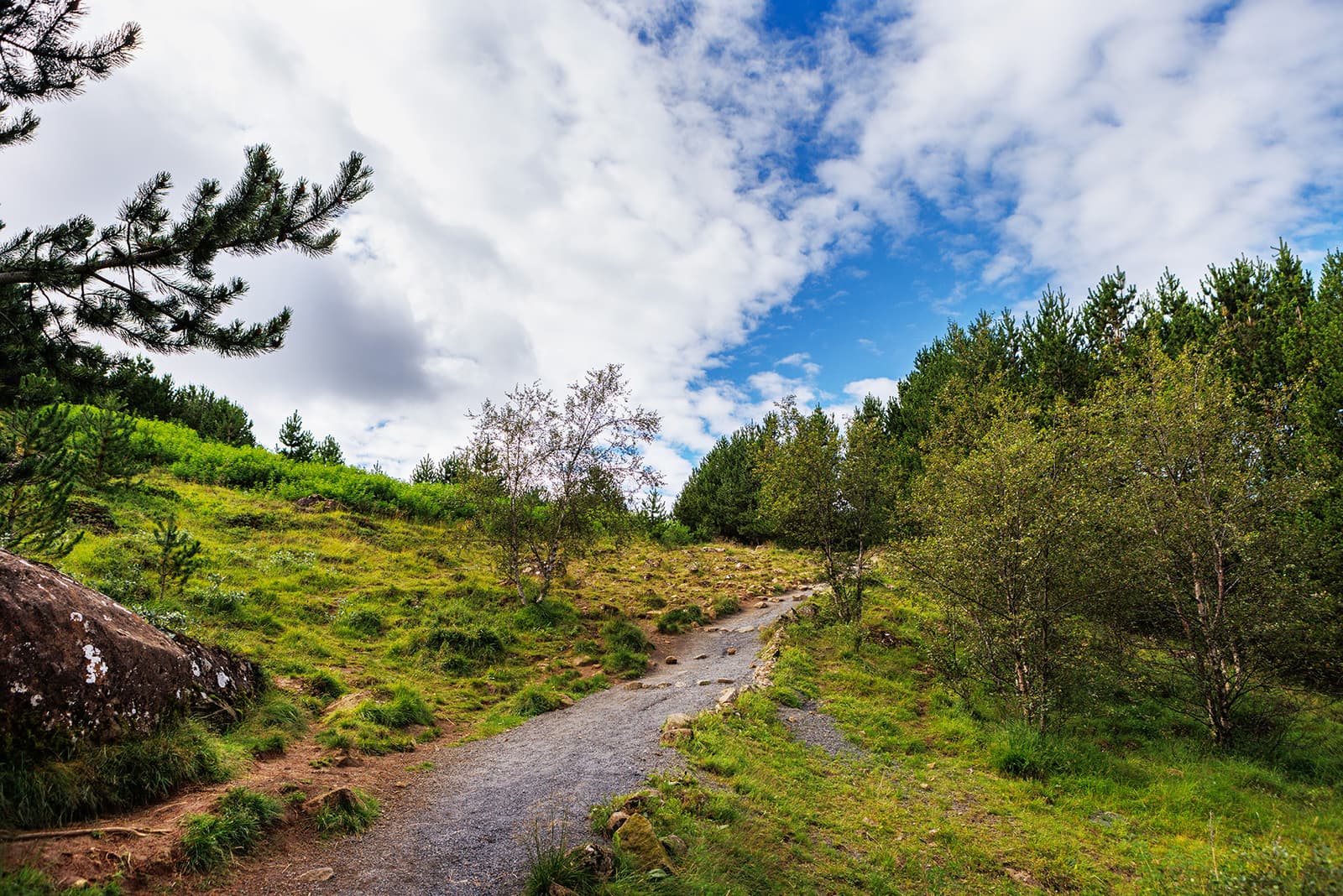
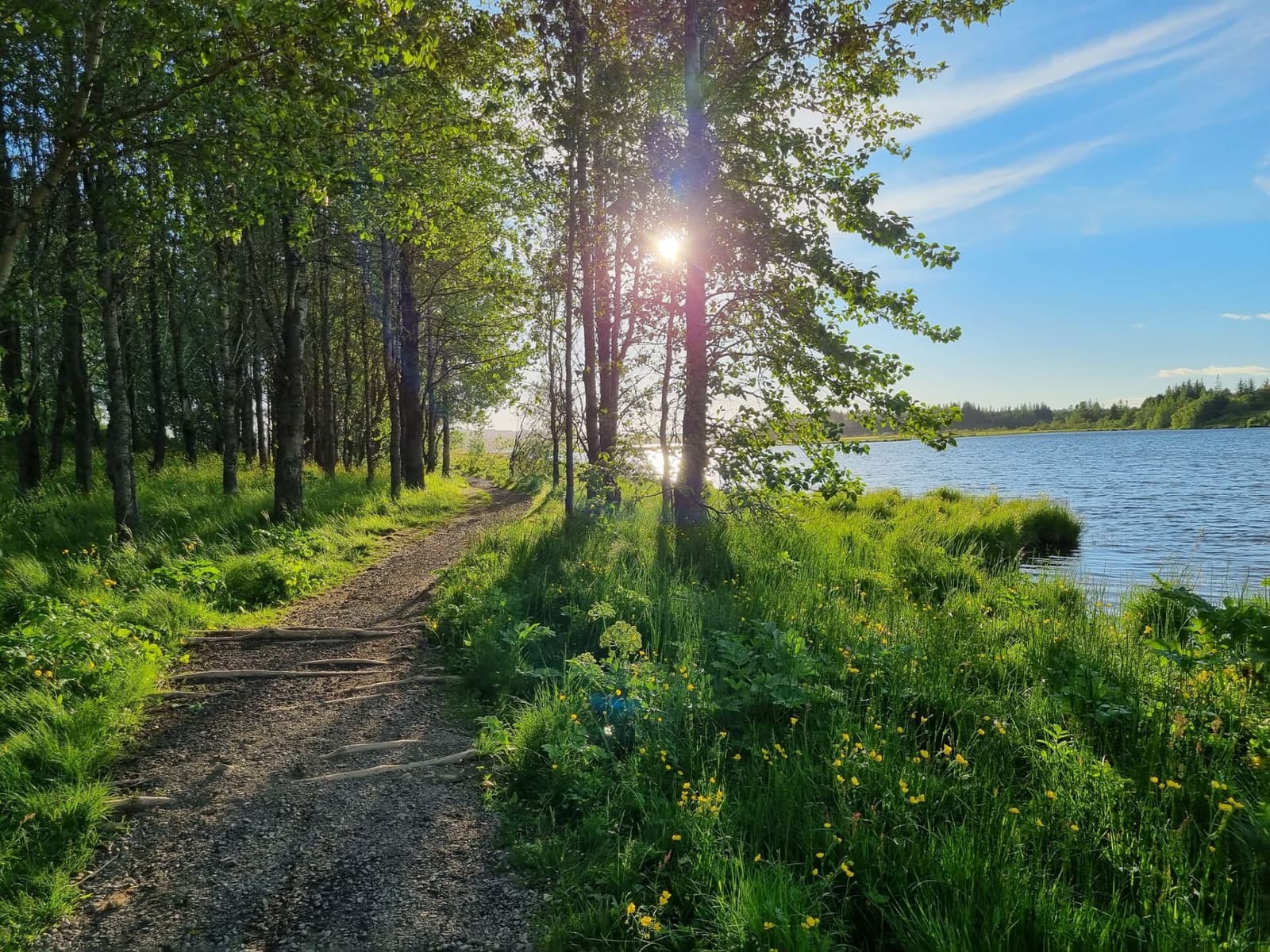
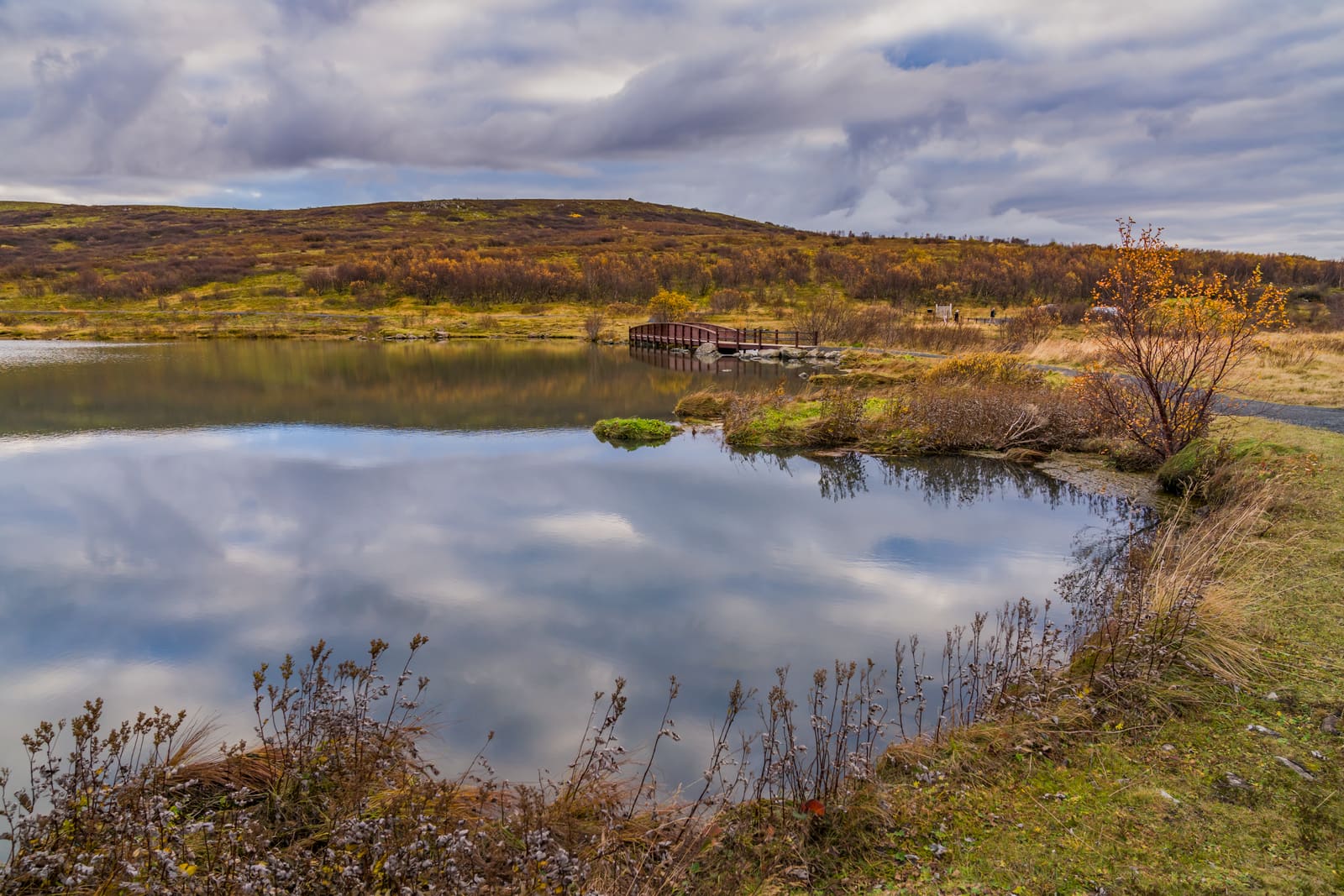
Elliðavatn sits on the southeast edge of the capital area, where Reykjavík begins to loosen into Heiðmörk, low hills, wetlands, and river corridors. The lake is calm rather than spectacular: water, reeds, open shore, paths, and a sense that the city is close but no longer in charge of the day.

A local Iceland travel editor would add Elliðavatn for a soft outdoor pause after museums, city streets, or arrival-day errands. The same editor would skip it if the trip still has major Reykjavík landmarks, the Golden Circle, or South Coast priorities competing for limited time.

Use Reykjavik planning to decide the role first. If the day needs a gentle nature pause, Elliðavatn works. If the day needs one high-impact viewpoint or museum, Perlan, Hallgrímskirkja, or Árbæjarsafn will usually be the clearer choice.

Worth the stop?

When this stop makes sense

Good match for

  • travelers based in Reykjavík who want a low-pressure nature break
  • walkers and cyclists linking lake paths with Heiðmörk or Elliðaárdalur
  • birdlife and freshwater-landscape interest close to the capital
  • families or slower travelers who prefer gentle outdoor time over another city landmark

Think twice if

  • first-time visitors with only a very short Reykjavík stop
  • travelers expecting a dramatic standalone landscape icon

Pair it with

ReykjavikHeiðmörkRauðhólarElliðaá

What does the lake add beside Heiðmörk and Elliðaá?

Elliðavatn adds the quiet lake layer: open water, shore birds, angling context, and a slower edge between Reykjavík's neighborhoods and the Green Belt.

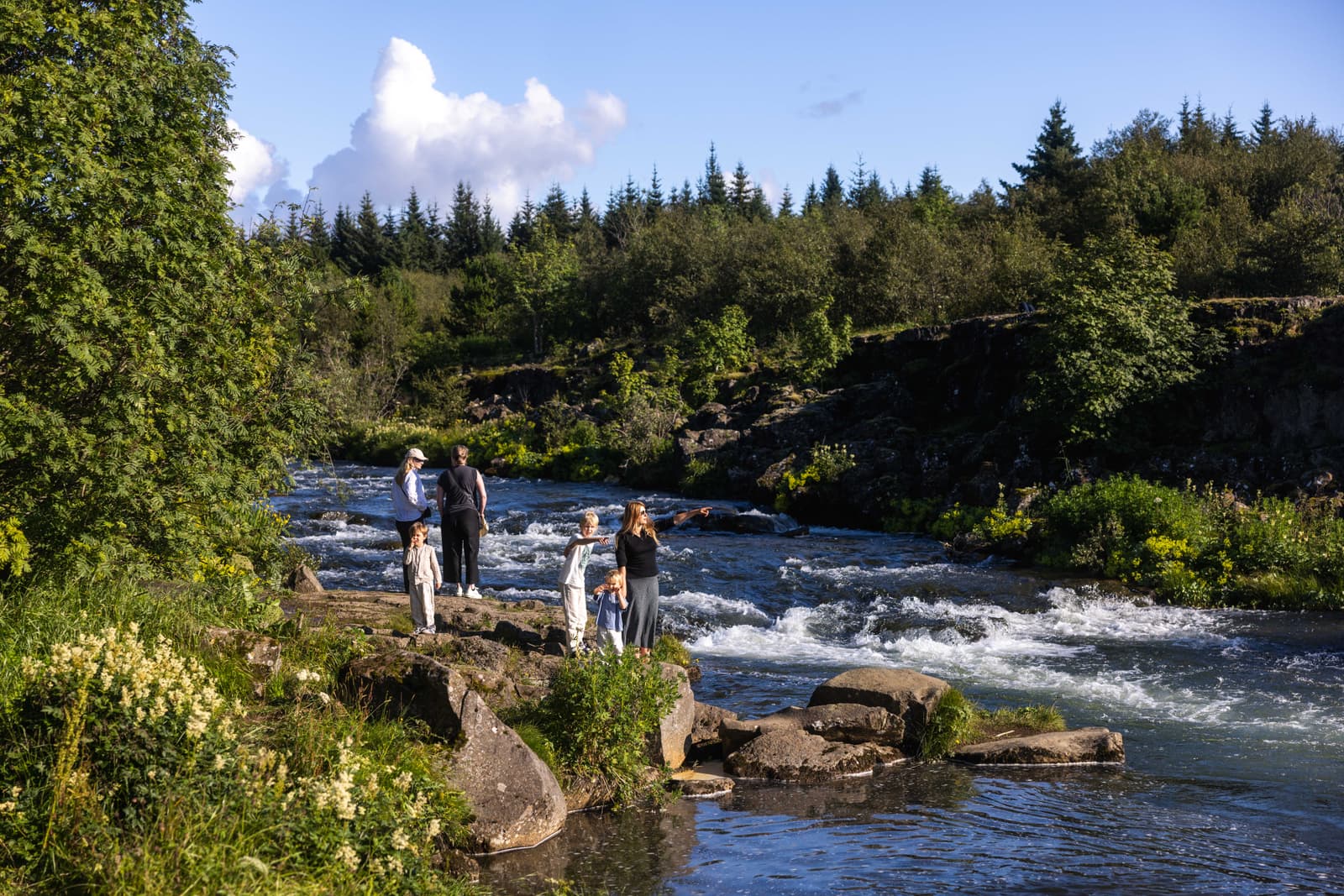
Heiðmörk gives the wider outdoor area: forest, lava formations, longer paths, and picnic-style breathing room. Rauðhólar gives the volcanic color. Elliðaá and Elliðaárdalur give the river story as the water leaves the lake and moves through Reykjavík.

Elliðavatn is the soft middle of that cluster. It is best when you want to slow down, watch waterfowl, understand the lake-to-river connection, or make a nearby outdoor day feel less like a checklist.

How should Elliðavatn fit into a Reykjavík day?

Elliðavatn works best as a flexible add-on to a Reykjavík nature day, not as the only reason to leave the city center.

The easiest version is a slow southeast Reykjavík loop: Elliðavatn for the lake, Heiðmörk for paths and lava-edge nature, and Rauðhólar if the group wants stronger geology. Keep the order flexible so weather, daylight, and energy decide how much walking belongs in the day.

For a more urban day, pair the lake with Elliðaárdalur or Elliðaá instead. That creates a city-nature sequence rather than a separate countryside outing, and it can sit more naturally beside Árbæjarsafn, Perlan, or a lighter Reykjavík afternoon.

Do not force Elliðavatn into a packed Golden Circle departure or return day just because it is near the capital. It earns its place when it improves the pace of the day, not when it becomes one more pin before a longer drive.

How much time and effort does Elliðavatn need?

The lake can be a short look, a gentle walk, or part of a longer outdoor block. The right amount depends on whether Elliðavatn is the pause or the anchor.

Ways to use Elliðavatn
PlanBest useMain tradeoff
Quick lake pauseUse Elliðavatn when the day needs open water and a calm break near Reykjavík.Low commitment, but limited payoff if you do not walk or pair it with nearby nature.
Lake and Heiðmörk outingBuild a slower outdoor block around the lake, forest paths, and lava-edge scenery.Better experience, but it competes with city museums and landmark time.
River-valley sequenceConnect Elliðavatn with Elliðaá or Elliðaárdalur for the lake-to-river story.Less dramatic than classic day-trip scenery, but more coherent for a Reykjavík-based day.

Most visitors should keep Elliðavatn flexible. If the sky is clear, the group wants a gentle walk, and the day is not overloaded, it can be a satisfying pause. If the weather turns or the schedule tightens, shift the emphasis to Heiðmörk, Árbæjarsafn, or central Reykjavík instead.

What should you check before relying on the stop?

Check official visitor details before depending on Elliðavatn for angling, path access, winter walking, or a tight self-drive sequence.

  • Go if you want a calm Reykjavík-edge nature pause and can keep the timing flexible.
  • Skip if your short trip still needs the city's major landmarks or a stronger day-trip landscape.
  • Check official visitor information before relying on fishing details, path access, or specific services.
  • Check weather, road conditions, and safety guidance when winter, wind, ice, or low visibility could change the plan.

Official checks before you go

Elliðavatn FAQ

Is Elliðavatn a must-see attraction in Reykjavík?

No, Elliðavatn is better as a quiet nature add-on than a must-see landmark. Prioritize it when you want water, birds, and a slower edge-of-city walk.

Should I choose Elliðavatn or Heiðmörk?

Choose Elliðavatn for the lake mood and a gentler pause. Choose Heiðmörk when you want a broader outdoor area with more forest, lava, and walking options.

Does Elliðavatn work without a car?

It can work for some city-based plans, but access details need checking before you rely on it. Verify public transport, walking distance, and return options with official local information.

Is Elliðavatn mainly for fishing?

No, the lake also works for walking, cycling, birdlife, and quiet scenery. If angling is the reason for going, check official visitor details before planning around it.