Elliðaárdalur Valley is Reykjavík’s easy river-valley nature break, with Elliðaá, Kermóafoss, wooded walking and cycling paths, wildlife, hydropower history, and a useful pause minutes from the city’s main sightseeing loop.
Coast snapshot
Type
Urban river valley, walking and cycling area, waterfall stop, and local heritage corridor
Setting
Eastern Reykjavík along the Elliðaá river corridor between residential districts
Time to allow
About 30-90 minutes for a focused walk, or longer if you add Árbær or Elliðaárstöð
Best experience
Choose one river loop instead of trying to cover the whole valley on a tight city day
Access reality
Paths, bridges, buses, events, fishing rules, and winter footing all deserve official checks when they matter
In this guide
Is Elliðaárdalur worth visiting?
Yes, Elliðaárdalur is worth visiting when your Reykjavík day needs fresh air, moving water, and a local-feeling walk. It is weaker as a standalone priority if you still have not chosen your main city landmarks.
Think of Elliðaárdalur as Reykjavík’s practical nature pause: a green river corridor where you can walk, bike, watch birds, look for Kermóafoss, and feel away from traffic without committing to a countryside outing. It is a better answer to "I need a local outdoor break" than to "what is the one landmark I should see in Reykjavík?"
Add it if your day already includes the east side of the city, Árbæjarsafn, Reykjavík Park and Zoo, or a slower Reykjavík stay. If you have only a few hours in the capital, compare it first with Hallgrímskirkja, Perlan, the old center, or the waterfront around Sun Voyager.
Photo guide
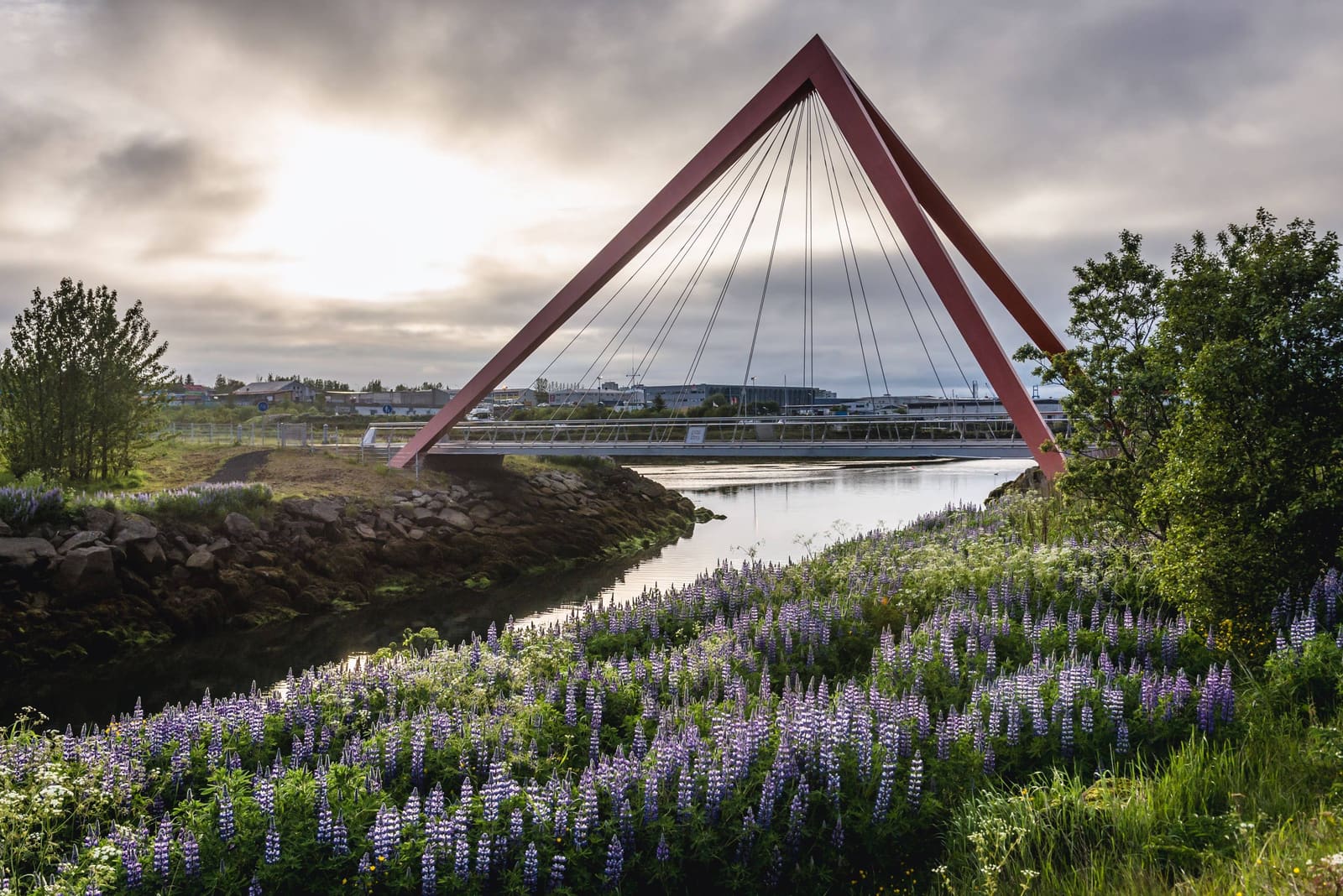
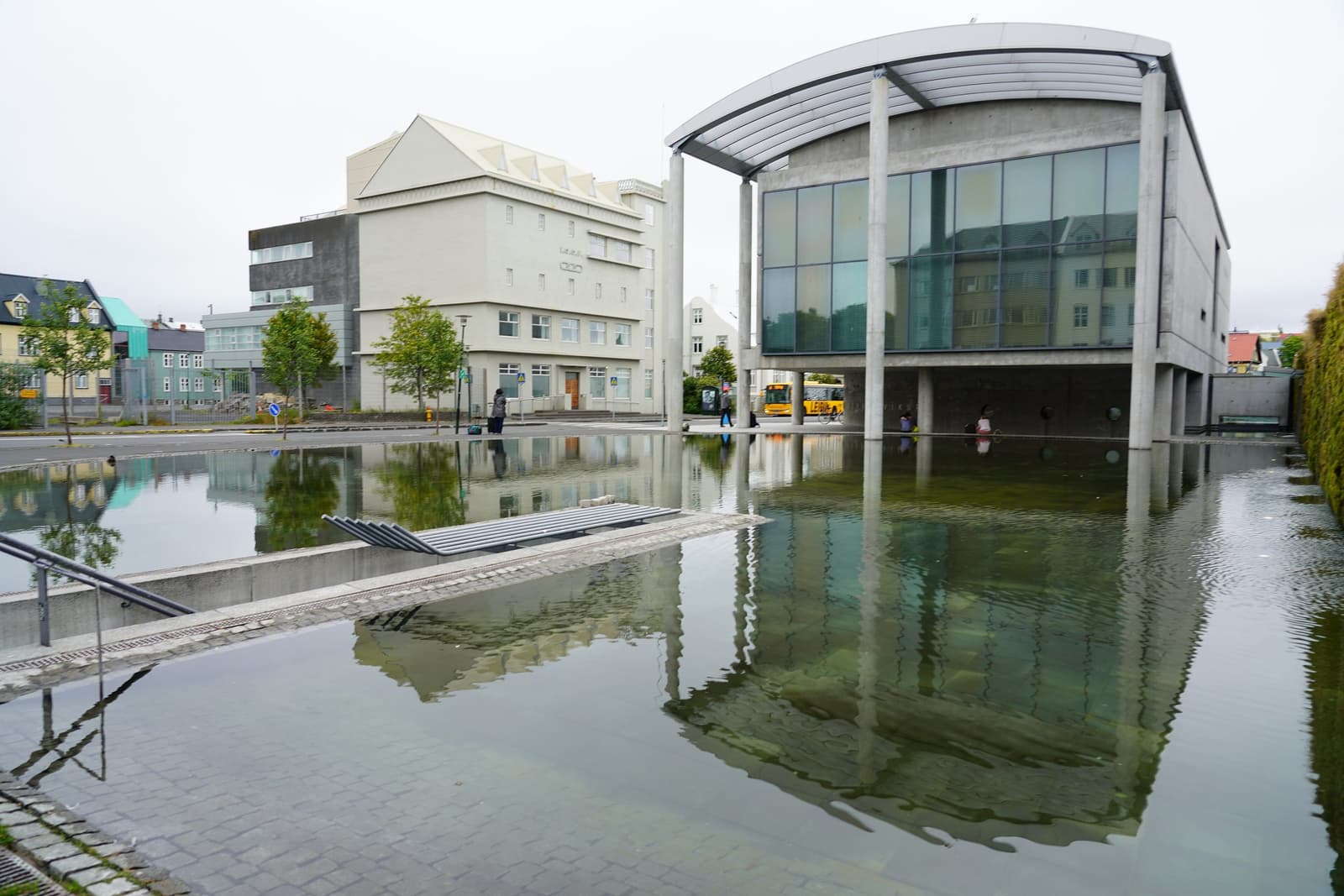
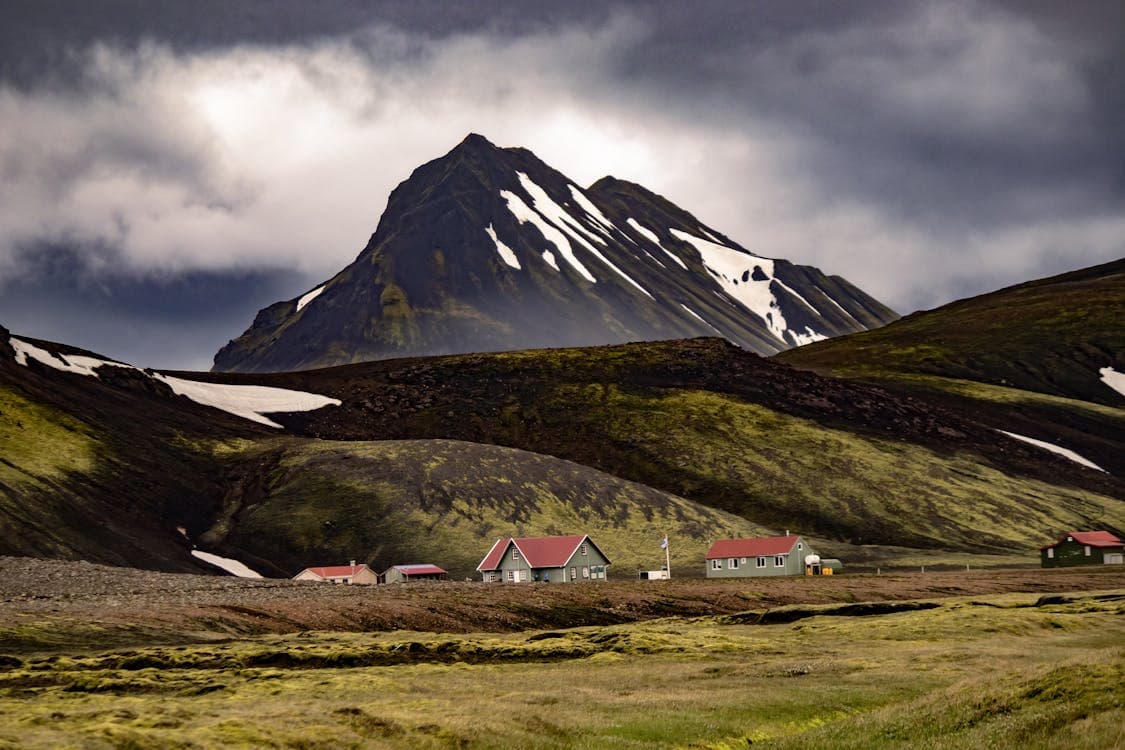
Elliðaárdalur Valley in photos
1 / 4
Fishing platforms are part of the river landscape, but fishing details need official checks.
What kind of stop should you plan?
Plan the valley by mood and time, not by trying to complete every path. A short river look, a relaxed loop, or a heritage-plus-nature visit can all work.
Ways to use Elliðaárdalur in a Reykjavík day
Visit style
Time
Focus
Best for
Quick river pause
30-45 minutes
A bridge, riverbank, and one waterfall or rapid view.
Travelers who need fresh air between city stops.
Walk or bike loop
60-90 minutes
Paths through woodland, river edges, bridges, and quieter local corners.
Runners, cyclists, families, and slow Reykjavík days.
Nature plus heritage
Half day at a relaxed pace
Elliðaá, Kermóafoss, Árbæjarsafn, and Elliðaárstöð or the old power-station area.
Travelers who want local history with an outdoor break.
The river is the organizing feature of the stop: plan around one good stretch rather than trying to cover the whole valley.
What will you actually see in the valley?
The valley mixes river, lava-rock waterfalls, bridges, woodland, meadows, birdlife, salmon-river history, and the old energy landscape of Reykjavík.
The center of the experience is Elliðaá. Reykjavík’s official description ties the valley to the rivers, salmon migration, bird life, reforestation, historical bridges, and the old hydropower station near Árbær. That mix makes the place feel more lived-in than a scenic viewpoint: people run, cycle, walk dogs, picnic, fish under official rules, and cross the river as part of normal city life.
Kermóafoss gives the valley its clearest waterfall moment, but the wider visit is about river movement, paths, and local outdoor life.
Kermóafoss is the most obvious named waterfall target, but smaller rapids, bridges, tree-lined paths, and river bends matter just as much. The best visit is not a checklist; it is choosing a section where water, trees, and footpaths line up with the time you have.
If you like local context, leave room for Árbæjarsafn or Elliðaárstöð. Together they explain why this valley is not only a pretty park: it also connects older Reykjavík farming life, hydropower, city utilities, and everyday outdoor culture.
How do you get there without overplanning it?
Treat access as a choice of entrances and path sections. The official city and outdoor-route sources list buses, parking areas, walking paths, cycling paths, and nearby route options, but your best entrance depends on the loop you want.
For most travelers, the simplest approach is to decide whether the day is centered on Árbæjarsafn, the old power-station area, a river loop, or a bike ride through the valley. Then use official transport or map information for that entrance instead of navigating toward the valley as one single point.
For a short walk, pick a river section and keep the loop compact.
For a bike ride, use the valley as part of Reykjavík’s wider path network rather than a detached attraction.
For families, favor a simple out-and-back or a route with clear rest points.
For a no-car day, pair the valley with official bus information and the broader Reykjavík region guide.
When is Elliðaárdalur a good choice?
Choose it when weather, daylight, and energy suit an outdoor pause. Skip or shorten it when paths are icy, wind is unpleasant, or your Reykjavík time still lacks a main anchor.
In mild conditions, Elliðaárdalur is at its easiest: green paths, river sound, birds, and enough space to clear your head after denser city stops. In winter or rough weather, it can still be atmospheric, but wet paths, ice, river edges, and low light make a shorter, more cautious version smarter.
Winter gives the valley strong atmosphere, but footing and daylight should decide how much of the route you attempt.
Add the valley after the main Reykjavík priorities are settled, not before. If your only city choice is one icon, choose Hallgrímskirkja, Perlan, or a downtown walk first. If you have a second city block, Elliðaárdalur becomes much more attractive.
What nearby places pair naturally with it?
The strongest pairings stay on the east side of Reykjavík or serve a clear city-day purpose. Do not force Elliðaárdalur into a countryside route just because it has waterfalls.
The most natural pairing is Árbæjarsafn, because it keeps the day local and adds Reykjavík history to the valley’s outdoor rhythm. Reykjavík Park and Zoo can make sense for families, while Perlan is a stronger city-view and weather-flexible anchor if you are deciding between east-side stops.
Árbæjarsafn is the most natural nearby cultural pairing when the valley visit needs more than a walk.
For a first trip, use the Reykjavík region guide before building a whole day around the valley. For a compact arrival or departure plan, it can sit inside a five-day trip as a light city option rather than a route anchor.
What should you check before you go?
Use official sources for details that can change or depend on your exact plan. The valley is easy to enjoy, but fishing, events, transport, access needs, and winter surfaces should not be guessed from a static guide.
Check Reykjavík city information for area context, entrances, path categories, and official updates.
Use official transport or outdoor-route information if your plan depends on a bus stop, bike route, or specific entrance.
Check Elliðaárstöð information before making the heritage buildings, events, or exhibitions the center of the outing.
Treat fishing as regulated; use official or club information instead of assuming visitor access from seeing anglers by the river.
In winter or rough weather, choose a shorter route and check conditions before walking near river edges or steeper waterfall viewpoints.