Skógar is a tiny South Coast village beside Skógafoss, useful when you want to turn a famous waterfall stop into a slower cluster with culture, short walks, and route choices.
Waterfall facts
Type
Small village, South Coast cluster, museum area, waterfall base, and hiking gateway
Region
South Iceland, beside the Ring Road near Skógafoss
Route context
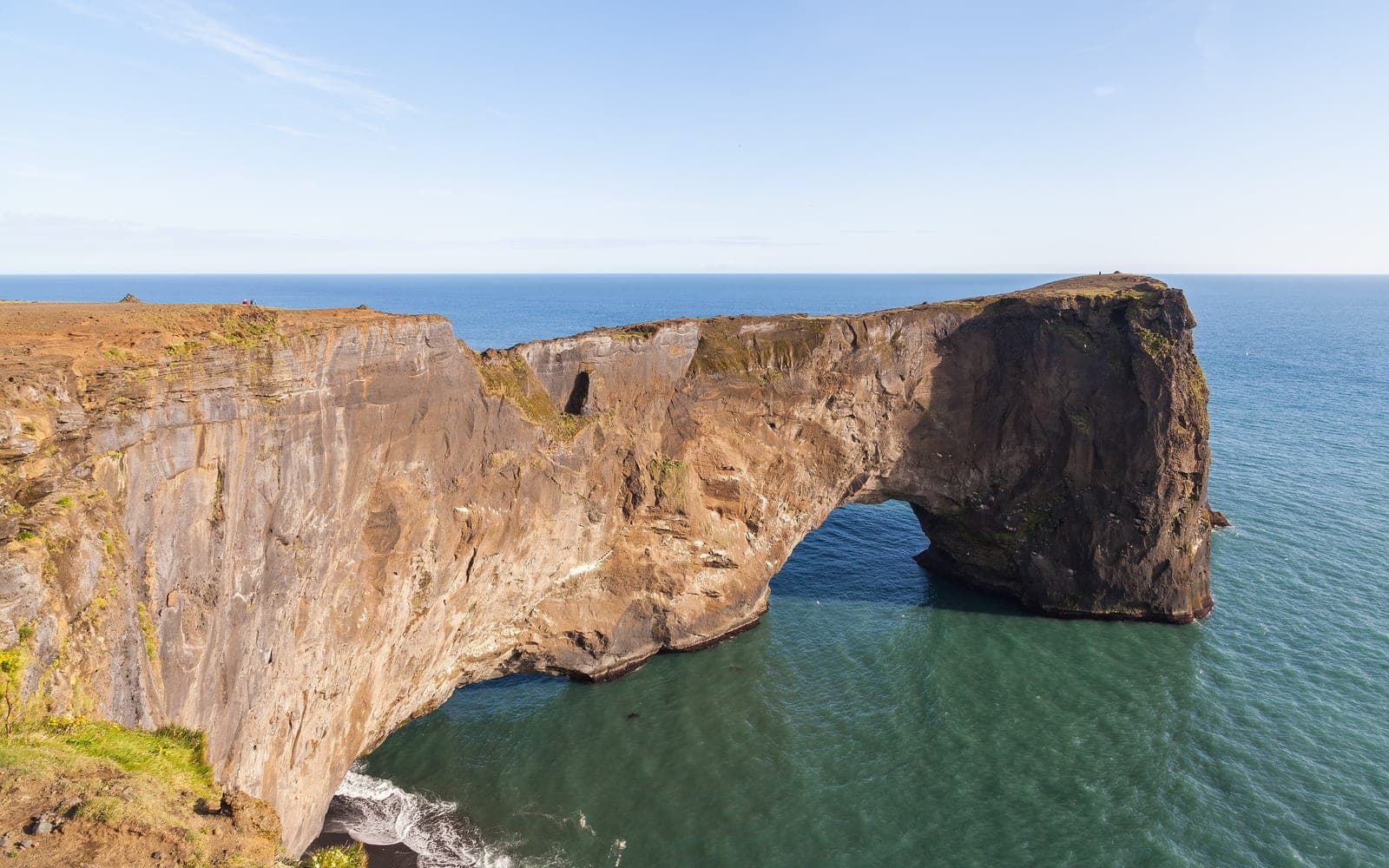
A South Coast pause between Seljalandsfoss, Skógafoss, Sólheimajökull, Dyrhólaey, Reynisfjara, and Vík
Time to allow
45-75 minutes for a simple waterfall-focused stop; 2-3 hours if adding the museum or Kvernufoss
Best experience
Use Skógar as a small cluster instead of treating every nearby place as a separate detour
In this guide
Is Skógar worth more than a quick Skógafoss stop?
Yes, if you use Skógar as a compact cluster. The village is not a large destination on its own, but it can turn a famous waterfall stop into a more balanced South Coast pause.
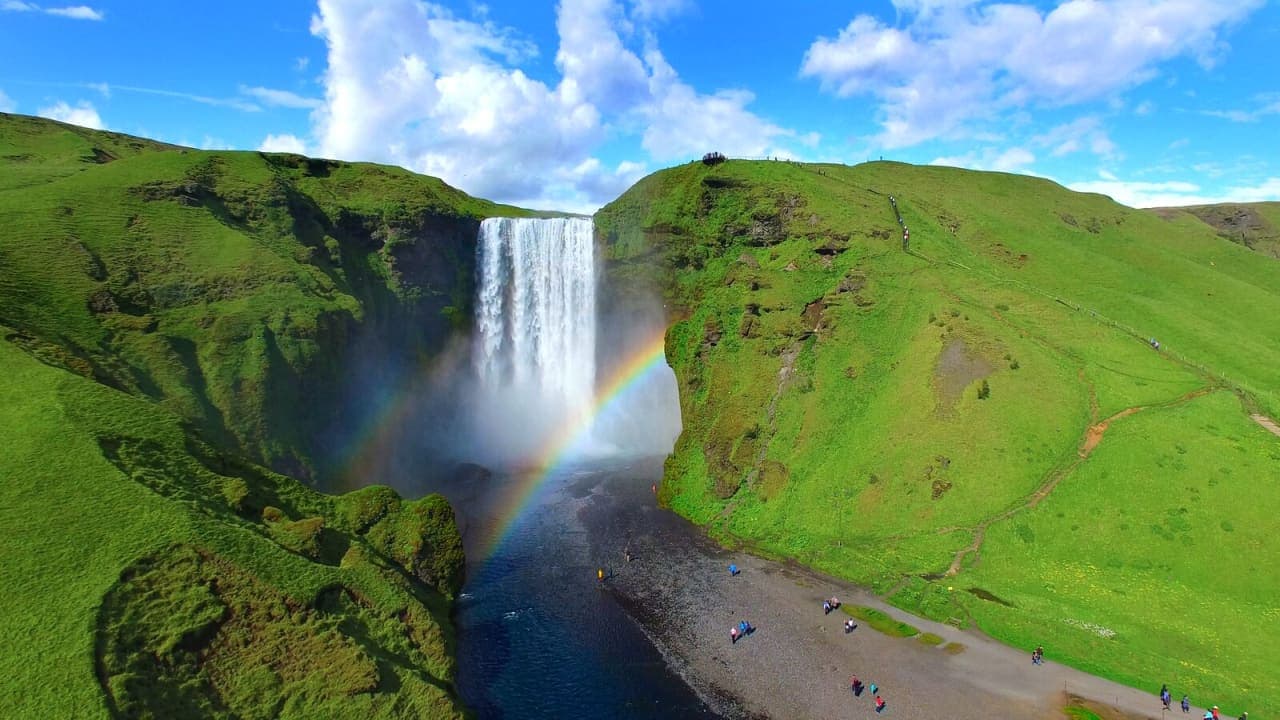
Most travelers first notice Skógar because of Skógafoss, and that is still the main anchor. The better question is whether you should leave after the base view or slow down for the museum area, Kvernufoss, a short walk above the falls, or the decision point for Fimmvörðuháls.
Add Skógar when the day needs a useful break between Seljalandsfoss and the Vík-area coast, especially if culture or a quieter canyon walk would make the route feel less like a photo checklist. If vernacular history matters more than another walk, Rútshellir is the focused nearby comparison. Skip extra time here when the same day already includes Skógafoss, Dyrhólaey, Reynisfjara, Sólheimajökull, and a long drive.
Go if: you want one small base for Skógafoss, Kvernufoss, museum context, and a clear hiking choice.
Skip extra time if: you only need the main Skógafoss viewpoint before continuing east or west.
Check before committing: official visitor, road, weather, and hiking sources should decide tight plans, longer walks, and winter assumptions.
What does the Skógar cluster feel like?
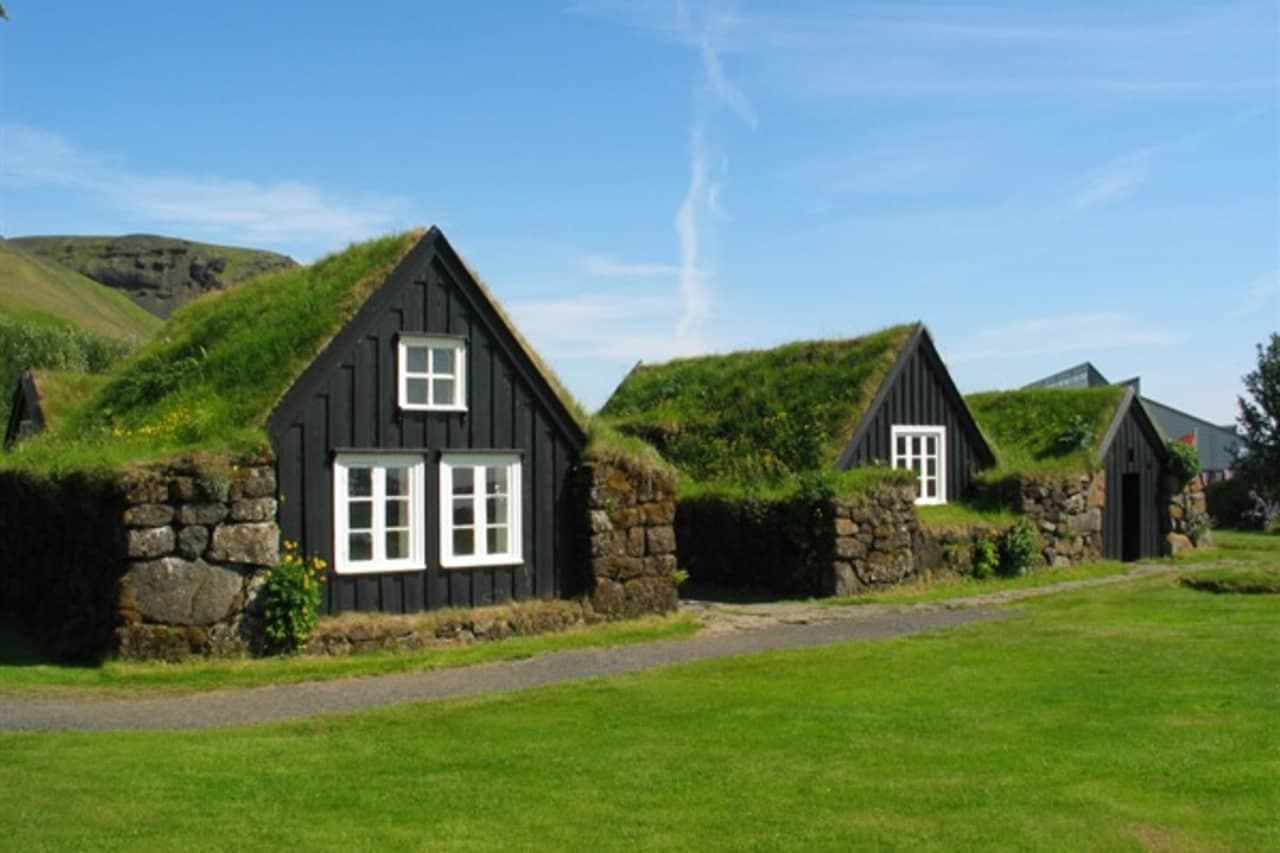
Skógar feels like a small South Coast pocket rather than a town-center stop: turf houses, museum buildings, green slopes, waterfall spray, short paths, and the Ring Road close by.
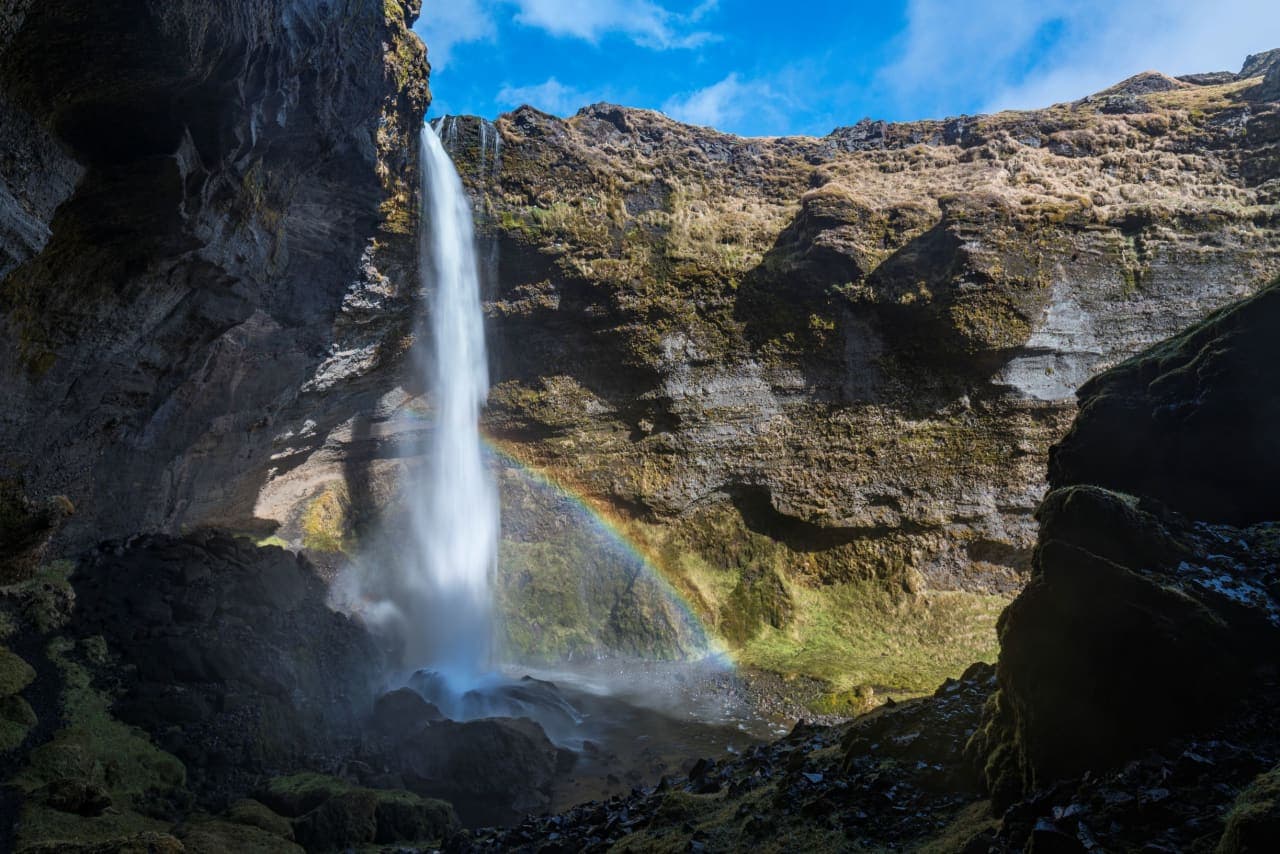
The appeal is the contrast. Skógafoss gives the big open waterfall moment, while the museum area gives South Iceland farming, transport, and coastal-life context. Kvernufoss adds a narrower canyon walk close by, and the hills behind the village hint at the longer terrain toward Fimmvörðuháls.
That makes Skógar useful on a South Iceland route when you want a stop that has more than one setting within a small radius. It is weaker as a stand-alone village wander if your group wants shops, a large harbor, or a long list of urban services.
From above Skógafoss, Skógar reads as a compact cluster under the South Coast cliffs.The built heritage around Skógar gives the waterfall stop a different kind of context.
Which Skógar stop should you prioritize?
Choose one main add-on after Skógafoss unless you have a slow South Coast day. The strongest choice depends on whether you want culture, a short canyon walk, glacier context, or a serious hike.
Skógar is easy to overpack because several good stops sit close together. A better plan is to pick the version that matches the day: Skógafoss for the icon, Kvernufoss for a quieter walk, the museum area for local context, or Fimmvörðuháls only when hiking is the real plan.
How to choose around Skógar
Choice
Best for
Planning note
Skógafoss
The main scenic payoff and easiest short stop.
Keep it brief or add the stairs only when weather and footing make sense.
Kvernufoss Falls
A quieter canyon walk near the museum area.
Add it when you have time for uneven ground, spray, and a slower return.
Skógar Museum area
Culture, turf-house context, and a break from all-scenery routing.
Verify official visitor details before relying on a museum-centered stop.
Fimmvörðuháls
A serious hiking objective above the waterfall area.
Plan it separately with weather, gear, route, and transport checks.
A broader glacier or coastal contrast after Skógar.
Use these when the day has room beyond the waterfall cluster.
Skógafoss is the obvious anchor, but it does not need to consume the whole Skógar decision.Kvernufoss gives the Skógar cluster a quieter walking option when conditions are suitable.
How much time should you give Skógar?
Give Skógar 45-75 minutes if you are mainly visiting Skógafoss, or 2-3 hours if you want one meaningful add-on. Overnight only makes sense when the location simplifies your wider South Coast plan.
A quick version is simple: stop for Skógafoss, decide whether the stairs are sensible, and continue. A balanced version adds either Kvernufoss or the museum area. A slow version treats Skógar as a small base for a less rushed South Coast segment.
On a 5-day Iceland itinerary, Skógar can help break up a busy South Coast day, but it should not push essential coastal or glacier stops into rushed low-light windows. If the day is already long, choose one Skógar add-on and leave the rest for another trip.
Skógar visit lengths
Version
What it includes
Use it when
Quick stop
Skógafoss base view and a short decision at the stairs.
You want Skógar to feel like a cluster, not only a photo stop.
Slow stop
Museum context, one waterfall walk, and route breathing room.
The South Coast plan has enough margin for weather, food, photos, and slower pacing.
When does Skógar work as a base?
Skógar works as a base when it reduces pressure on the South Coast day. It is less useful if staying there simply splits a drive that would be easier from Hvolsvöllur, Vík, or another route base.
The location is strongest for travelers who want early or late access to Skógafoss, time for Kvernufoss, or a quieter start before continuing east. It can also make sense when a hiking plan starts from Skógar and the group needs a simple launch point.
It is weaker when your route priority is the Vík-area coastline, because Dyrhólaey, Reynisfjara, and onward eastbound plans may be simpler from farther east. Compare the overnight choice with your next morning rather than judging Skógar only by the map distance.
Skógar can feel very different by season, so daylight, road, and walking conditions should shape the plan.
What should you check before relying on Skógar?
Check official visitor information, South Coast roads, weather, and hiking guidance before turning Skógar into a tight museum, waterfall, or hiking plan.
Skógar is straightforward in a normal self-drive plan, but the details that can affect your day are the ones most likely to change: museum visitor information, road conditions, wind, ice, daylight, path footing, and any longer hiking advice.
For Fimmvörðuháls, do not rely on the fact that the trail starts near a famous roadside waterfall. Treat the hike as its own plan and use official hiking, weather, and transport sources before committing. For ordinary sightseeing, road and weather checks are usually the main safeguards.