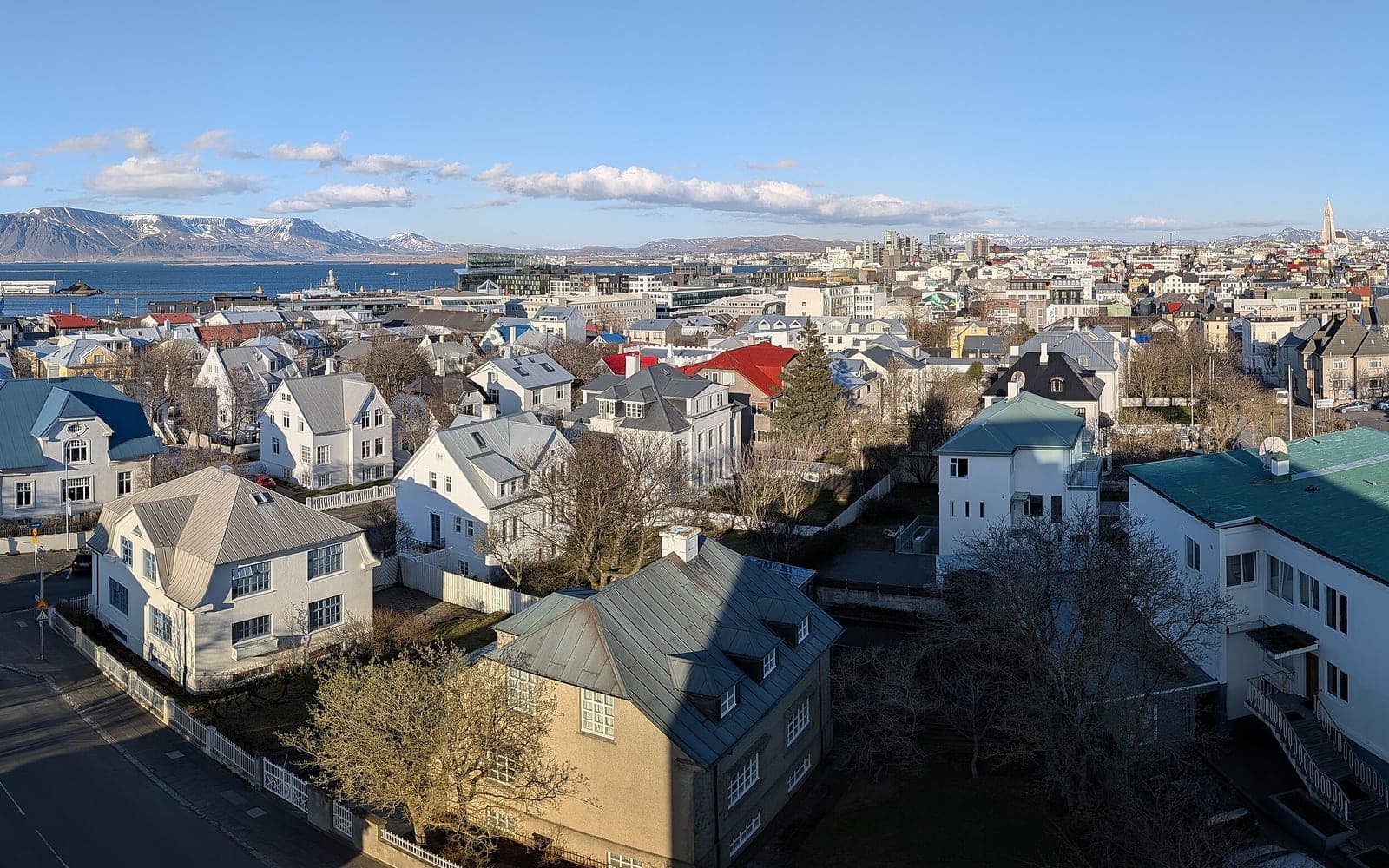
Should you add Rauðhólar to a Reykjavík day?

Yes, add Rauðhólar when your Reykjavík day needs a short hit of volcanic landscape rather than another city landmark. Skip it when limited time should go to a major route, museum, or first-trip icon.

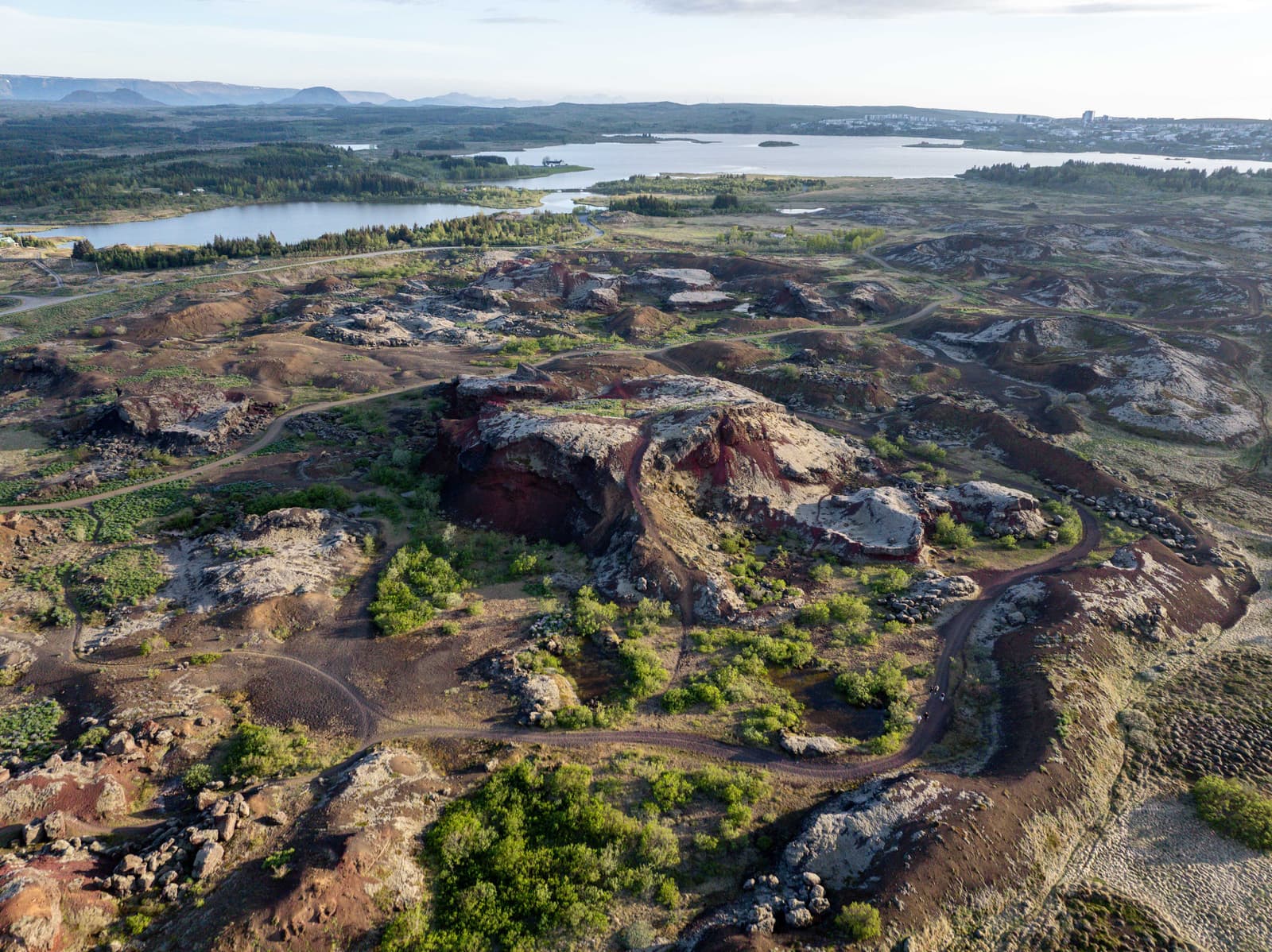
Rauðhólar is a cluster of red pseudocrater remains on the southeast edge of Reykjavík, where the city thins into Elliðavatn, Heiðmörk, lava ground, and open paths. It is close enough to feel easy, but the mood is not urban: red slopes, rough dark rock, low vegetation, wind, and a sense that the capital is already behind you.

A local Iceland travel editor would add Rauðhólar for an arrival-day stretch, a family nature break, a geology-minded city day, or a quieter pairing with Heiðmörk and Elliðavatn. The same editor would skip it if the traveler still has not made room for Hallgrímskirkja, Perlan, Þingvellir, or another higher-impact anchor.

Worth the stop?

When this stop makes sense

Good match for

  • short Reykjavík nature breaks
  • volcanic geology without a long drive
  • travelers pairing city sights with Heiðmörk

Think twice if

  • travelers who need one major first-trip icon
  • groups avoiding uneven lava-field ground

Pair it with

ReykjavikHeiðmörkElliðavatnElliðaá

What will you actually see at the red hills?

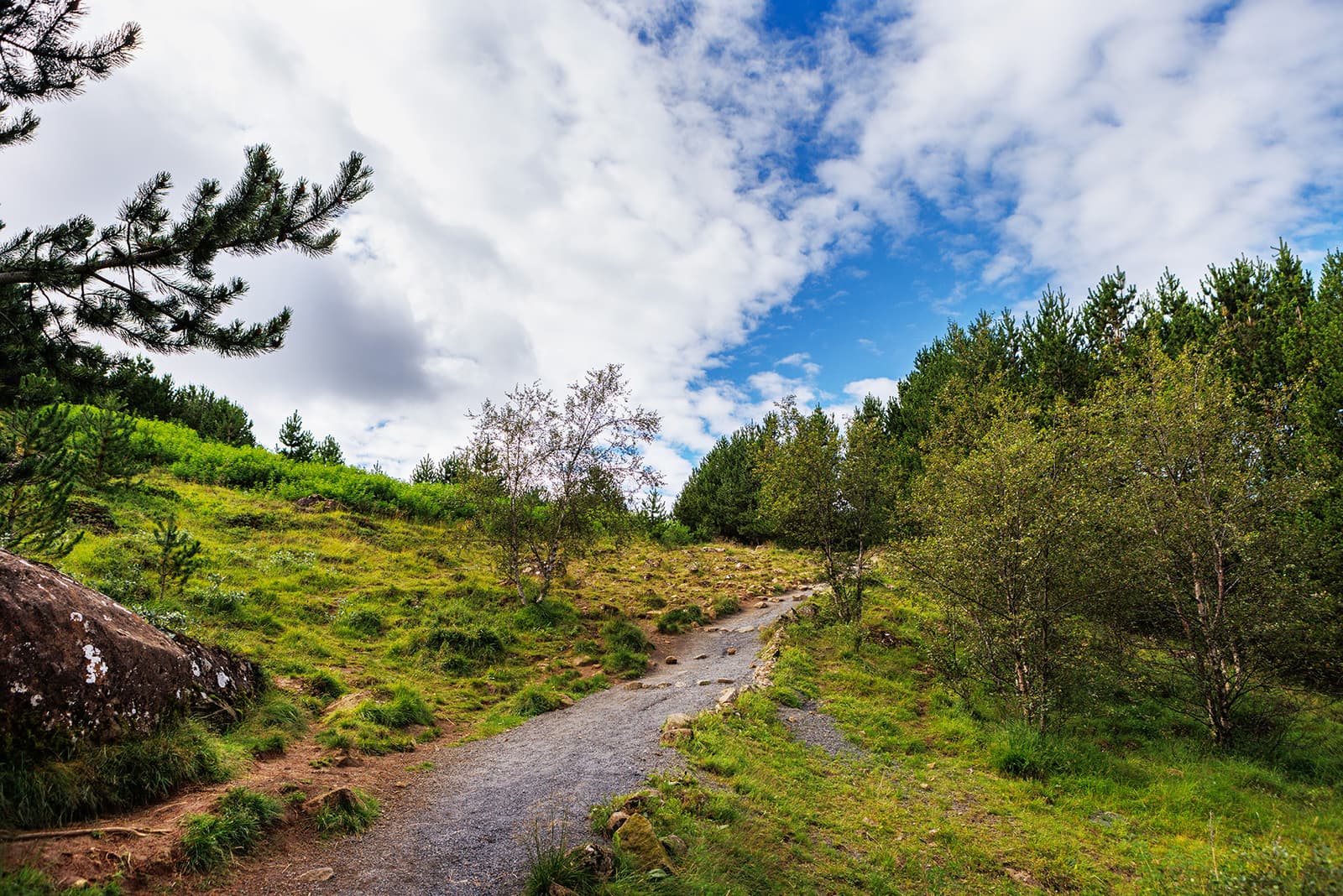
Expect a broken volcanic landscape more than a polished viewpoint: red crater walls, black lava, gravelly paths, mossy patches, and views back toward water and suburbs.

The name means red hills, and that is the simple visual reason to go. The best moments are close rather than grand: rust-colored slopes, dark caps of lava rock, pockets of green growth, and small paths that let you compare the crater texture from different angles.

The stop is about close volcanic texture as much as the wider view.

Rauðhólar is not a pristine crater group frozen in time. Earlier material removal changed the landform, and that history is part of what makes the place useful: visitors can see both the geology and the reason protected-area rules matter.

How to read Rauðhólar as a stop
What you wantRauðhólar gives youBetter choice nearby
A compact volcanic walkRed crater texture and short pathsHeiðmörk if you want a wider outdoor area
A calm nature pauseMore rugged ground and color than quiet waterElliðavatn if the group wants lake views
A city landmarkA natural edge-of-town contrastPerlan or Hallgrímskirkja for a clearer city sight
Culture with shelter nearbyOutdoor geology and protected-land contextÁrbær Open Air Museum if weather pushes you toward heritage

How much time and effort does Rauðhólar need?

Most travelers should treat Rauðhólar as a 30-75 minute stop unless it becomes the volcanic corner of a longer Heiðmörk visit.

The easy version is a short walk, a few viewpoint pauses, and enough time to look closely at the red material without rushing back to the car. The fuller version connects the stop into the Heiðmörk and Elliðavatn green belt, where the day becomes more about outdoor pacing than one attraction.

The effort is modest, but it is not the same as a paved city promenade. Uneven volcanic ground, loose surfaces, wind, rain, or ice can make the stop feel more exposed than it looks on a map. If step-free access, exact path conditions, or facilities matter, verify official visitor information before making it a fixed part of a tight day.

Wet, icy, or snowy ground changes how much of Rauðhólar should belong in the day.

Which nearby places make the stop stronger?

Rauðhólar is strongest as part of a small Reykjavík-edge cluster, especially with Heiðmörk, Elliðavatn, Elliðaá, or Elliðaárdalur.

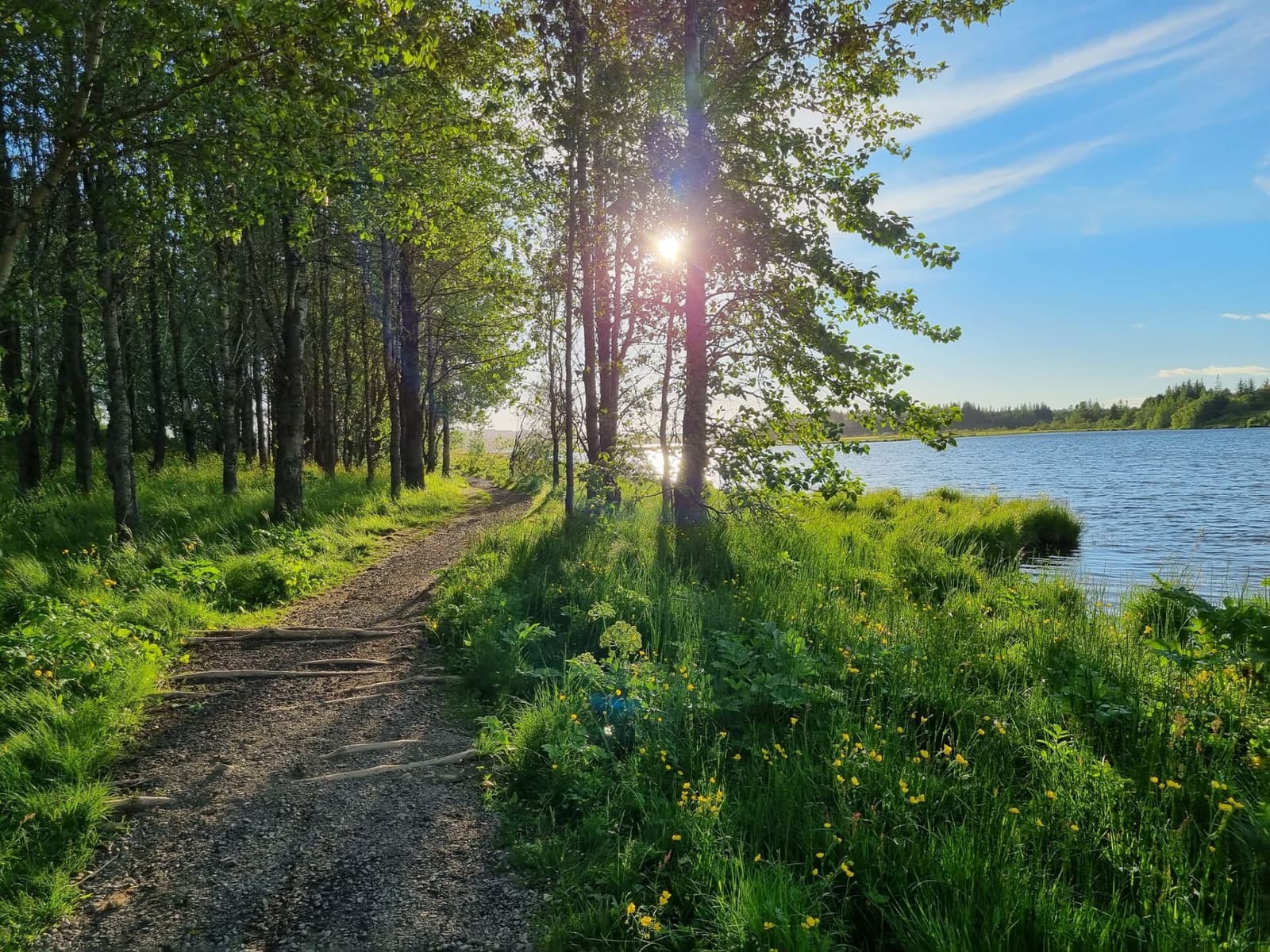
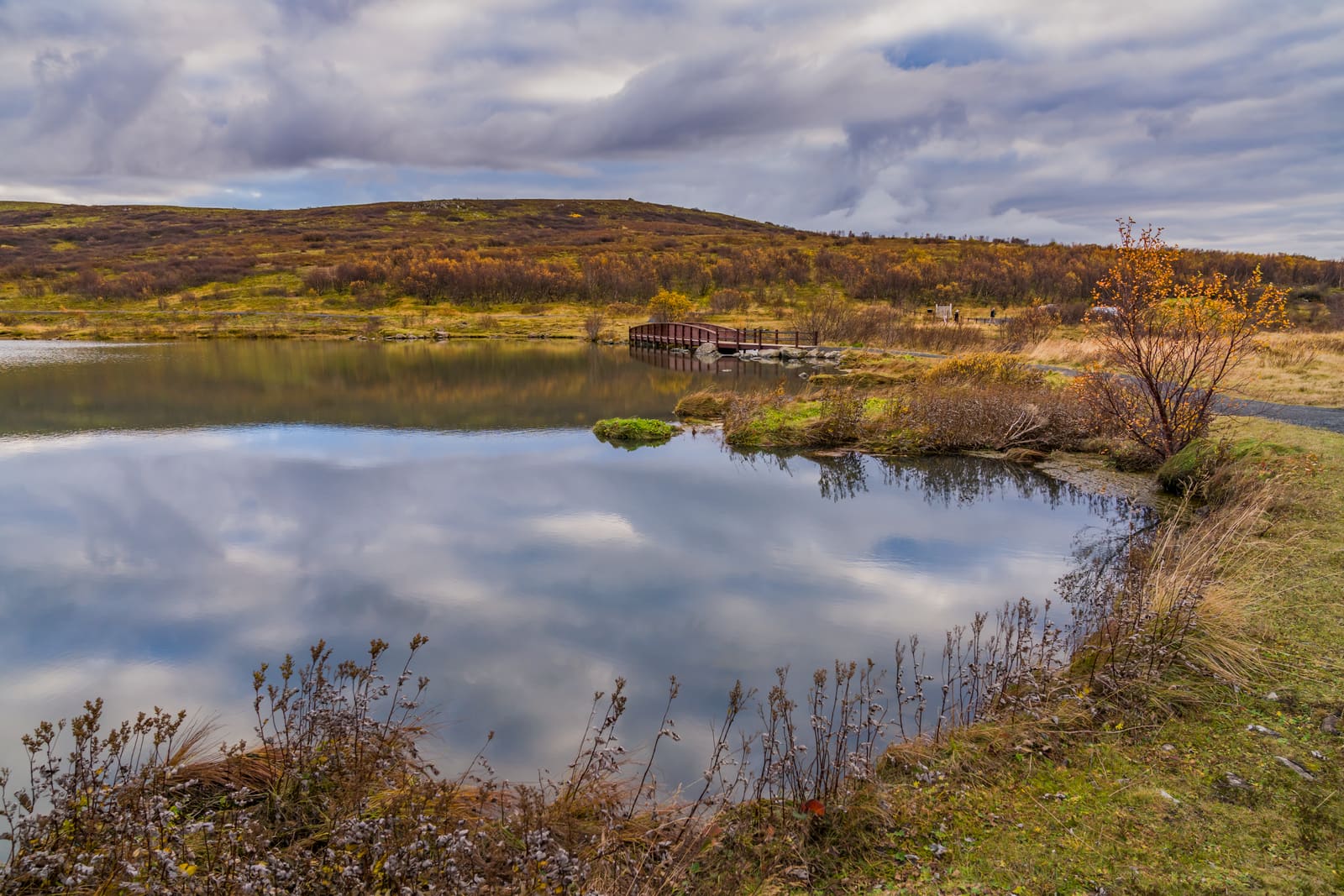
Choose Heiðmörk when you want forest, picnic-style breathing room, longer paths, and a broader outdoor area. Choose Elliðavatn when the group wants calmer water, birds, and a softer pause. Choose Elliðaá or Elliðaárdalur when you want a river walk that still feels tied to Reykjavík.

For a mixed city day, Árbær Open Air Museum can add cultural context without pushing you far from the same side of town. Perlan works when the day needs a weather-resilient viewpoint and geology exhibits after seeing the red hills outside.

Good pairing logic

Nature-first half day
Rauðhólar, Heiðmörk, and Elliðavatn
Short city-edge contrast
Rauðhólar plus Elliðaá or Elliðaárdalur
Weather-flexible Reykjavík day
Rauðhólar, Perlan, and Árbær Open Air Museum
Skip the cluster when
The day already needs a full Golden Circle, South Coast, or museum-led Reykjavík plan

What should you check before going?

Check official visitor information, protected-area guidance, weather, and Iceland road conditions when the visit depends on a car or when ground conditions could affect your group.

Rauðhólar is close to Reykjavík, so it is easy to underestimate. The main checks are practical rather than dramatic: whether the access point you plan to use still makes sense, whether wind or slippery ground changes the walk, and whether protected-area rules affect what you wanted to do.

If you are using Reykjavík as a short-break base, decide the role before you leave the city. Rauðhólar is a good add-on when it solves the need for a short outdoor pause; it is weaker when it becomes another item squeezed between unrelated stops.

Official checks

Is Rauðhólar worth visiting from Reykjavík?

Yes, if you want a short volcanic landscape stop close to the city. It is less compelling if your limited time should go to a major first-trip attraction, a full museum day, or a longer route.

How long should I allow at Rauðhólar?

Allow about 30-75 minutes for a focused stop. Add more time only if you are folding it into Heiðmörk, Elliðavatn, or a slower city-edge nature outing.

Can Rauðhólar replace Heiðmörk?

No, Rauðhólar is better treated as one volcanic sub-area. Choose Heiðmörk when you want a broader forest, lake, path, and outdoor-recreation area.

What makes Rauðhólar different from other lava fields near Reykjavík?

The draw is the red pseudocrater texture beside the city. Other nearby lava landscapes can feel greener, flatter, more park-like, or more hiking-focused.