Elliðaá is Reykjavík’s salmon river and green-valley corridor, useful when you want an easy nature walk inside the capital instead of another downtown landmark or a long day-trip detour.
Coast snapshot
Type
Urban river, salmon habitat, walking corridor, and Reykjavík green space
Setting
Elliðaárdalur in Reykjavík, where the river runs from Elliðavatn toward the city
Time to allow
30-60 minutes for a focused river stop, or 1.5-3 hours for a slower valley walk
Best experience
Follow the paths beside the river, look for small waterfalls, bridges, bird life, and the old power-station area
Access reality
Paths, weather, ice, river edges, and fishing rules can affect the visit; check official local details before relying on a tight plan
In this guide
Elliðaá is worth a stop when you want Reykjavík to feel greener, quieter, and less landmark-driven
Yes, Elliðaá is worth a stop when you want Reykjavík to feel greener, quieter, and less landmark-driven. It is strongest as a flexible river walk, not as a full substitute for the countryside.
The appeal is the contrast. Within the capital, the river runs through lava-edged channels, small waterfalls, woodland, bridges, and open valley sections where city noise drops away. That makes it useful on a day when another museum, church, or viewpoint would feel repetitive.
Add Elliðaá if your Reykjavík day needs fresh air, family room, birdwatching potential, or a local salmon-river story. Skip it if you have only a few central-city hours and still need Hallgrímskirkja, the waterfront, or a meal-focused downtown walk.
Photo guide
Elliðaá in photos
1 / 3
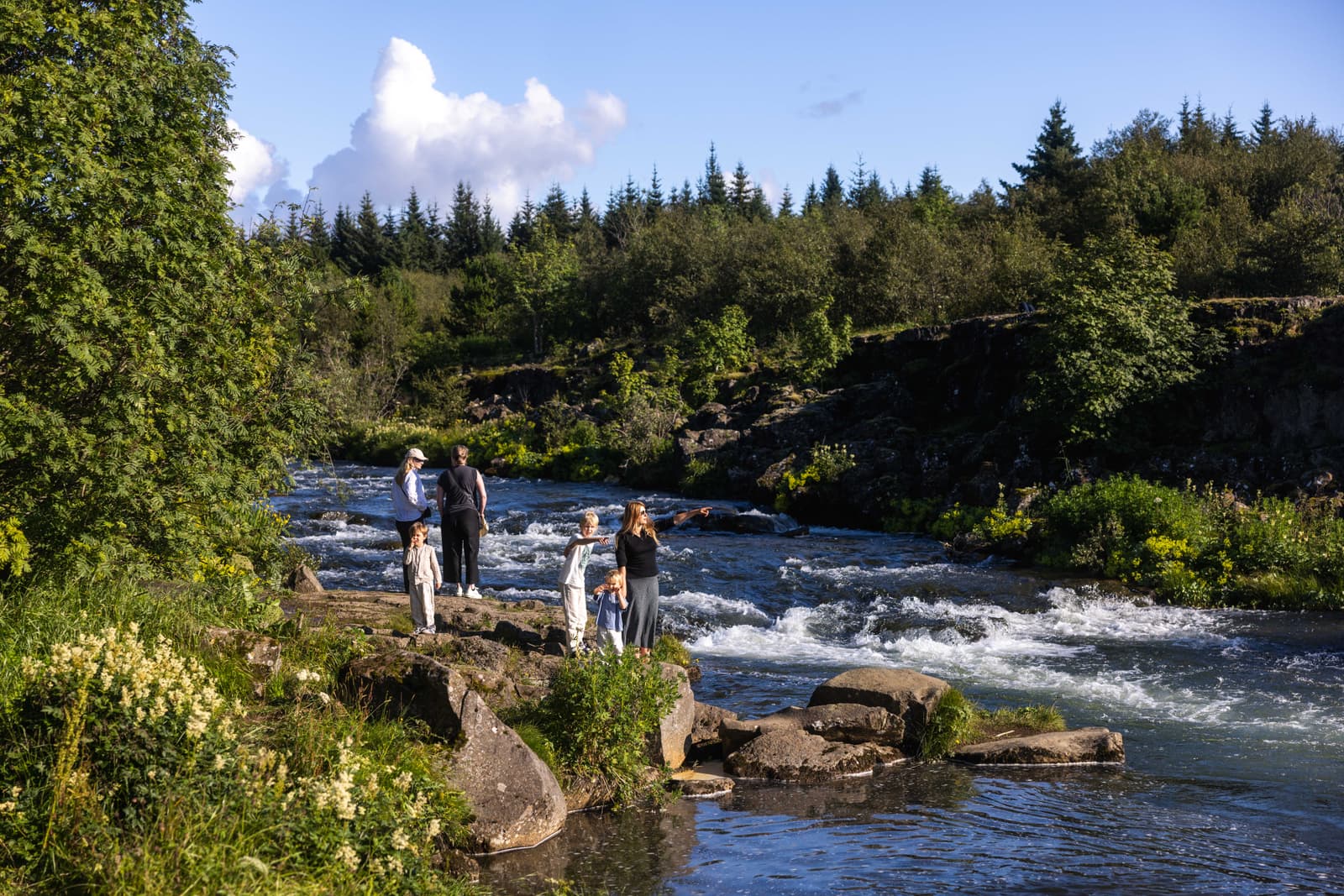
The low waterfalls help Elliðaá read clearly as a river attraction in the Reykjavík hub.
What does the river walk feel like?
The walk feels more local than polished. Expect moving water, low waterfalls, riverside paths, bridges, lava edges, planted woodland, and occasional glimpses of surrounding neighborhoods rather than a single grand viewpoint.
Elliðaá is not one photo platform. The river splits and gathers through Elliðaárdalur, so the visit is better as a short wandering section than as a point on a checklist. The most memorable moments are usually the small ones: rapids below a bridge, water dropping over dark rock, birds on calmer stretches, or the river suddenly feeling wild beside an urban path.
Elliðaá is best approached as a riverside walk with several small water features, not as one single viewpoint.
Add Elliðaá to an arrival day, family Reykjavík day, or slow city break when the trip needs nature without a drive. Skip it on a first-time route day that is already short on time for the Golden Circle, South Coast, or airport logistics.
How long should you spend by Elliðaá?
Most travelers should plan either a quick river stop or a slower valley walk. The wrong version is trying to make Elliðaá compete with a full day outside Reykjavík.
Elliðaá visit styles
Visit style
Works best when
Time to protect
Quick river break
You want water, greenery, and a short pause inside Reykjavík
30-60 minutes
Balanced valley walk
You want bridges, waterfalls, bird life, and a sense of the whole corridor
1.5-2 hours
Slow local half day
You are adding nearby heritage or power-station context and moving at family pace
2.5-3 hours
For most trips, the balanced version is enough. It lets the place feel different from central Reykjavík without turning a city day into a transport puzzle.
Where does Elliðaá fit in a Reykjavík day?
Elliðaá fits best as a city-nature counterpoint. It works after a structured indoor stop, before a relaxed evening, or when you want a family-friendly walk that is not centered on shopping or monuments.
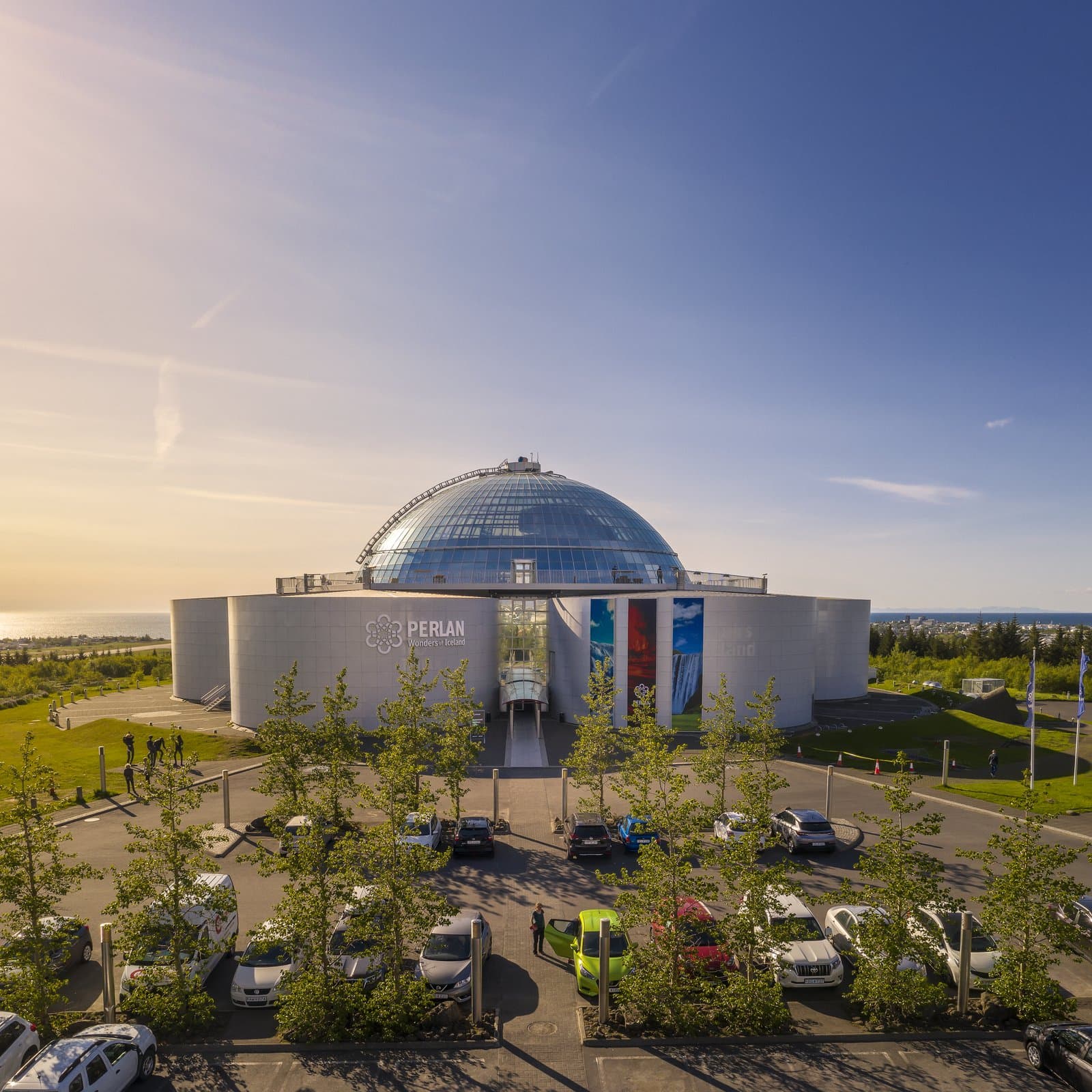
If you are choosing among Reykjavík stops, pair Elliðaá with Perlan when you want indoor nature interpretation plus an outdoor river walk. Pair it with Hallgrímskirkja only on a wider city day, because the two stops sit in different rhythms: one is central and architectural, the other is green, residential, and path-based.
In a 5-day Iceland itinerary, Elliðaá belongs in the Reykjavík portion rather than in a scenery-heavy driving day. Keep it as a softer city stop so it does not steal daylight from larger route decisions outside the capital.
Bridges and paths make the river feel like a local walking corridor rather than a drive-by attraction.
Why salmon, birds, and water history matter here
Elliðaá is more interesting when you understand that it is a living urban river, not just scenery. Salmon runs, bird habitat, hydropower history, and city utilities all meet in the valley.
Reykjavík City describes Elliðaá as a salmon river and an important spawning ground, with diverse bird life around the valley. That does not mean visitors should treat the river as open casual fishing water. If fishing is part of your plan, use official permit and conservation information before arranging anything.
The power-station story gives the walk another layer. Elliðaárstöð and the surrounding utility history connect the river to Reykjavík’s electrification and water systems, so the area can work for travelers who like their nature stops mixed with local history.
The river is a salmon and bird-life corridor as much as a scenic urban walk.
Elliðaá is easy compared with remote Iceland attractions
Elliðaá is easy compared with remote Iceland attractions, but it still deserves basic checks when weather, path conditions, fishing, or transport matter to the day.
Check official visitor information if you need a specific access point, public transport connection, or nearby heritage stop.
Check local weather and daylight if winter paths, icy surfaces, or photography are part of the plan.
Check fishing-permit and conservation rules before treating Elliðaá as anything more than a riverside walking stop.
Stay cautious around river edges, rocks, and fast water, especially with children or icy ground.
Use these sources for official visitor information, river context, local access, weather-sensitive decisions, and heritage details before making Elliðaá a fixed part of a tight day
Use these sources for official visitor information, river context, local access, weather-sensitive decisions, and heritage details before making Elliðaá a fixed part of a tight day.