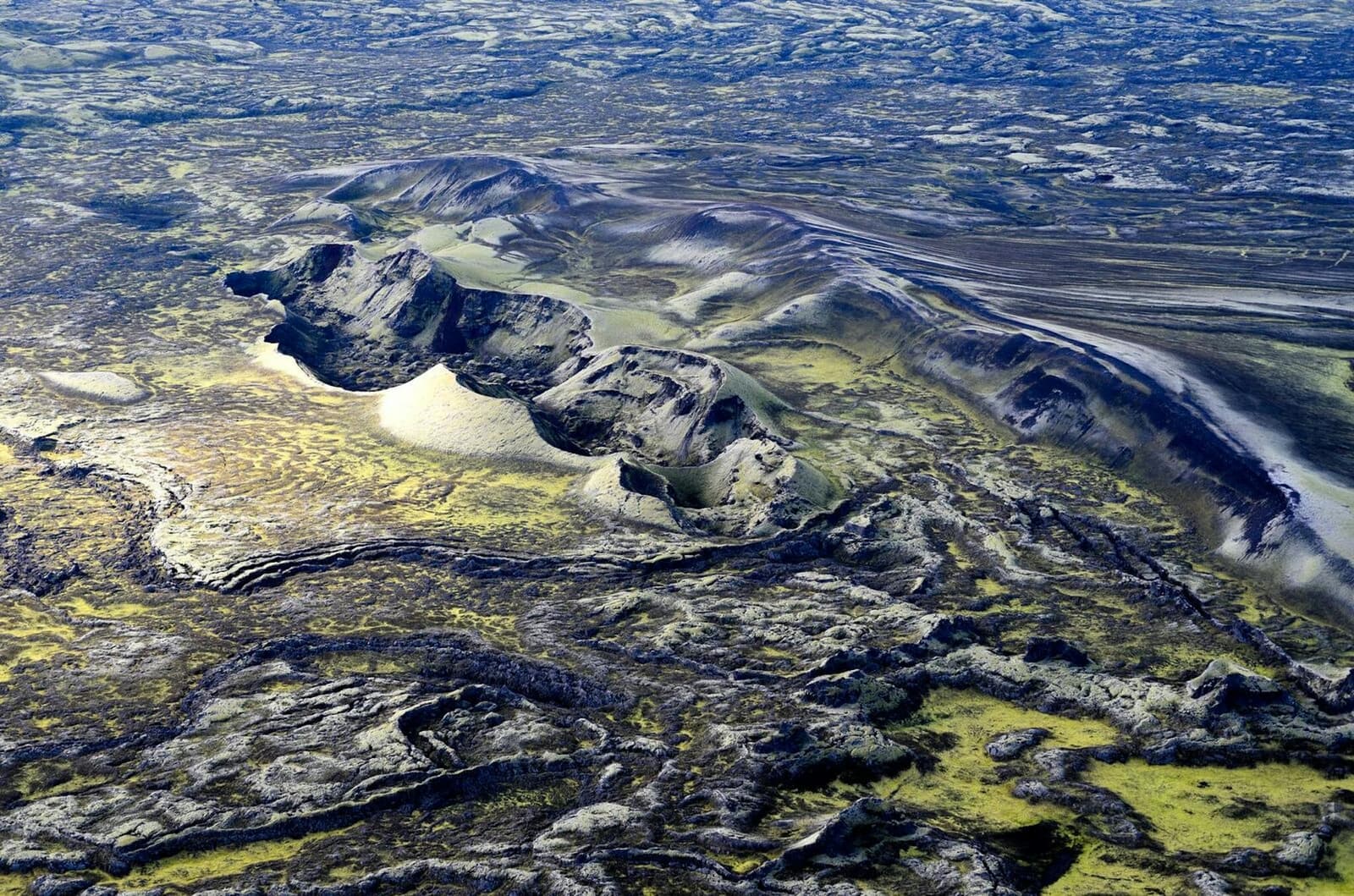
Jökulheimar is a remote hut and glacier-edge stop west of Vatnajökull, worth adding only when a summer Highlands plan, suitable vehicle, weather window, and slow-day buffer all make sense.
Southern Highlands west of Vatnajökull, within the South Iceland planning area
Route context
A deliberate Highlands detour, not a normal paved South Coast stop
Time to allow
Treat it as most of a day once slow access, checks, photos, and nearby choices are included
Best fit
Summer-focused Highlands travel with flexibility for weather, roads, and vehicle rules
In this guide
Jökulheimar is worth adding if your trip already supports a slow Highlands day near western Vatnajökull
Yes, Jökulheimar is worth adding if your trip already supports a slow Highlands day near western Vatnajökull. It is not worth forcing into a normal South Coast checklist just because the name appears near glacier and hut maps.
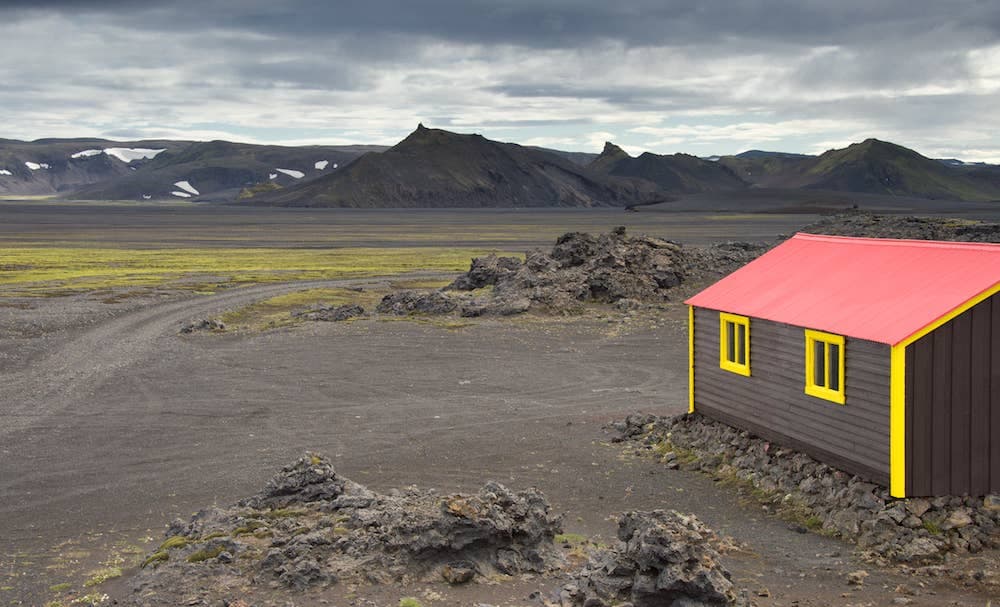
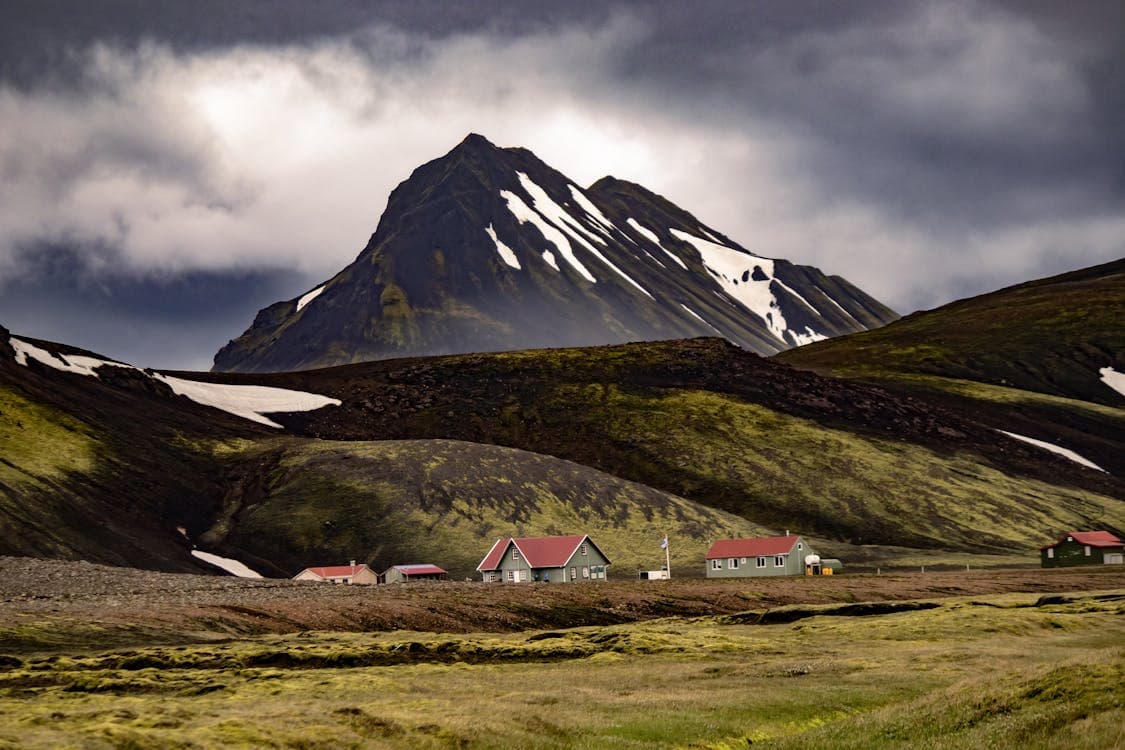
The appeal is specific: black lava ground, open mountain emptiness, JÖRFÍ huts with red roofs, Tungnaárjökull nearby, and the feeling of reaching the working edge of Iceland's glacier country rather than another roadside viewpoint.
Add Jökulheimar when you already understand the Highlands pace and want a quiet west Vatnajökull objective. Skip it when your best day is still built around Skógafoss, Jökulsárlón, or other easier South Iceland anchors.
Jökulheimar: you see a remote hut area set into dark volcanic ground
You see a remote hut area set into dark volcanic ground, with low buildings, rough tracks, mossy patches, glacier-country weather, and the mountains around the western side of Vatnajökull shaping the horizon.
This is not a polished attraction loop. The experience is quieter and more practical: arrive, read the weather, look toward the glacier edge, take in the lava and sand, and decide whether the day has room for a nearby Highlands pairing.
That stripped-back quality is the reason to go. If you want an obvious waterfall, easy cafe break, or short stop with a predictable payoff, Jökulheimar will feel like too much effort for too little conventional reward.
How hard is the access?
Access is the main decision. Treat Jökulheimar as Highlands travel: suitable vehicle, route permission, weather, road status, river and track conditions, daylight, and backup plans matter more than map distance.
SafeTravel describes Highlands driving as slower, rougher, and more changeable than normal driving, with F-roads, unbridged rivers in some areas, and vehicle limits that can differ by road and rental agreement. Jökulheimar belongs in that planning mindset.
The hut images make the access reality clear: this is remote Highlands terrain, not a casual roadside pullout.
If any major access variable feels unclear, choose a simpler day. A strong South Iceland plan does not need Jökulheimar, and a future Highlands trip will treat the place with more time and less pressure.
Allow most of a day once Jökulheimar becomes the main objective
Allow most of a day once Jökulheimar becomes the main objective. The stop itself can be brief, but the approach, checks, photos, slow driving, and nearby choices make it a full planning commitment.
Use this comparison to decide how ambitious the Jökulheimar day should be.
Plan
Best use
Watch for
Jökulheimar only
A conservative Highlands objective when conditions or energy are limited
The access may feel costly if you only want a quick photo stop
A stronger scenic day when lake, mountain, and access conditions line up
The day becomes slower and more weather-sensitive
Jökulheimar plus wider Highlands comparisons
A repeat-visitor plan that weighs Lakagígar, Eldgjá, and nearby rough-road choices
Too many remote stops can turn the day into a checklist
Most travelers should decide what the day is for before leaving paved-route comfort. If the answer is glacier-edge atmosphere and remote hut context, Jökulheimar makes sense. If the answer is maximum scenery per hour, easier South Iceland stops usually win.
Pair Jökulheimar with nearby Highlands places only when the whole day still has margin
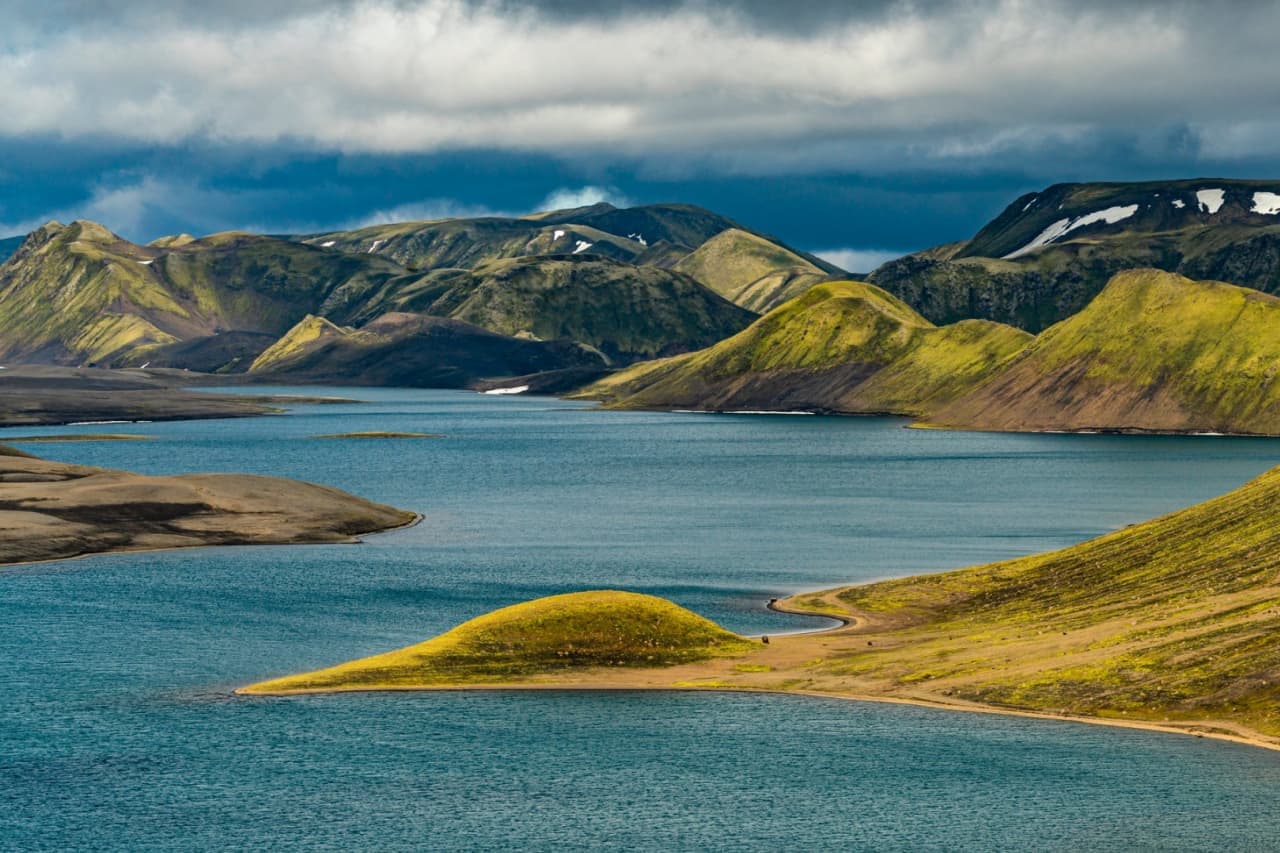
Pair Jökulheimar with nearby Highlands places only when the whole day still has margin. The most natural planning comparison is Langisjór, followed by Lakagígar and Eldgjá for travelers choosing between remote volcanic landscapes.
Langisjór gives the strongest lake-and-mountain payoff near this part of the Highlands, while Lakagígar is a larger volcanic crater-row decision. Eldgjá belongs in the same rough-landscape conversation, but it should not be squeezed in just to collect another name.
If those pairings sound too demanding, use South Iceland as the reality check. A day anchored by Skógafoss or Jökulsárlón will be easier, more legible, and better for many first trips than a remote detour to Jökulheimar.
Go if Jökulheimar strengthens a planned Highlands day west of Vatnajökull.
Skip if it would replace a clearer first-trip anchor or force a rushed return.
Keep the nearby choices flexible until official road and weather checks support the plan.
Jökulheimar: check official and operator sources close to departure, then keep the public plan durable
Check official and operator sources close to departure, then keep the public plan durable: access, safety, weather, hut details, and protected-area guidance can matter more than the attraction description.
Is Jökulheimar a good first-trip stop?
Usually no. It is better for repeat visitors or prepared Highlands travelers because the access commitment is much higher than normal South Coast sightseeing.
Can I treat Jökulheimar as a quick detour?
Usually no. Even if the on-site stop is short, the approach and decision checks make it a planned Highlands day rather than a casual add-on.
Do I need to check hut details before going?
Yes if sleeping, keys, services, or access to the buildings affects your plan. Use JÖRFÍ and official visitor listings instead of relying on old trip reports.
What is the best nearby comparison?
Langisjór is the most useful nearby comparison when you want a scenic Highlands payoff, while Lakagígar is the better comparison for volcanic-scale planning.