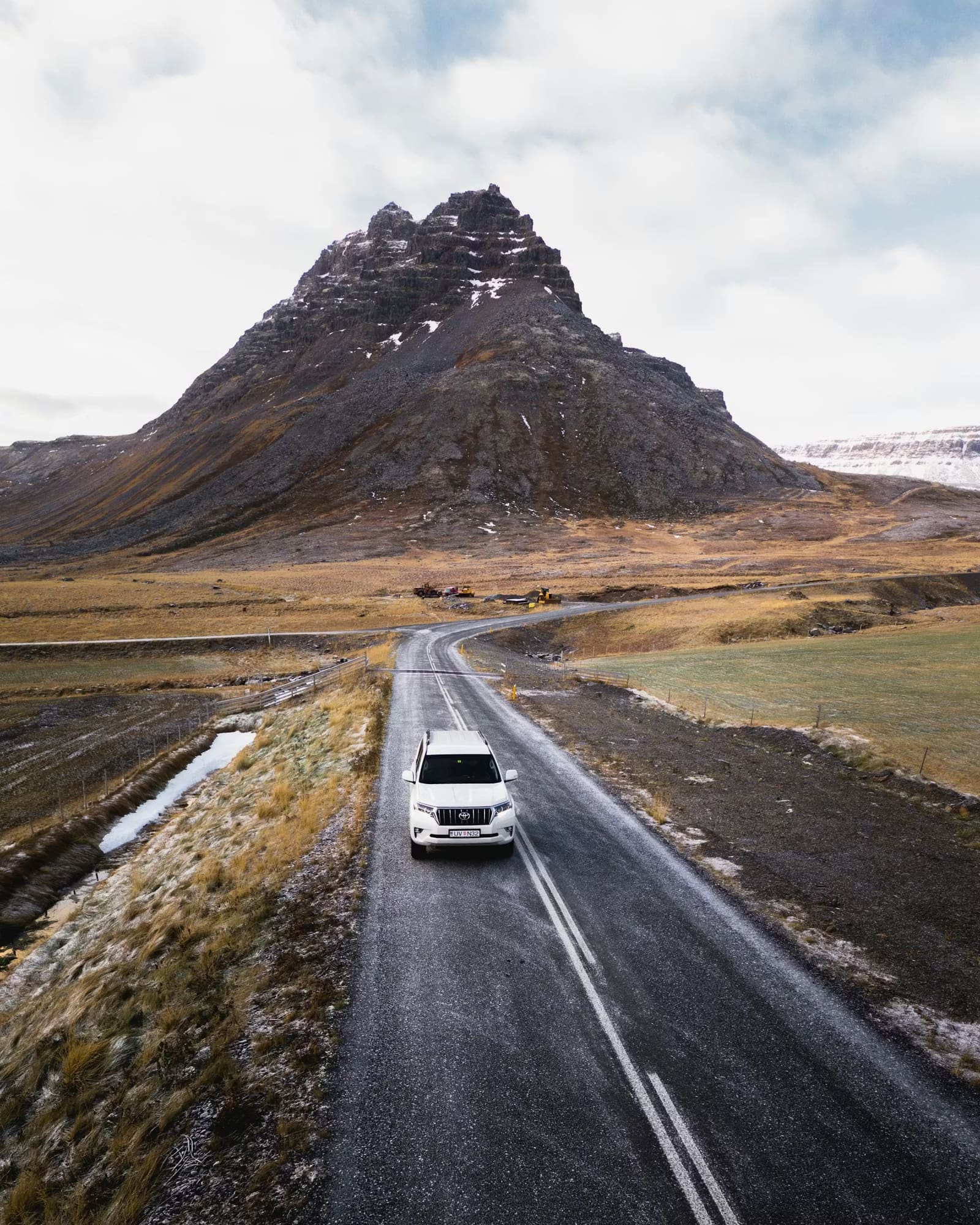
Hópsnes is a lava-built headland by Grindavík, where an orange lighthouse, shipwreck remains, and rough coast make a short Reykjanes stop worth weighing against access and weather checks.
Coast snapshot
Type
Lava headland, lighthouse, shipwreck remains, and coastal heritage stop
Region
Reykjanes Peninsula, by Grindavík
Route context
Best as a short Grindavík-side add-on to a Reykjanes Peninsula driving day
Time to allow
About 25-60 minutes, depending on whether you only see the lighthouse or follow more of the coastal loop
Best experience
Use the orange lighthouse, shipwrecks, lava coast, and harbour history as one compact stop
In this guide
Hópsnes is worth adding when you are already spending time on the Grindavík side of the Reykjanes Peninsula
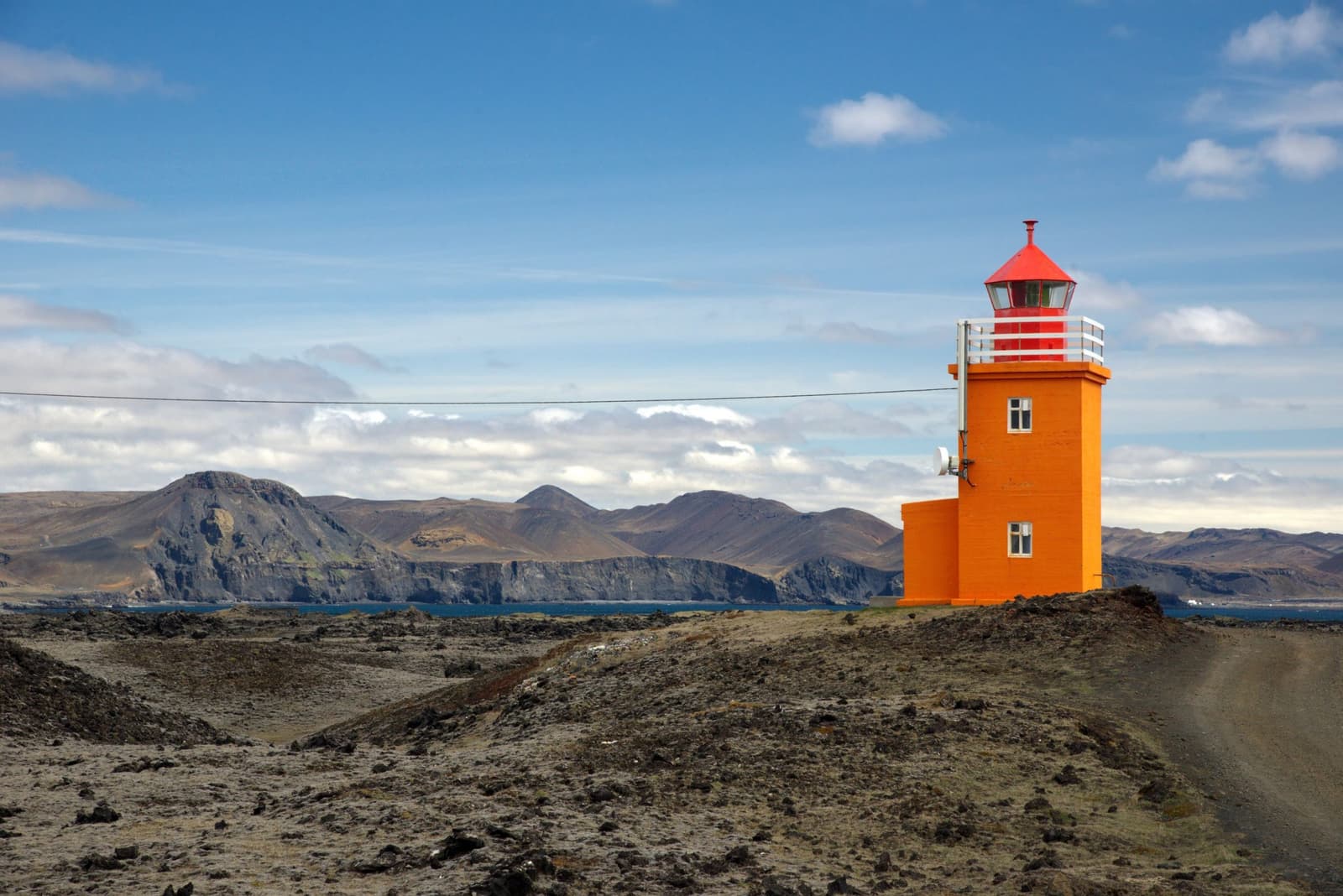
Yes, Hópsnes is worth adding when you are already spending time on the Grindavík side of the Reykjanes Peninsula. It gives a compact mix of orange lighthouse, black lava, shipwreck remains, rough coast, and fishing history.
The stop is strongest as part of a Reykjanes Peninsula Road Trip, especially if your day already includes Gunnuhver, Reykjanesviti Lighthouse, or the Blue Lagoon area. It is weaker as a one-stop detour from Reykjavík because the reward is local texture rather than a headline landmark.
Add Hópsnes when the day needs a quiet coastal counterpoint to geothermal steam and spa timing. Skip it when access checks, wind, darkness, or a tight airport schedule make the Grindavík-side loop feel forced.
Photo guide
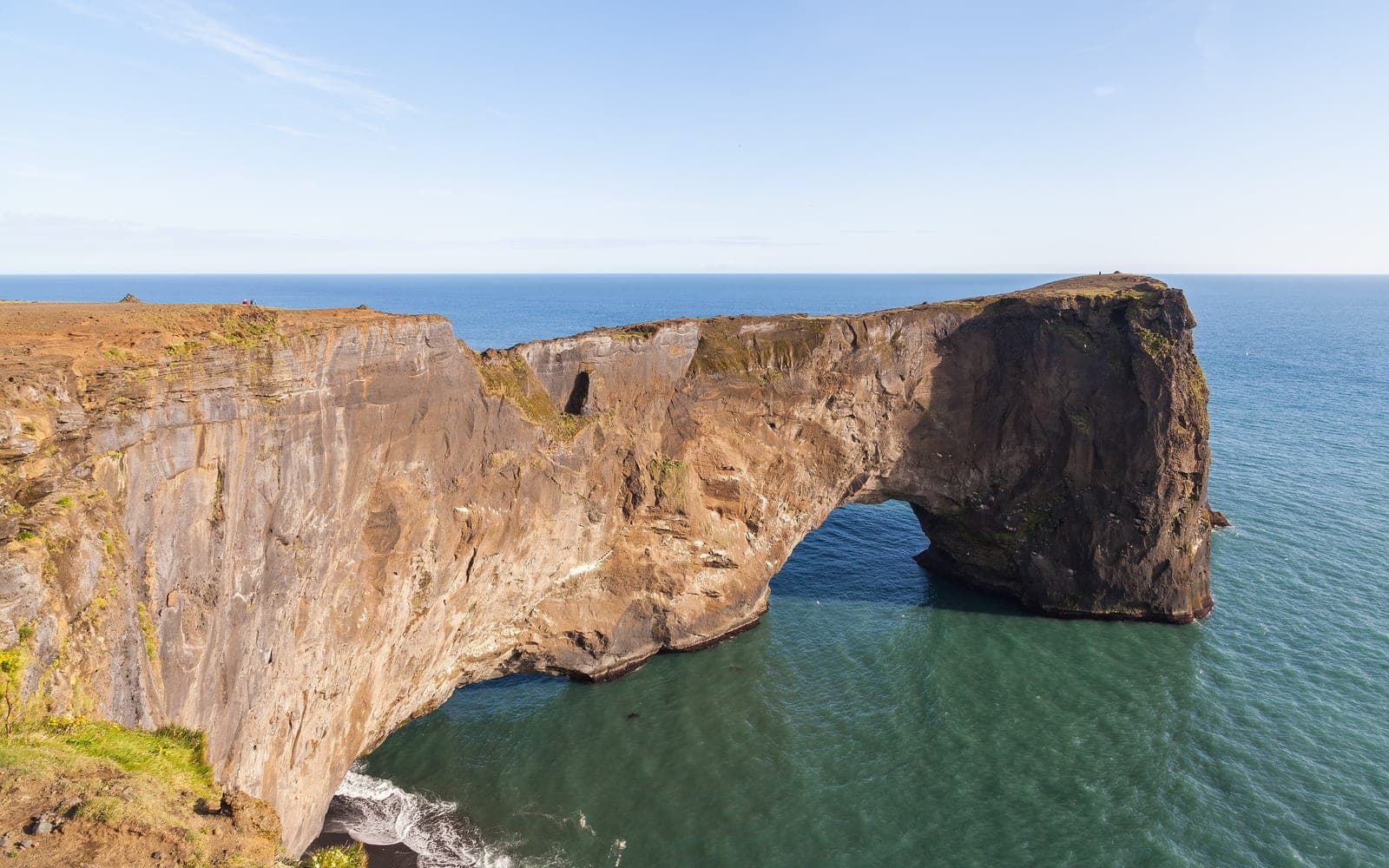
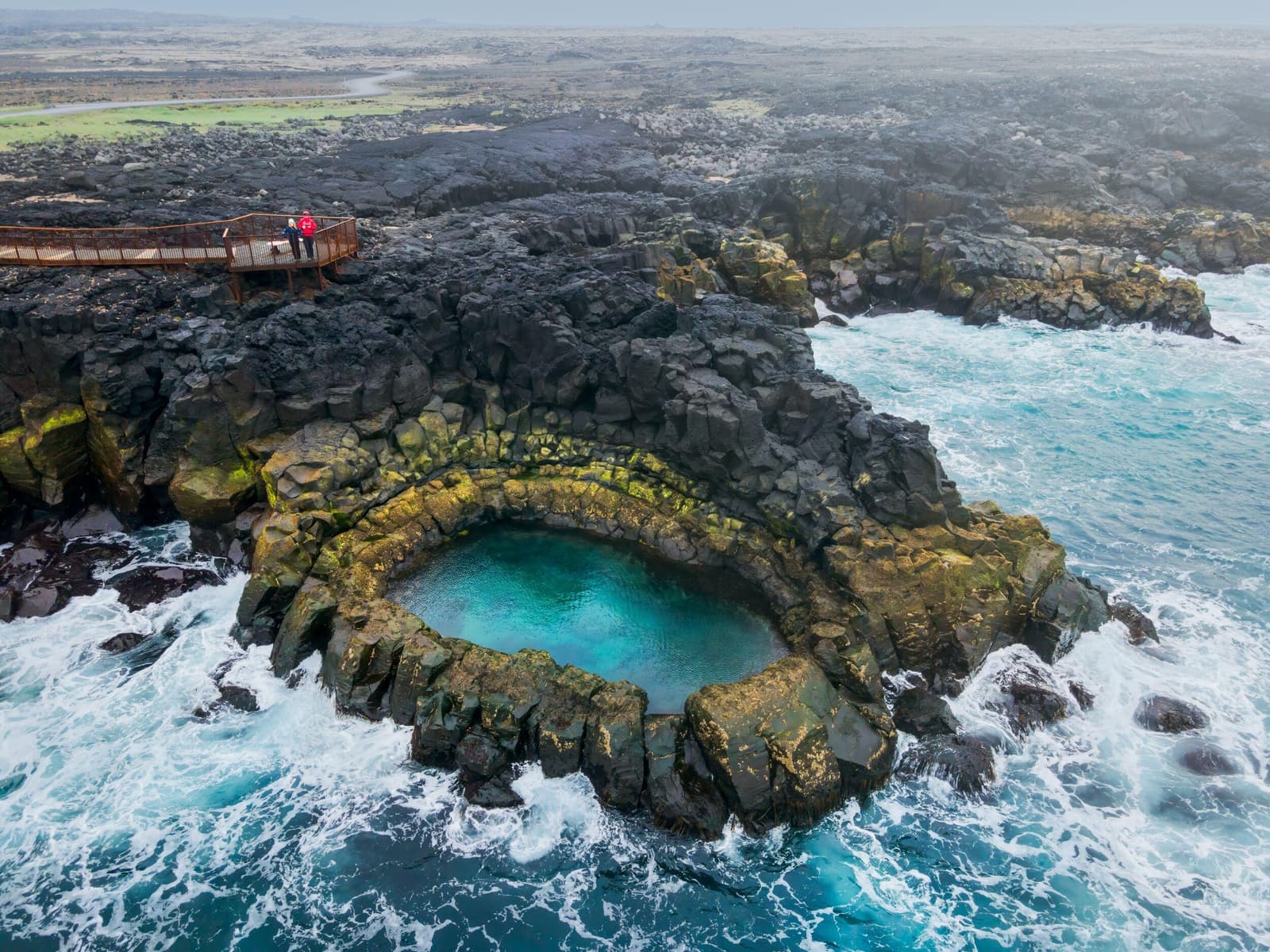
Hópsnes in photos
The compact card image keeps the orange lighthouse clear in smaller hub crops.
Which version of the stop fits your day?
Most visitors should choose one of three versions before they drive over. Hópsnes rewards a little curiosity, but it does not need to take over a whole Reykjanes day.
Hópsnes visit choices
Choice
Time
What you do
Best when
Quick look
25-35 minutes
See Hópsnesviti, take in the lava coast, and read nearby signs if available.
You are connecting bigger Reykjanes stops or working around Blue Lagoon timing.
Balanced stop
45-60 minutes
Add the shipwreck remains, coastal road context, and a slower look at the harbour-side history.
You want the stop to feel like more than a lighthouse photo.
Skip or defer
No stop
Keep the day around Gunnuhver, Reykjanesviti Lighthouse, Blue Lagoon, or safer access choices.
Wind, road guidance, volcanic guidance, darkness, or a tight schedule makes the loop fragile.
What do you see around the lighthouse and shipwrecks?
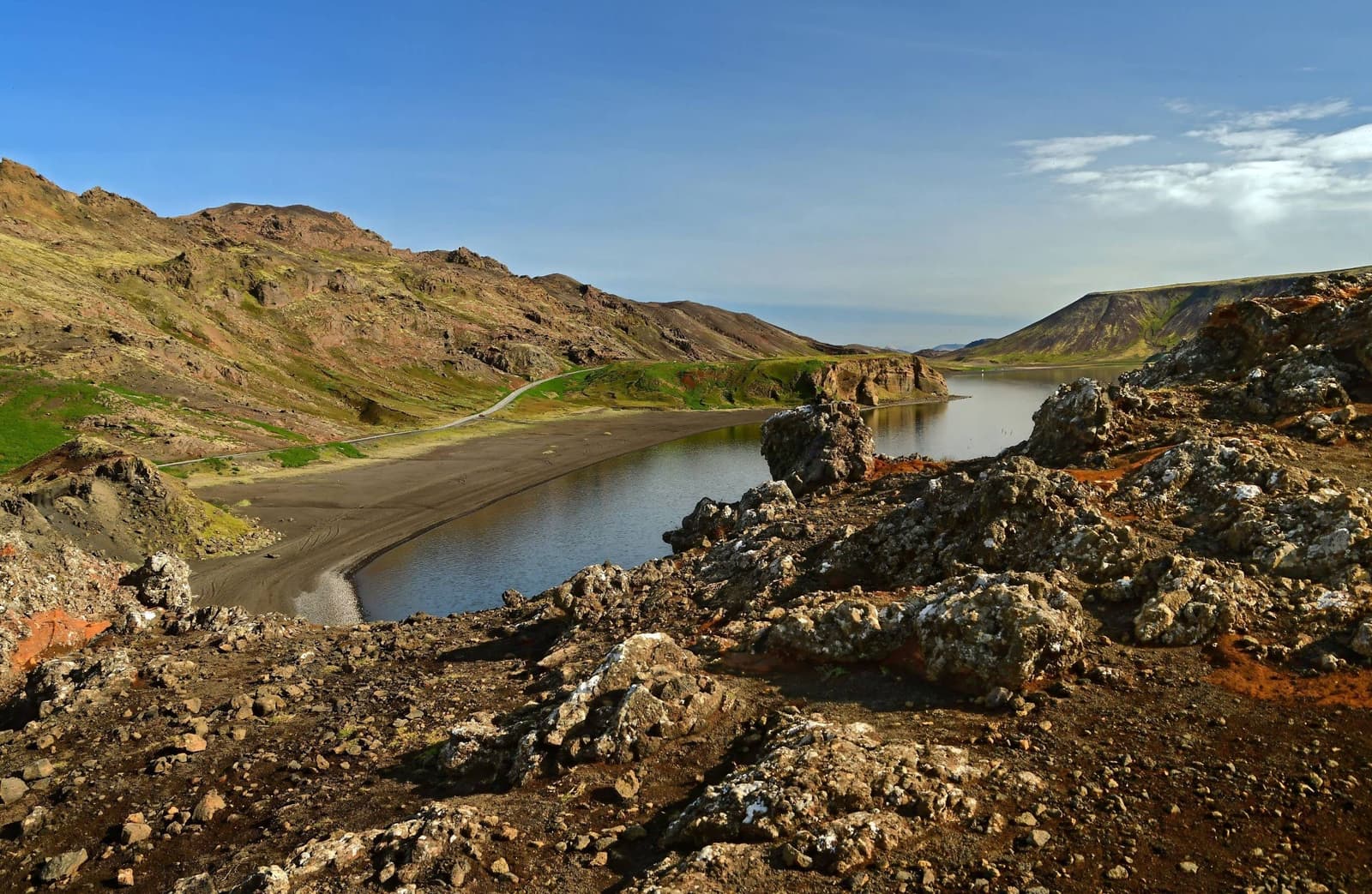
The orange Hópsnesviti lighthouse is the visual anchor, but the wider headland is what makes the stop specific: lava ground, sea edge, wrecked metal, old fishing remains, and views back toward the Grindavík harbour setting.
Visit Reykjanes describes Hópsnes and Þórkötlustaðanes as a lava-formed spit tied directly to the harbour conditions that helped Grindavík develop. That makes the stop more than scenery: the coast, lagoon, navigation markers, and old fishing traces explain why this small headland mattered.
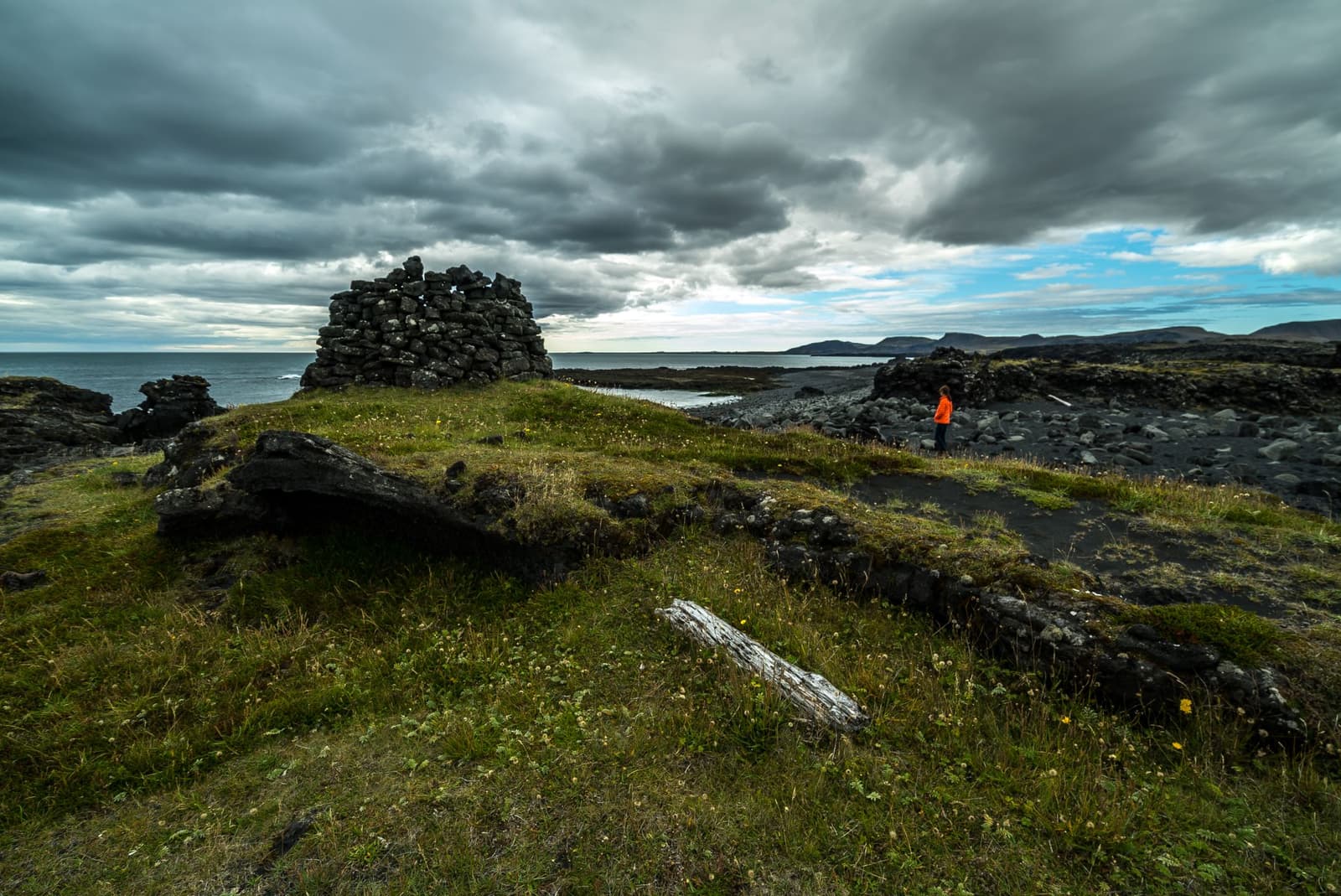
The shipwreck remains give Hópsnes a rough maritime character that feels different from the better-known geothermal stops nearby.
The shipwreck remains are the most memorable detail after the lighthouse. They turn a short stop into a place where you can feel the exposed coast rather than just look at it from a viewpoint.
Hópsnes: allow about 25-60 minutes
Allow about 25-60 minutes. The shorter version is a lighthouse and lava-coast stop; the slower version gives you time for the shipwrecks, signs, and a more careful look at the headland.
The walking effort is usually modest, but the setting is not polished. Expect exposed weather, rough surfaces, loose stones, possible wet or icy patches, and a road context that should be checked before you make it a fixed part of the day.
Use sturdy footwear if you plan to walk beyond the immediate lighthouse area.
Stay on obvious tracks and respect on-site signs around ruins, wreckage, coast, and private or restricted areas.
Give the stop extra slack in winter, strong wind, low visibility, or after road and volcanic updates affect the Grindavík side.
Do not build the day around Hópsnes alone; it works best as one texture-rich stop in a nearby cluster.
How should you pair Hópsnes with nearby Reykjanes stops?
Pair Hópsnes with stops that make the Grindavík side feel coherent. The cleanest cluster is Hópsnes, Gunnuhver, Reykjanesviti Lighthouse, and one or two coastal or lava-field stops if official guidance supports the drive.
If you are coming for geothermal drama, Gunnuhver should usually be the stronger anchor. If you want a lighthouse-and-coast day, Reykjanesviti Lighthouse and Hópsnes give two different versions of the same peninsula mood: one more exposed and iconic, the other more local and maritime.
Hópsnes works best when you give the smaller coastal details enough time to matter.
The Blue Lagoon can pair well with Hópsnes only if the timing is relaxed. If your spa booking, airport plan, or daylight window is tight, keep the extra coastal loop optional and use the Reykjanes Peninsula Road Trip page to compare nearby choices before adding more stops.
What should you check before driving to the Grindavík side?
Check official visitor, safety, road, weather, and volcanic guidance before treating Hópsnes as fixed. The stop is simple in normal conditions, but the wider Grindavík side needs more verification than many easy roadside sights.
Use SafeTravel for visitor safety alerts, Umferðin or road.is for road conditions, the Icelandic Meteorological Office for weather and volcanic hazard context, and regional visitor information for Grindavík-side access. Winter Driving in Iceland is also worth reading if the stop falls into a cold-weather self-drive day.
Weather warnings, forecasts, and volcanic hazard information.
Hópsnes FAQ
These questions matter because Hópsnes is a small stop in an area where access and weather can change the value of the visit.
Is Hópsnes a must-see attraction?
No, Hópsnes is a worthwhile short stop, not a must-see anchor. Add it when you are already building a Reykjanes day around Grindavík, Gunnuhver, Reykjanesviti Lighthouse, or Blue Lagoon timing.
How long should I spend at Hópsnes?
Most travelers should allow 25-60 minutes. Use the shorter end for the lighthouse and coast, and the longer end if you want shipwreck remains, signs, and slower photo stops.
Do I need to check access before visiting Hópsnes?
Yes, verify official visitor information, SafeTravel, road conditions, and weather or volcanic guidance before relying on Hópsnes. The Grindavík side is more sensitive to access changes than many simple roadside stops.
What should I pair with Hópsnes?
Pair Hópsnes with Gunnuhver, Reykjanesviti Lighthouse, Blue Lagoon, or a broader Reykjanes Peninsula Road Trip. It works poorly when it is the only reason for a long detour.