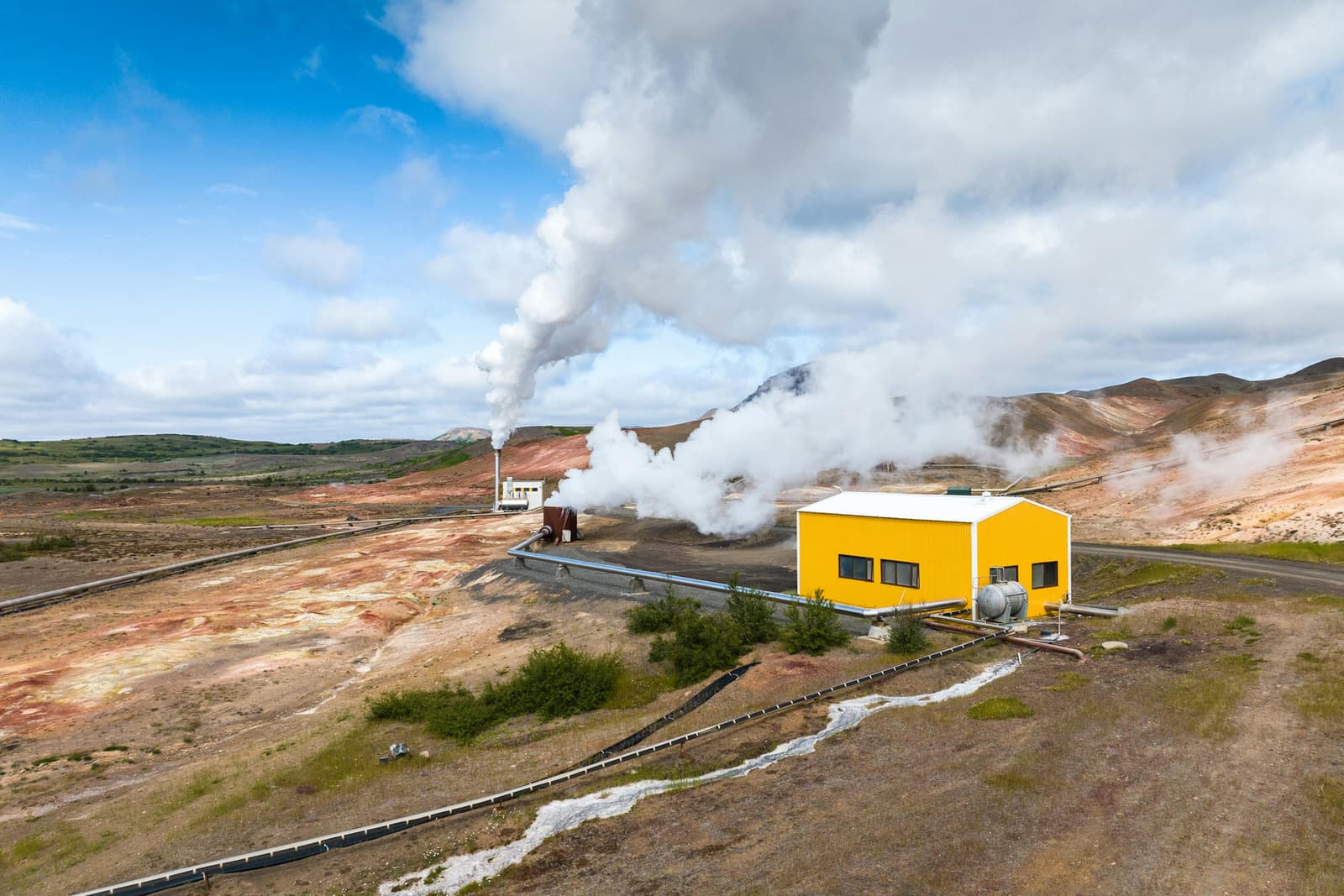
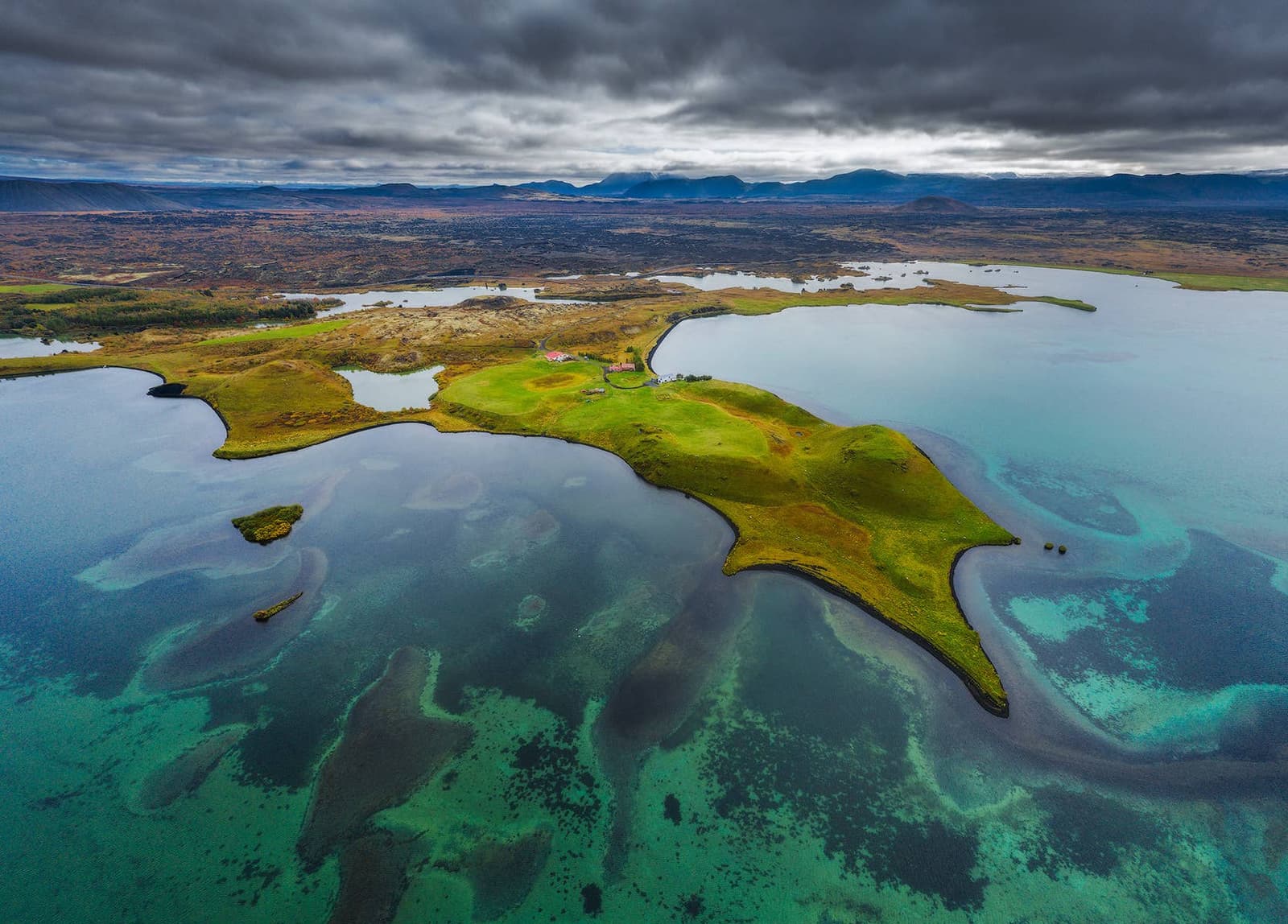
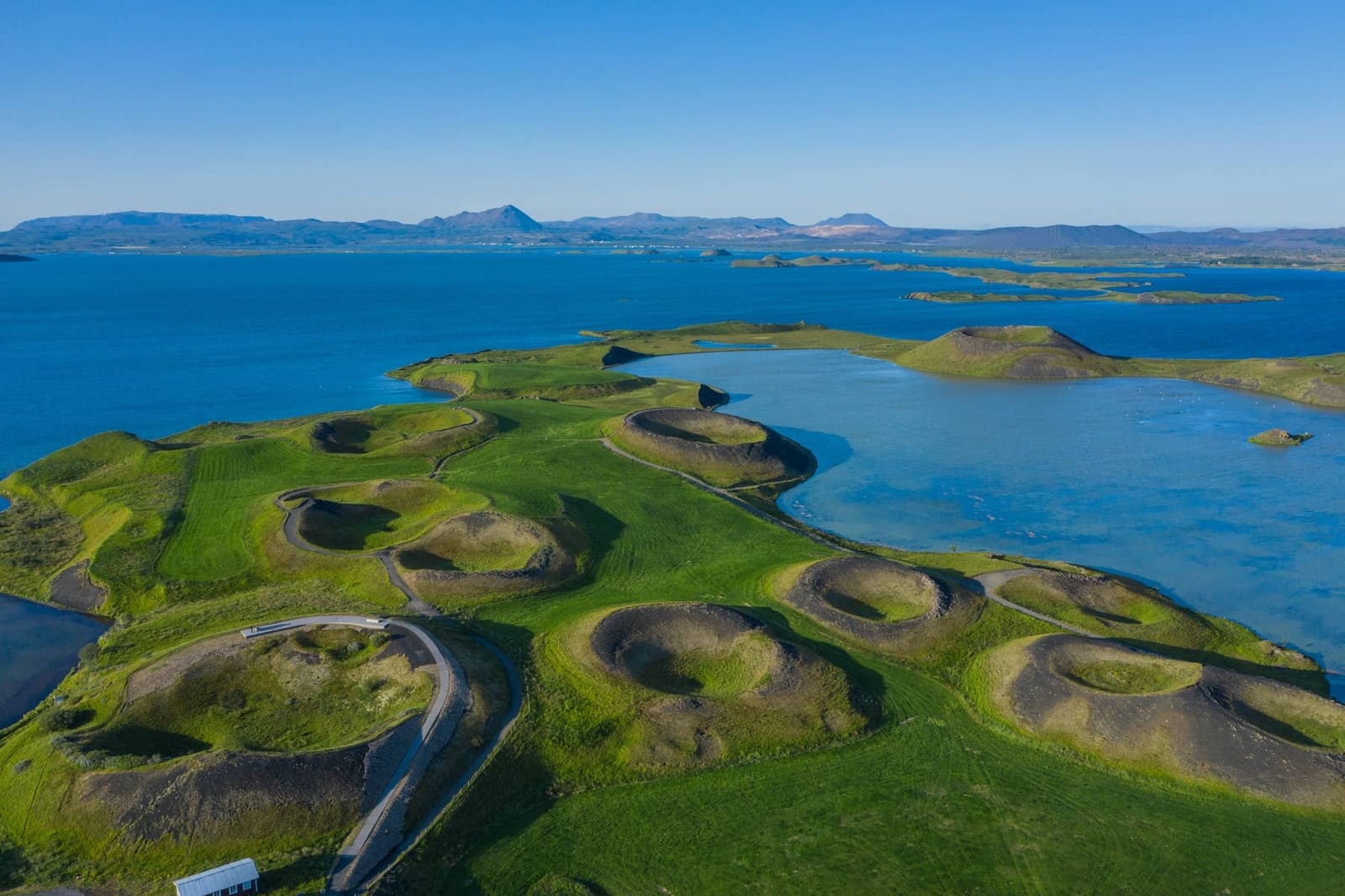
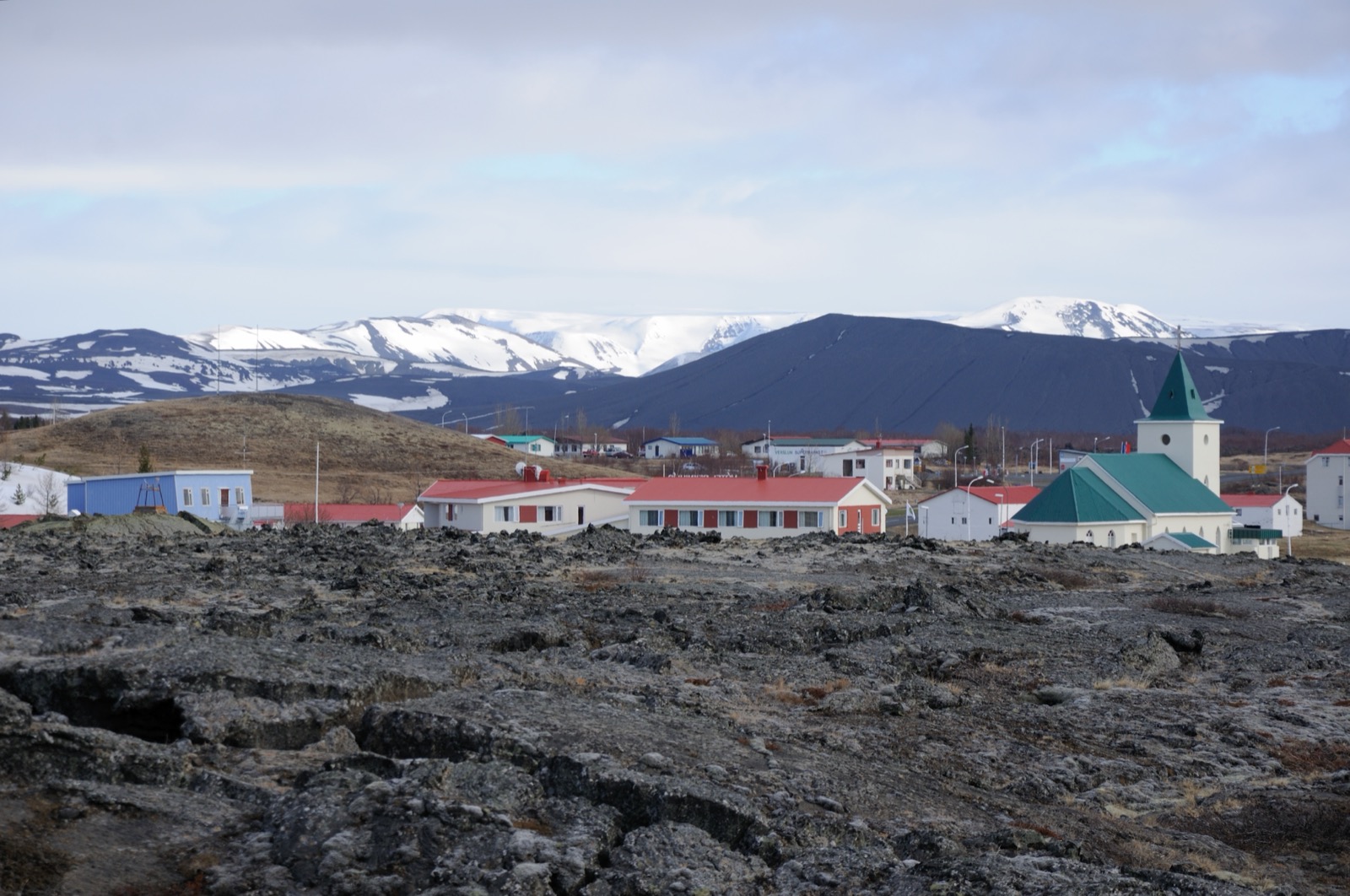
Gjástykki is a rugged Krafla rift valley north of Mývatn, where young lava, fissures, and rough access make it a specialist North Iceland stop for travelers who can verify conditions first.
Geology snapshot
Type
Krafla rift valley, lava field, and volcanic landscape
Region
North Iceland, north of the Krafla and Mývatn area
Route context
A specialist Mývatn-area detour rather than a default Diamond Circle stop
Time to allow
Plan a flexible 1.5-3 hour window once access and weather make sense
Best experience
Slowly reading the young lava, fissures, and rift walls with enough time to turn back
In this guide
Gjástykki: but only for the right kind of trip
Yes, but only for the right kind of trip. Gjástykki is worth adding when you already have time around Lake Mývatn and you want to see young volcanic ground, rift scars, and the rougher side of the Krafla area.
It is not a simple scenic stop like Goðafoss, and it is not the default canyon-and-waterfall choice that Dettifoss gives a Diamond Circle day. Gjástykki is quieter, rougher, and more geology-led: the reward is standing in a landscape that was pulled apart and resurfaced by recent volcanic activity.
Add Gjástykki to a slow Mývatn-area day when the traveler has a real interest in lava, fissures, and Krafla, and when the plan can change if access looks poor. Skip it on a first Ring Road pass, on a tightly packed Diamond Circle road trip, or when weather makes rough volcanic ground a bad trade.
What does the Gjástykki lava field feel like?
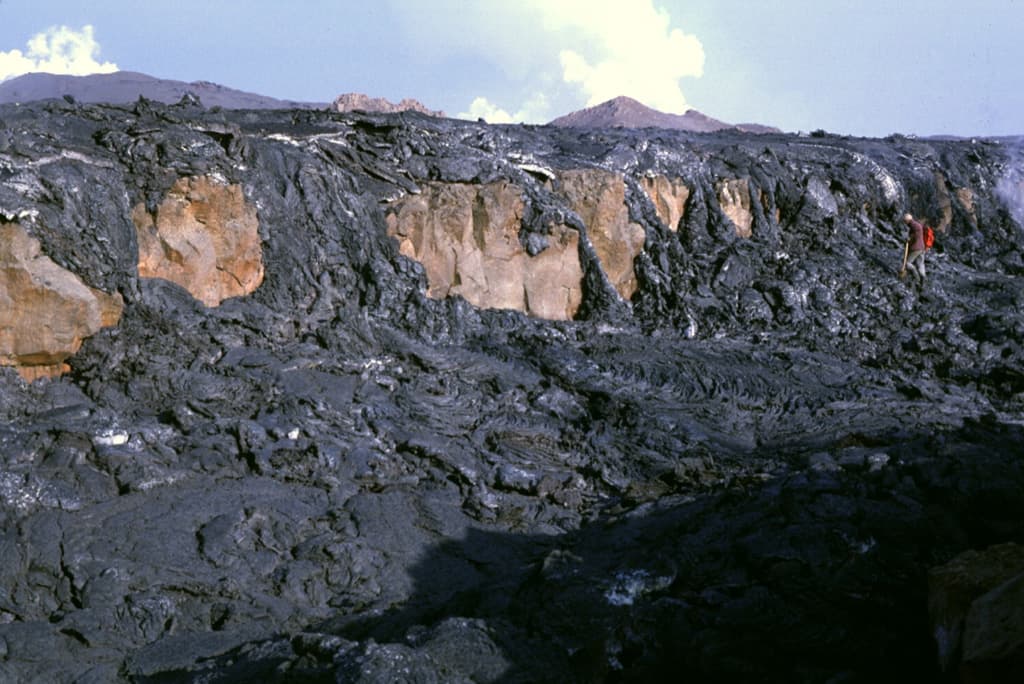
Gjástykki feels raw and unfinished: black lava, broken ground, fissure edges, pale minerals, and open North Iceland silence instead of a built viewpoint sequence.
The appeal is in the surface. The lava can look folded, cracked, glossy, or torn, and the rift walls give the area a stronger sense of geological movement than many older lava fields. It is the kind of place where a slow traveler notices texture before panorama.
The interest at Gjástykki is in the lava surface, cracks, and rift texture rather than a single viewpoint.
That also means the visit is easy to overrate if you are only collecting headline sights. If your day already includes Lake Mývatn, Dettifoss, and Goðafoss, Gjástykki should earn its place by matching your interests, not by sounding like one more required stop.
Treat Gjástykki as a flexible 1.5-3 hour detour from the Mývatn and Krafla area once conditions make sense
Treat Gjástykki as a flexible 1.5-3 hour detour from the Mývatn and Krafla area once conditions make sense. The time is less about a fixed trail and more about rough access, slow ground, and the option to turn back.
How to size a Gjástykki stop
Visit style
Use it when
Main tradeoff
Quick look
You only want a brief volcanic-landscape impression after checking access.
It may feel underwhelming if you do not slow down enough to read the terrain.
Balanced detour
You have a flexible Mývatn-area day and want Gjástykki to be one of two or three main stops.
You must leave room for rough ground, changing weather, and route decisions.
Slow geology stop
Lava textures, fissures, and Krafla history are a major reason for your North Iceland route.
It can crowd out easier sights if the rest of the day is already full.
Skip or delay
Road, weather, daylight, or group comfort makes the detour feel forced.
Gjástykki loses value when it becomes a conditions gamble.
The walking effort can feel uneven even when distances look modest. Expect rough volcanic ground, exposed weather, and limited margin for a rushed visit. If anyone in the group needs predictable footing, easier pullouts, or a more structured stop, keep Gjástykki as a maybe.
The Krafla Fires are the reason Gjástykki feels unusually young and raw compared with older lava fields.
Where does Gjástykki fit around Mývatn and the Diamond Circle?
Gjástykki fits best as an optional Krafla-area extension, not as the backbone of the Diamond Circle. Start by deciding whether your day is about volcanic texture, waterfalls, or a broader North Iceland loop.
If the day is already built around Lake Mývatn, Gjástykki can deepen the volcanic side of the route. If the day is built around Dettifoss, Vesturdalur, Hafragilsfoss, and Goðafoss, it may be the stop that makes the plan too stretched.
Choose Gjástykki when Krafla geology is the point of the day.
Choose Dettifoss or Hafragilsfoss when canyon scale and waterfall force matter more.
Choose Lake Mývatn when the group needs a broader base area with more varied, easier choices.
Choose Goðafoss when you need an easier waterfall stop that works better in a moving Ring Road day.
For most travelers, the strongest planning move is to place Gjástykki beside one nearby anchor and one fallback. That keeps the day flexible enough to drop the lava-field detour if official checks, wind, daylight, or road conditions make another stop smarter.
Check official road, weather, safety, and volcanic information before treating Gjástykki as part of the day
Check official road, weather, safety, and volcanic information before treating Gjástykki as part of the day. The page can help with planning, but final access decisions belong to live official sources and local signs.
Use Umferðin for road conditions, the Icelandic Meteorological Office for weather warnings and volcanic information, and SafeTravel for travel-condition guidance. If signs, local guidance, or conditions conflict with an old route note, follow the newer on-the-ground information.
Avoid building fragile assumptions into the plan. Do not rely on fixed facilities, guaranteed easy access, or a precise walking surface. If those details matter for your group, verify current visitor information before leaving the Mývatn area.
Use for the geological background behind the Krafla Fires and rift system.
Gjástykki FAQ
These are the questions that usually decide whether Gjástykki belongs in a real North Iceland plan.
Is Gjástykki a good stop for a first Iceland trip?
Usually no, unless volcanic geology is a major interest. Most first trips get more value from Lake Mývatn, Dettifoss, Goðafoss, or a simpler Diamond Circle day.
Can you visit Gjástykki independently?
It may be possible when access and conditions support it, but do not treat independent access as guaranteed. Check official road, weather, safety, and volcanic information before relying on the stop.
How is Gjástykki different from Leirhnjúkur or Hverir?
Gjástykki is rougher and more remote-feeling, with rift and young-lava texture as the main draw. Leirhnjúkur and Hverir are usually easier to understand as Mývatn-area visitor stops.
Should you visit Gjástykki in bad weather?
No, not if wind, visibility, road conditions, or group comfort make rough volcanic ground a poor choice. Keep it optional and use an easier Mývatn-area stop instead.