Fljótshlíð is a rural saga landscape east of Hvolsvöllur in South Iceland, best for travelers deciding whether a quieter side-road detour adds more than another major waterfall stop.
Town snapshot
Type
Rural saga landscape, farm district, scenic side-road area
Region
South Iceland, east of Hvolsvöllur and inland from the main South Coast flow
Route context
Best as a slower South Coast detour, not a compulsory first-trip landmark
Time to allow
30-60 minutes for a scenic taste; 1.5-3 hours when pairing Hlíðarendi, Gluggafoss, or nearby cultural stops
Best experience
Quiet farm country, saga-site context, views toward the mountains, and nearby waterfall stops
In this guide
Is Fljótshlíð worth the detour from Route 1?
Yes, when you want the South Coast to slow down. Fljótshlíð is most rewarding as a side-road landscape of farms, saga places, river flats, and mountain views, not as a rushed checkbox between major waterfalls.
The direct answer is this: add Fljótshlíð if your day already has space around Hvolsvöllur, Seljalandsfoss, or a quieter South Coast drive. Keep it optional if you are still trying to fit Skógafoss, Dyrhólaey, Reynisfjara, and a long eastbound push into the same daylight.
Add Fljótshlíð when the goal is a slower cultural landscape, a saga-site thread, or a softer approach toward Gluggafoss and the Þórsmörk edge. Skip it on a first South Coast day where every extra side road weakens the main landmark sequence.
Choose the right Fljótshlíð version
Version
Best use
What to decide
Quick taste
A short side-road look from the Hvolsvöllur area when the main day still belongs to the coast
Whether the views justify leaving Route 1 briefly
Balanced detour
A slower loop with Hlíðarendi context, farm scenery, and Gluggafoss or nearby cultural stops
Whether 1.5-3 hours makes the day better
Slow landscape day
Repeat visitors, saga interest, photography, and highland-edge plans with flexible timing
Whether road, weather, and daylight checks support the plan
What does Fljótshlíð feel like once you leave the main road?
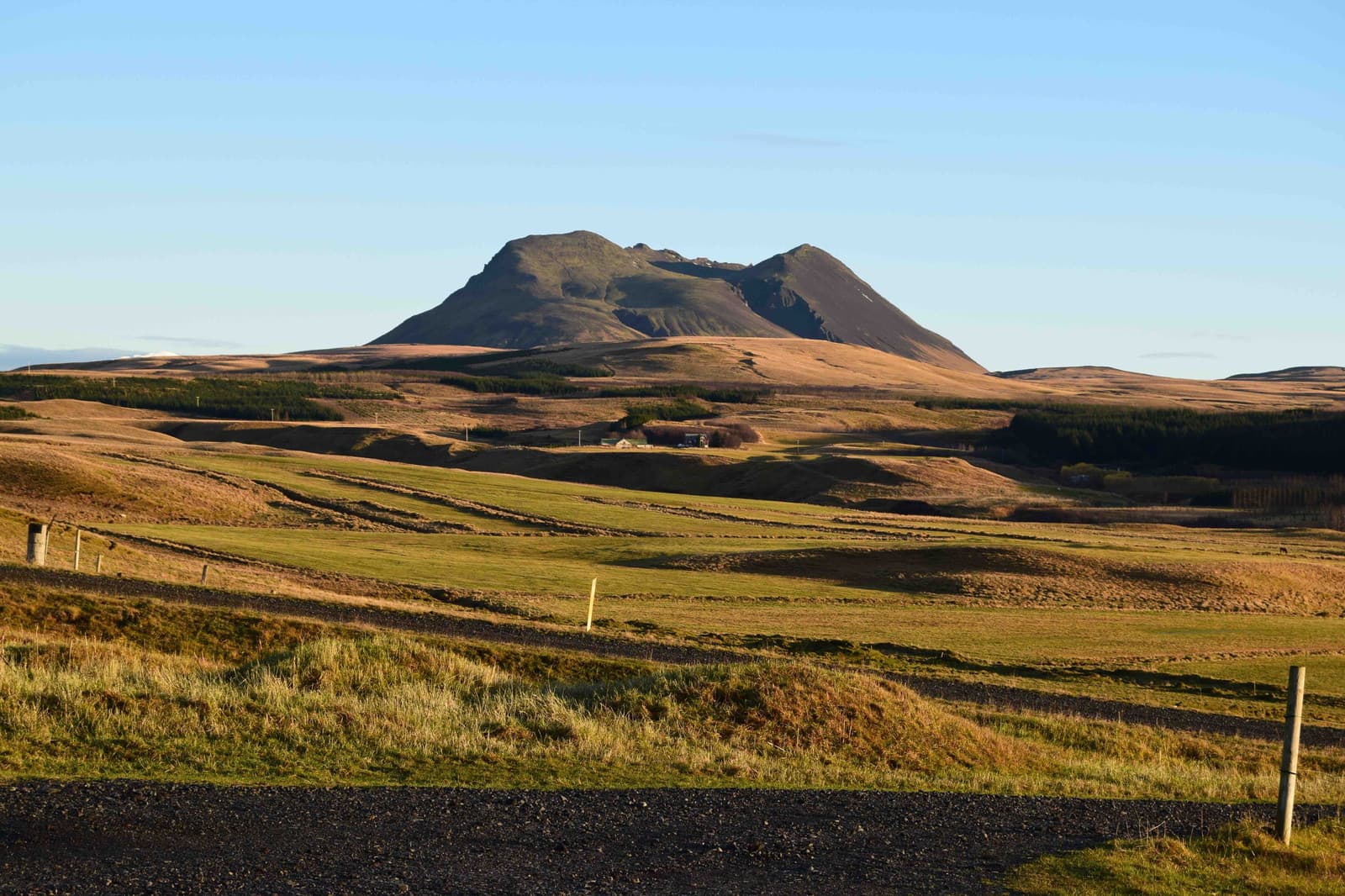
It feels like a lived-in South Iceland slope rather than a single attraction gate: open farm fields, low hills, river plains, horses, small churches, saga names, and wide views toward the glacier and mountain edge.
The appeal is cumulative. You are not chasing one famous platform; you are reading the landscape between farms, slopes, and old story places. Hlíðarendi gives the saga layer a real location, while the surrounding views explain why this district keeps showing up in South Iceland storytelling.
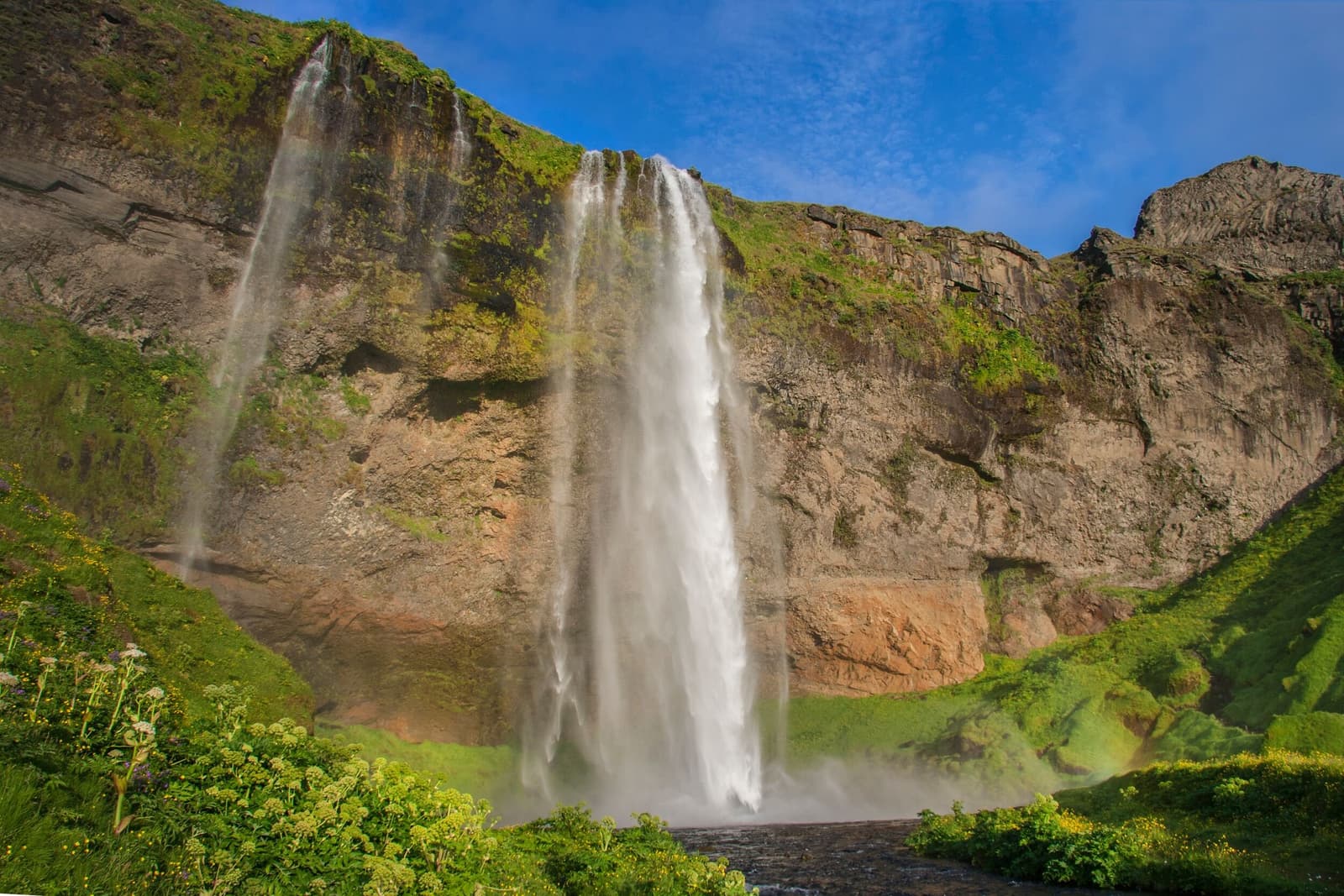
Gluggafoss is the most concrete nearby natural stop for travelers using Fljótshlíð as more than a drive-through.
This makes Fljótshlíð different from a major waterfall stop. The reward is the way the hills, rivers, farms, and saga context sit together. If that sounds too quiet, keep your time for Seljalandsfoss or the stronger coastal landmarks.
How should you use Fljótshlíð in a South Coast day?
Use it as a flexible layer between the main road and the mountain edge. It can be a short scenic pause, a cultural detour from Hvolsvöllur, or part of a slower approach toward Gluggafoss and Þórsmörk-area scenery.
The simplest plan is to treat Fljótshlíð as an optional inland loop near the western South Coast. Build the main day first, then decide how much room remains. If the South Coast road trip is already pushing east toward Skógafoss or beyond, this detour should earn its place.
The slower version of Fljótshlíð is about views, side roads, and terrain, not just a stop beside Route 1.
Go if you have a slower South Iceland day and want scenery with cultural context.
Skip if your plan is a tight landmark run between Seljalandsfoss, Skógafoss, Dyrhólaey, and Reynisfjara.
Check before committing if the plan depends on winter roads, highland-edge driving, hiking, or specific visitor services.
On a 5-day Iceland itinerary, Fljótshlíð usually works only when the South Coast day has been deliberately slowed. On a longer trip, it can make South Iceland feel less like a string of famous parking lots and more like a real rural landscape.
Which nearby stops pair naturally with Fljótshlíð?
The best pairings are close enough to support the same driving day and different enough to explain why you left the main road.
Seljalandsfoss is the obvious anchor west of the district because it gives the day a major waterfall before you decide how much quieter time to add. Skógafoss is stronger as a main-route waterfall farther east, while Dyrhólaey and Reynisfjara pull the day toward the coast and make inland detours harder to justify.
If your route continues toward Jökulsárlón, Fljótshlíð should usually stay short. The longer the eastbound drive, the more valuable it becomes to cut softer detours and protect daylight for the glacier-lagoon end of the route.
Fljótshlíð is strongest when the rural scale itself is part of the reason to slow down.
Nearby stop comparison
Stop
What it adds
When it beats Fljótshlíð
Seljalandsfoss
A high-impact waterfall anchor close to the same western South Coast area
When you need one memorable stop with less side-road ambiguity
Skógafoss
A stronger main-route waterfall farther east
When the day is moving toward Vík and the coast
Dyrhólaey
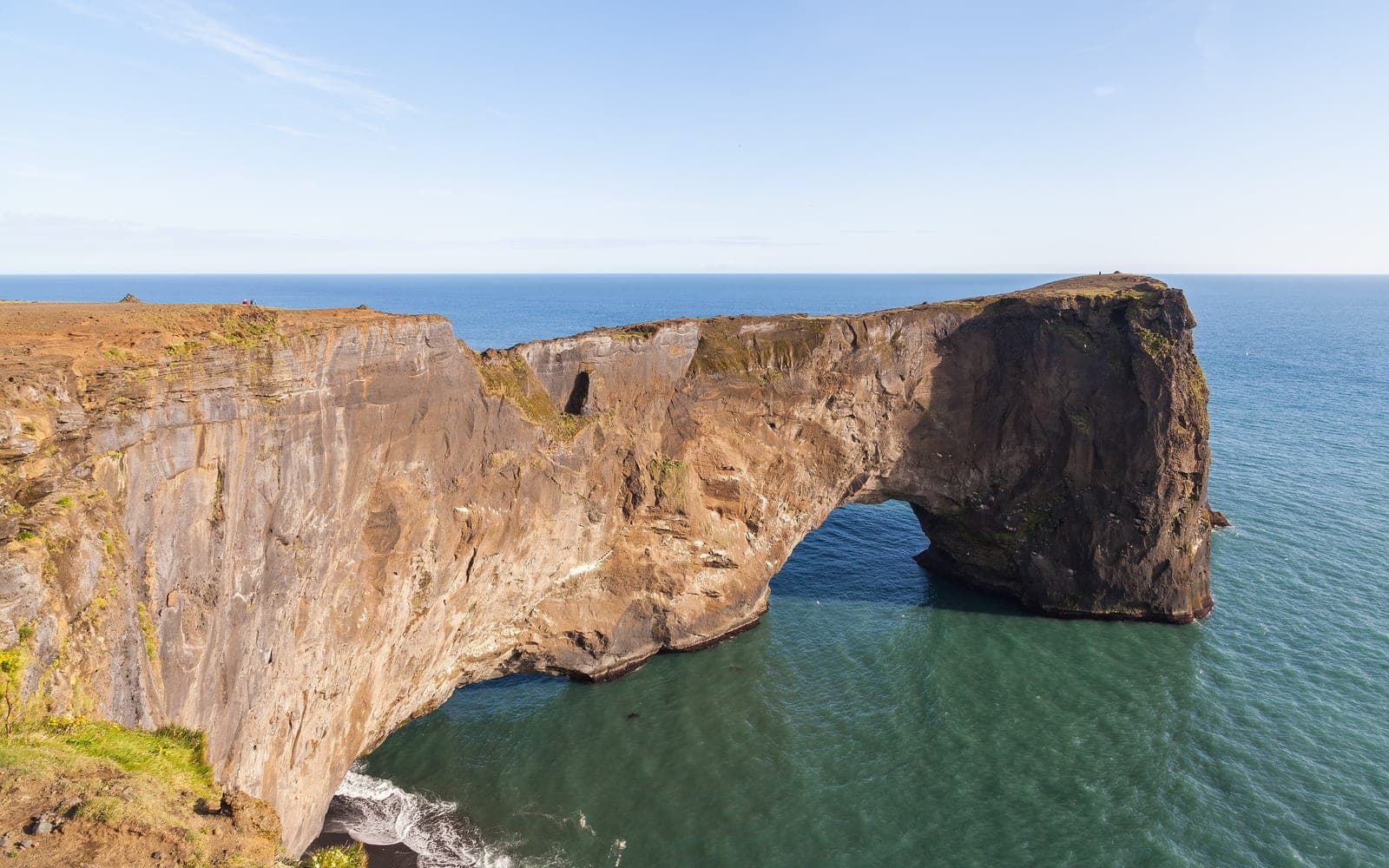
Cliffs, sea views, and coastal route drama
When weather and timing favor the coast over inland scenery
Reynisfjara
Black-sand beach scenery with serious surf-awareness needs
When the coastal part of the day is the priority
What should you check before committing to the side roads?
Check official sources when the plan depends on roads, weather, safety, visitor details, or any highland-edge extension. Fljótshlíð is easy to underrate on paper and easy to overpack in practice.
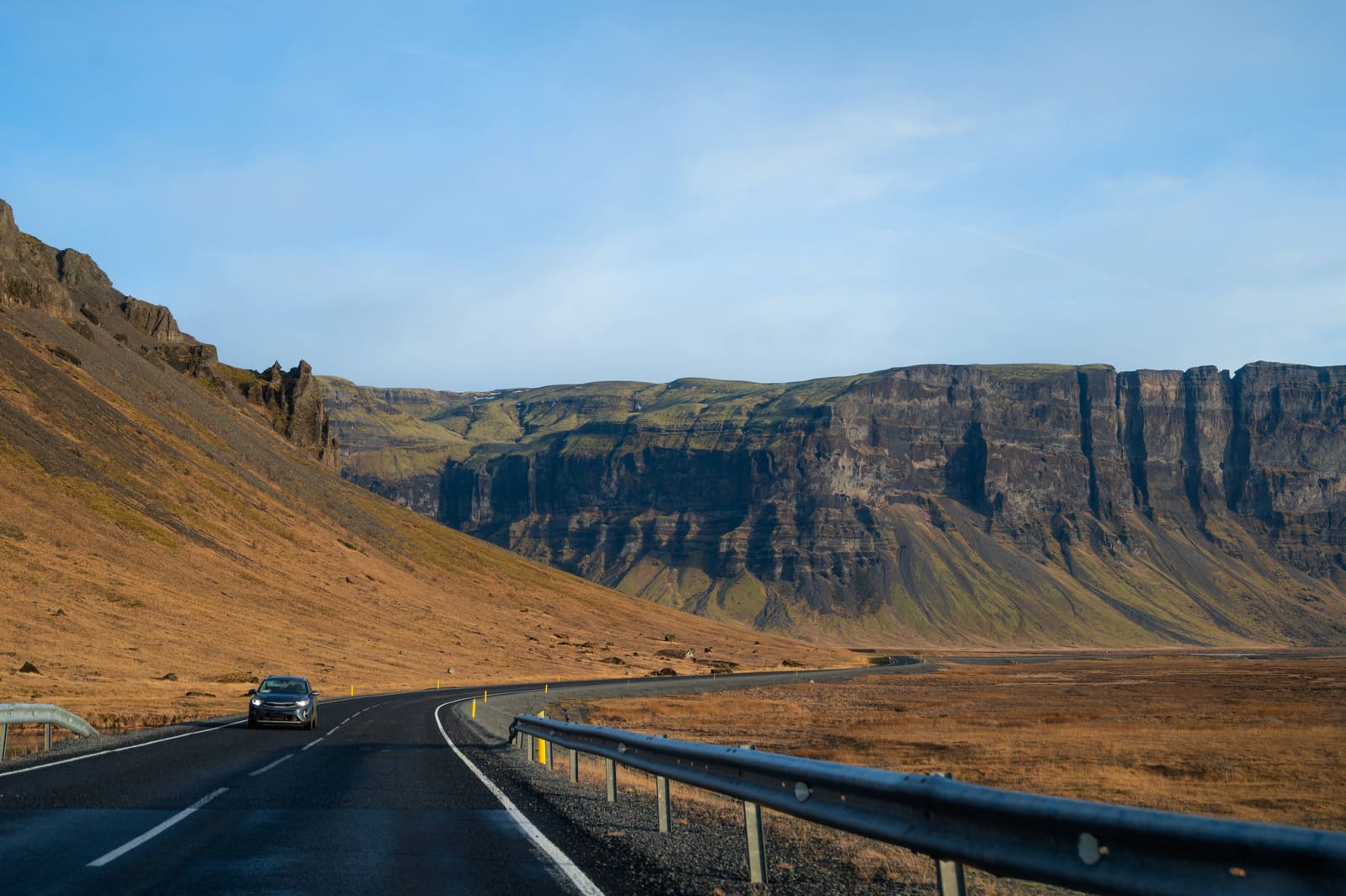
For ordinary fair-weather self-drive travel, Fljótshlíð can be a gentle detour. The conditions that change the decision are winter roads, wind, visibility, daylight, and any plan that pushes from farm country toward rougher terrain or mountain-edge access.
If facilities, guided interpretation, museum visits, church access, or dining stops matter to your route, verify visitor details with the relevant official or operator page before building the stop into a tight day.