Experience fit
- First lesson
- Book an instructor
- Guided surf
- Bring existing basics
- Rental test
- Judge the coast alone
- Live inputs
- Swell, wind, tide, access
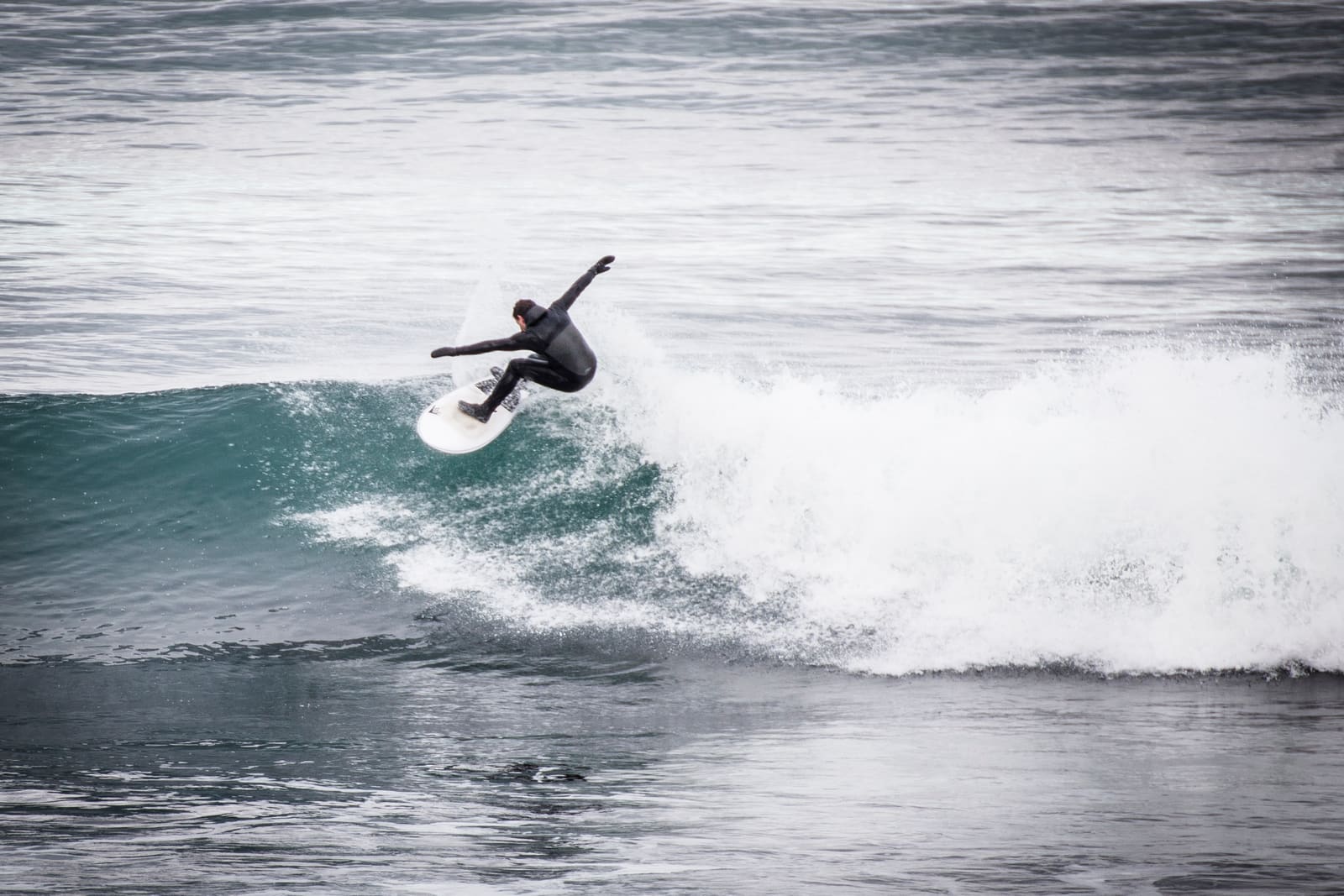
Surfing in Iceland is a cold-water coast decision before it is a search for a famous break. Choose a true lesson, a guided session, or independent rental by your existing ability, then let current swell, wind, tide, entry, and exit conditions decide whether the right outcome is a ride or a day watching from shore.
Experience fit
A dark wave lifts below a snow-striped mountain. One hooded surfer turns across its face while the rest of the cold coast seems to hold still, and the ordinary act of riding becomes improbable.
That contrast is the pleasure of surfing in Iceland. The wave may last seconds; the changing light, cold air, dark shore, and long look at the sea shape the whole outing. It is less like adding a tropical surf session to a road trip and more like entering one exposed Icelandic landscape with equipment, skill, and a plan for getting back out.
Begin with the surfer, not the beach. A complete beginner needs instruction and conditions chosen for learning. An established surfer may need a local guide because an unfamiliar reef, wind, tide, or exit can make warm-water confidence incomplete. Rental is the narrowest choice: it is for someone who can assess the break, entry, exit, current, other water users, and cold exposure without a guide making those calls.
Photo guide
1 / 7
Board skills are only part of the decision when the coast, entry, and exit are unfamiliar.
Good to know
Ability, cold-water familiarity, and the day's exposure should lead to one of four formats. Treat the table as a decision gate, not a progression you need to complete on one trip.
| Your starting point | Best format | What the support should solve | Do not assume |
|---|---|---|---|
| Never surfed | Instructor-led first lesson | Board handling, basic technique, water behavior, equipment, and a learner-suitable location | A sandy beach makes any day beginner-friendly |
| Can paddle, stand, and follow surf etiquette | Guided group session | Local location choice, entry and exit context, supplied gear, and a conditions check | Warm-water basics remove the cold-water learning curve |
| Independent, established surfer | Private local surf day | A more tailored read of the coast, transport, and time to change the plan | A guide can guarantee the intended wave or location |
| Fully self-sufficient in cold water | Equipment rental | A suitable board and complete kit when you can make every water and access decision yourself | Rental staff become your on-water safety system |
Be conservative when the rows feel close. A surfer who can catch unbroken waves in a familiar warm-water beach break may still gain more from a guided Iceland session than from rental. A first lesson should be marketed as instruction for total beginners, not merely as a guided outing that expects the basics. Ask the provider to place you in the correct format rather than editing your ability upward to preserve the booking.
Two public place names help explain Iceland's surf geography, but neither is a permanent grade written onto the coast.
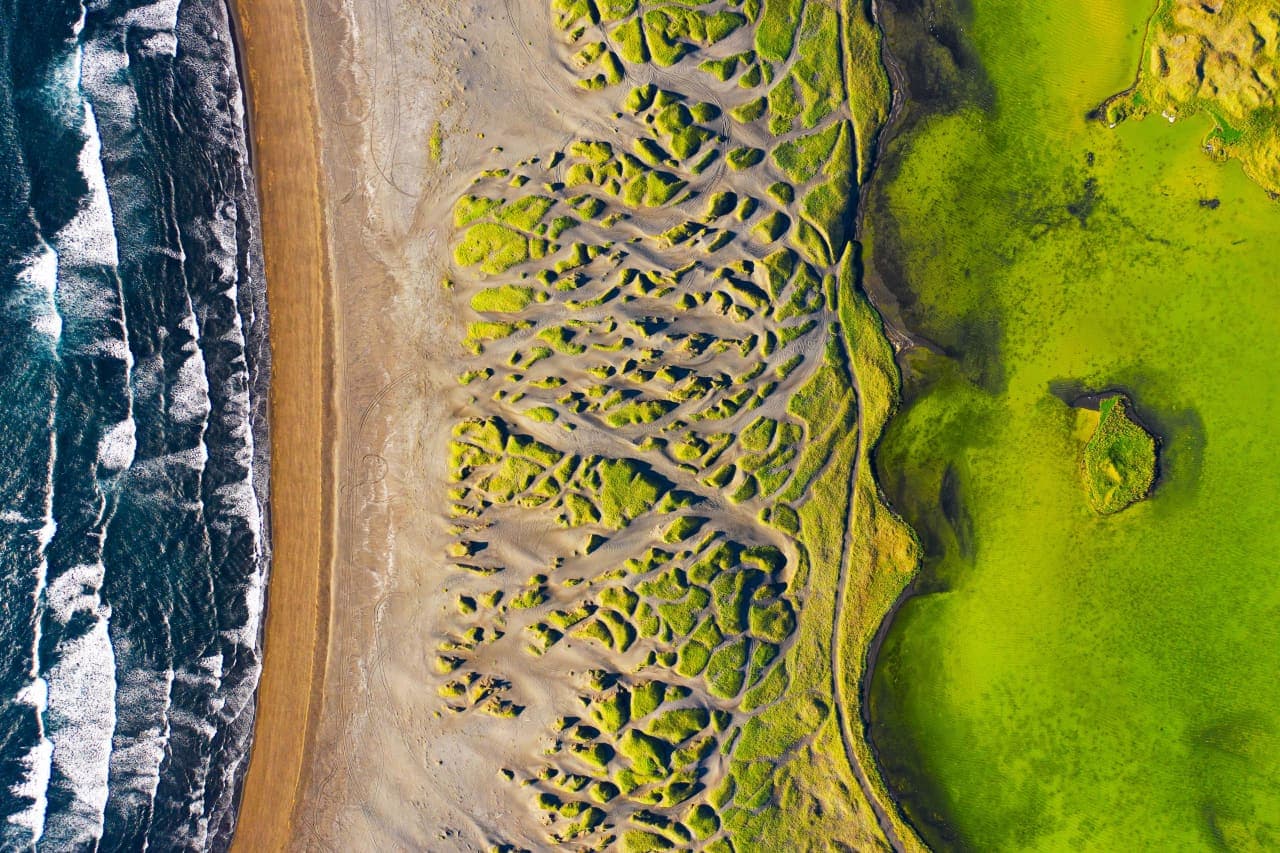
Sandvík is the sandy Reykjanes example: an outer-peninsula cove where black beach, dunes, pond water, and open Atlantic exposure sit in one frame. That openness is exactly why the name alone cannot answer whether you should surf. Swell direction, wind, tide, entry, exit, local access, and the group's ability still have to align on the day. Use the Reykjanes road-trip guide for the wider driving plan rather than building a route around a presumed surf session.
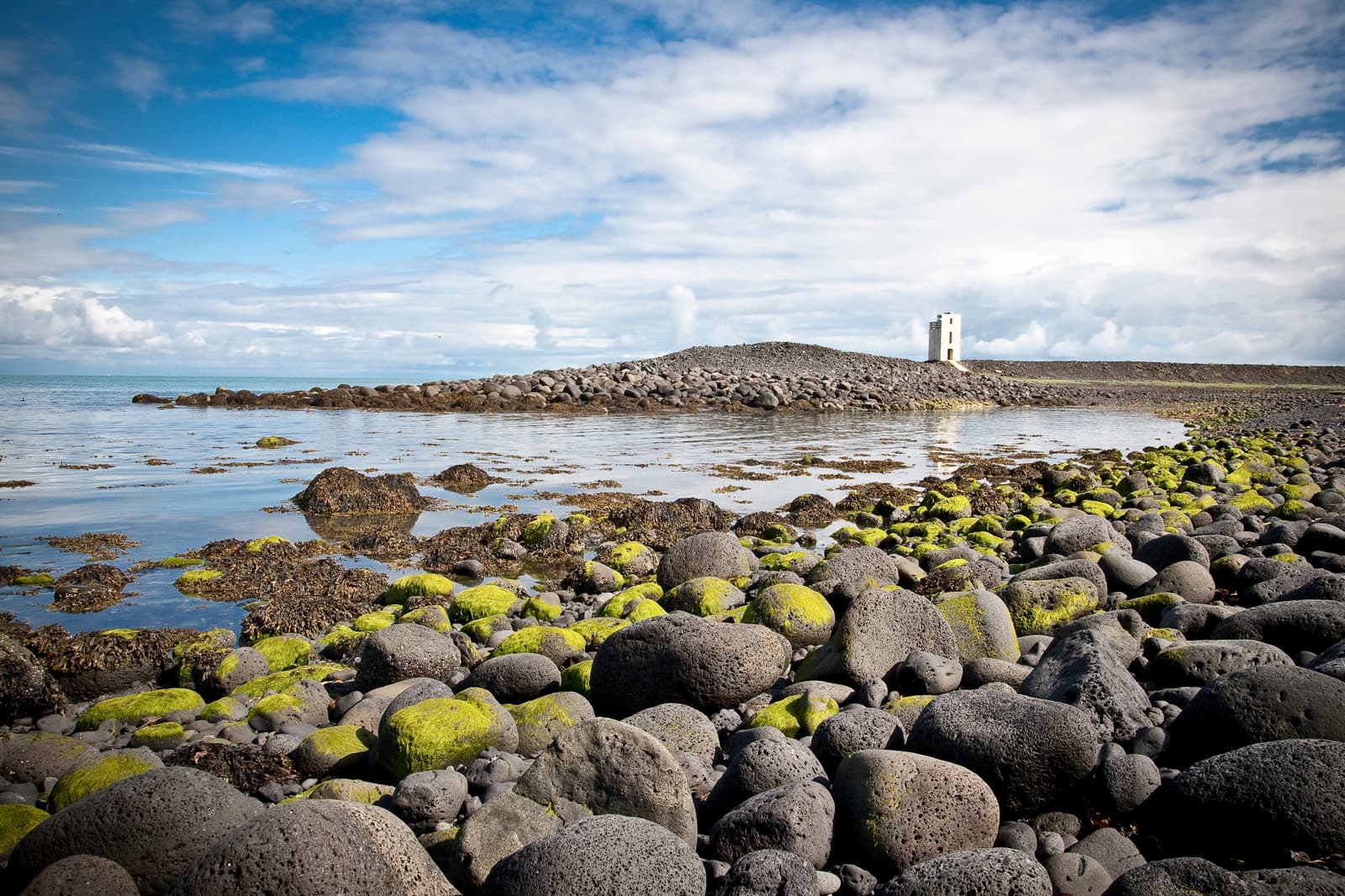
Þorlákshöfn anchors a different choice on the southwest coast. Its working-town setting and nearby black-sand coast support both a dedicated beginner-school format and sessions for surfers who already know the basics. The useful distinction is not that one named place belongs to novices and another to experts. It is that a provider can choose a suitable learning area or move with conditions instead of asking the traveler to force a famous pin.
A first lesson, a private guided day, and equipment rental place very different burdens on the traveler.
Choose the least supported format that still leaves every member able to understand the water and get back out safely.
Adventure Vikings
Best forA total beginner who wants a real instructor-led first lesson near Þorlákshöfn with surfing gear supplied.
Keep in mindA learner session depends on the provider finding suitable beginner conditions; the intended date or water location may change.
Check firstRecheck swimming expectations, equipment sizing, meeting details, learner limits, current operation, and cancellation terms.
Arctic Surfers
Best forEstablished surfers wanting a private local guide, transport, and supplied cold-water gear.
Keep in mindPrivate guidance is a larger commitment and local judgment still cannot guarantee the planned coast or quality of waves.
Check firstRecheck the skill boundary, pickup and transport, exact gear, physical fit, current operation, and cancellation terms.
Arctic Surfers
Best forSelf-directed cold-water surfers needing a board and wetsuit but no on-water guide.
Keep in mindRental provides equipment, not break selection, water supervision, a rescue plan, or a guarantee that the needed size and board are available.
Check firstRecheck stock, sizes, complete cold-water kit, pickup and return, current access, and rental terms.
The equipment question is whether one complete system fits your body, ability, board choice, weather, and time in the water—not whether a product page contains the word wetsuit.
Confirm the exact kit with the operator close to the session. The useful list can include an appropriate board and leash, a well-fitting hooded suit or separate hood, gloves, boots, and whatever warm layers, towel, changing protection, food, or drink the meeting plan expects you to bring. Sizes and stock can change. If a seal leaks, a boot cramps, or gloves make board handling unfamiliar, solve it on land rather than treating discomfort as part of the adventure.
Independent surfers carry the higher burden. They need more than rented neoprene: they need a realistic water window, a known entry and exit, a board they can manage, another person who understands the plan, and enough margin to stop early. A supplied kit is evidence that equipment exists, not evidence that the day's ocean suits the person wearing it.
A surf forecast number is only one input. Iceland's exposed coasts ask you to connect offshore conditions with what is happening at the exact shore and on the route there.
Start with the regional weather and coastal wind, then use a surf-specific forecast and local interpretation for swell direction, period, tide, and the way water meets the chosen beach or reef. Stand back and watch several sets. Identify where people enter, where they can get out if the first exit fails, how current moves along the shore, what lies downwind, and whether changing water level removes the easy route home.
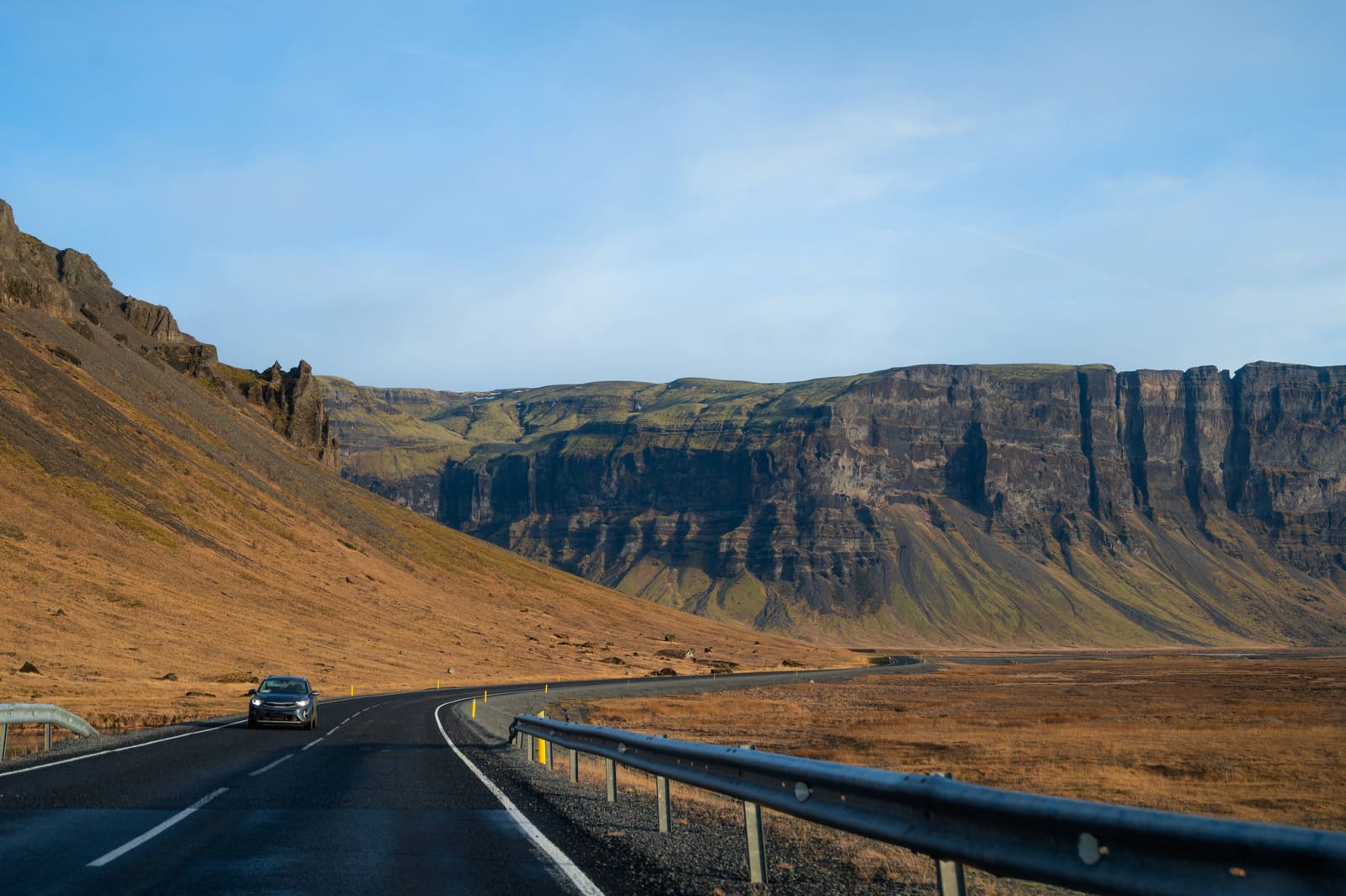
The drive is part of the session. A coastal road can be the limiting condition even when a camera view of the sea looks inviting. Check the complete route through Umferðin, current travel alerts, and any local access notice before leaving. Keep the return leg inside the same weather judgment; wet equipment, fading light, and a tired group do not make a marginal road easier.
A guide should be able to explain the choice in plain language and change it without drama. For a first lesson, that may mean waiting for a gentler learner window. For an established surfer, it may mean moving coast, choosing a less exposed wave, or declining the paddle-out. If the explanation relies only on reputation, season, or a flattering forecast screenshot, the decision is incomplete.
The most experienced-looking decision can be the quiet one: keep the board on the car, watch the water, and let the coast be the activity.
Stay out when the entry or exit is unclear, wind is moving you toward a bad consequence, swell exceeds the group's honest ability, equipment does not fit, cold is already affecting someone on land, access is restricted, or the road and return window are deteriorating. A changed location is not automatically the answer; it needs the same full check.
A shore day is not a failed Iceland surf plan. It can teach you how sets arrive, where current shows itself, how quickly wind roughens the face, and why local surfers wait. Pair it with a coast stop, a warm meal, or geothermal bathing, then leave the next paddle-out to a day when ability, equipment, water, access, and road all agree.
Review current regional wind, temperature, precipitation, and warnings before choosing the coast.
Check the current coastal-wind forecast, then interpret it for the exact shore with local surf inputs.
Check current warnings and travel conditions before an exposed coast or winter drive.
Review the whole route, notifications, conditions, and available cameras before leaving.
By ThorPublished
Regions
See which part of Iceland is most convenient for this experience and what else you can visit nearby.
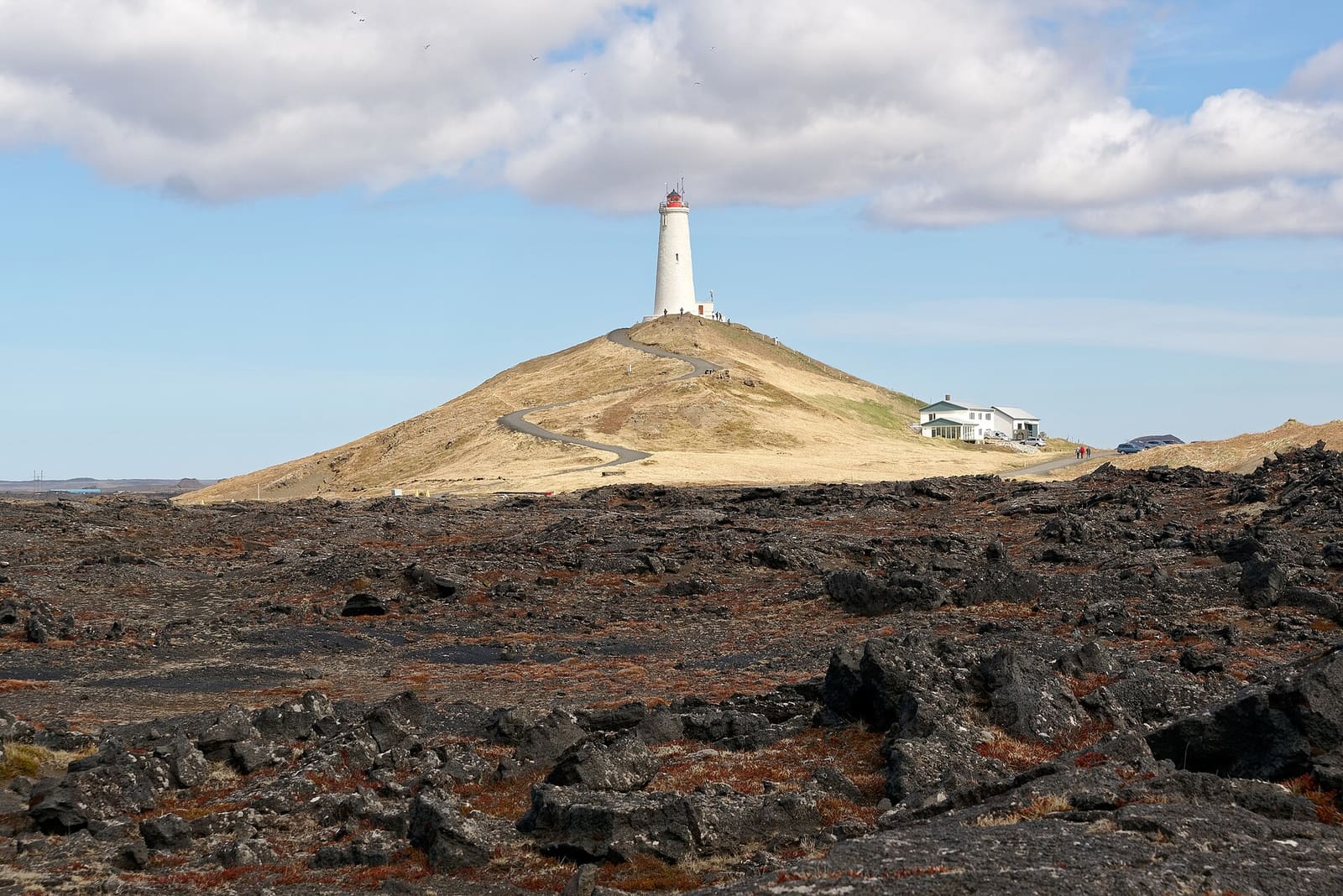
Use this volcanic peninsula for a careful half- or full-day route near KEF, but keep eruption sites, Grindavík and Blue Lagoon plans conditional.
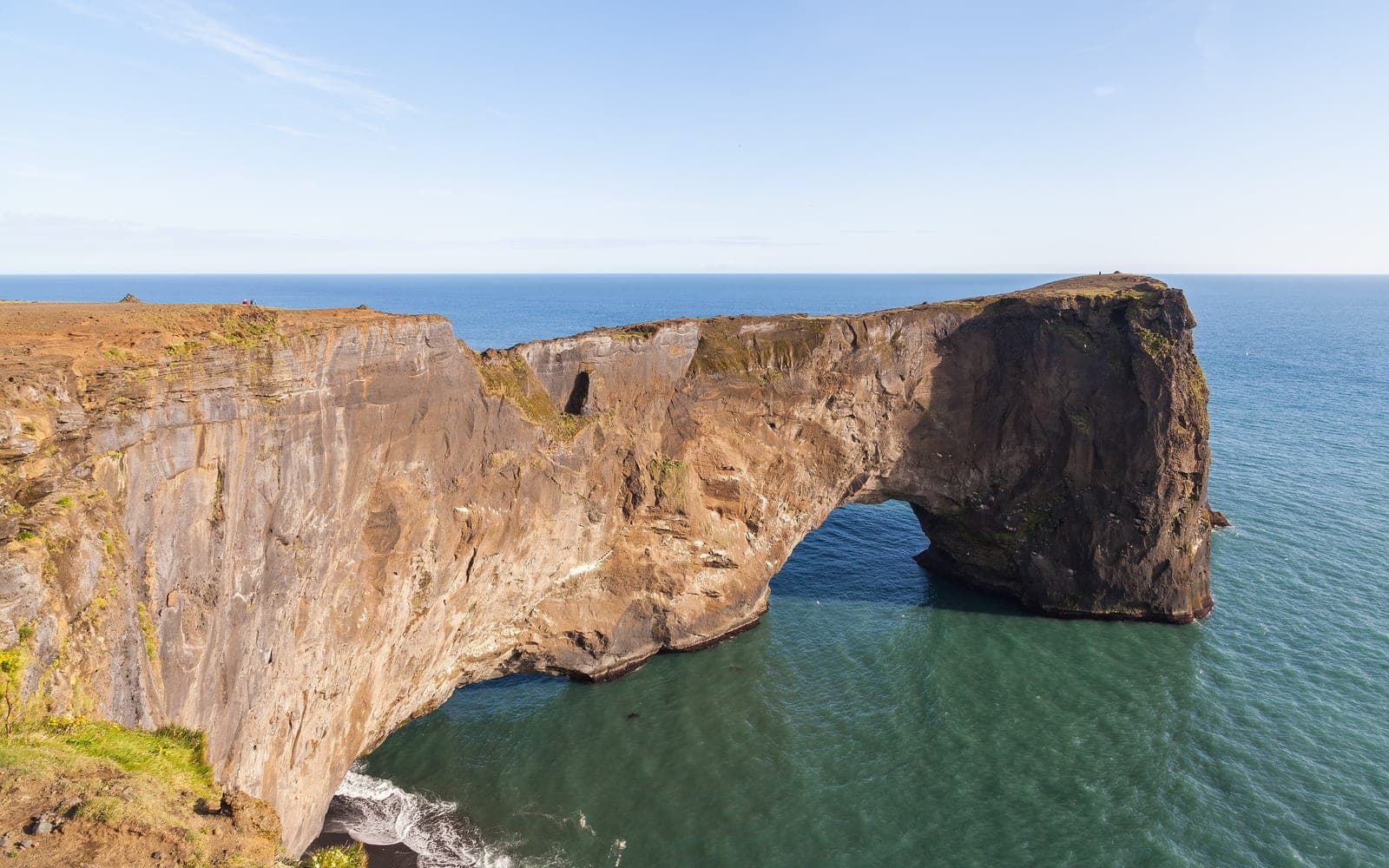
Build a first-trip route around waterfalls, black-sand coast and glacier country, but allow two to four days if Jökulsárlón is part of the plan.
Road trips and itineraries
See where this experience fits into a road trip or day-by-day itinerary.
More things to do
See other activities that may suit the same day, season, or part of Iceland.
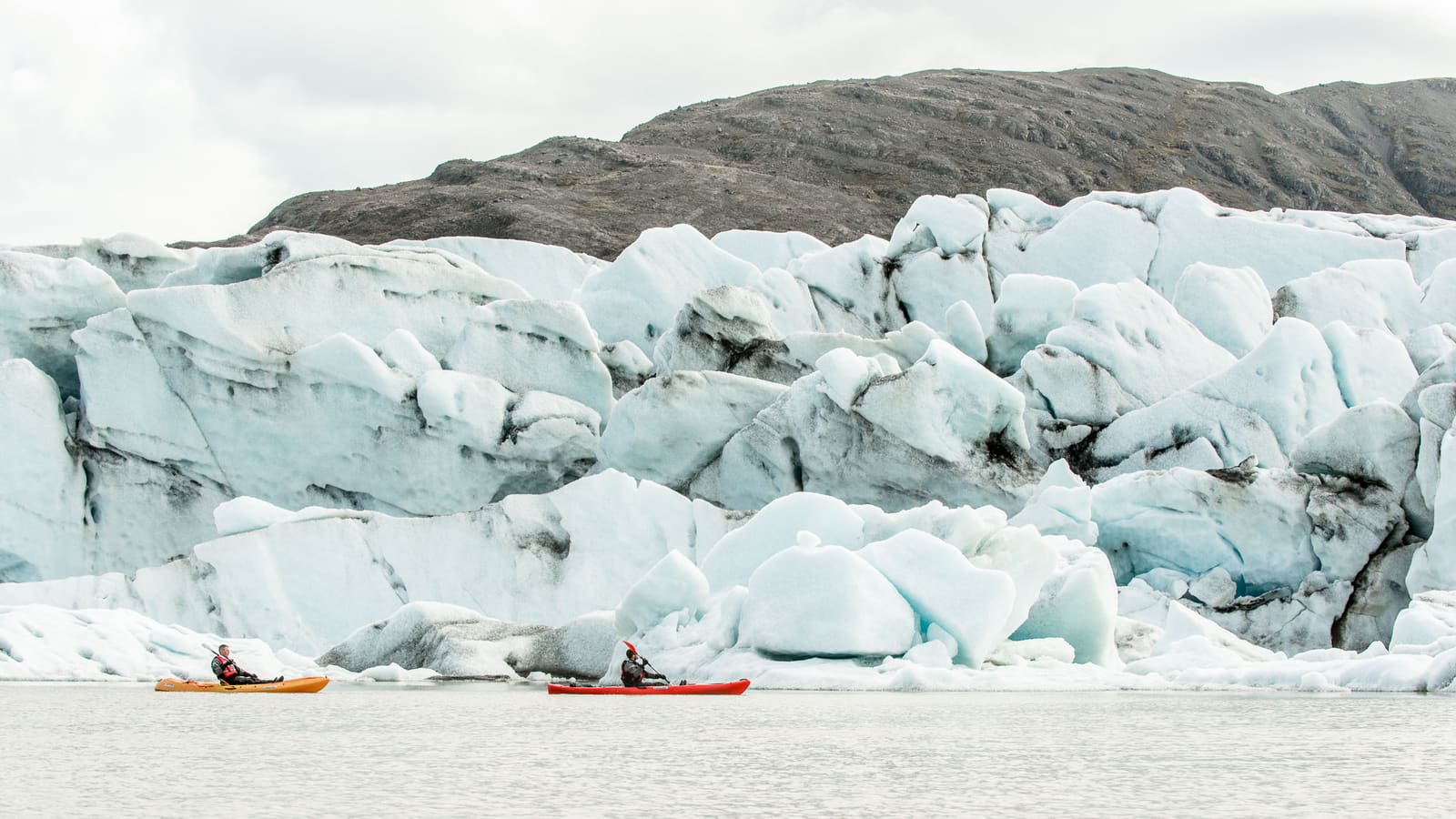
Kayaking in Iceland can mean paddling between lagoon ice, following a sheltered fjord shore, or bringing real whitewater skills to a river. Choose the water first, then test the trip against experience, cold-water gear, wind, age rules, and the time needed to reach the launch.
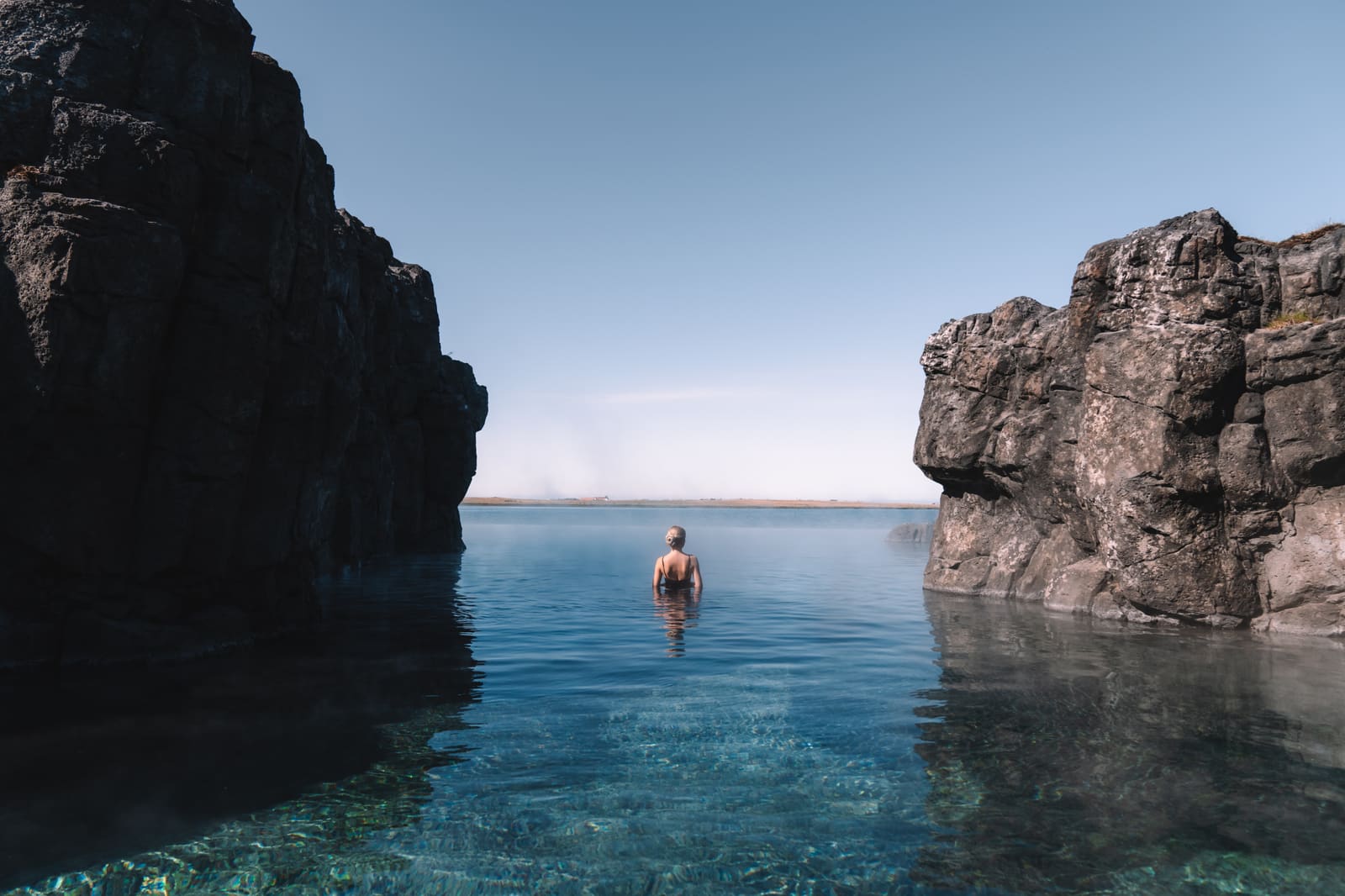
Iceland hot springs work best when you choose the bathing format first: premium lagoon, local public pool, rustic pool, hike-in hot river, remote hot pot, or geothermal area you only admire from the path, then fit it to the day.
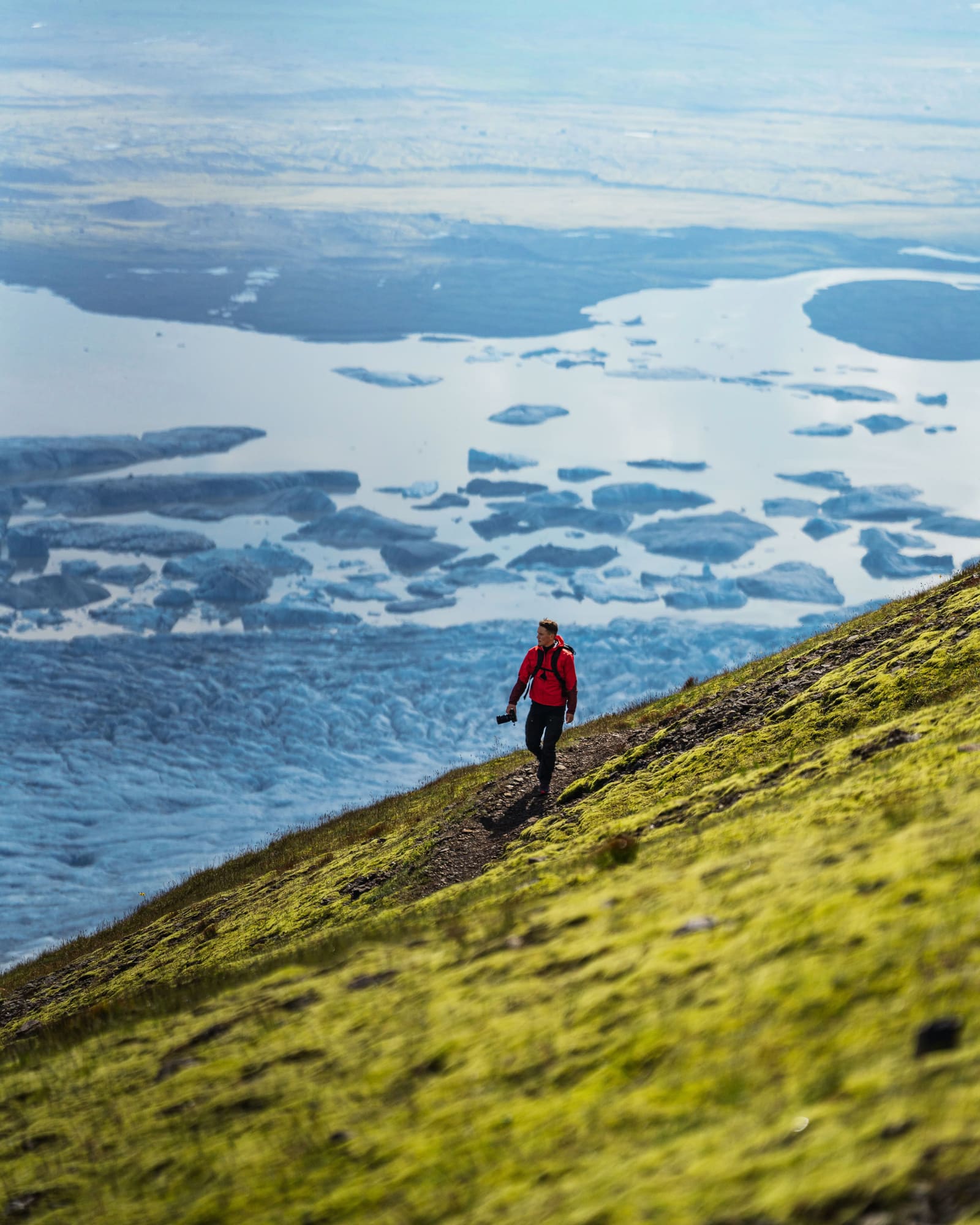
Summer in Iceland gives travelers more daylight, broader access, and more activity choices, but it also rewards restraint. Compare hiking, Highlands, wildlife, boats, glacier options, geothermal bathing, city culture, and flexible scenic stops before turning a bright day into an overloaded one.
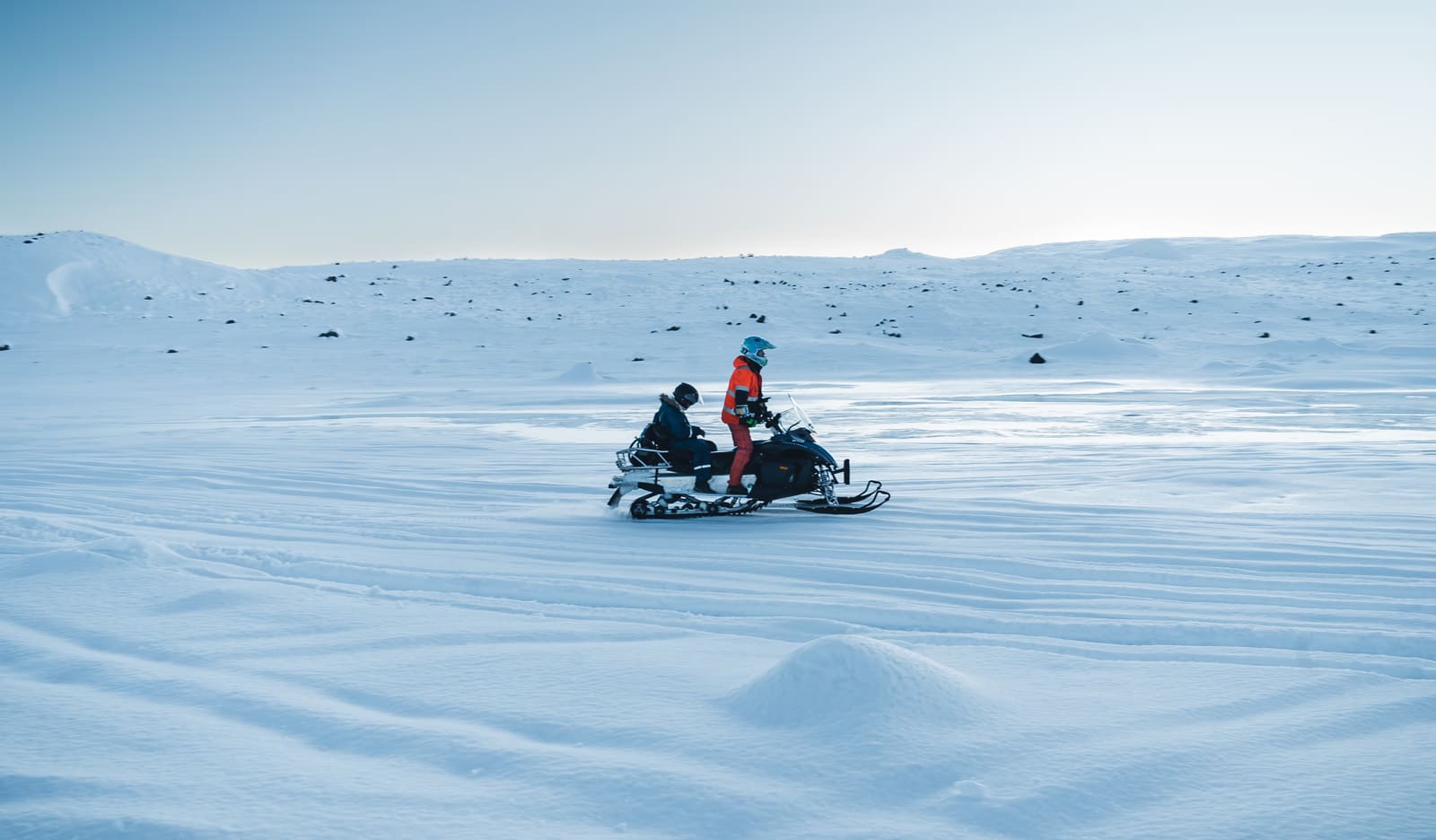
Choose one strong winter experience, then keep a flexible backup for weather, roads, daylight, or comfort. Compare guided ice, aurora, hot water, wildlife, city options, and conservative sightseeing before locking the day.
Next surfing decision
Open the place, road-trip, or driving guide that resolves your next coast, access, or recovery decision.