Crystal Ice Cave Iceland is the classic blue-ice cave experience near Jökulsárlón and Breiðamerkurjökull, worth planning for travelers who accept guided access, changing glacier conditions, and a South Coast route with real weather margin.
Glacier facts
Type
Natural glacier ice-cave attraction and guided glacier experience
Region
Breiðamerkurjökull and Jökulsárlón area, southeast South Iceland
Route context
Best for South Coast or Ring Road trips already reaching Jökulsárlón
Time to allow
Treat it as a structured guided outing with arrival, gear, glacier transfer, cave time, and route buffer
Best experience
Blue compressed ice, seasonal cave forms, glacier scale, and guided interpretation
In this guide
Crystal Ice Cave works best if your trip already reaches southeast Iceland and you want a guided blue-ice experience
Yes, if your trip already reaches southeast Iceland and you want a guided blue-ice experience. No, if the plan depends on a guaranteed photo, independent access, or a rushed winter drive.
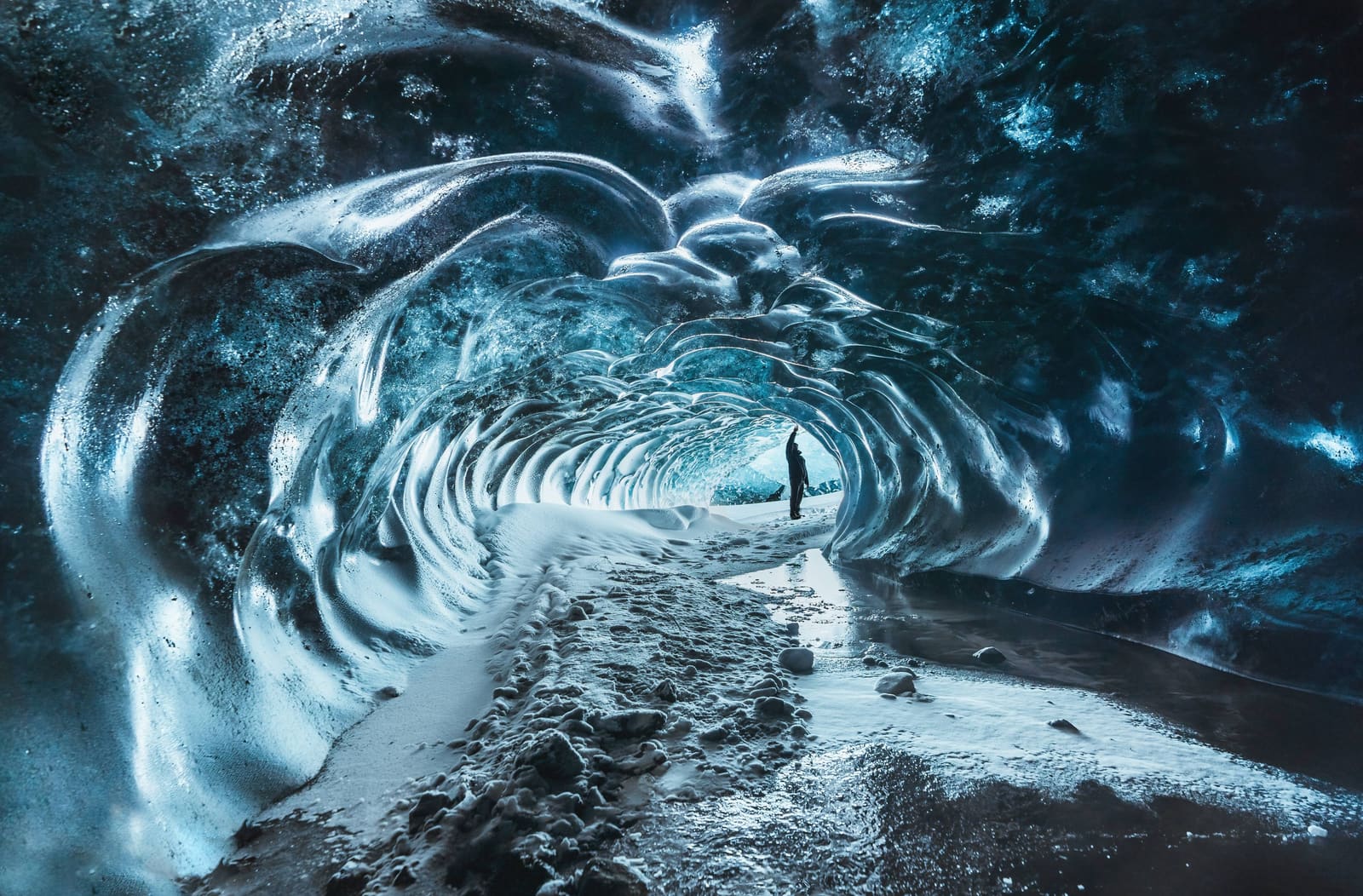
Crystal Ice Cave is one of the strongest names attached to Iceland's winter glacier-cave experiences near Jökulsárlón. The appeal is real: deep blue ice, compressed glacier walls, seasonal tunnels, and the feeling of standing inside a moving landscape rather than beside it.
The catch is also real. This is not a fixed room behind a door. The cave that is safe, reachable, and visually strongest can change, and the day is shaped by guides, weather, roads, daylight, and glacier conditions.
Add Crystal Ice Cave for travelers staying near Jökulsárlón, Höfn, Skaftafell, or the far South Coast. Skip it for a tight Reykjavík out-and-back or for anyone who will be disappointed unless the cave exactly matches a marketing photo.
What exactly is the Crystal Ice Cave?
Crystal Ice Cave Iceland refers to a natural blue ice-cave experience in the Breiðamerkurjökull outlet glacier area of Vatnajökull, usually treated by travelers as part of the Jökulsárlón ice landscape.
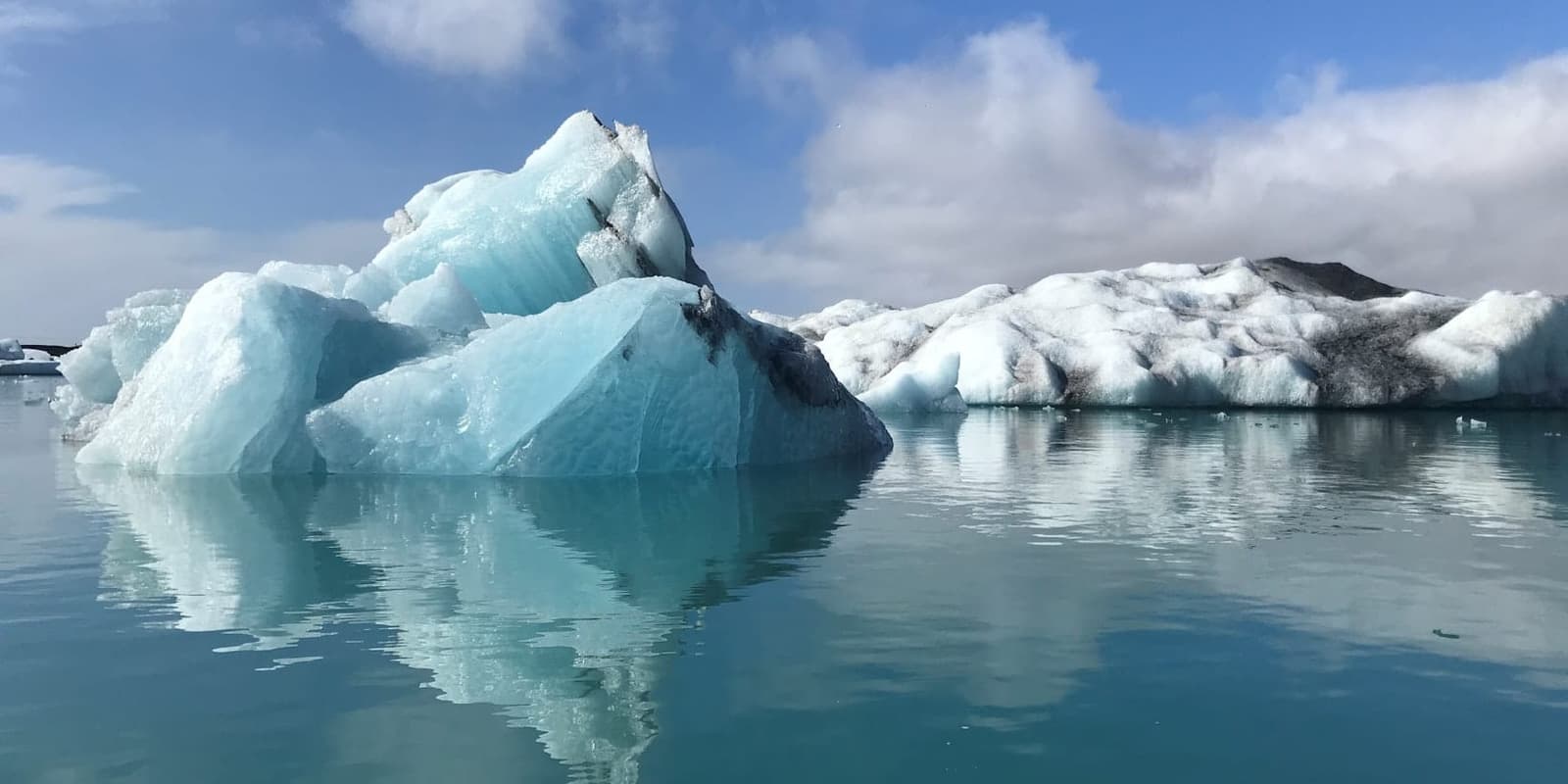
Breiðamerkurjökull is the outlet glacier feeding the famous Jökulsárlón and Diamond Beach ice system. Crystal Ice Cave belongs to that wider glacier setting, which is why many tours meet around Jökulsárlón before continuing toward the ice.
The word "crystal" is useful as a traveler label, but do not read it as one permanent chamber. Natural ice caves form, shift, melt, collapse, and reappear as meltwater, freeze cycles, snow, pressure, and guide assessment change the usable route.
Crystal Ice Cave is best understood as a seasonal Breiðamerkurjökull ice-cave experience, not one permanent room.Visitor scale is part of the decision: this is a guided ice environment, not a roadside viewpoint.
If you want the broad activity comparison, use the Iceland ice-cave guide. This page is narrower: it helps you decide whether the named Crystal Ice Cave/Jökulsárlón-style experience deserves space in a South Coast plan.
What does the visit feel like inside?
Expect a guided, cold, high-contrast ice experience: bright blue walls in places, white and grey ice in others, uneven footing, helmets, traction, and a pace set by the guide.
The best moments are visual and physical at the same time. You notice the blue density of old ice, bands of white or ash-grey texture, low ceilings or narrow turns, and the scale difference between people and the glacier around them.
It is usually less about hiking distance than about accepting the environment: cold air, wet surfaces, crampon steps, changing light, and instructions about where to stand or move. That is what separates a glacier-cave visit from a normal scenic stop.
The inside experience is about cold, texture, light, and guide-led movement through changing glacier ice.
How much should you trust Crystal Ice Cave photos?
Trust the photos as examples of the kind of blue ice this area can produce, not as a promise of the exact cave, color, size, or crowd level you will see.
Natural glacier caves are temporary. A photo can show a real Crystal Ice Cave scene and still be a poor guarantee for your date because the guide may choose a different entrance, smaller chamber, safer feature, or replacement plan.
How to read Crystal Ice Cave expectations
Expectation
Better planning stance
Why it matters
A perfect electric-blue chamber
A guided glacier-cave day with possible blue ice
Light, snowfall, and safe route choice change the look
A fixed cave name and location
A seasonal cave area selected by guides
Glaciers move and cave forms change
A quick photo stop
A structured outing with gear and transfer time
The cave is part of a glacier activity, not a roadside viewpoint
Real cave photos can be accurate and still not guarantee the exact chamber, color, or shape on another day.
This is why the page should make you more flexible, not less excited. The trip is strongest when you want the whole ice landscape and can enjoy the safe cave or ice feature available to your guide.
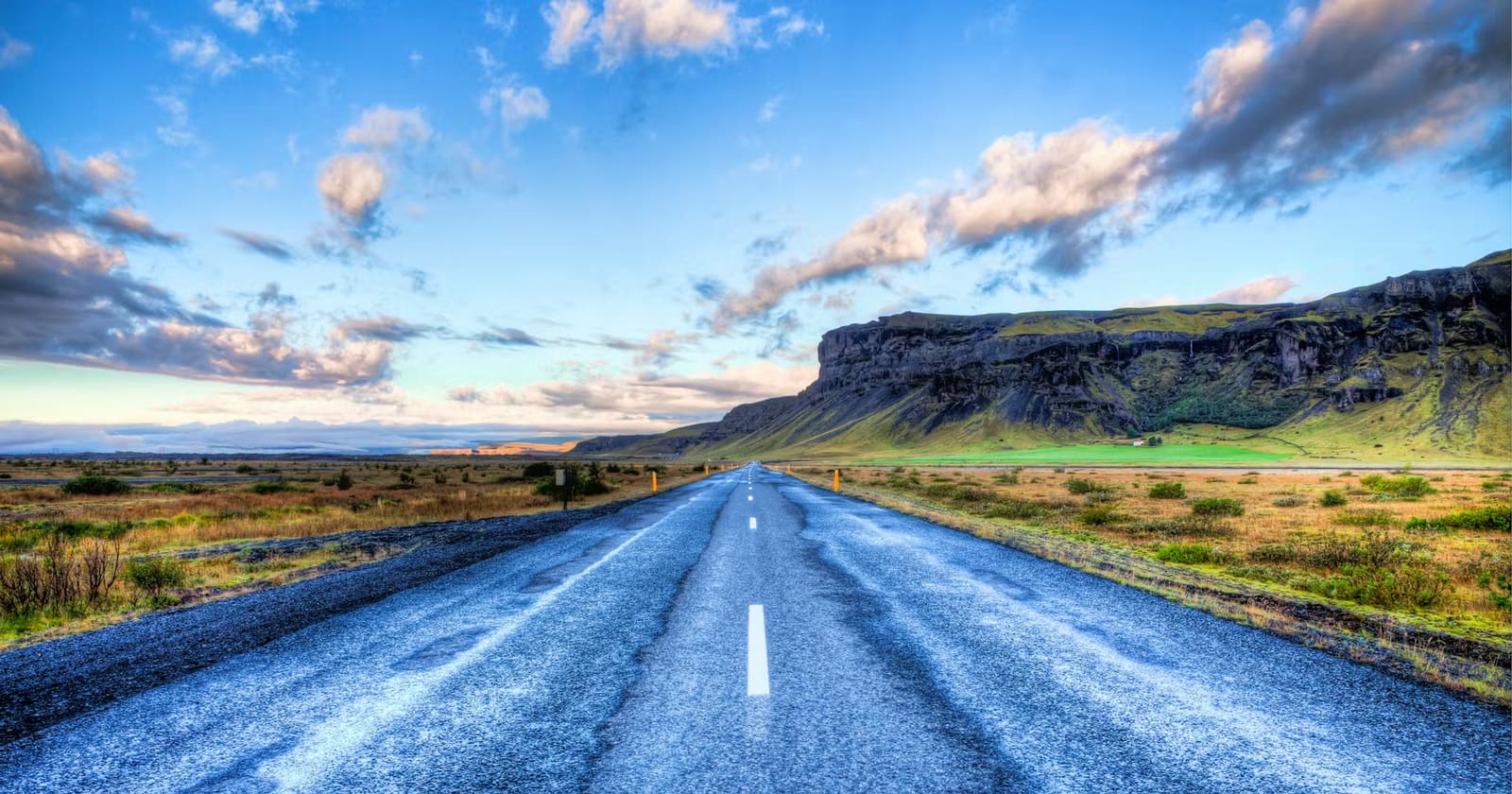
Treat Crystal Ice Cave as a scheduled glacier outing with travel buffer, not as an extra viewpoint squeezed between Jökulsárlón and Diamond Beach
Treat Crystal Ice Cave as a scheduled glacier outing with travel buffer, not as an extra viewpoint squeezed between Jökulsárlón and Diamond Beach.
Most travelers should think in blocks: reach the Jökulsárlón area, find the correct meeting point, gear up, transfer toward the glacier, walk on uneven ice or snow, spend time inside or around the cave, and return with enough daylight or driving margin.
Use a southeast overnight or a slower South Coast day if the cave is a priority.
Build in parking and meeting-point margin around Jökulsárlón.
Wear warm layers, waterproof outerwear, gloves, and suitable boots for traction gear.
Keep the rest of the day simple if winter roads, wind, or darkness reduce your margin.
The practical effort is shaped by gear, glacier transfer, uneven ice, and the guide pace as much as by distance.
The cave can be rated as approachable by operators, but approachable does not mean casual. Uneven ground, cold, enclosed spaces, and guide instructions still decide whether it feels easy for your group.
What safety and season checks matter most?
The essential checks are official road and weather guidance, SafeTravel, Vatnajökull National Park context, and the operator's visitor details for the exact day and meeting plan.
Vatnajökull National Park material makes the core issue clear: ice roofs, arches, overhangs, ice channels, and glacier features can be dangerous without qualified assessment. That is why the public decision should be conservative even when the marketing photo looks calm.
Season matters because freeze, melt, rain, snow, and daylight all affect cave access and appearance. Public guides should not freeze one operator's schedule into permanent advice; use official and operator information close to the visit instead.
Official weather forecasts and warnings for exposed South Coast travel.
Where does it fit with Jökulsárlón and nearby stops?
Use Crystal Ice Cave as the guided activity layer of a Jökulsárlón day, then keep nearby sightseeing simple: lagoon first, Diamond Beach when safe, and one or two glacier-area additions if the route has room.
The strongest pairing is Jökulsárlón because many cave plans meet there or use it as the obvious route anchor. Diamond Beach is the natural visual companion, but it needs a separate ocean-safety mindset and should not be rushed after a long cave outing.
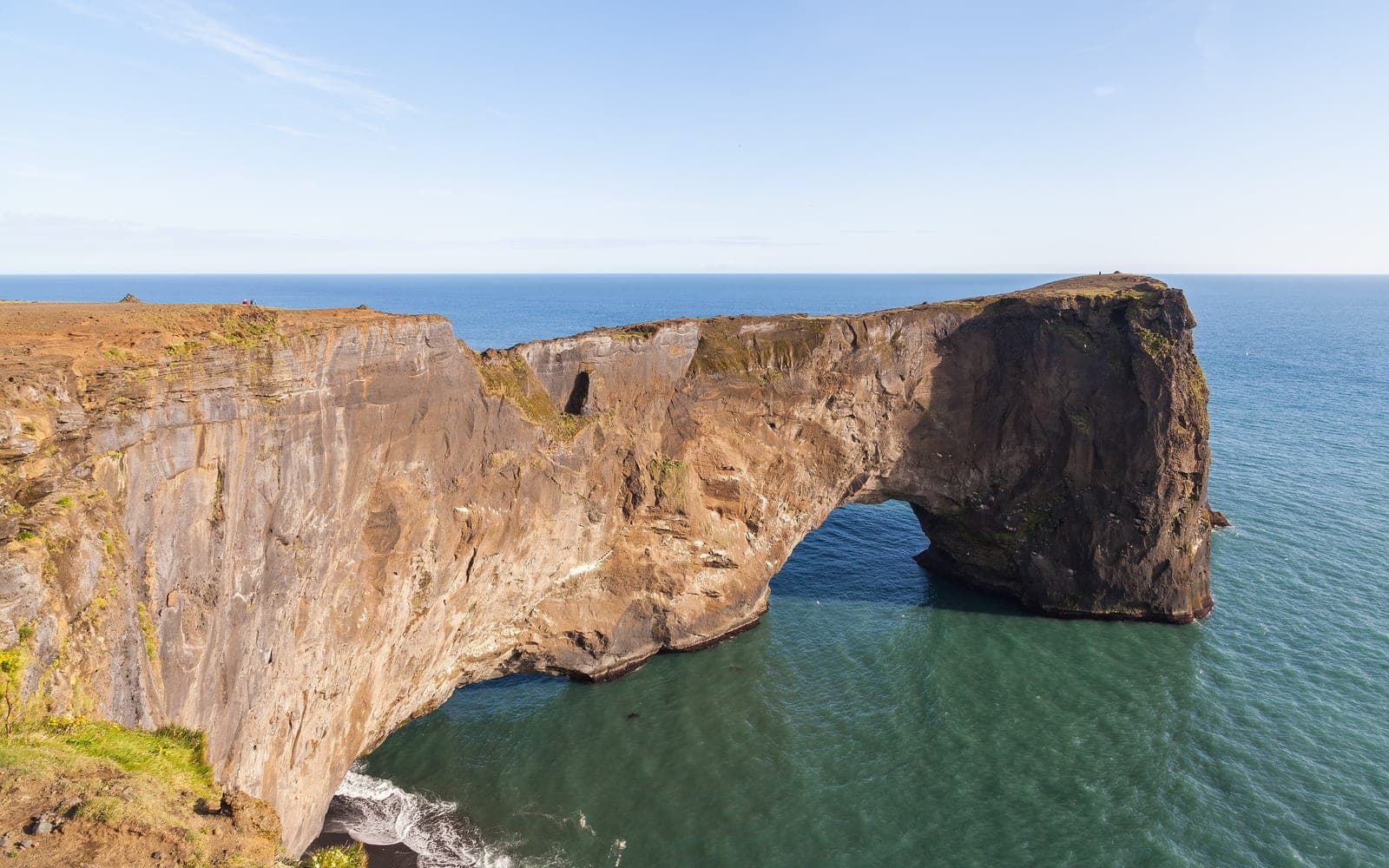
For a slower southeast day, compare Fjallsárlón, Breiðamerkurjökull, Vatnajökull, and Skaftafell. For a bigger South Coast plan, use the South Coast road trip guide before linking the cave with far-west stops such as Skógafoss, Dyrhólaey, or Reynisfjara.
The cave makes the most sense as part of a Jökulsárlón and southeast glacier-area day.
Best same-area anchor: Jökulsárlón Glacier Lagoon.
Closest photo pairing: Diamond Beach, when beach conditions make sense.
Glacier context: Breiðamerkurjökull and Vatnajökull.
Route planning: South Coast Road Trip or Ring Road vs South Coast if the cave affects your overnight plan.
Should you choose Crystal Ice Cave or another ice experience?
Choose Crystal Ice Cave when you want the classic Jökulsárlón-area blue-ice cave and can reach southeast Iceland. Choose another ice experience when season, base, mobility, or reliability matters more.
Katla-style ice caves near Vík can make more route sense for some South Coast travelers, but they often look darker, ash-striped, and more volcanic. Man-made ice tunnels or indoor ice exhibits are more controlled but do not feel like a natural glacier cave.
If your trip is built around Jökulsárlón, Crystal Ice Cave is the more natural named attraction to consider. If your trip is built around Reykjavík, Vík, family predictability, or bad-weather backup, compare alternatives before committing to the long southeast drive.
Choose this cave when the Jökulsárlón-area blue-ice look is the priority; choose another ice experience when route or reliability matters more.
Crystal Ice Cave FAQ
These questions matter because the attraction is beautiful, guided, seasonal, and easy to misunderstand from photos alone.
Can you visit Crystal Ice Cave without a guide?
No. Treat natural glacier-cave access as guided terrain. Glacier ice, cave roofs, crevasses, meltwater, and weather require qualified local assessment and proper equipment.
Is Crystal Ice Cave the same cave every year?
No. The name describes a blue ice-cave experience in the Breiðamerkurjökull/Jökulsárlón area, but natural cave forms and safe routes change.
Is Crystal Ice Cave worth it if I already visit Jökulsárlón?
Yes, if you want a guided glacier experience rather than only viewing ice from shore. Skip it if Jökulsárlón and Diamond Beach already satisfy your ice-landscape goal.
What should I check before committing?
Check operator visitor details, Vatnajökull National Park context, SafeTravel, road conditions, and weather guidance before making the cave a fixed part of the day.
Is Crystal Cave Iceland the same as Crystal Ice Cave Iceland?
Travelers often use Crystal Cave Iceland, Crystal Ice Cave Iceland, and crystal ice cave near Jökulsárlón for the same type of guided blue-ice experience. The exact cave can change with glacier and seasonal conditions.
Is the blue ice cave in Iceland always blue?
No. Blue ice is the appeal, but color, shape, access, and cave size can change. Use photos as examples, not promises of the exact cave you will see.