Tyrfingsstaðir is a small historic turf farm in Skagafjörður, worth considering when a North Iceland route has room for quiet heritage, turf-building context, and careful visitor checks rather than another major scenery stop.
Culture snapshot
Type
Historic turf farm and cultural heritage stop
Region
Skagafjörður in North Iceland, near Varmahlíð
Route context
Quiet add-on for slower North Iceland and Ring Road planning
Time to allow
About 20-45 minutes if local visitor guidance supports a stop
Best experience
A short look at turf construction, restoration context, and rural Skagafjörður landscape
In this guide
Is Tyrfingsstaðir worth stopping for?
Yes, Tyrfingsstaðir can be worth a short stop if you are already exploring Skagafjörður and care about turf-house heritage. It is not the right choice if the day needs a guaranteed museum experience or a dramatic scenery payoff.
Think of Tyrfingsstaðir as a quiet heritage pause, not a major attraction anchor. The value is in seeing an old turf-farm form in its rural setting and understanding why turf construction mattered in this part of Iceland.
For most travelers, the stop makes sense after Varmahlíð or while comparing Skagafjörður cultural sites such as Glaumbær and Hólar in Hjaltadalur. If your North Iceland day is already full, Glaumbær is usually the stronger first turf-house choice.
What makes Tyrfingsstaðir different from a standard turf-house stop?
Tyrfingsstaðir is a historic turf-farm site in Skagafjörður, associated with traditional Icelandic turf-house building and restoration work.
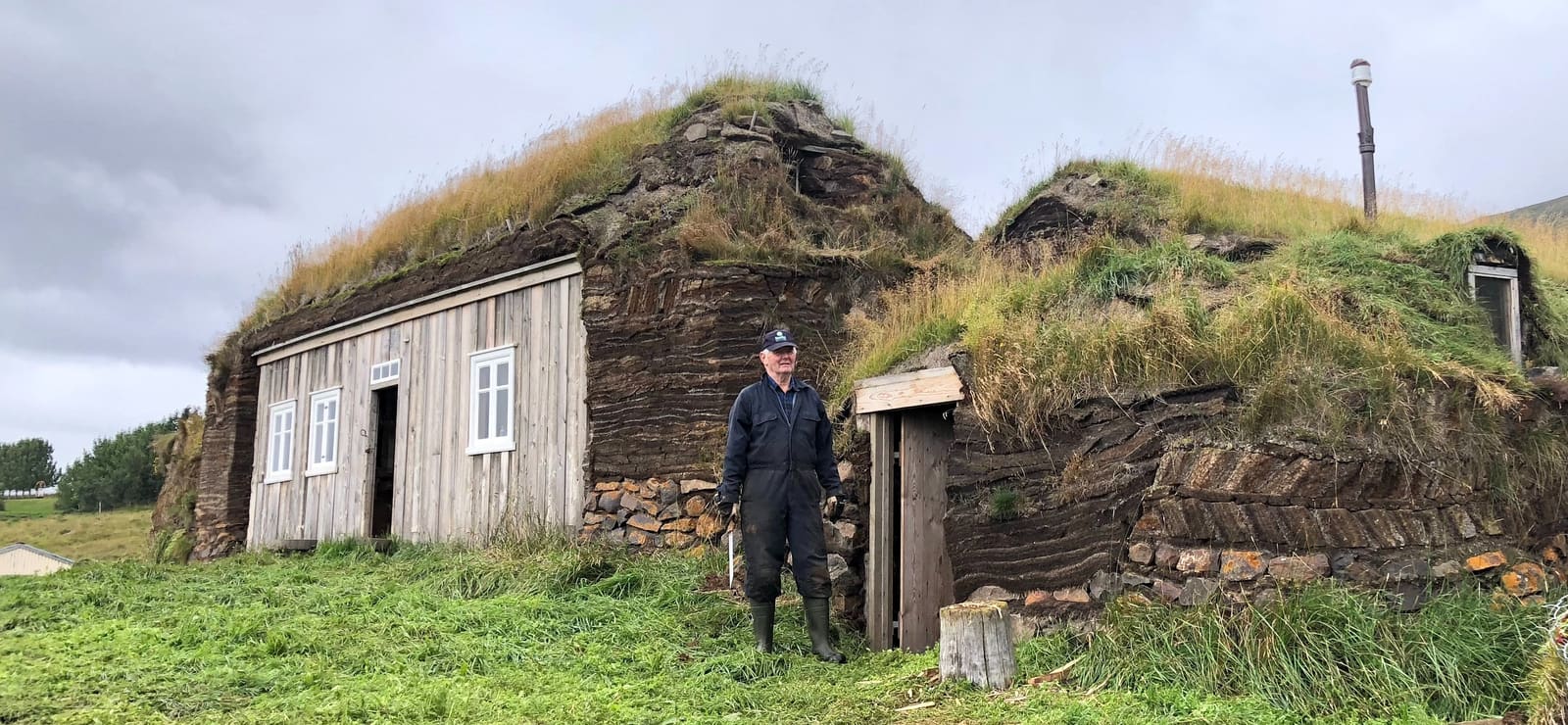
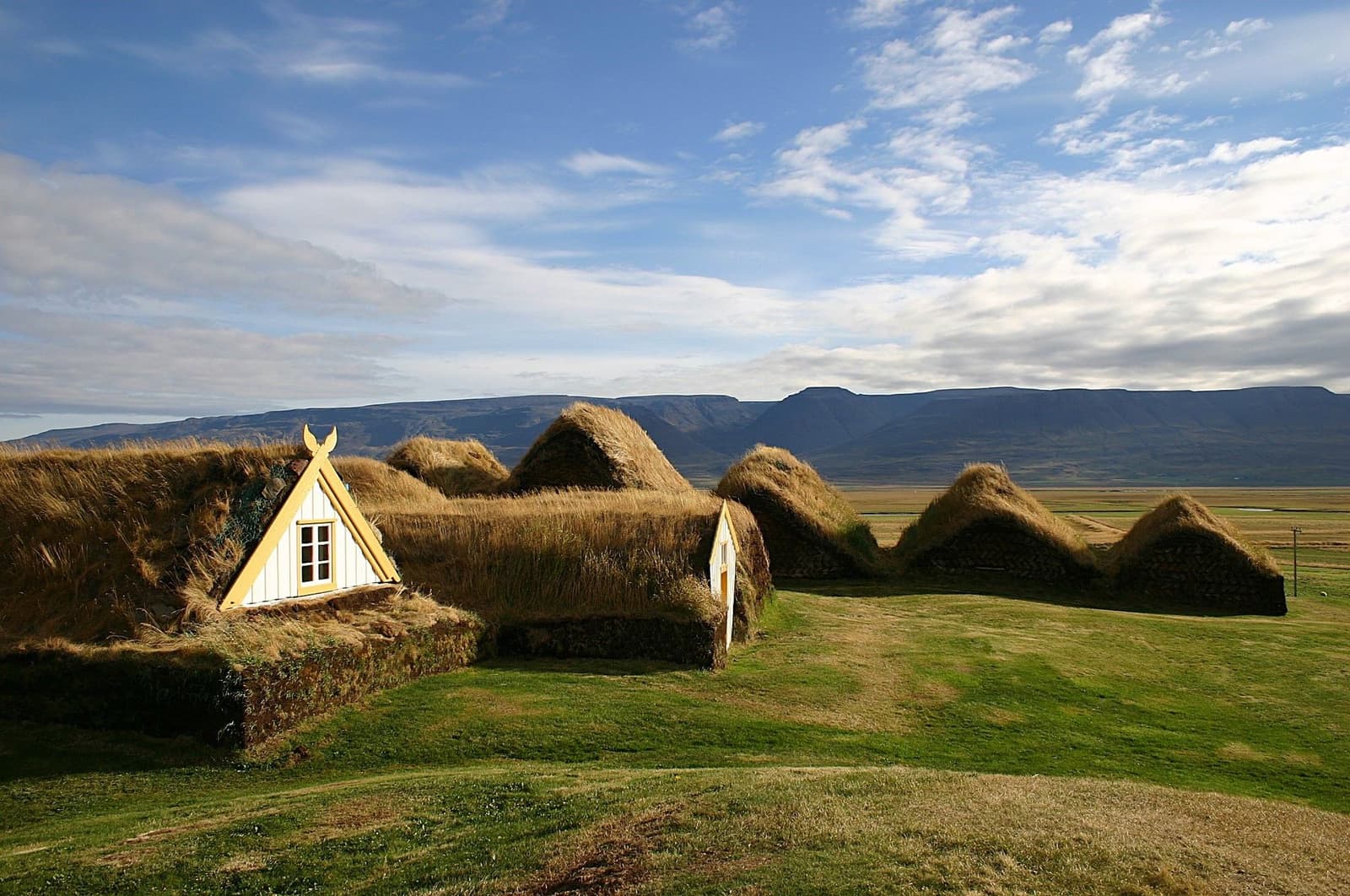
The place is small, tactile, and easy to misunderstand if you arrive expecting a normal open-air museum. Its interest comes from layered turf walls, grass roofs, timber fronts, and the way old farm buildings used local materials for shelter and insulation.
The official Heritage Craft School material connected with Skagafjörður Heritage Museum treats turf building as a living craft as well as heritage. That is the useful lens for travelers: Tyrfingsstaðir is about construction, preservation, and rural context more than a checklist sight.
Nearby Glaumbær helps visitors understand the turf-building tradition that makes Tyrfingsstaðir worth a specialist stop.
How does a Tyrfingsstaðir visit feel on the ground?
The visit should feel slow and observant. You are looking at proportions, materials, walls, roofs, and setting rather than moving through a polished visitor route.
Look first at the thick turf edges and the way the building seems to grow out of the ground. Then notice the timber face, small windows, and the farm's position in open Skagafjörður. Those details explain why the stop works better for curious travelers than for anyone rushing between famous viewpoints.
Add Tyrfingsstaðir when your day already has a Skagafjörður theme. Skip it when the choice is between this small stop and a calmer visit to Glaumbær, Hólar in Hjaltadalur, or the wider North Iceland route.
Use Tyrfingsstaðir as a craft and building stop, and use nearby museum interiors for fuller turf-house context.
Should you choose Tyrfingsstaðir or Glaumbær?
Choose Glaumbær first if you want the easier, fuller turf-house museum experience. Choose Tyrfingsstaðir when you want a smaller, quieter, more restoration-focused stop and your route has flexibility.
Tyrfingsstaðir and Glaumbær compared
Choice
Best fit
Tradeoff
Tyrfingsstaðir
Quiet heritage context, turf-building detail, and a short Skagafjörður pause
Less predictable as a visitor experience; check local guidance first
Glaumbær
Fuller turf-house museum context and a clearer cultural anchor
More established stop, so it may feel less tucked-away
The practical answer is simple: do not force both into a rushed day. Pair Tyrfingsstaðir with Glaumbær only when turf-house heritage is a real theme of your Skagafjörður segment.
Glaumbær is the broader museum choice; Tyrfingsstaðir is the quieter craft-focused detour.
Where does Tyrfingsstaðir fit in Skagafjörður?
Tyrfingsstaðir fits best as a small cultural add-on near Varmahlíð, not as a standalone reason to reshape a North Iceland itinerary.
A useful day might connect Varmahlíð, Tyrfingsstaðir, Glaumbær, and Hólar in Hjaltadalur if you want a cultural Skagafjörður thread. If you are moving toward wilder scenery, it can also sit before a slower decision around Austurdalur, Austari-Jökulsá, Vestari Jökulsá, or Reykir.
The stop is strongest when it helps the region feel coherent. It is weaker when it becomes one more pin between long drives, poor weather, and no time to understand why the turf building matters.
Use Varmahlíð as the practical route anchor nearby.
Use Glaumbær when you want the more developed turf-house museum stop.
Use Hólar in Hjaltadalur when church, education, and settlement history matter.
Use Austurdalur, Austari-Jökulsá, and Vestari Jökulsá for rougher valley and river context when conditions and time allow.
Use Saurbæjarkirkja as a different turf-church comparison farther east in North Iceland.
Which practical details should you confirm before Tyrfingsstaðir?
Check official visitor information, road conditions, weather, and on-site signs before treating Tyrfingsstaðir as a fixed stop.
Small historic places are not the same as major visitor sites. Restoration work, private-property boundaries, fragile turf, local signage, and weather can all change how close you should get and how long the stop should take.
Use for forecast checks before building small rural stops into the day.
Tyrfingsstaðir FAQ
Is Tyrfingsstaðir a good first turf-house stop?
Usually no; Glaumbær is the better first turf-house stop for most travelers because it offers a fuller museum context. Tyrfingsstaðir is better as a quiet add-on for people already focused on Skagafjörður heritage.
How long should I allow for Tyrfingsstaðir?
Allow a short flexible stop, often around 20-45 minutes if local guidance supports visiting. Do not build a tight day around it without checking official visitor information first.
Can I pair Tyrfingsstaðir with Glaumbær?
Yes, pairing Tyrfingsstaðir with Glaumbær makes sense when turf-house heritage is a real theme of your day. If you are rushing, choose Glaumbær and save the smaller stop for a slower Skagafjörður visit.