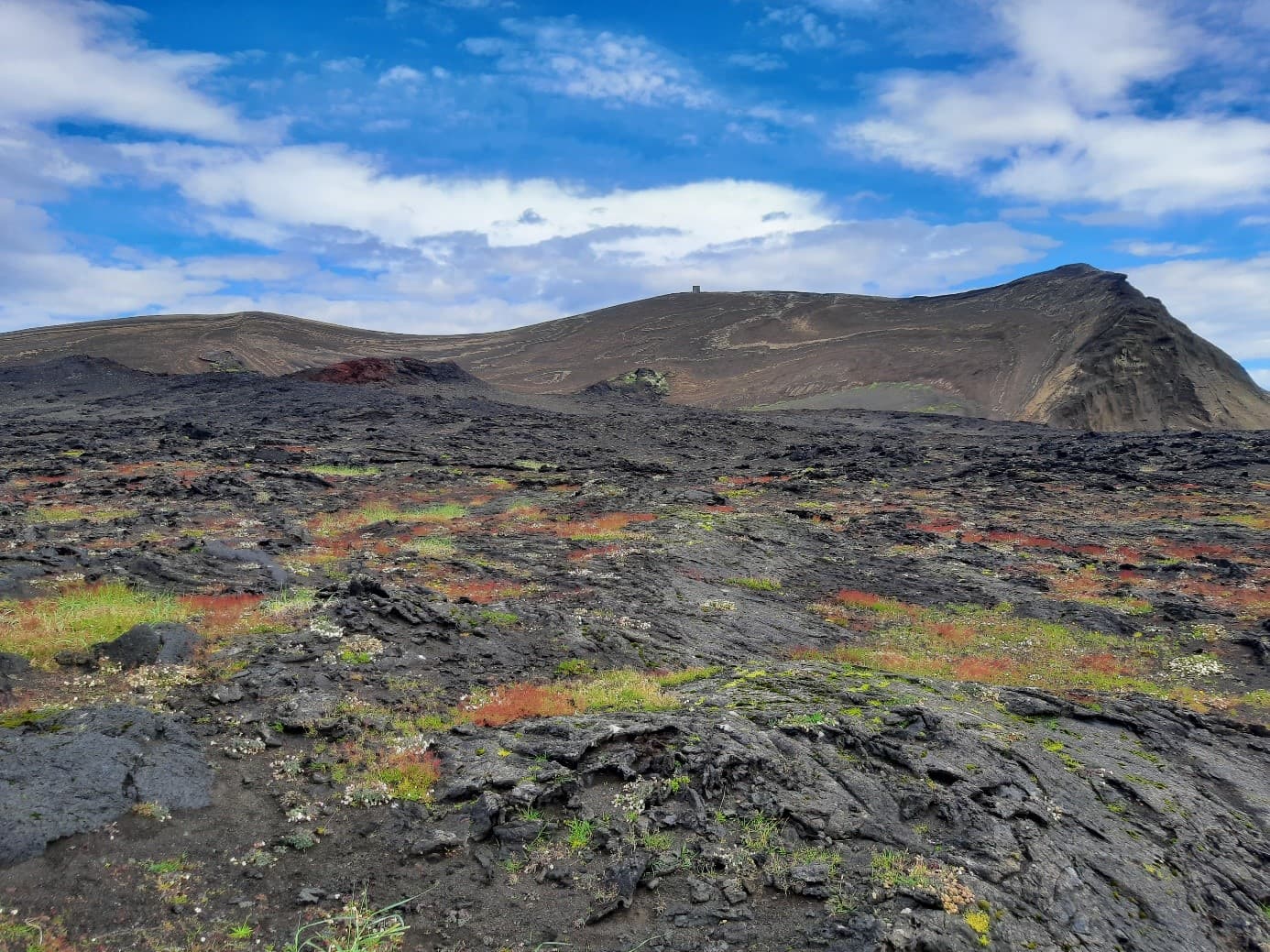
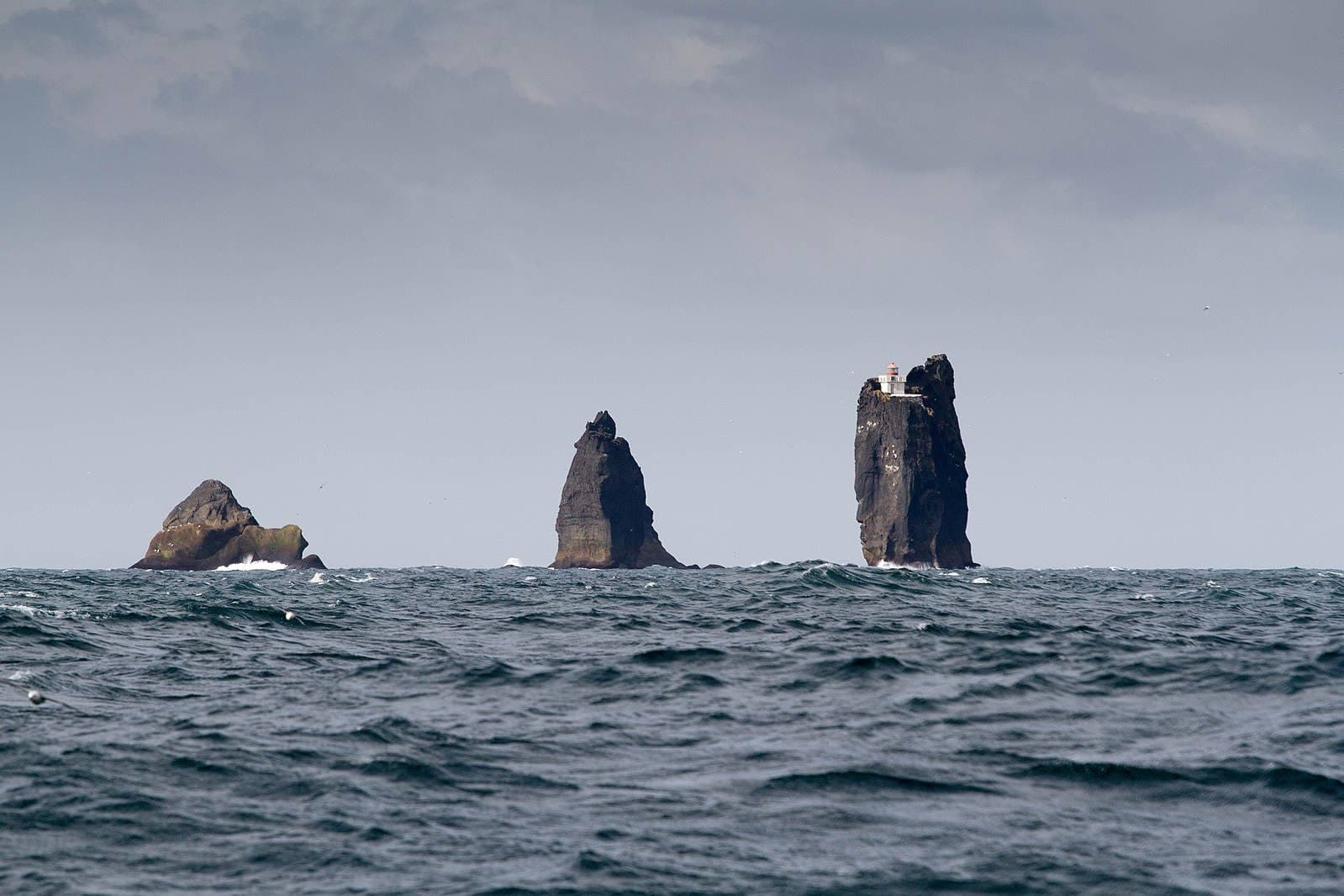
Surtsey is a protected volcanic island south of the Westman Islands, best treated as a place to understand or view from afar because public landing is prohibited and current sea conditions shape any distant viewing plan.
Coast snapshot
Type
Protected volcanic island, nature reserve, and UNESCO World Heritage Site
Region
South Iceland, in the Westman Islands archipelago
Route context
Best understood with a Westman Islands or South Coast plan, not as a standalone landing stop
Access reality
Public tourist traffic to the island is prohibited unless official permission is granted
Time to allow
No normal on-island visit; allow time only for distant viewing, museum context, or a wider Westman Islands day
In this guide
Can you actually visit Surtsey?
No, ordinary travelers should not plan to land on Surtsey. The useful decision is whether the island's story, distant views, and Westman Islands context are worth adding to your South Coast plan.
The Environment Agency of Iceland states that tourist traffic to Surtsey has been prohibited since protection began, unless permission is obtained from the agency. UNESCO also describes Surtsey as a highly controlled island where landing or diving by the island is prohibited.
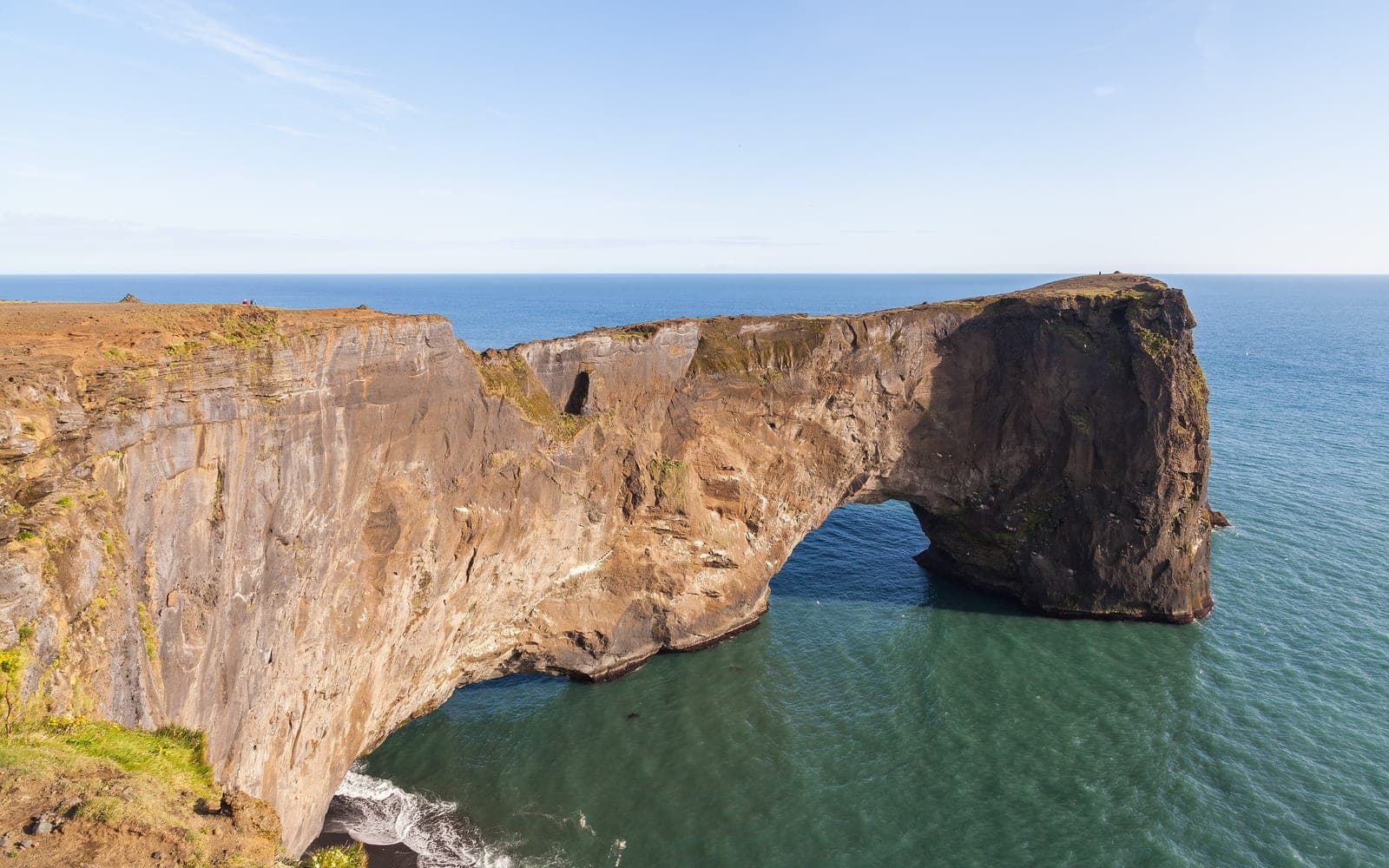
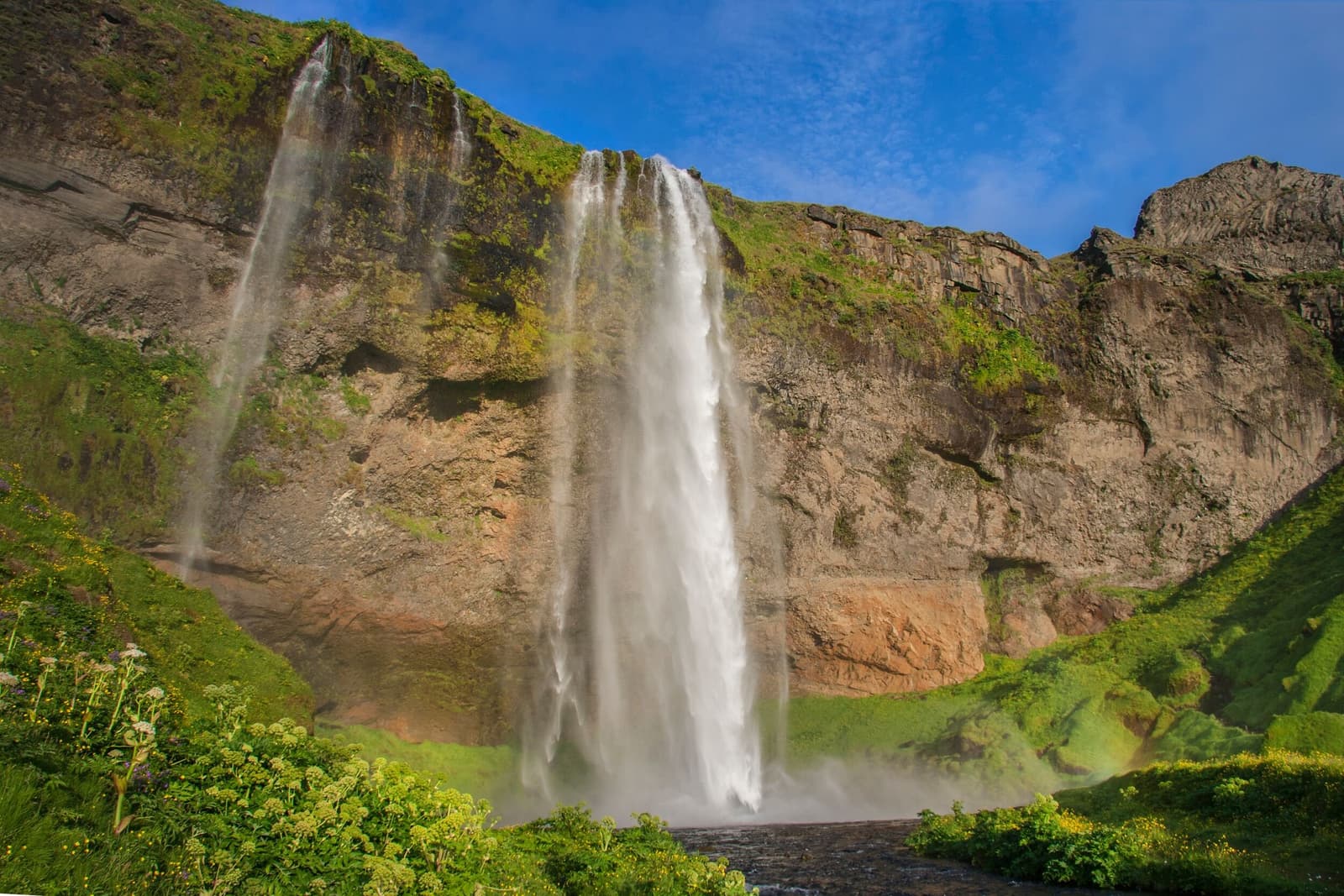
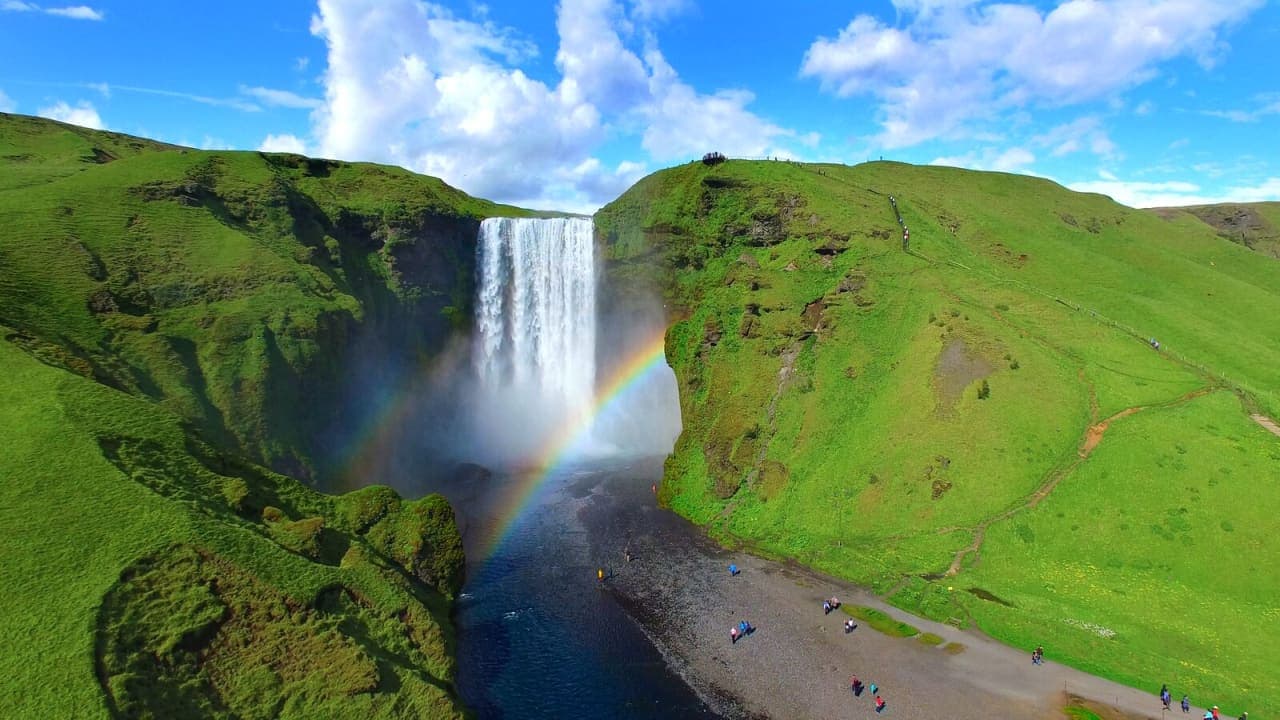
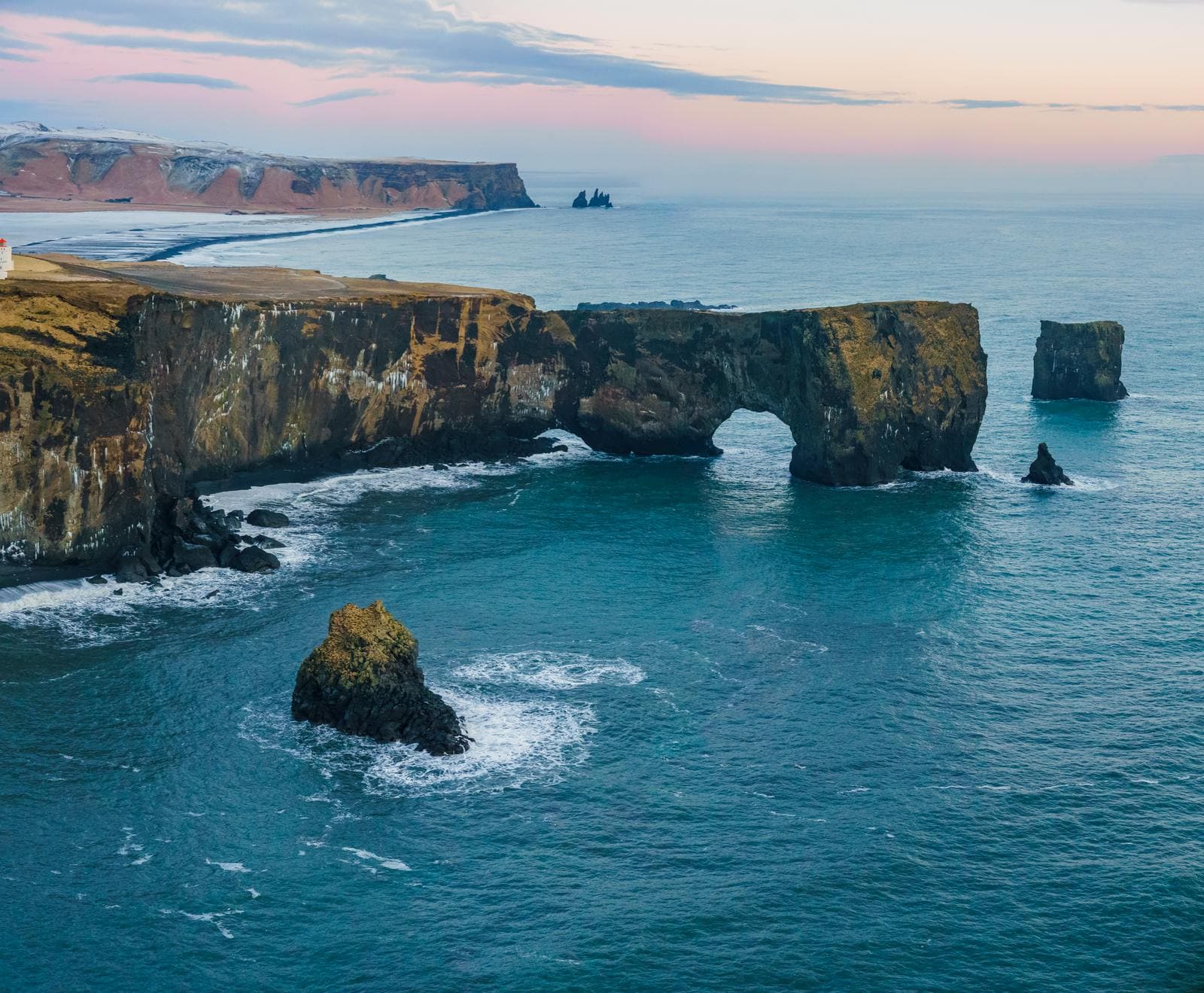
Add Surtsey when a traveler is already focused on the Westman Islands, volcanic science, birdlife, or UNESCO natural sites. Skip it on a first South Coast day if the route still needs straightforward land-based stops such as Seljalandsfoss, Skógafoss, Dyrhólaey, and Reynisfjara.
Photo guide
Surtsey in photos
1 / 3
The aerial view makes clear why Surtsey is route context rather than a normal stop.
Why does Surtsey matter if you cannot land there?
Surtsey matters because it is one of the clearest modern examples of new land forming, then being left mostly undisturbed so scientists can watch geology and life develop.
The eruption was first detected at the ocean surface on November 14, 1963, after beginning below the sea. Volcanic activity continued with pauses until June 5, 1967, creating an island in the Westman Islands archipelago.
Surtsey is compelling partly because its value depends on restraint: the island is studied, not visited like a normal stop.
UNESCO recognizes Surtsey under criterion ix for ongoing ecological and biological processes. The Natural Science Institute of Iceland describes long-term monitoring of geological change, palagonite tuff formation, erosion, hydrothermal activity, plant colonisation, soil formation, and interactions between plants and animals.
That is why the restriction is not a minor inconvenience. The absence of ordinary visitors is part of what makes Surtsey valuable.
What is the realistic way to experience Surtsey as a traveler?
The realistic experience is indirect: learn the story, look for a distant view if your Westman Islands plan allows it, and let official rules decide what is possible.
Use Heimaey and Eldfell as the practical volcanic context because those are visitor-facing Westman Islands stops.
Treat any boat-based view as weather- and operator-dependent, not as a guaranteed Surtsey visit.
Use Surtsey to understand how young volcanic islands change, erode, and become habitats over time.
Keep the protected-area rule simple: viewing from a distance can be appropriate; landing is not part of a normal travel plan.
If your trip is already going to the Westman Islands, Surtsey can add meaning to views of Elephant Rock, Eldfell, and the outer islands. If you are staying on the mainland, it is usually better as background context for the South Coast than as a day-defining target.
How does Surtsey fit with the Westman Islands and South Coast?
Surtsey belongs with the Westman Islands story first and the South Coast route second. It should not crowd out easier mainland stops unless the island and science angle is a real priority.
For a first South Coast trip, Seljalandsfoss and Skógafoss give immediate waterfall access, while Dyrhólaey and Reynisfjara explain the same exposed southern edge through cliffs, surf, birdlife, and black-sand coastline.
Use this comparison to decide whether Surtsey should stay as context or shape the day.
Trip situation
Best use of Surtsey
Better focus if time is tight
Westman Islands day already planned
Add Surtsey as a protected-island story and possible distant view
Heimaey, Eldfell, harbor views, and outer-island scenery
First South Coast day
Mention it as regional volcanic context
Seljalandsfoss, Skógafoss, Dyrhólaey, and Reynisfjara
UNESCO or geology-focused trip
Give it more attention through research and museum context
Pair with Þingvellir or volcanic sites that are open to visitors
Bad weather or rough seas
Keep Surtsey as reading/background, not a viewing target
Choose land-based stops with safer access
For travelers, Surtsey usually enters the trip as a distant island in the South Coast and Westman Islands seascape.
How much time and effort should you spend on Surtsey?
Spend very little route time on Surtsey unless the Westman Islands, volcano science, or UNESCO natural sites are a real theme of your trip.
Match the effort to the kind of trip you are actually taking.
Traveler interest
Time to spend
Planning judgement
General first-time South Coast trip
A short background mention
Do not detour for Surtsey at the expense of open mainland stops
Westman Islands visit
Add context during the island day
Worth understanding alongside Heimaey and Eldfell
Geology, birdlife, or UNESCO focus
Read official sources and consider museum or guide context
Worth more attention, still without landing
Photography-focused trip
Only chase distant views when conditions are good
Sea haze, wind, and boat motion can make the result uncertain
The strongest planning move is restraint. If Surtsey makes the wider route richer, keep it. If it starts adding ferry pressure, weather dependence, and unclear viewing expectations to a short itinerary, let the South Coast Road Trip carry the day instead.
What should you check before building plans around it?
Check official protected-area rules first, then weather, sea conditions, ferry timing, and any operator details that affect distant viewing. This guide is planning advice, not live access confirmation.
Use Environment Agency information for protected-area rules, UNESCO and the Natural Science Institute for why the island is restricted, and current weather or marine operators for practical viewing decisions. If current details conflict with old articles or social posts, use the current official source.
Detailed eruption chronology and scientific background.
Common questions about Surtsey
These are the questions that most often change whether Surtsey belongs in a real Iceland route.
Can tourists land on Surtsey?
No, ordinary tourists should not plan to land on Surtsey. Public tourist traffic is prohibited unless official permission is granted.
Is Surtsey worth including in an Iceland trip?
Yes, Surtsey is worth including as context if you care about volcanic islands, UNESCO natural sites, or the Westman Islands. It is not worth forcing into a short route as a normal stop.
Can you see Surtsey from the Westman Islands?
Sometimes a distant view may be possible when weather, visibility, and sea conditions cooperate. Treat it as a bonus, not a guaranteed sightseeing plan.
What should I visit instead if I want a practical volcanic stop?
Use Heimaey and Eldfell for Westman Islands volcanic context, or stay on the mainland with Dyrhólaey, Reynisfjara, Skógafoss, and Seljalandsfoss if your South Coast time is limited.