Stóri-Bolli is a rugged volcanic crater in the Bláfjöll area near Reykjavík, worth adding only when rough walking, mountain weather, and road conditions fit your southwest Iceland plan.
Geology snapshot
Type
Volcanic crater, lava-field landscape, and rough walking viewpoint
Region
Bláfjöll and Grindarskörð area near Reykjavík and Hafnarfjörður
Route context
Best as a deliberate Reykjavík-area volcanic detour, not a casual city stop
Time to allow
Plan around a flexible half-day window if you want to walk beyond a quick look
Effort
Uneven lava, mossy slopes, exposed wind, and visibility-sensitive terrain
In this guide
Stóri-Bolli: but only for the right traveler
Yes, but only for the right traveler. Stóri-Bolli is worth adding when you want a raw volcanic crater and lava-field walk near Reykjavík, and you are willing to let weather, road conditions, and footing decide the day.
The crater sits in the Bláfjöll and Grindarskörð landscape southeast of Hafnarfjörður, close enough to tempt Reykjavík-based travelers but rough enough to deserve more respect than a quick city viewpoint. The reward is volcanic shape, dark lava, mossy slopes, and a quieter sense of the landscape behind the better-known lava caves and volcano tours.
Add Stóri-Bolli for a self-driver who already wants Þríhnúkagígur, Leiðarendi Cave, or the Bláfjöll area to be part of the day. Skip it for a tight first Reykjavík visit, low visibility, nervous drivers, or groups that need predictable paths and simple logistics.
How rough is the access and walking?
Treat Stóri-Bolli as an exposed volcanic walk, not a polished attraction. The useful question is less whether it is close to Reykjavík and more whether the road, wind, visibility, and ground conditions make the outing worthwhile.
The Bláfjöll public park is a protected volcanic landscape with mossy lava, rocky hills, caves, and water-protection importance. That context should change how you behave: stay on durable surfaces, respect signs and barriers, and do not leave new tracks across moss because the photo angle looks better a few steps away.
Weather and footing can change the stop from a scenic add-on into a real mountain walk.
Stóri-Bolli decision guide
Choice
Works when
Weakens when
Quick look from the approach
Visibility is good and you only want volcanic context
You expect a marked, serviced sightseeing stop
Crater-focused walk
The group is comfortable on uneven lava and exposed slopes
Wind, fog, ice, or tired legs make footing the main story
Volcanic half day
You pair the crater with Leiðarendi or Þríhnúkagígur
You are also trying to force a full Reykjavík city checklist
Weather rethink
Official road, weather, and safety sources support the plan
The same checks point toward simpler city or forest alternatives
If you are visiting in colder months or after difficult weather, use Iceland road conditions and winter driving guidance before treating Bláfjallavegur as a routine detour. A short distance on the map can still feel like the wrong choice when visibility or surface conditions are poor.
What do you see at the crater and lava fields?
The appeal is geological rather than polished. Stóri-Bolli gives you a crater form, rough lava, old route context, and views toward the Bláfjöll and Grindarskörð hills when the weather lets the landscape open up.
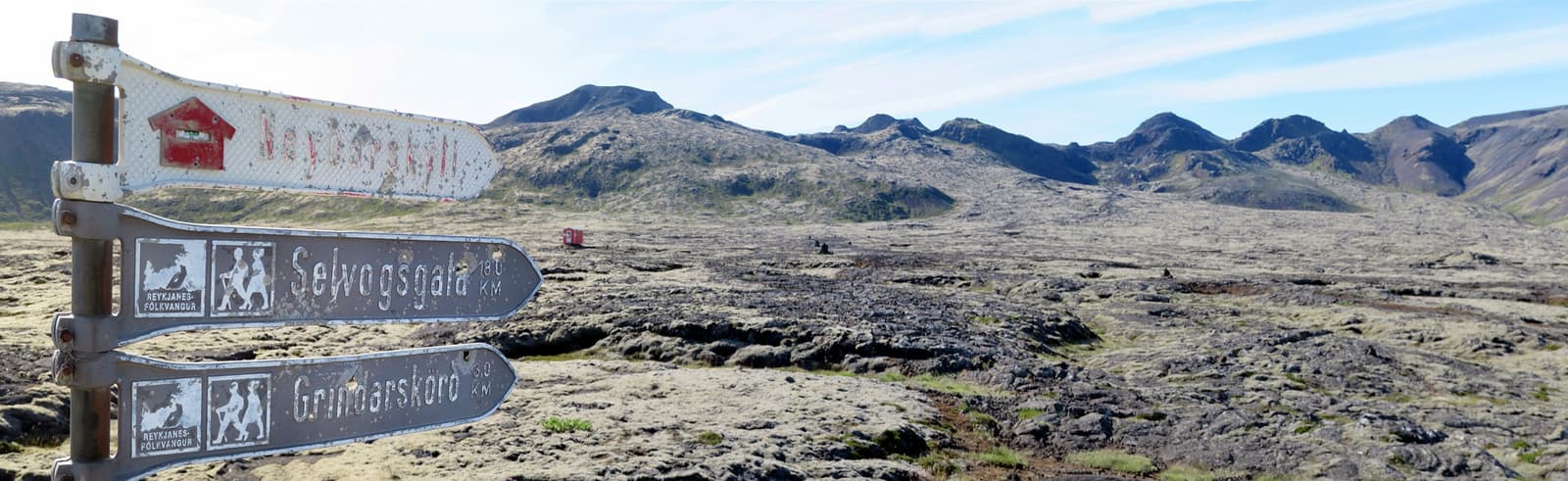
From the crater area, the place feels connected to the wider volcanic belt rather than isolated as one neat viewpoint. Ferlir’s local descriptions place Stóri-Bolli among the Bollar and Grindarskörð features, where lava, old walking routes, and name confusion around nearby hills all overlap.
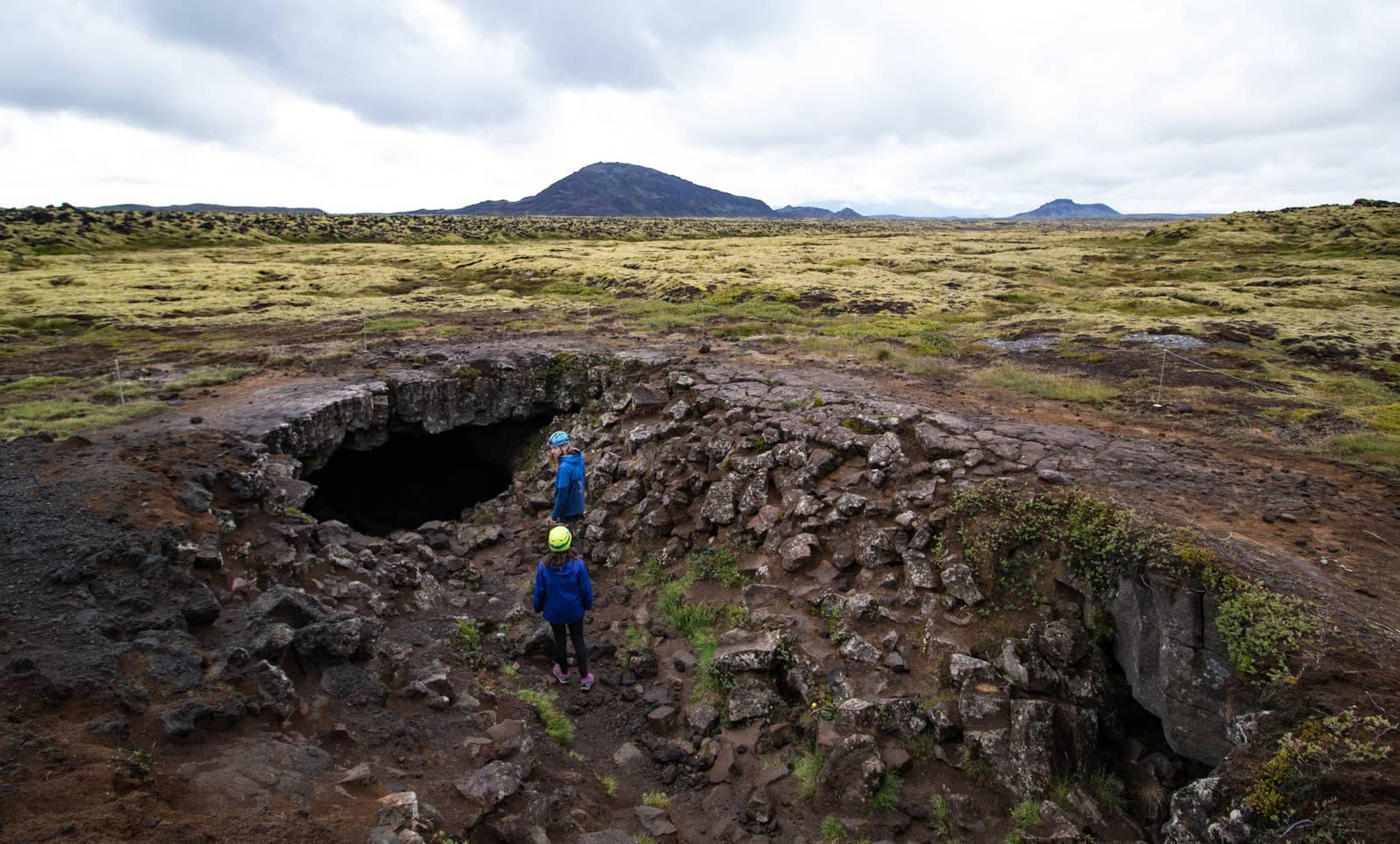
Stóri-Bolli is most specific from the rim, where the crater form and lava slopes become clear.
The landscape is also useful because it explains nearby stops. Leiðarendi Cave is tied to the lava from Stóri-Bolli, so the cave gives the same volcanic story a physical underground version. Þríhnúkagígur, by contrast, turns the broader volcano theme into a guided booked descent rather than a rough self-drive crater walk.
Leiðarendi gives the Stóri-Bolli lava flow a more physical underground comparison.
Choose Stóri-Bolli when you want rough volcanic landscape
Choose Stóri-Bolli when you want rough volcanic landscape. Choose a nearby alternative when the day needs clearer access, stronger interpretation, indoor backup, or a more predictable city plan.
Leiðarendi Cave is the closest thematic match if you want to understand the lava flow from the inside, but it has its own safety and suitability questions. Þríhnúkagígur is the higher-commitment version: guided, paid, and built around descending into a magma chamber instead of walking a crater landscape.
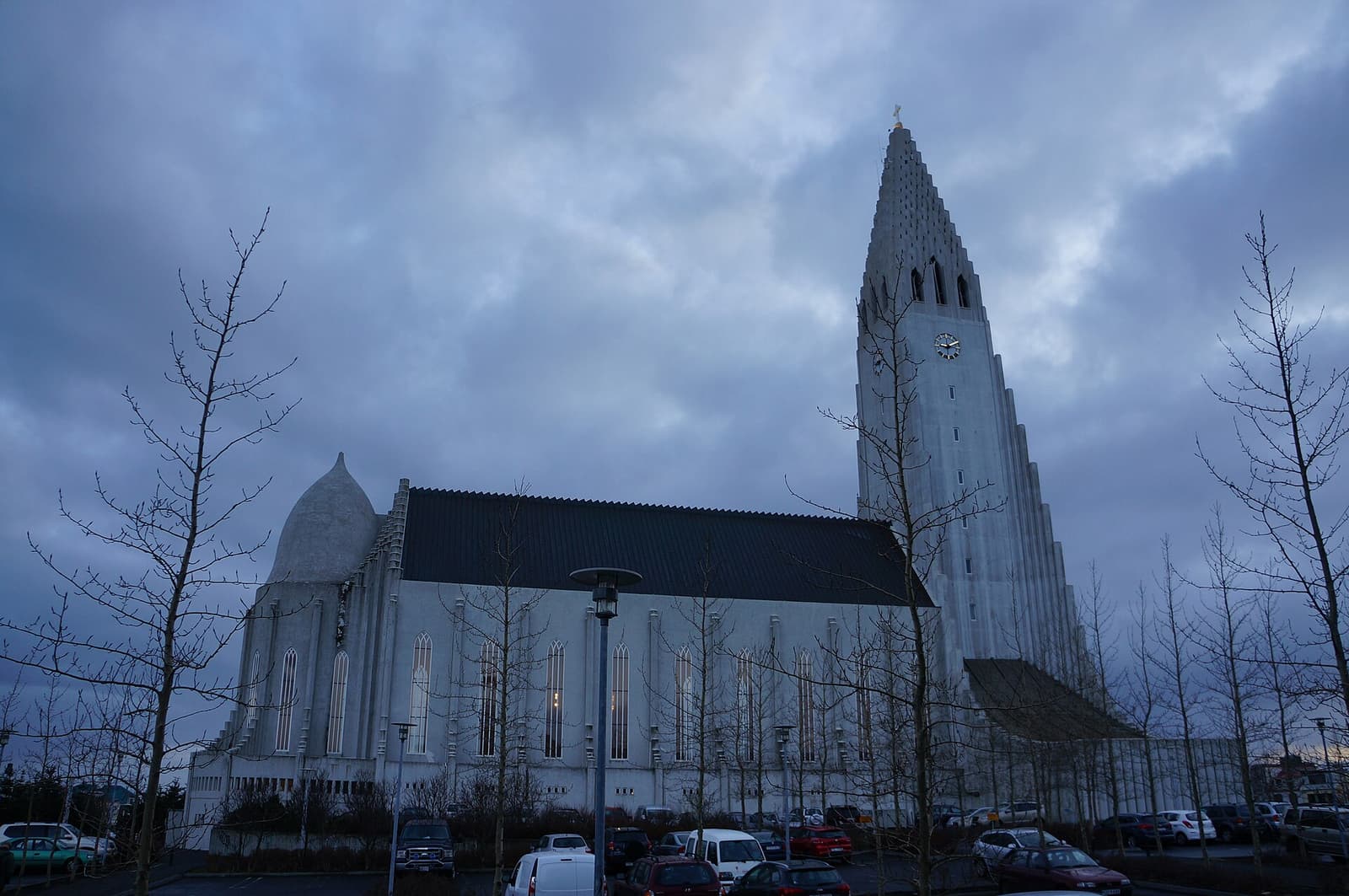
Heiðmörk is the easier outdoor alternative when the group wants nature near Reykjavík without making the crater the point of the day. Perlan is the indoor comparison for travelers who want volcano, glacier, and landscape context in the city. Hallgrímskirkja is the better choice if the day should stay firmly inside a central Reykjavík walk.
Best nearby match by traveler need
Rough volcanic terrain
Stóri-Bolli, if road, weather, and footing all support the plan
Lava-tube context
Leiðarendi Cave, if a guided or well-prepared underground stop suits the group
Booked volcano experience
Þríhnúkagígur, if the magma-chamber descent is worth a half-day commitment
Lower-pressure outdoor time
Heiðmörk, when forest, lava, and lake edges suit the group better than exposed slopes
City-based backup
Perlan or Hallgrímskirkja, when Reykjavík time should stay simple
The wider Bollar area is the real context: rough lava, old routes, and exposed hills.
Use official checks before making Stóri-Bolli part of a tight day
Use official checks before making Stóri-Bolli part of a tight day. Use this guide for planning, not live confirmation for roads, weather, volcanic alerts, access, trail condition, or emergency advice.
For most travelers, the practical check sequence is simple: road conditions first, weather and warnings second, safety guidance third, and on-site signs last. If any of those make the stop feel marginal, choose the easier Reykjavík or Heiðmörk version of the day instead.
Do not build the stop around old reviews, screenshots, or perfect-weather photos. Stóri-Bolli is valuable because it feels rough and real, but those same qualities make it easy to overestimate when the road, wind, fog, ice, or group confidence is not on your side.
Use for forecasts, warnings, and natural-hazard information.
Stóri-Bolli FAQ
The main uncertainties are practical: whether the crater is worth the friction, how to compare it with nearby volcanic stops, and what to verify before driving.
Is Stóri-Bolli a good first-time Iceland stop?
Usually not for a short first-time itinerary. It is better for travelers who already want rough volcanic terrain near Reykjavík and are comfortable letting conditions decide the plan.
Can I pair Stóri-Bolli with Leiðarendi Cave?
Yes, the pairing makes sense thematically because Leiðarendi is connected with lava from the Stóri-Bolli area. Treat the cave as a separate safety and suitability decision, not as an automatic add-on.
Is Stóri-Bolli easier than Þríhnúkagígur?
It is less structured, not simply easier. Þríhnúkagígur is a guided booked experience, while Stóri-Bolli is a rough outdoor crater stop where road, weather, and footing matter more.
What should I check before driving to Stóri-Bolli?
Check official road conditions, weather guidance, safety advice, and on-site signs before relying on the stop. If visibility, wind, ice, or access feels uncertain, choose a simpler Reykjavík-area alternative.