Leiðarendi Cave is an undeveloped lava tube near Bláfjöll and Hafnarfjörður, worth adding when a guided, physical underground stop fits a Reykjavík or southwest Iceland day, with enough flexibility for conditions and nearby route choices.
Geology snapshot
Type
Natural lava tube and cave in a rough lava-field setting
Region
Near Bláfjöll and Hafnarfjörður, within easy reach of Reykjavík
Time to allow
About 2.5-4 hours for a guided outing from Reykjavík; shorter only if meeting nearby
Best experience
Go with a qualified guide, helmet, headlamp, warm layers, gloves, and sturdy footwear
Access reality
Expect rough lava, darkness, low passages, wet rock, and possible snow or ice near the entrance
In this guide
Leiðarendi is worth visiting if you want a real lava-tube experience near Reykjavík and are comfortable making safety
Yes, Leiðarendi is worth visiting if you want a real lava-tube experience near Reykjavík and are comfortable making safety, guide quality, and physical effort part of the plan. It is not the right stop for a quick scenic detour.
The cave sits in a lava field near Bláfjöll and Hafnarfjörður, close enough to Reykjavík that it can work as a focused half-day adventure. The appeal is the raw cave setting: dark lava walls, rough floor, low passages, mineral color, seasonal ice, and the strange feeling of moving through a cooled volcanic channel rather than looking at one from the surface.
Add Leiðarendi for travelers who specifically want a guided underground stop and have a flexible southwest day. Skip it for casual sightseers, claustrophobic travelers, groups needing easy access, or anyone already short on daylight, weather margin, or energy.
Photo guide
Leiðarendi Cave in photos
1 / 2
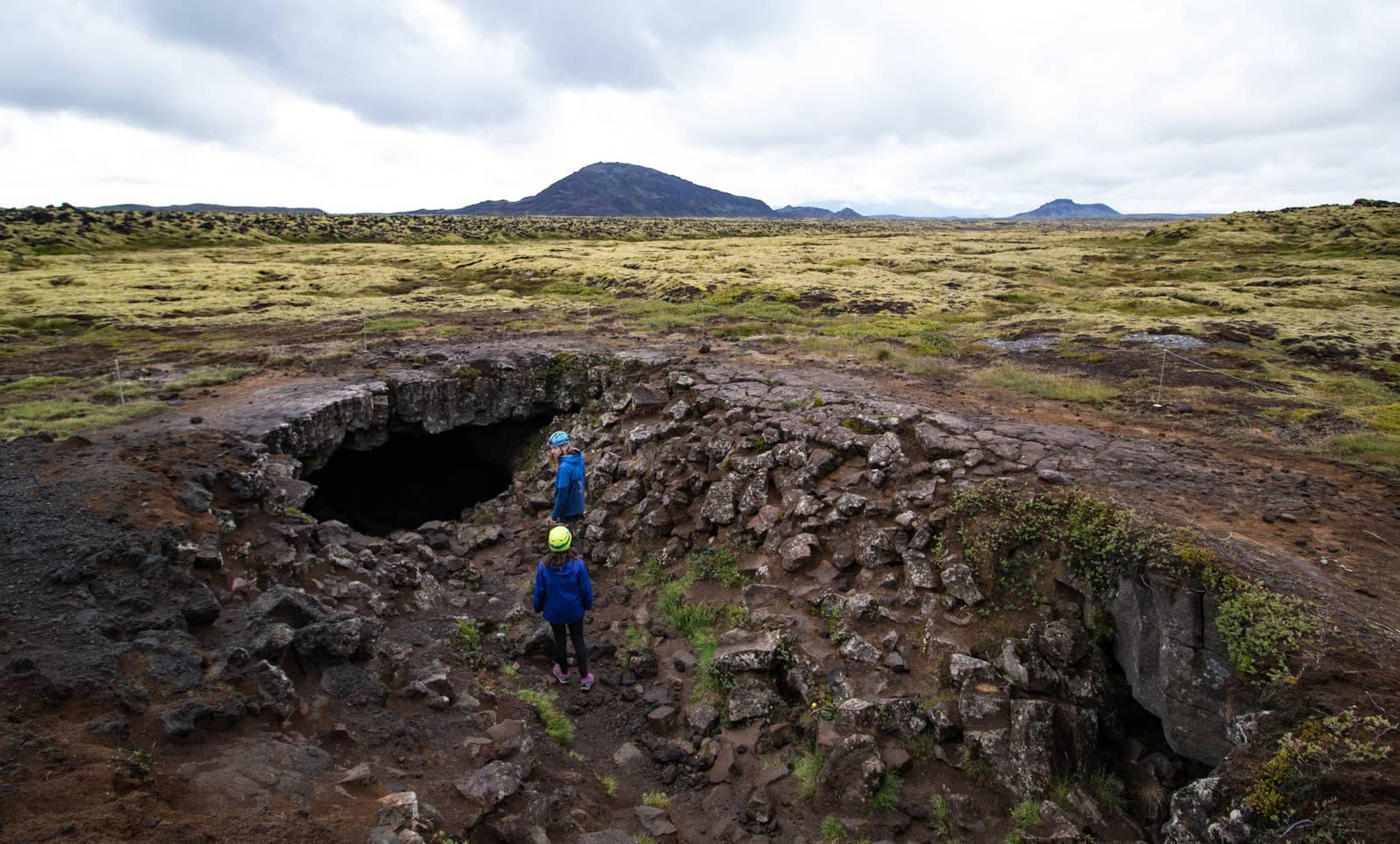
The cave mouth communicates the main decision: this is dark, rocky, and not a normal viewpoint.
Why a guide matters before the scenery
Leiðarendi is a natural lava tube, not a lit show cave. Darkness, loose rock, low ceilings, slippery sections, winter ice, and fragile formations make the guide and equipment decision part of the attraction itself.
Operator guidance for Leiðarendi describes a pitch-black cave where visitors use helmets and headlamps, and where some hunching or crawling may be needed. That is the right mental model: this is a rough underground route where the terrain, not a built visitor path, sets the pace.
The Environment Agency also identifies Leiðarendi as a stressed cave within the Reykjanes public park area because of poor conduct. That makes careful behavior part of the visit: stay with the route your guide uses, do not remove or touch delicate formations, avoid writing on rock, and respect any signs, barriers, or local instructions.
The entrance can make the safety threshold obvious: rough lava, darkness, snow, and guide equipment all matter.
What it feels like inside the lava tube
Inside Leiðarendi, the visit is dark, close, textured, and physical. The strongest moments are not grand viewpoints; they are the headlamp-lit details of lava walls, fallen flakes, mineral colors, and the sudden contrast between open chambers and low passages.
Guide to Iceland describes Leiðarendi as a lava tube shaped by separate eruptions, with a circular route and hidden chambers. Operator descriptions add that the cave is about 900 meters long and includes lava formations such as stalactites, drip features, and rough passages. Use those facts as scale, not as a promise that every group will follow the same route.
The cave is more tactile than scenic. You may be watching your footing, keeping your helmet clear of the roof, using gloves on cold rock, and waiting for the group to move through narrow sections. That can feel memorable for the right traveler and miserable for someone who expected a relaxed viewpoint.
The cave alternates between roomier chambers and tighter sections where headlamps and footing matter.Mineral color and lava texture are the details that make the cave feel specific.
Plan Leiðarendi as a short adventure block, not a five-minute attraction
Plan Leiðarendi as a short adventure block, not a five-minute attraction. Most travelers should allow a half-day style window from Reykjavík once transport, gear, the approach, cave pace, and exit and gear change time are included.
Choose the version that matches your group before adding other stops.
Plan type
Best use
Watch out for
Quick nearby meet-up
Works only if you already have a confirmed guide, gear plan, and meeting point near the cave
Little buffer for weather, road changes, or a slower group
Balanced Reykjavík outing
Best default for most visitors because transport, equipment, cave time, and return all fit one block
Do not stack too many city stops immediately before or after
Slow southwest day
Good when Leiðarendi is paired with a light Reykjanes or Reykjavík-area route
The cave should not compete with a long scenic drive
Winter version
Atmospheric when snow or ice adds contrast around the entrance
Road conditions, footing, cold, and daylight need more margin
If your trip already uses Reykjavík as a base, Leiðarendi can fit into a 5-Day Iceland Itinerary as an active add-on. It should not replace the main South Coast or Golden Circle scenery unless the underground experience is more important to you than another surface landmark.
Some versions of the visit involve awkward movement before the cave even opens up.
Where it fits in a Reykjavík or Reykjanes day
Leiðarendi works best as the main active stop in a Reykjavík-based day or as one carefully chosen stop on a wider southwest route. It gets weaker when it is squeezed between unrelated attractions.
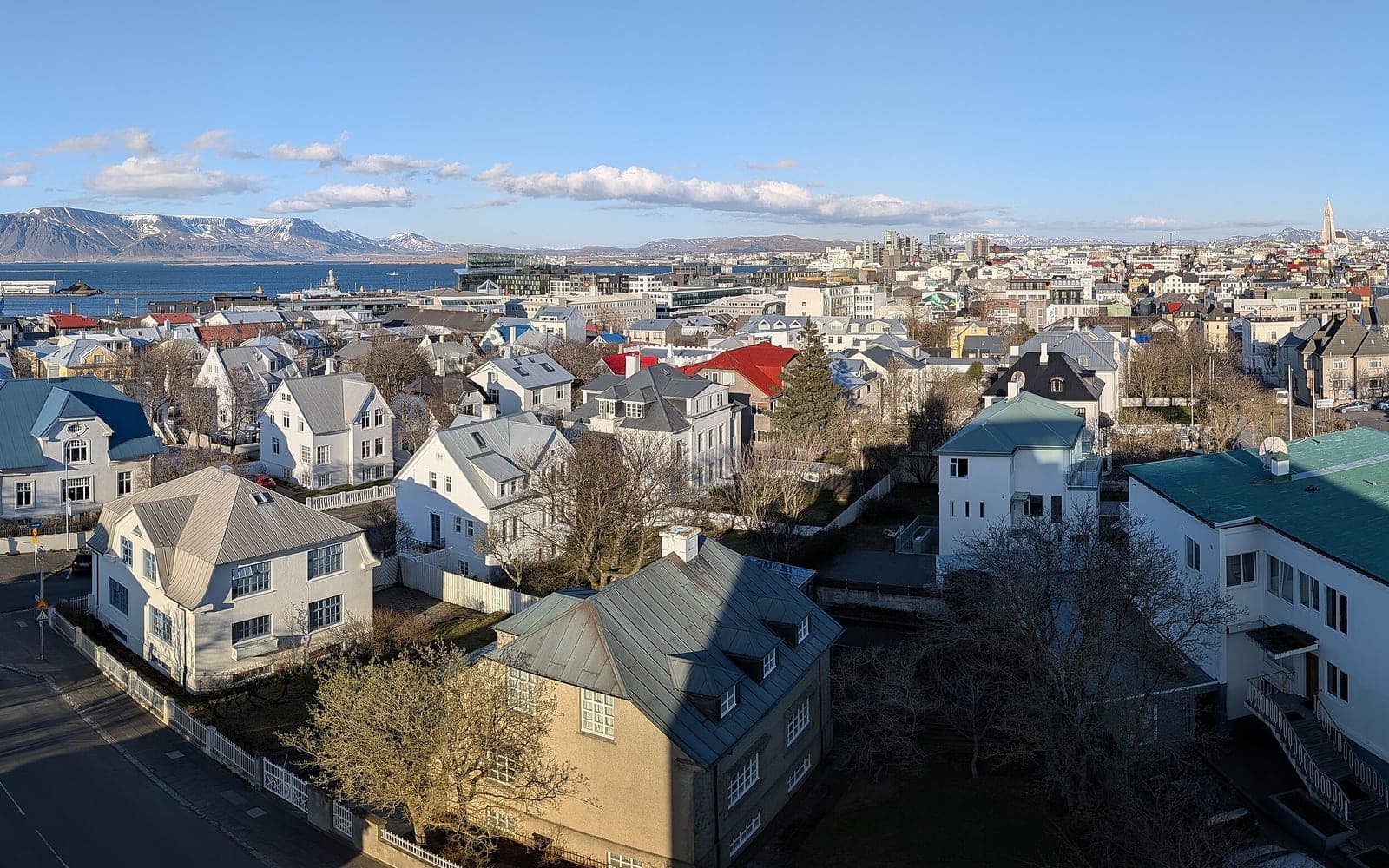
From a Reykjavík base, the cleanest plan is to give the cave its own block, then keep the rest of the day simple. Perlan is a better indoor geology comparison if the weather turns, while Hallgrímskirkja belongs to an easier city-walk plan when the group does not want rough terrain.
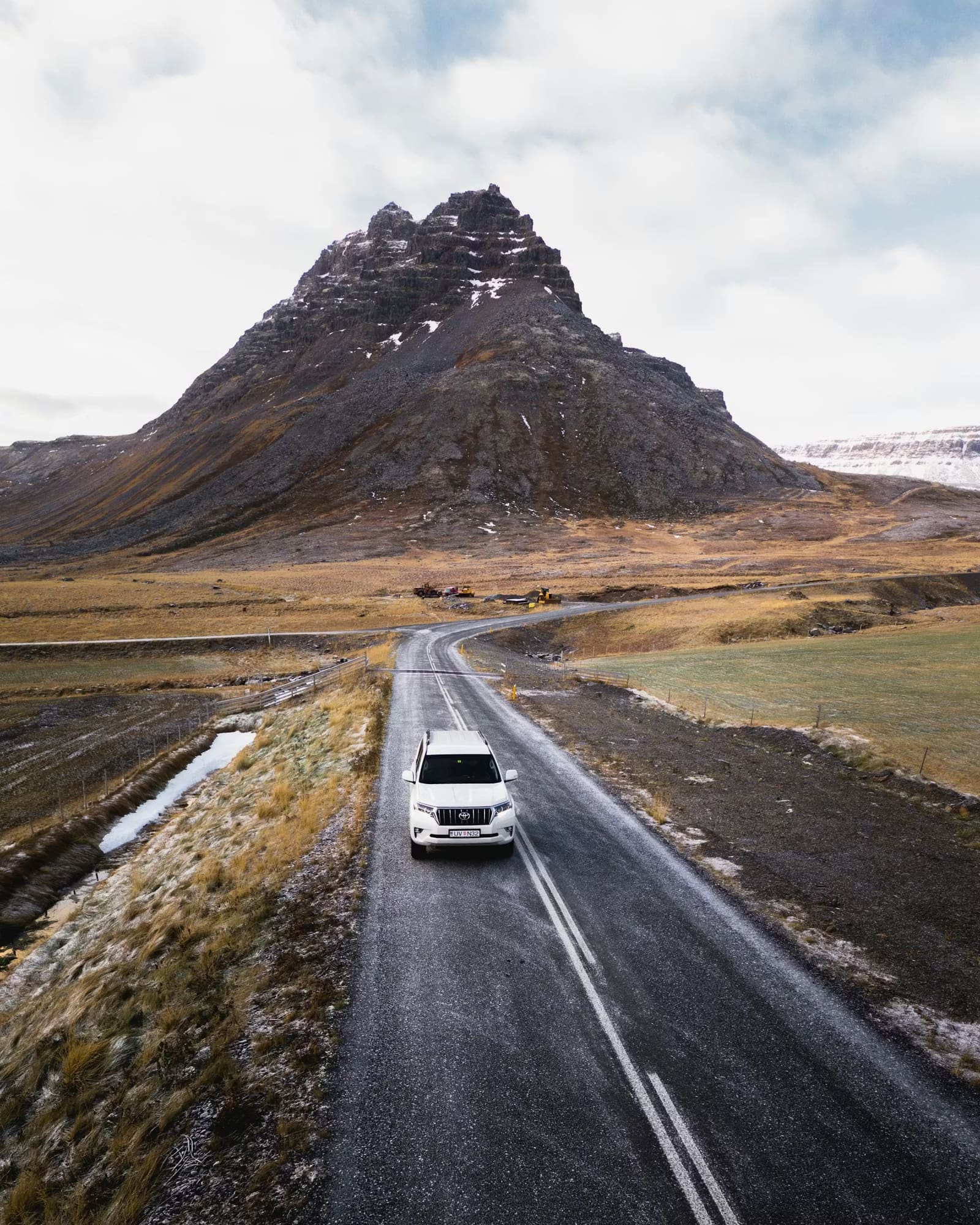
For a self-drive day, compare Leiðarendi with the Reykjanes Peninsula road trip before committing. The cave sits close enough to the capital area to feel convenient, but the visit still needs guide timing, gear, road checks, and group energy. If those pieces make the day too tight, choose a surface nature stop such as Heiðmörk and keep the cave for another trip.
Go cave-first if the group is fresh, active, and already committed to guided lava-caving.
Go city-first if weather or road confidence is poor and you need easier Reykjavík alternatives.
Go southwest-route-first only if the cave does not force you to rush the rest of Reykjanes.
Use official safety, road, weather, protected-area, operator, and on-site guidance before making Leiðarendi the fixed point of the day
Use official safety, road, weather, protected-area, operator, and on-site guidance before making Leiðarendi the fixed point of the day. This page is planning guidance, not live access confirmation.
The most important checks are practical: SafeTravel for travel conditions, Umferdin for roads, the Icelandic Meteorological Office for weather and seismic context, the Environment Agency for protected-area conduct, and your chosen operator for equipment, suitability, meeting details, and cancellation rules.
Do not rely on old descriptions for cave access, road conditions, or group suitability. If winter driving, icy footing, strong wind, volcanic activity, or poor visibility affects the approach, let official sources and local instructions decide whether the cave still belongs in the day.
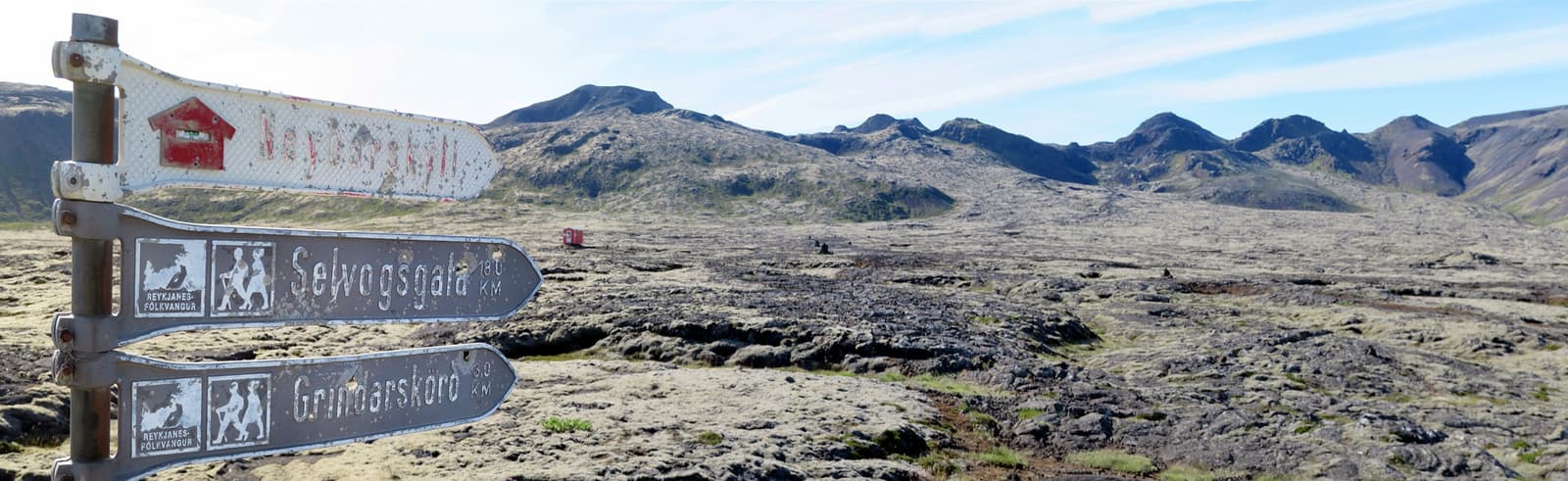
Check weather, wind, and seismic context before exposed southwest travel.
Leiðarendi Cave FAQ
These questions matter because the cave is close to Reykjavík, but the visit is still physical and conditions-sensitive.
Can you visit Leiðarendi Cave without a guide?
You should plan Leiðarendi as a guided cave visit. The cave is dark, rough, and conditions-sensitive, and a guide provides route knowledge, equipment, and judgment that casual sightseeing does not.
How difficult is Leiðarendi Cave?
Leiðarendi is moderate for active travelers but unsuitable for anyone who cannot handle uneven lava, darkness, low passages, and possible crawling. If mobility, claustrophobia, or balance is a concern, choose an easier Reykjavík-area stop.
How long do you need for Leiðarendi?
Allow a half-day style window from Reykjavík for most guided plans. The cave time itself is only part of the visit because transport, gear, the approach, group pace, and exit and gear change all add time.
Is Leiðarendi good in winter?
Leiðarendi can be atmospheric in winter, but the approach, road conditions, ice, cold, and daylight make official checks more important. Do not make it the fixed point of a tight winter day without backup options.
What should you wear for Leiðarendi Cave?
Wear warm layers, gloves, and sturdy footwear that can handle wet, rough lava. Your operator or guide should decide the required helmet, light, and any extra equipment for the conditions.