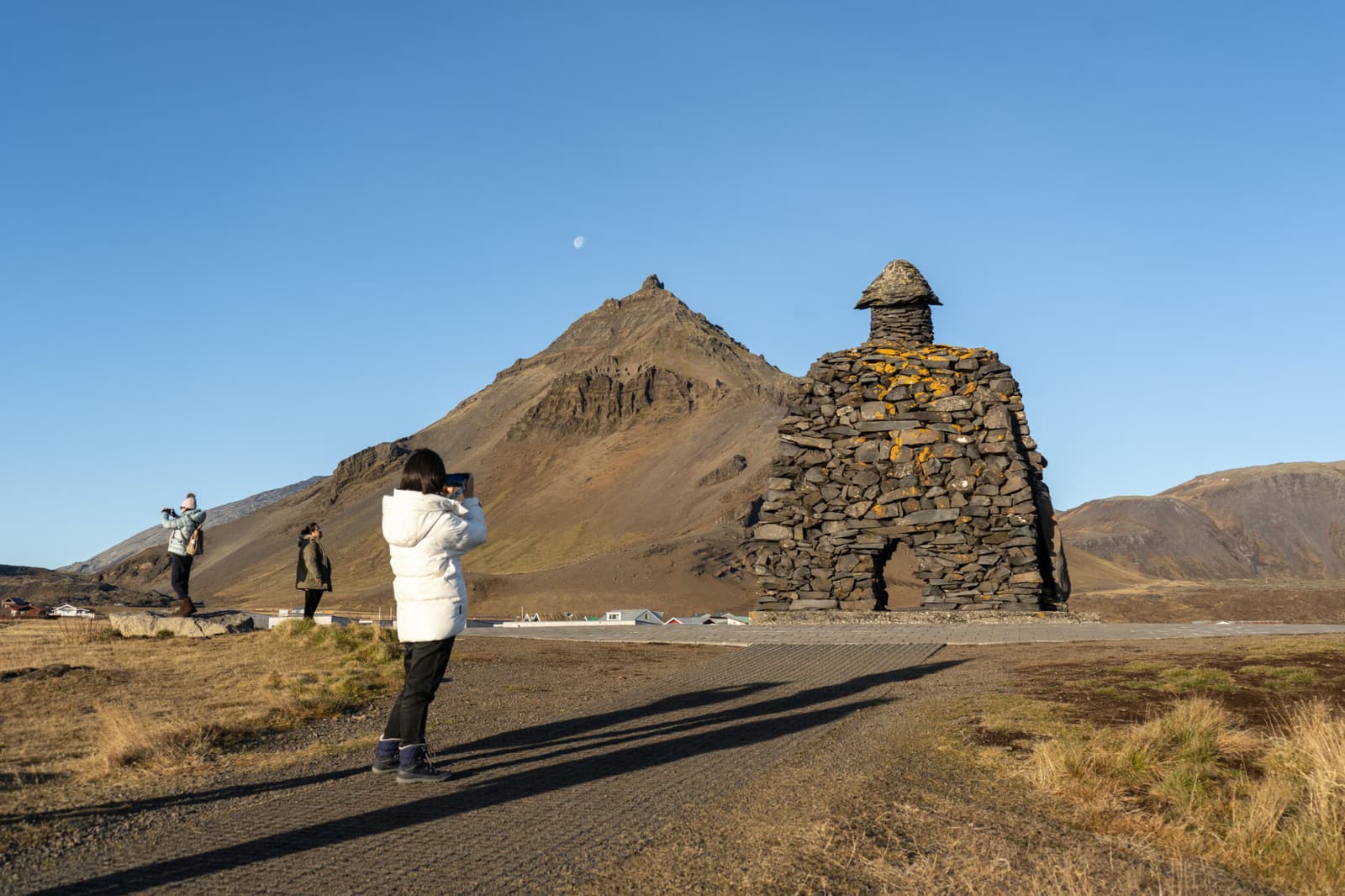
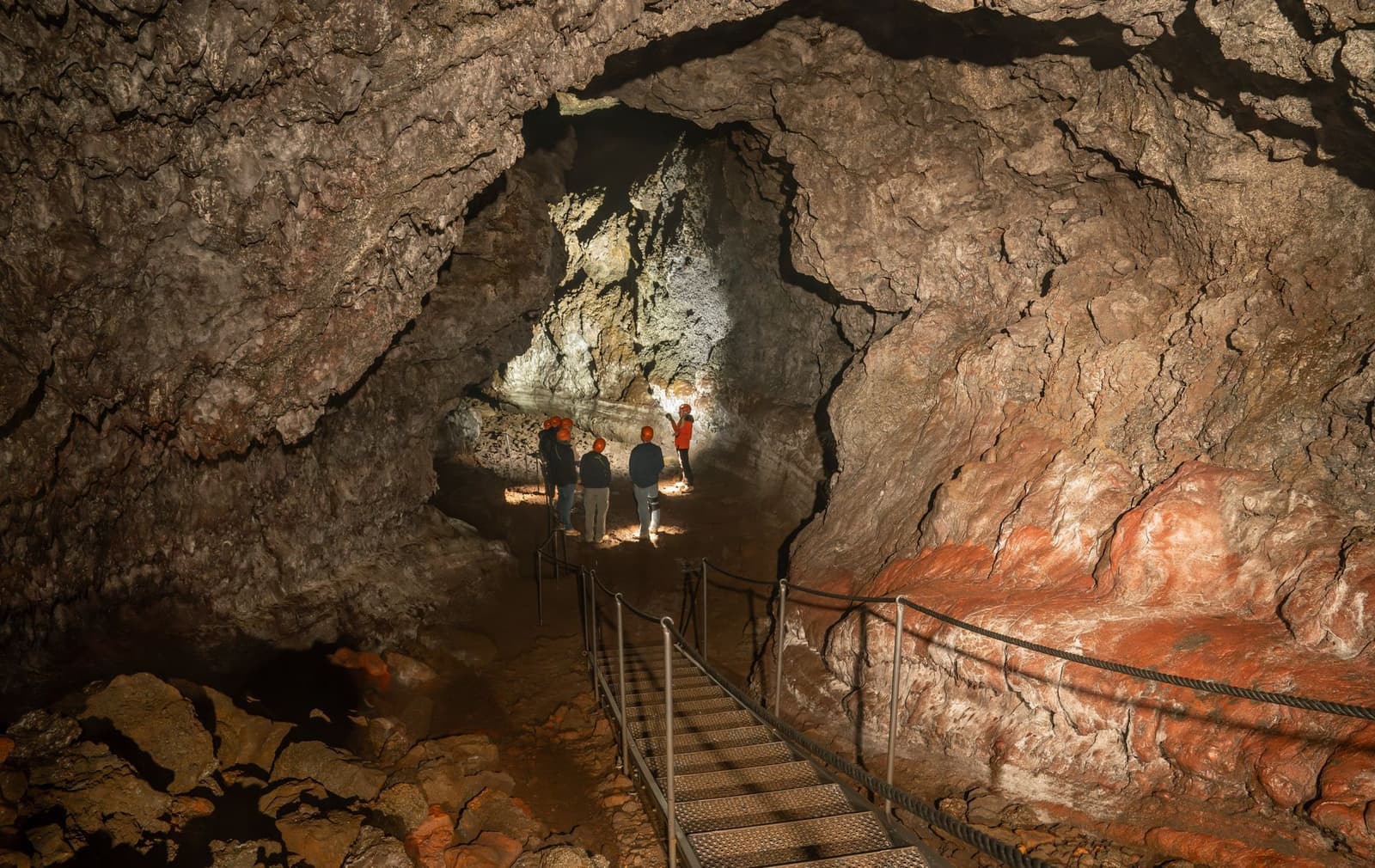
Sönghellir Cave is a small echo cave above Arnarstapi on Snæfellsnes, worth adding when F570 conditions and route time make a short folklore-and-acoustics stop feel smarter than another major detour.
Geology snapshot
Type
Small natural cave, echo stop, and folklore site
Region
Snæfellsnes, above Arnarstapi on the south side of the peninsula
Route role
Best as a short add-on to an Arnarstapi or Snæfellsnes Peninsula Road Trip day
Time to allow
A short stop plus buffer for the drive, weather, footing, and route decisions
Best experience
Echoes inside the cave, rough rock, folklore context, and views back toward the surrounding slopes
In this guide
Sönghellir Cave works best if you are already near Arnarstapi and want a short cave stop with echo, folklore, and mountain-slope atmosphere
Yes, if you are already near Arnarstapi and want a short cave stop with echo, folklore, and mountain-slope atmosphere. Skip it when the approach would steal time from stronger Snæfellsnes anchors.
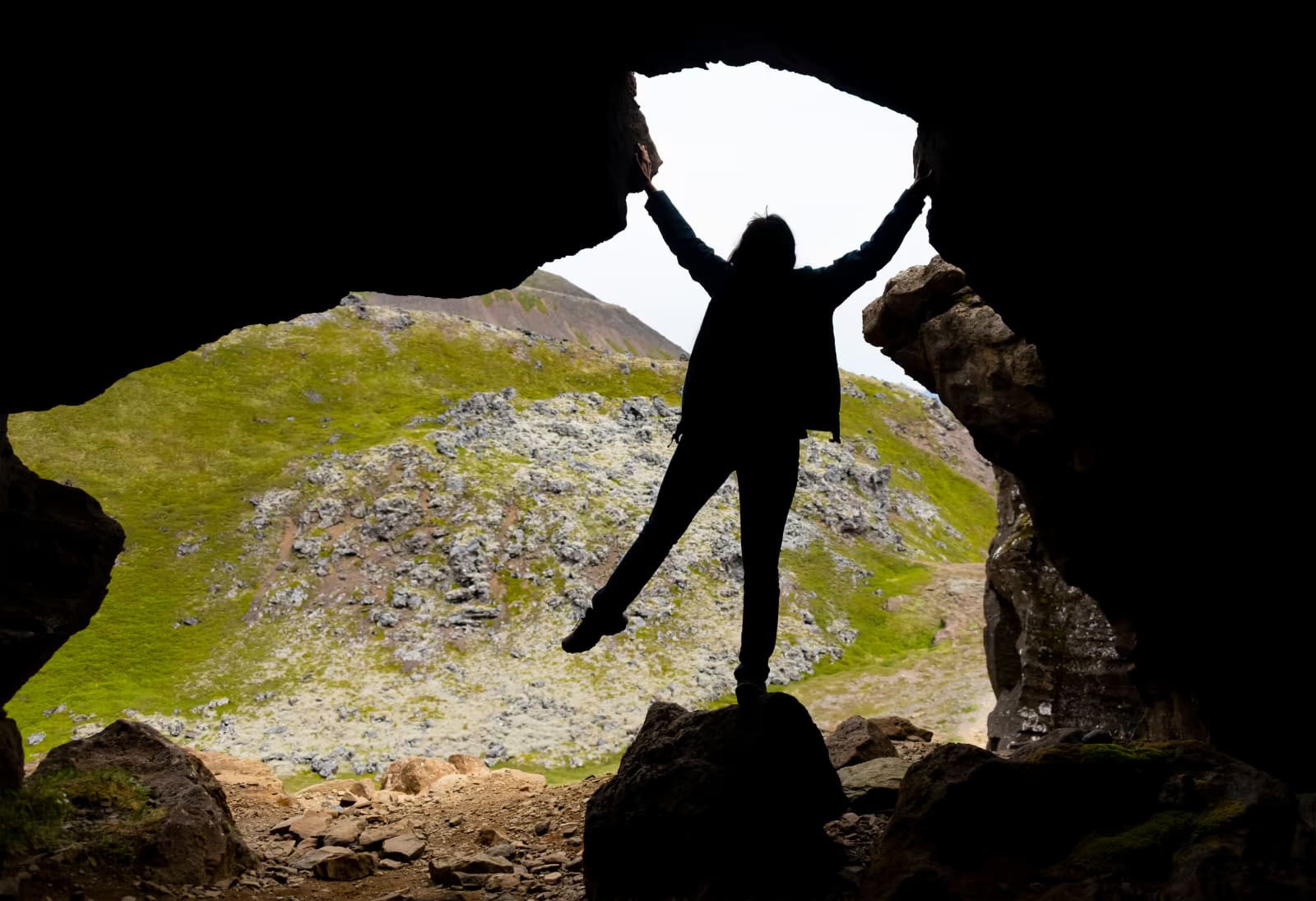
Sönghellir is not the polished lava-tube experience on the peninsula. It is smaller, rougher, and more atmospheric: a cave mouth above the south coast where the sound of your voice is the memorable part of the visit.
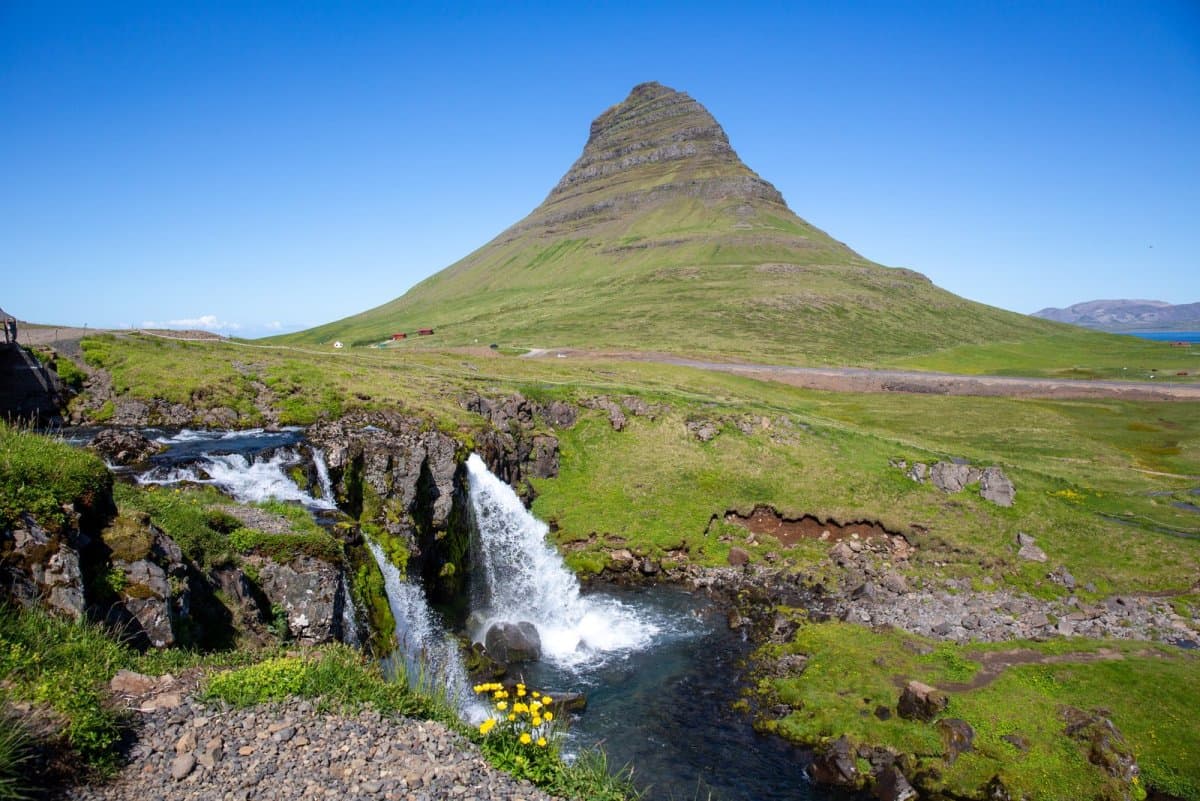
Add Sönghellir Cave to a flexible Arnarstapi day, especially for travelers who enjoy folklore and small natural stops. Skip it when the Snæfellsnes Peninsula Road Trip is already trying to cover Arnarstapi, Snæfellsjökull, Lóndrangar, Vatnshellir Cave, and Kirkjufell in one demanding push.
The appeal is simple: a dark cave mouth, rough rock
The appeal is simple: a dark cave mouth, rough rock, a voice bouncing back, and the feeling that the mountain above Arnarstapi has a story attached to it.
Inside Sönghellir, the visit is more sensory than spectacular. You are not moving through a long illuminated tunnel; you are stepping into a small natural space where sound, shadow, and the outside slope do most of the work.
That smaller scale is the point. Sönghellir works when you want texture between larger stops: a place to pause, listen, look back toward the slopes, and connect the south Snæfellsnes landscape with the Bárður Snæfellsás stories that run through the area.
Sönghellir makes most sense as part of the Snæfellsjökull and Stapafell landscape, not as a major cave destination on its own.
The cave itself is a short stop, but the access decision deserves more care than the walking distance suggests
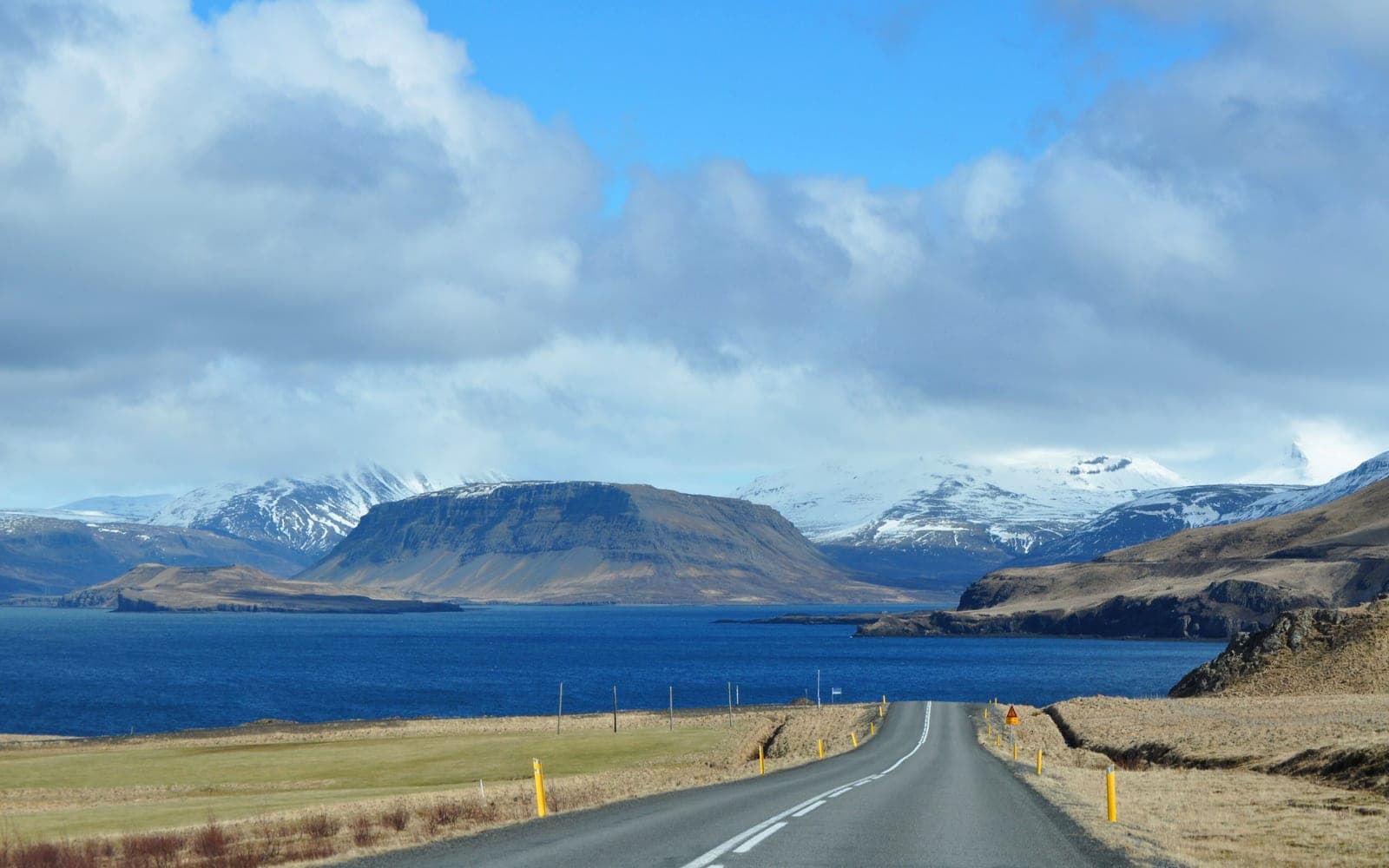
The cave itself is a short stop, but the access decision deserves more care than the walking distance suggests. F570/Jökulháls, weather, visibility, rental rules, and footing all matter.
Do not judge Sönghellir only by the cave. Judge the full stop: leaving the main south-coast flow near Arnarstapi, climbing toward the cave area, parking sensibly, walking over rough ground, and making sure the same approach still feels reasonable for the return.
Use official road conditions before treating F570/Jökulháls as a simple add-on.
Check weather and visibility because cloud, wind, or precipitation can make a short mountain-road detour feel much larger.
Bring footwear that handles rock and uneven ground rather than dressing only for car-to-viewpoint sightseeing.
Treat cave entry with caution and follow on-site signs, local guidance, and common-sense cave safety.
Use Sönghellir as a small add-on within a Snæfellsjökull National Park day, with official stops and road conditions shaping the route.
Sönghellir fits best as a small south-side Snæfellsnes add-on
Sönghellir fits best as a small south-side Snæfellsnes add-on. It should support the day around Arnarstapi and the national-park landscape, not become the reason the whole route runs late.
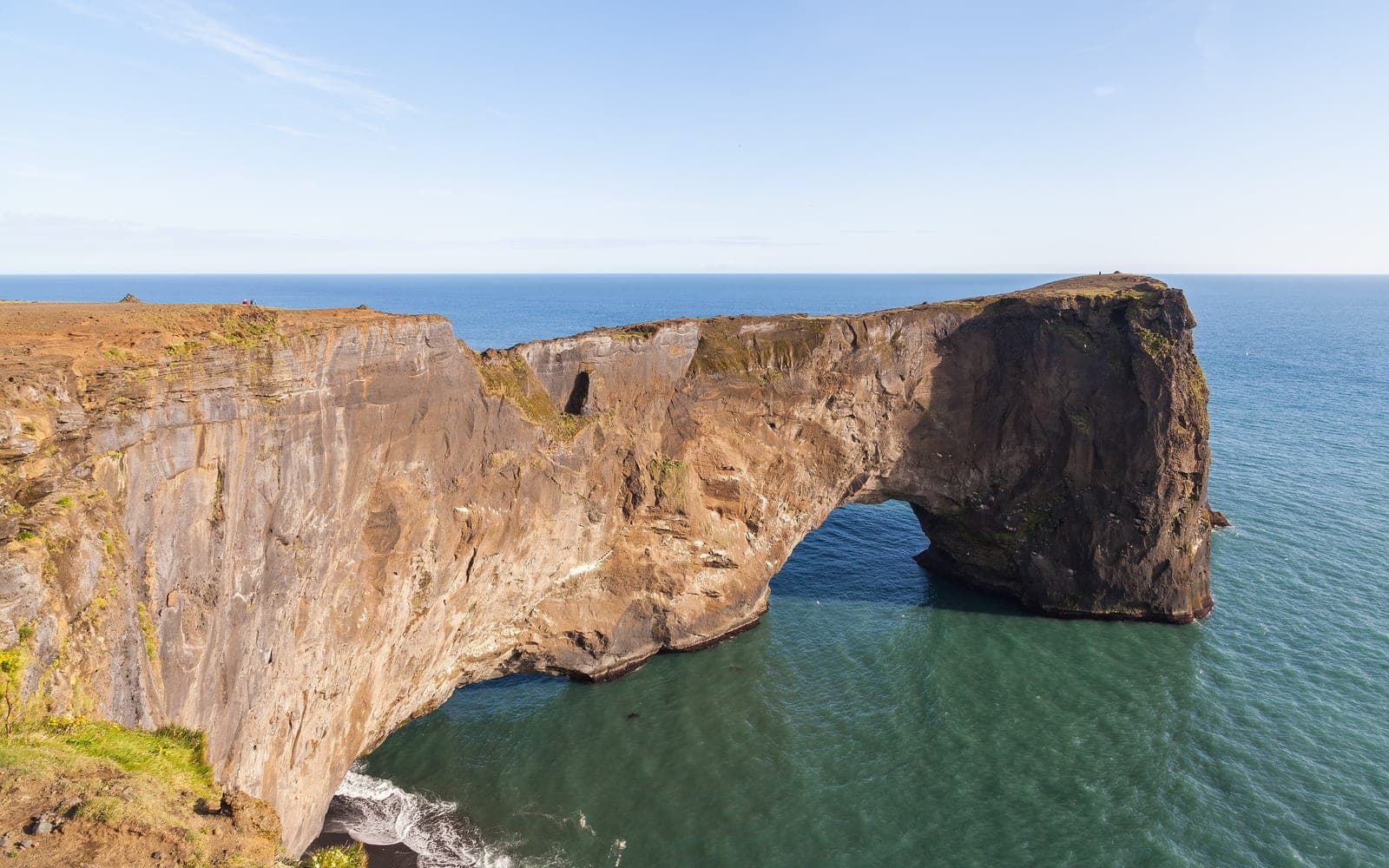
The most natural pairing is Arnarstapi, because the cave sits above the same south-coast area and shares the Bárður Snæfellsás folklore thread. Snæfellsjökull gives the wider volcanic setting, while Lóndrangar adds the exposed sea-cliff contrast after the enclosed cave mouth.
Vatnshellir Cave is the better choice if your group wants a guided underground attraction with a clearer visitor format. Sönghellir is better when you want a brief, rougher, quieter stop before continuing toward Kirkjufell or the west side of the peninsula.
Sönghellir Cave route-fit choices
Trip shape
How Sönghellir works
Best decision
Flexible Arnarstapi day
Use the cave as a short folklore-and-echo add-on above the coast.
Add it if road, weather, and footing checks are straightforward.
Full Snæfellsnes loop
Keep it optional so it does not crowd out major coast and mountain stops.
Skip it if the day already feels overpacked.
Cave-focused interest
Compare it with Vatnshellir Cave before choosing the rough short stop.
Choose Vatnshellir if a structured guided cave is the goal.
The cave is easiest to justify when it sits inside a broader Snæfellsnes loop with Snæfellsjökull and nearby coastal stops.
Check the practical conditions before making Sönghellir fixed
Check the practical conditions before making Sönghellir fixed. The cave can be simple on a good day and a poor use of time when road, weather, or visibility changes the route.
Use official road conditions for the approach, the Icelandic Meteorological Office for weather and visibility, and SafeTravel for broader travel-safety guidance. If the stop is part of a cold-season self-drive, Winter Driving in Iceland is a useful planning check before committing to the detour.
Also check protected-area and visitor information around Snæfellsjökull before relying on cave access, signage, or local guidance. The safest plan is to keep Sönghellir as a flexible add-on rather than the fixed anchor of the day.
Useful for the cave identity, echo context, and nearby-place orientation.
Sönghellir Cave FAQ
Most questions about Sönghellir are really about route fit, access judgment, and whether this smaller cave is the right kind of stop for the day.
Is Sönghellir Cave the same kind of stop as Vatnshellir Cave?
No. Sönghellir is a smaller echo cave and folklore stop, while Vatnshellir Cave is the better fit when you want a structured guided lava-tube experience.
Do you need a lot of time for Sönghellir Cave?
No, the cave is usually a short stop, but the drive, weather, road conditions, and rough ground can add planning friction.
Is Sönghellir Cave worth adding to a one-day Snæfellsnes loop?
Only when the day has buffer. If you are already stretching the loop around Arnarstapi, Snæfellsjökull, Lóndrangar, Vatnshellir Cave, and Kirkjufell, keep Sönghellir optional.
What should you check before visiting Sönghellir Cave?
Check official road conditions, weather guidance, safety advice, and local signs before relying on the stop, especially when visibility or mountain-road conditions are uncertain.