Is Snæfell worth the detour?

Yes, Snæfell is worth planning for if your trip already gives East Iceland real time and you want a remote highland mountain, not a quick scenic pullout.

The value is scale and isolation: a high, snow-streaked mountain rising above the eastern side of Vatnajökull National Park, with open plateau country, reindeer habitat, rough access, and a very different rhythm from the easy waterfall stops closer to the Ring Road.

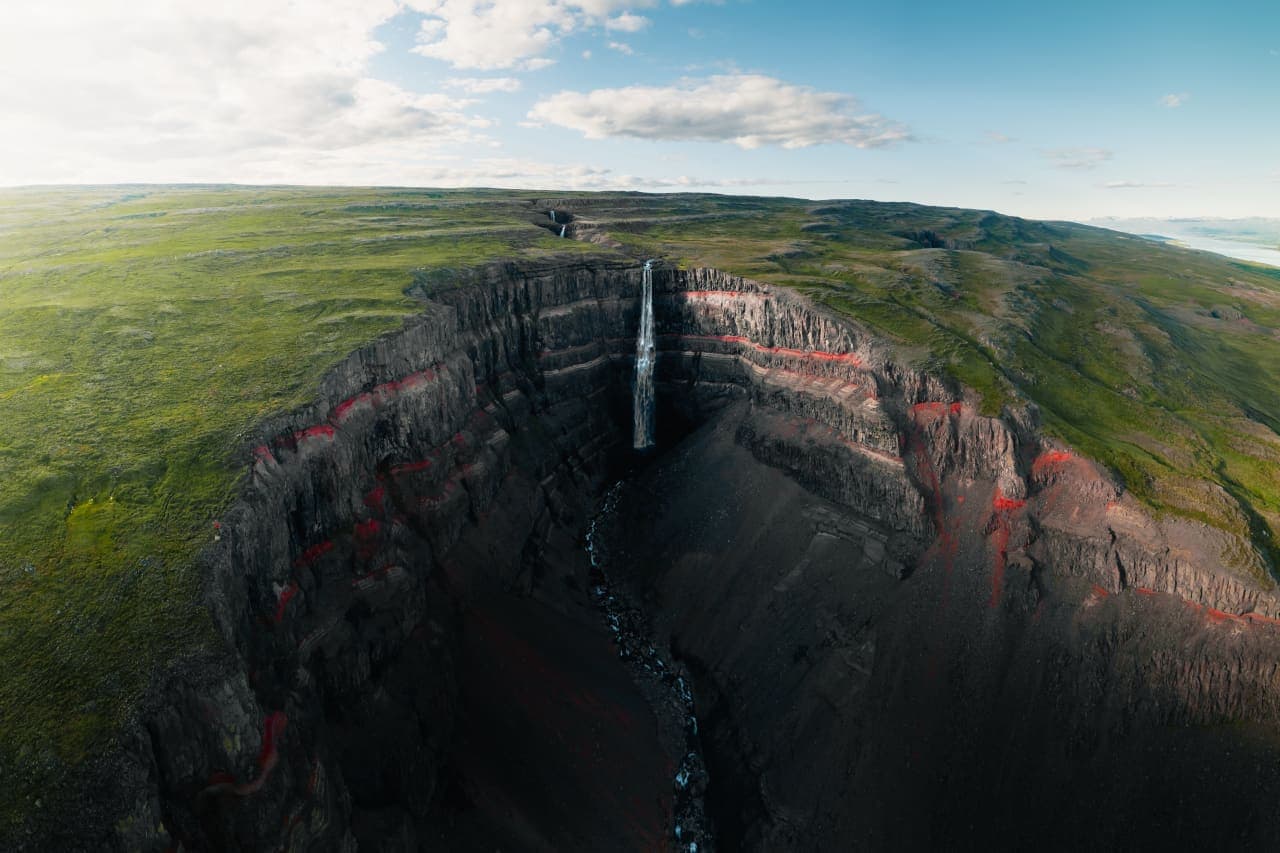
The tradeoff is friction. Snæfell works poorly as a last-minute add-on from a packed Ring Road day. It makes sense when you are already building time around East Iceland, Fljótsdalur, Eyjabakkar, Kárahnjúkar, Hafrahvammagljúfur, or Hengifoss and can afford to change plans if road or weather conditions turn against you.

Worth the stop?

When this stop makes sense

Good match for

  • summer travelers with East Iceland time
  • self-drive visitors prepared for highland access
  • strong hikers who can handle exposed terrain
  • photographers looking for remote mountain scale

Think twice if

  • short Ring Road trips with no East Iceland buffer
  • travelers without a suitable vehicle for F-road access

Pair it with

East IcelandEyjabakkarVatnajökull Glacier and National Park

What kind of place is Snæfell?

Snæfell is a mountain and old central volcano in the East Iceland highlands, inside Vatnajökull National Park.

At 1,833 meters, it is one of Iceland's highest mountains and the country's highest mountain outside the major glacier areas. The name means snow mountain, and even in summer the upper slopes can keep snow and ice that shape the whole visitor experience.

For travelers, Snæfell is both a landmark and a decision point. Some visitors use the hut and surrounding area for highland atmosphere, wildlife watching, and photography. Stronger hikers may consider the summit route, but the official park description treats it as a challenging mountain hike with glacier-terrain caution.

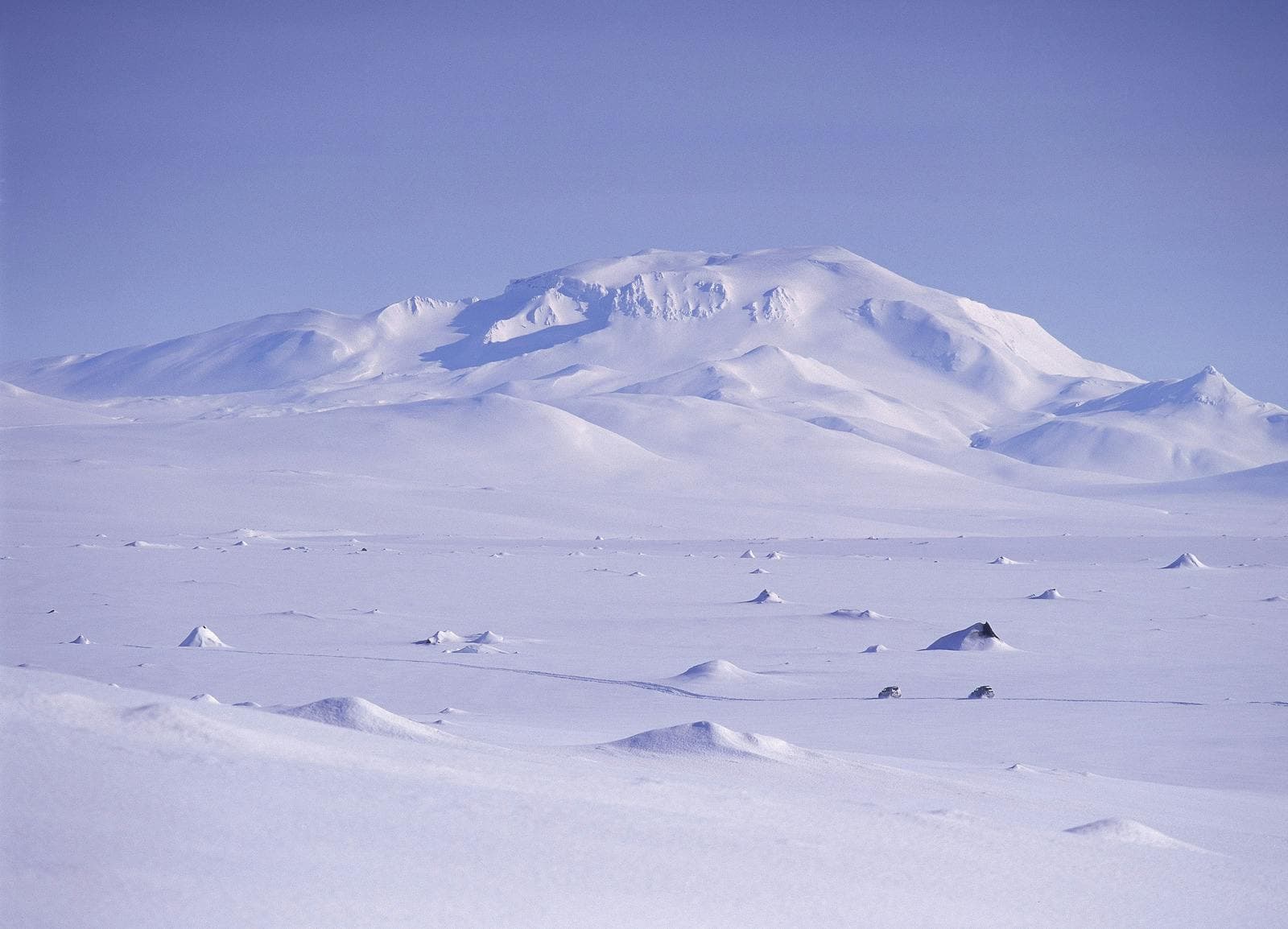
Snæfell gives East Iceland a remote highland scale, especially when viewed across the open interior.

What does a visit feel like?

A Snæfell visit feels exposed, quiet, and weather-led, with fewer built comforts than Iceland's easier attraction circuits.

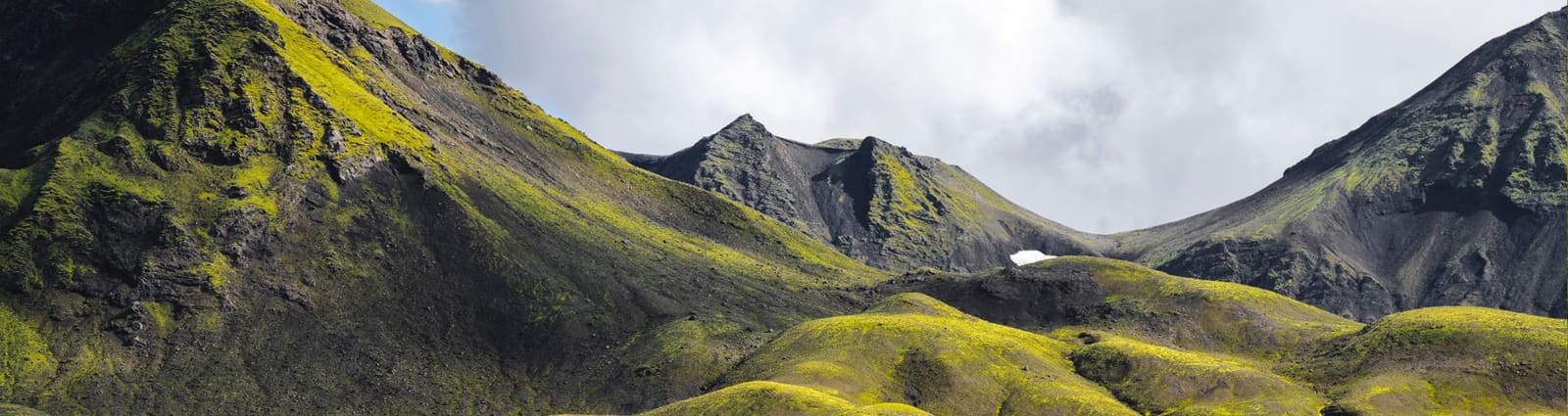
The approach is part of the experience. The landscape opens into broad highland country rather than a developed viewpoint sequence, and the mountain can appear and disappear behind cloud. On a clear day, the reward is space: snow, dark volcanic slopes, glacial edges, wetlands, and long views across the eastern national-park area.

The area is also tied to wildlife. The eastern highlands around Snæfell and nearby wetlands such as Eyjabakkar are known for reindeer and bird habitat. That does not make sightings guaranteed, but it changes the tone of the visit from a single-photo stop to a slower wilderness day.

Changing light and cloud are part of the appeal, but they can also remove the view or make the hike a poor choice.

How hard is the Snæfell hike?

The summit hike is hard enough that casual visitors should not treat it as a normal viewpoint walk.

The official park route starts slightly south of Snæfellsskáli and climbs from the west. It is marked with posts until the glacier is reached, but the route is still classified as challenging, with loose material, cold summit conditions, and a glacier-terrain warning.

Official route snapshot

Distance
6.2 km one way
Estimated time
4-7 hours
Elevation
1100 m
Difficulty
Challenging
Caution
Part of the trail crosses glacier terrain

Good footwear, warm waterproof clothing, reliable navigation, and conservative judgment matter here. The park advises GPS use when the summit is above cloud level and tells visitors to let rangers at Snæfell hut know their travel plan. If that sounds like more than you want from the day, keep the visit lower or choose a less exposed East Iceland walk.

The official Snæfell route is mountain terrain with glacier caution, loose material, and cold exposure.

How do you reach Snæfell?

Snæfell is normally planned from the East Iceland side, using the Snæfellsskáli area as the practical anchor when F909 access is open and suitable.

Visit Austurland describes the hut by Snæfell as having sleeping-bag accommodation, a campsite nearby, and access by road F909. That makes the hut area useful for planning, but it does not remove the highland-access problem: current road status, vehicle rules, snow, and weather decide whether you can reach it.

For most visitors, the realistic season is summer. Winter images of Snæfell can look beautiful, but ordinary self-drive travelers should not read them as access advice. If F909 is closed, conditions are marginal, or visibility is poor, the better decision is to keep Snæfell for another day and use a lower East Iceland target instead.

Snæfellsskáli and the nearby campsite help anchor the visit, but road and weather checks still come first.

What should you pair with Snæfell in East Iceland?

Pair Snæfell with other East Iceland places that justify the inland detour, rather than isolating it from the rest of the day.

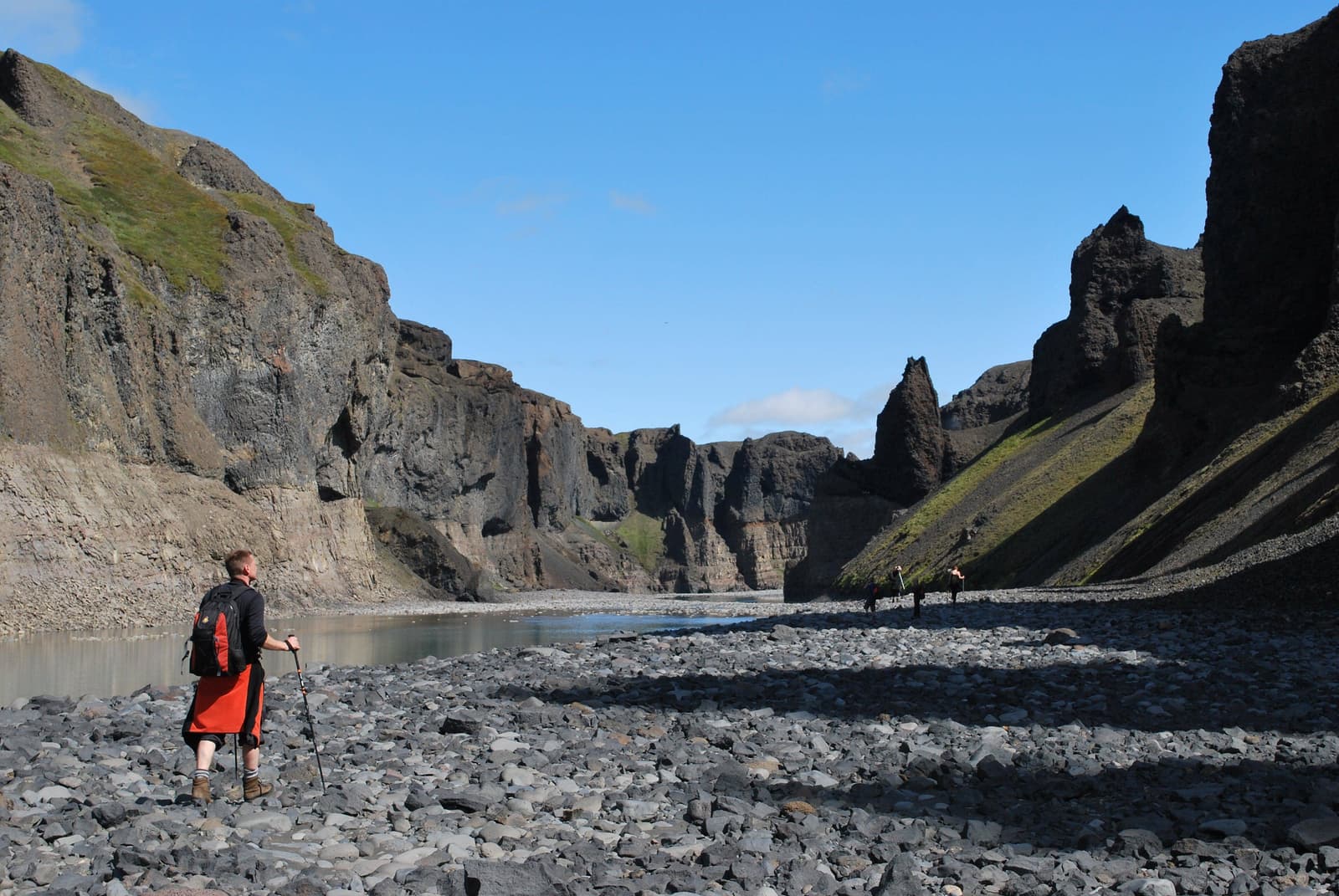
The most natural planning cluster is Fljótsdalur, Eyjabakkar, Kárahnjúkar, Hafrahvammagljúfur, and Hengifoss. These are not all the same kind of stop, but together they explain why a traveler would spend time inland from Egilsstaðir instead of staying only on the coast.

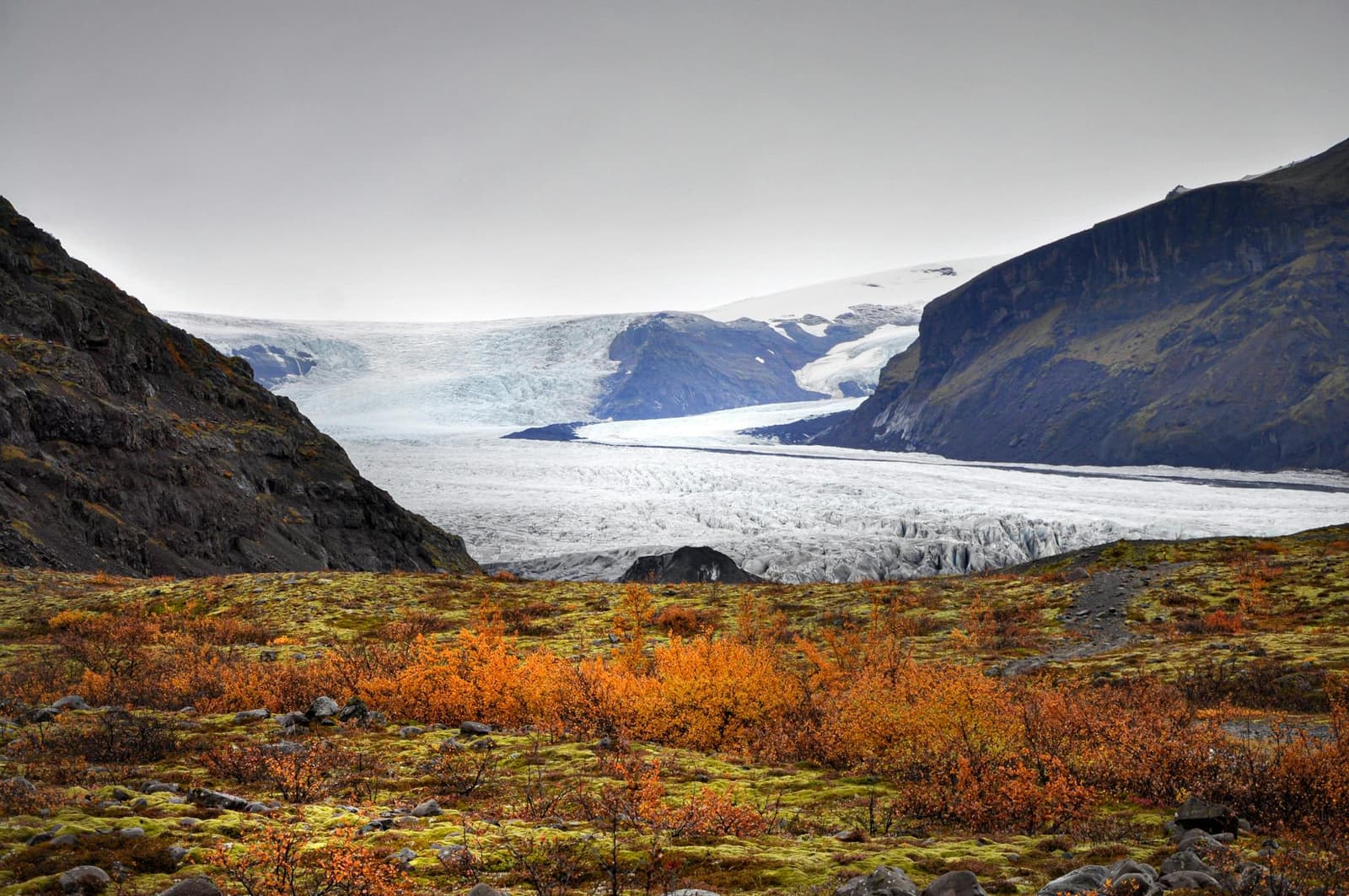
If your route is focused on the wider Vatnajökull area, Snæfell also helps connect the East Iceland side of the national park with bigger glacier and wilderness context. If your trip is short, however, the East Iceland region guide is the better next step because it helps decide whether this remote branch belongs in the itinerary at all.

How Snæfell fits with nearby East Iceland choices
PairingWhy it helps
FljótsdalurA logical valley approach and regional context before going deeper inland.
EyjabakkarWetland and wildlife context that matches the remote highland feel.
KárahnjúkarA nearby highland infrastructure and landscape contrast for the same inland branch.
HafrahvammagljúfurA canyon pairing for travelers building a stronger East Highland day.
HengifossA more accessible East Iceland hike if Snæfell access or weather is too demanding.

What should you check before you go?

Use current official sources before committing to Snæfell, because the most important details can change faster than any attraction page.

Check the Vatnajökull National Park page for trail guidance and local notices, F909 on the official road-condition map for access, the Icelandic weather service for warnings and forecast, and SafeTravel for alerts and travel-plan guidance. If you plan to hike, contact or speak with local park staff when available.

Official and current checks

Common Snæfell questions

These are the questions that matter most before treating Snæfell as a fixed stop.

Is Snæfell the same as Snæfellsjökull?

No. This Snæfell is in East Iceland within Vatnajökull National Park, while Snæfellsjökull is on the Snæfellsnes Peninsula in West Iceland.

Can you visit Snæfell without hiking to the summit?

Yes. You can use the hut and surrounding highland area for scenery and context when access is open, but the same road, weather, and vehicle checks still matter.

How difficult is the Snæfell summit route?

It is challenging. The official route is 6.2 km one way, takes about 4-7 hours, gains around 1100 m, and includes glacier-terrain caution.

Do you need a 4x4 for Snæfell?

You should assume highland access rules apply when using F909. Check the official road status and your rental or vehicle rules before planning the drive.

When is Snæfell most realistic for travelers?

Summer is the most realistic visitor season. Outside that window, access and conditions become much more specialized and should not be treated as normal self-drive travel.