Eyjabakkar is a remote East Iceland wetland near Snæfell and Vatnajökull, worth planning only when birdlife, highland scale, flexible access checks, and a slower inland route strengthen your trip.
Access reality
Type
Highland wetland, Ramsar landscape, birdlife area, and remote scenic stop
Region
East Iceland, near Snæfell and the northeastern side of Vatnajökull
Route context
Best as a deliberate East Iceland highland detour, not a casual Ring Road pullout
Time to allow
A short viewpoint-style pause can work nearby; longer hikes or wetland exploration need a half day or more
Best experience
Clear weather, enough daylight, patient wildlife expectations, and a flexible plan around Snæfell or Kárahnjúkar
In this guide
Eyjabakkar works best if your East Iceland plan already has room for a remote wetland landscape and you are prepared to let road
Yes, if your East Iceland plan already has room for a remote wetland landscape and you are prepared to let road, weather, and park guidance decide the final shape of the day.
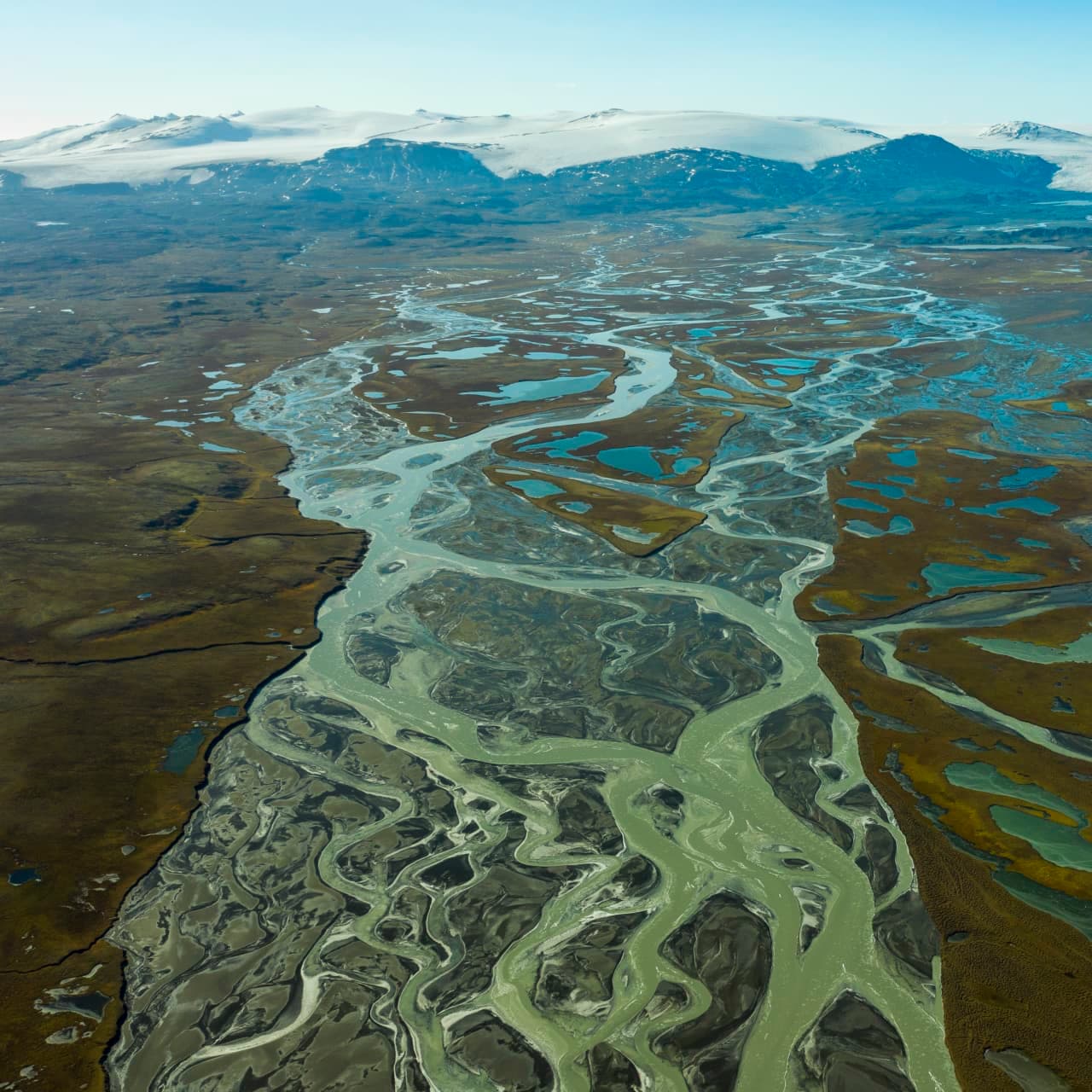
Eyjabakkar is not a quick classic stop like a roadside waterfall. Its value is the feeling of the East Highlands opening into braided glacial water, wet mossy ground, wide sky, Snæfell nearby, and birdlife that changes the pace of the visit.
Add Eyjabakkar when a route already gives time to Snæfell, Kárahnjúkavirkjun, or the inland side of East Iceland. Skip it when the day is mostly a Ring Road transfer, when the group wants easy services, or when low cloud removes the wetland and mountain scale.
Choose the Eyjabakkar version that fits the day
Visit style
Use it when
What to decide
Quick look
You are already in the Snæfell area and only need a sense of the wetland scale.
Keep the stop short and avoid turning it into a deeper highland commitment.
Balanced highland stop
Weather is clear and the day has room for Snæfell, Eyjabakkar, or Kárahnjúkar without rushing.
Let official road and weather checks decide how far inland the day should go.
Slow wetland day
Your plan is built around hiking, birdlife, and remote East Iceland rather than fast sightseeing.
Protect time for access, terrain, wildlife distance, and a easier backup.
Eyjabakkar is a highland wetland near Snæfell and the northeastern side of Vatnajökull, shaped by glacial water and protected for its ecological value
Eyjabakkar is a highland wetland near Snæfell and the northeastern side of Vatnajökull, shaped by glacial water and protected for its ecological value.
The landscape sits where glacial rivers, sediment, moss, ponds, and open highland flats meet. It feels greener and wetter than much of the surrounding interior, which is why regional and park sources describe it as an oasis in a sparse highland setting.
The Snæfell and Eyjabakkar area is also listed as a Ramsar wetland. For travelers, that matters less as a label and more as a behavior cue: move carefully, keep distance from wildlife, avoid disturbing nesting or moulting birds, and follow on-site signs or ranger instructions.
Eyjabakkar is a wetland landscape first, so the reward is scale, water patterns, and quiet rather than a single built viewpoint.
Eyjabakkar: a visit feels slow, exposed, and wildlife-sensitive, with the weather and ground conditions shaping how much you should try to do
A visit feels slow, exposed, and wildlife-sensitive, with the weather and ground conditions shaping how much you should try to do.
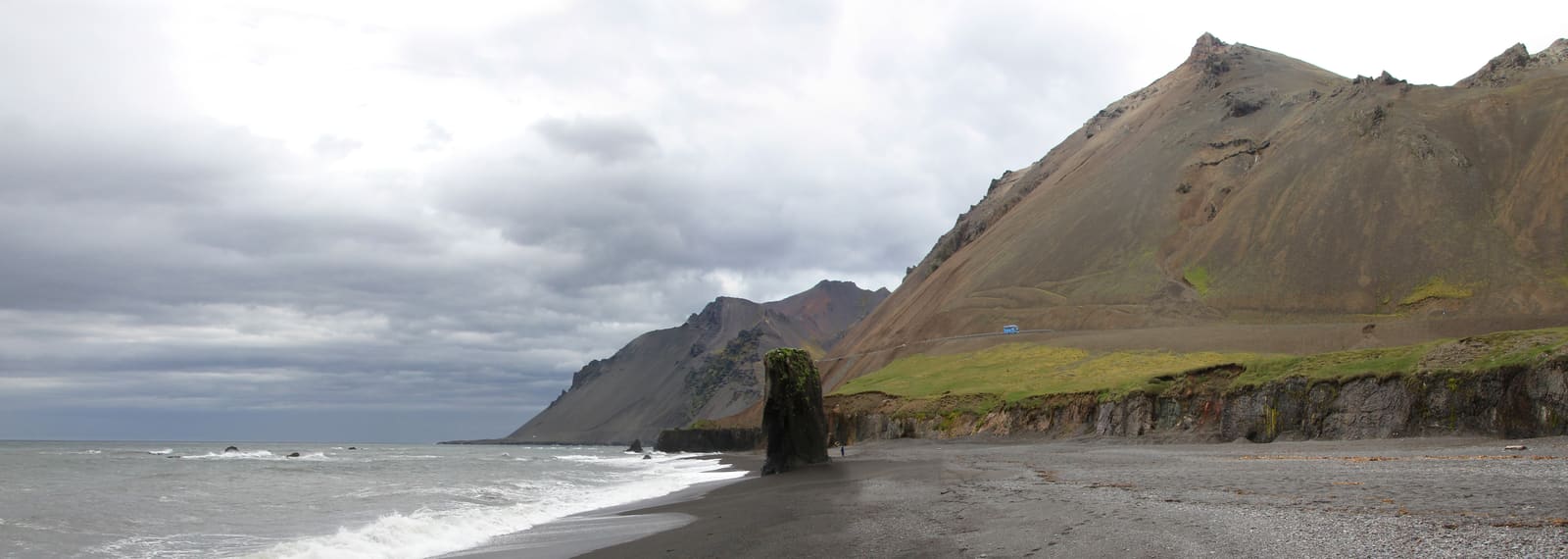
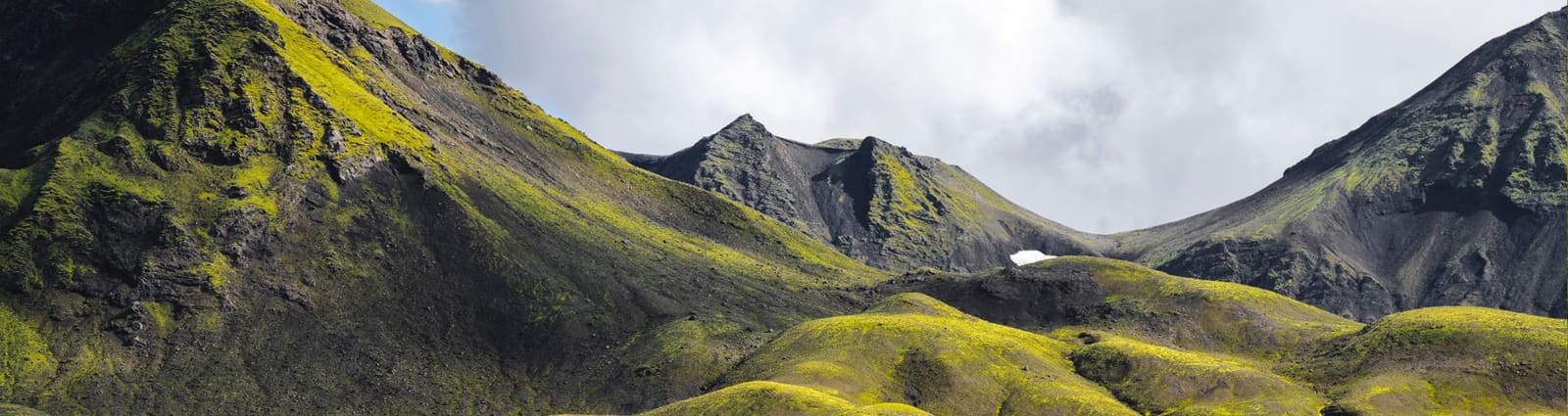
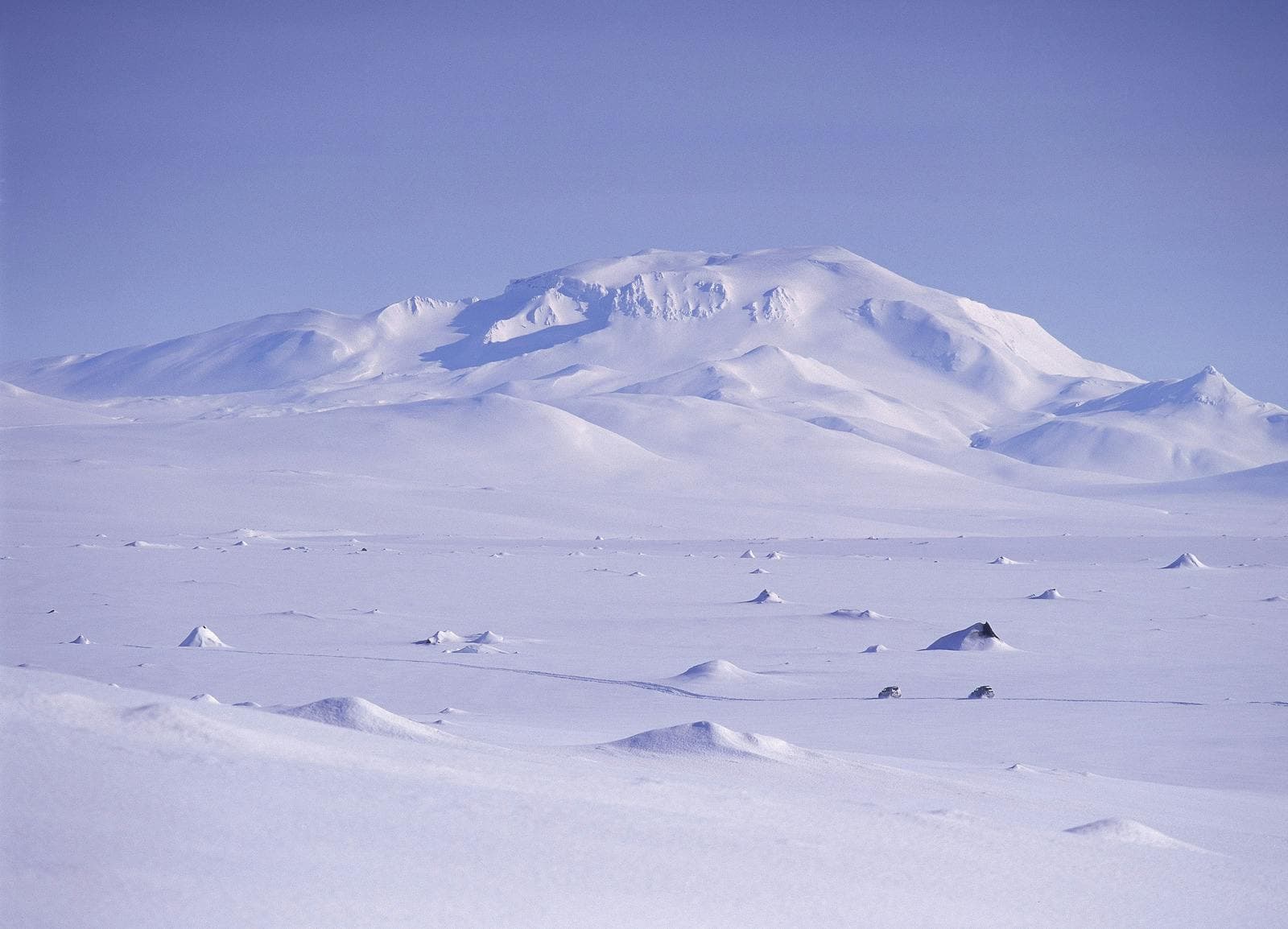
On a clear day the appeal is the contrast: bright water threads through dark sediment, green wetland patches sit below snow-streaked highland slopes, and Snæfell gives the whole area a mountain backdrop. On a poor-visibility day, the same detour can feel long and under-rewarding.
Do not plan Eyjabakkar as a guaranteed wildlife show. Pink-footed geese and reindeer are part of the area story, but sightings depend on season, distance, weather, and luck. The better expectation is a quiet highland wetland where wildlife presence changes how carefully you move.
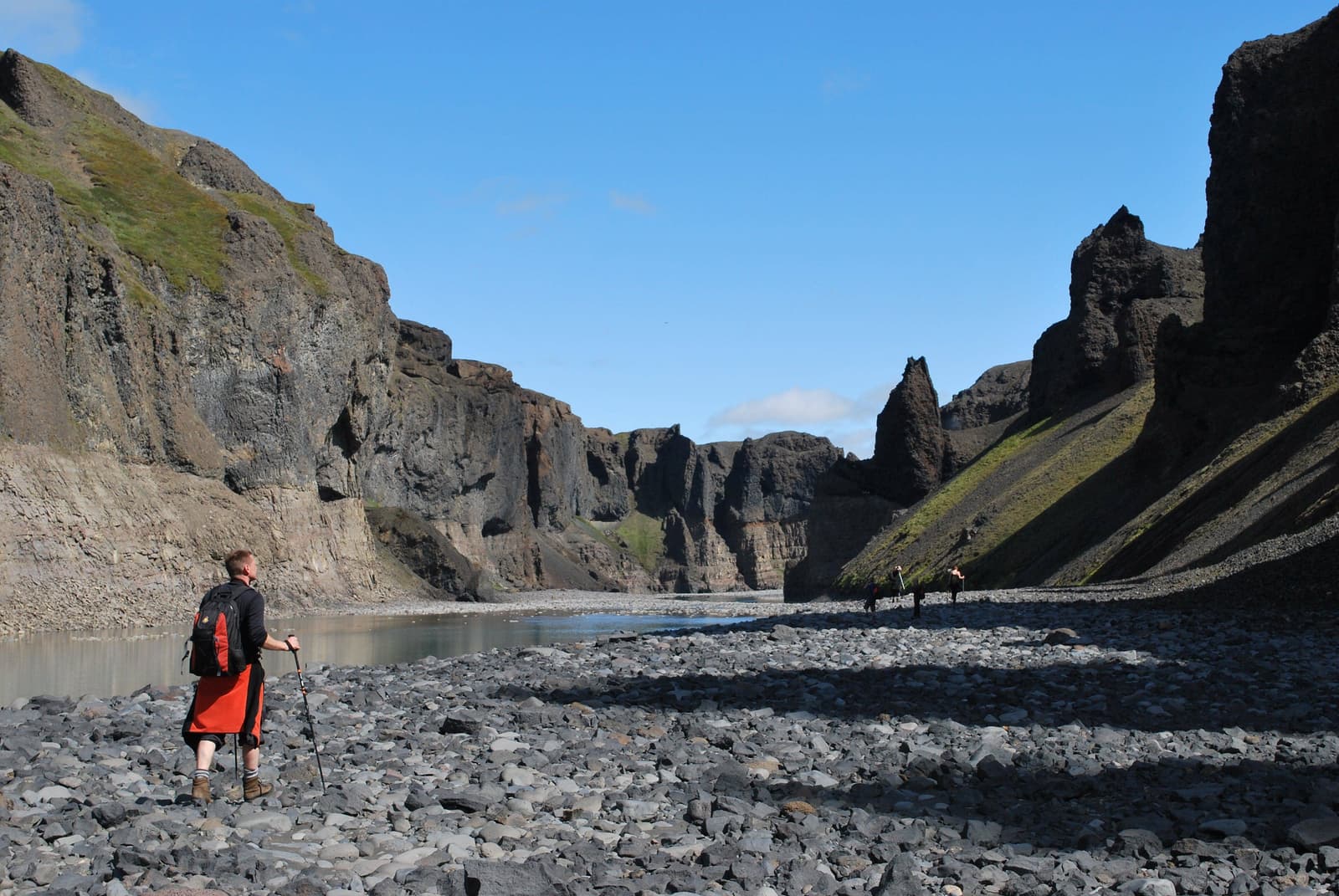
Close-up terrain can be wet, soft, and delicate, so the practical visit is slower than the map may suggest.
How should you plan access and timing?
Treat access as the deciding issue, because Eyjabakkar belongs to a highland day where road confidence, weather, daylight, and walking choices matter more than distance alone.
If you are already reading the Highlands road-trip planning guide or Driving in Iceland guidance, Eyjabakkar is the kind of stop where that preparation becomes practical. The road and trail decision should come before the sightseeing list, especially if your vehicle, daylight, or weather margin is limited.
For most travelers, Eyjabakkar works best as part of a deliberate Snæfell-area plan, not as a last-minute extension from the coast. Build in enough time to turn back, shorten the day, or switch to an easier East Iceland option if official conditions make the inland plan weak.
The approach around Snæfell is part of the decision; weather, ground, and route confidence matter as much as scenery.
Pair Eyjabakkar with nearby highland places only when the day has a clear inland purpose; otherwise choose easier East Iceland stops instead
Pair Eyjabakkar with nearby highland places only when the day has a clear inland purpose; otherwise choose easier East Iceland stops instead.
The natural highland pairing is Snæfell, because the mountain gives the wetland a clear landscape frame and helps justify the drive. Kárahnjúkavirkjun is the more engineered inland comparison: dam, reservoir, and highland-edge scale rather than wetland quiet.
If the inland plan starts to feel fragile, Seyðisfjörður is a better East Iceland fallback for a town, harbor, and fjord day. That is not the same experience, but it often makes a stronger route when visibility, road confidence, or group energy is low.
Snæfell gives Eyjabakkar its strongest nearby context: mountain scale, wetland, and highland access in the same decision.
Go inland if Snæfell, Eyjabakkar, and Kárahnjúkavirkjun together make a coherent highland day.
Stay lower if you mainly need an easier East Iceland route with less access uncertainty.
Use the East Iceland region guide to decide whether this is a side detour or a reason to slow the whole eastern leg.
Eyjabakkar: use official sources for the final call on access, weather, safety, protected-area behavior, and visitor details
Use official sources for the final call on access, weather, safety, protected-area behavior, and visitor details.
This page is planning guidance, not live field confirmation. The official park pages are the best starting point for protected-area context and trail descriptions, while road, weather, and safety sources should decide whether the day is sensible.
Use SafeTravel for highland-driving and remote-travel safety context.
Eyjabakkar FAQ
These are the questions that usually decide whether Eyjabakkar belongs in a real East Iceland plan.
Is Eyjabakkar an easy stop from the Ring Road?
No, Eyjabakkar is better treated as a deliberate East Iceland highland detour. It works best when the day already has room for Snæfell-area access checks, slower roads, and weather flexibility.
Can I count on seeing geese or reindeer at Eyjabakkar?
No, wildlife sightings are not guaranteed. Plan for wetland scenery and protected-area behavior first, then treat any birdlife or reindeer sighting as a bonus that requires respectful distance.
Do I need to check official information before going?
Yes, official checks should decide the final plan. Verify road conditions, weather, safety guidance, park information, and any visitor details before making Eyjabakkar part of a tight day.
What is the best nearby comparison?
Snæfell is the best comparison if you want mountain and highland wilderness context. Kárahnjúkavirkjun is better if you are weighing dam, reservoir, and inland-road scenery instead of wetland quiet.