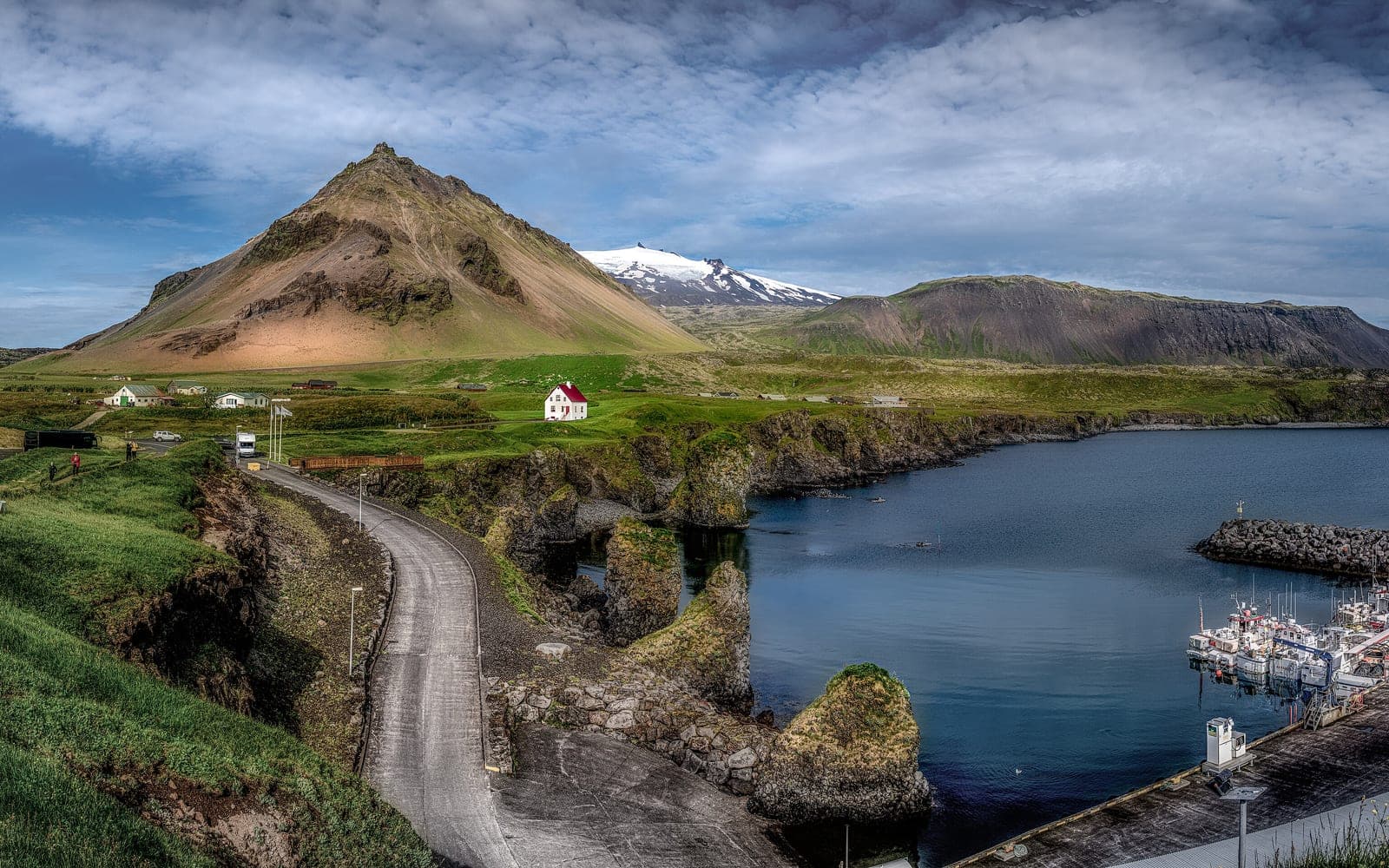
Rauðfeldsgjá Gorge is a narrow mossy fissure on south Snæfellsnes, worth adding when you want a short, memorable canyon walk and can treat the wet inner gorge as optional.
Geology snapshot
Type
Narrow gorge, rock fissure, stream walk, and folklore site
Region
South Snæfellsnes, near Arnarstapi and Botnsfjall
Route role
Best as a short add-on to Arnarstapi, Gatklettur, Sönghellir Cave, or a Snæfellsnes Peninsula Road Trip
Time to allow
A short stop, with extra buffer if you walk into the wet inner gorge
When the day has space for a short, slightly rough gorge stop near Arnarstapi
Yes, when the day has space for a short, slightly rough gorge stop near Arnarstapi. Skip it when the loop is already too full or the inner gorge would feel forced.
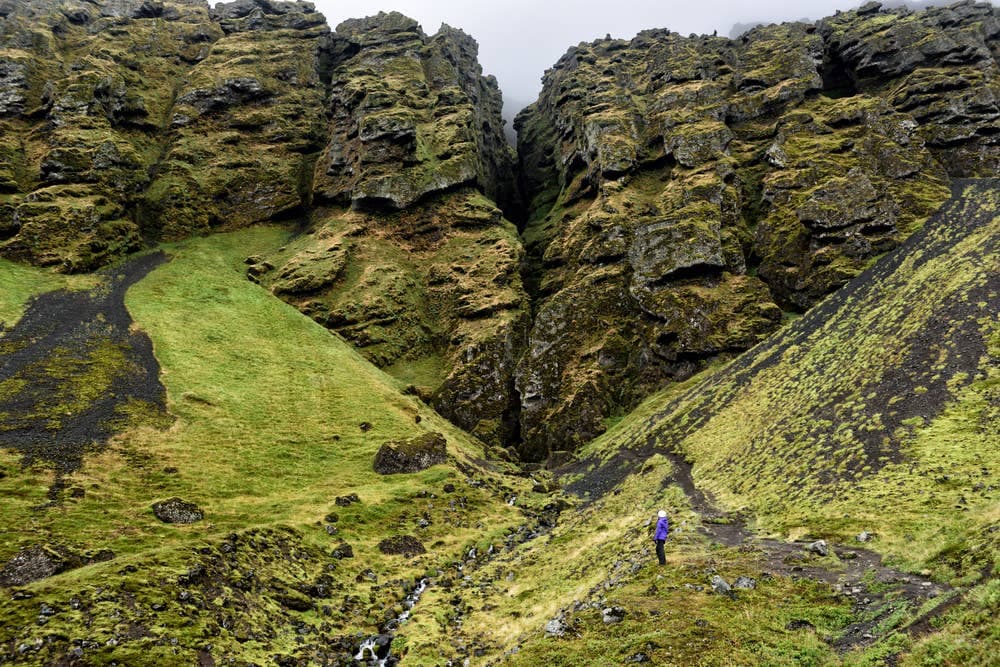
Rauðfeldsgjá looks minor from the road: a thin dark split in a green-brown mountain wall. The reward comes when you walk up to it and the hillside suddenly opens into a narrow, damp, mossy fissure with a stream running through the floor.
Add Rauðfeldsgjá to a flexible Arnarstapi and Gatklettur day, especially for travelers who want one stop that feels less polished than the main viewpoints. Cut it from a rushed Snæfellsnes Peninsula Road Trip if Lóndrangar, Vatnshellir Cave, Snæfellsjökull, Ytri Tunga Beach, and Kirkjufell are already competing for the same daylight.
Rauðfeldsgjá Gorge: the visit starts as an open hillside walk and becomes a narrow canyon experience
The visit starts as an open hillside walk and becomes a narrow canyon experience: darker, colder, wetter, and more enclosed than the approach suggests.
The outside view gives you the scale first. The fissure cuts into Botnsfjall, with rough volcanic rock, moss, small water channels, and a clear sense that the actual attraction is hidden inside the crack rather than spread across a wide viewpoint.
The inner gorge is the memorable part, but wet stones and cold water make judgement more important than speed.
Inside, the mood changes quickly. Sound tightens, the light drops, and the stream makes the footing part of the experience. You do not need to push far to understand the place; for many travelers, reaching the mouth and stepping carefully into the first section is enough.
The folklore layer adds texture without needing to dominate the stop. The name is tied to Rauðfeldur and the Bárður Snæfellsás stories of Snæfellsnes, which makes the gorge feel connected to the same saga landscape as Arnarstapi and Sönghellir Cave.
Treat Rauðfeldsgjá as a short stop with a flexible end point
Treat Rauðfeldsgjá as a short stop with a flexible end point. The approach is the easy part; the decision is how far, if at all, to continue inside the wet gorge.
Most plans should allow enough time to walk up, read the conditions, take in the opening, and decide calmly whether the inner section suits the group. The useful mistake to avoid is calling it a quick photo stop and then discovering that wet shoes, slippery stones, or slow movement through the fissure change the rhythm of the day.
Wear footwear that can handle mud, stones, and shallow water rather than dressing only for roadside sightseeing.
Keep the inner gorge optional if anyone is uncomfortable with enclosed space, slick surfaces, or cold water.
Give the stop more room in poor weather, after heavy rain, or when winter surfaces make every step slower.
Use official road and weather guidance before making the stop fixed in a long Snæfellsnes loop.
Follow on-site signs and local guidance, and turn back before the route asks for scrambling beyond your comfort level.
Rauðfeldsgjá works best as one textured south-side stop, not as a standalone detour
Rauðfeldsgjá works best as one textured south-side stop, not as a standalone detour. Build it around Arnarstapi, Gatklettur, and the wider Snæfellsnes sequence.
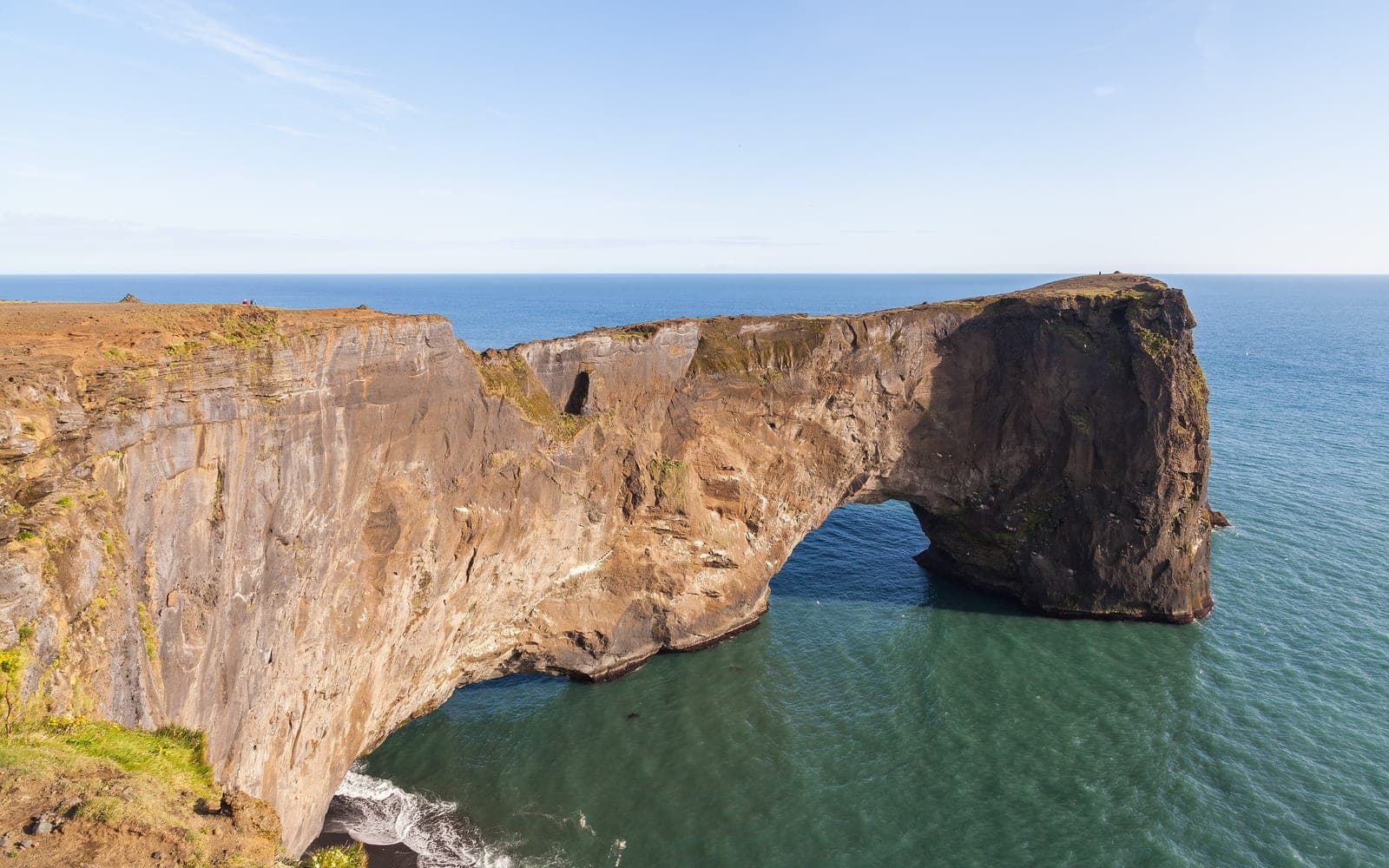
The cleanest nearby cluster is Arnarstapi, Gatklettur, Sönghellir Cave, and Rauðfeldsgjá. That gives you village cliffs, a basalt sea arch, a folklore echo cave, and a narrow gorge without turning the whole day into disconnected backtracking.
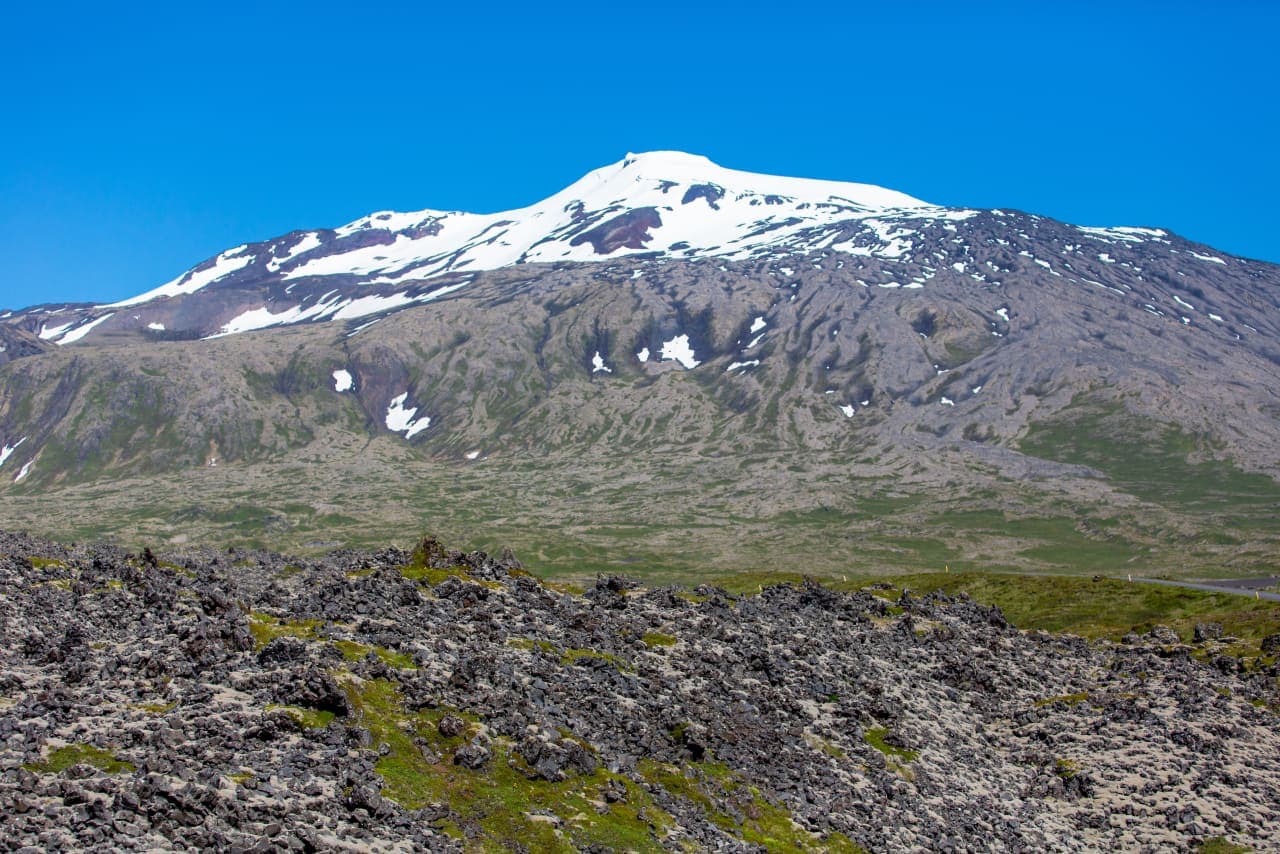
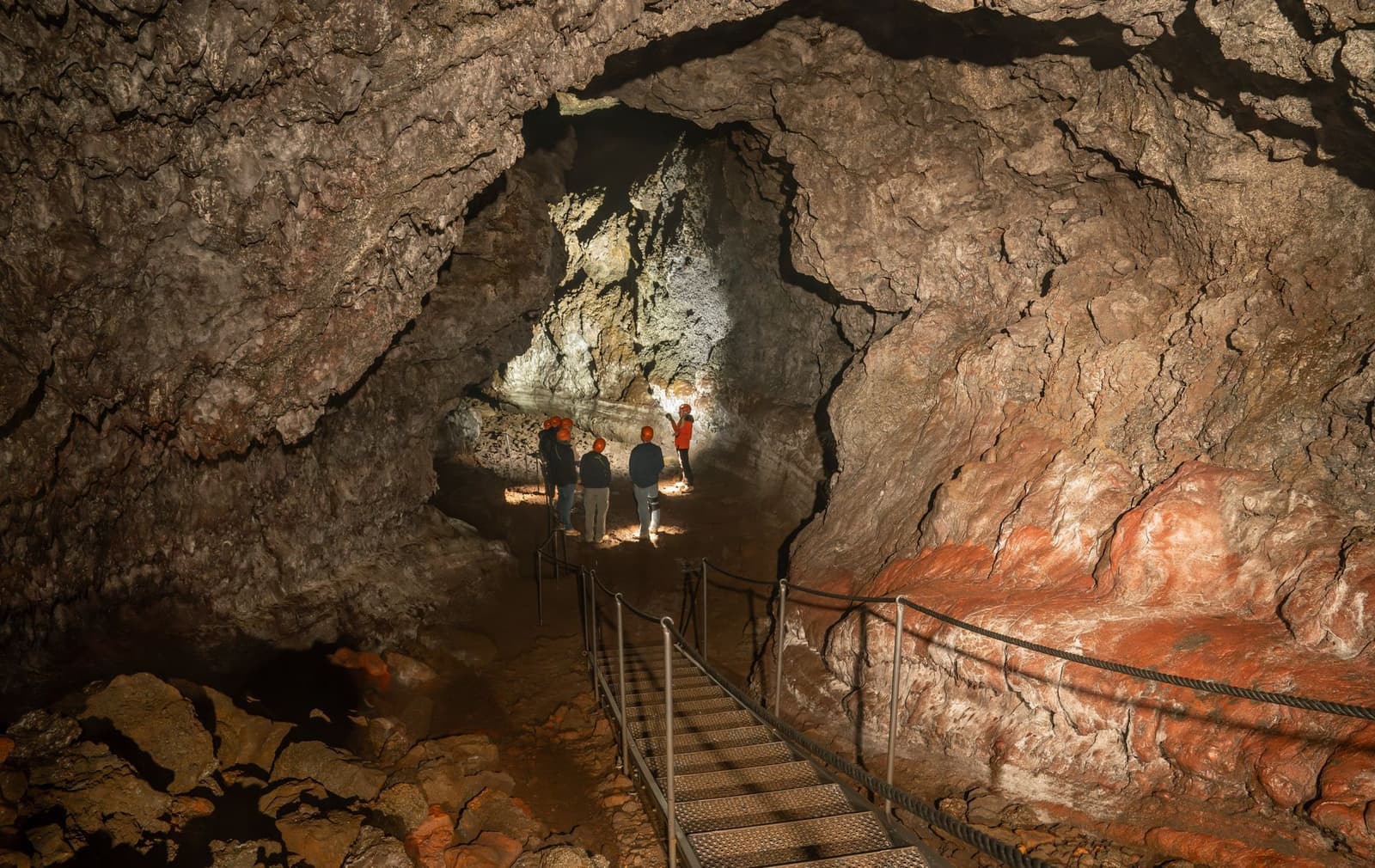
If you continue west, Lóndrangar and Vatnshellir Cave shift the day toward national-park geology and bigger volcanic forms. If the plan loops wider around the peninsula, Snæfellsjökull, Ytri Tunga Beach, and Kirkjufell become stronger anchors than forcing every small south-coast stop.
Rauðfeldsgjá route-fit choices
Trip shape
How Rauðfeldsgjá works
Best decision
Flexible south Snæfellsnes day
Adds a memorable wet-gorge contrast between Arnarstapi, Gatklettur, and Sönghellir Cave.
Add it if conditions and group confidence are straightforward.
Full peninsula loop
Can become one stop too many when the western peninsula anchors already fill the day.
Keep it optional and protect the bigger route priorities.
Poor-weather or icy day
The entrance may still be atmospheric, but the inner gorge can lose its margin quickly.
Check official guidance and be ready to turn back early.
Check conditions before you treat Rauðfeldsgjá as fixed
Check conditions before you treat Rauðfeldsgjá as fixed. The gorge is close to the main south-side route, but its wet inner section makes official guidance useful.
Use official road conditions for the drive around Snæfellsnes, the Icelandic Meteorological Office for wind, precipitation, and visibility, and SafeTravel for broader outdoor-safety preparation. Winter Driving in Iceland is a useful planning read when the stop sits inside a cold-season self-drive.
Also check Snæfellsjökull protected-area and visitor information before relying on signs, local restrictions, or access assumptions. Rauðfeldsgjá sits just outside the national-park core in many visitor descriptions, but the practical trip still belongs to the same south Snæfellsnes landscape.
Useful for route context, visit rhythm, and place-specific orientation.
Rauðfeldsgjá Gorge FAQ
Most planning questions come down to whether the inner gorge is a good idea for your group, day, and conditions.
Can you enjoy Rauðfeldsgjá without going far inside?
Yes. The entrance and first narrow section can still give you the place’s scale, mossy walls, and atmosphere without committing to deeper wet footing.
Is Rauðfeldsgjá a good stop with children?
It can be, but only with close judgement. The outer approach may feel simple, while the inner gorge adds slippery stones, cold water, and enclosed-space decisions.
Should you enter Rauðfeldsgjá in winter?
Only if conditions, footing, and your group’s experience make it sensible. Ice, snow, and cold water can make the inner gorge a poor risk even when the entrance looks tempting.
What should you bring for Rauðfeldsgjá?
Bring footwear and clothing that can handle wet rock, cold water, wind, and slower movement. The best plan is also to bring a willingness to turn back early.