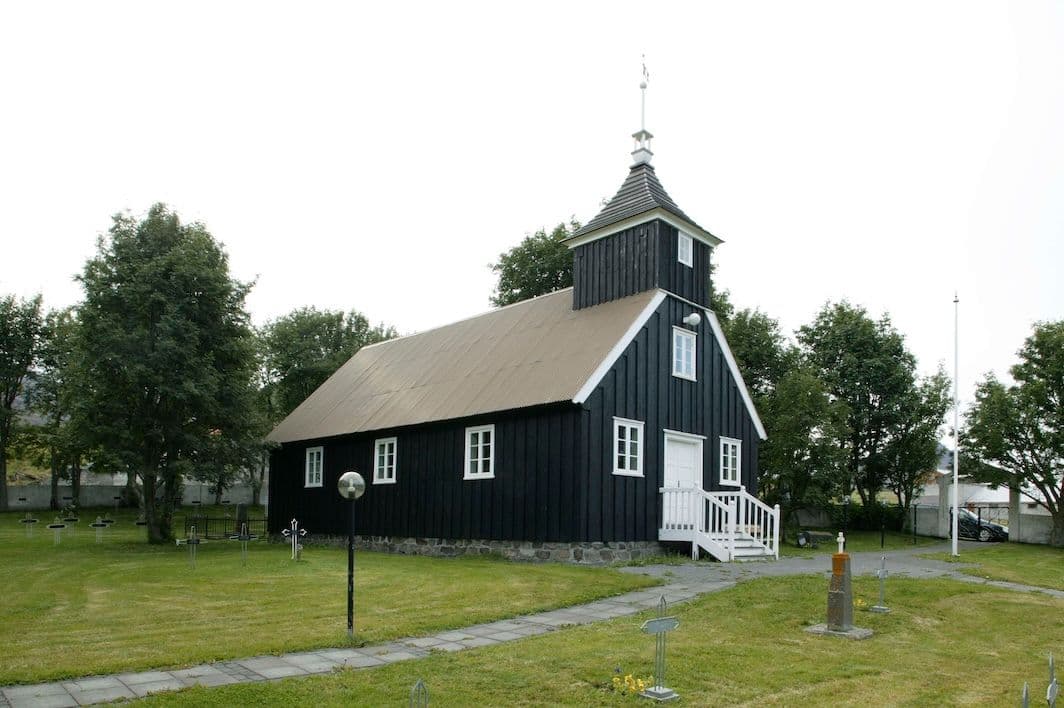
Is Munkaþverárkirkja worth the detour?

Yes, Munkaþverárkirkja is worth a short detour if you are already spending time around Akureyri or Eyjafjörður and want a quiet cultural stop. It is not the stop to force into a rushed first Ring Road day.

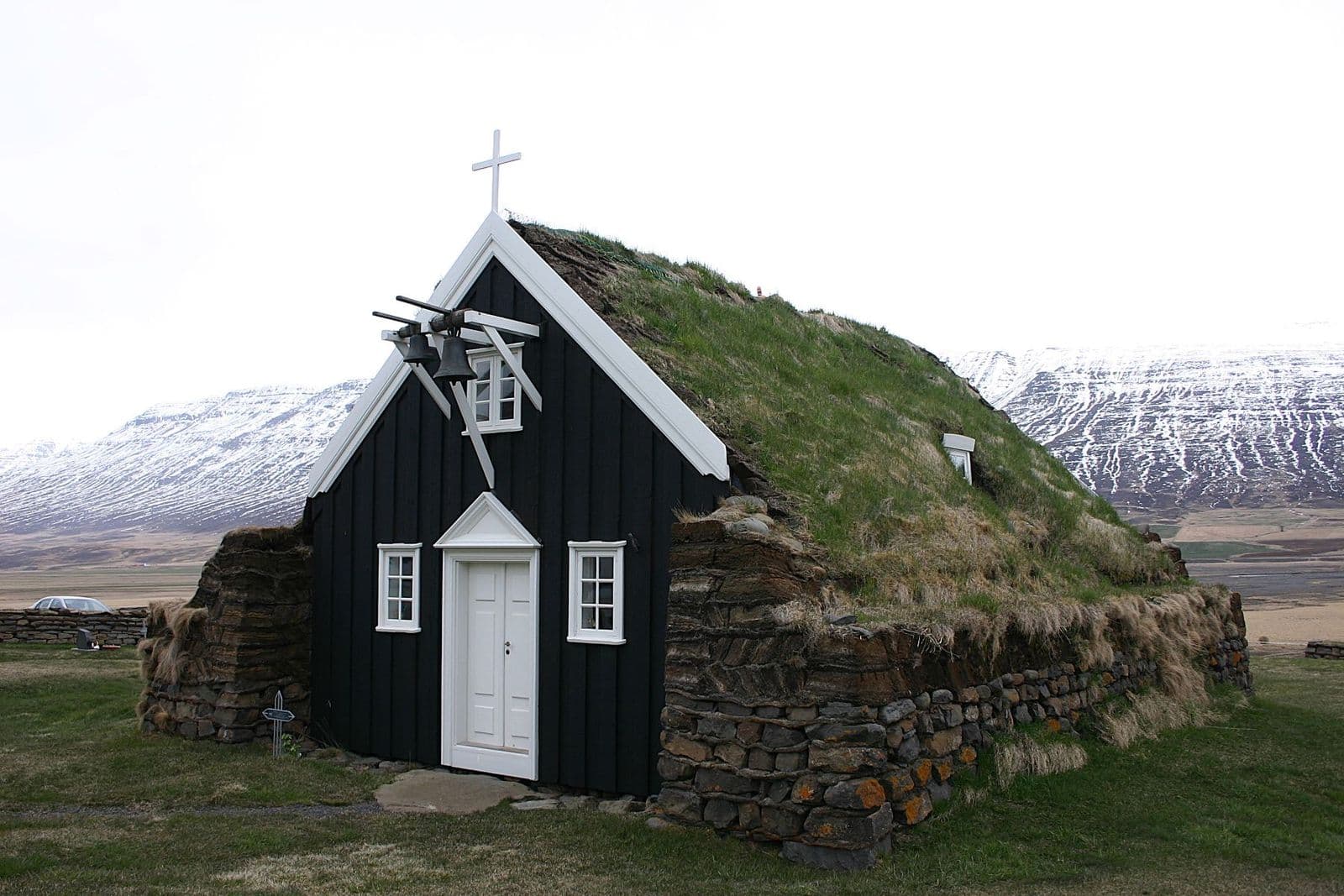
The church is small, rural, and understated: dark timber walls, a red roof, white trim, a low tower, a churchyard, and a mountain-backed valley setting. The appeal is not spectacle. It is the feeling of pausing at a historic church site that sits just outside the main North Iceland headline route.

A local Iceland travel editor would add Munkaþverárkirkja when a traveler has a slow Akureyri base day, a church-history interest, or a plan that also includes Saurbæjarkirkja. They would skip it when the day already needs clean time for Goðafoss, Mývatn, or Dettifoss.

Worth the stop?

When this stop makes sense

Good match for

  • travelers adding a quiet cultural stop near Akureyri
  • North Iceland self-drivers interested in historic churches
  • visitors pairing Eyjafjörður valley scenery with a short heritage pause
  • photographers who like small timber churches and rural churchyards

Think twice if

  • first-time trips that only have room for one major North Iceland sight
  • travelers expecting a staffed museum-style attraction

Pair it with

North IcelandSaurbæjarkirkjaGoðafoss WaterfallLake Mývatn

What kind of church is Munkaþverárkirkja?

Munkaþverárkirkja is a protected timber church from 1844 on a site with deeper religious history. For travelers, that makes it a compact heritage stop rather than a full museum visit.

The National Church of Iceland describes the church as a protected timber building from 1844, designed by Þorsteinn Daníelsson of Skipalón. Its exterior is modest but distinctive: vertical dark cladding, a corrugated roof, a low square tower, white-framed windows, and a stone base.

Munkaþverárkirkja is best understood as a quiet timber-church stop, not a major staffed attraction.

The site also carries former monastery context. Guide to Iceland describes a Benedictine monastery established at Munkaþverá in the Middle Ages, and the wider Eyjafjörður church-history source connects the place with Jón Arason, the last Catholic bishop in Iceland.

What will the visit feel like?

Expect a short, quiet stop: a churchyard, trees, valley air, and a building that rewards close looking more than fast sightseeing.

The most dependable visit is outside. Walk slowly around the churchyard, look at the timber form and low tower, and use the mountain backdrop to place the stop inside Eyjafjörður rather than treating it as an isolated dot on the map.

If you are comparing church stops, Munkaþverárkirkja feels different from Saurbæjarkirkja. Saurbæjarkirkja is the stronger turf-church curiosity; Munkaþverárkirkja is quieter, darker, and more tied to the former monastery story.

How much time should you allow?

Allow about 15-35 minutes if Munkaþverárkirkja is a short detour. Give it more time only when you are intentionally exploring Eyjafjörður churches or local heritage sites.

Simple ways to use Munkaþverárkirkja in a North Iceland day
Visit styleBest whenTime to protect
Quick exterior pauseYou are passing through Eyjafjörður and want one quiet heritage stop15-25 minutes
Church-history pairingYou are also comparing Saurbæjarkirkja or other Eyjafjörður churches30-60 minutes across the pair
Slow Akureyri base dayYou have a flexible valley day and want secondary cultural textureA loose half-day with other nearby stops

Do not let the stop crowd out the main movement of the day. If you still need to reach Goðafoss, Mývatn, or Dettifoss, keep Munkaþverárkirkja short and treat it as a texture stop, not the anchor.

What should you pair nearby?

The best pairings depend on whether your day is culture-led or route-led. Munkaþverárkirkja works cleanly with nearby church stops, but it can also sit before a larger North Iceland landscape day.

  • Choose Saurbæjarkirkja if you want another church stop with a stronger turf-building contrast in the same broad valley area.
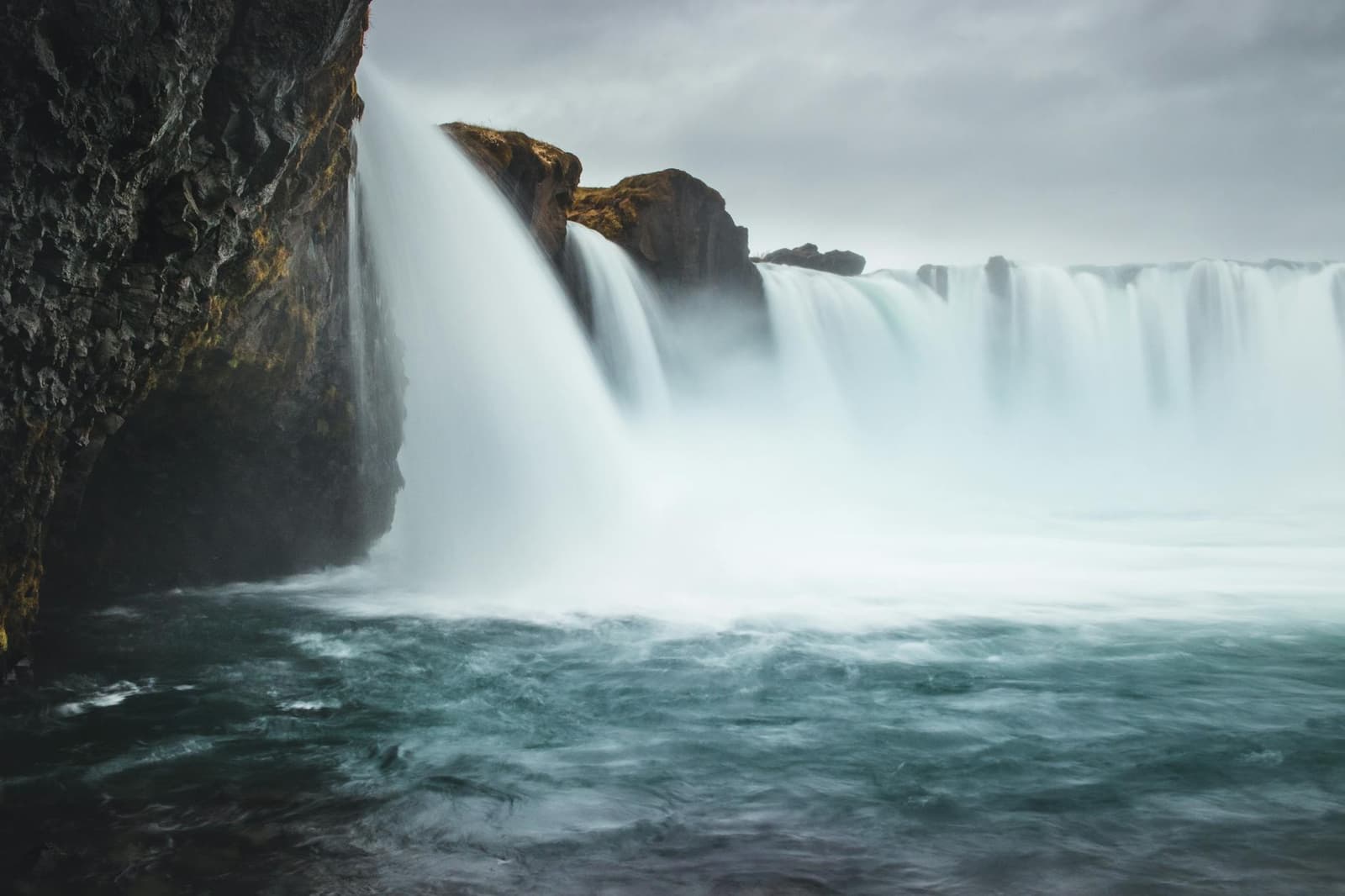
  • Choose Goðafoss if the day needs one clear North Iceland landmark after a quiet cultural pause.
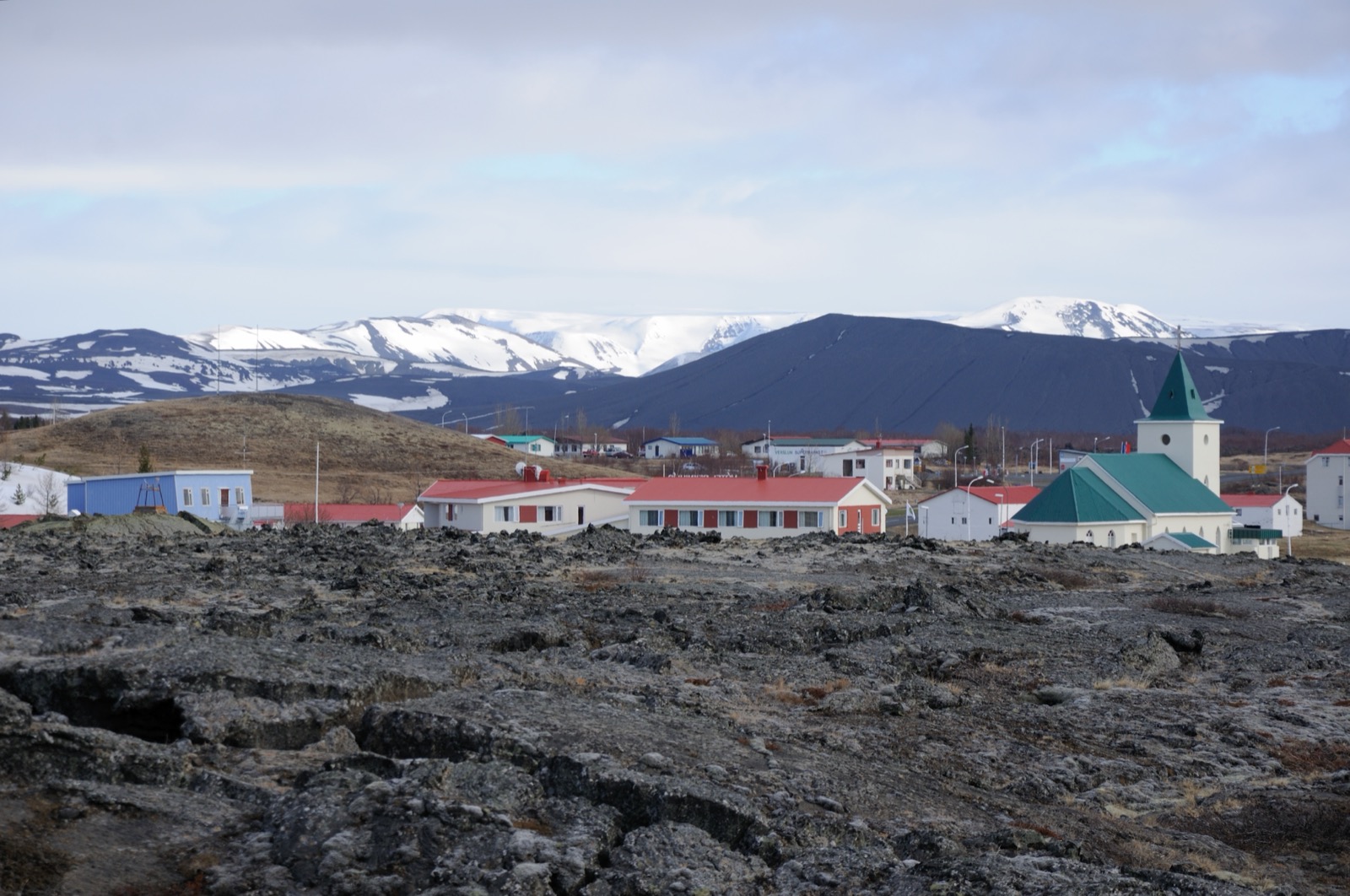
  • Choose Mývatn if the route is becoming a larger lake, geothermal, and lava-field day.
  • Choose the North Iceland region guide if you are still deciding whether Akureyri, Eyjafjörður, Goðafoss, Mývatn, and Dettifoss all fit the same trip.

On a tight itinerary, the cleanest decision is to choose either a cultural detour or a faster move east. On a slower trip, Munkaþverárkirkja can make the Akureyri area feel less like a fuel-and-sleep stop and more like part of the journey.

What should you check before going?

Check official church, local visitor, road, and weather sources before relying on interior access, local arrangements, or rural driving conditions.

For the attraction decision, the durable facts are simple: this is a protected timber church in Eyjafjarðarsveit, with a former monastery story and a short-stop rhythm. The fragile parts are visitor access, events, services, road surface, and weather.

Official and practical checks

Can you go inside Munkaþverárkirkja?

Do not rely on interior access without checking official church or local visitor information first. The exterior, churchyard, and setting are the dependable reasons to add the stop.

Is Munkaþverárkirkja a main North Iceland attraction?

No, it is better treated as a short cultural detour near Akureyri. Goðafoss, Mývatn, and Dettifoss are stronger anchors for most first-time North Iceland routes.

Is Munkaþverárkirkja worth visiting in winter?

It can be, but only as a short stop with road, weather, and daylight checks. Do not add it if the detour weakens a tighter winter driving plan.