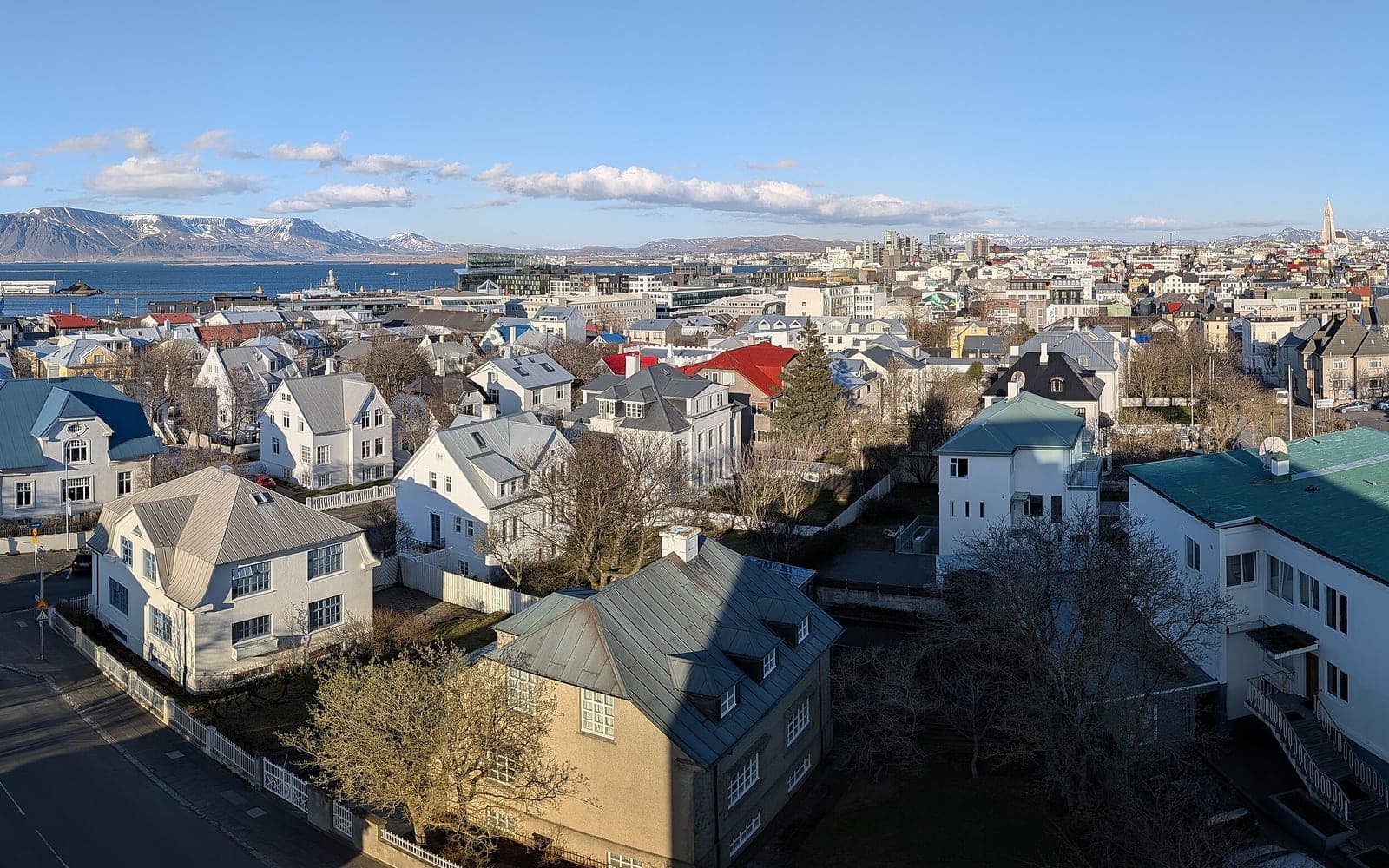
Mosfellsbær is a green town on Reykjavík's eastern edge, useful when a city-based day needs local hikes, Laxness culture, small waterfalls, and an easy choice between quiet suburb texture and bigger route anchors nearby.
Town snapshot
Type
Town, local nature base, cultural stop cluster, and Reykjavík-area destination area
Region
Capital area, east of Reykjavík and close to Mosfellsdalur
Time to allow
45-90 minutes for one focused stop, or 2-4 hours when combining a hill, waterfall, museum, or Álafoss
Best experience
A flexible day that values local texture, green views, and smaller stops over headline sightseeing
Access reality
Easiest with a car or a checked local transport plan; verify visitor details and conditions before fixing the day
In this guide
Mosfellsbær is worth adding when you want a green
Yes, Mosfellsbær is worth adding when you want a green, local-feeling break close to Reykjavík, especially if a short hike, Gljúfrasteinn, Álafoss, or a small waterfall already interests you.
Mosfellsbær sits on the capital-area edge, where suburban streets quickly give way to hills, river corridors, older wool-mill buildings, and the rural mouth of Mosfellsdalur. It is not a headline sight in the same way as Þingvellir or Gullfoss. Its value is the easy shift from Reykjavík into a quieter local landscape.
Add Mosfellsbær for a repeat visitor, a family that needs a softer outdoor day, or a Reykjavík-based traveler who wants culture and nature without a long drive. Skip it for a first trip that has not yet protected time for the Golden Circle, South Coast, or a larger regional plan.
What does Mosfellsbær feel like when you visit?
Expect a working town with green edges rather than a single ticket-style attraction. The memorable part is how quickly the day can move from Reykjavík streets into river paths, low hills, valley views, and small cultural stops.
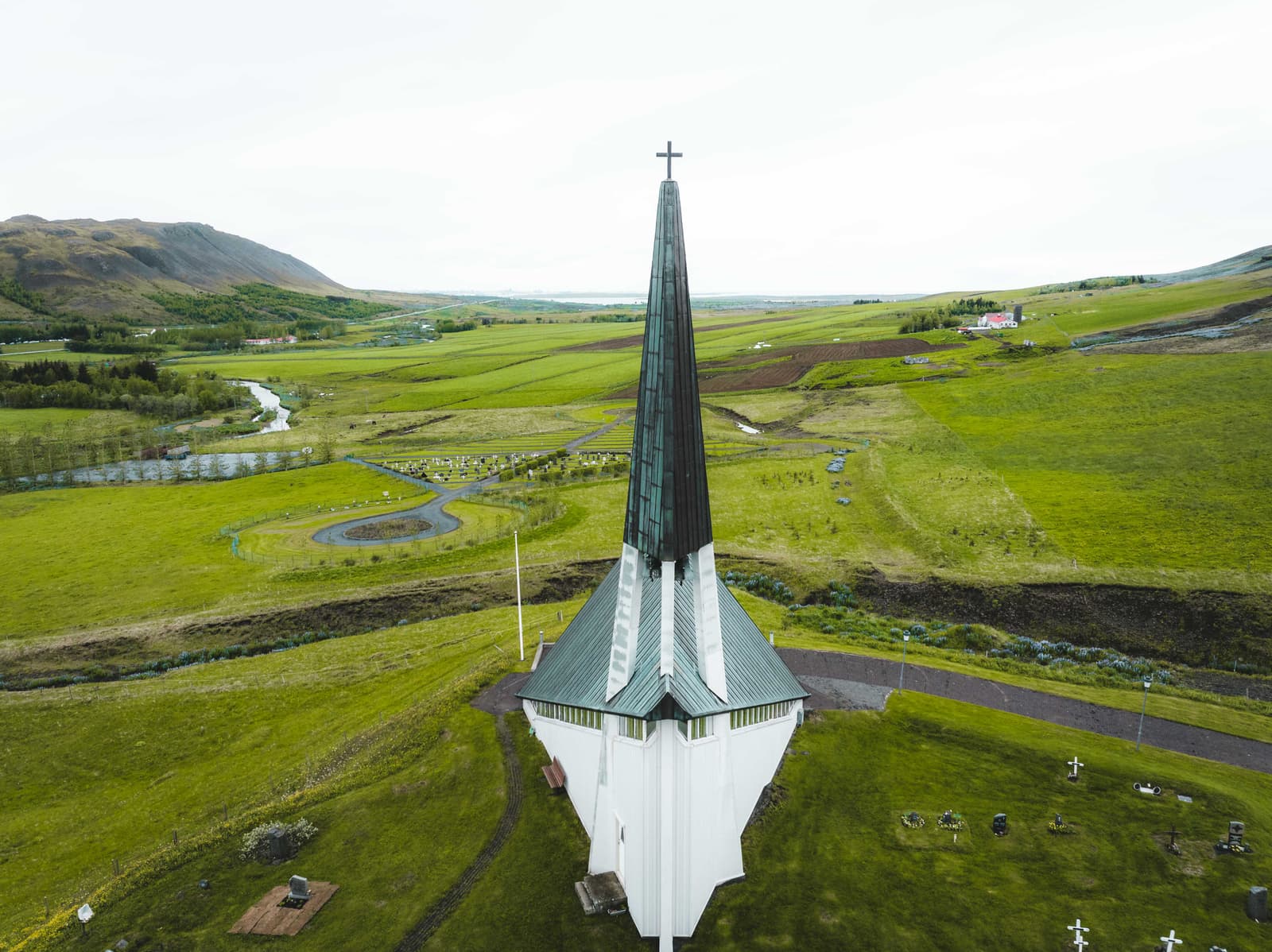
The town's texture is mixed: homes and local roads, the Varmá river corridor, the Álafosskvos wool-mill area, churches and farms toward Mosfellsdalur, and hill routes above the capital-area suburbs. It feels useful when you want a real place, not just another viewpoint.
Helgufoss is one reason Mosfellsbær can become a short outdoor loop rather than only a town stop.
The best visit usually has one clear anchor. If you want literature and home-museum context, build around Gljúfrasteinn. If you want water and walking, compare Helgufoss, Álafoss, Hafravatn, and the Varmá area. If you want elevation, compare Úlfarsfell, Hafrafell, and Mount Esja before deciding how much effort belongs in the day.
Mosfellsbær is weaker as a checklist stop. It becomes better when it solves a planning problem: you need a quiet half-day near the capital, a weather-flexible outdoor option, or a local contrast after Hallgrímskirkja, Perlan, or the Sun Voyager.
Which version of Mosfellsbær should you choose?
Choose the stop by mood and effort, not by trying to cover the whole town. Mosfellsbær can be a culture stop, an easy green pause, a waterfall pairing, or a short-hike base.
Mosfellsbær works best when you choose one practical version of the stop.
Version
Best use
What to check
Gljúfrasteinn and Mosfellsdalur
Laxness culture, valley scenery, and a calmer countryside feel near Reykjavík
Official visitor information, weather, and whether a valley walk fits the day
Álafoss and Varmá
Industrial-history texture, river scenery, wool-mill buildings, and a small protected waterfall
Local access details, walking surfaces, and whether nearby businesses suit your plan
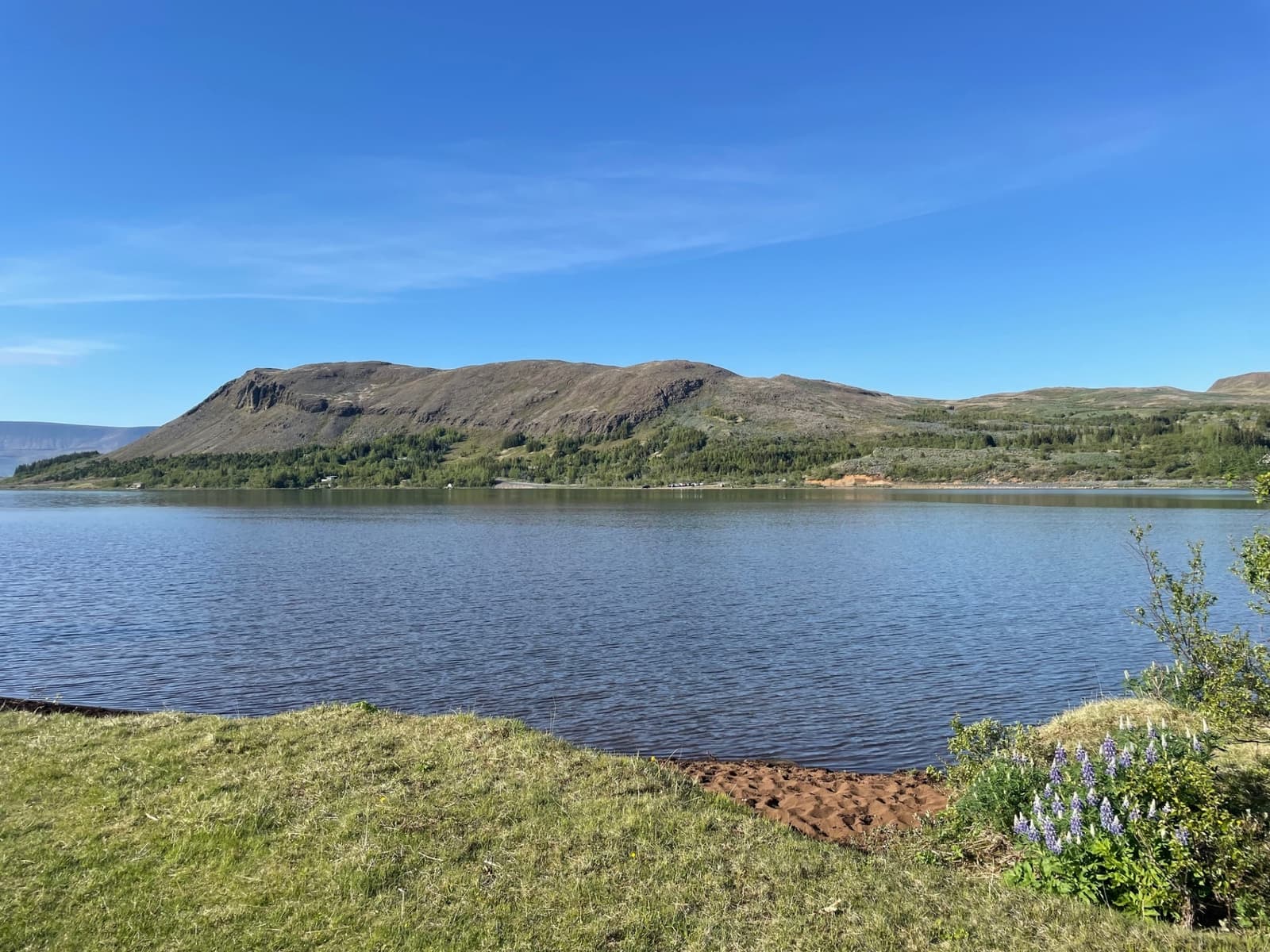
A short local nature outing with lake, hill, or city-edge views
Weather, daylight, route surfaces, and official safety guidance
Mount Esja side trip
A stronger hiking objective when the day needs more effort and a wider view
Forecast, footing, daylight, and whether Esja displaces easier local stops
For most travelers, one or two of these versions is enough. A culture-first plan might pair Gljúfrasteinn with Álafoss. An outdoor-first plan might pair Hafravatn with Hafrafell or Úlfarsfell. A stronger hiking day may move the focus away from the town and toward Mount Esja.
Mosfellsbær can be brief, but it should not be squeezed in blindly
Mosfellsbær can be brief, but it should not be squeezed in blindly. Allow enough room for the version you choose, plus weather, local roads, walking surfaces, and the return to Reykjavík.
A focused Álafoss or Gljúfrasteinn stop can be a compact addition to a Reykjavík day. A lake, waterfall, or hill pairing needs more breathing room because the value comes from slowing down, walking a little, and letting the local setting do the work.
Álafoss adds a small protected waterfall and industrial-history layer to a Mosfellsbær stop.
Go for Mosfellsbær if your Reykjavík day needs a local green break rather than another city landmark.
Skip it if your itinerary still lacks a major first-trip anchor or if bad weather removes the outdoor appeal.
Check official visitor information before depending on Gljúfrasteinn, Álafoss, specific walking paths, or local transport timing.
Use SafeTravel, the Icelandic Met Office, and Icelandic road-condition information before making nearby hills or winter driving part of a tight plan.
Mosfellsbær: the cleanest pairings stay close
The cleanest pairings stay close. Mosfellsbær works best with nearby capital-area nature or Reykjavík landmarks, not as a random detour inside a packed long-distance route.
Hafravatn is the easiest nature comparison when you want lake views and a simple walking decision. Hafrafell is better when you want a modest climb above the lake. Úlfarsfell fits if the day needs a short hill with broader Reykjavík-area views.
Mount Esja is the bigger hiking alternative. It can be a better main objective when weather and energy are strong, but it may make Mosfellsbær itself feel like background. Perlan and Hallgrímskirkja are useful contrasts when the day starts in the city and then shifts outward.
If you are building a first itinerary, treat Mosfellsbær as optional. It can improve a Reykjavík base day, but it should not push out Þingvellir, a clear Golden Circle loop, or the stronger South Coast stops that define many first trips.
Mosfellsbær: check details close to the visit if your plan depends on a museum stop, a specific walking route, winter roads, or a hill outing
Check details close to the visit if your plan depends on a museum stop, a specific walking route, winter roads, or a hill outing. Mosfellsbær is easy to underestimate because it sits so close to Reykjavík.
Use the official area page for broad Mosfellsbær and Mosfellsdalur context, the municipality's outdoor-route information for local walking ideas, Gljúfrasteinn for museum visitor details, and the Environment Agency for Álafoss protected-area context. For outdoor plans, add SafeTravel, Icelandic weather guidance, and road-condition checks.
Use before committing to nearby hills, waterfalls, or exposed walks.
Mosfellsbær FAQ
These questions matter because Mosfellsbær looks simple on a map, but the best version of the stop depends on the purpose of your Reykjavík day.
Is Mosfellsbær a must-see attraction?
No, Mosfellsbær is not a must-see for most first trips. It is most useful as a flexible local nature and culture stop when Reykjavík is already part of the plan.
Can Mosfellsbær work without a car?
Yes, some versions can work with a checked local transport plan, but a car makes nearby hills, lakes, waterfalls, and valley stops much easier to combine.
Should I choose Mosfellsbær or Mount Esja?
Choose Mosfellsbær for a softer mixed stop with culture, rivers, and small local sights. Choose Mount Esja when the day is mainly about a stronger hike and broad views.
What should I check before adding Mosfellsbær?
Check official visitor information, weather guidance, road conditions, and safety guidance if your plan depends on a museum visit, specific walking route, waterfall access, or winter surfaces.