Hvalfjörður is a broad fjord north of Reykjavík where Route 47 gives self-drive travelers a slower scenic alternative to the tunnel, worth adding when you want quiet viewpoints, Glymur access, and West Iceland context.
Area snapshot
Type
Scenic fjord, viewpoint area, and Route 47 self-drive detour
Region
West Iceland, north of Reykjavík and south of Akranes and Borgarnes
Route context
Use it as a slower alternative to the tunnel when the fjord road is part of the day
Time to allow
Planning allowance: 1.5–2 hours around the fjord with brief stops; add separate time for hikes or bathing
Best experience
A relaxed self-drive day with time for pullouts, valley views, and one or two chosen stops
In this guide
Is Hvalfjörður worth the Route 47 detour?
Yes, Hvalfjörður is worth the detour when you want the drive itself to be part of the day. Skip it when you only need the fastest way toward Borgarnes, Snæfellsnes, or North Iceland.
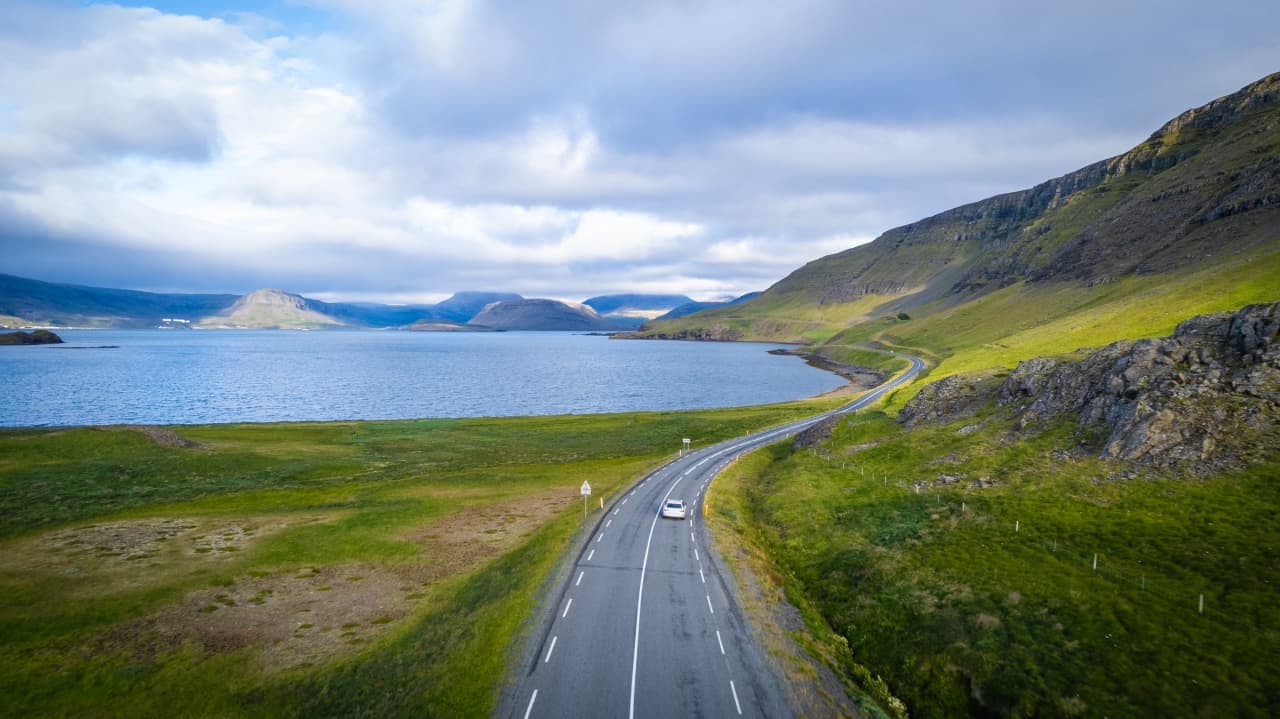
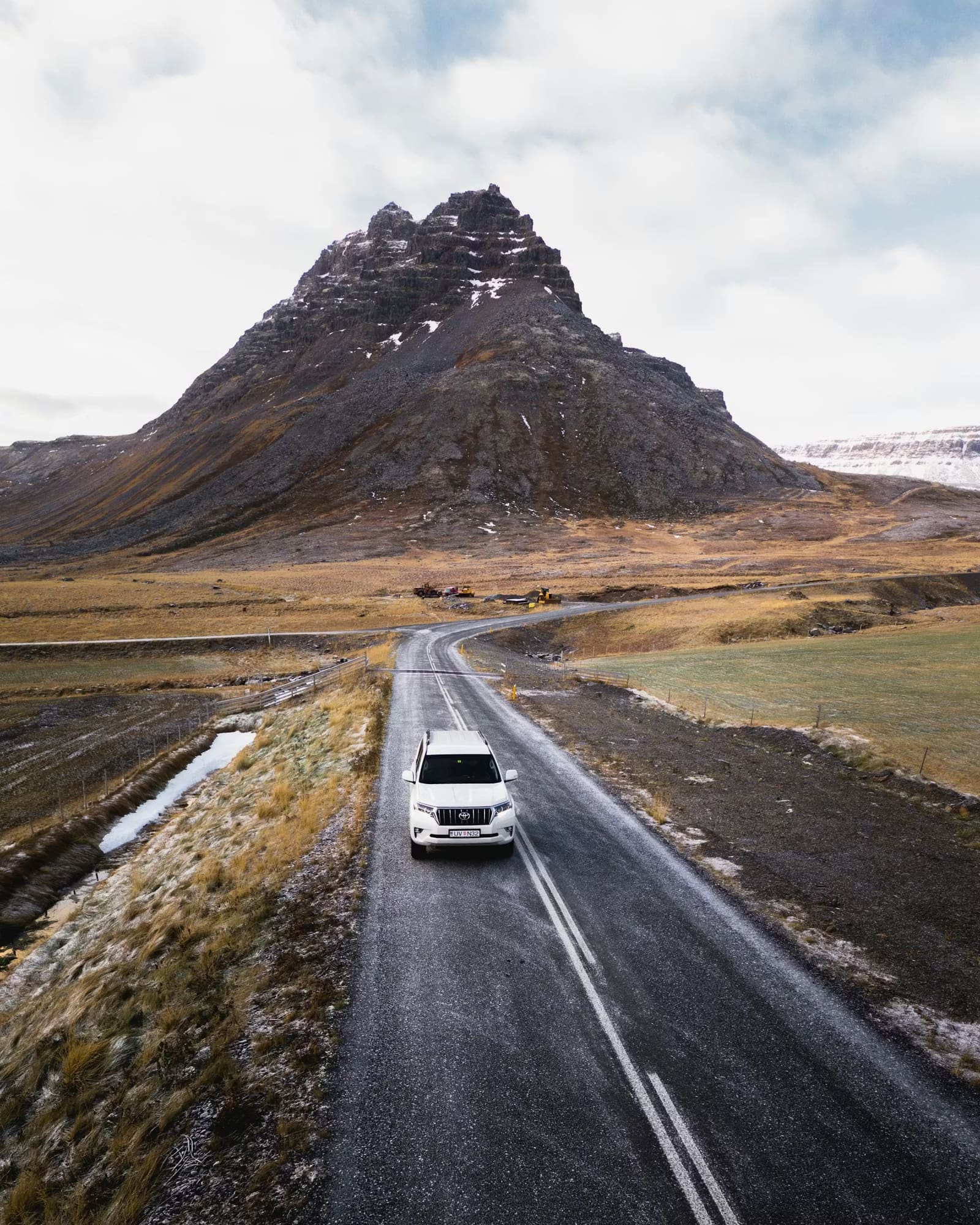
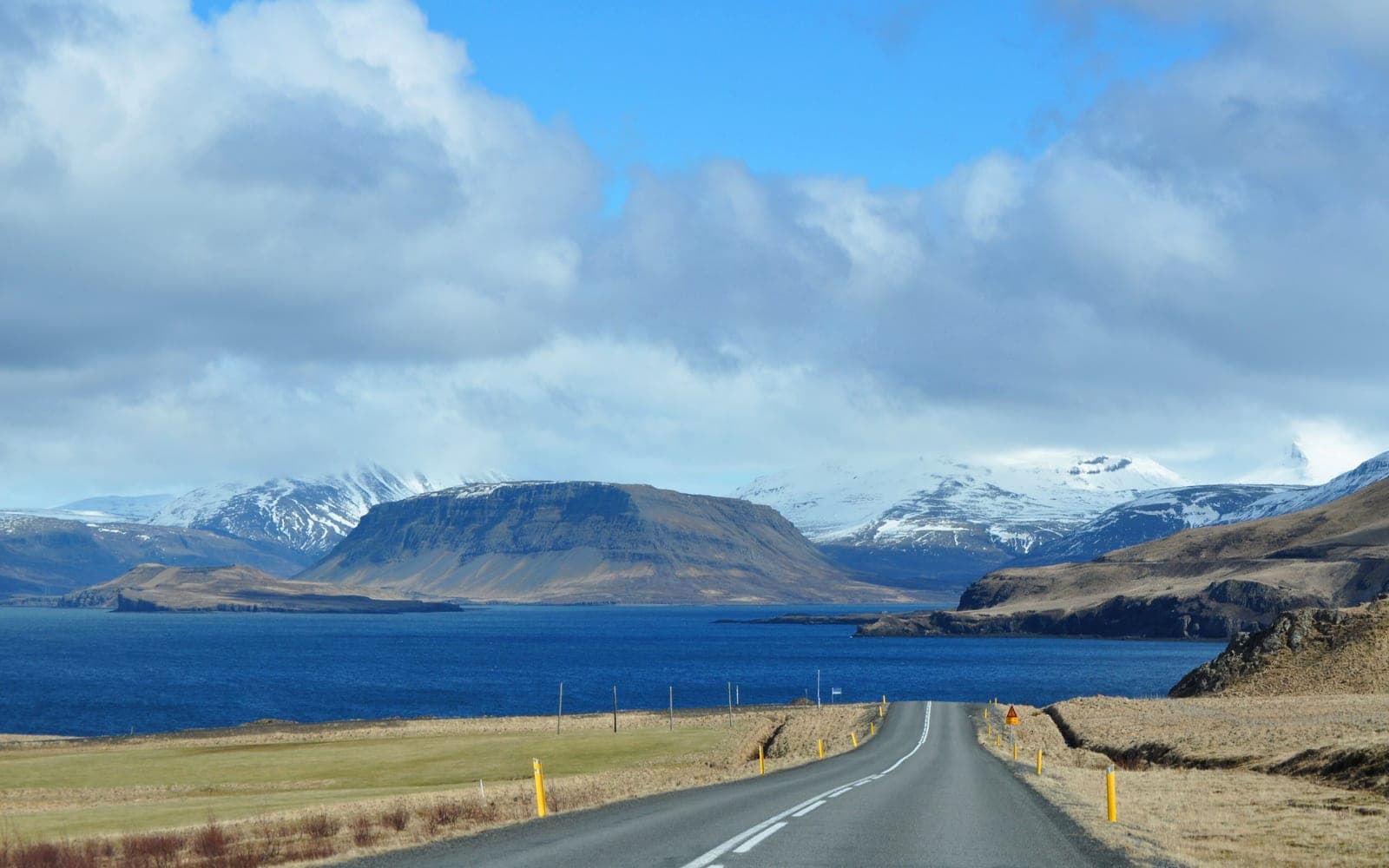
The fjord road gives you water on one side, steep green and dark slopes on the other, small farms, pullout views, and a slower approach to West Iceland. It is not a single viewpoint where you arrive, take one photo, and leave; the value is the sequence around the fjord.
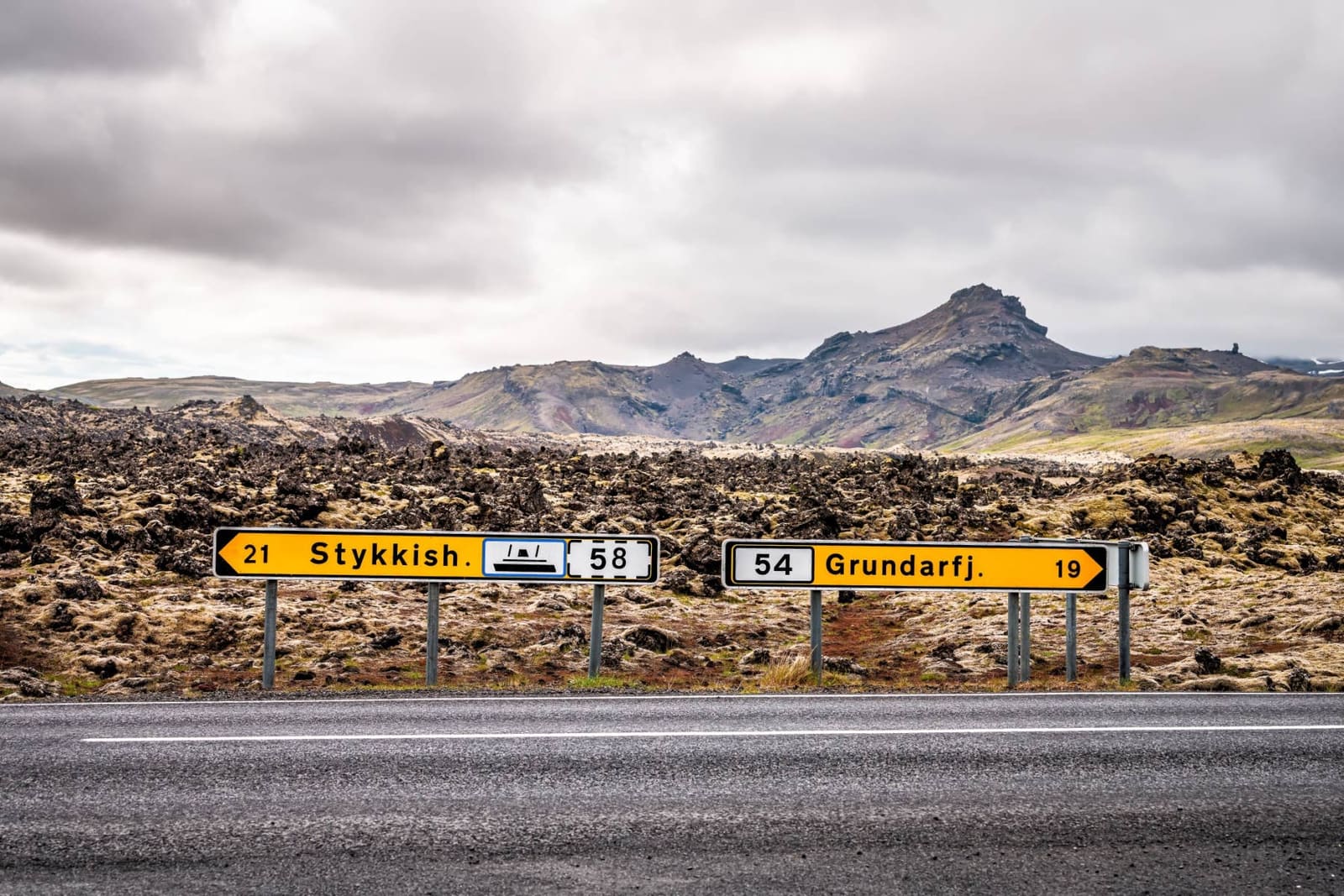
From Reykjavík, leave northbound Route 1 for Route 47 before the Hvalfjörður tunnel. Route 47 follows the shores around the head of the fjord; Route 1 uses the tunnel beneath it. Choose the fjord road deliberately in your route planner, since a fastest-route search can bypass the scenery.
Add Hvalfjörður when a Reykjavík, West Iceland, or Snæfellsnes day has enough breathing room for a quieter Route 47 drive. Skip it for a packed transfer day, weak visibility, short daylight, or any plan where Glymur, Hraunfossar, Barnafoss, and the onward drive are already competing for the same hours.
Photo guide
Hvalfjörður in photos
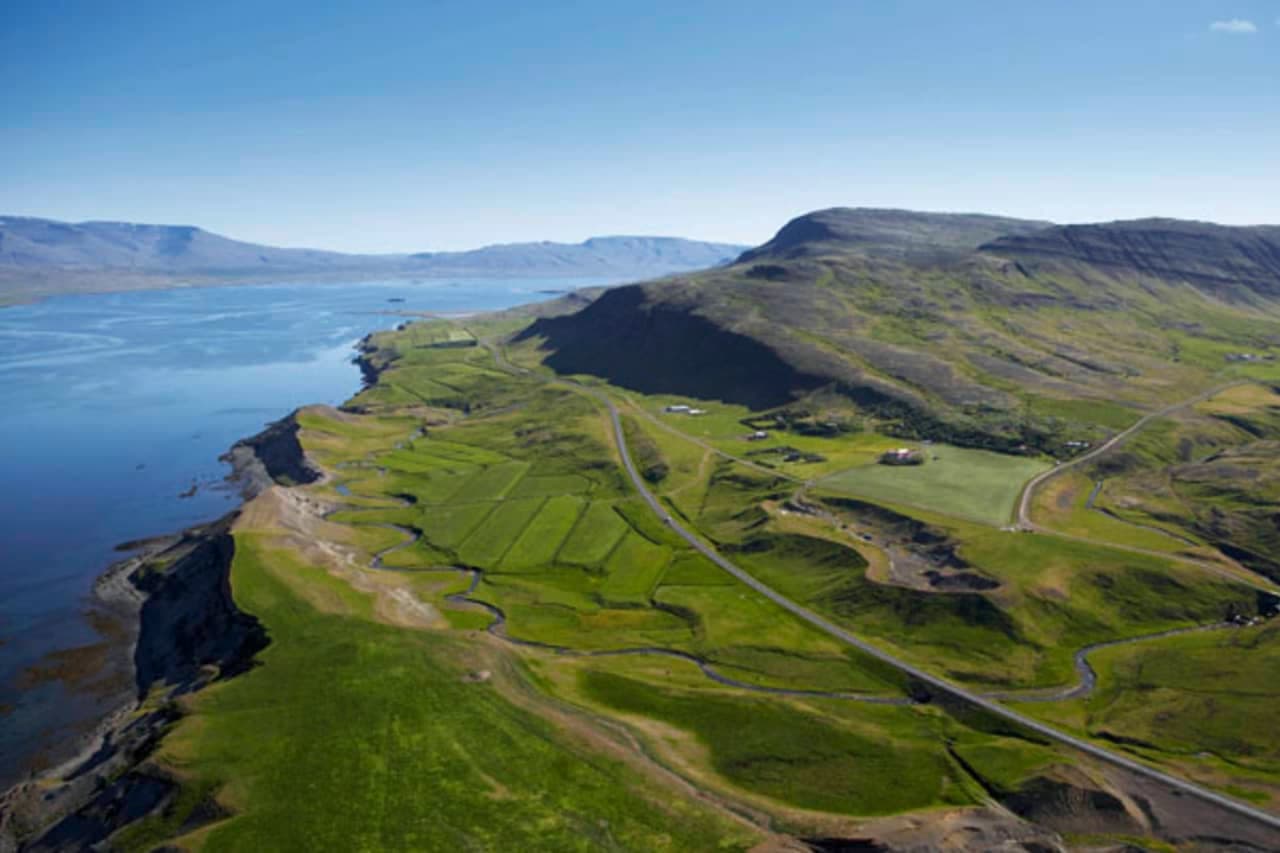
From above, Hvalfjörður reads as a whole landscape rather than one compact stop.
What does the drive around Hvalfjörður feel like?
The drive feels wide, quiet, and old-road Iceland: fjord water, mountains, open farms, valley mouths, small churches, and a sense that you have left the fastest route on purpose.
Hvalfjörður means Whale Fjord. The fjord extends about 30 km inland, with Route 47 following the water between mountains and valley mouths. During the Second World War, British and American forces used it as a naval base and refuelling station; wartime remains add a historical layer to the scenery.
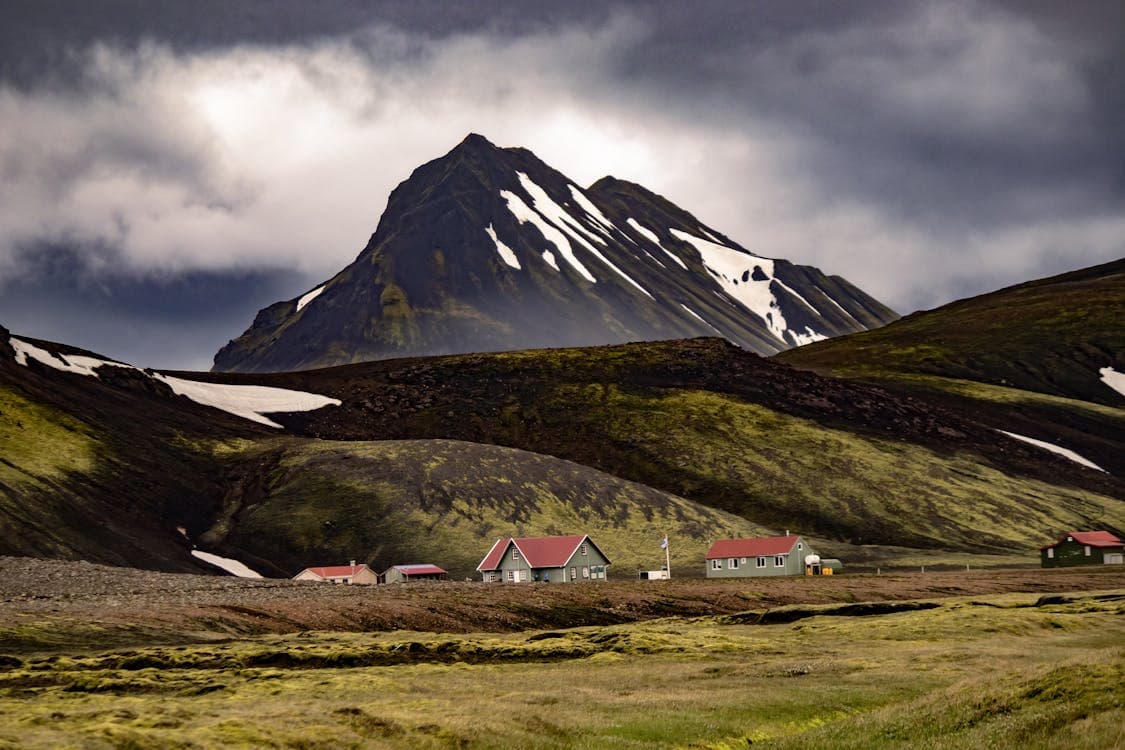
The inner valleys make Hvalfjörður feel like more than a coastal road.
That calm rhythm is the reason Hvalfjörður pairs naturally with West Iceland. If your route needs one scenic pause before Borgarfjörður or Snæfellsnes, it can be stronger than adding another famous stop far away. If your day is already overloaded, the same road can feel like a scenic delay.
How much time should you allow on Route 47?
For planning, allow roughly 1.5–2 hours to drive around the fjord with brief stops in suitable conditions. This is an editorial allowance for the scenic leg, not an official journey time or a fixed amount to add to the tunnel route.
Calculate the full journey from your actual starting point and onward destination. Add a separate block of time for Glymur, a longer Botnsdalur walk or bathing at Hvammsvík; those activities are not included in the scenic-drive allowance. A half day may suit a relaxed drive and selected stops, while a substantial hike can become the main activity of the day.
Route 47 rewards slower driving, but it should not be squeezed into an already crowded day.
Choose the quick version if you want fjord scenery before continuing toward West Iceland.
Choose the balanced version if the day can hold a scenic drive plus one real stop.
Choose the slow version only if Glymur or a longer walk becomes the main activity.
Which stops make Hvalfjörður worth slowing down for?
The fjord is strongest when you choose one or two anchors instead of collecting every side stop. Glymur is the active choice; the road, viewpoints, and cultural stops are the slower scenic choice.
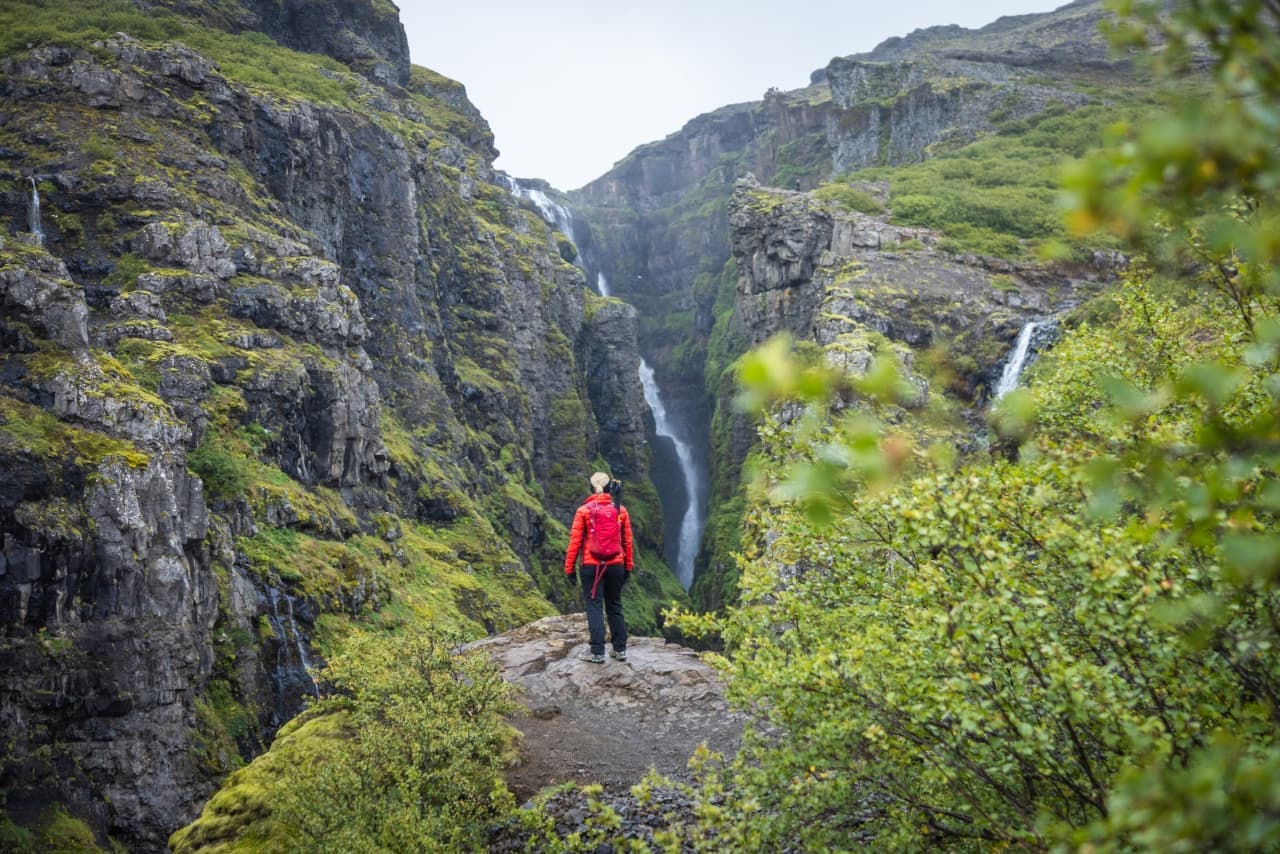
Glymur is the obvious high-effort anchor, but it changes the day. If you add Glymur, treat Hvalfjörður as a hiking day with fjord scenery around it, not as a quick scenic shortcut. If you do not want that effort, keep Glymur for another trip and let the fjord road, short pauses, and West Iceland context do the work.
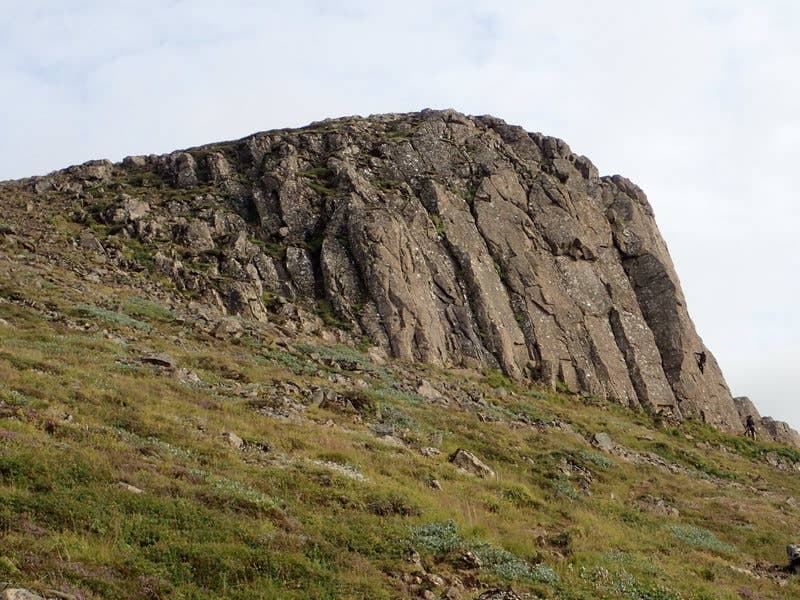
Walking options around Botnsdalur can make the fjord day more active, but they need a separate time decision.
For a wider West Iceland day, compare Hvalfjörður with Deildartunguhver, Hraunfossar, and Barnafoss. Those stops are more compact and destination-like; Hvalfjörður is more about the drive and the mood of the landscape. Þingvellir can also pair naturally when you are shaping a southwest loop, but only if the day stays realistic.
Hvammsvík is reached from Route 47. Its operator directs drivers coming from Reykjavík to turn off Route 1 before the tunnel and continue about 20 km to the signed entrance, then follow the gravel access road. Check the operator’s current visiting arrangements and allow time for bathing separately from the fjord drive.
When should you skip the fjord road?
Skip Hvalfjörður when speed, daylight, or weather matter more than scenery. The tunnel and main-road option exist because many travel days need efficiency.
The fjord road is weakest on a day that is already trying to do too much: Reykjavík departure, a major hike, multiple West Iceland waterfalls, and a long push toward Snæfellsnes or the north. In that situation, the practical choice is to protect the strongest stop and leave Route 47 optional.
Winter and shoulder-season plans need extra caution because the same quiet road can become less forgiving when daylight is short, wind is strong, surfaces are slick, or visibility drops. Use winter driving guidance and official road/weather checks before treating the detour as fixed.
Small cultural stops add texture, but they work best when the route has room to slow down.
What should you check before committing?
Check official sources for anything that can change: road conditions, weather warnings, safety alerts, and visitor details for any operator or facility you plan to rely on.
For the fjord drive itself, the most useful checks are road status, wind, visibility, precipitation, daylight, and travel alerts. For Glymur, add trail and river-crossing caution from official or on-site guidance. For Hvammsvík or any other operator, verify official visitor information before assuming availability, timing, services, or access.
The map marks Hvalfjörður as a broad destination, not a verified parking space. Navigate to your chosen stop, use designated parking and obey signs rather than stopping on the carriageway or following a fjord pin onto private land.