Is Hólmsheiði worth adding to a Reykjavík day?

Yes, if you want a quiet outdoor pause near the city. Skip it when your limited time should go to a stronger Reykjavík landmark, museum, or first-trip route anchor.

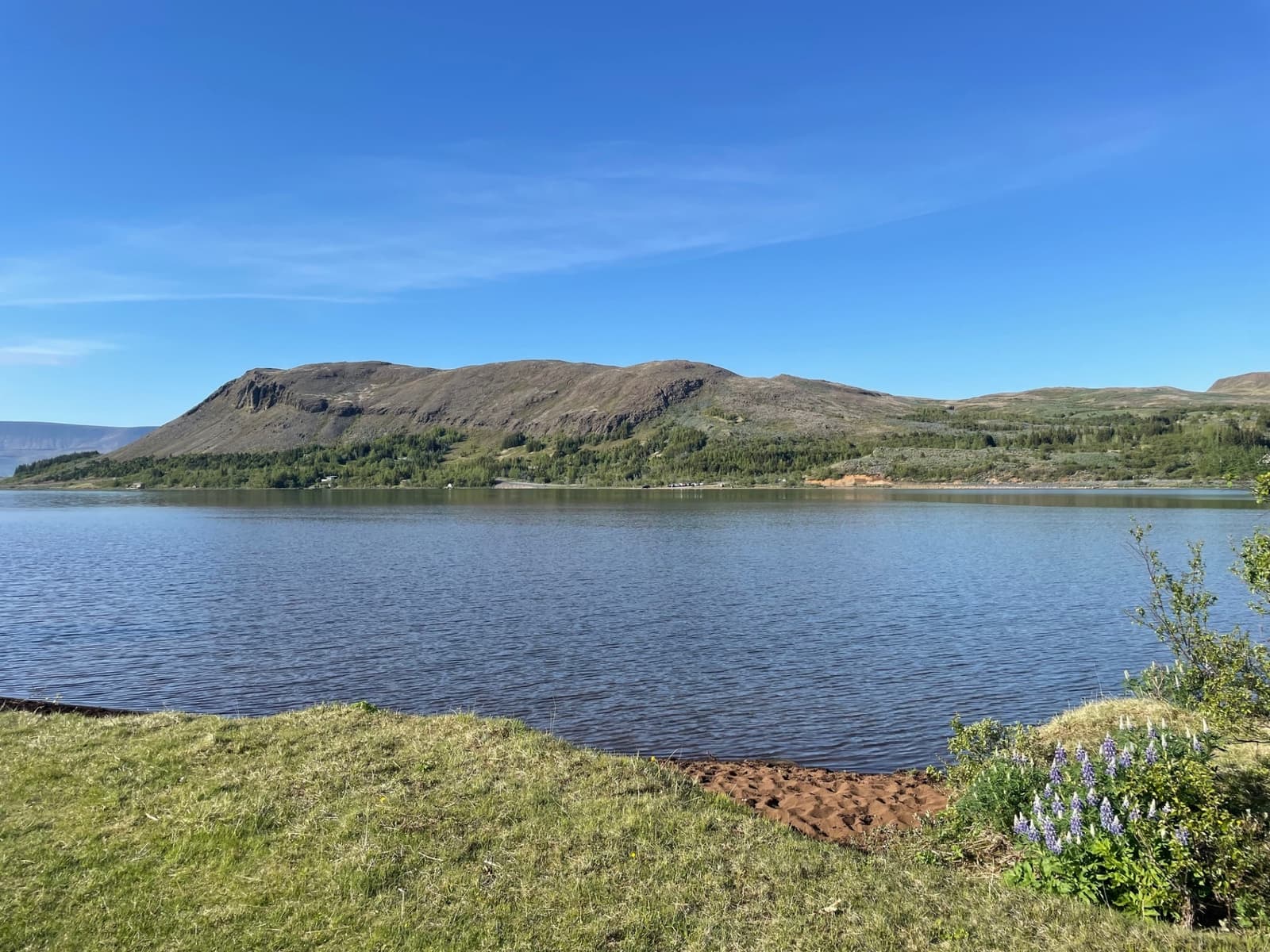
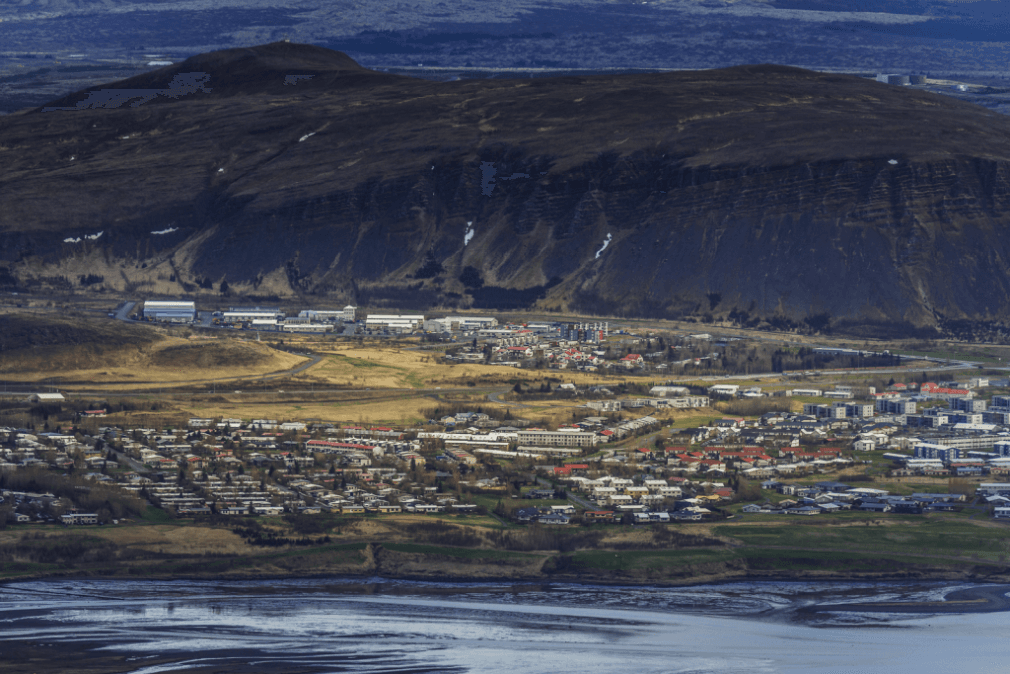
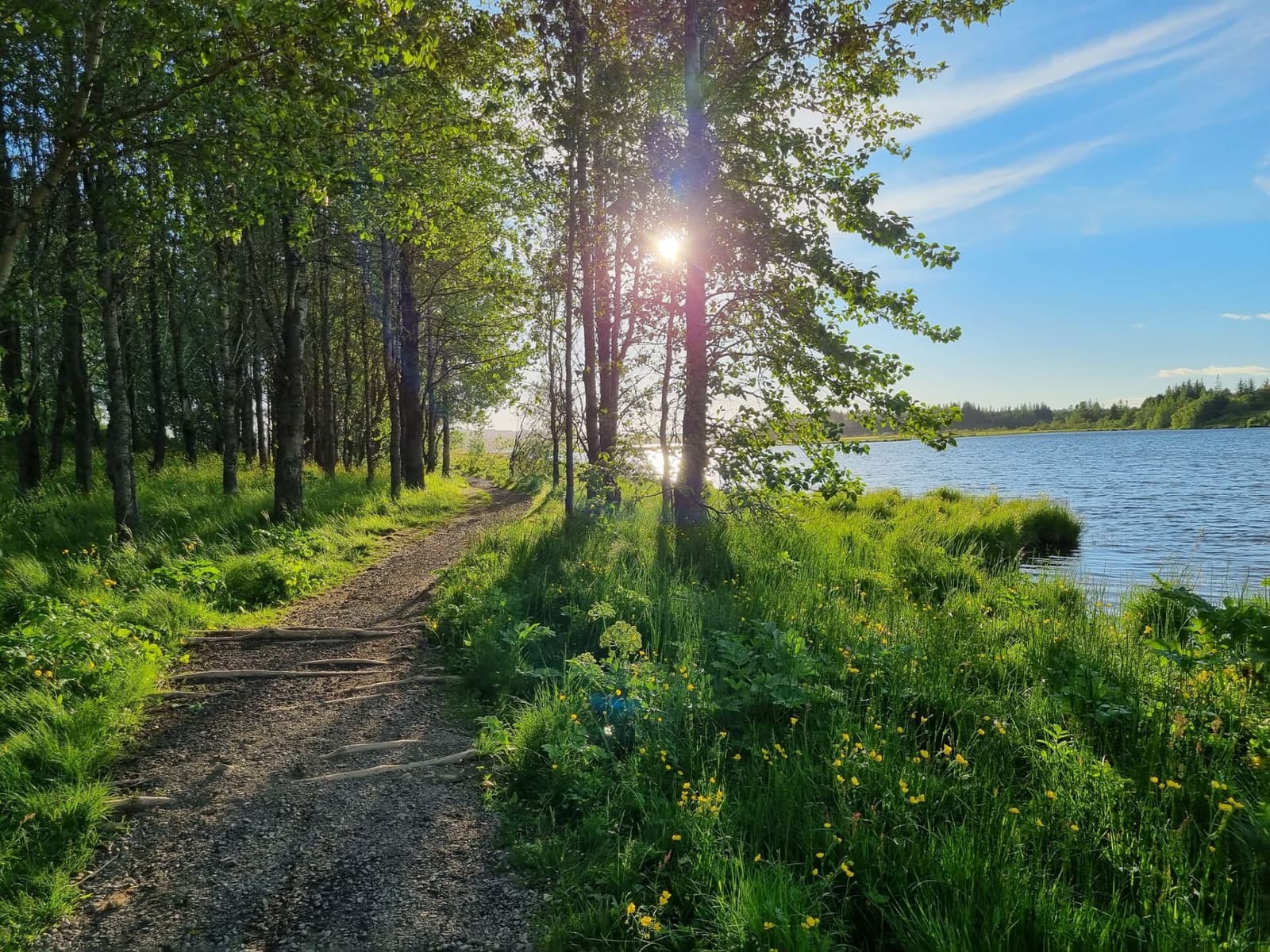
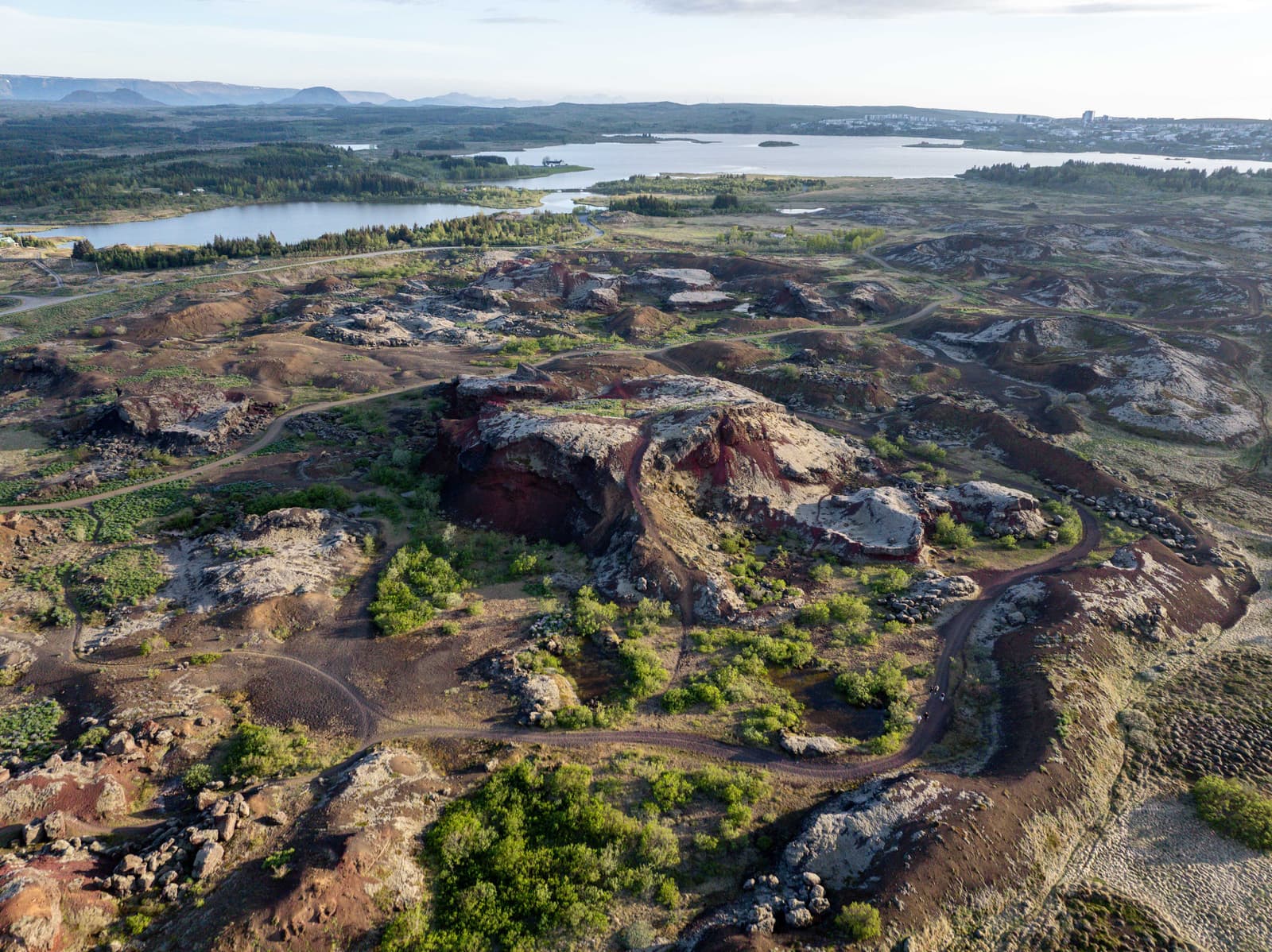
Hólmsheiði sits on Reykjavík's eastern edge, where city streets give way to heathland, young forest, Rauðavatn, and the wider Austurheiðar outdoor area. It is a subtle stop: paths, low ridges, trees, lake edges, birds, wind, and changing ground underfoot rather than a single postcard view.

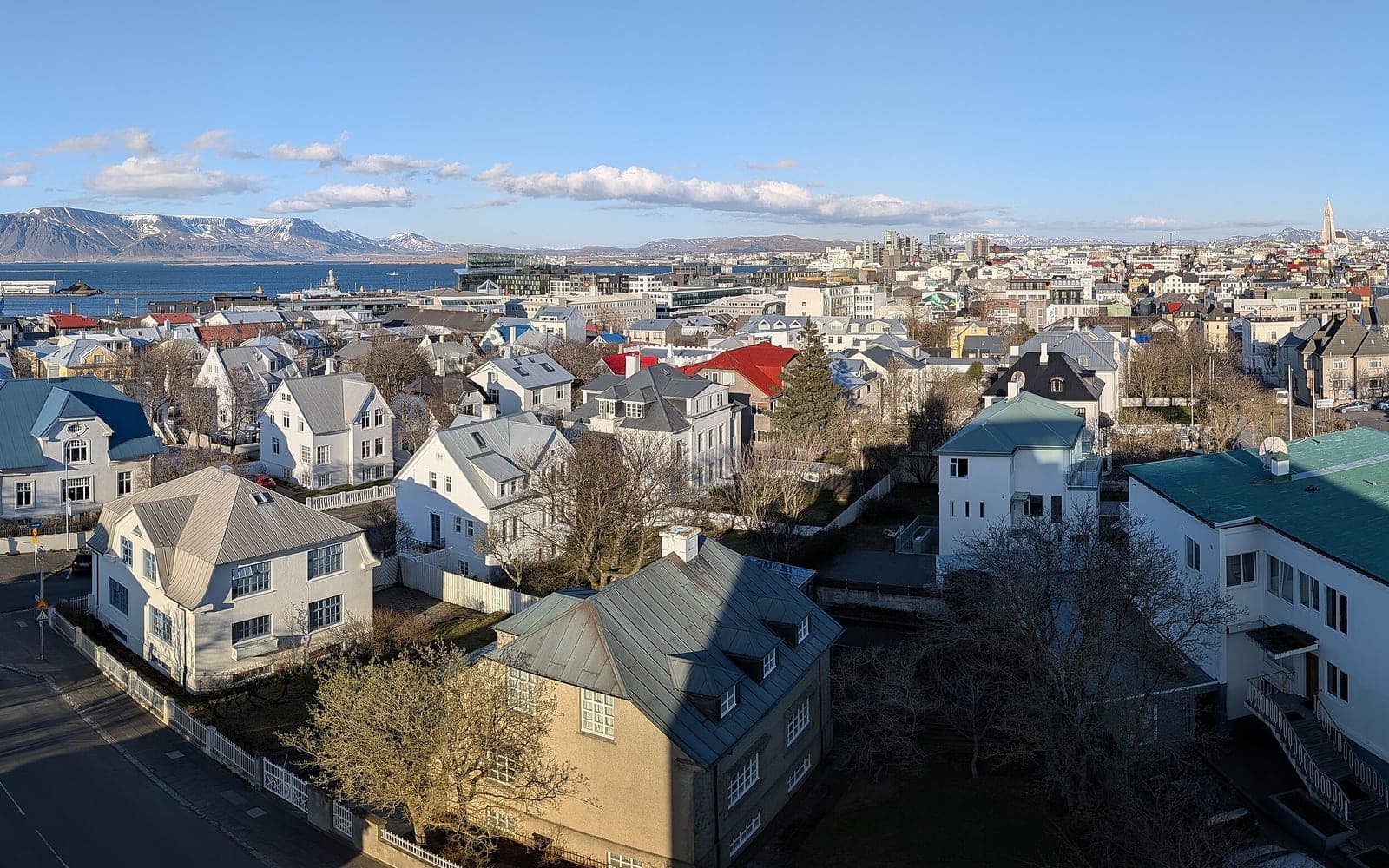
A local Iceland travel editor would add Hólmsheiði for an arrival-day walk, a low-pressure nature break, a dog-walk style outing, or a calmer pairing with Heiðmörk and Rauðhólar. The same editor would skip it if the day still needs Hallgrímskirkja, Perlan, Árbær Open Air Museum, or another clearer Reykjavík priority.

Worth the stop?

When this stop makes sense

Good match for

  • quiet Reykjavík nature breaks
  • travelers who want a short walk near Rauðavatn
  • self-drive visitors comparing city-edge outdoor stops
  • winter travelers who can keep plans flexible

Think twice if

  • first-time visitors who still need Reykjavík's major landmarks
  • travelers expecting a dramatic headline attraction

Pair it with

ReykjavikHeiðmörkElliðavatnRauðhólar

What does the Hólmsheiði and Rauðavatn walk feel like?

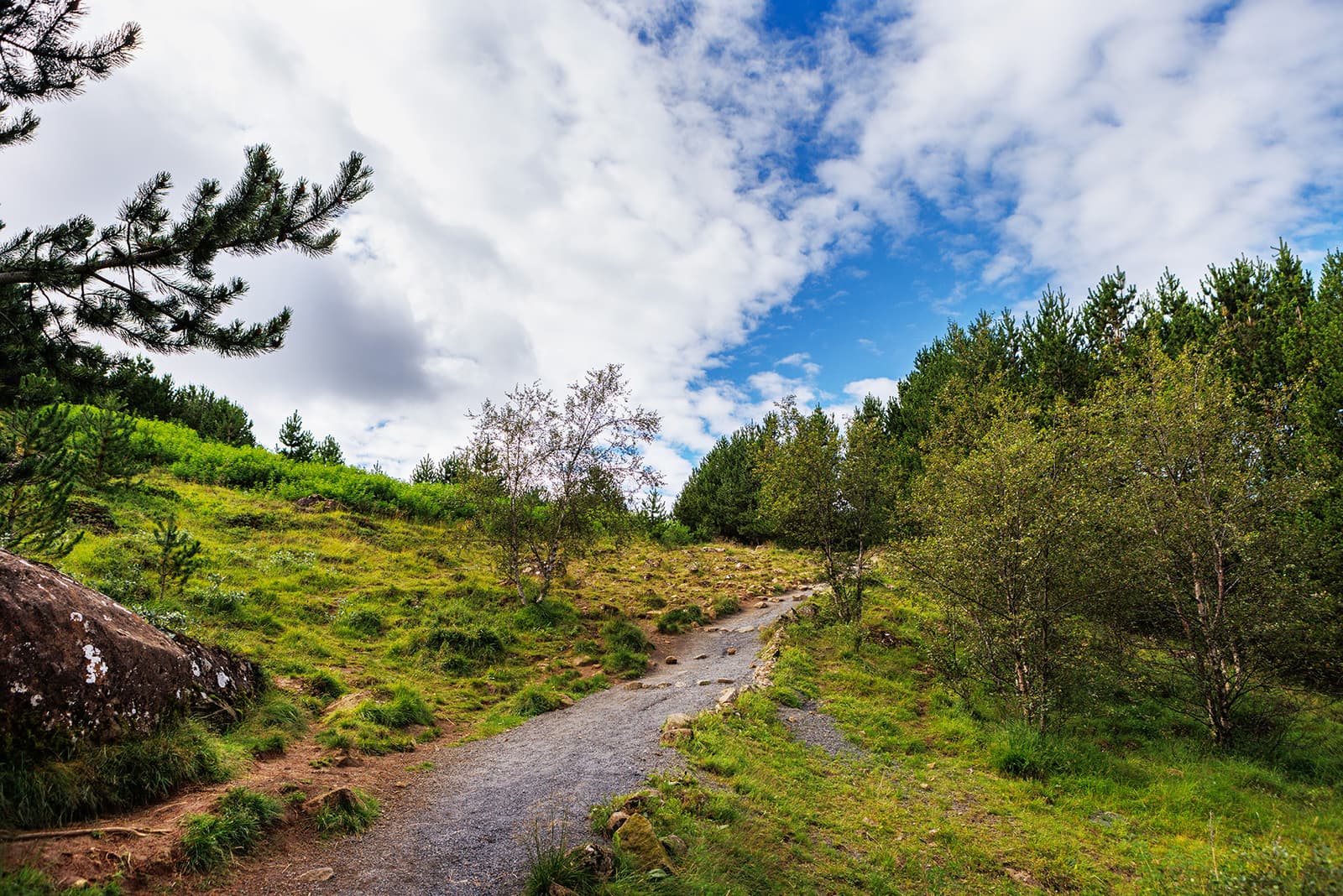
Expect a modest, local-feeling landscape: heath, forest, lake views, mixed paths, and a sense of leaving the city without driving far from it.

The Hólmsheiði and Rauðavatn walk is not dramatic in the way Gullfoss, Reynisfjara, or a glacier stop is dramatic. Its appeal is closer and quieter: a gravelly path through low growth, small forest sections, open sky over the heath, and glimpses down toward Lake Elliðavatn and Rauðavatn surroundings.

That makes it useful for travelers who want Reykjavík to feel less urban for an hour or two. If you want a more defined landscape feature, Rauðhólar gives stronger red volcanic texture, while Heiðmörk gives a broader outdoor area with more ways to extend the stop.

How to read Hólmsheiði as a stop
What you wantHólmsheiði gives youBetter nearby choice
A quiet walkHeathland, trees, low ridges, and lake-area contextHeiðmörk if you want a larger outdoor area
A vivid volcanic featureSubtle lava and heath textureRauðhólar for red pseudocraters
A calm water pauseRauðavatn and nearby lake-edge atmosphereLake Elliðavatn for a softer lake focus
A weather backup with shelterAn outdoor walk that still depends on conditionsPerlan or Árbær Open Air Museum for a more structured city stop

How much time and effort should you allow?

Allow roughly one to two hours if you want the marked Hólmsheiði and Rauðavatn walk, or keep it shorter when the stop is just a breath of outdoor space.

The useful planning detail is not the distance alone. Mixed surfaces, low ridges, unlit sections, wet ground, snow, ice, and wind can change how easy the outing feels. In good conditions, it can be a simple Reykjavík-edge walk; in rougher conditions, it should stay optional.

  • Use a short visit when you only need fresh air between city stops.
  • Use the fuller walk when the day can spare a relaxed nature block near Rauðavatn.
  • Skip or shorten it when wind, footing, daylight, or group energy makes a subtle outdoor stop feel like work.
  • Do not add it to a day that is already overloaded with Reykjavík landmarks and a long drive.

How does it compare with Heiðmörk, Rauðhólar, and Elliðavatn?

Choose Hólmsheiði for quiet route texture, Heiðmörk for a larger outdoor area, Rauðhólar for color and geology, and Elliðavatn for calmer lake focus.

Heiðmörk is the broader choice when you want forests, trails, lakes, lava formations, and more room to shape an outdoor half day. Hólmsheiði is narrower and easier to treat as a single walk rather than a whole destination.

Rauðhólar is the more visually memorable nearby stop because the red pseudocraters give the landscape a clearer identity. Lake Elliðavatn is the softer option if your group wants water, birdlife, and a calmer pause more than heathland walking.

For a mixed Reykjavík day, keep the contrast clean. Pair Hólmsheiði with one outdoor neighbor, then return to Perlan, Hallgrímskirkja, the Sun Voyager, or Árbær Open Air Museum if the day needs a city landmark or cultural stop.

What should you check before going?

Check official trail information, weather, road conditions, and winter activity updates before making Hólmsheiði a fixed part of the day.

Hólmsheiði is simple enough to keep flexible, which is the point. If the weather is poor, the ground is icy, or daylight is tight, you can move the outdoor break to a shorter viewpoint, a city museum, or a broader Heiðmörk plan with more stopping choices.

Winter can turn the same easy-feeling outing into a footing and condition check.

Official visitor checks

Common questions about Hólmsheiði

These are the practical questions that decide whether the stop belongs in a Reykjavík day.

Is Hólmsheiði a must-see attraction?

No. Hólmsheiði is a useful quiet outdoor add-on near Reykjavík, but most first-time visitors should prioritize stronger city landmarks or larger route anchors first.

How long should I plan for Hólmsheiði?

Plan about one to two hours for the fuller Hólmsheiði and Rauðavatn walk, or keep it shorter if you only want a quick outdoor pause.

Is Hólmsheiði better than Heiðmörk?

Usually no if you want a larger outdoor destination. Hólmsheiði is better when you want a narrower walk around the Rauðavatn side of the capital-area green belt.

Can Hólmsheiði work in winter?

Yes, when conditions suit your group. Treat snow, ice, wind, light, road conditions, and official winter activity updates as the deciding factors.