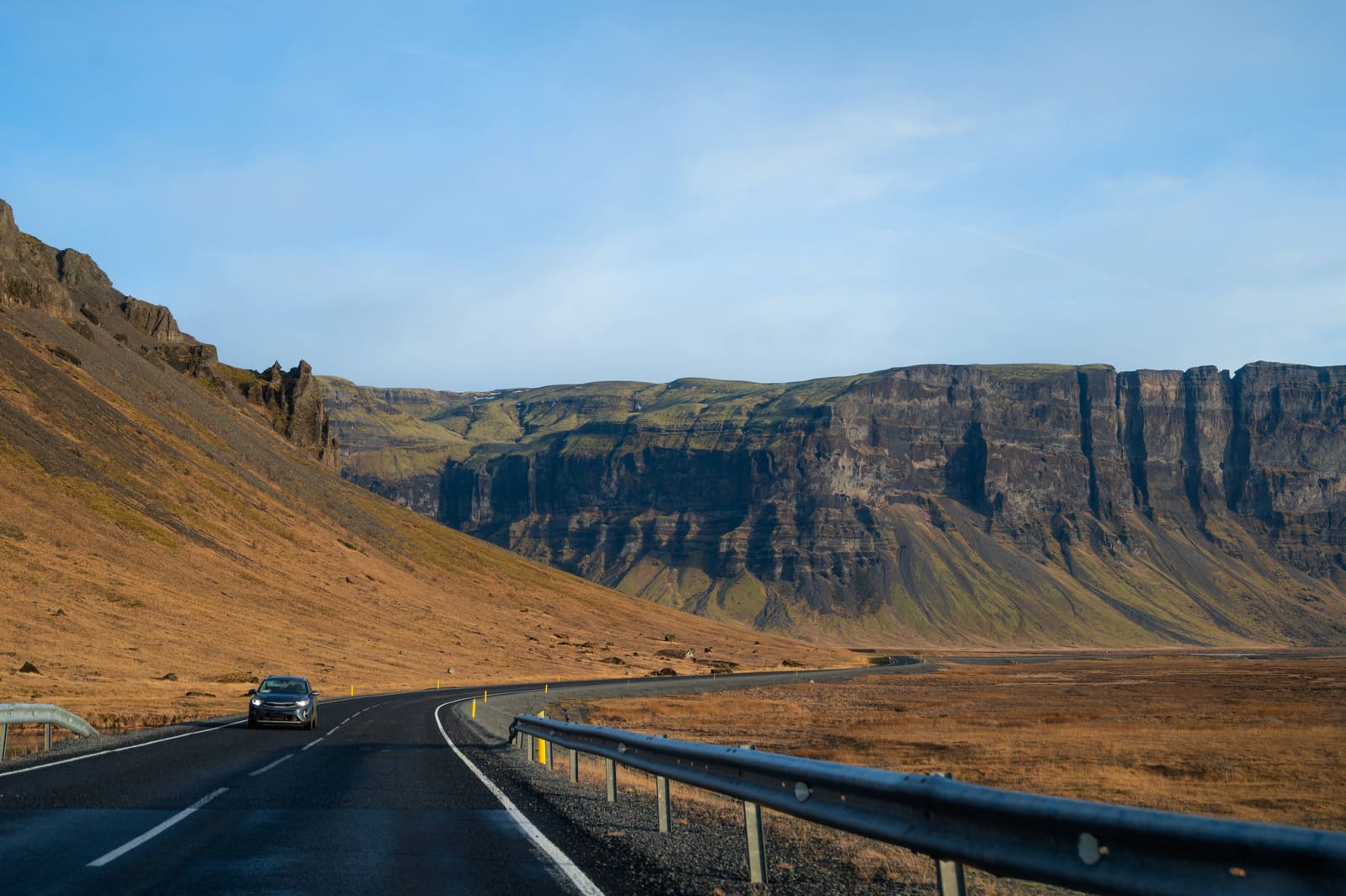
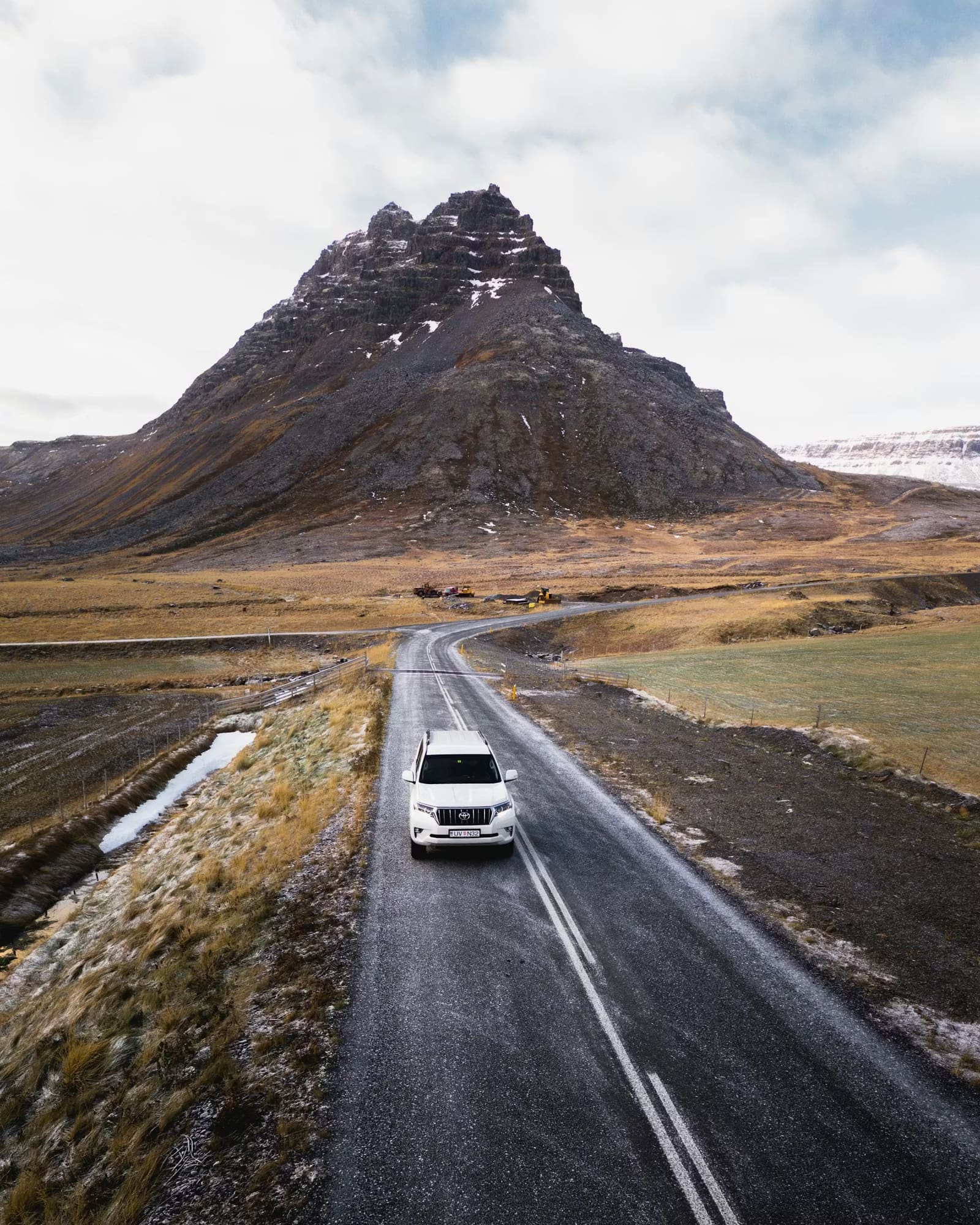
Hellisheiði is a lava plateau and geothermal power-plant stop east of Reykjavík, worth adding when energy, steam, exposed pass scenery, and route context improve the drive toward South Iceland.
Capital-area edge near Hengill, between Reykjavík, Hveragerði, and the South Iceland route
Route context
Works best as a planned pause on Route 1, not as a separate detour from a full sightseeing day
Time to allow
About 30-90 minutes for the exhibition or scenic pause; longer only if paired with Hengill-area walking
Best experience
Clear enough weather to read the steam, lava, mountains, and power-plant setting from the same stop
In this guide
Hellisheiði is worth a stop when you want geothermal energy context on a drive that already crosses the pass
Yes, Hellisheiði is worth a stop when you want geothermal energy context on a drive that already crosses the pass. Skip it when your day needs outdoor icons more than an interpreted power-plant visit.
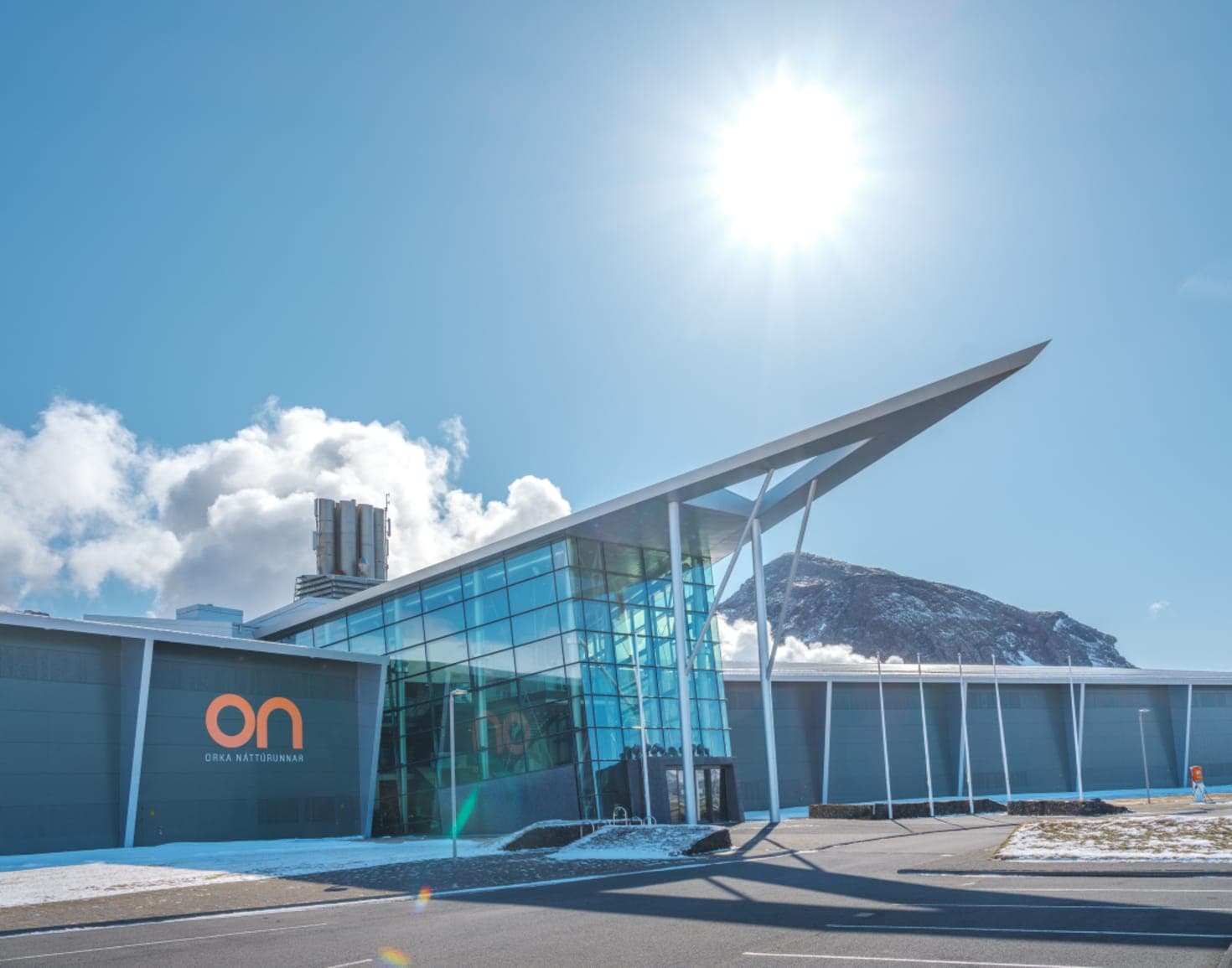
Hellisheiði is the high, exposed lava-plateau area east of Reykjavík where Route 1 climbs toward Hveragerði and South Iceland. The traveler-facing stop is the Geothermal Exhibition at Hellisheiðarvirkjun, where steam, pipes, lava, moss, mountains, and indoor interpretation sit together in one practical pause.
Add Hellisheiði when the day already passes between Reykjavík and the South Coast and the traveler wants to understand why geothermal heat matters in daily Icelandic life. Skip it on a tight classic-sights day if the choice is between this stop and unrushed time at the main outdoor anchors.
Choose the visit shape before adding Hellisheiði
Choose the visit shape before adding Hellisheiði. It can be a quick scenic pause, a balanced exhibition stop, or the start of a slower Hengill-area geothermal day.
The shortest version is simply reading the landscape: steam rising near the plant, dark lava ground, open mountain weather, and the sense that the road is crossing a working geothermal area. The fuller version is going inside the exhibition and using the stop to connect Iceland’s nature, energy, and route planning.
The viewing areas make Hellisheiði feel like a working landscape, not only a roadside name on Route 1.
Hellisheiði visit choices
Visit version
Best use
Main check
Quick pause
You want a short Route 1 break with steam, lava, and mountain context.
Road and weather conditions still matter because the pass is exposed.
Balanced exhibition stop
You want the geothermal-energy story before or after South Iceland.
Verify official visitor details before building the stop into a tight day.
Slow Hengill-area day
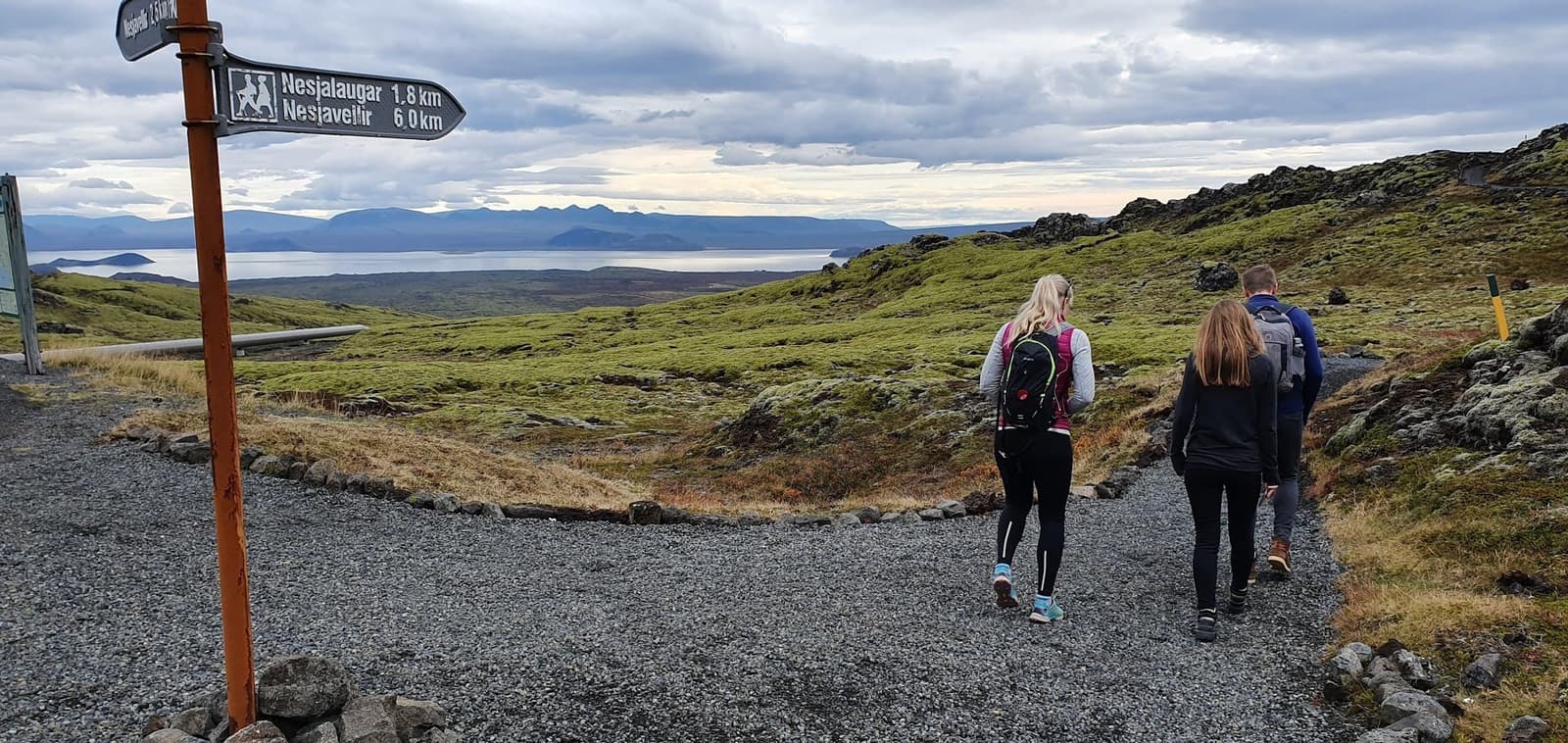
You want trails, geothermal terrain, and a wider southwest landscape.
Use Hengill-specific guidance and make the walking plan weather-dependent.
What does the Geothermal Exhibition add?
The exhibition adds context that a drive-through view cannot: how geothermal energy is produced, how the plant fits the landscape, and why heat, water, steam, and rock shape Icelandic infrastructure.
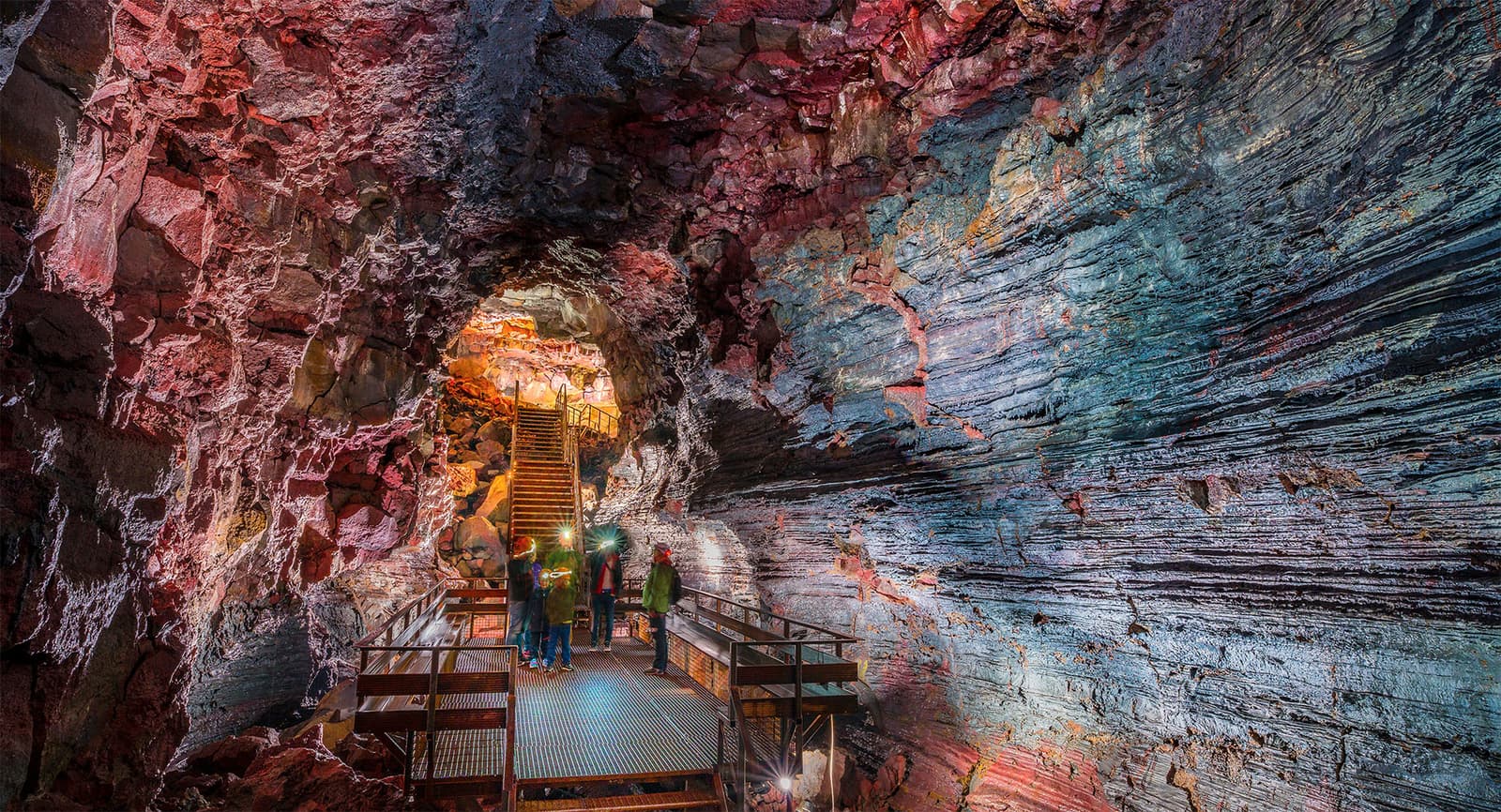
Inside, the useful value is not just machinery. The stop connects geology, power production, hot-water use, innovation around Carbfix, and the visible turbine-hall setting. For many travelers, that makes later hot springs, swimming pools, greenhouse areas, and steam vents feel less abstract.
The exhibition works best when you want to see the geothermal-energy story from inside the plant setting.
If you like indoor nature context, compare Hellisheiði with Perlan in Reykjavík. Perlan is broader and more museum-like; Hellisheiði is more specific, tied to a working geothermal plant and the exposed road landscape between the capital and South Iceland.
Indoor interpretation helps the stop work even when the outdoor pass weather is not the main reward.
How does Hellisheiði fit between Reykjavík and South Iceland?
Hellisheiði fits best as a connector stop. It belongs on a day that already moves between Reykjavík, Hveragerði, Selfoss, the Golden Circle edge, or the South Coast.
Do not treat Hellisheiði as a separate detour unless geothermal energy is a specific interest. Treat it as a smart pause on the drive out of Reykjavík or back toward the capital. That makes it especially useful on a South Coast road trip day, an arrival-buffer day, or a short Reykjavík-based trip that needs one substantial stop outside the city.
It also sits close to the broader Hengill landscape. Choose Hengill when you want geothermal trails and outdoor terrain; choose Hellisheiði when the plant, exhibition, and Route 1 position are the reason to stop.
Hellisheiði is a compact stop when the drive already crosses the geothermal corridor.
Check the operator page, road conditions, weather forecast, and SafeTravel guidance before fixing Hellisheiði into the day
Check the operator page, road conditions, weather forecast, and SafeTravel guidance before fixing Hellisheiði into the day. The stop is close to Reykjavík, but the pass can still make plans brittle.
For the exhibition, use official visitor information for booking, access, arrival, and group details instead of relying on copied hours or old listings. If the exhibition is the main reason for the stop, verify those details before you leave Reykjavík or before you build a tight return drive around it.
For the road, use Umferðin, SafeTravel, and the Icelandic weather forecast before treating the crossing as simple. Wind, visibility, snow, ice, thaw, or fast-changing alerts can turn a short pass into the part of the day that decides everything else.
Compare Hellisheiði with nearby stops that solve different problems
Compare Hellisheiði with nearby stops that solve different problems: Hengill for geothermal walking, Heiðmörk for easy city-edge nature, Perlan for indoor Reykjavík context, and Hallgrímskirkja for a compact city landmark.
Hengill is the closest comparison because it shares the geothermal mountain setting but gives you the broader outdoor version. Heiðmörk is better when you want a softer Reykjavík nature break without crossing an exposed pass. Perlan is better when you want indoor Iceland-nature interpretation inside the city.
If your day is mostly urban, Hallgrímskirkja and Perlan may be enough. If your day is already moving toward South Iceland, Hellisheiði becomes more efficient because it sits on the way rather than pulling you sideways.
Small details inside the exhibition help connect the drive over lava and steam with the geology under the road.
Hellisheiði FAQ
The main uncertainties are whether Hellisheiði is a scenic stop, an exhibition, a road pass, or a starting point for wider Hengill plans.
Is Hellisheiði a place to visit or just a road pass?
It can be both. Most travelers experience Hellisheiði as the Route 1 pass east of Reykjavík, but the Geothermal Exhibition at Hellisheiðarvirkjun gives the area a clear visitor stop.
How long should I allow for Hellisheiði?
Allow about 30-90 minutes if the exhibition or a short scenic pause is the goal. Allow more only when you deliberately pair it with Hengill-area walking or a slower southwest day.
Is Hellisheiði good in bad weather?
It can work as an indoor stop, but the road crossing still needs official road and weather checks. Do not let the exhibition idea override safe driving judgement.
Should I choose Hellisheiði or Hengill?
Choose Hellisheiði for geothermal energy and a practical Route 1 pause. Choose Hengill when you want the wider outdoor geothermal mountain landscape and have time for marked walking.
Use these sources for details that can change after you plan the day. This page gives route judgement; official sources should decide visitor details, road conditions, weather, and safety.