Do not treat this as a normal hot spring

Grímsfjall Hot Spring is a remote geothermal feature on Vatnajökull, tied to Grímsfjall and the Grímsvötn volcano area. For most travelers, it is context to understand rather than a target to chase.

The name can be misleading if you are browsing Iceland hot springs. This is not a managed pool, a roadside hot pot, or a reliable place to add between South Coast stops. It sits in a glacier and volcano landscape where access, weather, crevasses, hut permissions, and volcanic monitoring matter before scenery or soaking.

A practical trip decision should come early: most visitors should not plan around Grímsfjall Hot Spring itself. It is useful if you are researching Grímsvötn, Vatnajökull's interior, glacier expeditions, or specialist Highlands geology, but it is not a casual reward after a short walk.

Worth the stop?

When this stop makes sense

Good match for

  • experienced travelers researching Vatnajökull glacier and volcano context
  • specialist guided plans where official conditions support access
  • geology-focused readers comparing Grímsfjall with Grímsvötn
  • Highlands planners who want to avoid treating a map label as a casual stop

Think twice if

  • first-time visitors looking for an easy hot spring
  • self-drivers without glacier experience or qualified support

Pair it with

HighlandsGrímsvötnBárðarbungaKverkfjöll

Where Grímsfjall sits in the Grímsvötn landscape

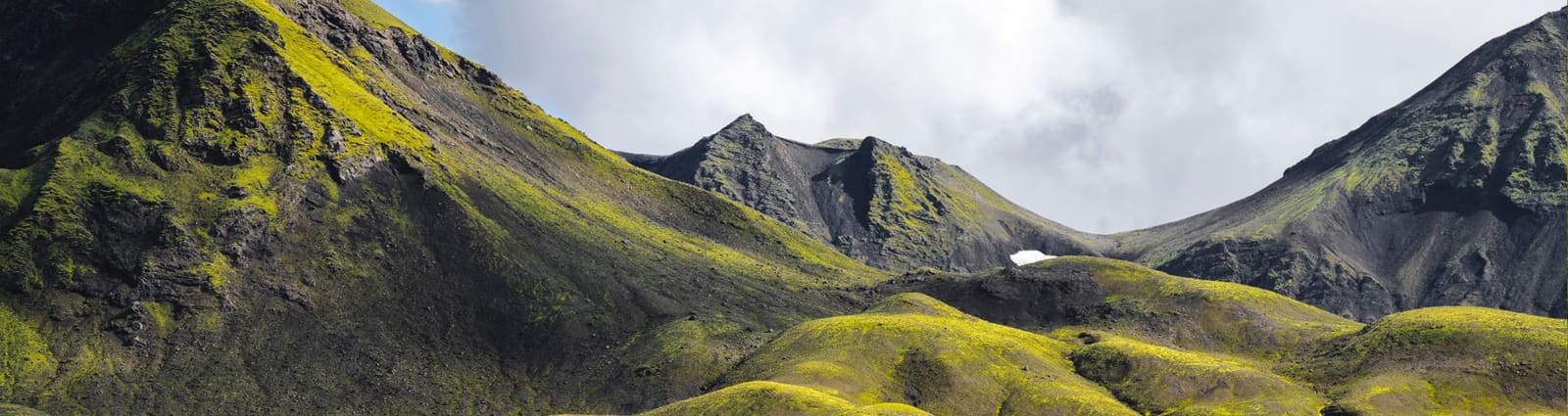
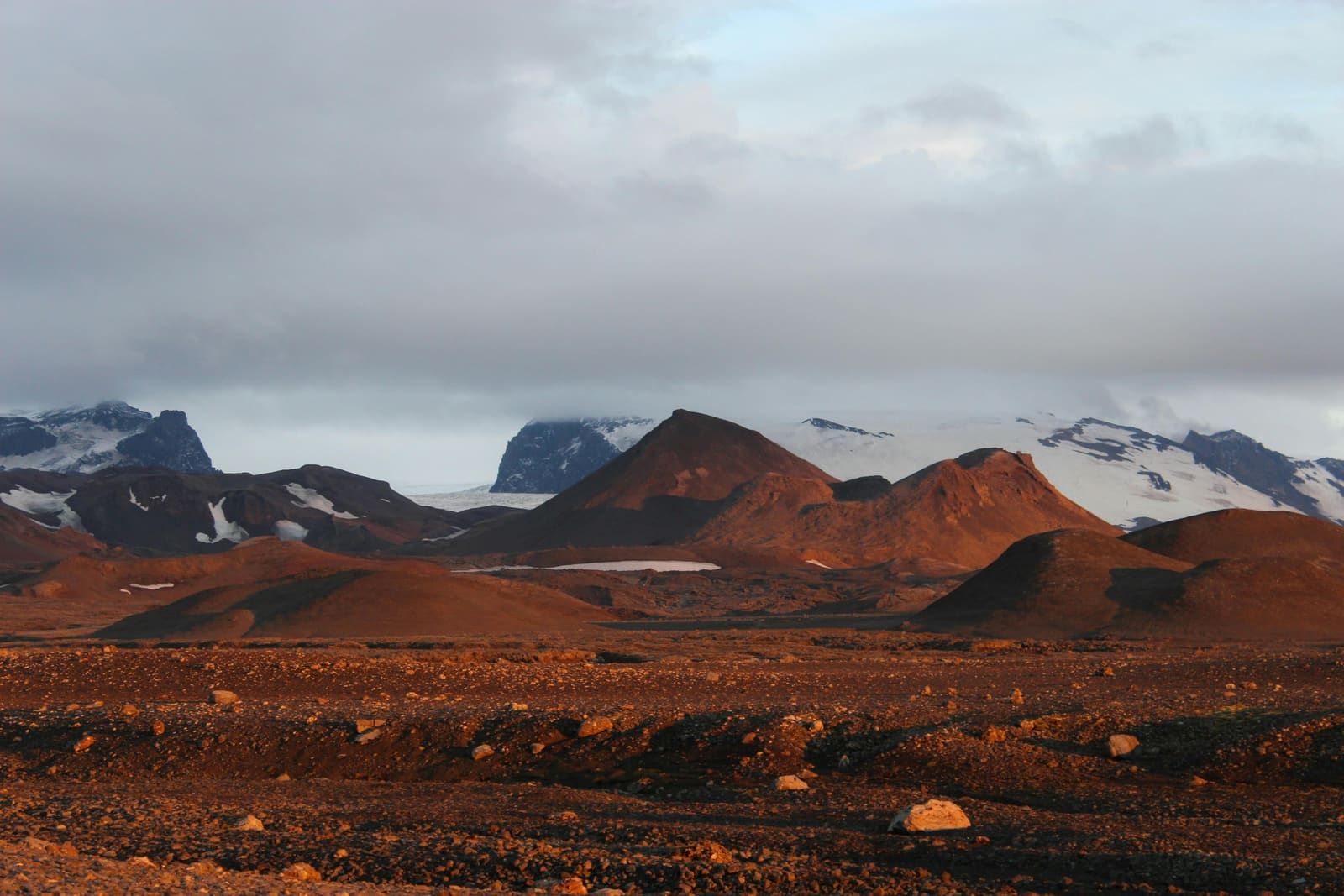
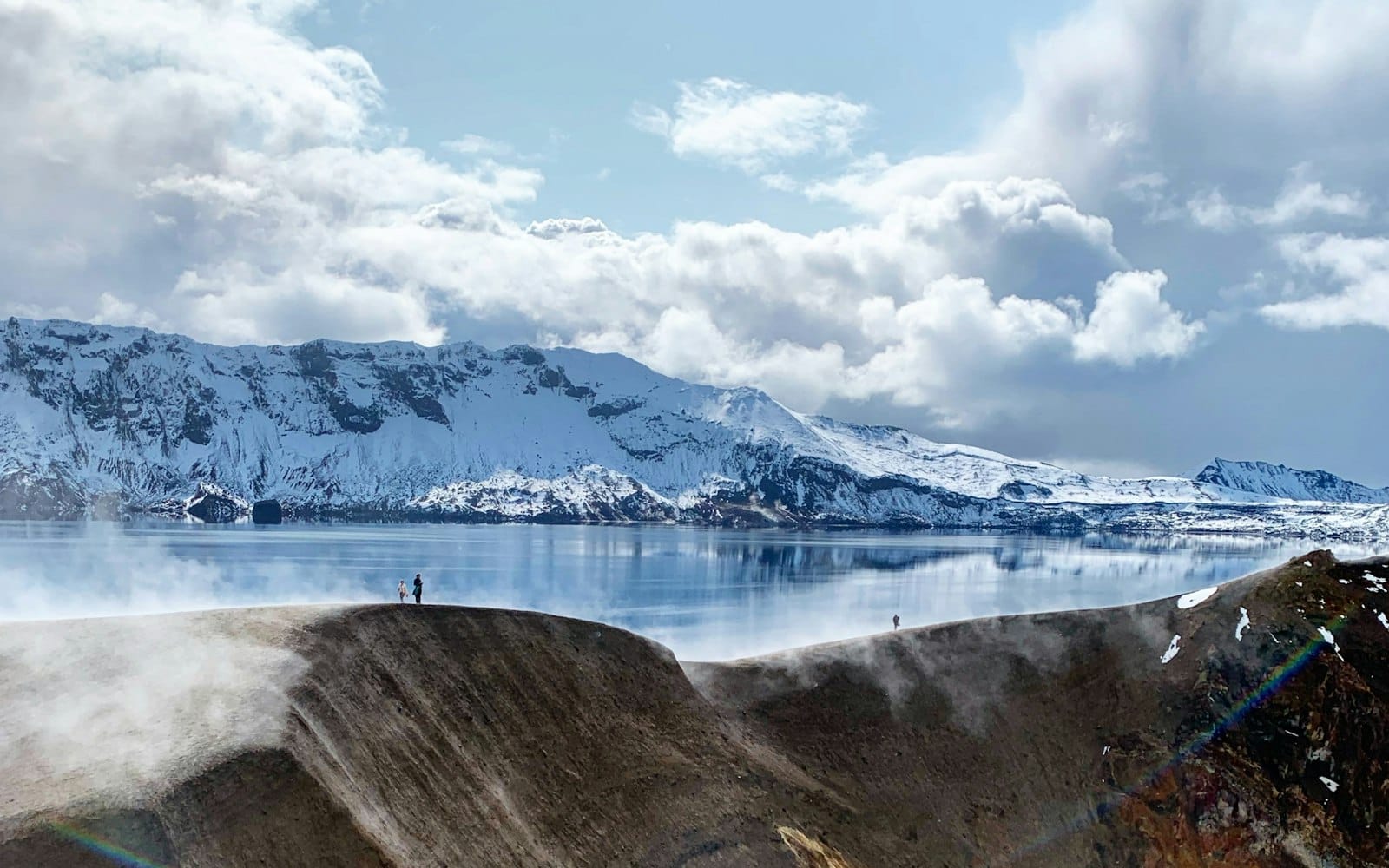
The useful geography is the western Vatnajökull interior: Grímsfjall mountain, Grímsvötn's subglacial volcanic system, and the wider Highlands rather than a simple marked attraction entrance.

Grímsfjall is associated with the high, icy area around Grímsvötn in Vatnajökull National Park. Travel sources place the hot spring near Grímsfjall, while official geological and meteorological sources explain why the surrounding Grímsvötn area deserves caution: it is active, glacier-covered, geothermal, and monitored.

That setting changes the page's job. You are not choosing between two easy hot pools. You are deciding whether a remote glacier and volcano environment belongs anywhere in your trip. For many experienced Highlands travelers, Askja, Kverkfjöll, Holuhraun, or Sprengisandur will be more practical comparison points.

Planning identity

Public role
Remote geothermal context
Landscape
Glacier, volcano, ice, and geothermal heat
Trip fit
Specialist only, if conditions align

Why Grímsvötn changes the safety calculation

The hot spring belongs beside one of Iceland's most consequential glacier-volcano systems, so the sensible planning lens is risk management, not bathing romance.

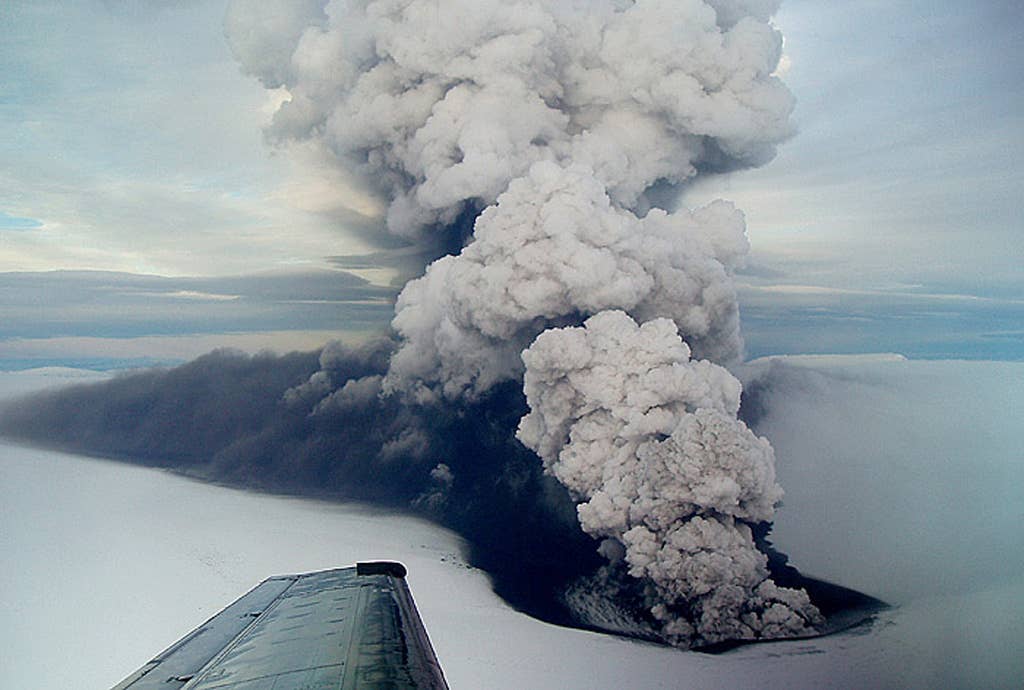
The Icelandic Meteorological Office identifies Grímsvötn as Iceland's most active volcanic system. Vatnajökull National Park explains how geothermal heat, subglacial volcanism, crevasses, meltwater, and jökulhlaups shape this part of the ice cap. Those facts do not mean a visit is impossible; they mean old trip reports and map pins are not enough.

Official updates after past Grímsvötn flooding have included route-avoidance advice around ice cauldrons south of Grímsfjall. Use that as a durable lesson, not as a live condition report: the glacier surface and hazard picture can change, and the correct answer may be to stay away.

  • Check the Icelandic Meteorological Office for weather warnings and volcanic status.
  • Check SafeTravel guidance before any glacier or remote Highlands plan.
  • Check official road information before relying on interior access.
  • Confirm hut, guide, and protected-area details before treating the area as reachable.
  • Keep a realistic backup such as Askja, Landmannalaugar, or safer South Coast glacier viewpoints.

What a traveler should expect, if a plan is even realistic

Expect remoteness, uncertainty, and decision points. Do not expect signs, facilities, changing rooms, predictable bathing, or a quick photo stop.

The likely experience is not a polished attraction sequence. It is glacier-area travel where progress depends on weather windows, surface conditions, navigation, equipment, permissions, and qualified judgement. Even if geothermal water exists at the named feature, that does not create a public bathing promise.

For trip planning, the safest assumption is that this is a specialist objective. If you do not already know how the route, glacier travel, hut arrangements, safety checks, and guide support would work, choose an easier geothermal or volcanic place instead.

Use this reality check before giving the name space in an itinerary.
QuestionContinue only ifChoose another stop if
PurposeYou are researching Grímsfjall, Grímsvötn, or specialist glacier travel.You mainly want a warm soak or quick scenic stop.
AccessOfficial conditions and qualified guidance support the specific plan.The idea depends on a map pin or old online description.
FlexibilityYour route can change without losing the trip.Your itinerary needs certainty, facilities, or fixed timing.

Better alternatives for most Iceland trips

You can understand the same fire-and-ice theme through safer and clearer places, especially if this is your first Highlands or South Coast trip.

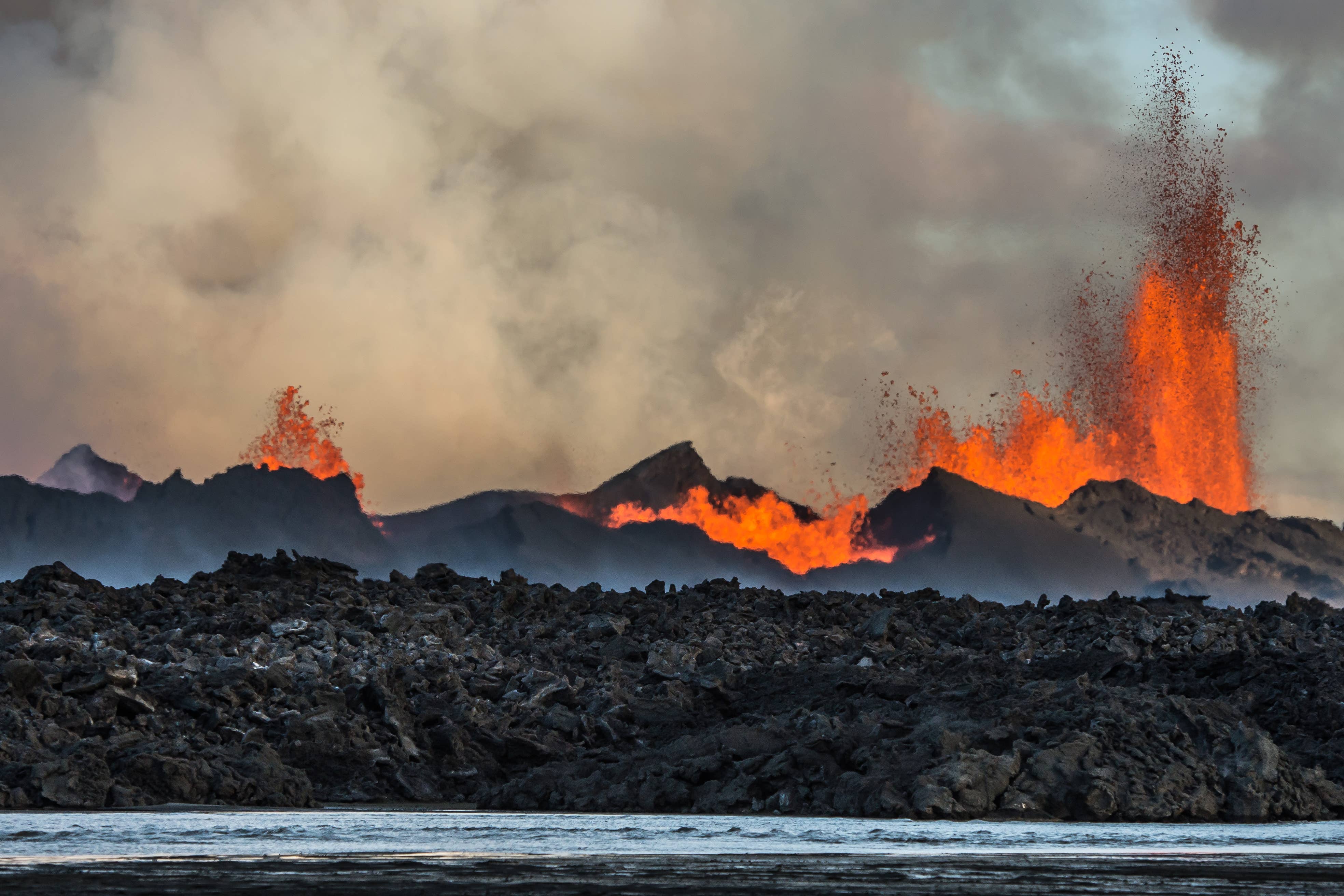
If the appeal is volcanic scale, compare Askja, Bárðarbunga, or Holuhraun. If the appeal is the central Highlands, Landmannalaugar and Sprengisandur give clearer planning frameworks. If the appeal is Vatnajökull itself, use marked South Coast glacier areas or guided glacier activities instead of improvising toward Grímsfjall.

Grímsfjall Hot Spring still has a place in a structured guide because it explains a real name that travelers may find. Its value is to slow the decision down, connect the name to Grímsvötn and Vatnajökull, and make clear why most people should leave it as specialist context.

Official checks and references