Is Grettislaug worth the detour from the Ring Road?

Yes, Grettislaug is worth the detour if you want a rustic North Iceland hot-spring stop and your day already has room for Skagafjörður. It is weaker as a rushed add-on to a long transfer.

The value is the combination: stone-lined pools, open Reykjaströnd coast, mountain walls, views toward Drangey, and a saga story that belongs to this part of Skagafjörður. It feels more local and exposed than a large managed lagoon, which is exactly the appeal for the right traveler.

A local Iceland travel editor would add Grettislaug when the route already includes Skagafjörður, Glaumbær, Varmahlíð, or Hólar in Hjaltadalur and the traveler wants a slower soak. They would skip it when the day is only about covering distance or when weather, roads, or visitor details are uncertain.

Worth the stop?

When this stop makes sense

Good match for

  • North Iceland self-drive travelers with flexible timing
  • visitors who want a rustic hot-spring soak rather than a polished lagoon
  • saga and Drangey context in Skagafjörður
  • routes that already spend time around Sauðárkrókur or Varmahlíð

Think twice if

  • tight Ring Road transfer days with no detour buffer
  • travelers who need a managed spa-style experience

Pair it with

North IcelandGlaumbærSkagafjörðurVarmahlíð

What should you decide before driving to Grettislaug?

Decide first whether Grettislaug is the main pause, a short soak, or a stop to skip. The drive out to Reykjaströnd is part of the commitment, so the choice should happen before the day becomes crowded.

Simple Grettislaug decision guide
ChoiceUse it whenWatch for
Quick soakYou are already in Skagafjörður and want a short, quiet pause.Visitor details and road conditions still need checking.
Balanced stopYou pair the pools with Glaumbær, Varmahlíð, Hólar in Hjaltadalur, or Skagafjörður scenery.Build enough space for changing, weather, and the coastal drive.
Skip this timeYou are trying to cover a long Ring Road transfer or reach Mývatn, Akureyri, or West Iceland on a tight day.The detour can weaken the day if it replaces stronger route anchors.

If your bigger question is whether North Iceland belongs in the trip at all, compare the Ring Road and South Coast pacing before adding Grettislaug. The pool is rewarding when the northern route has breathing room, not when it is forced into a checklist.

Grettislaug works best when the route has time for the soak, the approach, and weather flexibility.

What does the hot spring feel like when you arrive?

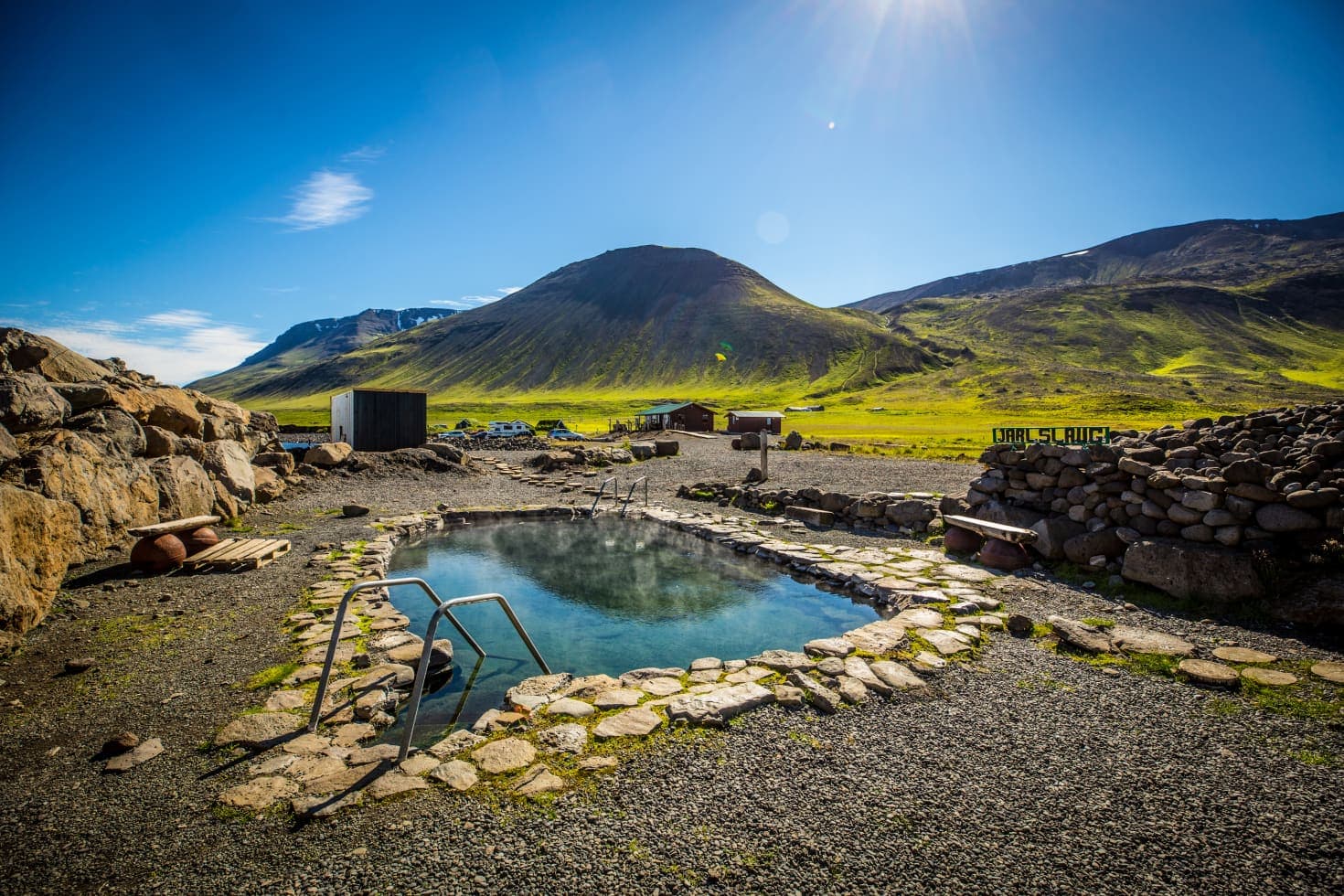
Expect a simple, outdoor bathing place rather than a spa. The pools sit low in a coastal landscape of stone walls, gravel paths, open water, and steep mountains.

The first impression is practical and raw: wind off the fjord, steam over the water, rough stone edges, and a small-site feeling. That is why Grettislaug suits travelers who like unpolished places. If you want a highly controlled lagoon experience, this will probably feel too exposed.

The setting also makes the stop vulnerable to weather. A calm day can feel quiet and memorable; a cold, windy, or wet day can make changing, walking, and rejoining the drive feel less appealing. Keep warm layers close and avoid planning the stop as if conditions are irrelevant.

The appeal is the simple stone pool and exposed coastal setting, not a polished resort atmosphere.

Why do Drangey and Grettir matter here?

The saga context is not a decorative extra; it is part of why this specific hot spring feels different from another roadside soak.

Grettislaug is named for Grettir Ásmundarson, the outlaw hero of Grettis Saga. Local and travel sources connect the pool with the story of Grettir warming himself after the swim from Drangey to the mainland. You do not need to know the saga in detail, but the story gives the coast and island a stronger sense of place.

If Drangey boat trips, bird cliffs, or saga sites are part of your interest in North Iceland, Grettislaug becomes more than a soak. If you do not care about that context, judge the stop mainly by weather, access, and how much you want a quiet bathing break.

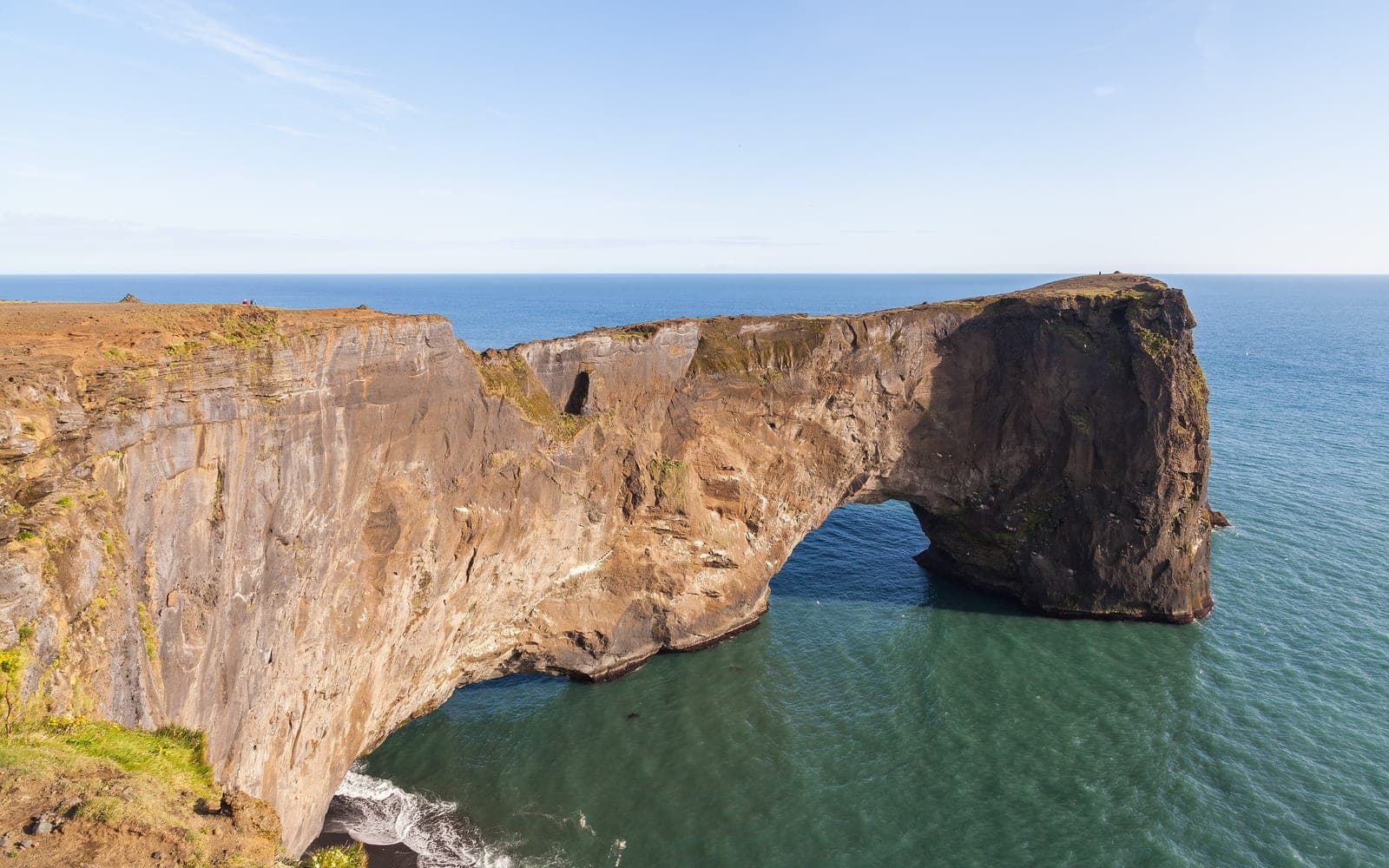
The coast and Drangey context are a large part of why Grettislaug feels tied to Skagafjörður.

How much time and effort should you allow?

Plan roughly 45-90 minutes on site, then add the drive to and from Reykjaströnd. The lower end works for a focused soak; the higher end fits a slower visit with changing, photos, and weather buffer.

The effort is not a hike, but it is still a detour. You leave the main North Iceland corridor, drive toward the coast, park, change, bathe, dry off, and rejoin the route. That sequence takes more real time than the map can make it look.

  • Go if: the day already includes Skagafjörður and you have room for a relaxed stop.
  • Skip if: you are trying to cover a long transfer and need every daylight hour for driving.
  • Check before committing: official visitor information, road conditions, weather, and any on-site rules that affect bathing.
The approach is part of the planning: road, weather, and changing time all affect the stop.

Which nearby Skagafjörður stops pair best?

The best pairings keep Grettislaug inside the same Skagafjörður rhythm instead of turning it into a lonely out-and-back detour.

For culture, pair the soak with Glaumbær and Hólar in Hjaltadalur. For route practicality, use Varmahlíð or Skagafjörður as the wider geography that explains why you are spending time here. For a stronger coast-and-saga day, Drangey and Hofsós are natural comparisons, but verify their own access and visitor details before relying on them.

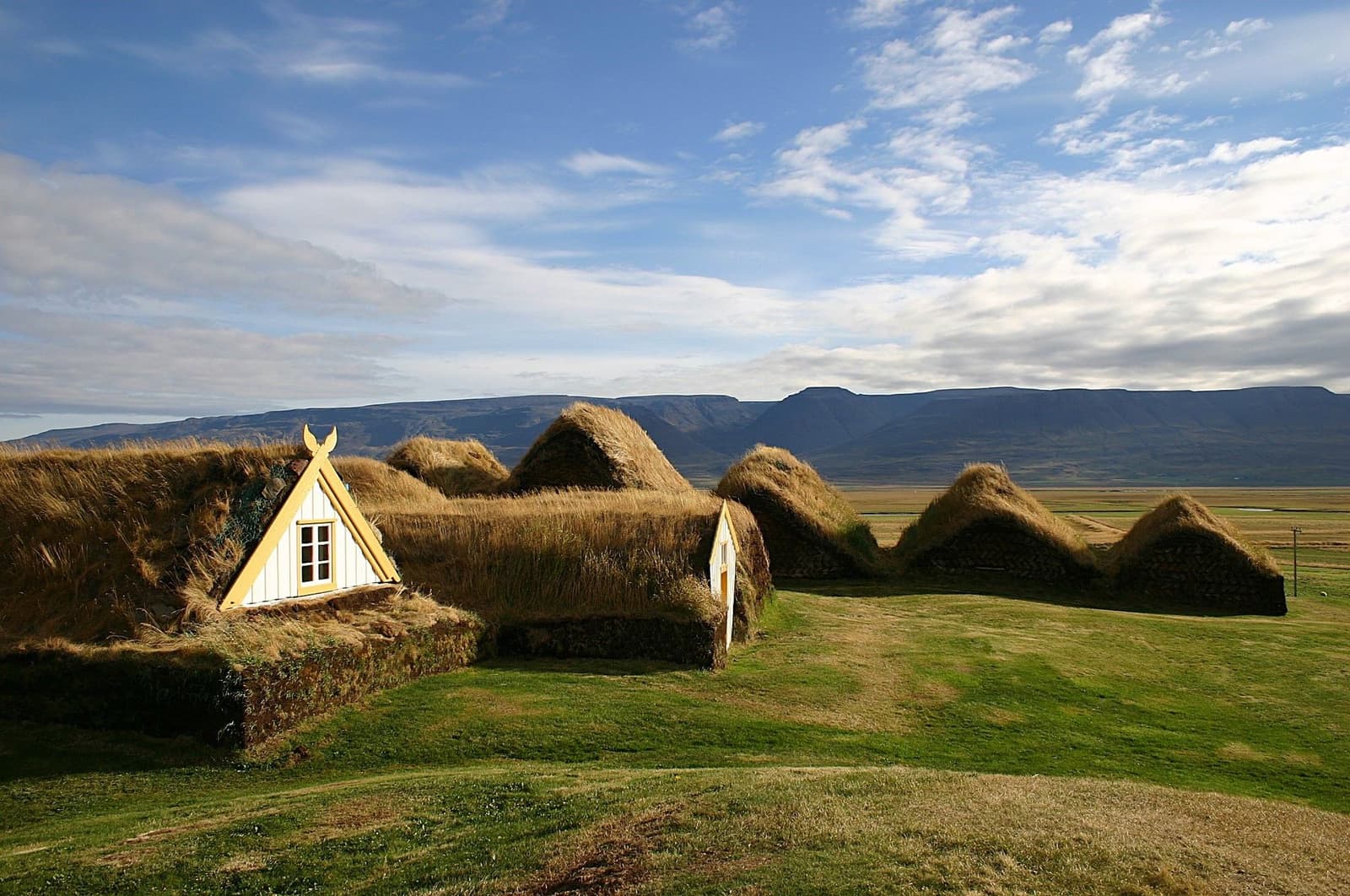
  • Glaumbær adds turf-house history and makes the day feel less like a single hot-spring errand.
  • Skagafjörður gives the stop a wider valley and coast context for North Iceland planning.
  • Varmahlíð works as a practical Ring Road anchor before or after the detour.
  • Hólar in Hjaltadalur suits travelers who want more culture and church history in the same region.
  • Drangey is the strongest saga pairing when boat access, weather, and season make sense.

Keep the cluster modest. Grettislaug is strongest when it helps a Skagafjörður day breathe, not when it is squeezed between too many distant North Iceland stops.

What should you check before committing?

Grettislaug needs more verification than a roadside viewpoint. Treat official visitor information, roads, weather, and safety guidance as the final decision layer before you drive out.

Visitor details can change with season, weather, maintenance, staffing, and local rules. If changing space, showers, payment, opening, or accessibility matters to your plan, verify those details with the official or operator-linked source before you depend on them.

Road and weather checks matter because Reykjaströnd is exposed. Wind, precipitation, visibility, loose gravel, and winter conditions can turn a pleasant soak into a poor use of the day. This is especially important if Grettislaug sits between two longer driving segments.

Official and reliable planning sources

Treat on-site signs and official visitor details as the final source for practical rules.

Grettislaug FAQ

These are the questions most likely to change whether Grettislaug belongs in your North Iceland day.

How long do you need at Grettislaug?

Most travelers should allow about 45-90 minutes on site, plus the Reykjaströnd drive. Use the shorter end for a focused soak and the longer end when changing, weather, or photos slow the stop down.

Is Grettislaug a spa or a natural hot spring?

Grettislaug is best approached as a rustic outdoor bathing stop, not a polished spa. Verify official visitor details before relying on services, access, payment, or facilities.

Can you visit Grettislaug in winter?

Do not build a winter plan around Grettislaug without checking official visitor information, road conditions, weather, and safety guidance first. The coastal setting and approach road make conditions important.

What should you pair with Grettislaug?

Pair Grettislaug with Skagafjörður places such as Glaumbær, Varmahlíð, Hólar in Hjaltadalur, Drangey, or Hofsós. Choose two or three nearby stops instead of overloading the day.