Grábrók is a protected volcanic crater beside Bifröst in West Iceland, best used as a short Ring Road or Borgarfjörður climb when you want quick volcanic views without reshaping the whole day.
Geology snapshot
Type
Protected volcanic crater and lava-field viewpoint
Region
West Iceland, by Bifröst in Borgarfjörður
Route context
Useful as a short Ring Road, Borgarfjörður, or Silver Circle-adjacent stop
Time to allow
About 30-60 minutes for the climb, rim views, photos, and slower footing
Best experience
Climb the marked path, look into the crater, and use the rim for wider lava-field views
In this guide
Grábrók is worth the climb when you are already passing Bifröst or shaping a West Iceland day around Borgarfjörður
Yes, Grábrók is worth the climb when you are already passing Bifröst or shaping a West Iceland day around Borgarfjörður. It is a poor detour if the drive is already tight or the weather makes the stairs awkward.
The value is simple: a protected volcanic crater beside the Ring Road, a short uphill path, and broad views over lava, low mountains, Bifröst, and Lake Hreðavatn. It gives a trip quick volcanic texture without asking for a long hike.
Add Grábrók when the day needs a compact volcanic stop between Borgarnes, Glanni Waterfall, and the inland Borgarfjörður cluster. Skip it if adding the climb means rushing Hraunfossar Waterfalls, Barnafoss Waterfall, Deildartunguhver Hot Spring, Húsafell, or the onward drive.
Photo guide
Grábrók in photos
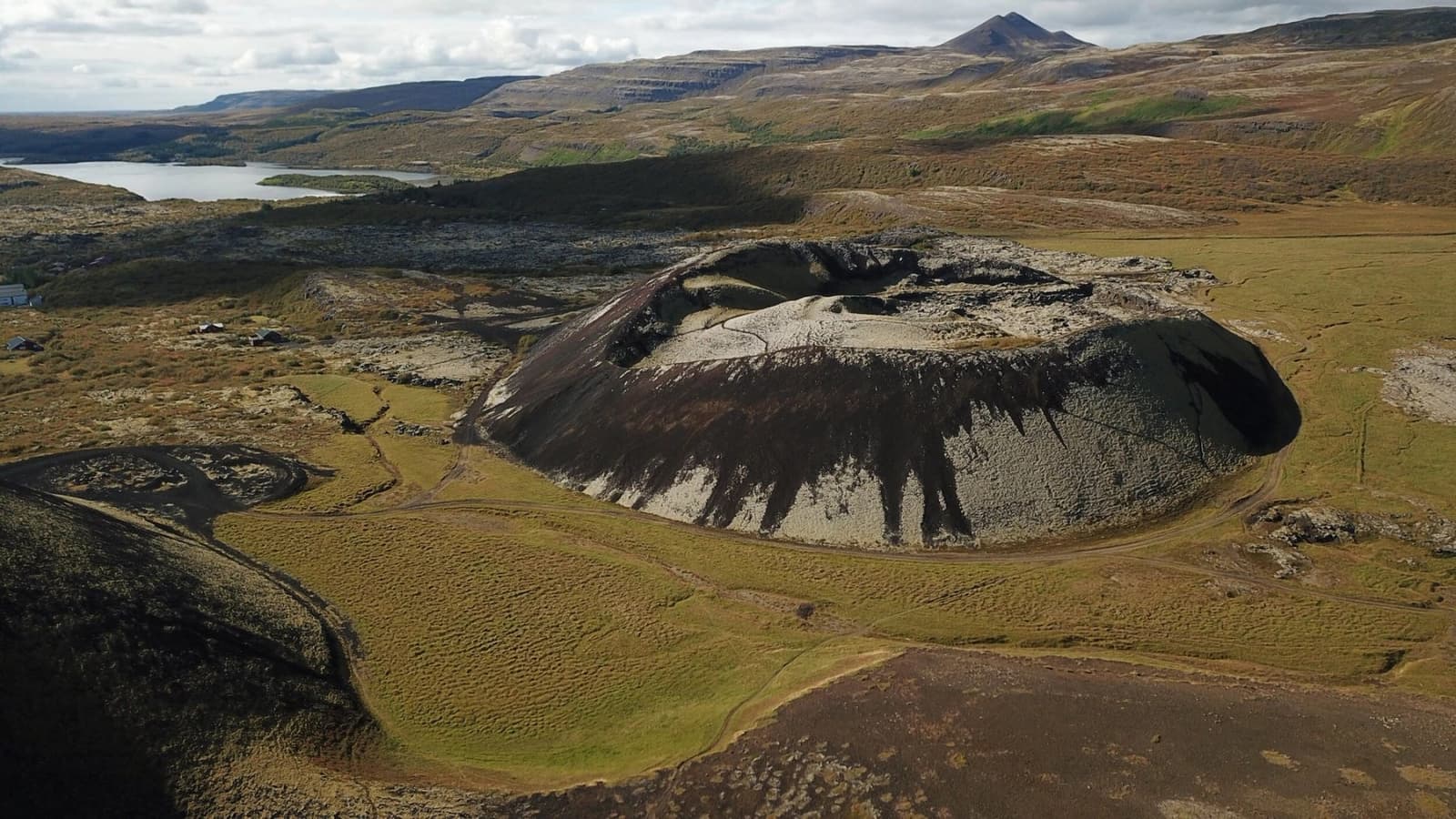
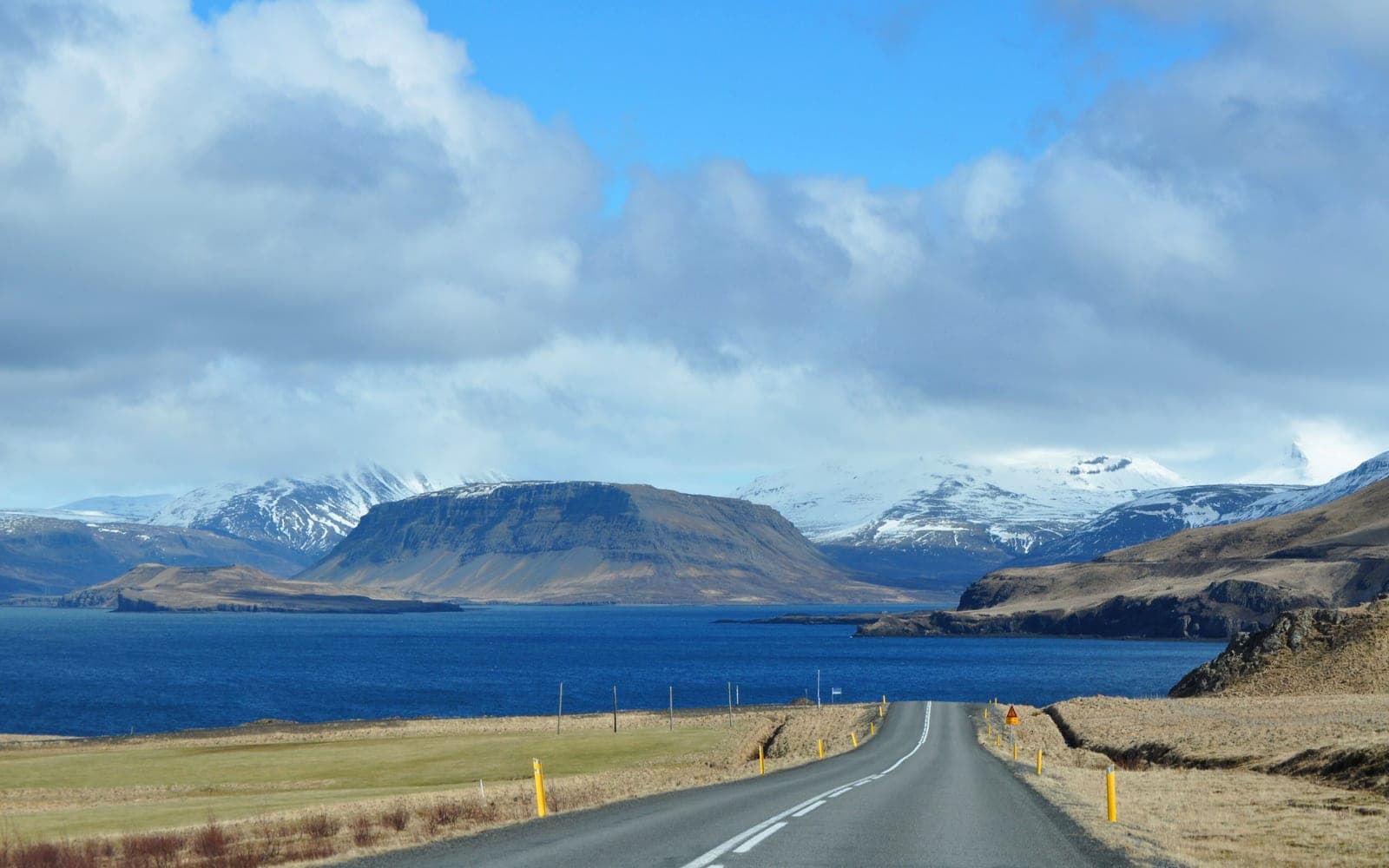
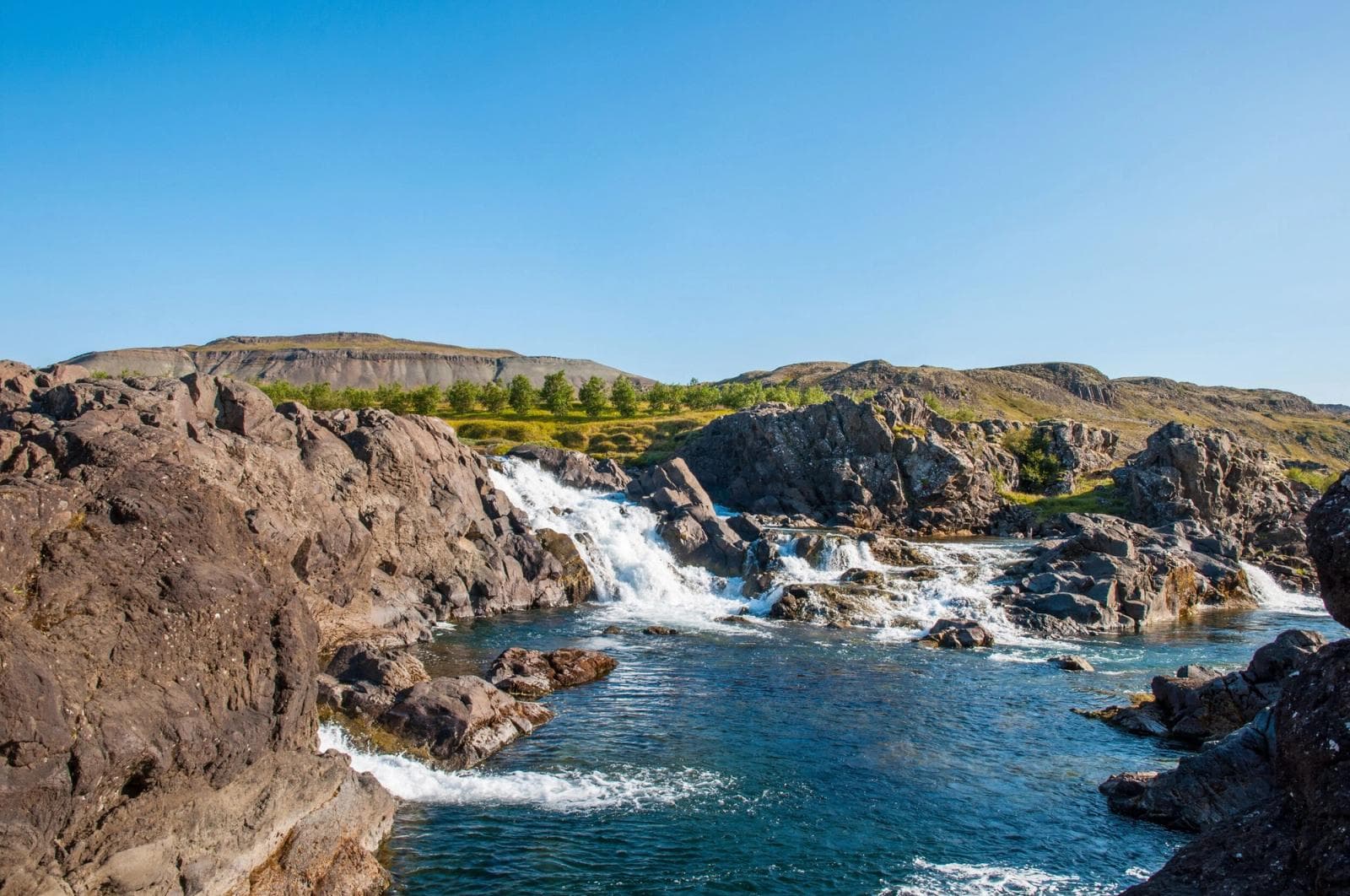
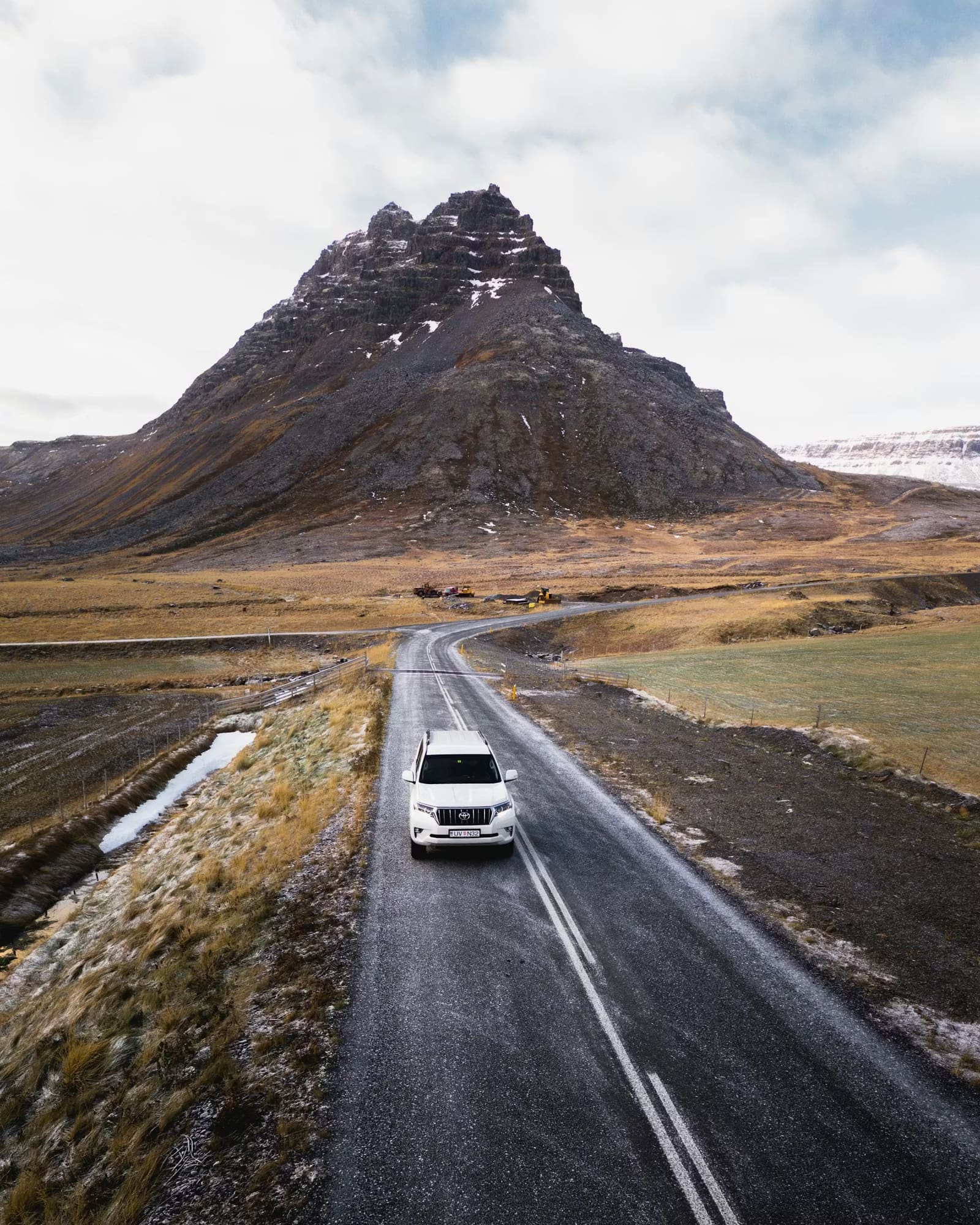
The rim path gives a close view of the crater bowl and volcanic texture.
Grábrók: the walk feels direct and exposed
The walk feels direct and exposed: you gain height quickly, then the view opens across black scoria, pale moss, lava ridges, Bifröst, and the wider West Iceland valley.
Grábrók is not about solitude or a hidden trail. It is about the rare convenience of stepping from a main-road stop into a crater landscape where the path, rim, and surrounding lava field are easy to read.
The marked stairs make the crater easy to understand, but wind and footing still shape the visit.
From the rim, the crater bowl and the surrounding Grábrókarhraun lava field explain why this stop works better in person than it may look on a map. The visit is short, but the contrast between dark volcanic slopes, pale moss, and open valley views is memorable.
Grábrók: most travelers should protect about 30-60 minutes
Most travelers should protect about 30-60 minutes. The shorter end suits a steady climb and a few photos; the longer end gives room for slower footing, wind, rim views, and a calmer descent.
Grábrók timing choices
Visit style
Best when
Time to protect
Quick crater climb
You want the rim view and the day has another main anchor
30-40 minutes
Balanced short stop
You want the climb, photos, crater context, and a less rushed descent
40-60 minutes
Cautious conditions
Wind, wet boards, ice, snow, or mixed ability makes the path slower
Keep flexible
The effort is short but real. The climb uses stairs and marked paths in exposed terrain, so it can feel simple in calm weather and much less comfortable when surfaces are wet, icy, or snow-covered.
If you are traveling in colder or low-light months, use Winter Driving in Iceland plus official road and weather checks before treating the stop as fixed. A small crater climb is easy to drop if the safer planning move is to keep driving.
Use Grábrók as a supporting stop, not the whole reason for the day
Use Grábrók as a supporting stop, not the whole reason for the day. It works best when the route already includes Bifröst, Glanni, or the inland Borgarfjörður attractions.
The cleanest pairing is Grábrók plus Glanni Waterfall: crater, lava, river, and waterfall in one compact area. If you are continuing inland, Hraunfossar Waterfalls and Barnafoss Waterfall give the day a stronger water-and-lava anchor, with Deildartunguhver Hot Spring and Húsafell adding geothermal and destination-area contrast.
Winter or snow-covered visits can be beautiful, but the stairs and rim need a more cautious plan.
Compare Grábrók with Eldborg if your day is really about crater walking. Grábrók is the quicker and more convenient stop; Eldborg asks for a more deliberate walk and a different rhythm.
What should you check before walking the crater?
Check protected-area guidance, road conditions, weather, and safety advice if the climb matters to your timing. Grábrók is easy to plan loosely, but less useful as a rigid promise.
Use protected-area guidance for marked paths, nature-reserve conduct, and visitor rules.
Use official road conditions before committing to a West Iceland driving sequence.
Use official weather guidance when wind, rain, ice, snow, or low visibility could affect the stairs and rim.
Use official safety guidance if alerts or travel conditions could affect the area.
Verify official access and visitor details separately if step-free access, services, or parking logistics matter to your group.
Stay on marked paths and built platforms. The crater is protected, and the surrounding scoria and mossy lava are not a place to create shortcuts for photos.