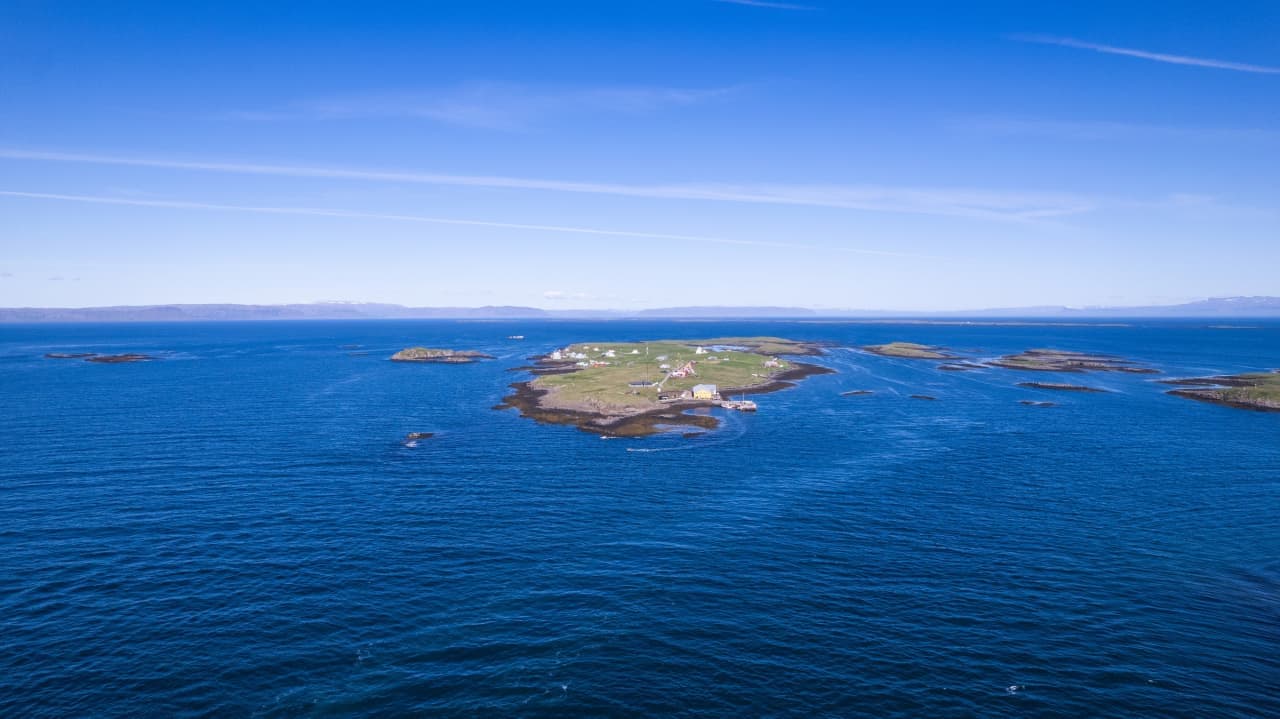
Flatey is a tiny island village in Breiðafjörður, worth adding when a Westfjords or Snæfellsnes route has enough ferry time for slow paths, houses, birdlife, and bay views.
Coast snapshot
Type
Island village, cultural stop, wildlife area, and ferry-based side trip
Region
Breiðafjörður, between Snæfellsnes and the southern Westfjords
Route context
Best when a Westfjords Way or north Snæfellsnes plan already uses the Baldur ferry
Time to allow
A short walk can be simple; a meaningful stop usually needs a protected ferry buffer
Best experience
Walk the old village slowly, look toward the bay, and treat bird areas and private life with care
In this guide
Is Flatey worth the ferry stop?
Yes, if the island is part of a slower west-coast route, not a trophy detour squeezed between larger sights.
Flatey is the kind of place that rewards a different pace from mainland Iceland. The island visit is about walking between small houses, watching the water shift around Breiðafjörður, noticing the church and old village texture, and accepting that the ferry controls the day more than your car does.
Add Flatey when the trip already links Stykkishólmur, Breiðafjörður, and the Westfjords with enough slack for boat timing. Skip it on a first trip that still has to choose between Dynjandi, Látrabjarg, and long mainland drives.
Go if a quiet island village would improve the ferry day rather than complicate it.
Skip if the route already feels tight around major Westfjords or Snæfellsnes stops.
Check before committing if weather, sea conditions, operator details, or bird protection could change the plan.
Photo guide
Flatey in photos
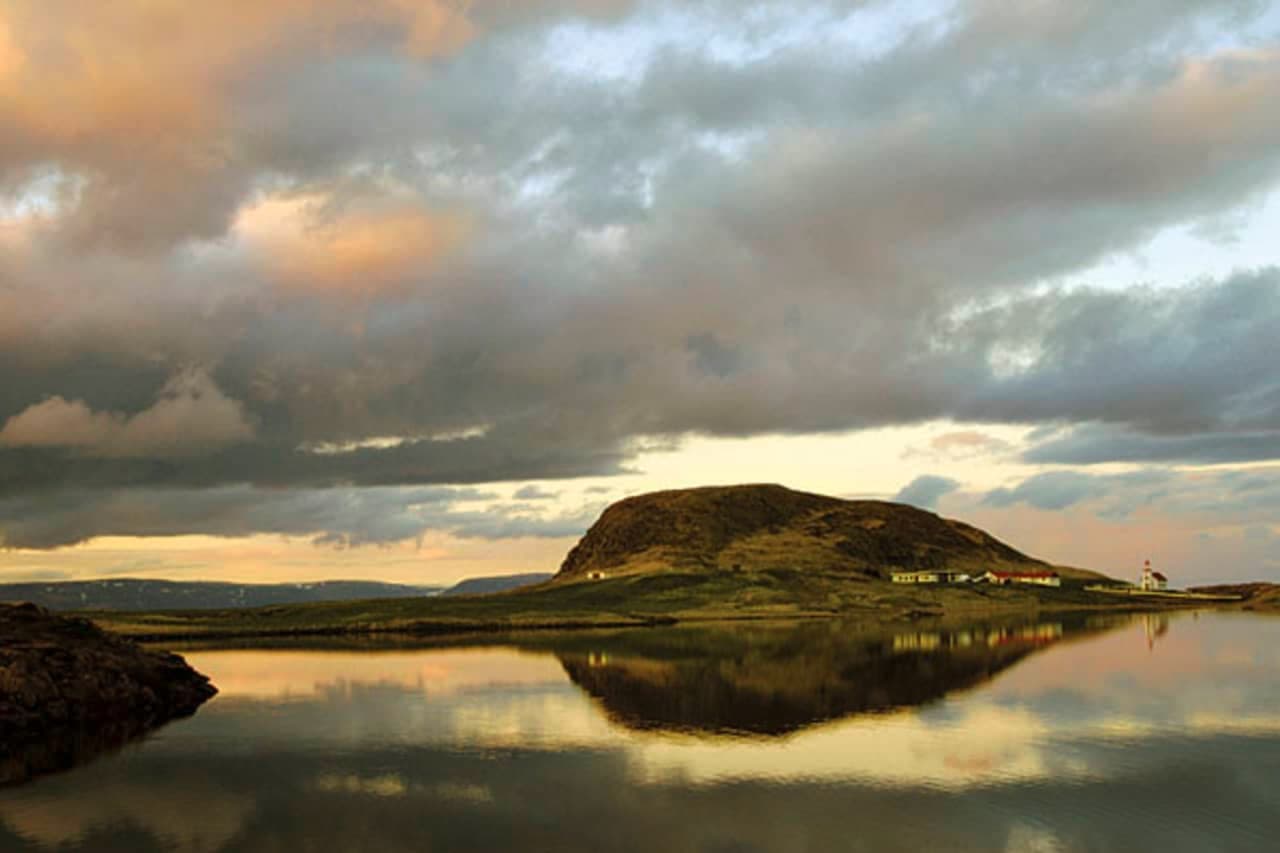
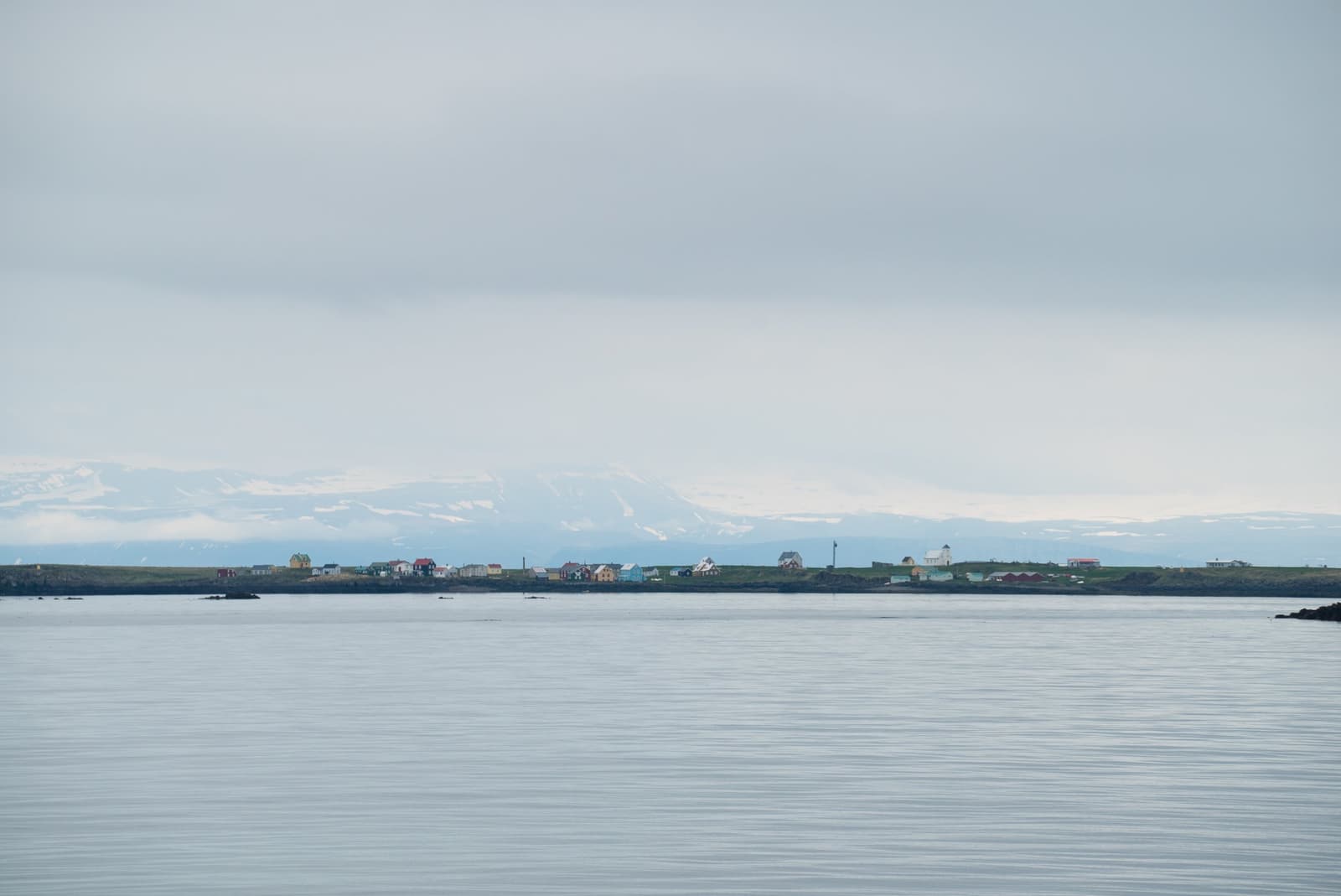
The old village is the part of Flatey most visitors should slow down for.
Flatey: expect a small, low island with colorful houses, grass paths, sea views, birds, and a village rhythm that feels deliberately slow
Expect a small, low island with colorful houses, grass paths, sea views, birds, and a village rhythm that feels deliberately slow.
Flatey does not work like a viewpoint where you arrive, photograph, and leave. The appeal is cumulative: painted timber houses, a simple path through the settlement, the small church area, low shoreline, boat sounds, and the sense that Breiðafjörður is full of other islands just beyond the frame.
Flatey is most rewarding when you slow down enough for individual houses, paths, and shoreline views.
That quietness is the point. If your day needs a dramatic waterfall or cliff edge, Flatey may feel too gentle. If the trip needs a pause between Breiðafjörður water, Stykkishólmur harbor, and the southern Westfjords, the island gives the route a memory that is hard to get from the car.
How should you fit Flatey into the ferry day?
Decide first whether Flatey is the purpose of the crossing, a pause inside it, or a stop you should leave for another trip.
The Flatey decision is as much about boat logistics as scenery.
Ways to use Flatey in a west-coast plan
Trip use
Best reason
Main tradeoff
Check first
Ferry pause
Break up the Breiðafjörður crossing with a real island walk
Less control over the day than a normal driving stop
Operator visitor details
Slow island stop
Give the old village, church area, and shoreline time to matter
Can crowd out mainland anchors if the route is already full
Weather and sea conditions
Westfjords transition
Turn the move between Snæfellsnes and the Westfjords into an experience
Works poorly when the next drive has no buffer
Road and safety guidance
The safest planning move is to make Flatey the emotional center of that travel block, then reduce the rest of the day. Trying to combine the island with too many mainland highlights can make a beautiful idea feel like a ferry problem.
What should you see first on Flatey?
Start with the old village and church area, then let the shoreline and birdlife shape how far you wander.
The old village gives the clearest sense of Flatey quickly. It is compact, colorful, and different from the larger harbor towns on either side of the bay. The church area adds cultural weight, while the low paths and water views remind you that the island is part of a much bigger Breiðafjörður landscape.
The church area makes Flatey feel like a cultural stop as well as an island walk.
Flatey: the walking can be gentle, but the planning effort is higher than a normal roadside stop because the island depends on boat timing
The walking can be gentle, but the planning effort is higher than a normal roadside stop because the island depends on boat timing.
On the island itself, the useful visit is simple: arrive, walk slowly, look at the village, give the shoreline and birds space, and return without trying to turn Flatey into a checklist. The effort sits around the visit: booking rules, sailing choices, weather, sea conditions, and the road plan on both sides of the bay.
Keep the stop short only if the operator plan gives you a clear, low-stress window.
Give it more time if the old village, photography, or a quiet island pause is the reason for going.
Do not stack Flatey, Dynjandi, Látrabjarg, and a long transfer into one fragile day.
Use official ferry, weather, road, and safety guidance before treating the island as fixed.
This is why Flatey is better for slower travelers than for maximum-coverage itineraries. The island itself is easy to like; the question is whether your wider route gives it enough room to be enjoyable.
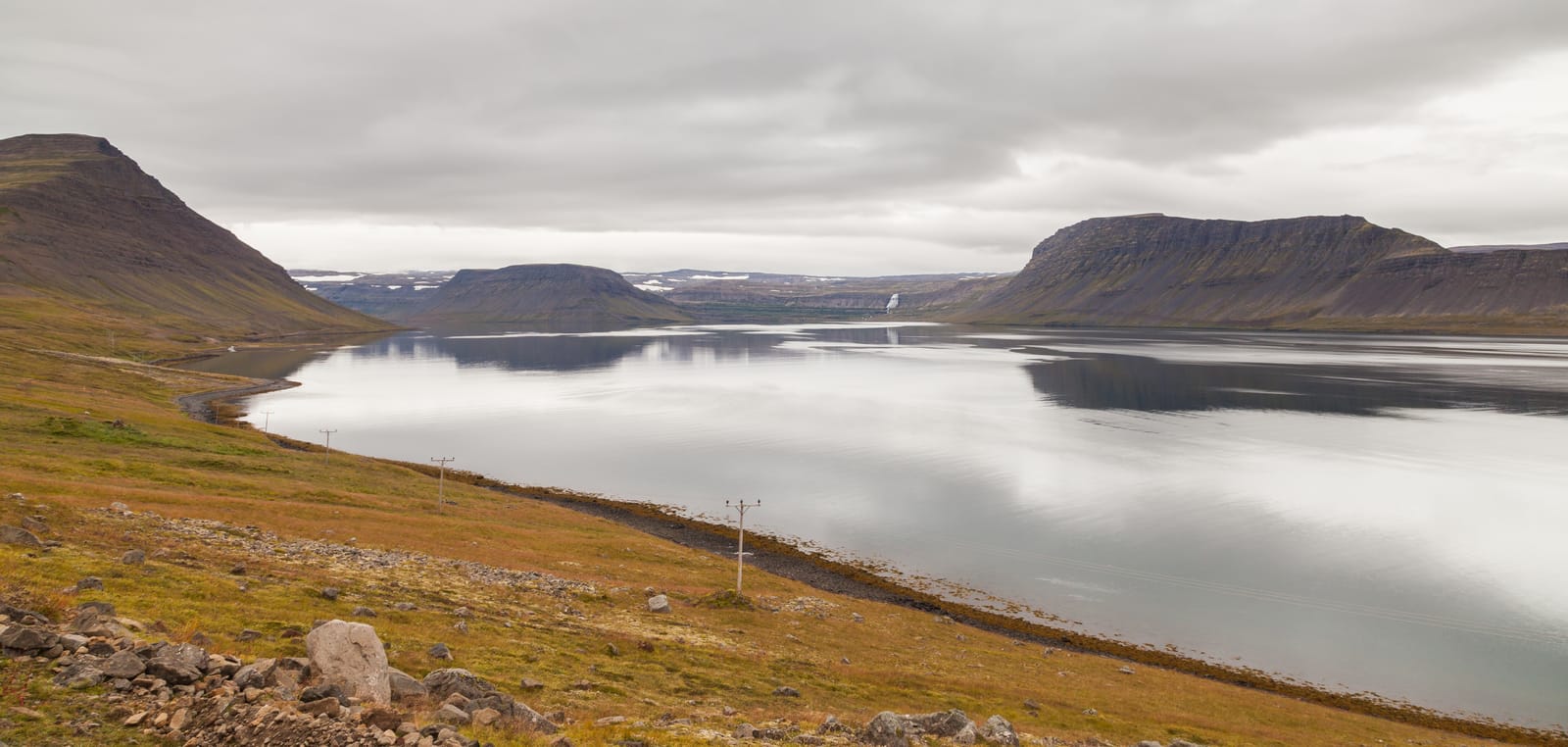
Flatey works best as the island layer of a route that already includes Breiðafjörður, Stykkishólmur, and a realistic Westfjords plan
Flatey works best as the island layer of a route that already includes Breiðafjörður, Stykkishólmur, and a realistic Westfjords plan.
South of the island, Stykkishólmur gives the harbor-town side of the same journey, while Helgafell can add a compact cultural and landscape pause on Snæfellsnes. North of the crossing, compare Flatey with larger Westfjords anchors before adding more stops.
Dynjandi gives the clear waterfall payoff; Látrabjarg gives a much bigger cliff-and-birdlife commitment; Patreksfjörður helps with southern Westfjords base planning. Flatey sits between those choices as the quieter island stop that makes the crossing feel like part of the trip.
If the route is already moving toward Hornstrandir or the northern Westfjords, be careful. Flatey can be beautiful and still be the stop that makes the next leg too tight.
What should you check before going to Flatey?
Check official sources before you make Flatey the fixed point of a route, especially when ferry timing, bird areas, weather, or onward driving matter.
The stable facts are the island's position in Breiðafjörður, its old-village feel, its birdlife, and its role as a ferry-based stop between Snæfellsnes and the southern Westfjords. The fragile details are the ones that decide a real day: sailing plan, booking rules, sea conditions, weather, road status, protected areas, and local instructions.
Use for wind, visibility, and weather systems affecting boat and driving plans.
Flatey FAQ
Most uncertainty comes from ferry logistics, how slow the visit should be, and whether the island deserves time over mainland highlights.
Is Flatey a main Westfjords attraction?
Usually not by itself. Flatey is strongest as a slow island stop inside a Breiðafjörður crossing, while Dynjandi, Látrabjarg, or Patreksfjörður usually carry more of the mainland Westfjords plan.
Can Flatey work as a short stop?
Yes, if the operator plan gives you a calm window. Keep expectations modest: village walking, church area, shoreline views, and careful birdlife awareness.
Should first-time Iceland visitors include Flatey?
Only when the route already includes Snæfellsnes and the Westfjords. On shorter first trips, Flatey is easier to skip than the region's bigger anchor stops.
Is Flatey good for birdwatching?
It can be, but treat birdlife as a sensitive bonus rather than a guarantee. Keep distance, follow signs, and avoid disturbing nesting areas or private island life.