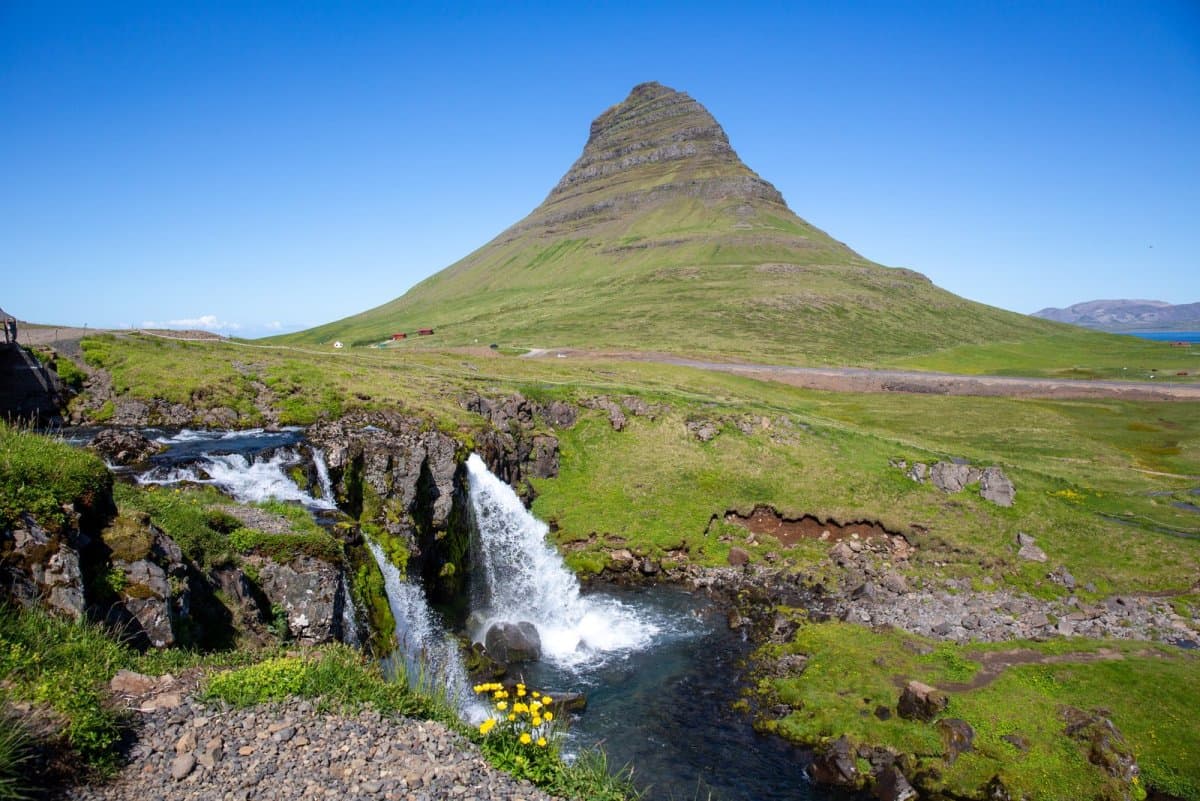
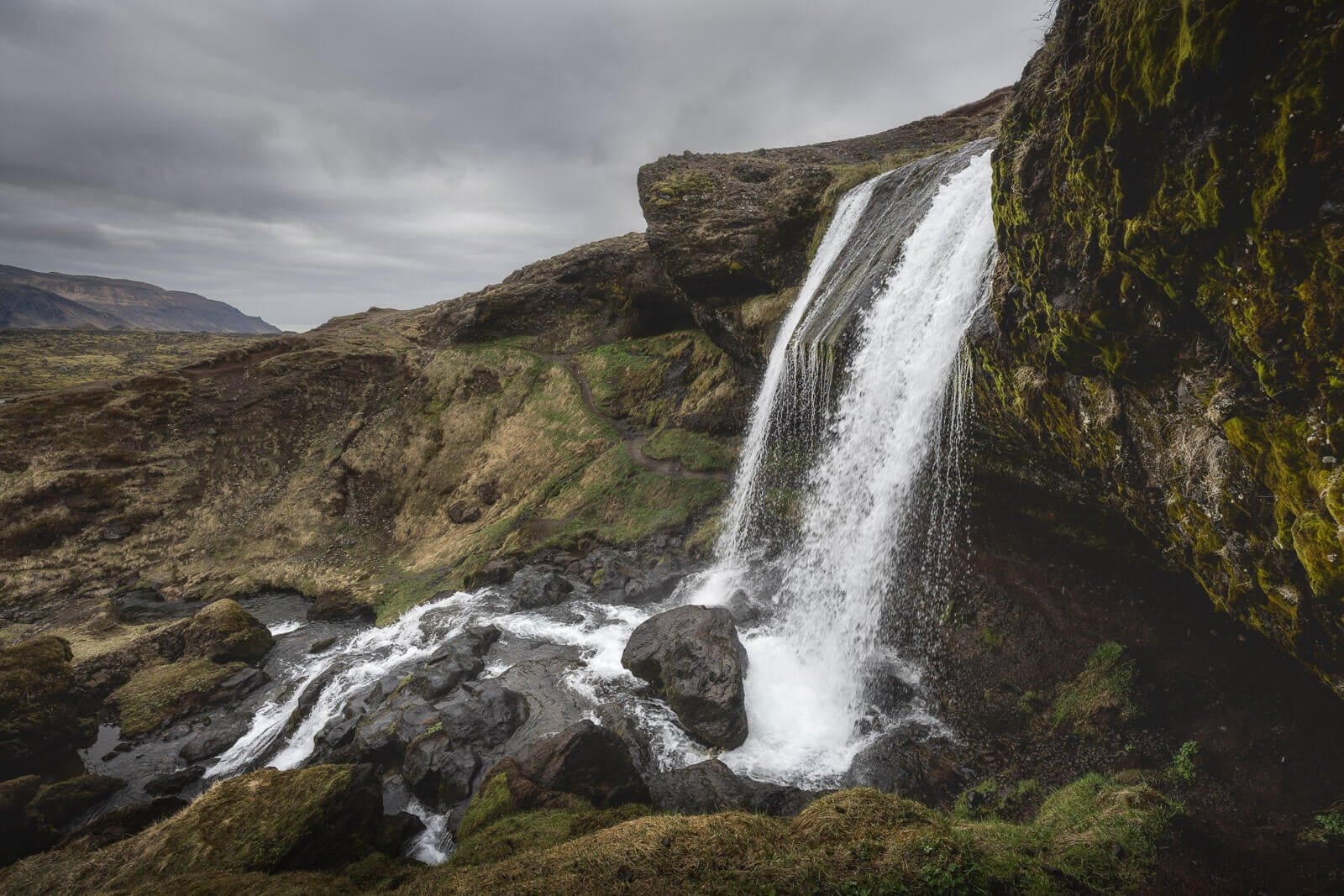
Bjarnarhöfn is a family farm and shark museum on north Snæfellsnes, worth adding when you want cultural context between scenic stops and have time for visitor-detail checks before committing.
Culture snapshot
Type
Family farm, shark museum, food-heritage stop, and cultural attraction
Where
North coast of the Snæfellsnes Peninsula, between the Kirkjufell side and Stykkishólmur side
Time to allow
About 45-90 minutes, depending on tour pace, tasting interest, and route buffer
Best experience
Use it as a cultural pause between landscape stops, not as the only anchor for the peninsula
Route fit
Strongest on a Snæfellsnes loop or overnight; weaker on an overloaded out-and-back day
In this guide
Is Bjarnarhöfn worth adding to Snæfellsnes?
Yes, if you want a short cultural stop that feels completely different from the peninsula's cliffs, mountains, and beaches. Skip it if your day is already packed with scenic anchors and you only have time for one north-coast pause.
Bjarnarhöfn is not the biggest sight on Snæfellsnes, and that is the point. It gives the day a human-scale break: a family farm, a shark museum, fishing objects, a drying-house story, and the chance to understand why hákarl is more than a dare on a tourist table.
Add Bjarnarhöfn when a Snæfellsnes Peninsula Road Trip needs culture between landscape stops, especially after or before Kirkjufell. Skip it on a rushed loop where Lóndrangar, Snæfellsjökull, and long driving already make the day feel tight.
Use this quick decision guide before adding Bjarnarhöfn to the day.
Choice
Use Bjarnarhöfn when
Think twice when
Quick visit
You want a short cultural pause between north-coast stops.
You need every spare minute for weather, photos, or driving.
Balanced visit
You want the museum story, tasting context, and a less scenic but memorable stop.
The group is not interested in strong food traditions or small museums.
Slow visit
You are staying on Snæfellsnes and can let the stop breathe.
Official visitor details do not line up with your route day.
Photo guide
Bjarnarhöfn in photos
1 / 2
The stop can work as a slower cultural pause, but verify visitor details before relying on any service.
What actually happens at the shark museum?
The visit is about Greenland shark, hákarl, fishing history, and the farm's own role in keeping that tradition visible. Expect a compact, specific museum rather than a broad natural-history center.
The official museum material describes a guided explanation of why shark meat needs a long curing process, how the farm handles the tradition, and how the drying house fits into the final stage. Displays also lean into fishing objects and shark biology, so the stop has more context than simply trying a strong-tasting food.
That specificity is the value. If the idea of hákarl makes your group curious, Bjarnarhöfn can become one of the most memorable small stops of the peninsula. If the whole group is chasing waterfalls, cliffs, and mountain views, the museum may feel like a detour from the main mood of the day.
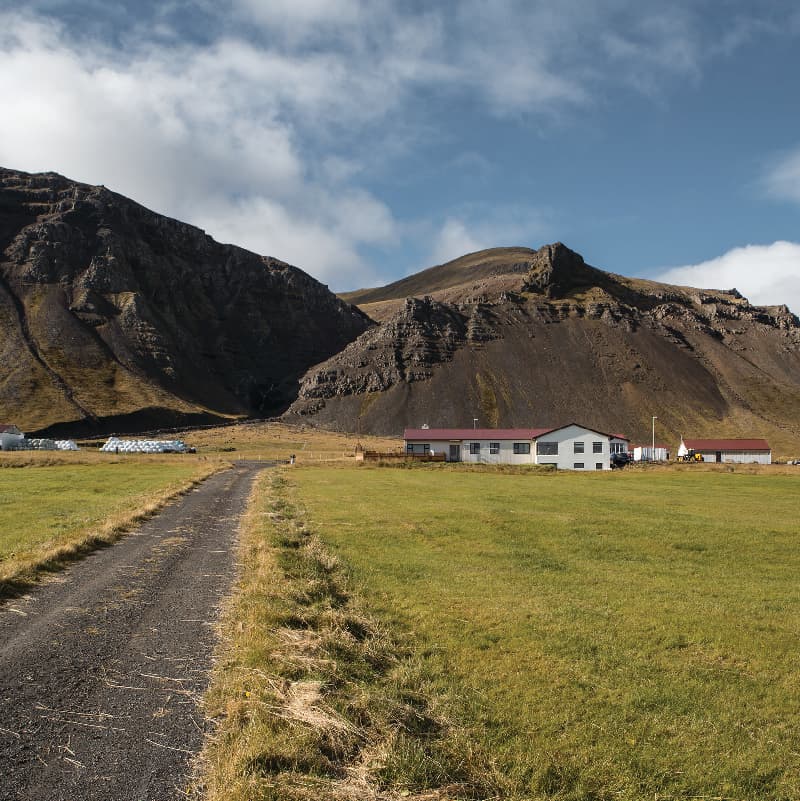
The museum is strongest when you treat it as fishing and food-history context, not just a tasting stop.The farm setting helps the visit feel specific to this corner of Snæfellsnes.
Bjarnarhöfn: most travelers should allow about 45-90 minutes, then add route buffer if the stop depends on official visitor details, weather, or a mixed-interest group
Most travelers should allow about 45-90 minutes, then add route buffer if the stop depends on official visitor details, weather, or a mixed-interest group.
A quick version gives you the main story and keeps the day moving. A balanced version works better if you want to ask questions, look at the drying-house context, and give reluctant tasters time to decide whether they are joining in.
Go if the day needs a cultural contrast to waterfalls, cliffs, and lava fields.
Skip if the group already feels overloaded by stops and still has major driving ahead.
Check before committing if visitor details, food options, or step-free access matter to your plan.
For a broader West Iceland route, Bjarnarhöfn makes the most sense when it sits naturally between the north side of Snæfellsnes and the next scenic anchor. It is weaker as a long single-purpose drive from Reykjavík.
How does it compare with nearby Snæfellsnes stops?
Bjarnarhöfn is the cultural counterweight to the north coast's headline scenery. Compare it against what your day is missing, not against the most dramatic photos on the peninsula.
Kirkjufell gives you the classic mountain-and-waterfall identity of north Snæfellsnes. Lóndrangar adds basalt cliffs and coastal walking. Snæfellsjökull gives the route its national-park and glacier backdrop. Bjarnarhöfn belongs when those big outdoor stops need one smaller, more local story between them.
Nearby stop comparison for a Snæfellsnes driving day.
Stop
Best role
Planning tradeoff
Bjarnarhöfn
Food heritage, farm context, and a short cultural pause.
Less scenic drama; visitor details need official checks.
Kirkjufell
North-coast landmark and photo anchor.
Weather and crowds can decide how rewarding it feels.
Lóndrangar
Coastal cliffs, sea stacks, and walking context.
Needs more outdoor time and better weather.
Snæfellsjökull
National-park backdrop and route identity.
Best with enough time for the peninsula, not a rushed checklist.
Dark-season atmosphere is part of the appeal, but the practical decision still depends on roads, weather, and daylight.
Bjarnarhöfn: check official visitor information before relying on the museum
Check official visitor information before relying on the museum, then check road and weather sources if your route crosses Snæfellsnes in winter, high wind, or limited daylight.
Use this guide for planning, not live access confirmation. Use official visitor information for opening, admission, booking, food, and access details, because those are exactly the details that can change and break a tight day.
Road and weather checks matter because Bjarnarhöfn sits inside a driving day, not outside it. If you are building a Winter Road Trip in Iceland or crossing Snæfellsnes in poor visibility, let road conditions and warnings decide whether the cultural stop stays in the plan.
Use for warnings, wind, visibility, and daylight-sensitive route choices.
Bjarnarhöfn FAQ
These questions matter because Bjarnarhöfn is a small, specific cultural stop, not a universal scenic landmark.
Is Bjarnarhöfn mainly for adventurous eaters?
No, but curiosity about Icelandic food traditions helps. The museum story, fishing objects, and farm context can still be useful even if not everyone wants to taste hákarl.
Can Bjarnarhöfn replace a major Snæfellsnes landscape stop?
Usually no. It works better as a cultural pause beside places like Kirkjufell, Lóndrangar, or Snæfellsjökull than as a substitute for the peninsula's main scenery.
Is Bjarnarhöfn useful in bad weather?
It can be useful in mixed weather, but you should still verify official visitor details and road conditions before relying on it as a backup.
Should families add Bjarnarhöfn?
Families who like short museums and unusual food stories may enjoy it. If strong smells or tasting pressure would dominate the stop, keep it optional.