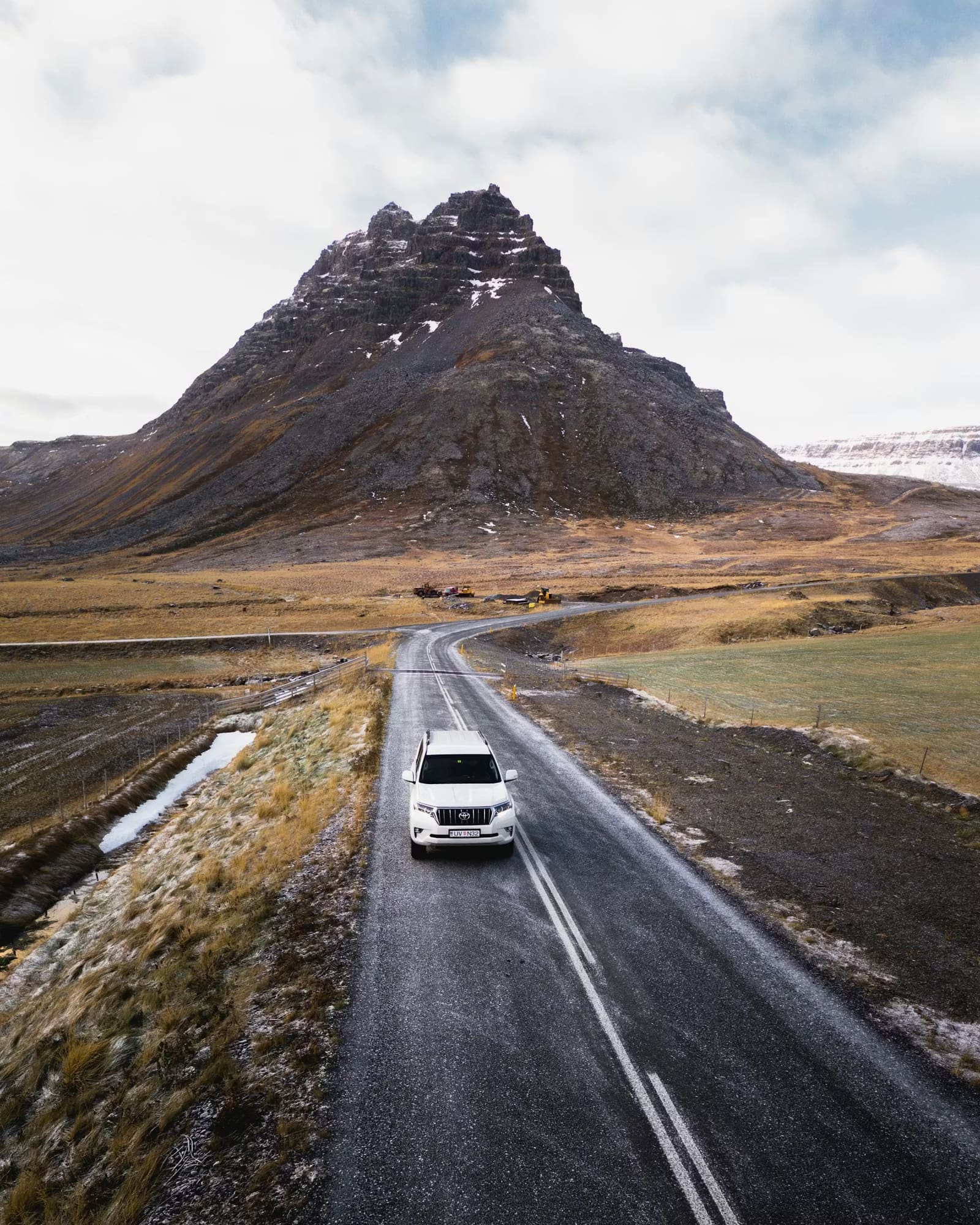
Is Berserkjahraun worth adding to your Snæfellsnes day?

Yes, Berserkjahraun is worth adding when your Snæfellsnes day has room for a quieter lava-field stop with real texture and saga atmosphere. It is weaker as a rushed extra on an icon-only loop.

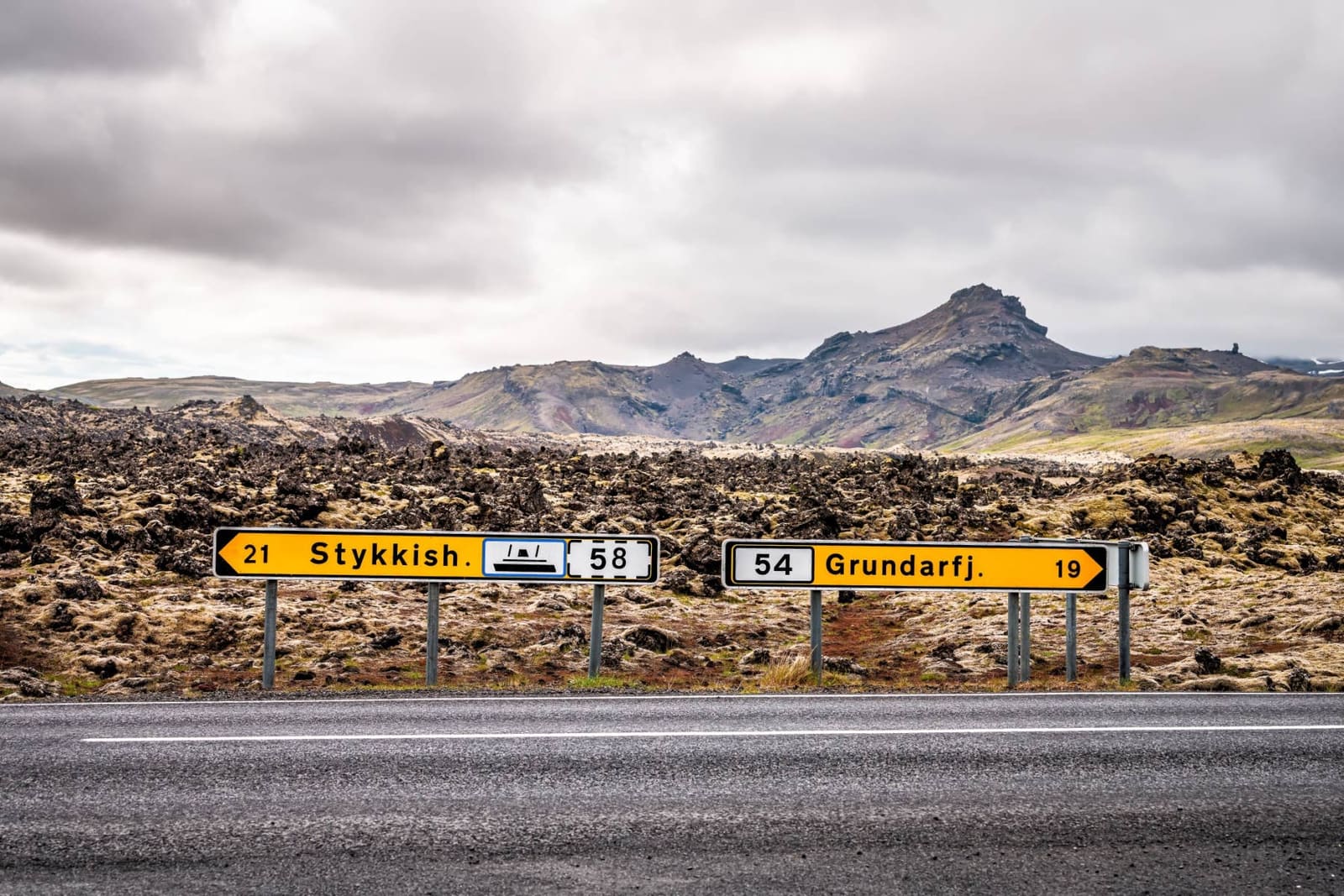
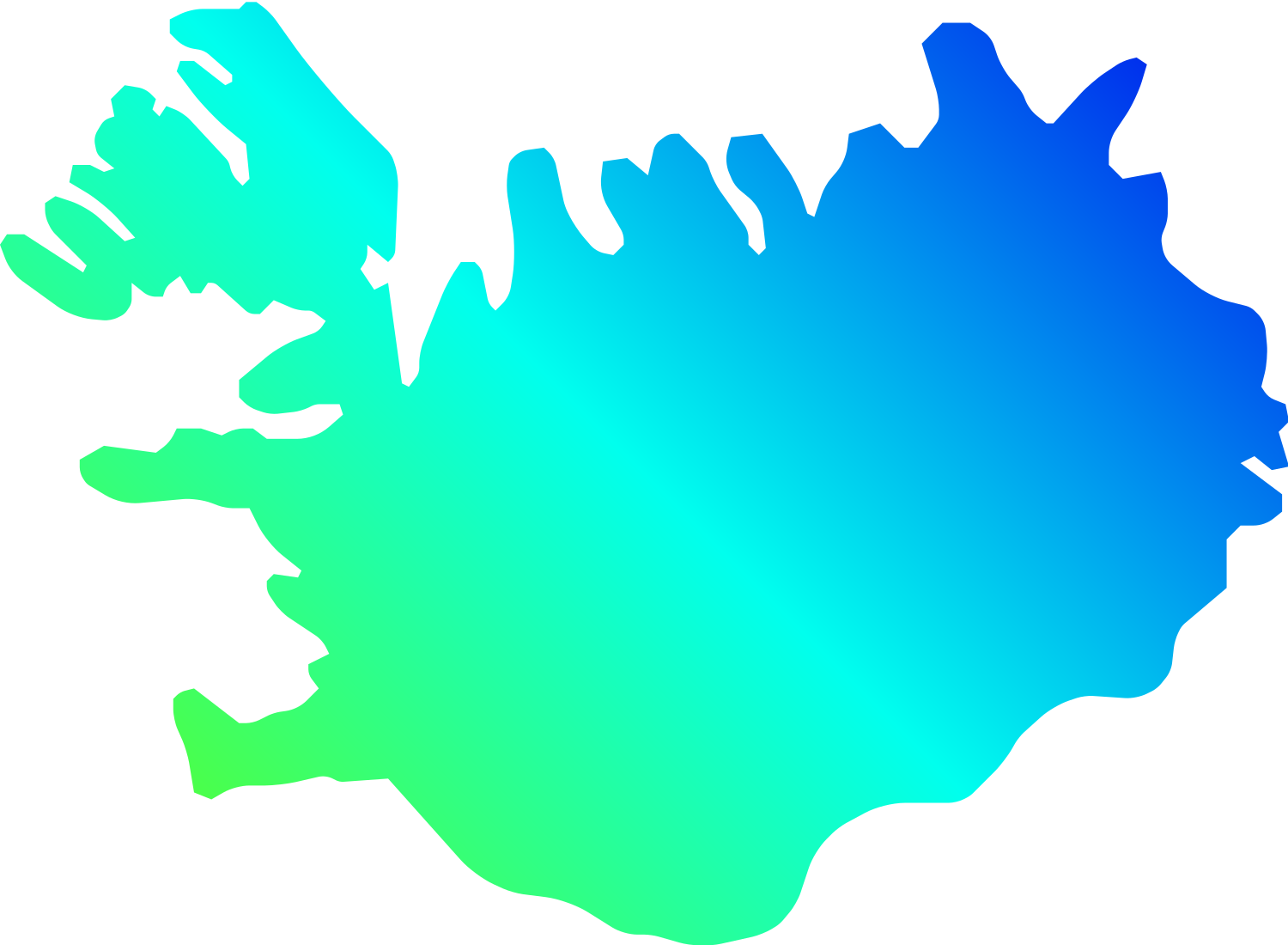
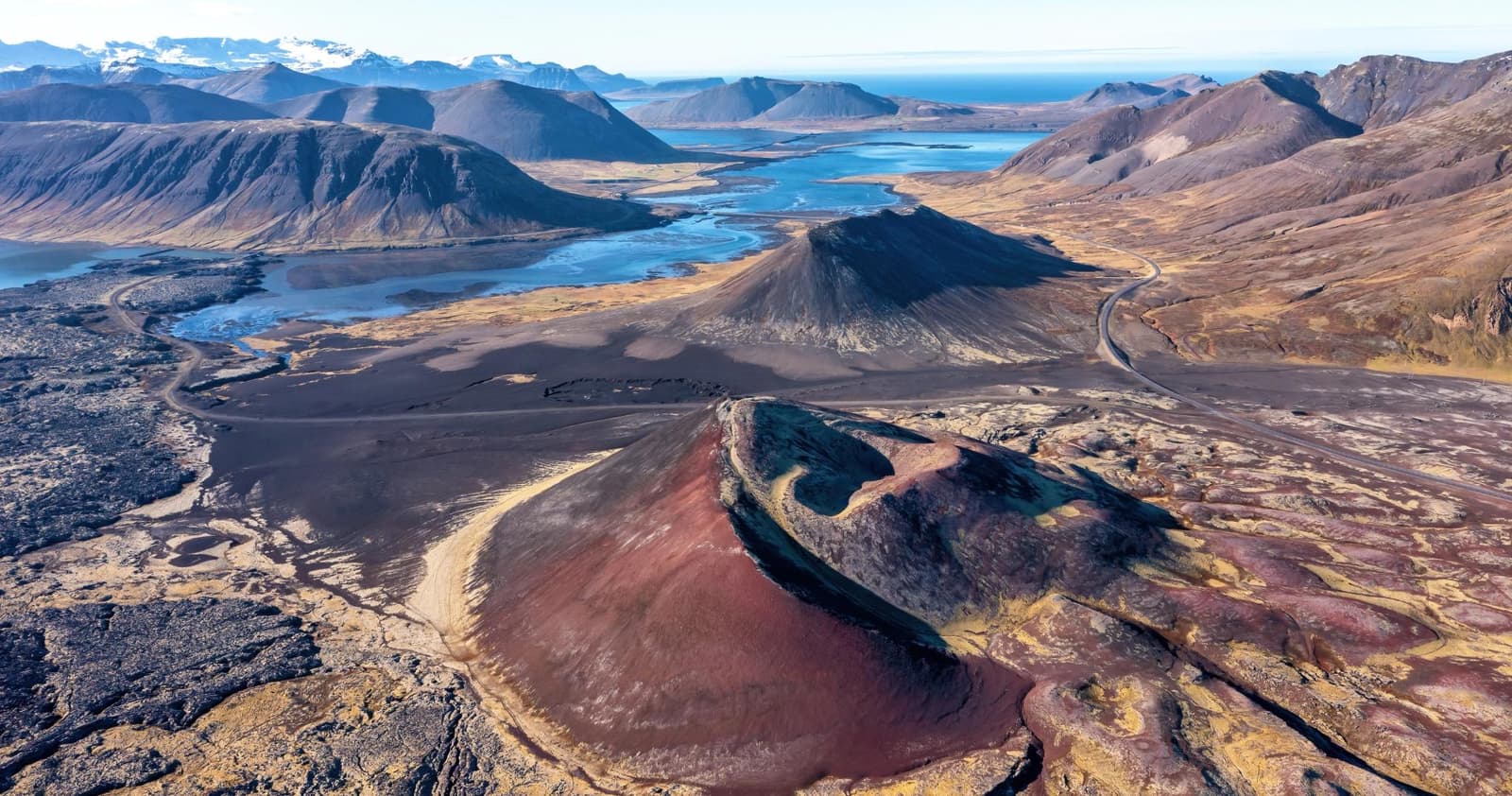
Berserkjahraun sits on the north side of Snæfellsnes, between the Grundarfjörður side of the peninsula and Stykkishólmur. It does not work like a single viewpoint where one photograph explains the place. The value is in the rough black lava, green moss, red crater slopes, small lakes, and the feeling that the road has slipped into an older, harsher landscape.

A local Iceland travel editor would add Berserkjahraun for self-drive travelers who want a quieter pause between headline stops and who care about geology or saga places. The same editor would skip it for poor visibility, strong wind, a nervous gravel-road driver, or a day already stretched by the Snæfellsnes Peninsula Road Trip.

Use it as a flexible West Iceland stop. If the day is moving smoothly, slow down here. If the weather is closing in or the route is running late, keep your energy for the bigger anchor that matters most to your plan.
Worth the stop?

When this stop makes sense

Good match for

  • self-drive travelers adding a quieter north Snæfellsnes stop
  • visitors who like lava fields, rough geology, and saga-linked places
  • photographers looking for texture, craters, lakes, and darker volcanic moods
  • travelers with enough route space to slow down between Grundarfjörður and Stykkishólmur

Think twice if

  • rushed one-day Snæfellsnes loops focused only on the biggest icons
  • travelers uncomfortable with rough gravel-road decisions

Pair it with

West IcelandBjarnarhöfnÖlkelda Mineral SpringGerðuberg Cliffs

What does Berserkjahraun feel like from the road and lava edge?

Berserkjahraun feels rough, quiet, and slightly uncanny: a driveable lava landscape where the ground looks soft from a distance and much sharper up close.

The lava looks green and soft from a distance, but the ground is jagged, uneven, and easy to damage.

The first impression is usually scale. Dark lava spreads between mountains and water, with craters and rough ridges breaking up the view. In calm light it can feel almost still; in wind or low cloud it becomes moodier and more exposed.

The important detail is the surface. Moss hides hard volcanic rock, cracks, and uneven footing. Step only where the visit clearly supports it, keep away from delicate moss, and treat saga markers or old structures as things to observe rather than touch.

This is why Berserkjahraun suits travelers who enjoy atmosphere as much as a checklist view. If you need a guaranteed dramatic payoff, Kirkjufell or the national park side of Snæfellsnes will usually feel more obvious. If you like quieter landscapes, Berserkjahraun can be more memorable than its fame suggests.

How much time and effort should you allow?

Berserkjahraun can be a short scenic pause, but it becomes more useful when you allow enough time to drive slowly, stop carefully, and understand what you are looking at.

Ways to use Berserkjahraun
PlanBest useMain tradeoff
Quick lava-field pauseUse it when the route is already full but you want a taste of the north-side lava scenery.You may leave before the place starts to feel distinct.
Slow scenic stopDrive carefully, make a few deliberate stops, and read the landscape rather than treating it as a photo pull-off.Needs more route buffer than a standard viewpoint.
Saga-and-lava explorationAdd time for cautious walking, story markers, and the feeling of the old path through the lava.Weather, footing, and group patience matter more.

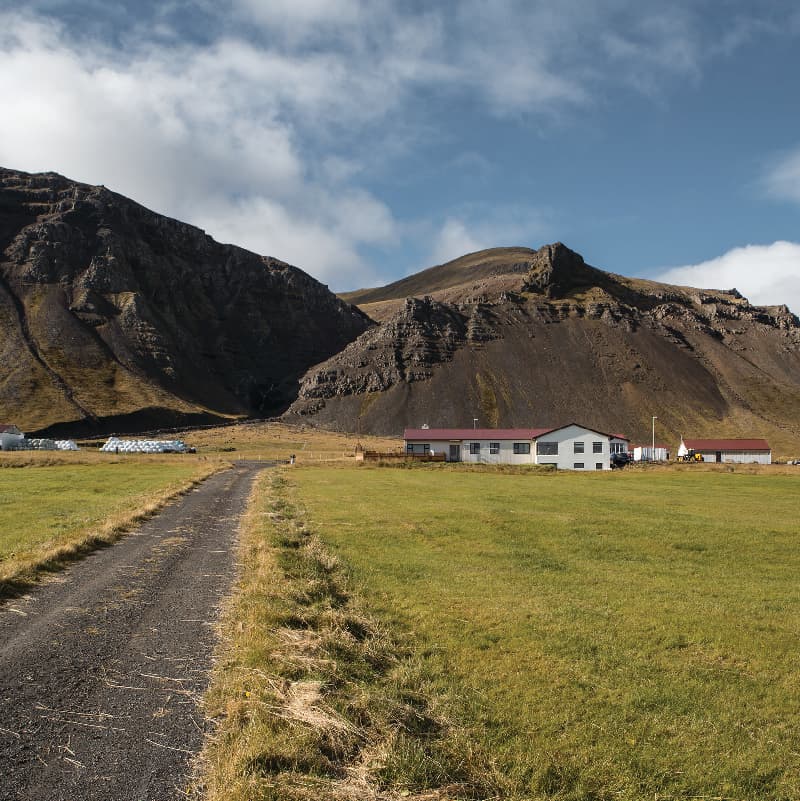
The road decision matters as much as the time decision. Local and specialist sources describe a gravel-road approach through the lava field, so check conditions and be honest about vehicle comfort before committing. The right choice can change with rain, wind, ice, daylight, and the rest of the day.

If this is part of a winter or shoulder-season plan, compare the stop with Winter Driving in Iceland before making it fixed. The lava field is more rewarding when it remains optional than when it turns into pressure.

Why does the saga story matter here?

The saga story gives Berserkjahraun its edge. Without it, the place is a striking lava field; with it, the road and path feel tied to a specific Icelandic narrative.

Local visitor information connects the name Berserkjahraun to Eyrbyggja Saga. The short version is dark: two berserkers were challenged to clear a path through the lava, completed the task, and were killed instead of rewarded. The story is attached to named features such as Berserkjagata and Berserkjadys.

You do not need to know the whole saga before arriving, but knowing the outline changes the stop. The lava is no longer just scenery; it becomes a landscape where road, story, and old place names reinforce each other.

Berserkjahraun is strongest when the drive, lava, and saga context are read together.

Bjarnarhöfn makes the most natural cultural pairing because it sits close to the lava-field story and gives the day another local stop rather than another long detour. Keep the public visit respectful: old paths, burial mounds, walls, and sheep-fold remains are not props.

What nearby stops make the day work?

Berserkjahraun works best as part of a north Snæfellsnes cluster, not as a lonely detour. Pair it with nearby stops that keep the day moving in one sensible direction.

The easiest pairing is Bjarnarhöfn, especially if you want a cultural stop close to the lava field. Ölkelda fits a slower Snæfellsnes day when you are collecting small, local-feeling stops rather than racing between icons.

Gerðuberg gives a different kind of volcanic structure: clean basalt columns instead of broken lava. That comparison helps if you are choosing one geology stop on a broader West Iceland day.

If your trip continues beyond Snæfellsnes, Hraunfossar and Deildartunguhver belong to a different West Iceland rhythm: Borgarfjörður, inland water, and geothermal stops rather than north-peninsula lava. Do not try to make all of them fit unless the route has real space.

  • Go if you want a quieter lava-field stop between north-side Snæfellsnes places.
  • Skip if the day already has too many famous stops and no buffer for gravel-road choices.
  • Check before you go if weather, daylight, vehicle comfort, or fragile-ground concerns could change the plan.

What should you check before driving in?

Check official visitor information, road conditions, weather, and safety guidance before making Berserkjahraun a fixed part of a tight day.

Berserkjahraun is exactly the kind of stop that benefits from a conservative check. The public information is stable enough to plan around the place, but road surface, wind, visibility, snow, and daylight can change whether it is the right choice.

If the lava field looks like a poor fit on the day, do not force it. Use the Snæfellsnes Peninsula Road Trip to protect the route shape, then move the time to a simpler nearby stop or a slower town break.

Official checks before you go

Berserkjahraun FAQ

Is Berserkjahraun a must-see stop on Snæfellsnes?

No, Berserkjahraun is better treated as a high-quality optional stop. Add it when you have time for a quieter lava-field drive; skip it when the peninsula day is already crowded.

Do I need to walk far to appreciate Berserkjahraun?

No, the lava field can make sense from the road and short careful stops. Walking adds texture and saga context, but uneven lava and moss make low-impact choices important.

What makes Berserkjahraun different from other lava fields?

The combination is the difference: rough lava, scoria craters, lakes, and a named Eyrbyggja Saga story tied to paths and landmarks in the landscape.

Should I visit Berserkjahraun in rough weather?

Only if official road, weather, and safety checks support the plan and the driver is comfortable with the conditions. Otherwise, keep it optional and choose a simpler nearby stop.