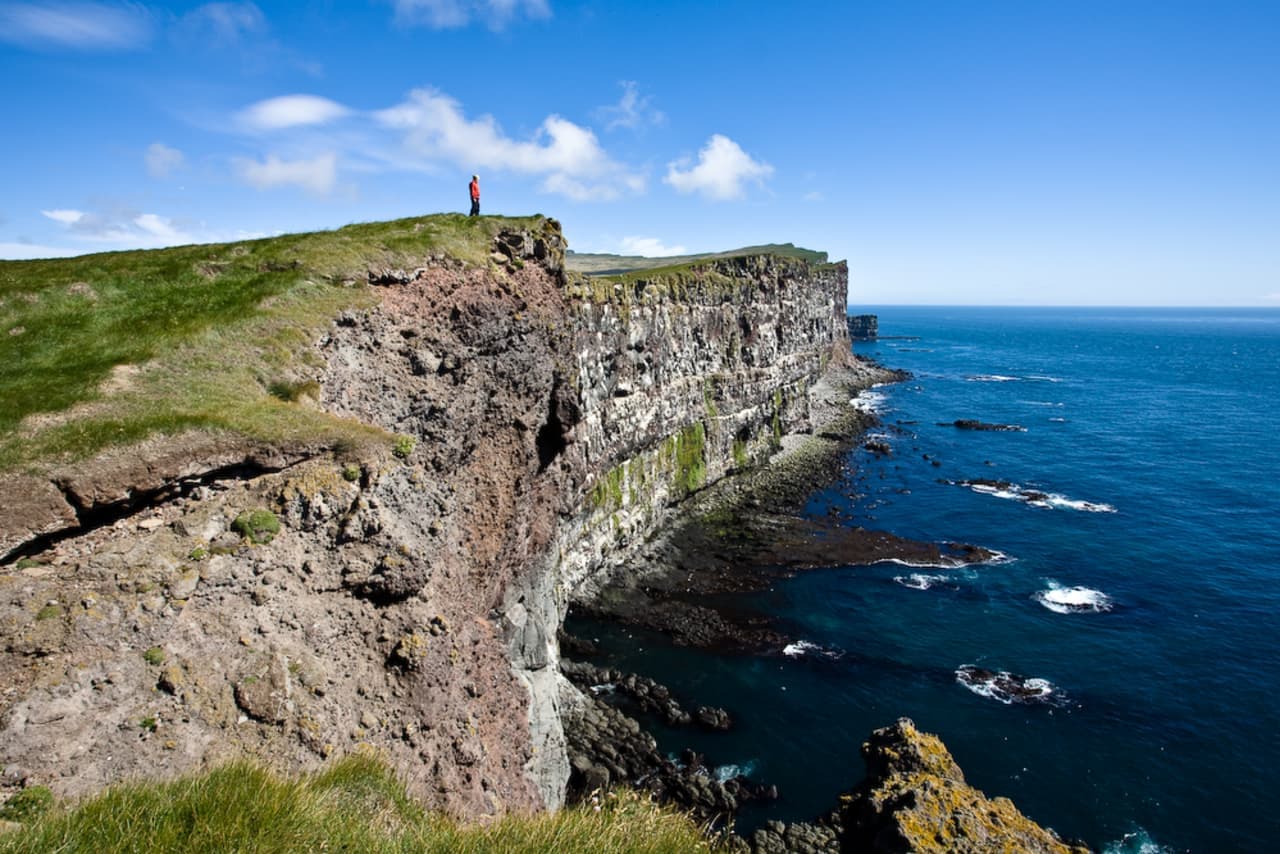
Arnarfjörður is a large Westfjords fjord where the real decision is pace: use it as a scenic connector to Dynjandi, Bíldudalur, and Hrafnseyri, or slow down for side fjords and remote road views.
Area snapshot
Type
Large fjord and destination area
Region
Westfjords
Route context
Westfjords Way area around routes 60 and 63
Time to allow
Quick pass-through, half-day scenic loop, or slower overnight-area plan
Best experience
Slow fjord driving with time for Dynjandi, side-fjord views, and nearby villages
In this guide
Is Arnarfjörður worth adding to a Westfjords route?
Yes, Arnarfjörður is worth adding when your trip has real Westfjords time and you want the fjord drive to be part of the experience, not just the road between famous stops.
The fjord is broad, layered, and slower than it looks on a map. It works best when you are already building a Westfjords day around Dynjandi, Bíldudalur, Hrafnseyri, Dýrafjörður, or Þingeyri, then using the water, cliffs, and side valleys as the reason to stop rather than hurry through.
Add Arnarfjörður for travelers who have space to let the Westfjords feel remote. Skip naming it as a separate objective on a short Ring Road plan, because the drive can steal time from places that need daylight and calm conditions.
Photo guide
Arnarfjörður in photos
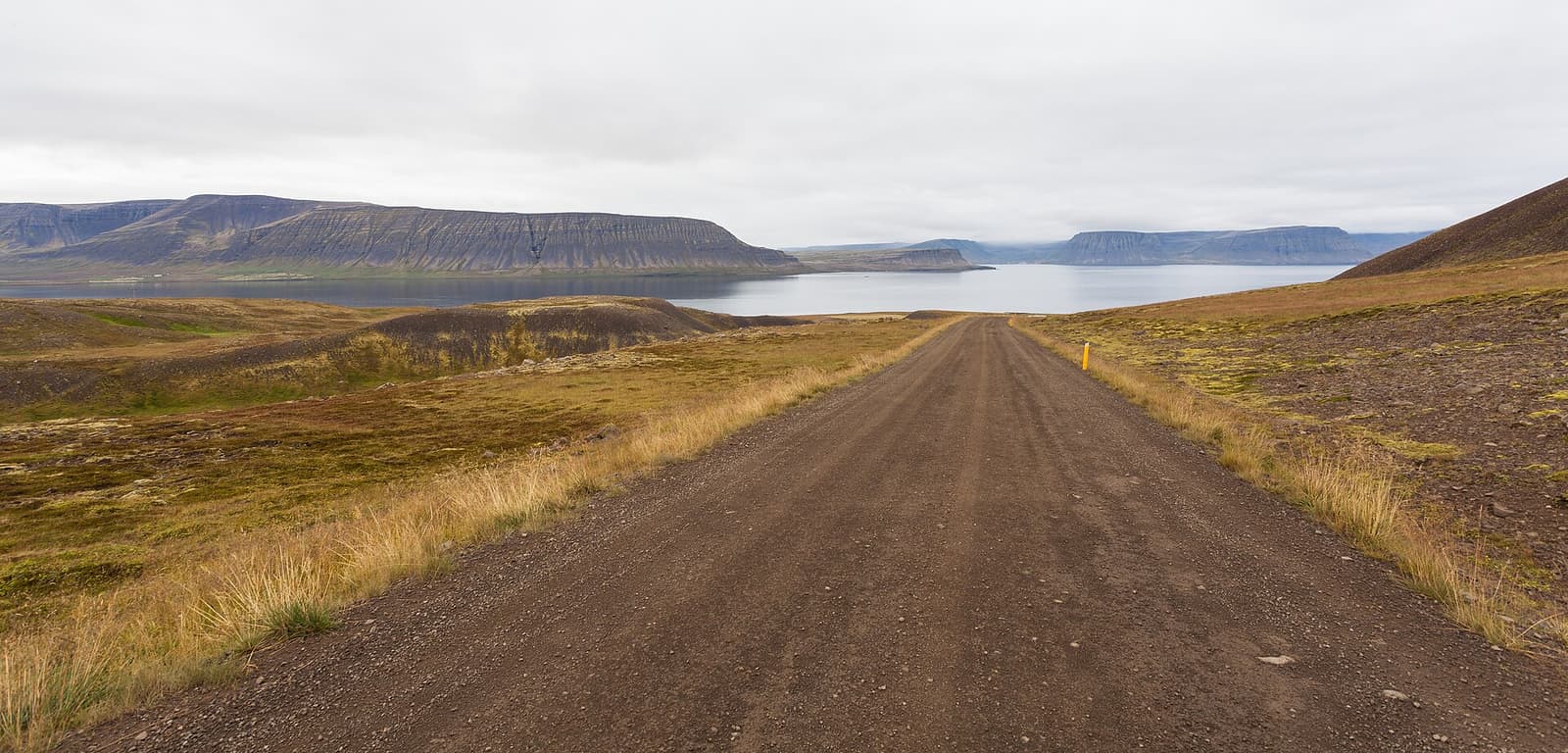
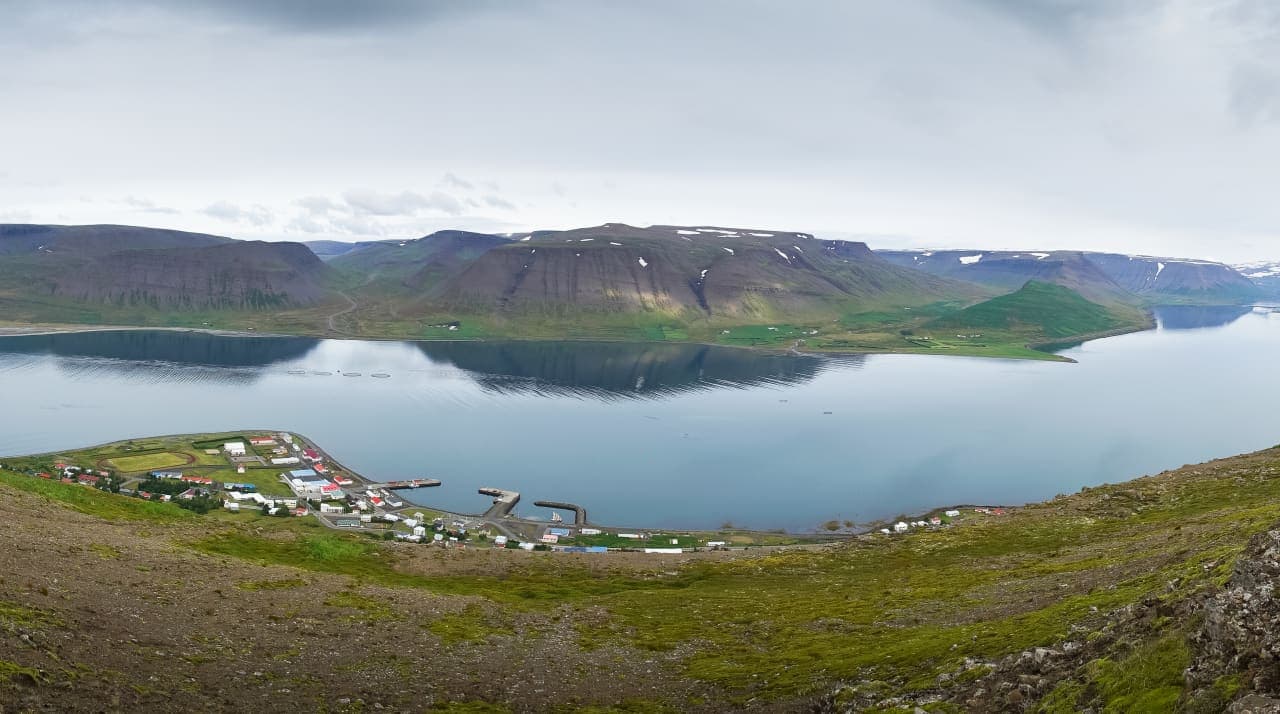
Trostansfjörður shows the side-fjord character that makes Arnarfjörður worth slowing down for.
Arnarfjörður: a sequence of long water views, steep-sided valleys, gravel-and-paved road decisions, and sudden glimpses into smaller fjord arms
The visit feels like a sequence of long water views, steep-sided valleys, gravel-and-paved road decisions, and sudden glimpses into smaller fjord arms.
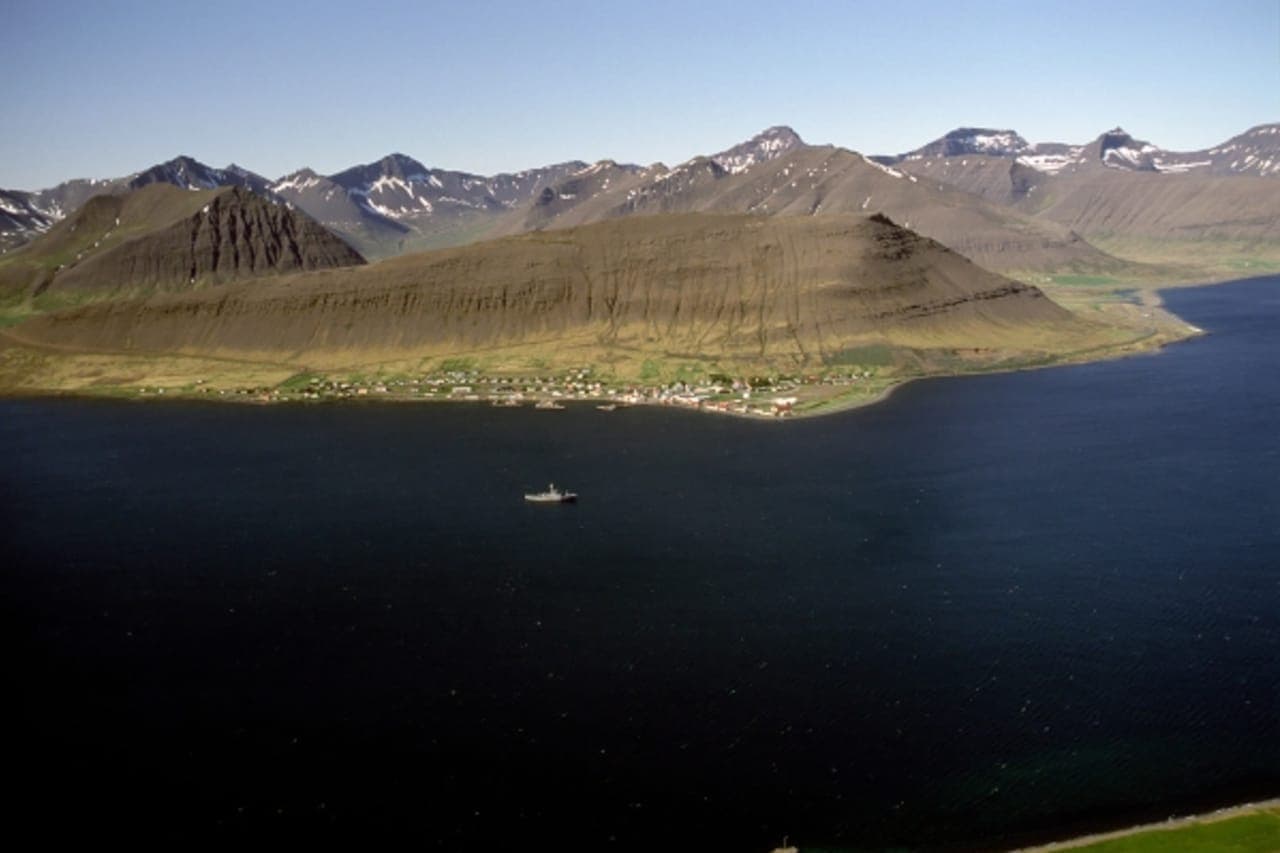
Official regional information describes Arnarfjörður as a large Westfjords fjord that branches near Langanes, with Suðurfirðir to the south and Borgarfjörður and Dynjandisvogur to the north. For travelers, that matters because the fjord is not one viewpoint. It is a landscape you meet in pieces.
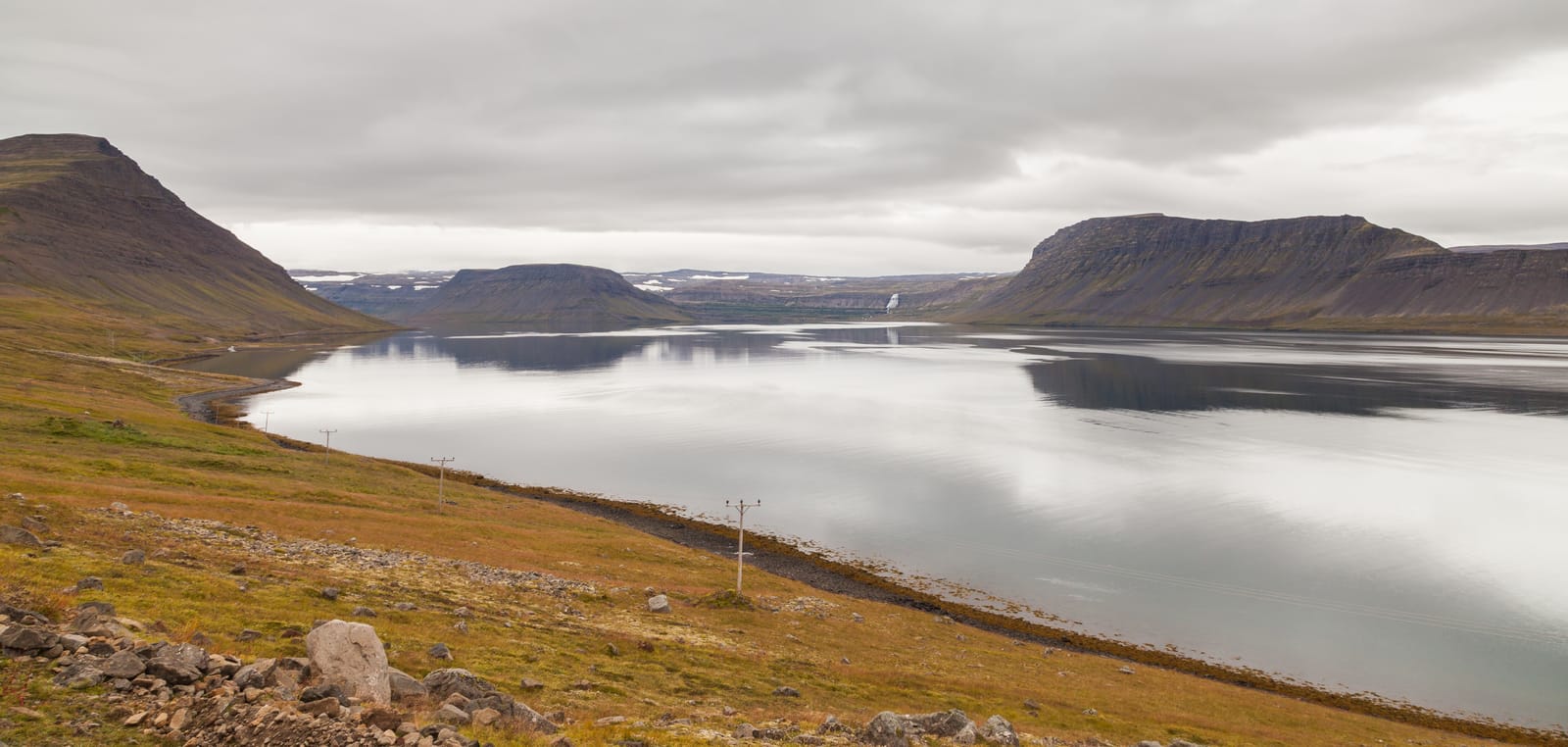
The strongest version is patient: stop for the waterline, look back across the flat-topped mountains, and let the route breathe before you add another museum, hot pool, or cliff detour. If the weather is poor, the same fjord can become a visibility and driving-confidence question instead of a scenery win.
Road context matters here: Arnarfjörður is often experienced through the shape and pace of the drive.
Which version of the visit should you choose?
Choose the version that matches your Westfjords time, not the version that looks most complete on a map.
Arnarfjörður visit versions
Version
Best use
What to include
What changes the decision
Quick pass-through
A day built around Dynjandi or a transfer between Westfjords bases
Main fjord views, one or two safe pull-offs, and no fragile side-road plan
Poor weather, late daylight, or a long onward drive
Balanced fjord day
Travelers staying in the southern or central Westfjords
Road conditions, museum or bathing-stop details, and how much time you want outside the car
Slow exploration
Repeat visitors or travelers with a dedicated Westfjords buffer
Side fjords, village time, viewpoints, and flexible weather choices
Whether side roads, visibility, and services support a relaxed day
Most travelers should choose the balanced version only if the Westfjords are already a real part of the trip. The quick version still has value when it connects Dynjandi with a base, but the slow version is where Arnarfjörður starts to feel like a destination area rather than a scenic corridor.
Small pauses can make the fjord feel specific, but they also add time to an already slow Westfjords day.
How does Arnarfjörður pair with Dynjandi and nearby stops?
Use Dynjandi as the main anchor, then decide whether the fjord should support a waterfall day, a culture stop, or a wider southern Westfjords loop.
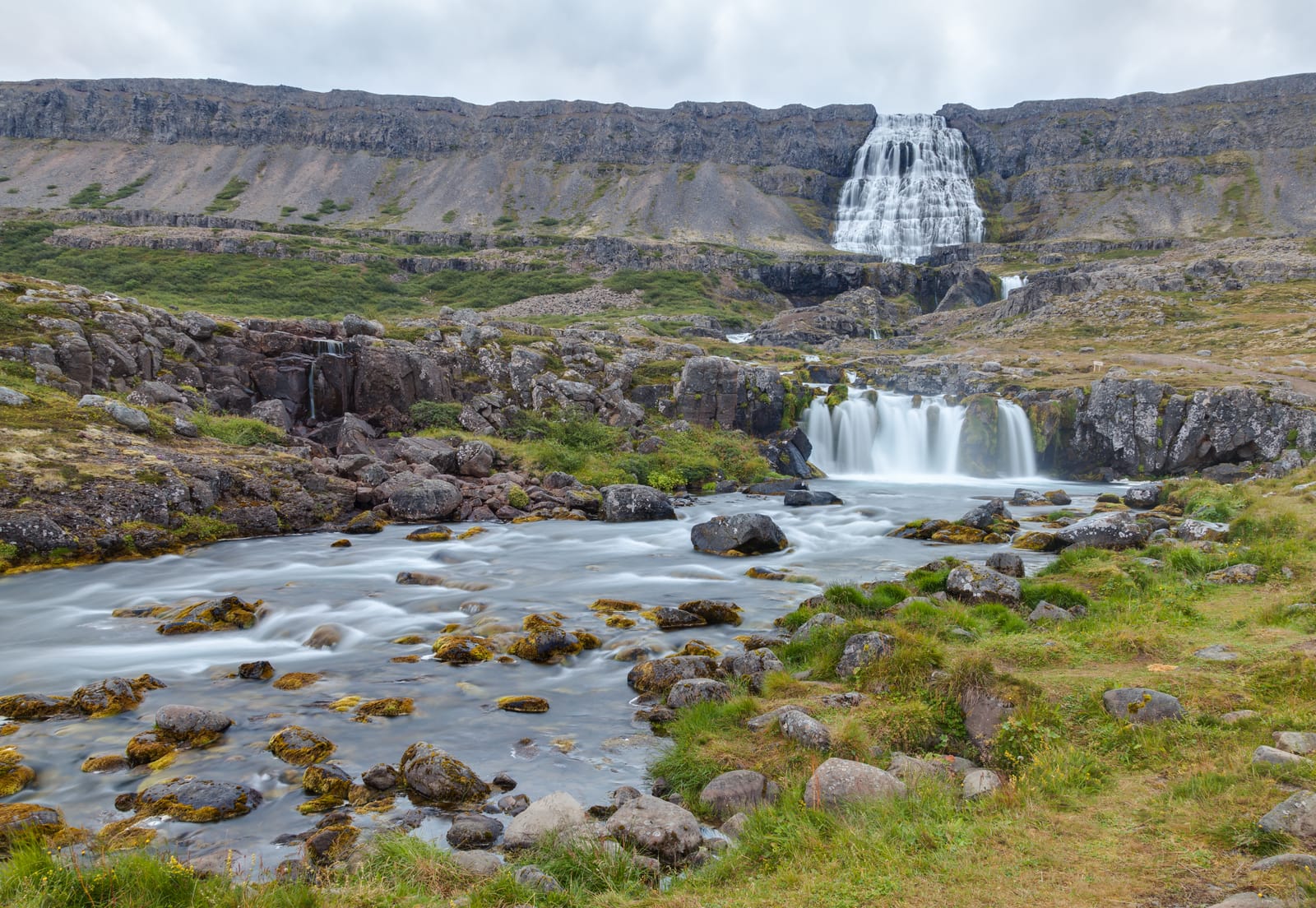
Dynjandi is the strongest single reason many travelers enter the Arnarfjörður area. If your day is waterfall-led, keep the surrounding fjord plan simple: build in time for the walk at Dynjandi, then add only the stops that do not make the day feel rushed.
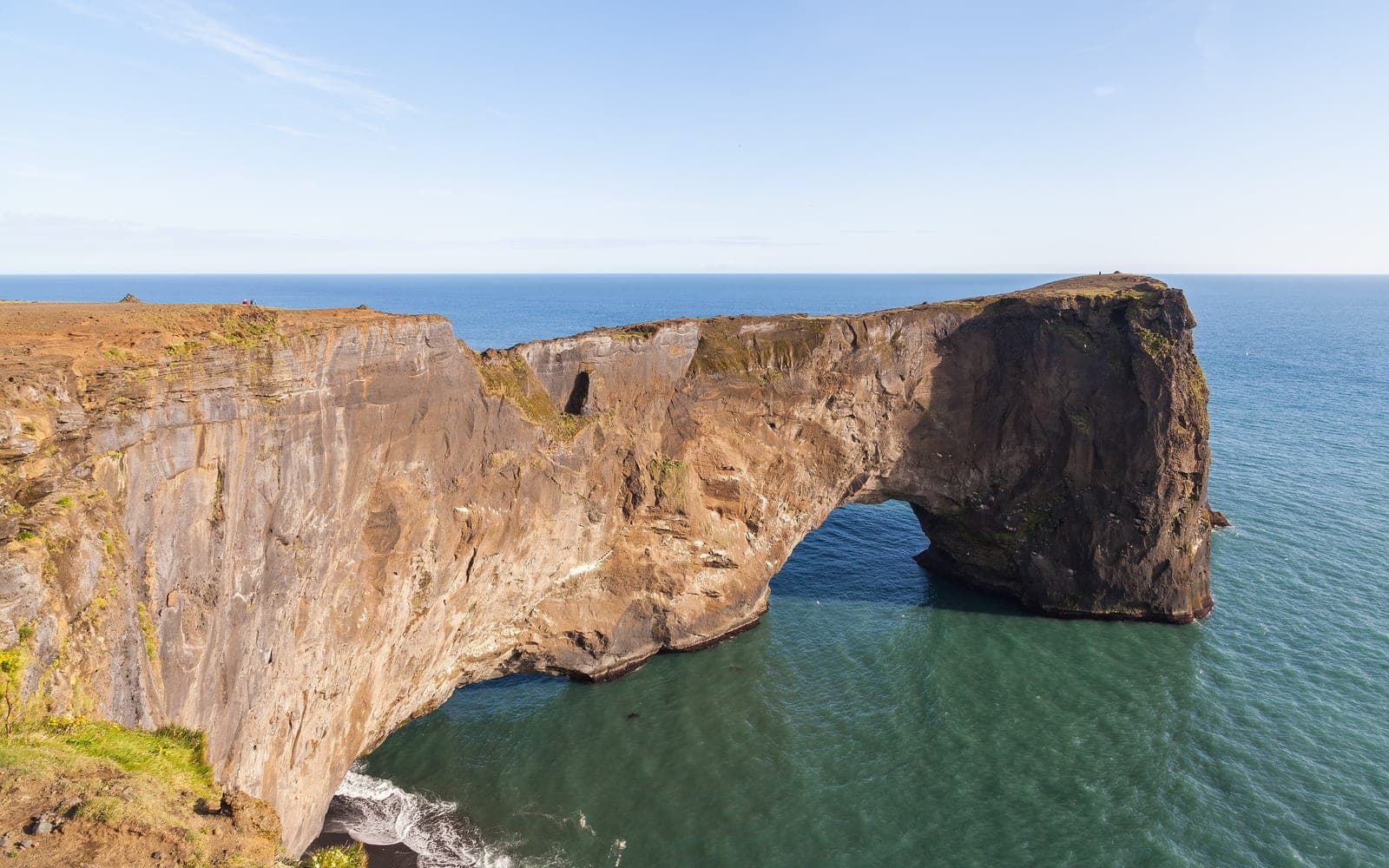
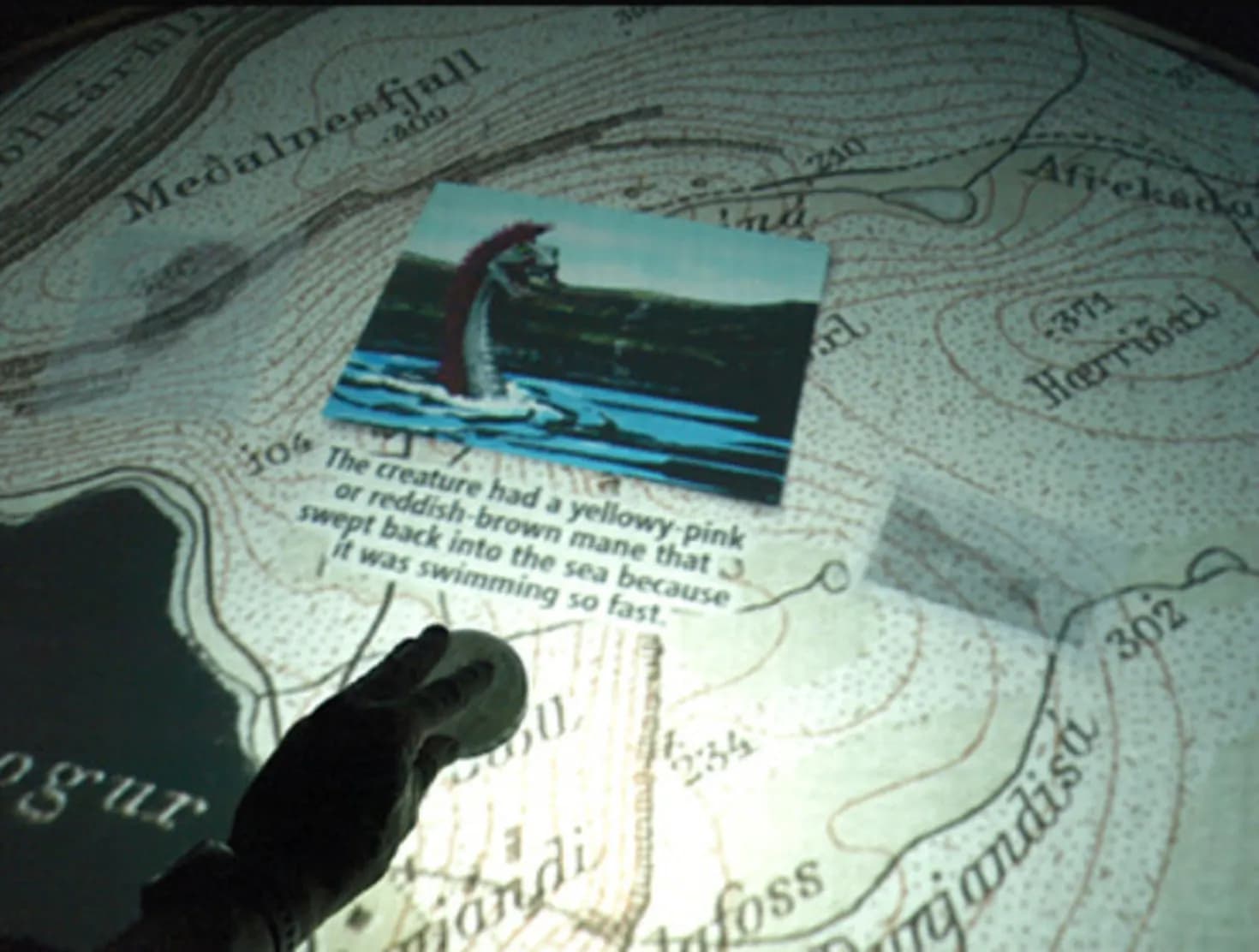
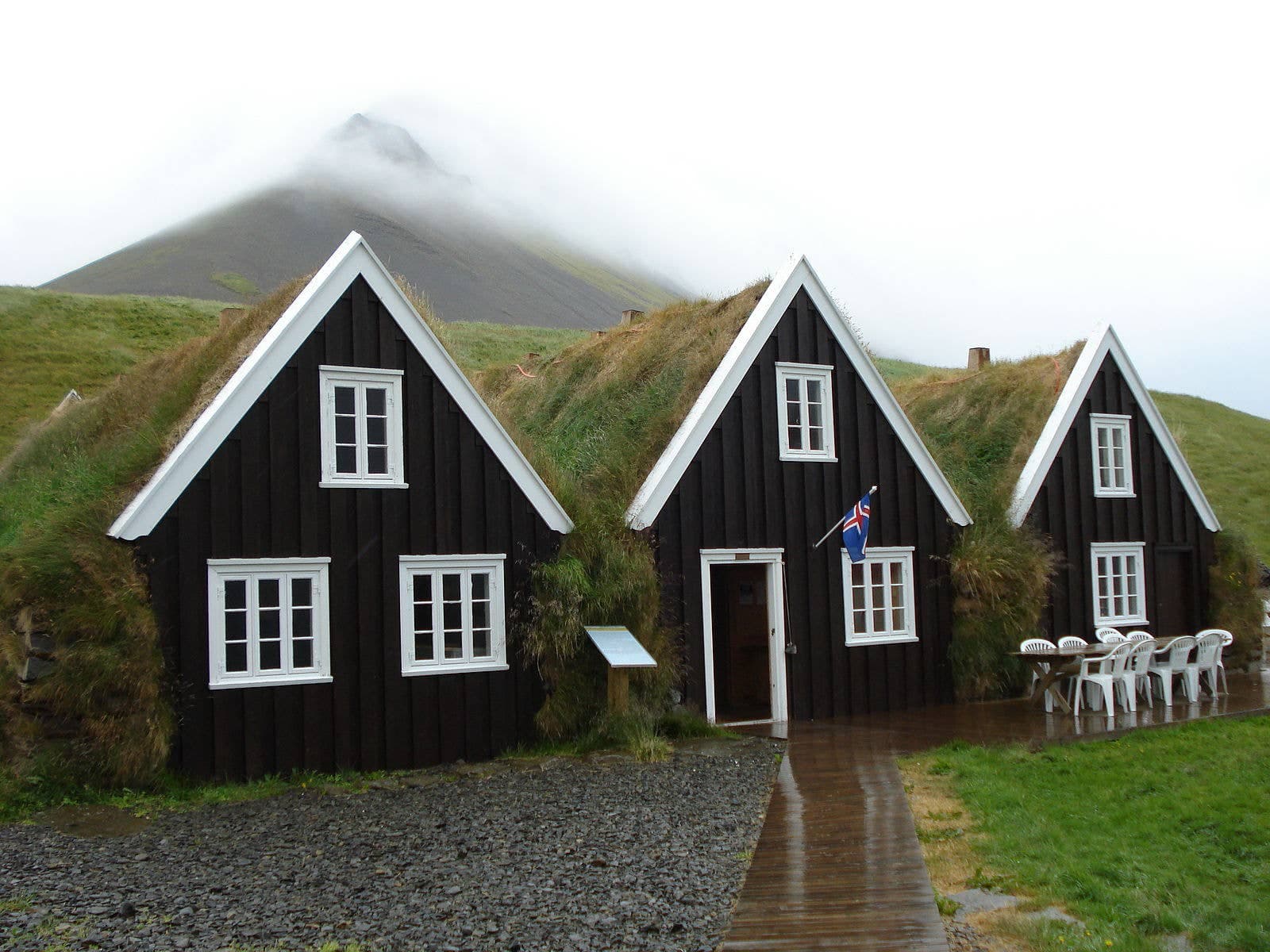
If culture and local context matter, Bíldudalur and Hrafnseyri make the fjord feel less like scenery viewed through a windshield. If your route is pushing farther west toward Látrabjarg, compare that cliff-and-birdlife objective against the time you would spend around Arnarfjörður instead.
Hornstrandir is a different kind of Westfjords commitment: more remote, more weather-sensitive, and not a casual add-on to a fjord-driving day. Use the Westfjords region guide to decide whether your trip should prioritize deep remote nature or a road-based fjord sequence.
Arnarfjörður works best when nearby stops are chosen around the pace of the fjord roads.Cloud, wind, and road conditions can change whether Arnarfjörður feels scenic or simply slow.
Check official road, weather, safety, and visitor-information sources before you turn Arnarfjörður side plans into fixed parts of the day
Check official road, weather, safety, and visitor-information sources before you turn Arnarfjörður side plans into fixed parts of the day.
The durable facts are simple: Arnarfjörður sits in the Westfjords, route numbers 60 and 63 matter for the area, and the fjord connects several worthwhile stops. The fragile details are the ones that can change the day: road surface, weather, visibility, access notes, bathing or museum visitor details, and whether a side road is worth the time.
Use for travel alerts and safety planning before exposed or remote driving days.
Arnarfjörður FAQ
These are the practical questions that usually decide whether the fjord belongs in your route.
Is Arnarfjörður a single attraction or a route area?
Arnarfjörður is better planned as a route area. It is a large fjord with side fjords, nearby villages, Dynjandi, and cultural stops, so the value depends on how much time you give the area.
Can I see Arnarfjörður quickly?
Yes, you can pass through Arnarfjörður quickly, but that version is mainly scenic driving. Add side stops only when road conditions, daylight, and your onward drive leave enough space.
What is the best nearby stop to pair with Arnarfjörður?
Dynjandi is usually the strongest nearby anchor for Arnarfjörður. Bíldudalur, Hrafnseyri, Dýrafjörður, Þingeyri, and Látrabjarg can also make sense depending on your route direction.
Do I need to verify visitor details before adding museums or bathing stops?
Yes. Verify official visitor details before relying on museums, bathing spots, facilities, or operator-led activities, because those details are more fragile than the fjord scenery itself.