Start with the kind of horse experience you actually want

Horseback riding in Iceland can be a gentle one-hour introduction, a scenery-led countryside ride, a farm visit with close-up horse time, or a serious riding holiday. Those are different days, even if every listing shows a windswept horse in a beautiful field.

If you are curious but not a rider, start with a short guided ride or a farm-based experience. You will still meet the Icelandic horse properly, learn the basics, and get the feeling of moving through open ground without turning the day into an endurance test.

If you already ride, be more selective. Ask about pace, terrain, group matching, and whether the outing is really built for experienced riders or simply marketed with dramatic photos. Icelandic horses are sturdy and expressive, but a mixed beginner group will usually move at a careful pace.

Horse experience types and who they suit
ExperienceBest forWatch out for
Short beginner rideFirst-timers, families with eligible children, and travelers near Reykjavík or a route stopMay be mostly walking with only a small taste of faster gaits
Scenic countryside rideTravelers who want the landscape to be part of the activityWeather, group pace, and terrain matter more than the brochure photo
Farm visit or horse showNon-riders, younger children, nervous travelers, and culture-focused visitorsLess active, but often easier and more relaxed
Longer riding day or multi-day trekConfident riders who want horses to lead the tripRequires much closer checks on ability, insurance, clothing, and current logistics

Worth adding?

When this fits your plan

Best for

  • Travelers who want an active but approachable Icelandic animal and countryside experience
  • Beginners who are comfortable following a guide and being honest about their riding level
  • Families with older children or teens who meet the operator's current age and comfort requirements
  • Self-drive travelers looking for a memorable stop between major sights rather than another viewpoint

Think twice if

  • Visitors who mainly want exact live prices, current departure times, or operator rankings
  • Travelers with strong horse anxiety, major hip or knee discomfort, or no interest in guided pacing

Pair it with

SkagafjörðurGullfoss WaterfallÞingvellir National Park

Why the Icelandic horse feels different from a normal trail ride

The Icelandic horse is not just a cute roadside photo subject. The breed is a big part of Icelandic rural culture, and its extra gaits are one reason visitors seek out riding here.

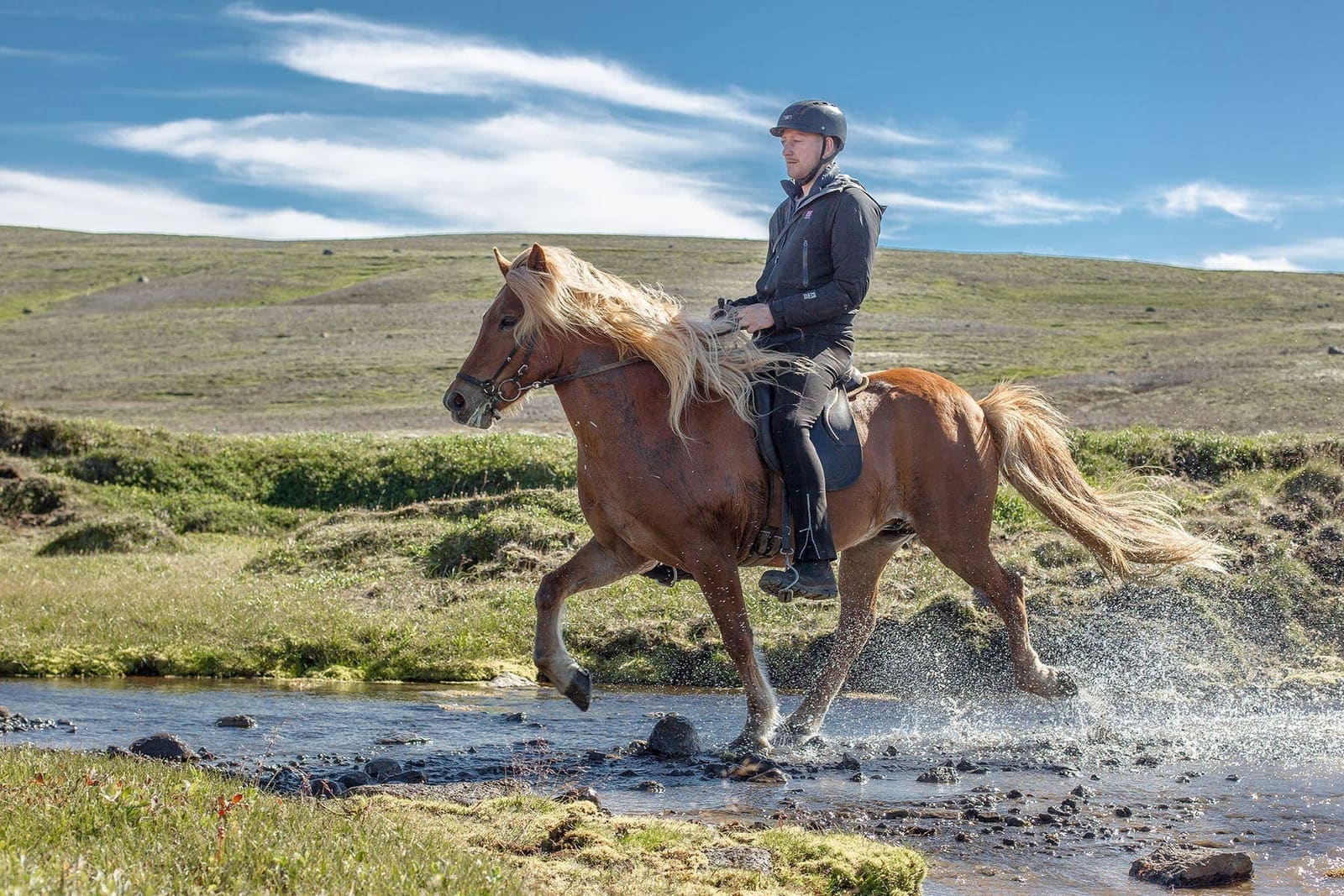
The word many travelers hear first is tölt. It is a smooth four-beat gait that can feel steadier than a trot when the horse and rider are working well together. Some Icelandic horses also have flying pace, though that is not something to expect on a casual visitor ride.

For a short tour, the point is not to master Icelandic riding technique. It is to meet a small, strong, sure-footed horse in the landscape it belongs to, listen to the guide, and enjoy the rhythm without pretending you are suddenly a saga hero.

A group ride gives a clearer sense of pace, horse size, and the shared rhythm that shapes many beginner-friendly Icelandic horse tours.

Pick the setting by route, not by postcard value

The best place to ride is usually the place that fits your day cleanly. A good horse stop near your base is better than a famous-looking ride that forces a rushed drive before or after.

Reykjavík-area rides are useful for arrival days, no-car travelers, and short trips. They can give you lava-field or countryside feeling without asking you to build a whole road day around horses.

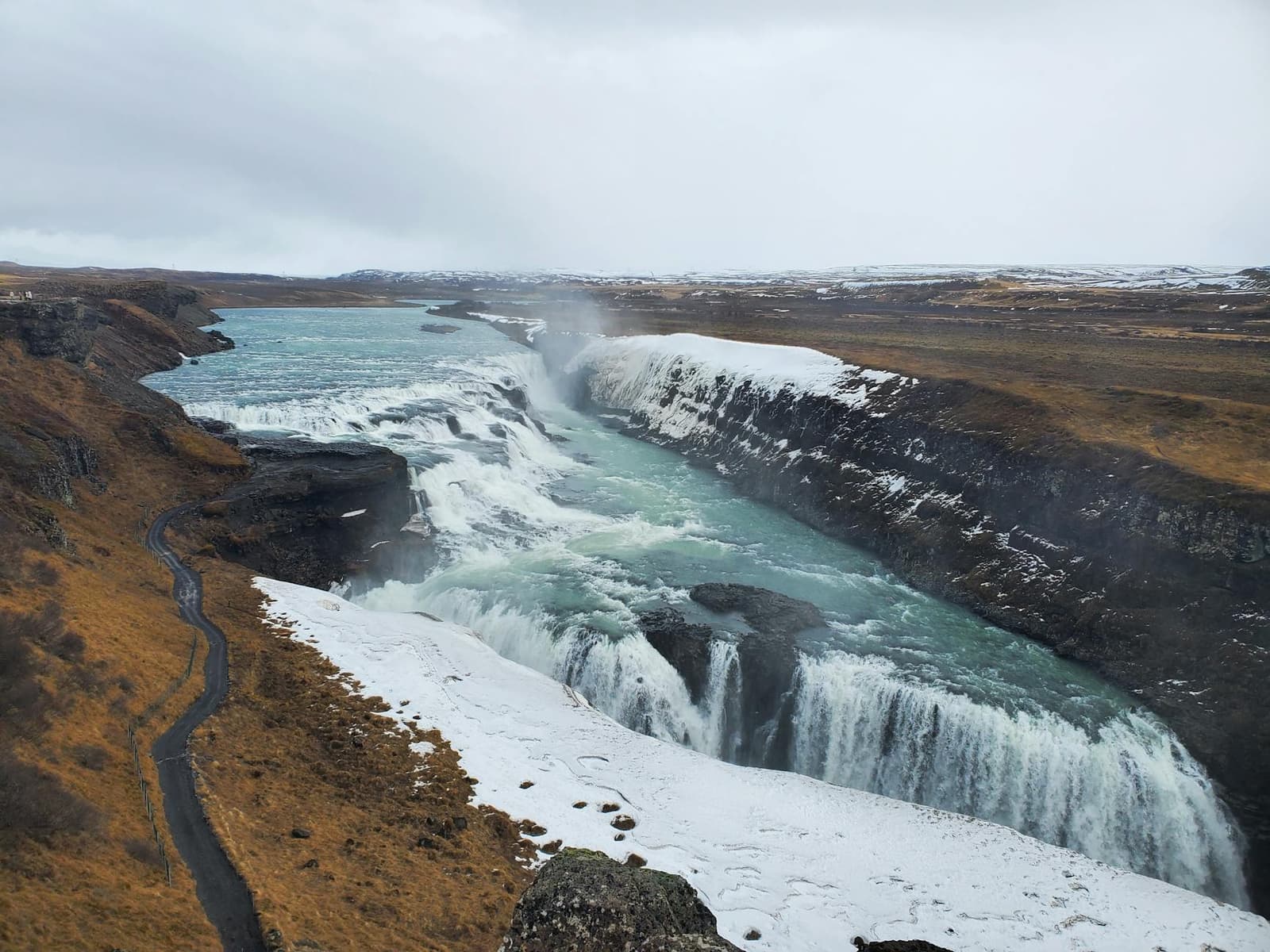
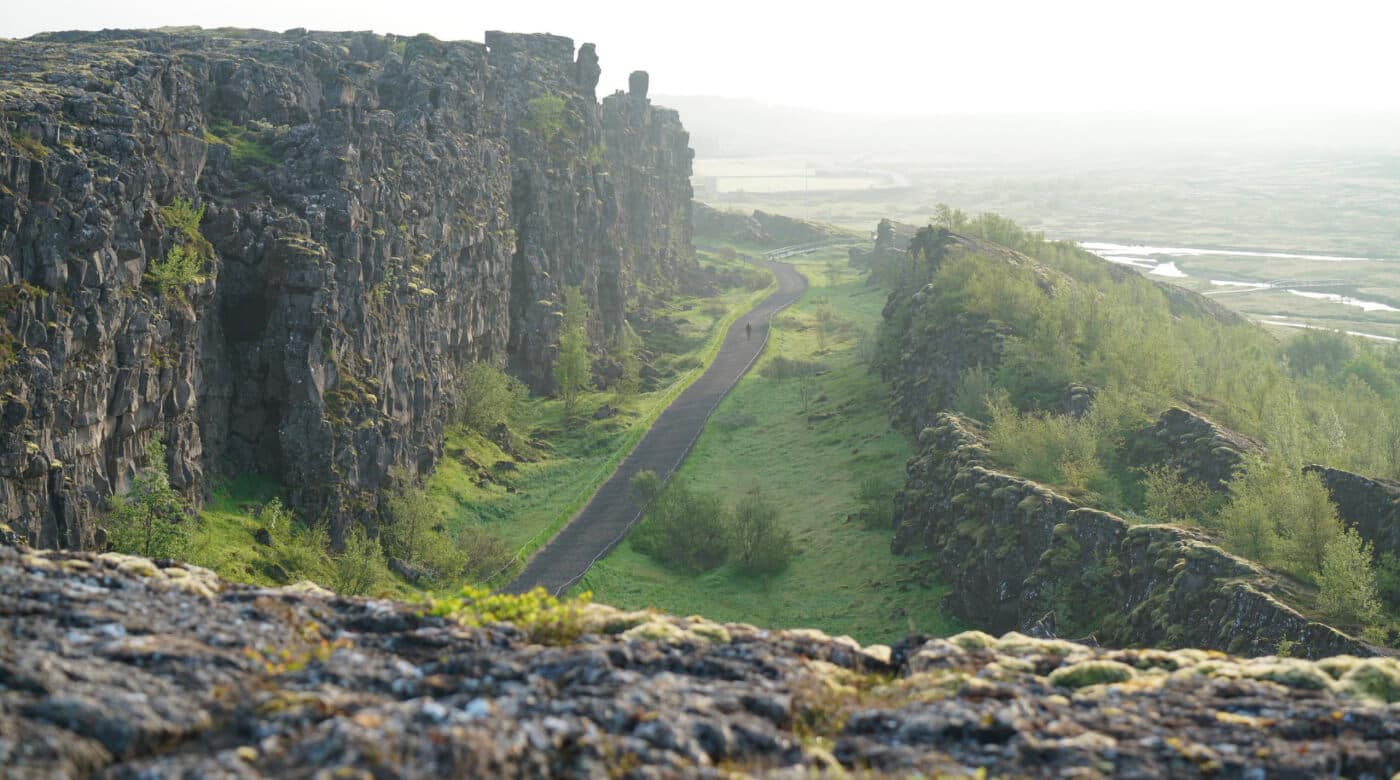
South Iceland works well when horseback riding becomes a planned break between waterfalls, geothermal areas, farm country, and overnight stops. It is especially useful if your group wants one active experience that is gentler than a glacier hike or long trail.

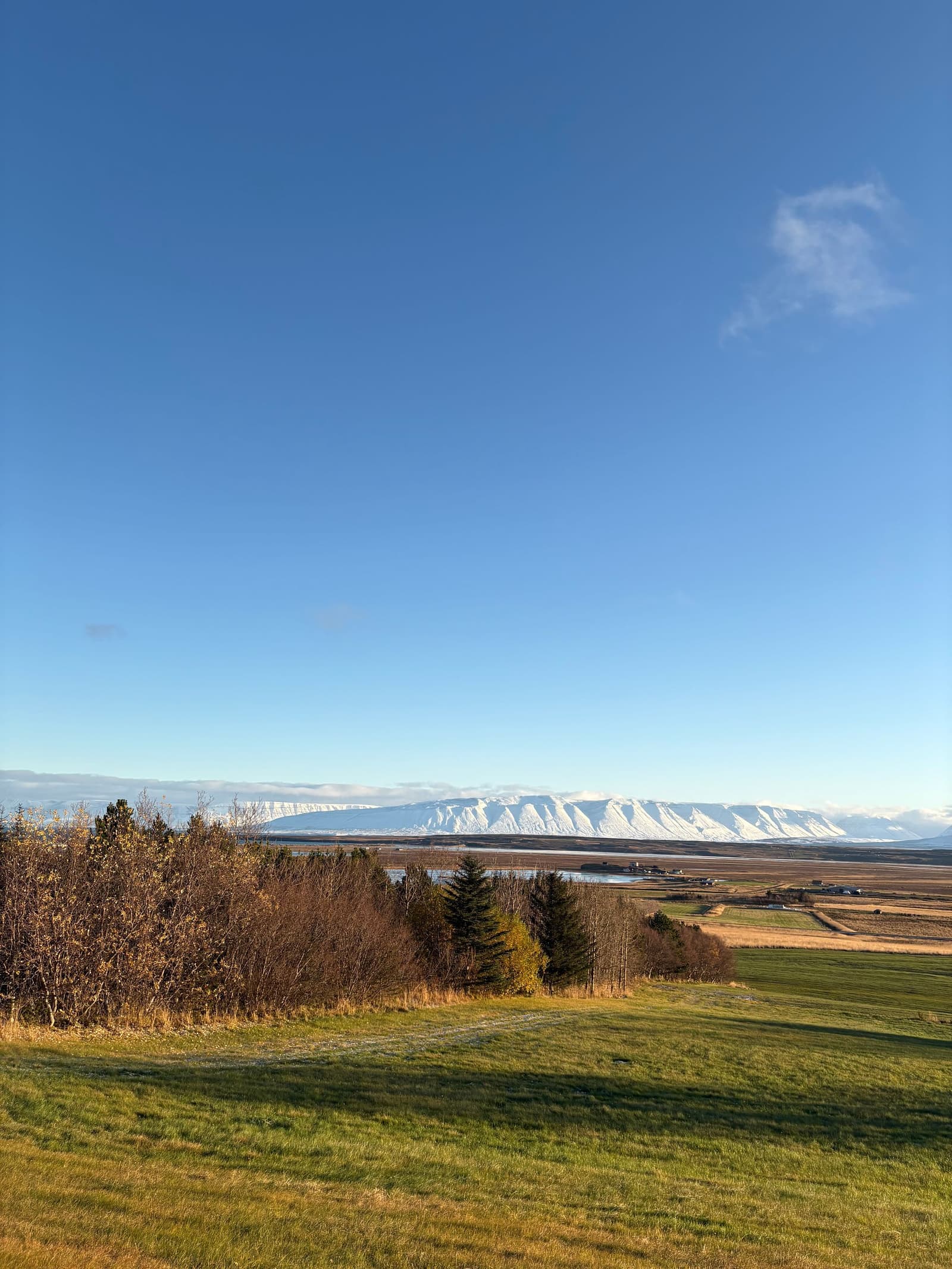
North Iceland and Skagafjörður are better when horse culture is part of the reason you are going north, not just an activity you found nearby. On a slower road trip, that setting can feel more rooted and less like a quick add-on.

  • Choose Reykjavík-area riding when access and no-car simplicity matter most.
  • Choose South Iceland when the ride fits naturally between countryside, Golden Circle, or South Coast stops.
  • Choose North Iceland or Skagafjörður when horses are a meaningful theme in the trip.
  • Choose a farm visit when the group wants animals and culture more than saddle time.
Route fit matters more than a famous backdrop: a simpler countryside ride can be the better choice when it works with the day you already have.

Beginner-friendly does not mean no decisions

Beginner-friendly riding can be excellent in Iceland, but it still needs a few honest checks. The guide can only match horse and pace well if you give them real information.

Tell the stable if you have never ridden, if you are nervous, if you have ridden only on vacations, or if you are experienced but new to Icelandic horses. Also mention height, weight, joint issues, pregnancy, recent injuries, or anything that could affect mounting, balance, or comfort.

Children need operator-specific checks. Do not assume one family-friendly ride means every child can join every tour. Age, size, weather, insurance, and group pace can all change the answer.

Questions to ask before you commit

Rider level
Is the group mixed, beginner-only, private, or matched by ability?
Pace
Will the ride be mostly walking, or is tölt/canter possible only for suitable riders?
Weather
How does the operator handle rain, wind, ice, and unsafe driving conditions?
Children
What are the current age, size, gear, and guardian requirements?
Beginner fit is not just trail length; the horse match, instruction, clothing, weather, and comfort around animals all matter.

When a farm visit is the better horse activity

You do not have to ride to make Icelandic horses part of the trip. For some travelers, a farm visit, horse show, or respectful roadside viewing is the better call.

Choose a farm-style encounter if someone in the group is nervous around horses, if the children are too young for the ride you wanted, or if your day is already full. You can still learn about the breed, see the horses close up, and keep the schedule kinder.

Roadside horses are tempting, but do not enter private fields, feed animals without permission, or park badly for photos. A planned farm stop is usually more respectful, safer, and more interesting than leaning over a fence because the light looked nice.

Horse-country areas can support both riding and calmer farm-based encounters when the whole group does not want the same activity.

What to check before you book or pack

Most of the fragile details belong with the operator or official sources, not in an evergreen article. Check them close to the day, especially in winter or shoulder season.

Confirm meeting place, transfers, clothing, helmets, boots, rain gear, cancellation rules, rider requirements, and whether the route changes in rough weather. If you are driving, check road conditions and the official weather forecast before treating a ride as fixed.

Biosecurity matters in Iceland. MAST says used riding equipment and used riding gloves are prohibited, and riding clothes, helmets, and boots that have been used around horses abroad need proper washing or disinfection before contact with Icelandic horses. If in doubt, travel with normal outdoor layers and use gear provided by the stable.

  • Wear warm layers, waterproof outerwear, and gloves that comply with current biosecurity rules.
  • Avoid loose scarves or dangling items around horses.
  • Expect mud, wind, and cold hands even on a short ride.
  • Use the operator as final authority for current gear, weather, and rider requirements.

Horseback riding FAQ

These are the quick questions most travelers want answered before they decide whether to ride.

Can beginners go horseback riding in Iceland?

Yes, many short guided rides are designed for beginners. You should still tell the operator your real experience level so they can match the horse, terrain, and pace.

Can you ride Icelandic horses in the rain?

Often yes, but the operator and current weather warnings should decide. Light rain may be normal; severe wind, ice, poor visibility, or unsafe roads can change the plan.

Is horseback riding in Iceland good for children?

Sometimes, if the child meets the operator's current age, size, comfort, and safety requirements. Families should confirm the exact rules before promising the activity.

Can I bring my own riding gear to Iceland?

Be very careful. MAST prohibits used riding equipment and used riding gloves, and used riding clothes, helmets, and boots need proper cleaning or disinfection before contact with horses in Iceland.

What if I only want to see Icelandic horses, not ride?

Book a farm visit, horse show, or planned horse encounter instead of forcing a ride. It is usually safer and more respectful than stopping randomly at private fields.

Official resources to check

Use these sources for details that can change or need official confirmation.

Useful horseback riding references