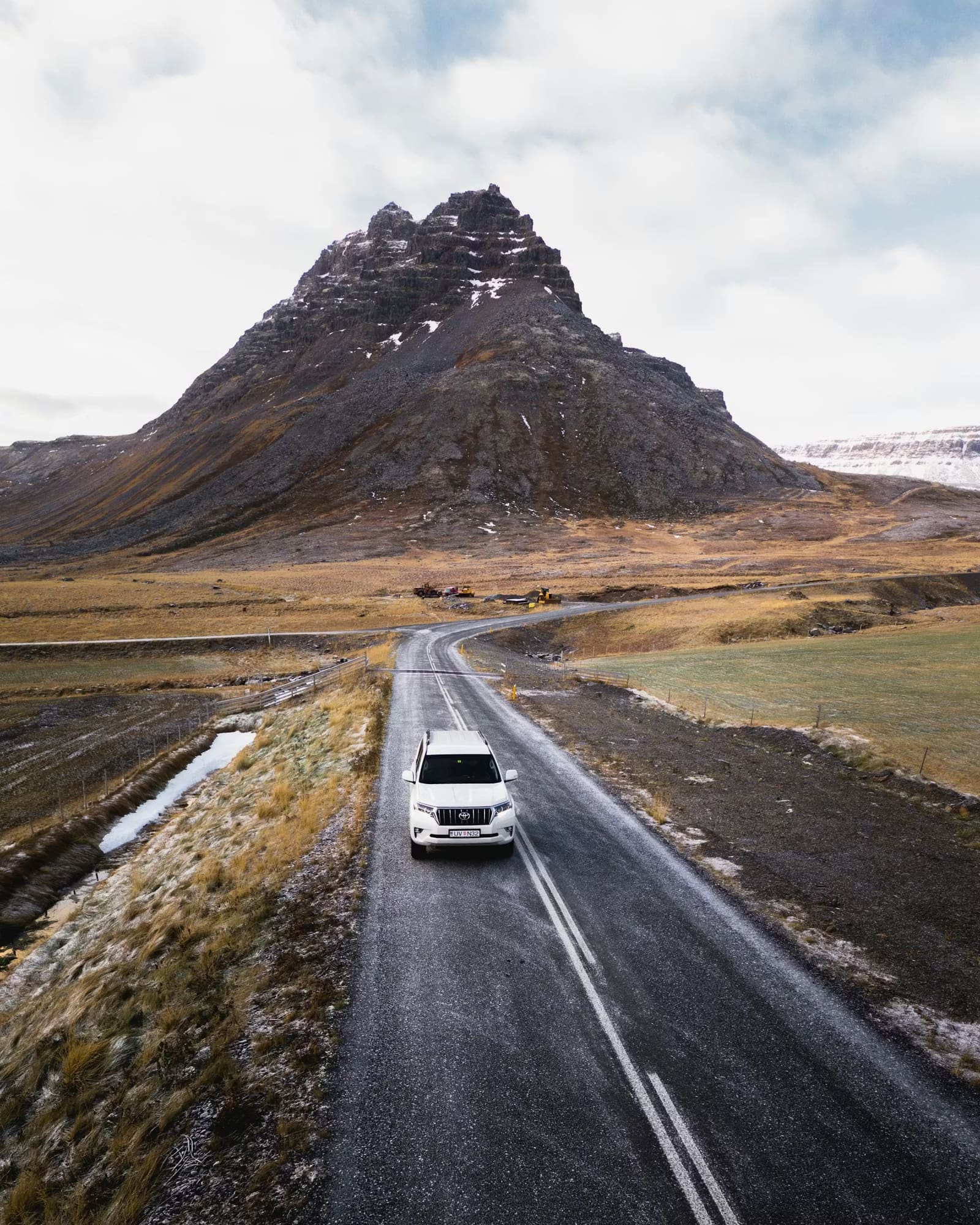
Vatnsnes is a quiet North Iceland peninsula where seal-watching stops, farm coast, Hvítserkur, and slower Arctic Coast Way driving come together as a deliberate detour, with enough flexibility for conditions and nearby route choices.
Coast snapshot
Type
Peninsula loop, wildlife coast, and scenic North Iceland destination area
Region
North Iceland, on Húnaflói between Hvammstangi and Blönduós
Route context
Best as an Arctic Coast Way or Ring Road side loop, not a rushed checklist stop
Time to allow
About 60-90 minutes for Hvítserkur only, or half a day for a fuller Vatnsnes loop
Best experience
Combine Hvítserkur with Illugastaðir or another seal-watching stop, then decide whether to continue the coast
In this guide
Vatnsnes is worth adding when you have enough time for a slower coastal detour
Vatnsnes is worth adding when you have enough time for a slower coastal detour, want a realistic chance of seal watching, and would enjoy seeing Hvítserkur in its wider peninsula setting. It is easier to skip when your North Iceland day is already packed or the weather makes smaller roads a poor trade.
The peninsula does not work like a single roadside waterfall. It asks for a decision: are you only turning off for Hvítserkur, or are you giving the coast enough time to include seal viewpoints, farm roads, sea air, and a quieter side of North Iceland?
For many self-drive travelers, the best answer is a middle one. See Hvítserkur, add Illugastaðir or another seal-watching stop if conditions are good, then continue the loop only if daylight, road conditions, and your pace still make sense.
Photo guide
Vatnsnes in photos
1 / 2
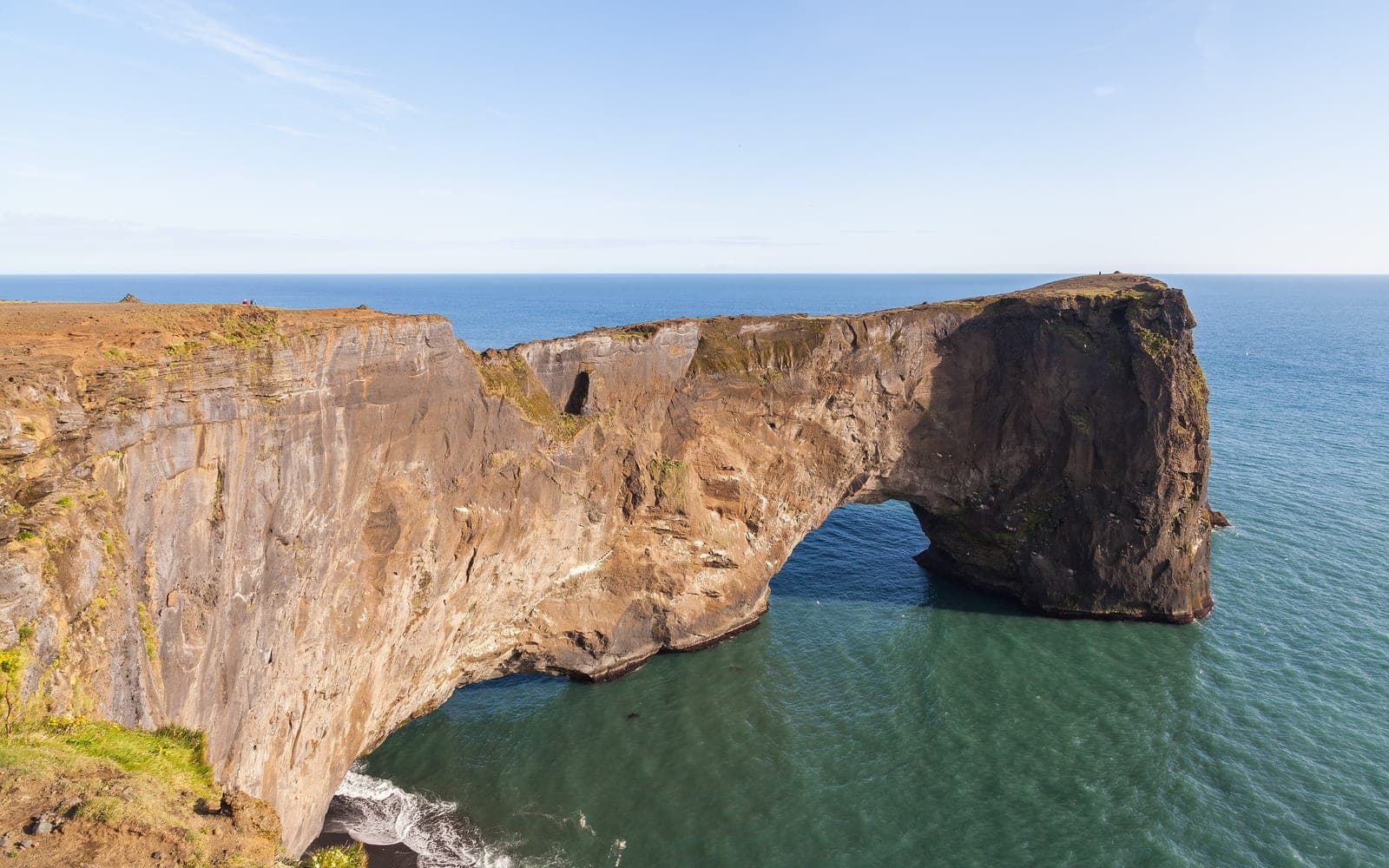
Small coastal details help Vatnsnes feel like a slower north-coast loop.
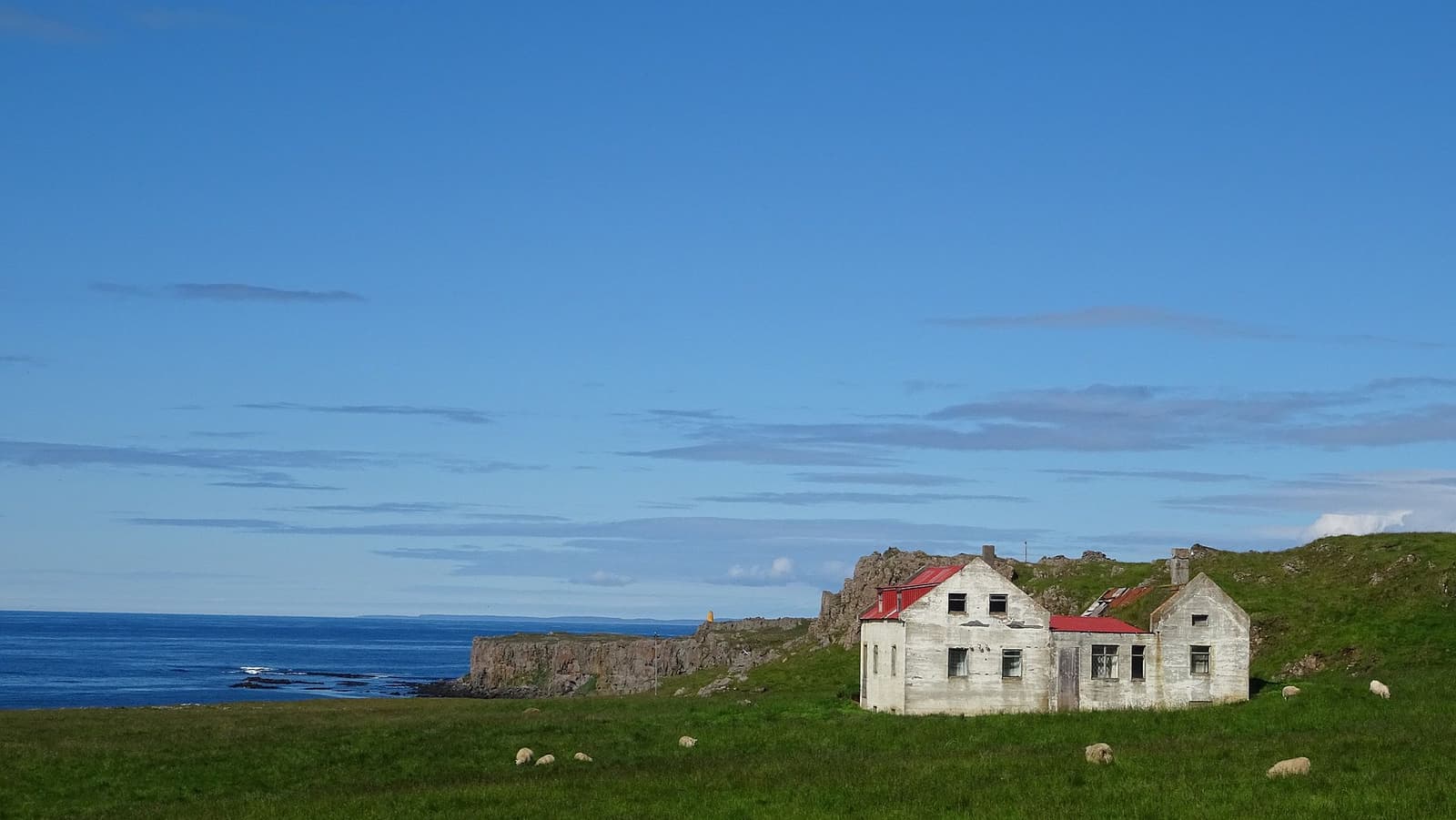
Vatnsnes: the peninsula feels low, open, and rural, with Húnaflói on one side
The peninsula feels low, open, and rural, with Húnaflói on one side, farms and birdlife along the shore, and a sequence of small stops rather than one big visitor complex.
The reward is the rhythm of the coast: watching the weather move over the bay, stopping where seal signs or viewpoints make sense, and seeing how Hvítserkur belongs to a larger shore rather than floating as a standalone photo stop.
That quieter rhythm is also the limitation. If you are tired, hungry, short on daylight, or trying to reach Akureyri or the Mývatn area the same day, Vatnsnes can feel like too much extra road for the payoff.
Should you do the full loop or just Hvítserkur?
Choose Hvítserkur only if you mainly want the sea stack and a compact detour. Choose more of Vatnsnes if the seal coast, Borgarvirki, Hvammstangi, and quieter North Iceland scenery are part of the reason you came north.
How to choose your Vatnsnes visit
Plan
Best when
What to watch
Hvítserkur only
You want the famous sea stack and have limited time.
Do not assume the short version gives you the full peninsula feel.
Hvítserkur plus seal stop
You have a little more time and want wildlife context.
Seals may be distant or absent, so bring patience and binoculars.
Fuller peninsula loop
You like quiet coast roads and have flexible daylight.
Check road, weather, and fuel/food timing before committing.
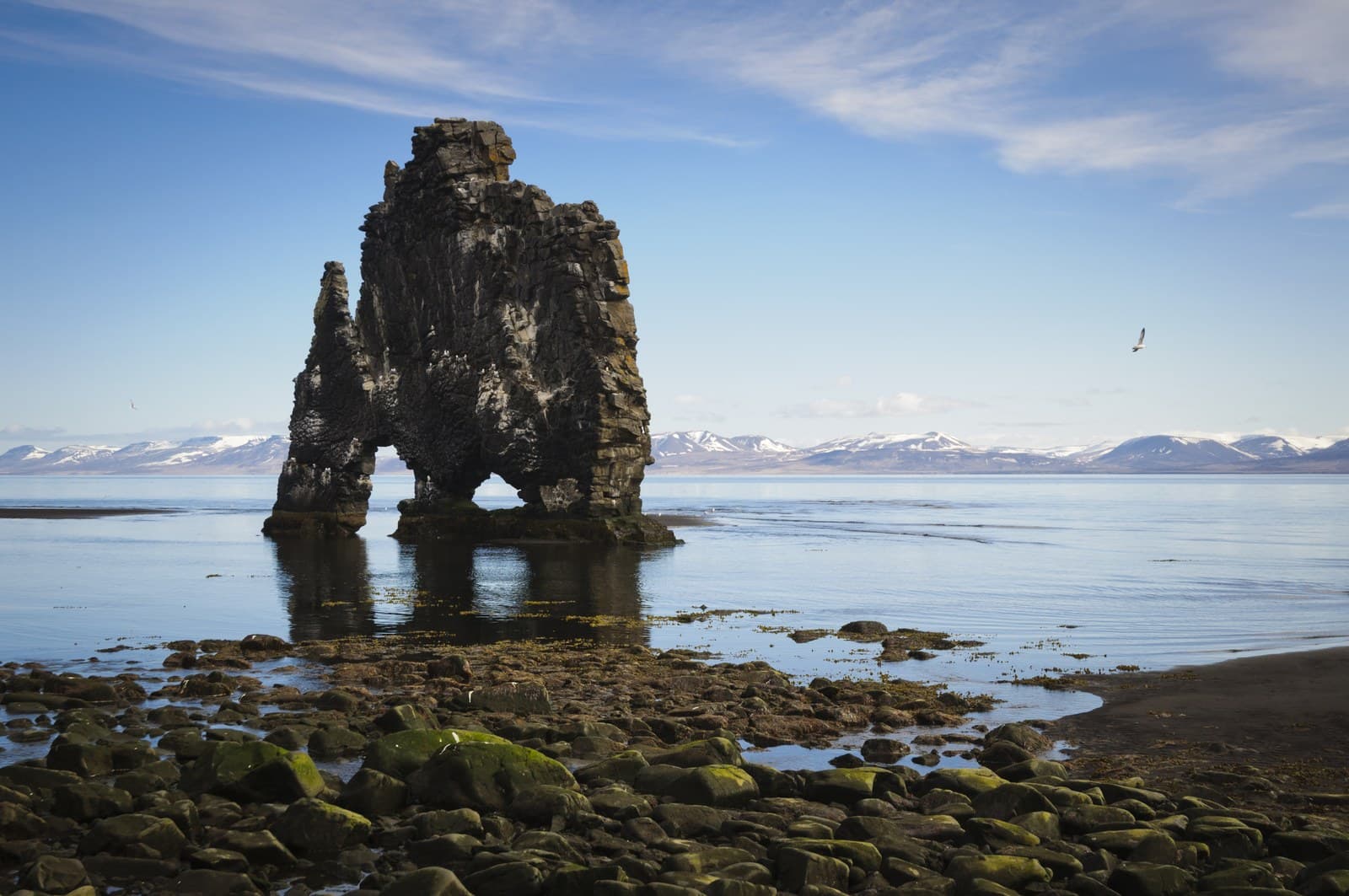
The existing Hvítserkur page is the better next stop if your question is only about the basalt stack. This Vatnsnes page is for deciding how much of the surrounding peninsula deserves space in the day.
Where do seals fit into the visit?
Seals are one of the main reasons to visit Vatnsnes, but the best experience is quiet, distant, and patient rather than close or guaranteed.
Illugastaðir is the most useful name to know before you arrive, because regional tourism sources describe it as one of Iceland's strong seal-watching places. The Icelandic Seal Center also points travelers toward marked Vatnsnes seal-viewing locations, including Illugastaðir and Hvítserkur.
Bring binoculars if seals matter to you.
Use marked paths and viewpoints where they exist.
Keep distance from seals, nesting birds, and shorelines.
Do not build the whole day around a guaranteed wildlife sighting.
Seal watching on Vatnsnes is best treated as a patient, distant wildlife experience.
Vatnsnes works best as a cluster
Vatnsnes works best as a cluster. Hvítserkur gives the obvious visual anchor, Illugastaðir adds seal-watching context, Borgarvirki adds a historic landscape stop, and Hvammstangi or Blönduós help with services and route timing.
If you are driving west to east, think of Vatnsnes as a bridge between the quieter northwest and the wider North Iceland route. If you are driving east to west, it can be a good way to slow down before continuing toward West Iceland or the Westfjords.
The most useful existing page to pair with this guide is Hvítserkur. Planned attraction pages for Illugastaðir, Borgarvirki, Hvammstangi, and Blönduós should eventually make the cluster easier to compare without turning Vatnsnes into a road-trip article.
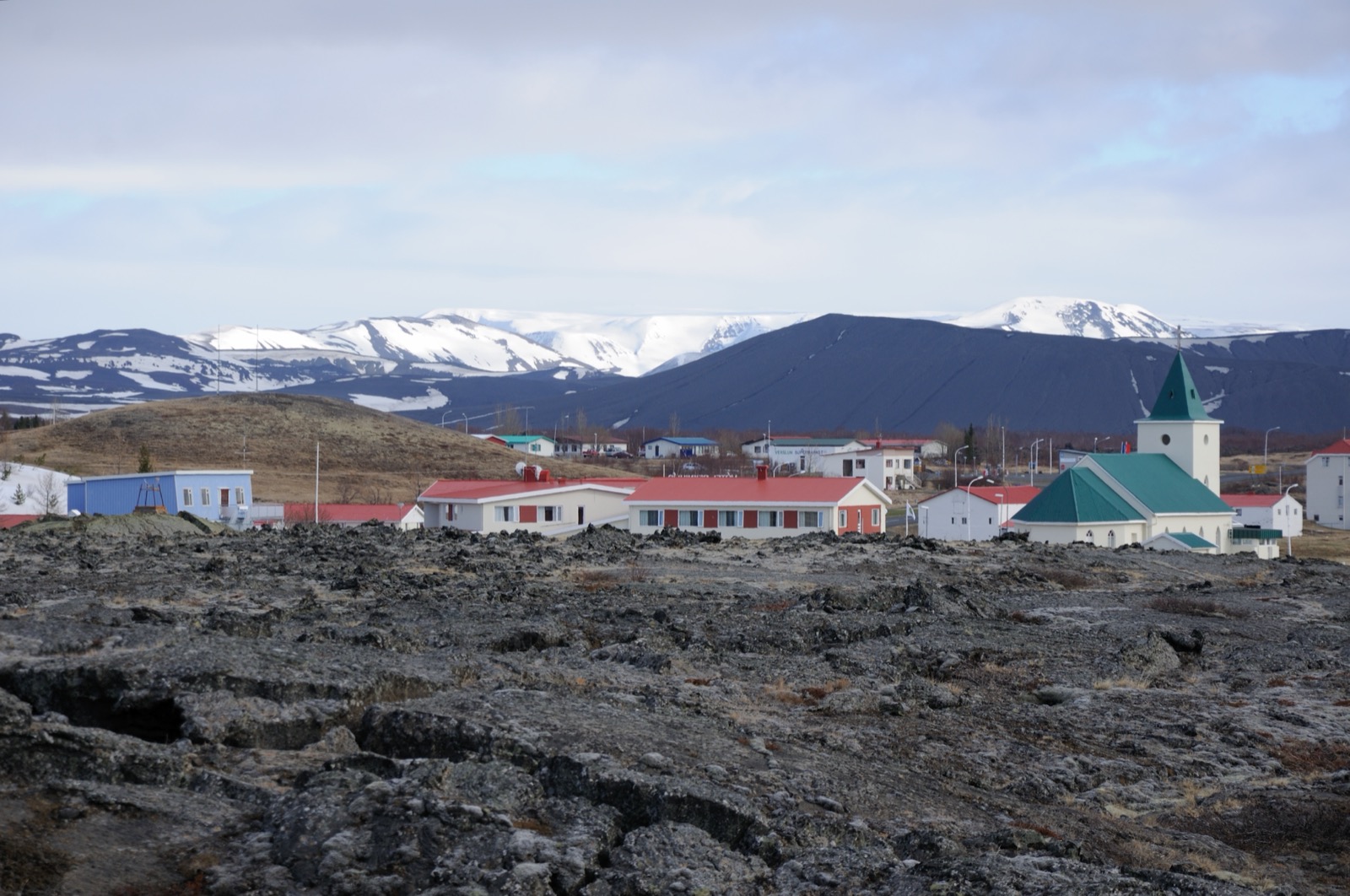
Hvammstangi and nearby coastal stops help turn Vatnsnes into a practical North Iceland cluster.
Check roads, weather, daylight, and local opening details before treating Vatnsnes as fixed
Check roads, weather, daylight, and local opening details before treating Vatnsnes as fixed. The peninsula is not extreme by Iceland standards, but exposed coast, smaller roads, and changing conditions can make the detour feel longer than it looks.
Use the official road-condition site before committing to smaller local roads, and check SafeTravel alerts when weather is unsettled. If the Icelandic Seal Center or local services are part of your plan, verify official visitor details details directly before you go.
Allow about 60-90 minutes for a Hvítserkur-only detour, or half a day if you want the peninsula to feel worthwhile. A fuller loop needs more time for slow roads, seal viewpoints, photos, and weather changes.
Are seals guaranteed on Vatnsnes?
No, seals are not guaranteed, even though Vatnsnes is one of Iceland's best-known seal-viewing areas. Treat them as wildlife, bring binoculars, and keep a respectful distance.
Is Vatnsnes worth it in winter?
Vatnsnes can be worthwhile in winter only when road, daylight, wind, and visibility are favorable. If conditions are poor, the smaller-road detour is usually not the best use of a short winter day.
Is Vatnsnes the same as Hvítserkur?
No, Hvítserkur is one major stop on the Vatnsnes peninsula. Vatnsnes is the wider coastal area, including seal-viewing places, farms, shore roads, Borgarvirki, Hvammstangi, and nearby route context.