Hóp Lake is a tidal lake and wetland stop in northwestern North Iceland, useful when your day already passes Vatnsdalur, Vatnsnes, or Blönduós and you want a quiet landscape pause.
Coast snapshot
Type
Tidal lake, wetland, and quiet coastal-viewing area
Region
North Iceland, near Blönduós, Vatnsdalur, and the Vatnsnes area
Route context
Best as a short pause on a northwestern North Iceland driving day, not as a main route anchor
Time to allow
10-30 minutes for a simple viewpoint-style pause; longer only if you are watching birds or photographing weather
Best experience
Broad water, lowland fields, birdlife, and a quieter sense of the Húnafjörður and Vatnsdalur landscape
In this guide
Hóp Lake is worth a short stop if you are already moving through Vatnsdalur, Vatnsnes, Blönduós, or Hrútafjörður and want a quiet lowland view
Hóp Lake is worth a short stop if you are already moving through Vatnsdalur, Vatnsnes, Blönduós, or Hrútafjörður and want a quiet lowland view. It is not worth forcing into a rushed North Iceland day.
The value is subtle: wide water, low fields, wind, birdlife, and the feeling of the coast and valley meeting near Húnafjörður. If your route is already nearby, Hóp can make the day feel less like a straight transfer between larger stops.
Add Hóp when the plan already includes Vatnsnes, Vatnsdalur, or a cultural pause such as Reykir Regional Museum. Skip it when a first-time trip needs time for clearer North Iceland anchors such as Goðafoss, Mývatn, or Dettifoss.
Hóp Lake stop decision
Choice
Use it when
What to decide
Go
You are already nearby and want a quiet water, field, and birdlife pause.
Allow a short flexible stop, not a major detour.
Skip
The day is packed with stronger scenic anchors or long driving.
Save the time for a clearer destination.
Check first
Wind, winter roads, low visibility, or wet ground could make the pause unrewarding.
Use official road, weather, and safety sources before committing.
Hóp is a tidal lake and lagoon-like wetland, so the experience is more about open water
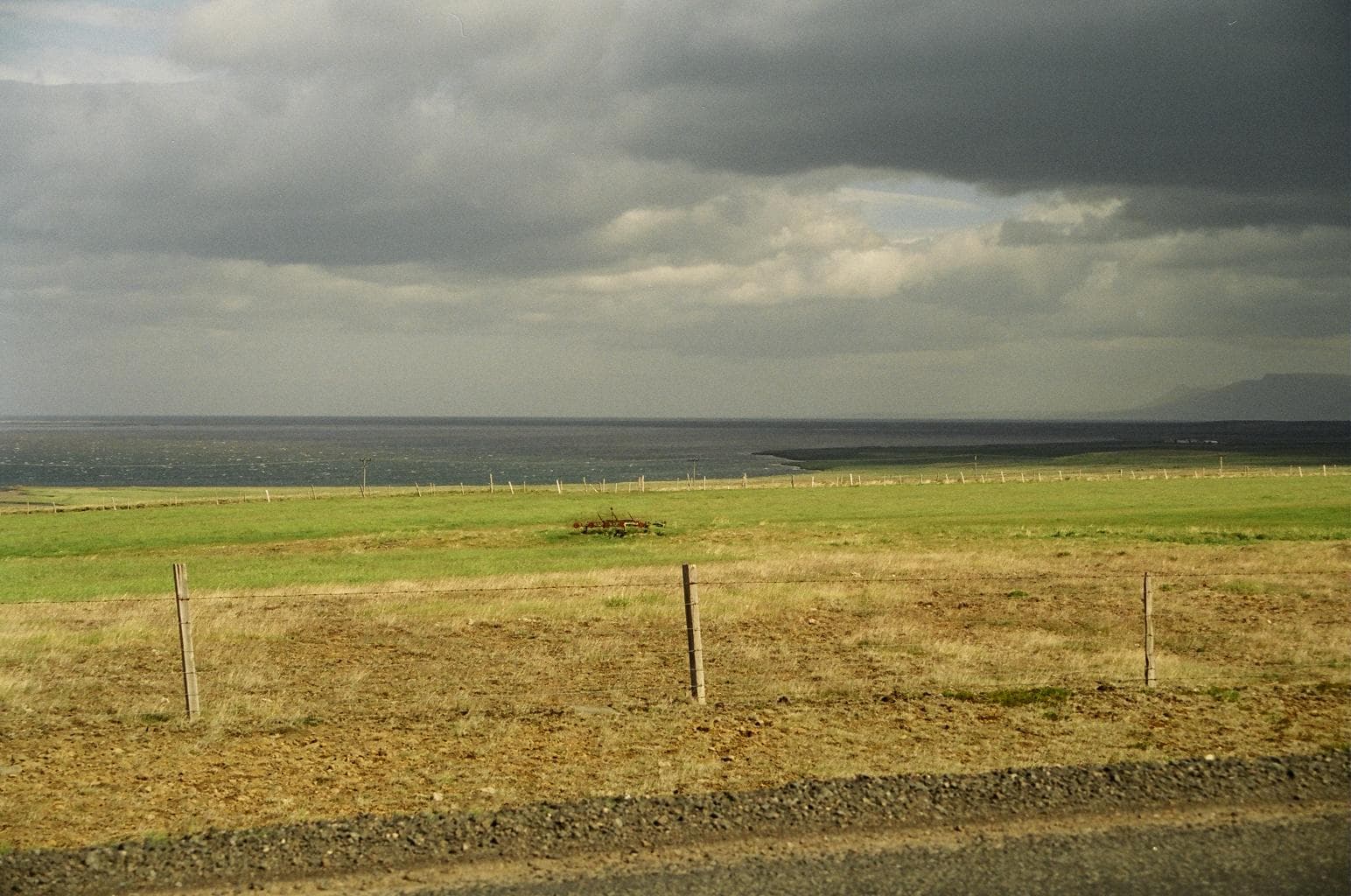
Hóp is a tidal lake and lagoon-like wetland, so the experience is more about open water, changing edges, birds, and surrounding farmland than one marked viewpoint.
The Hóp-Vatnsdalur area is recognized for lowland floodplains, coastal lakes, wetland habitat, and birdlife. That matters for travelers because the stop should feel quiet and observational, not like a built visitor attraction.
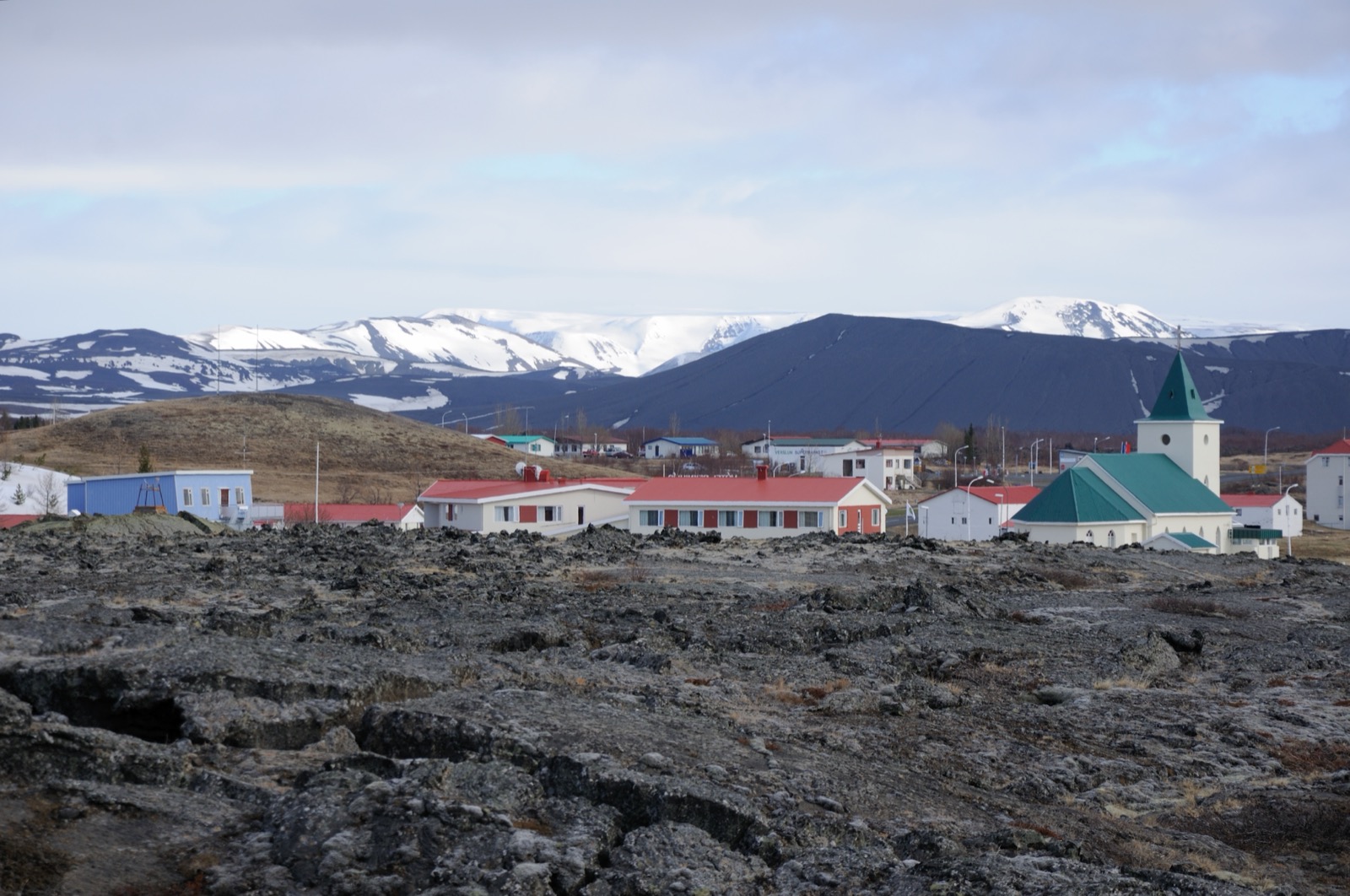
Expect a broad landscape rather than drama. On a good day, the lake, fields, clouds, and distant slopes can be rewarding for slow travel and photography. On a flat grey day with no bird activity or light, it can feel like a very brief glance from the road.
Hóp Lake: most travelers should allow 10-30 minutes
Most travelers should allow 10-30 minutes. That is enough for a short view, photos if the light is good, and a pause before continuing to nearby North Iceland stops.
Hóp does not need the time you would give a canyon, waterfall, museum, or geothermal area. The best version is flexible: stop if the weather, light, and route rhythm make it feel worthwhile; keep moving if the day is already stretched.
Quick glance: 5-10 minutes if you only want to understand the setting.
Balanced pause: 10-30 minutes for photos, birdwatching from a distance, and a slower look at the water.
Slow version: longer only if the light, weather, or birdlife is the point of the stop.
If you are choosing between Hóp and a more defined nearby stop, choose the more defined stop when the weather is poor or the group needs a clear activity.
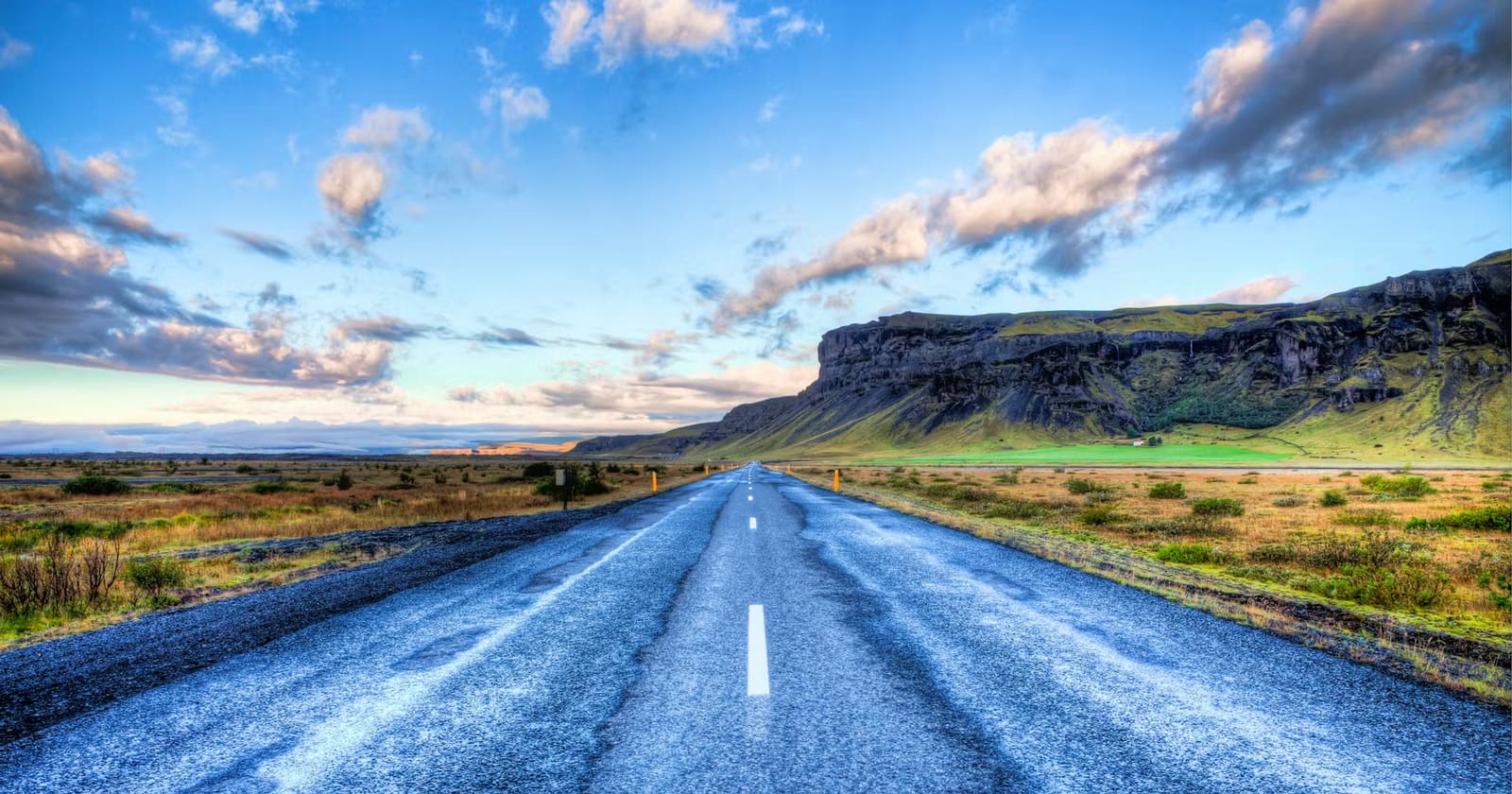
Blönduós is one of the practical route anchors that makes a quiet Hóp Lake pause easier to justify.
Where does Hóp fit with Vatnsdalur, Vatnsnes, and bigger North Iceland stops?
Hóp fits best as a quiet connector between Vatnsdalur, Vatnsnes, Blönduós, and Hrútafjörður. It should support the day, not become the reason for the whole day.
Pair it with Vatnsdalur, Vatnsdalshólar, Þingeyrarkirkja, Kolugljúfur, or the Icelandic Seal Center when you are building a slower northwest North Iceland route. Those stops give the day stronger shape, while Hóp adds open water and wetland atmosphere.
If your plan continues east, Hóp is far quieter than the better-known North Iceland sequence around Goðafoss, Mývatn, and Dettifoss. That comparison is useful: Hóp is for slowing down near the northwest coast, not for replacing the region's major nature anchors.
Use the North Iceland region guide if you are still deciding whether this part of the north coast deserves time in your itinerary. Hóp becomes much easier to justify once the surrounding day already has Vatnsnes, Vatnsdalur, or Hrútafjörður logic.
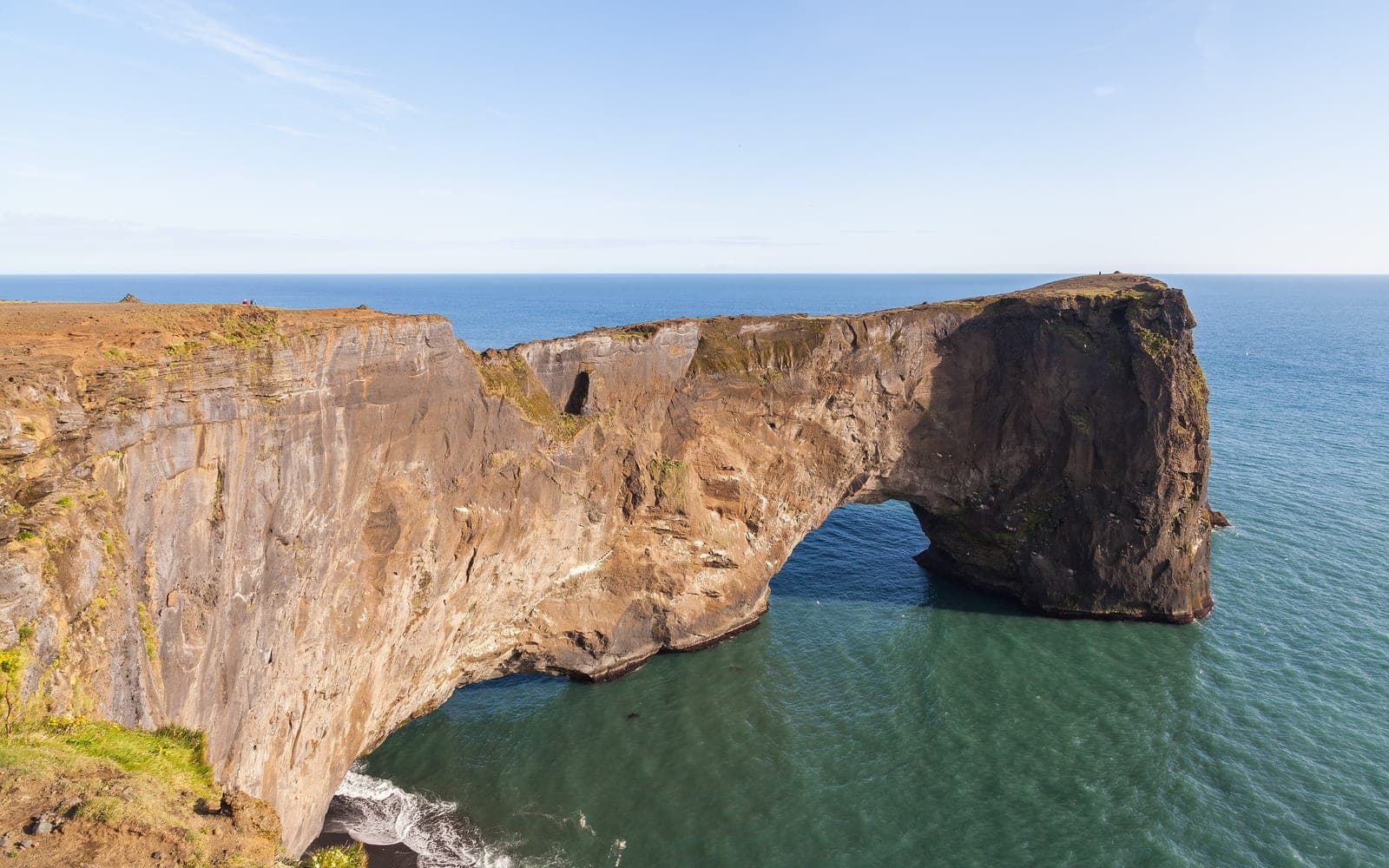
Vatnsnes gives a Hóp Lake day a clearer coastal anchor when travelers want more than a brief wetland view.Kolugljúfur is a more defined nearby stop; Hóp usually needs only a short pause by comparison.
Wind, wet ground, and winter visibility can change the stop
Check official road, weather, and safety sources before relying on Hóp in winter, high wind, poor visibility, or wet-road conditions. Also treat shoreline access and birdlife with care.
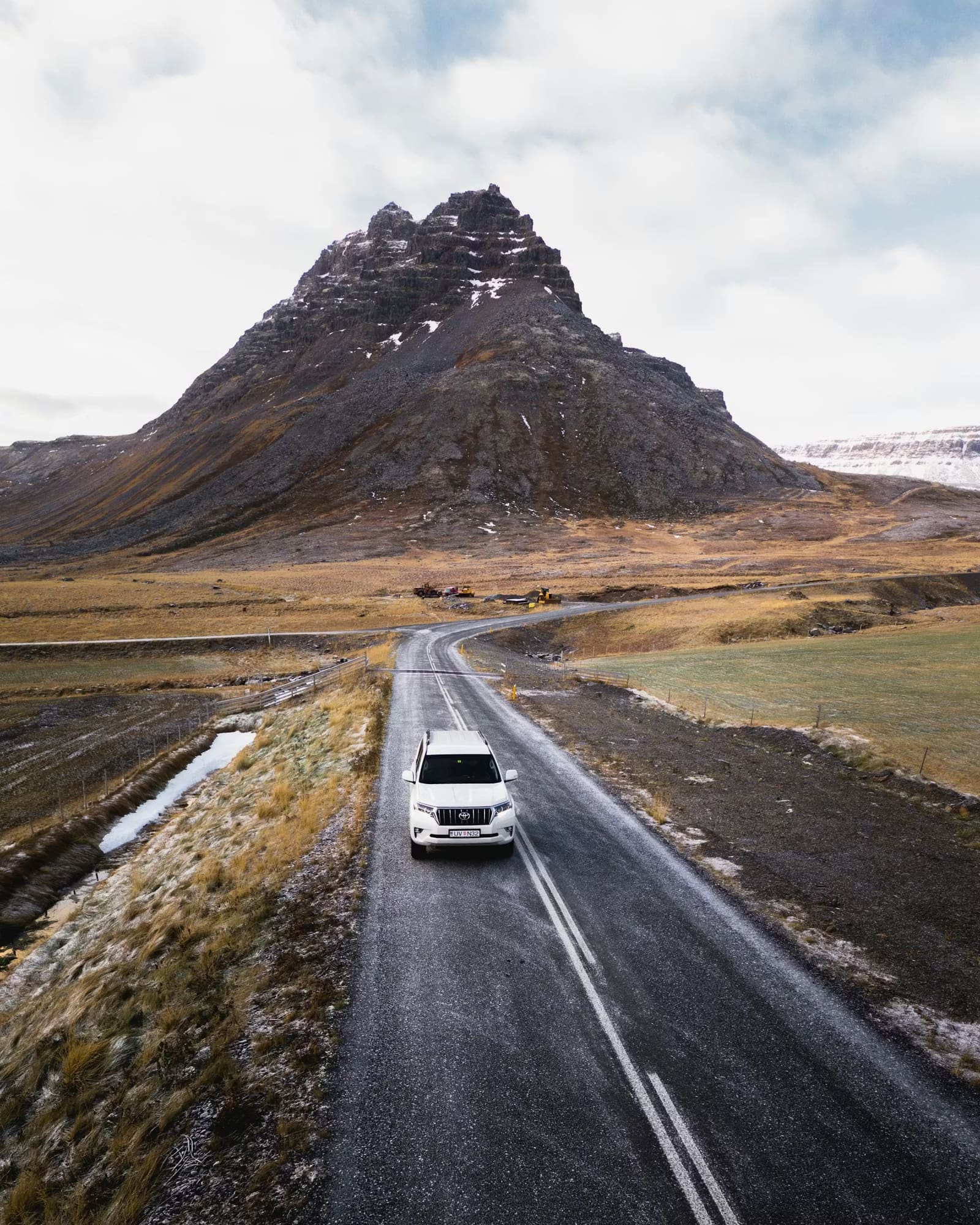
The stop is simple only when the driving day is simple. Wind, snow, ice, low clouds, and poor shoulder conditions can make a quiet side pause feel pointless or awkward, especially if you are trying to reach a larger North Iceland destination before dark.
If birds are present, view them from a respectful distance. The Hóp-Vatnsdalur area is valuable because of its wetland and bird habitat, so the right visitor behavior is quiet observation rather than pushing toward the waterline.
Lowland water, birds, and soft ground are part of the wider area, so Hóp is best treated as a quiet observation stop.
Hóp Lake FAQ
These questions decide whether Hóp belongs in a real driving day or should stay optional.
Is Hóp Lake a major attraction?
No, Hóp Lake is better understood as a quiet scenic and wetland stop. Add it when you are nearby, not as a long standalone detour.
How much time do you need at Hóp Lake?
Most travelers need 10-30 minutes at Hóp Lake. Stay longer only if you are watching birds from a distance, photographing weather, or intentionally slowing the day.
Is Hóp Lake good for birdwatching?
It can be good for birdlife interest, but sightings are never guaranteed. Keep distance, avoid disturbing wetland areas, and let conditions decide how long you stay.
Should I visit Hóp Lake in winter?
Only keep it in a winter plan if road, weather, daylight, and visibility make the stop sensible. Use official condition sources before adding quiet side stops to a tight day.