Short stop snapshot
- Type
- Landslide mounds and valley viewpoint
- Region
- North Iceland, by Vatnsdalur
- Best for
- Short self-drive scenery breaks
- Time
- About 15 to 40 minutes
- Access
- Road 722 and nearby pull-ins
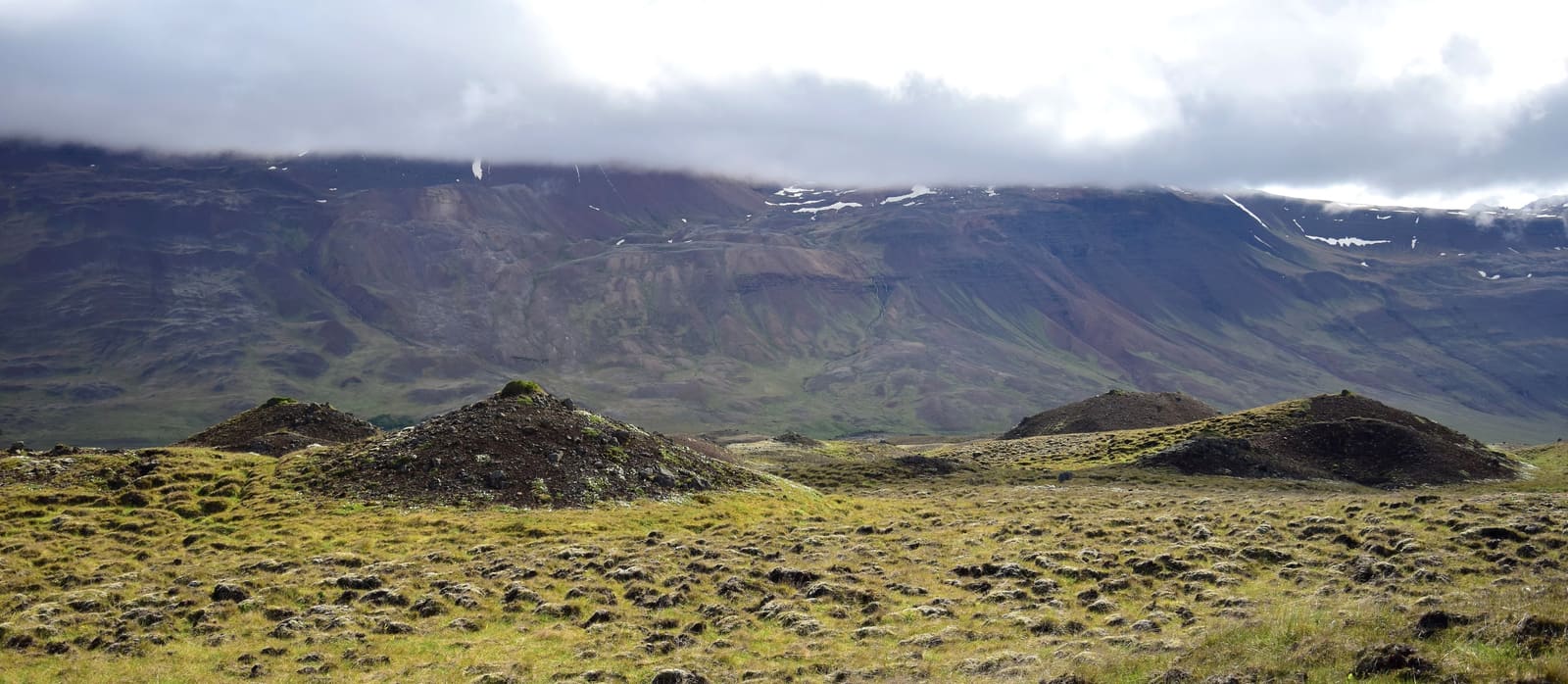
Vatnsdalshólar helps self-drive travelers decide whether the unusual mound field at the mouth of Vatnsdalur deserves a short stop, a quick photo pause, or a pass between larger North Iceland plans.
Short stop snapshot
Vatnsdalshólar is worth a pause when your day already runs through the lower Vatnsdalur area, especially if you like landscapes that reveal their story through shape rather than spectacle.
The hills are not a waterfall, beach, or built attraction. Their appeal is the strange rhythm of grassy mounds spread across the valley mouth, with farms, mountains, and open sky making the whole area feel broader than a single viewpoint.
Give the stop a place in the day when you are already connecting Hóp Lake, Húnaflói, Þingeyrar, or the roads around Vatnsdalur. Leave it out when the route is racing toward bigger North Iceland anchors and every pause has to compete hard.
| Choice | Best reason | Planning note |
|---|---|---|
| Go | You want a quiet geology stop near Vatnsdalur. | Keep it short and let the light decide how long you linger. |
| Pair it | You are already visiting Hóp Lake, Þingeyrar, or the lower valley. | The mounds work better as part of a cluster than alone. |
| Skip | Your day is a long transfer with stronger stops ahead. | Save the margin for driving, weather, or a larger attraction. |
Photo guide
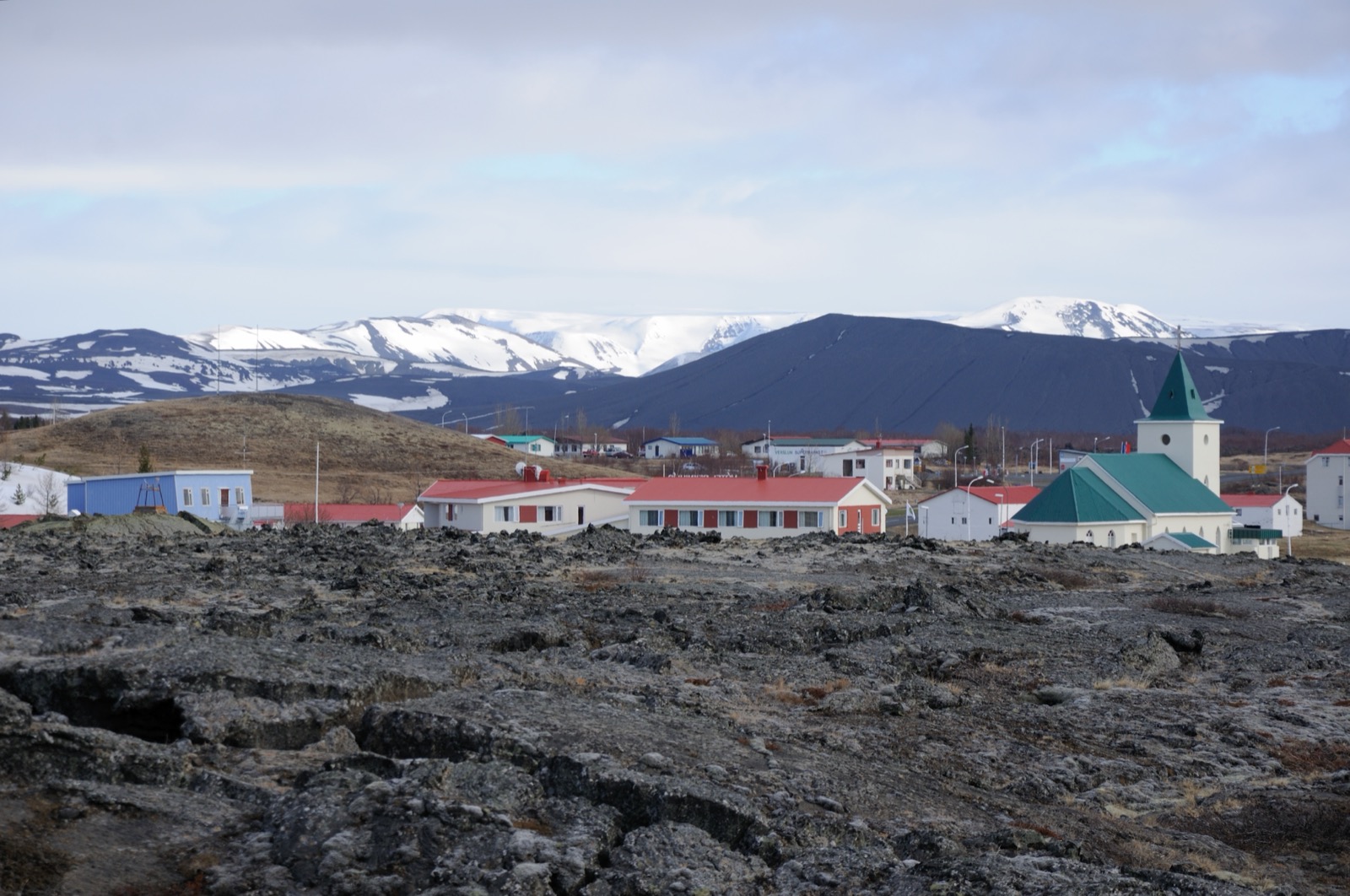
The first impression is quiet but specific: rounded grassy mounds spread across the mouth of Vatnsdalur.
The landscape is the point: hundreds of rounded rises and dips that make the valley floor look folded, lumpy, and unusually alive from the road.
Official regional information describes Vatnsdalshólar as hills of many sizes at the mouth of Vatnsdalur, generally linked to a catastrophic landslide. That origin matters because it explains why the stop feels different from a normal farm valley.
The best visit is unhurried but simple. Look for the mound pattern, the mountain backdrop, and how the land changes as you move along Road 722 or nearby viewpoints. In flat light the scene can feel subtle; in angled light it becomes much easier to read.
Vatnsdalshólar belongs in a self-drive day because it sits close to practical route choices, not because it demands a long dedicated visit.
For Ring Road travelers, the decision is usually whether to slow down around Vatnsdalur or keep moving. If the day already includes Kolugljúfur, Hóp, or the Vatnsnes area, the mound field adds a low-effort landscape layer.
If you are choosing between this and a major named waterfall, canyon, or geothermal area, be honest about what you want. Vatnsdalshólar rewards curiosity and good light more than checklist energy.
The stop gets stronger when it helps shape a local cluster rather than sitting alone between bigger plans.
Hóp Lake gives the day a wide-water contrast, while Þingeyrarkirkja Church adds a cultural stop near the same landscape. Húnaflói works as a broader coastal reference when you are thinking about the bay, Vatnsnes, and the northwest edge of North Iceland.
There is also a quieter history layer. Vatnsdalur is tied to settlement and saga stories, Þingeyrar has deep cultural importance, and nearby Þrístapar is associated with Iceland's last execution. Those details do not turn Vatnsdalshólar into a museum, but they give the valley more meaning than a quick photo pull-in.
The facts that matter most before a rural short stop are practical rather than complicated: roads, weather, daylight, and how much route slack you have.
Official regional place context and road number.
Road-condition checks before rural detours.
Forecasts and warnings for exposed travel days.
Traveler safety guidance for changing conditions.
By ThorPublished Updated
Map
Use nearby places and useful bases before opening directions.
Interactive planning map for Vatnsdalshólar Hills
Interactive map
Place context and external map links remain available without loading it.
Planning context
Open the region or practical guide that resolves the next planning decision.
Next step
Use the next page that helps turn this stop into a practical route decision.