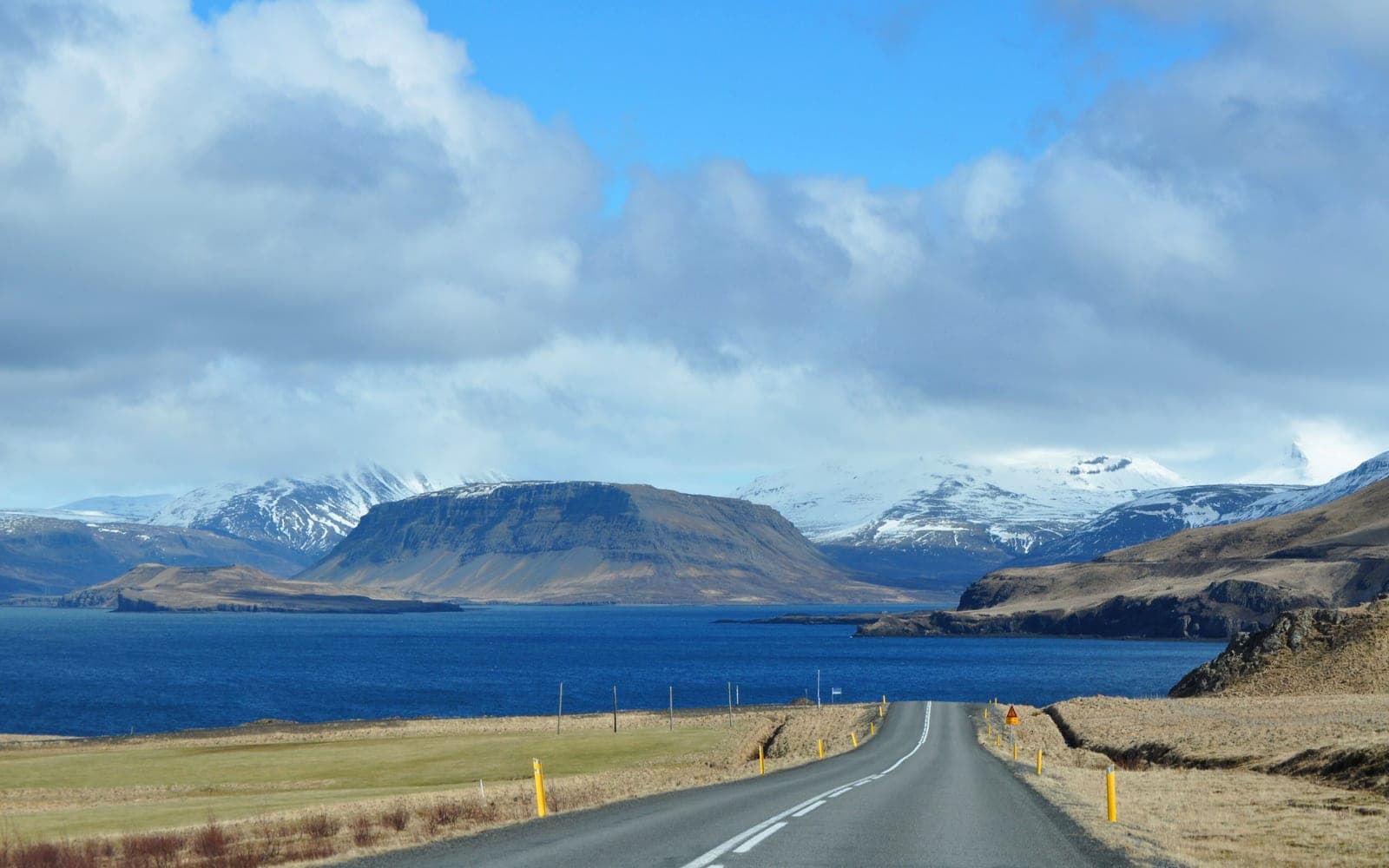
Is Djúpalónssandur worth stopping for?

Yes, Djúpalónssandur is worth a stop if your Snæfellsnes day has room for a dramatic beach that demands respect for the sea.

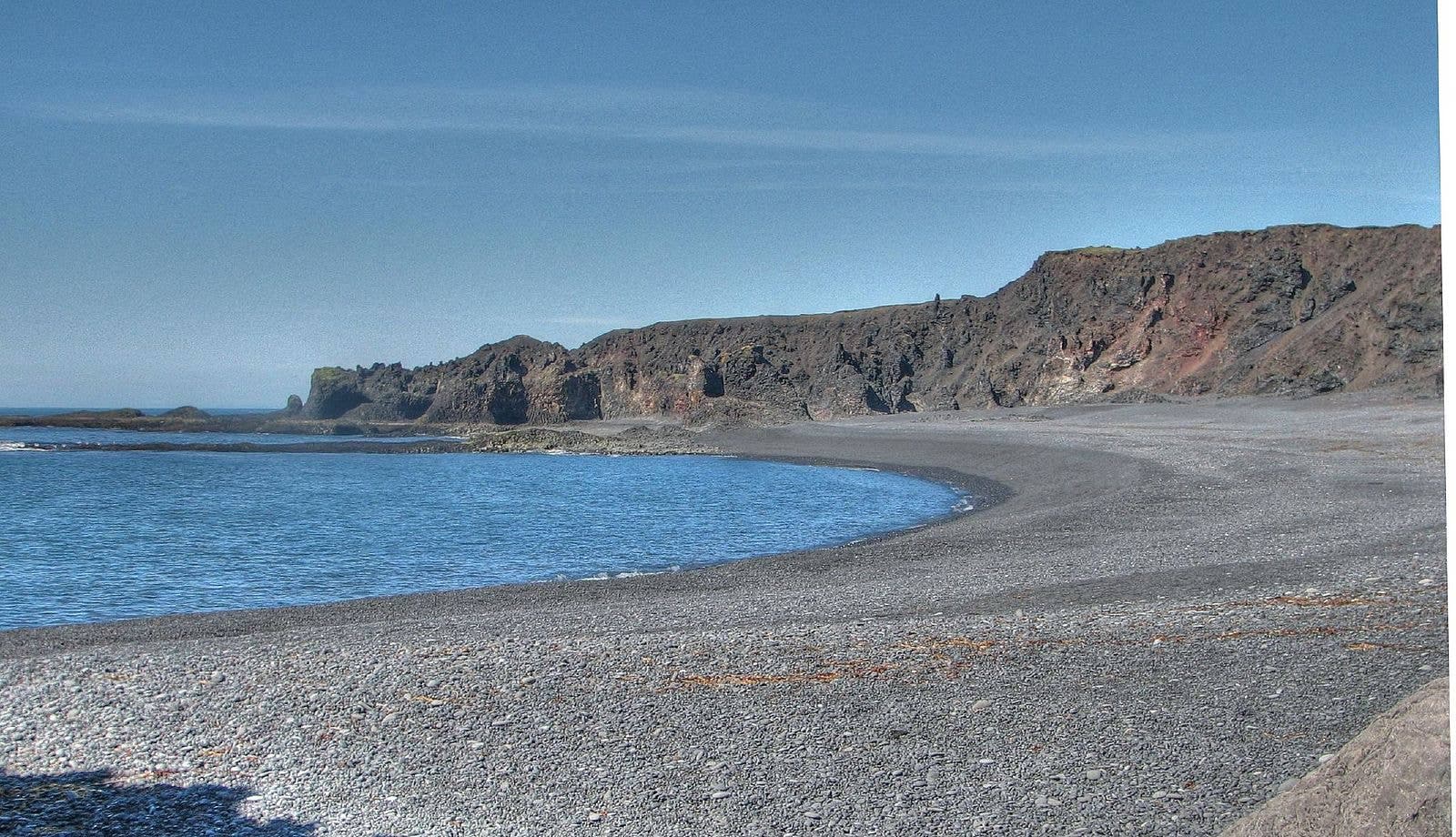
The beach is not a soft-sand pause between viewpoints. It is a dark, pebbled cove below lava walls, with Atlantic surf, scattered shipwreck metal, old lifting stones, and the heavier mood of an abandoned fishing station.

It works best when you are already linking Lóndrangar, Vatnshellir Cave, Snæfellsjökull, or Arnarstapi. If the day is packed, make it a focused descent and viewpoint stop. If wind and visibility cooperate, leave time to move slowly and read the landscape.

Worth the stop?

When this stop makes sense

Good match for

  • Snæfellsnes self-drive travelers who want a powerful coastal stop
  • photographers looking for black pebbles, lava formations, and Atlantic scale
  • visitors interested in old fishing-station traces and shipwreck remains
  • travelers pairing several short national park stops in one day

Think twice if

  • travelers who want a relaxed swimming beach
  • visitors unwilling to keep well back from exposed surf

Pair it with

SnæfellsnesLóndrangarVatnshellir CaveSnæfellsjökull

What does the beach feel like?

The visit feels enclosed and exposed at the same time: lava walls behind you, dark stones underfoot, and open Atlantic water in front.

The descent passes through rough lava before the beach opens into a black-pebble shore. The sound is different from a sandy beach because every wave drags over stones, and the cliffs make the cove feel like a natural amphitheater.

The best first impression is from above, where the black beach, lava edges, and open water read together.

Look for the old fishing-station details as part of the stop, not as separate museum pieces. The lifting stones and rusting shipwreck remains make the beach feel lived-in and weathered, while the surrounding lava formations keep the place from feeling like a simple shoreline.

How should you treat the shoreline?

Treat the shoreline as the main risk of the visit, even when the sea looks photogenic from the path.

Djúpalónssandur is an exposed Atlantic beach, and the same drama that makes it memorable also makes careless behavior a poor trade. Keep well back from the surf, watch the pattern of previous waves, and do not make the waterline the goal of the visit.

This is where Djúpalónssandur differs from many quick viewpoints. A good visit is not about getting as close as possible; it is about using the higher lava edges, marked paths, and dry beach areas to understand the place without gambling on the sea.

How much time and effort should you allow?

Most travelers should allow about 30-60 minutes, then adjust for wind, footing, photography, and how much of the beach they want to inspect safely.

The physical effort is modest, but the ground can feel slow: lava edges, pebbles, damp sections, and wind all change the pace. Build in enough time to descend, pause, photograph, and return without pressuring anyone toward a risky shortcut.

The lava approach is part of the attraction, so the stop feels more textured than a simple beach overlook.
How to pace a Djúpalónssandur stop
Visit styleBest useWhat to avoid
Quick lookUse the path and upper viewpoints when the day is crowded.Do not rush down to the surf for one photo.
Standard stopWalk down, inspect the lava, lifting stones, and shipwreck remains from safe ground.Do not assume calm-looking water makes the shore safe.
Slow visitLet photographers and geology-minded travelers work the cove from several safe angles.Do not add a slow visit if road or weather checks argue for moving on.

What pairs well with Djúpalónssandur?

Pair it with nearby Snæfellsnes stops that contrast the beach instead of repeating the same coastal mood all day.

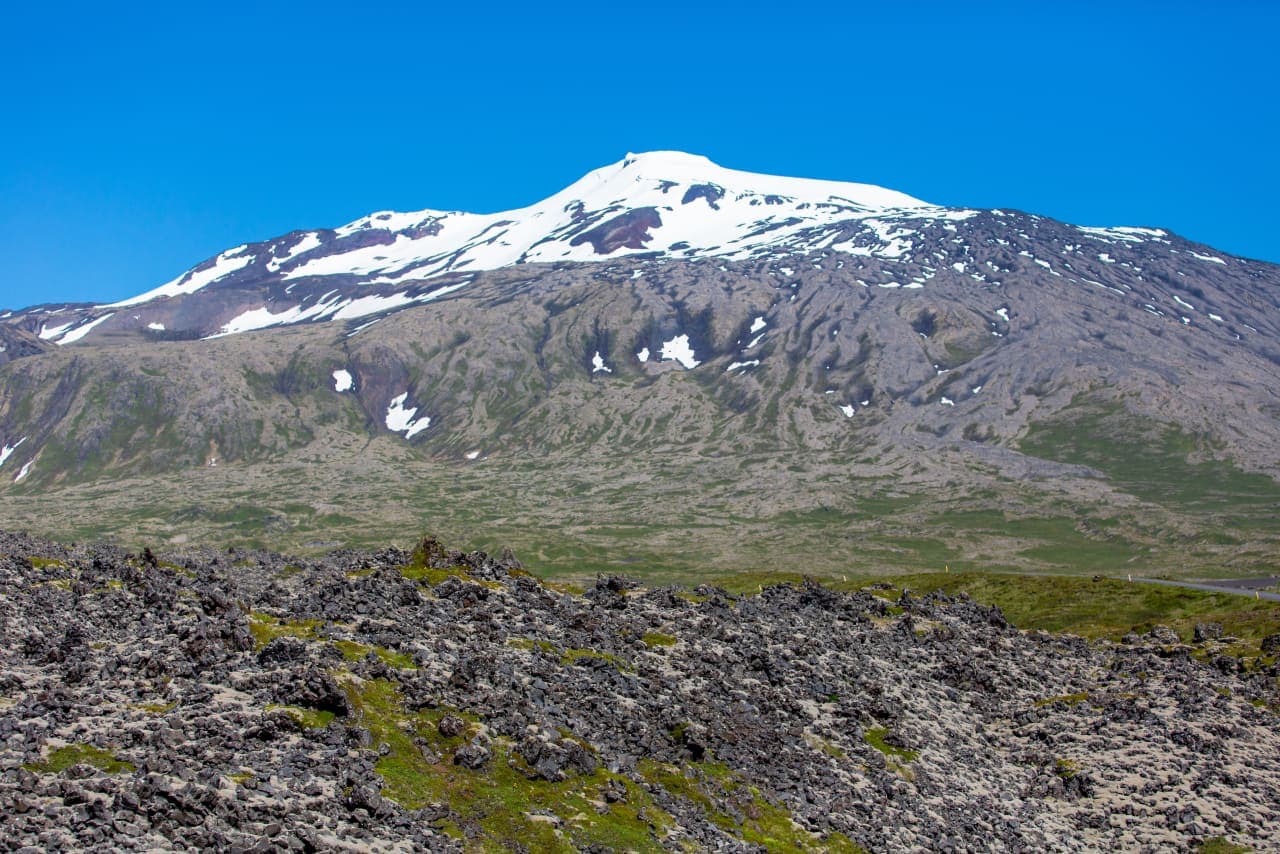
Lóndrangar gives you sea stacks and cliff viewpoints; Vatnshellir Cave changes the day into a guided underground lava experience; Snæfellsjökull adds the mountain-and-glacier identity behind the national park. Together, they make Djúpalónssandur feel like one part of a larger volcanic coast.

Arnarstapi is the better choice when you want a village-and-cliff walk with more room to linger. West Iceland is the planning layer to use when you are deciding whether Snæfellsnes should be a long day, a peninsula overnight, or part of a broader western route.

  • Choose Lóndrangar with Djúpalónssandur when cliffs and surf are the main theme.
  • Choose Vatnshellir Cave with Djúpalónssandur when you want lava above ground and below ground in the same day.
  • Choose Arnarstapi with Djúpalónssandur when you want a gentler coastal walk after the beach.
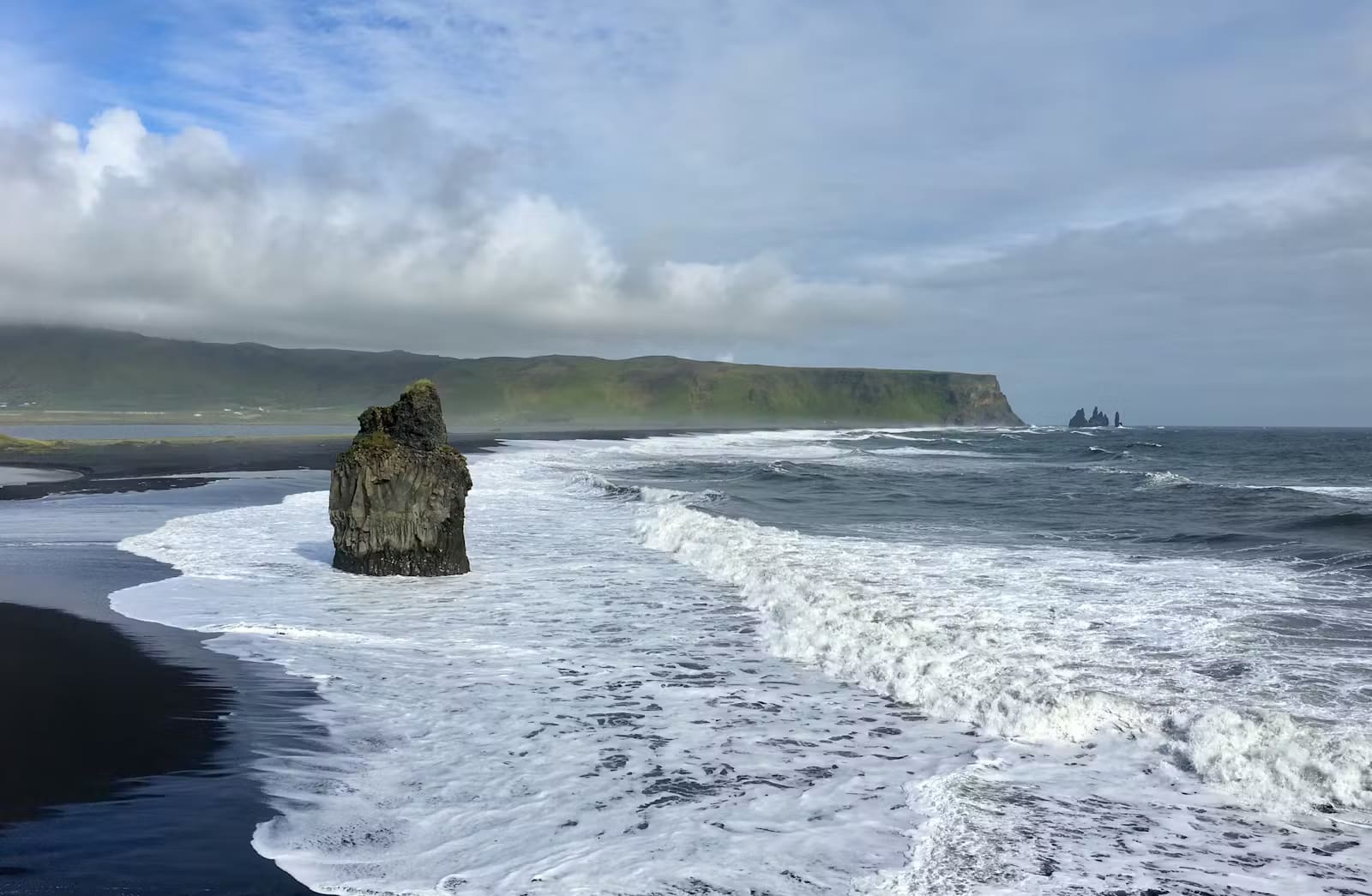
  • Compare Reynisfjara if you are deciding between dramatic black beaches on different Iceland routes.

What should you check before going?

Check official visitor, road, weather, and safety sources when conditions matter to the day.

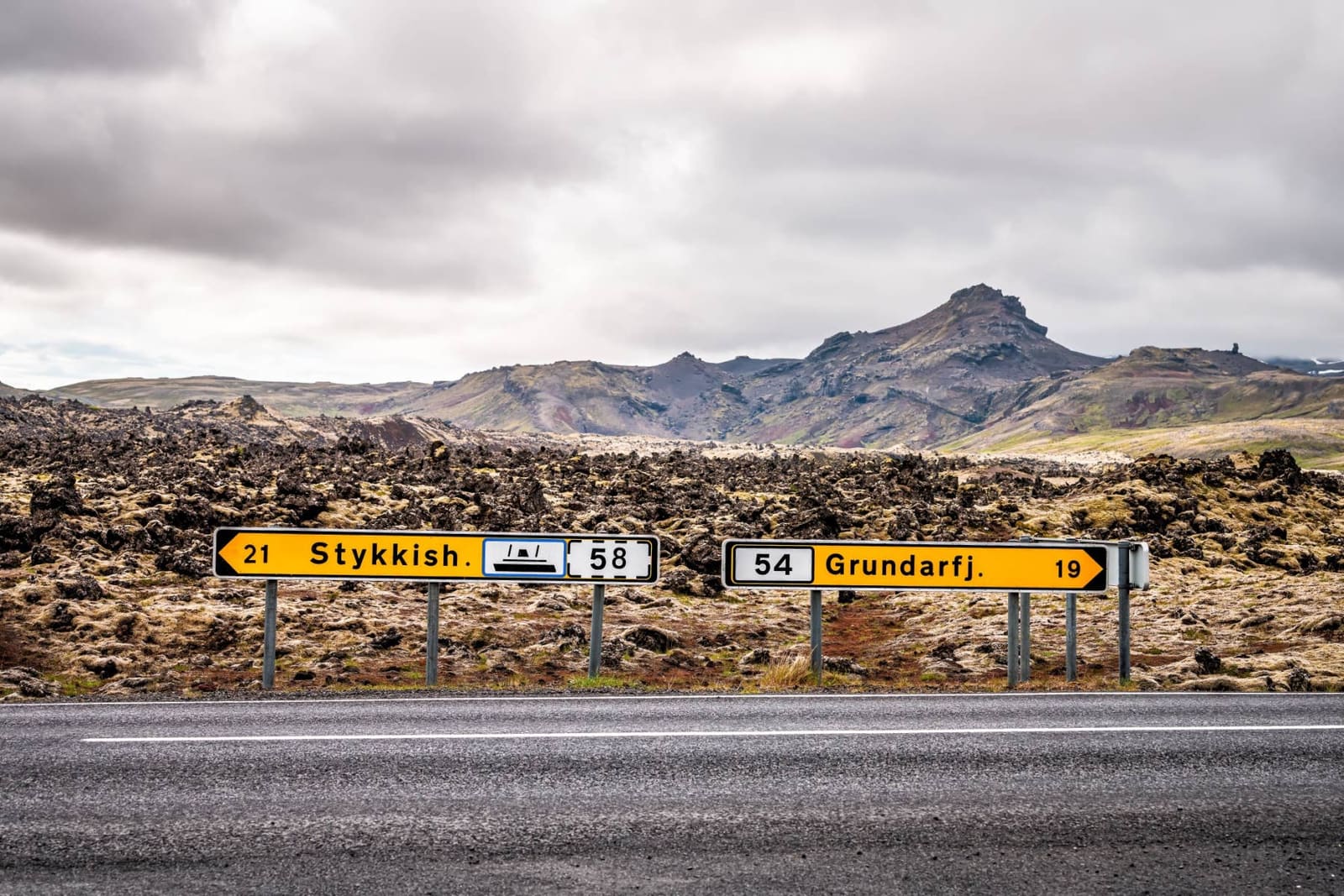
The durable plan is simple: keep the stop flexible. Snæfellsnes weather can make a short beach visit feel either memorable or needlessly exposed, and Road 574 conditions can matter when the rest of the peninsula day depends on timing.

Official resources

Common questions about Djúpalónssandur

Is Djúpalónssandur safe to visit?

Yes, if you stay well back from the surf and follow on-site signs. The ocean is the main hazard, so treat the beach as a viewpoint and historic landscape rather than a swimming or wave-chasing stop.

How long do you need at Djúpalónssandur?

Most travelers need about 30-60 minutes. Add time if you want photos, a slower look at the lava formations, or a careful inspection of the fishing-history features from safe ground.

Is Djúpalónssandur inside Snæfellsjökull National Park?

Yes. It sits in the Snæfellsjökull National Park area, so marked paths, nature protection, and official park guidance should shape how you move through the site.

What are the best nearby stops?

Lóndrangar, Vatnshellir Cave, Snæfellsjökull, and Arnarstapi are the strongest existing page pairings. They give the beach better route context than treating it as an isolated detour.