Experience fit
- Underfoot
- Walkway, stairs, or loose rock
- Stair check
- Long or spiral descents
- Guide boundary
- Managed caves use guided entry
- Useful bases
- Reykjavík, West, or Snæfellsnes
- Bring yourself
- Warm layers and sturdy shoes
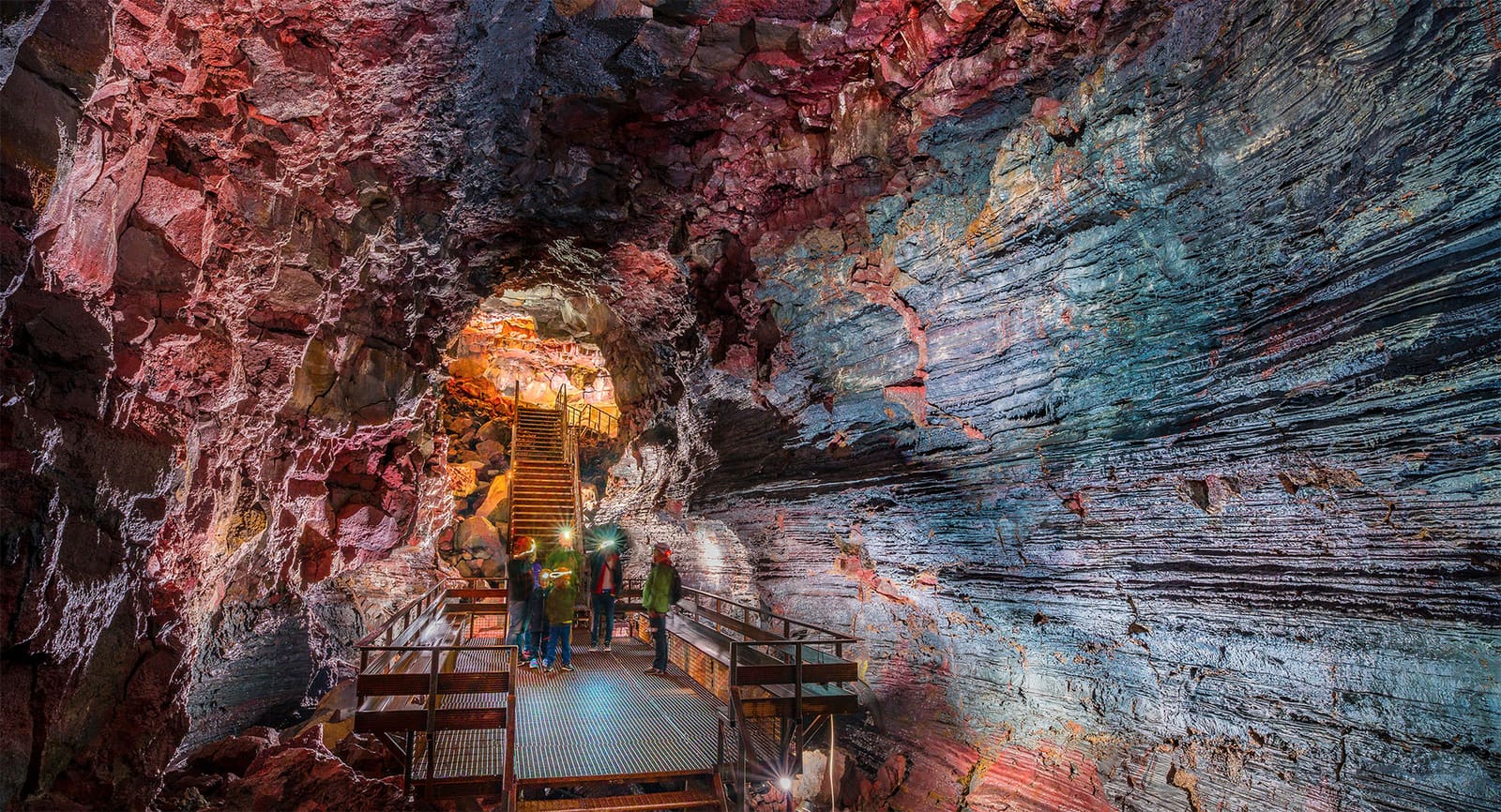
Iceland’s lava tubes range from guided routes with constructed walkways to rough passages over loose rock and boulders. Compare the floor, stairs, darkness, guide rules, and road location before choosing Raufarhólshellir, Víðgelmir, Vatnshellir, or a more physical cave outing.
Experience fit
A lava cave tour takes you inside rock left behind by an eruption, not inside a glacier. The useful first clue is under your feet: a metal footbridge, a wooden walkway, spiral stairs, unsupported cave floor, or loose boulders can turn similar-looking photographs into very different visits.
Keep reading if you want to see lava layers, broad underground halls, or rough tube walls but need to understand how you will move through them. The most important check is not whether a product is described as easy or adventurous. Look for the exact stairs, rails, walking surface, and balance requirement on the route you would book.
Managed routes add lighting, helmets, guides, and constructed sections, yet they are not automatically step-free. At the more physical end, a tour can continue beyond the developed section onto big rocks and boulders. That is a different outing, even when both products enter the same lava tube.
| Cave setup | What is underfoot | Main physical threshold | Guide boundary |
|---|---|---|---|
| Raufarhólshellir standard route | A footbridge crosses the roughest terrain | Stairs, balance, and remaining uneven ground | Follow the guided visitor route |
| Víðgelmir Cave Explorer | Wooden walkway through broad halls | A long entry staircase with rest points | Meet the guided tour at the service house |
| Vatnshellir | Unsupported walking on uneven cave surfaces | Two spiral staircases | Entry is with a guide inside the national park |
| Raufarhólshellir Lava Falls route | Big rocks and boulders beyond the standard section | Good balance and fitness | Stay with the guided rough-caving route |
Photo guide
1 / 7
The metal footbridge crosses the roughest rocks, with stairs and cave walls still visible along the route.
Good to know
The standard visit at Raufarhólshellir is the clearest example of a managed lava-tube route. Its footbridge crosses the roughest ground, and the product page says the standard route does not involve crawling.
That makes the walking surface easier to understand, but it does not settle every mobility question. The operator still tells visitors to consider balance, uneven surfaces, and stairs. Someone who is happy on a railed bridge may still find the transitions or steps difficult.
The standard route is a useful starting point for travelers who want a substantial cave interior without crawling over the roughest section. It is not a promise that every visitor can complete the tour. If knees, balance, or enclosed spaces are a serious concern, get a product-specific answer before placing the cave in a fixed day.
Víðgelmir combines a broad lava tube with a constructed wooden walkway. Inside, the walkway creates a clear route through the halls; at the entrance, a long staircase remains part of the visit.
The operator notes rest points on that staircase. This is valuable detail for someone who can walk steadily on a level boardwalk but needs pauses on a descent or climb. It is also why a photograph of the interior walkway cannot answer the whole access question.
The tour meets at the Víðgelmir service house in West Iceland. It makes the most sense when Borgarfjörður, Húsafell, or the Silver Circle area already has a place in your trip. Starting from farther away turns a focused cave visit into a much larger road day, so keep the exact meeting instructions with the booking.
Vatnshellir Cave belongs naturally to a Snæfellsnes day. The national park describes it as a guide-only visit, while the operator identifies two spiral staircases and walking on unsupported, uneven surfaces below.
Those are two separate tests. A traveler must be comfortable descending and climbing a spiral structure, then moving over cave ground without a continuous walkway. A handrail on the stairs does not describe the floor at the bottom.
This cave suits a Snæfellsnes Peninsula road trip far better than a rushed detour added only because the map shows a cave symbol. Keep time for the peninsula above ground as well. Weather and roads can change the driving day even though the underground chamber itself is sheltered.
The guide provides the light and controls entry, but you still bring the body that must manage the stairs and floor. Contact the operator before booking when someone has limited knee movement, balance concerns, or difficulty in dark enclosed places.
A rough lava-cave tour is not simply a longer version of a walkway tour. The Lava Falls route at Raufarhólshellir continues beyond the standard section onto big rocks and boulders, and the operator calls for good balance and fitness.
That route can appeal when moving through the cave is part of the reason you are going. It is a poor match when the main aim is to see lava formations with the least difficult footing. A group should choose for its least confident member, because one uncomfortable person cannot turn boulder travel into a viewing stop.
Visit Iceland recommends a guide for cave exploration and asks visitors to protect delicate formations. That advice matters beyond the managed attractions. A cave mouth can look open and inviting from daylight while the route inside quickly becomes dark, confusing, and easy to damage.
Once the floor and stairs are acceptable, geography can do the rest. Raufarhólshellir is the most natural of these examples for a capital-based or southwest trip; Víðgelmir belongs to West Iceland; Vatnshellir belongs on the Snæfellsnes Peninsula.
Without a car, start with a product that clearly includes Reykjavík transport; do not assume every cave has a city pickup. With a car, the meeting time still controls the road. Check the exact pin, arrival instruction, and the official road information before setting out.
A cave is a strong anchor when it adds something the road cannot show from above. It becomes a weak detour when reaching it forces you to rush the peninsula, skip a needed overnight, or drive back tired after dark. The Iceland driving guide covers the larger road questions; the operator page covers the final approach and check-in.
The temperature and light change as soon as the daylight falls behind you. Even on a managed route, the walls can feel close in places, the floor needs attention, and the helmet and lamp become part of how you move.
The selected operators provide a helmet and a light for these tours. That equipment does not replace clothing or footwear. Wear warm layers and sturdy shoes with grip, and follow the product’s clothing instructions instead of dressing for the weather at the car park.
Tell children and nervous adults when the group will enter darkness, what the guide controls, and whether there is a difficult stair or rough section ahead. A guide may pause to explain the rock or let eyes adjust, but the exact pace and participant rules belong to the booked product.
These visits show how much the surface can change between products. Compare the feature that affects your group most, then confirm the exact departure instructions with the provider.
The surfaces range from a footbridge to boulders, a wooden walkway after long stairs, and spiral stairs above uneven cave floor.
The Lava Tunnel
Best forVisitors who want a managed Raufarhólshellir route with a footbridge and no crawling on the standard section.
Keep in mindStairs, balance, and uneven transitions can still matter even where the roughest terrain is bridged.
Check firstConfirm the stairs, remaining uneven ground, clothing advice, and any mobility concern with the operator.
The Lava Tunnel
Best forTravelers who want to continue beyond the standard Raufarhólshellir section and are comfortable moving over boulders.
Keep in mindThe extra route requires good balance and fitness and is a different physical outing from the footbridge tour.
Check firstRecheck the terrain, fitness expectation, equipment, and whether every group member accepts the rough section.
The Cave Víðgelmir
Best forWest Iceland travelers who can manage long stairs and prefer a wooden walkway.
Keep in mindThe interior walkway does not remove the staircase needed to enter and leave the cave.
Check firstConfirm the meeting point, stair rest points, equipment, and any mobility concern before arrival.
Summit Adventure Guides
Best forSnæfellsnes road trips whose travelers can use spiral stairs and walk on an unsupported uneven cave floor.
Keep in mindA guided national-park visit still requires comfort with two spiral staircases and rough footing below.
Check firstConfirm the stairs, cave-floor conditions, supplied equipment, and participant requirements for the exact departure.
Use official cave guidance for the durable boundaries, then return to the exact operator page and road map when your date is close. Conditions and instructions can change after the broad choice is made.
Check the meeting point, arrival instruction, clothing list, participant rules, cancellation terms, and any route notice on the booked product. For the drive, use the official road map; do not rely on an old screenshot or an earlier forecast.
Use the national overview for cave formation, guided exploration, equipment, varied access, and conservation advice.
Check the park’s guide-only boundary and its description of the cave before a Snæfellsnes visit.
Check the road to the meeting point near departure and follow any operator instructions.
Open the exact standard or rough-caving product for route, equipment, participant, and meeting details.
Confirm the chosen Víðgelmir visit, equipment, staircase information, and service-house instructions.
By ThorPublished
Regions
See which part of Iceland is most convenient for this experience and what else you can visit nearby.
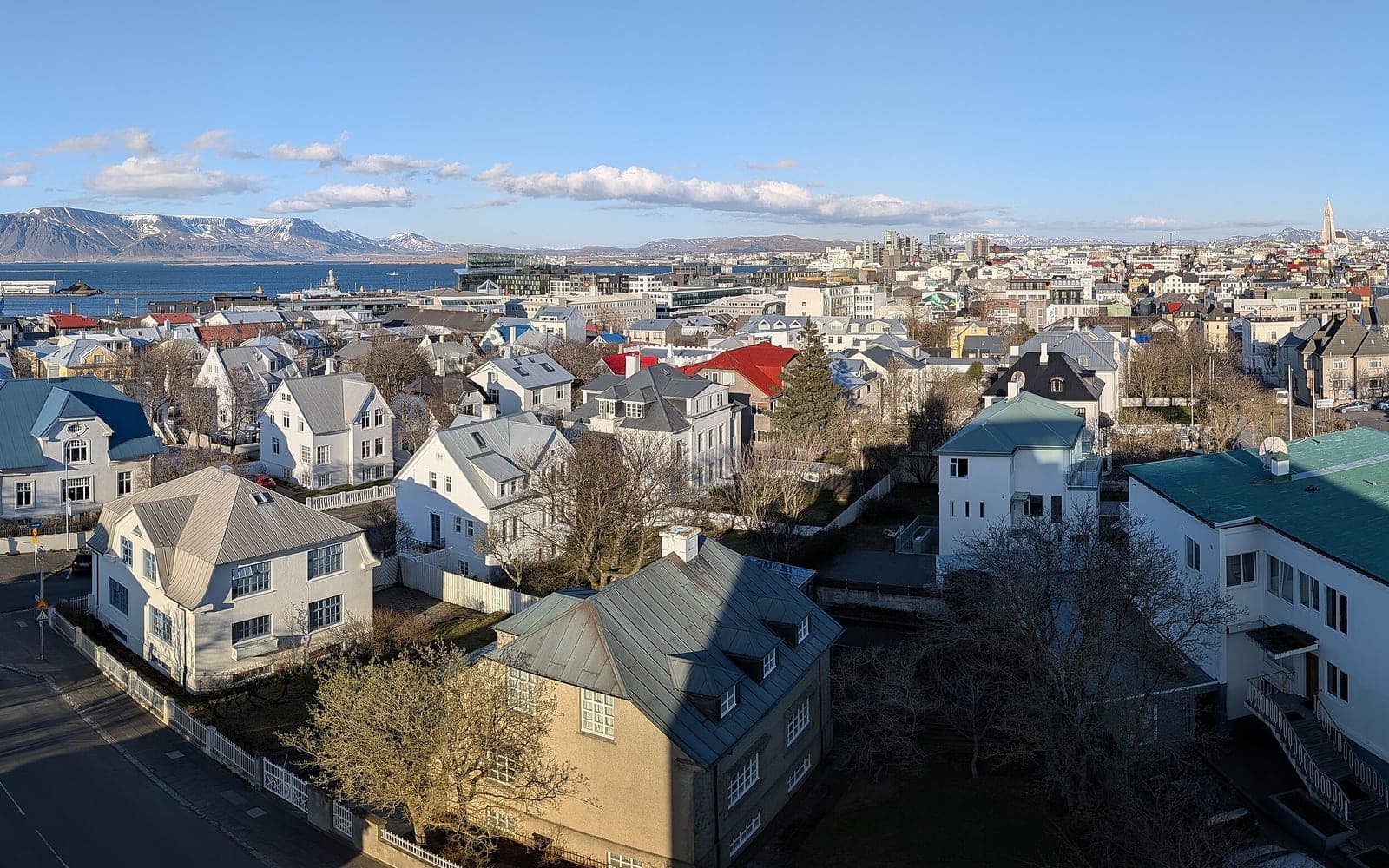
Choose Reykjavík for one or two car-free city days, a short break or a weather buffer—not as the default base for every long day trip.
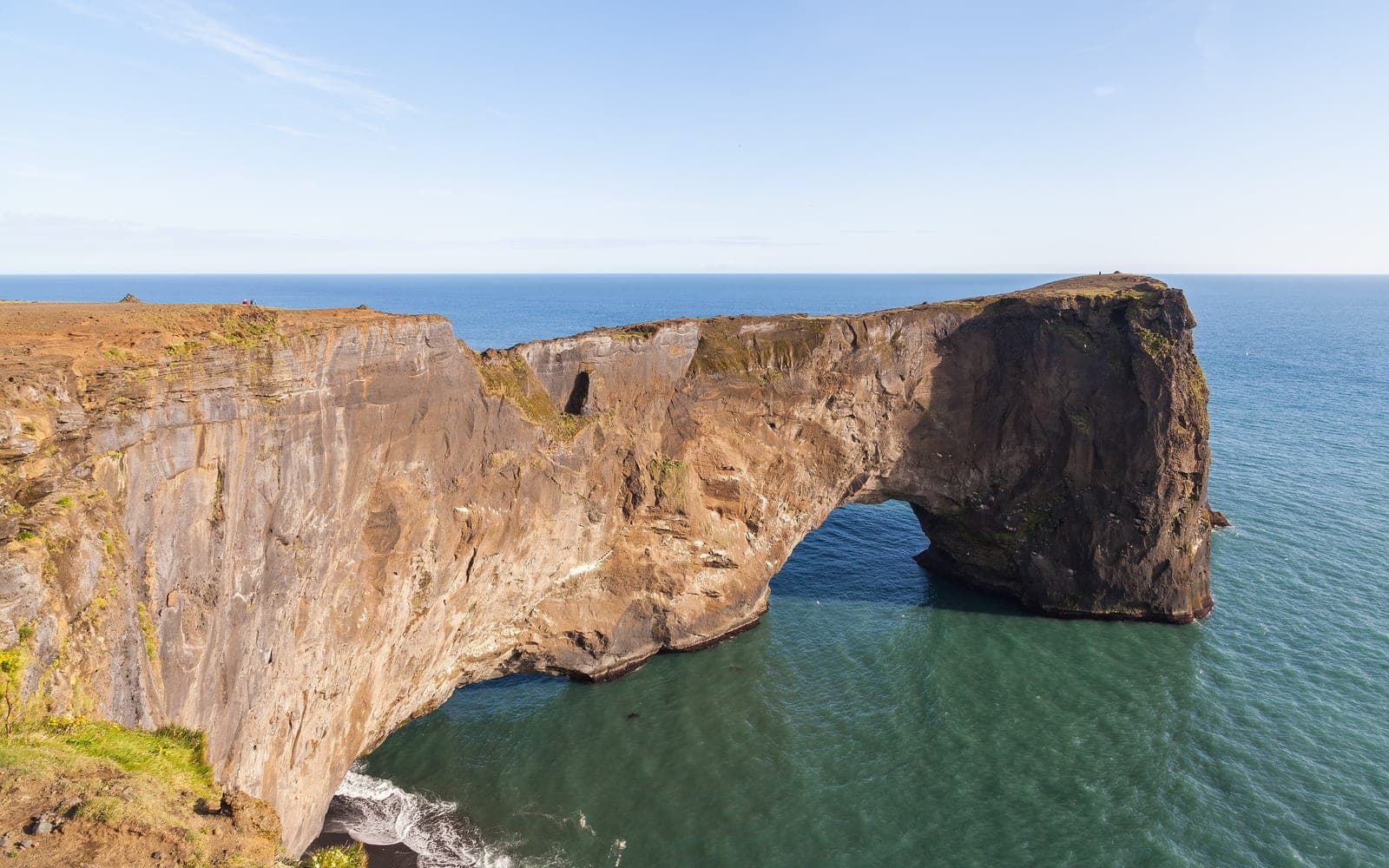
Build a first-trip route around waterfalls, black-sand coast and glacier country, but allow two to four days if Jökulsárlón is part of the plan.
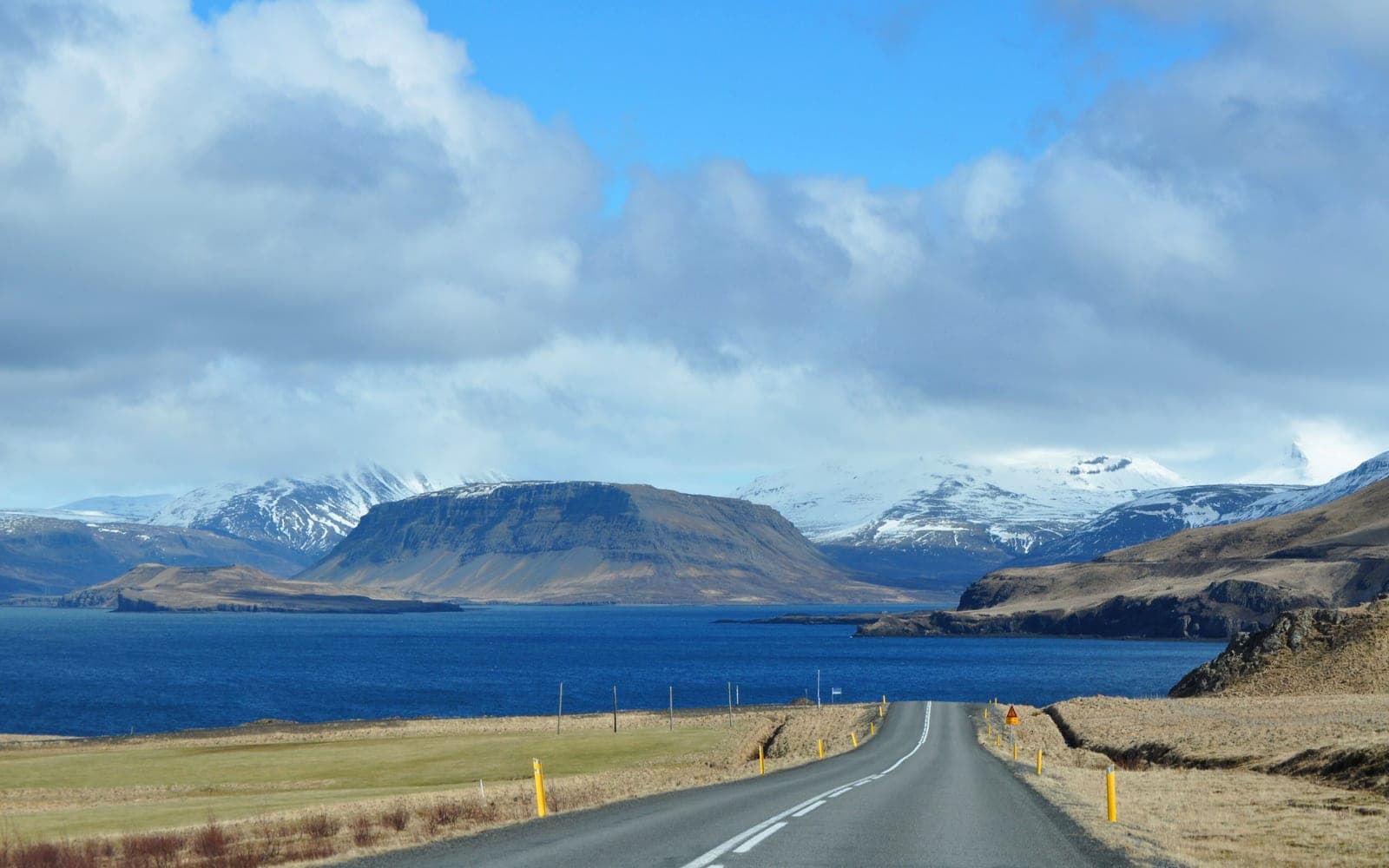
Choose West Iceland for a Borgarnes-based mix of waterfalls, geothermal stops, and caves; skip it if Snæfellsnes already fills your spare westbound day.
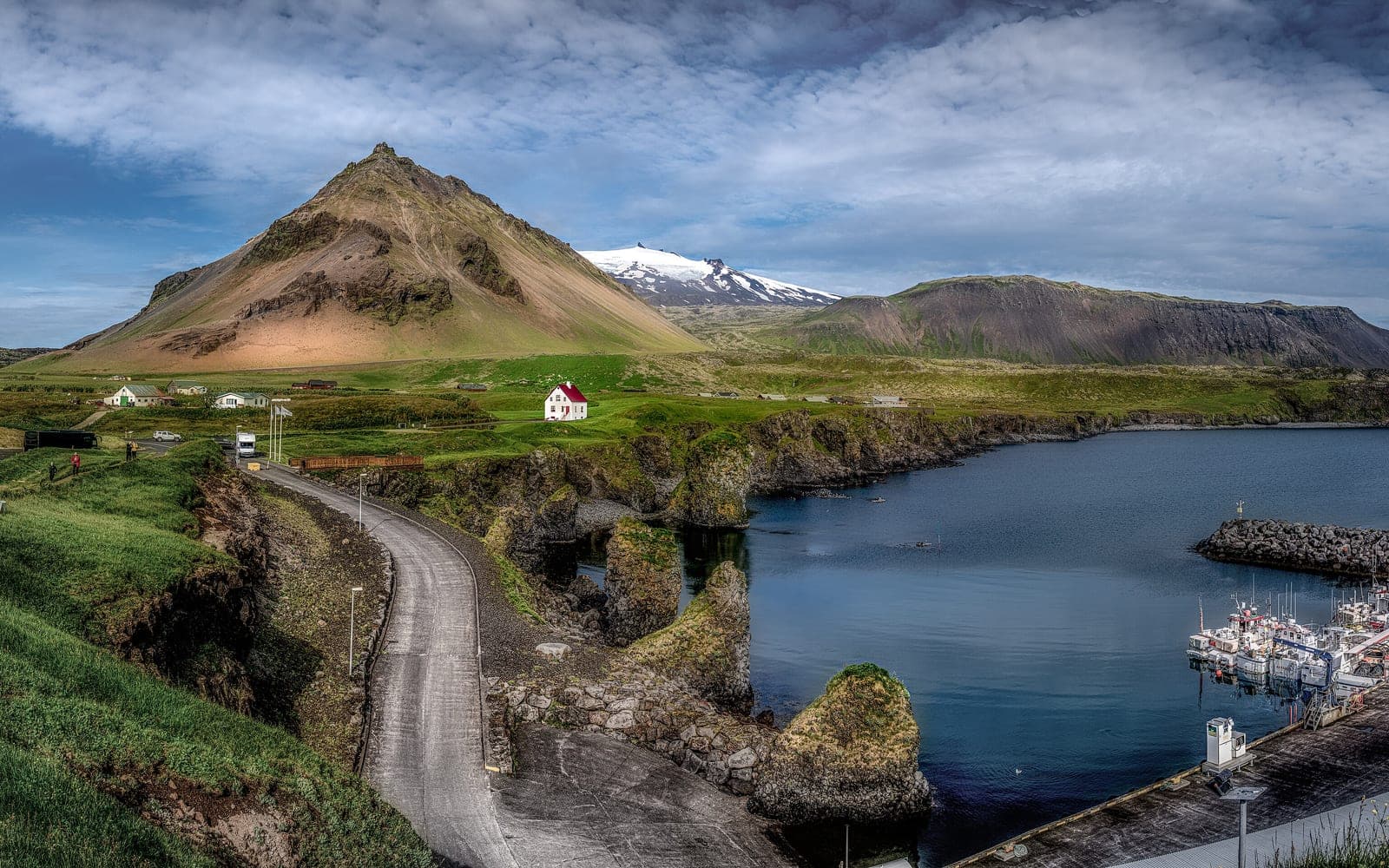
Choose the Snæfellsnes Peninsula for a compact West Iceland glacier-and-coast loop that rewards an overnight; a Reykjavík day trip needs firm cuts.
More things to do
See other activities that may suit the same day, season, or part of Iceland.
Continue underground or return to the road
Use the wider volcano guide, the Snæfellsnes road trip, or the driving guide according to what still needs planning.