
Quick guide
- Type
- Natural phenomenon
- Best for
- Flexible dark-season nights
- Season
- Needs darkness, not summer daylight
- Check first
- Aurora forecast, cloud cover, weather
- Access
- Choose safe dark places
- Nearby
- Perlan, Grotta, Reykjavik Harbour
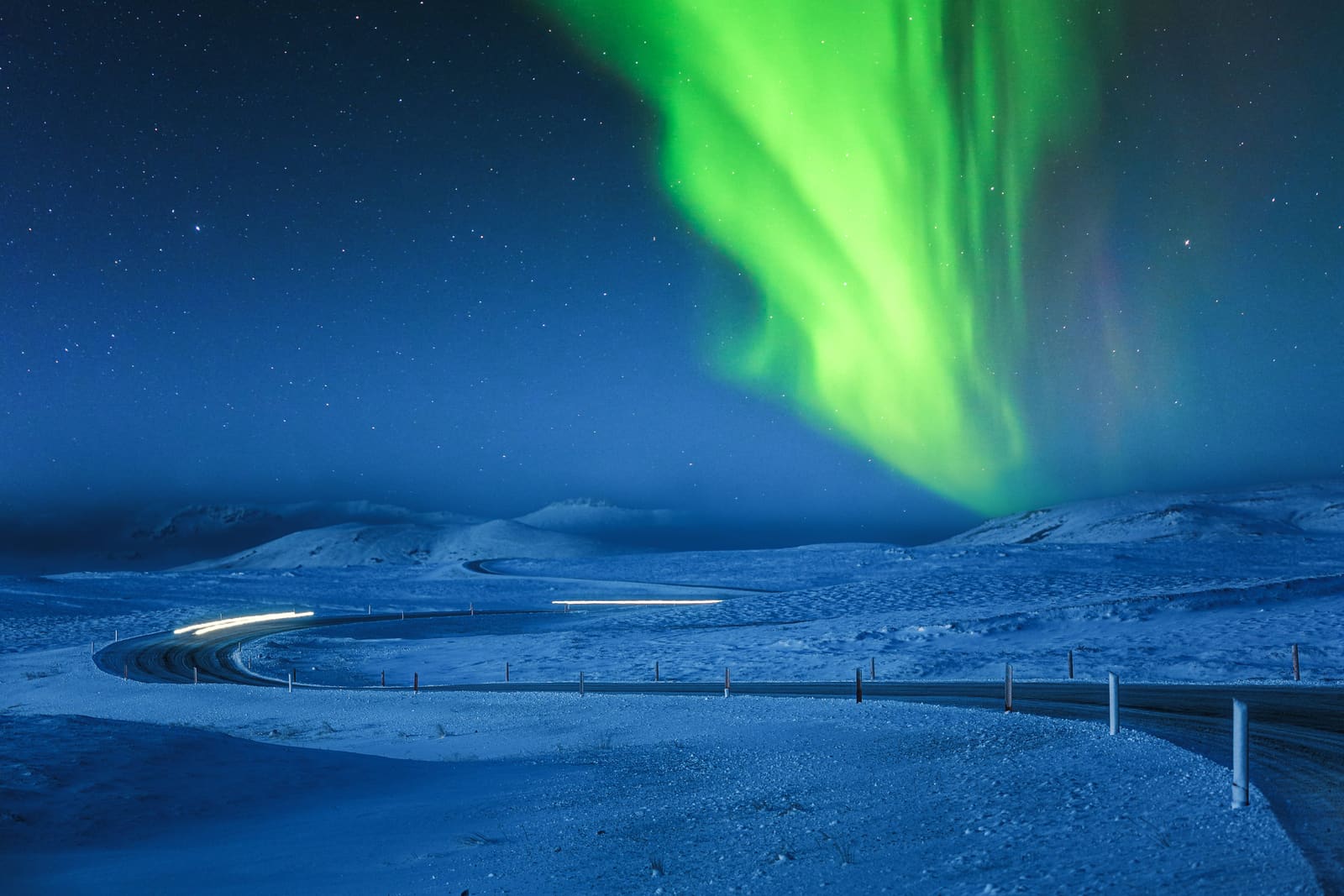
Northern Lights helps travelers treat the aurora as a conditions-dependent natural phenomenon, not a normal attraction stop, so they can plan dark-season viewing attempts in Iceland with realistic expectations.
Quick guide
Northern Lights is a natural-phenomenon page for Iceland travelers, not a fixed stop with opening hours, parking, or a guaranteed view.
The useful decision is whether a night attempt deserves space in your trip. The northern lights can be unforgettable, but they need darkness, enough clear sky, auroral activity, manageable local light, and a safe place to wait. If those pieces do not line up, there may be nothing to see.
That makes the aurora different from a waterfall, museum, or viewpoint. You do not simply arrive and collect the experience. You watch the forecast, protect the rest of the itinerary, and decide whether the possible reward is worth a late, cold, uncertain evening.
Photo guide
1 / 5
A city-based aurora night can still work, but light, clouds, and expectations need managing.
Worth the stop?
A high aurora number is only one part of the decision. Cloud, darkness, local light, weather, and safe access matter just as much.
Start with the Icelandic Meteorological Office aurora forecast, then read it as several separate questions. Is there enough darkness? Is the sky over your area likely to be clear? Is there auroral activity? Are weather warnings, wind, road surfaces, and the return journey acceptable?
Reykjavik can work on the right night, especially from darker edges or open waterfront spaces, but city lights make faint displays harder to notice. If you are already staying in the countryside around Kirkjufell, Myvatn, Jokulsarlon, or another dark base, the simplest plan may be to step outside safely and wait.
| Question | Why it matters | What to check |
|---|---|---|
| Is it dark enough? | Bright nights can remove the viewing window. | Season, sunset, moonlight |
| Is the sky clear? | Cloud can hide even strong aurora. | Aurora forecast and cloud cover |
| Can you wait safely? | Cold, wind, and traffic change the plan. | Weather, roads, stopping place |
| Will tomorrow suffer? | Late nights can weaken driving days. | Next-day route and driver fatigue |
The aurora is a sky event, so geography matters through darkness, weather, foreground, and how safely you can reach or leave the viewing place.
For Reykjavik-based travelers, Perlan is useful indoor context, while Grotta, Reykjavik Harbour, and the Sun Voyager explain why open northern horizons and darker edges are attractive. They are not magic viewing guarantees.
Outside the capital, foregrounds change the experience: mountains on Snaefellsnes, dark lake country around Myvatn, ice and water at Jokulsarlon, or open countryside near established overnight bases. Use those places because they already fit your route, not because an old photo proves tonight will work there.
The best viewing format depends on your base, confidence, weather, transport, and tolerance for an uncertain late night.
A guided tour can reduce navigation pressure and may help visitors without a car. A self-drive attempt can work for experienced travelers when roads, weather, stopping places, and the return drive are sensible. A low-pressure city-edge attempt is often the right answer when the forecast is only mildly promising.
For a fuller comparison of formats, use the Northern Lights experiences guide. This page is narrower: it explains the phenomenon and the go-or-wait decision before you spend money, energy, or sleep on the night.
Use for aurora activity and cloud-cover context.
Check forecasts and warnings before waiting outside or driving.
Use before winter, remote, or night-driving plans.
Check if you plan to drive away from town.
Planning map
Use nearby markers and base towns to judge how this stop fits before you open directions.
Interactive planning map for Northern Lights
Keep exploring
Use nearby places and planning pages to decide whether this stop strengthens the route or stays optional.
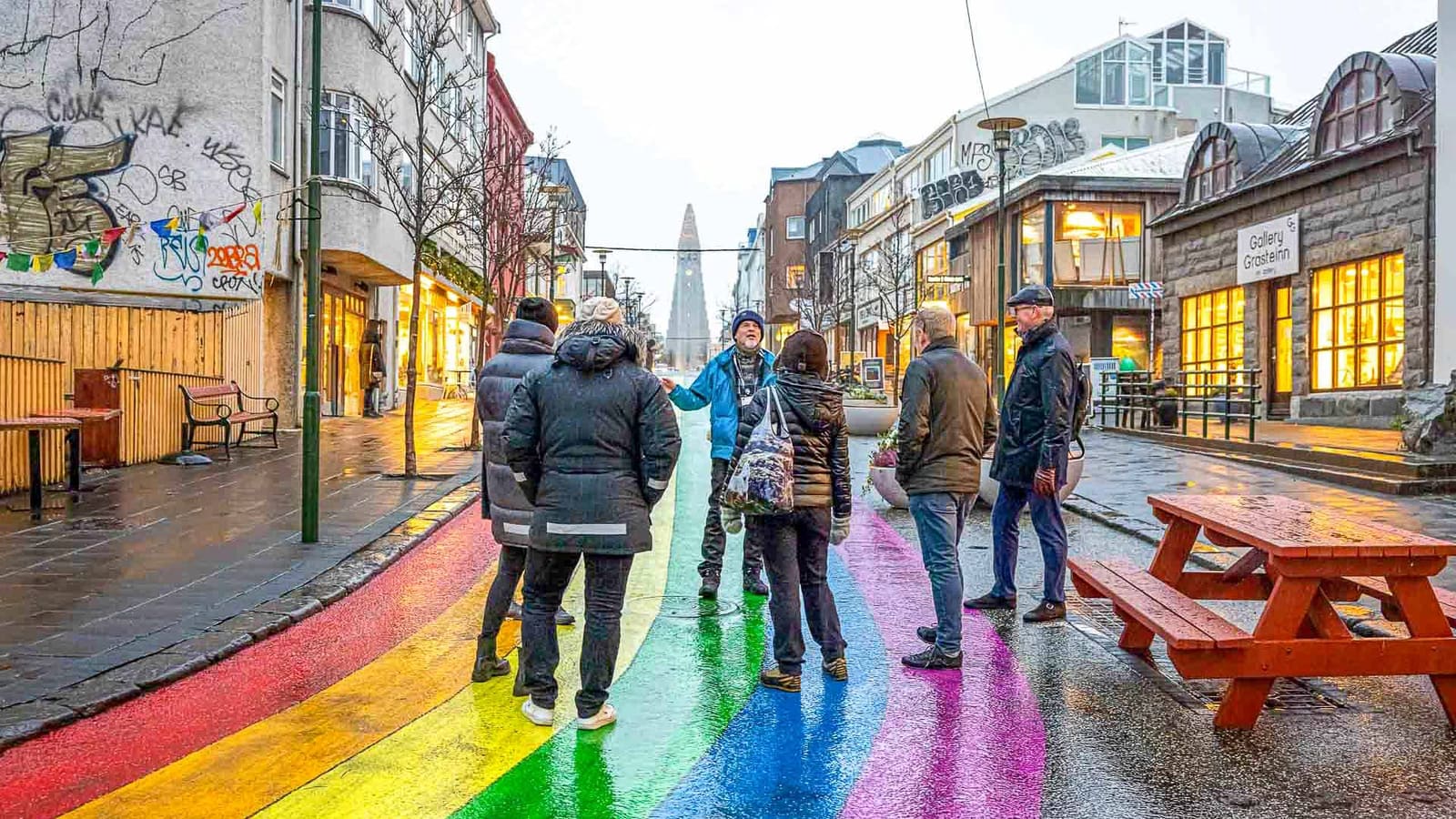
The best base for short breaks, arrival days, urban experiences, and easy access to broader southwest routes.
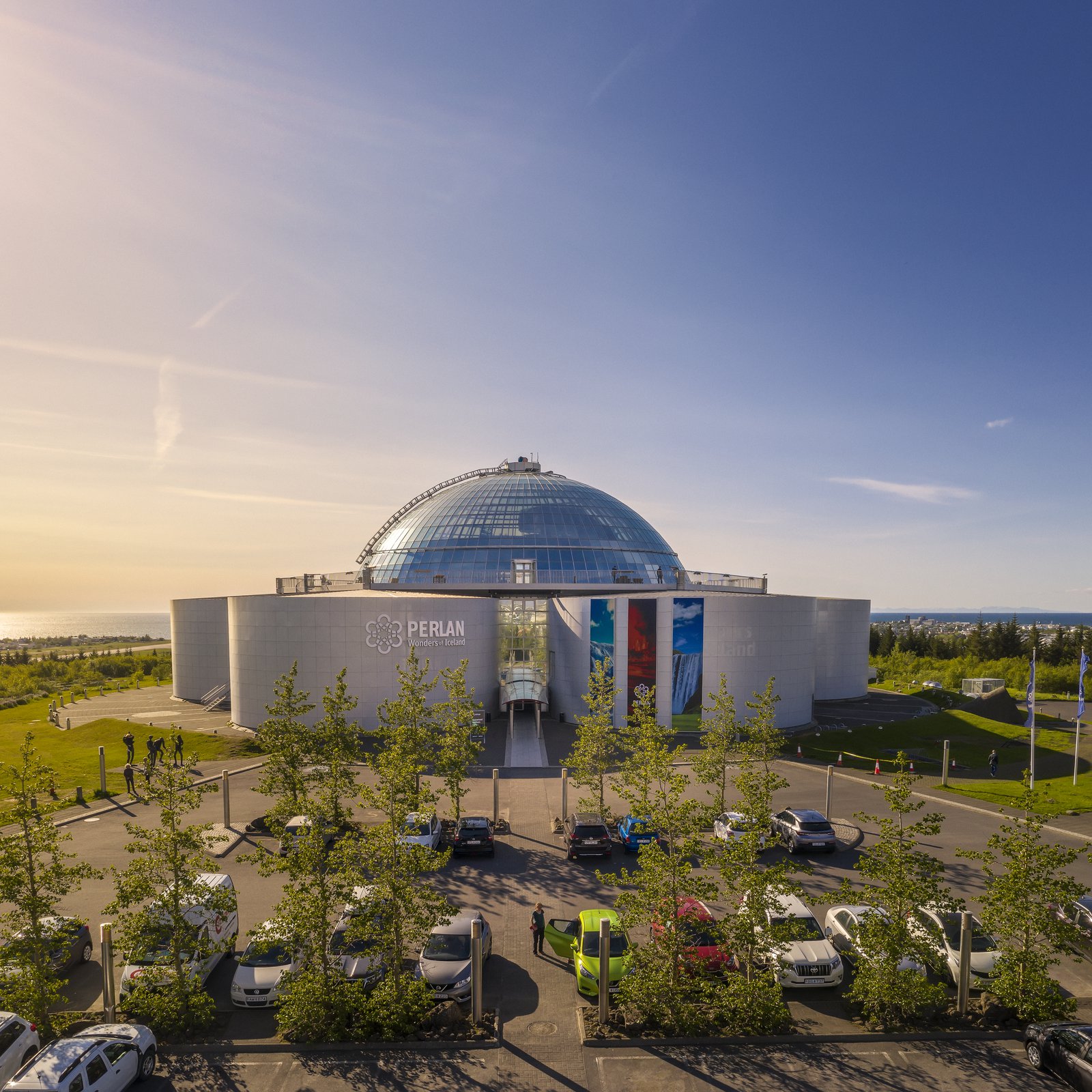
Perlan is a Reykjavík museum and viewpoint, useful when a city day needs weather-resistant exhibits, skyline views, and official visitor-detail checks before committing, with enough flexibility for conditions and nearby route choices.
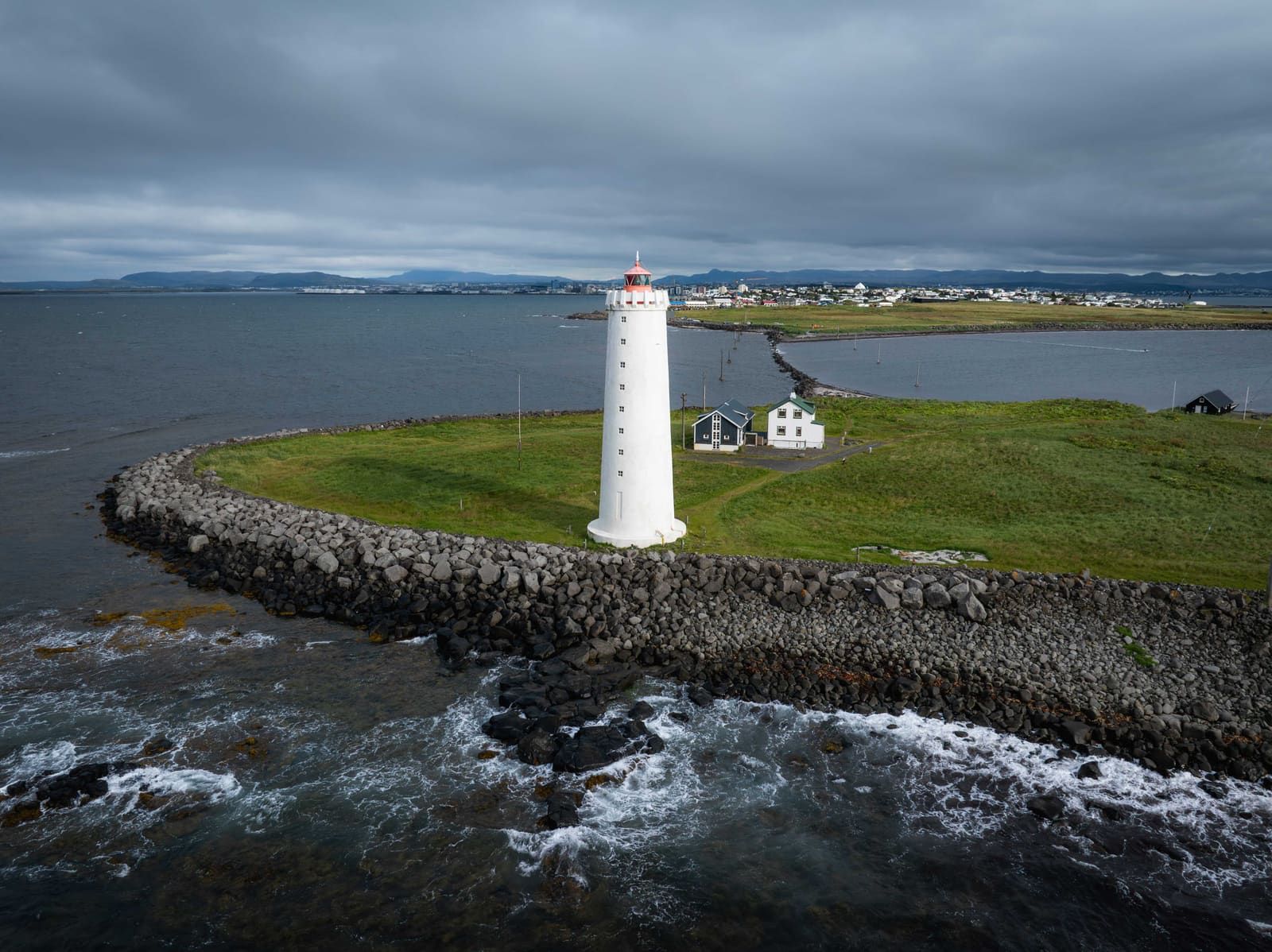
Grótta is a tidal lighthouse and nature reserve at Seltjarnarnes, just west of Reykjavík, worth adding when you want coastal views, birdlife, sunset light, or aurora chances with careful tide and nesting checks.
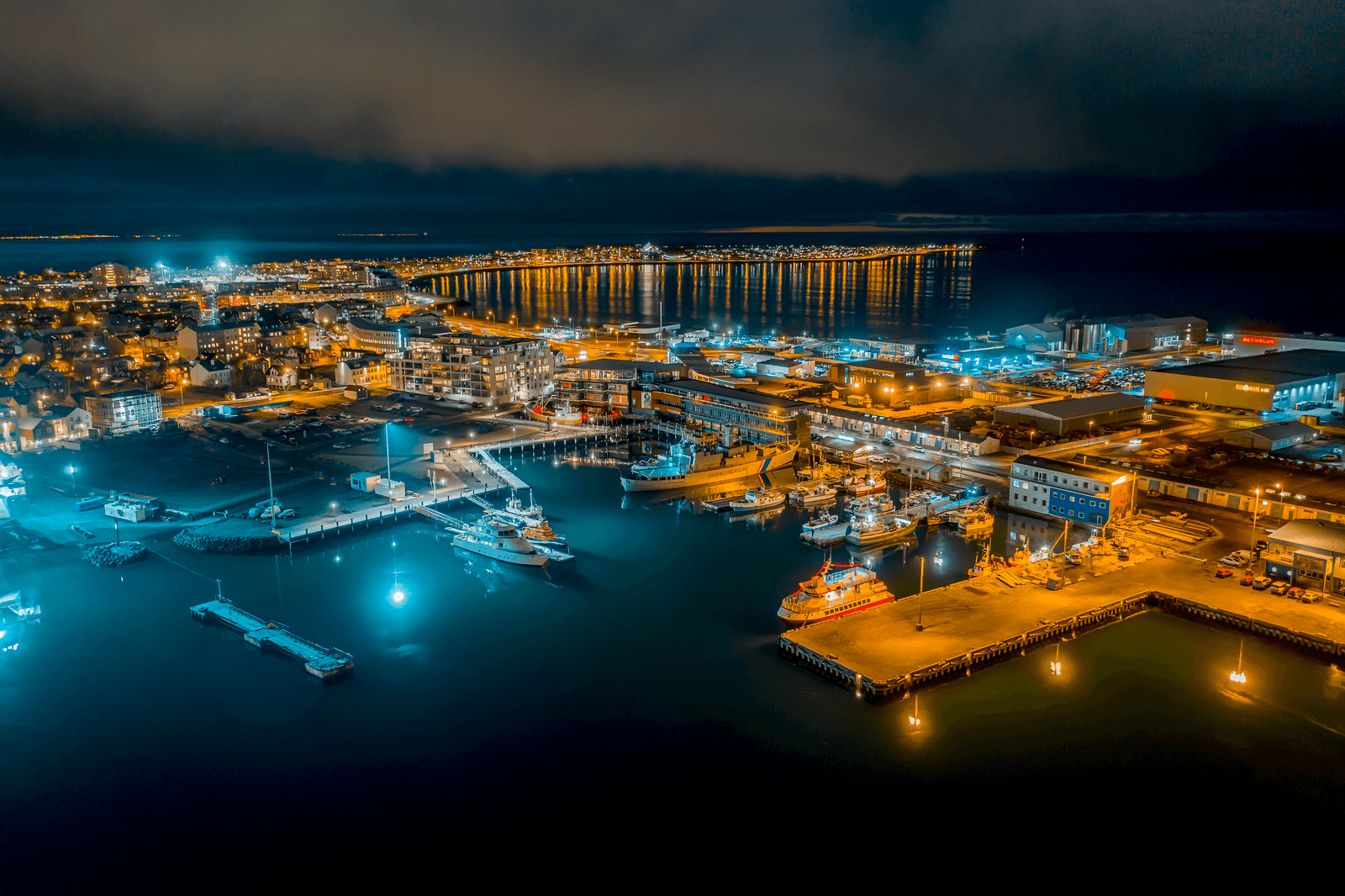
Reykjavík Old Harbour is the capital’s historic working waterfront, worth adding when you want a low-pressure city walk, boat-pier atmosphere, Grandi museums, and a practical way to connect downtown with the bay.
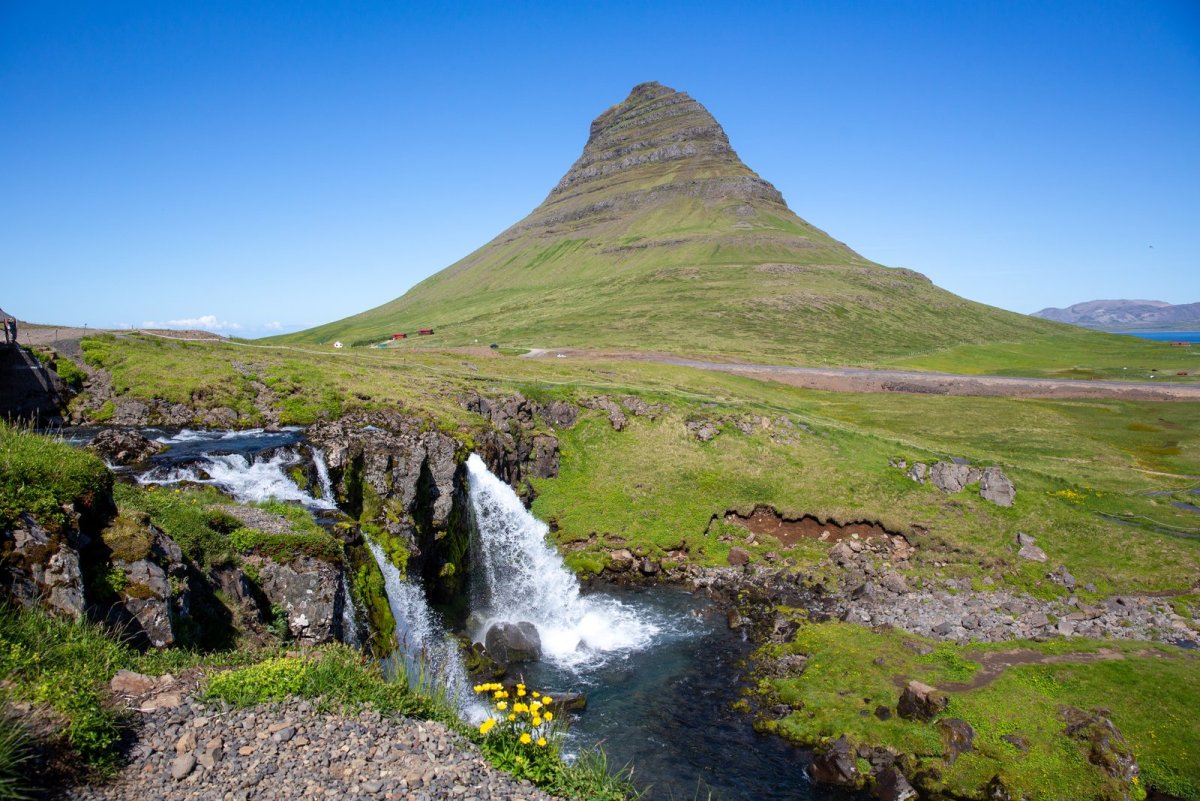
Kirkjufell is the signature mountain of Snæfellsnes, best planned as a short photo and viewpoint stop when Grundarfjörður, weather, and peninsula timing already fit your route, with enough flexibility for conditions and nearby route choices.
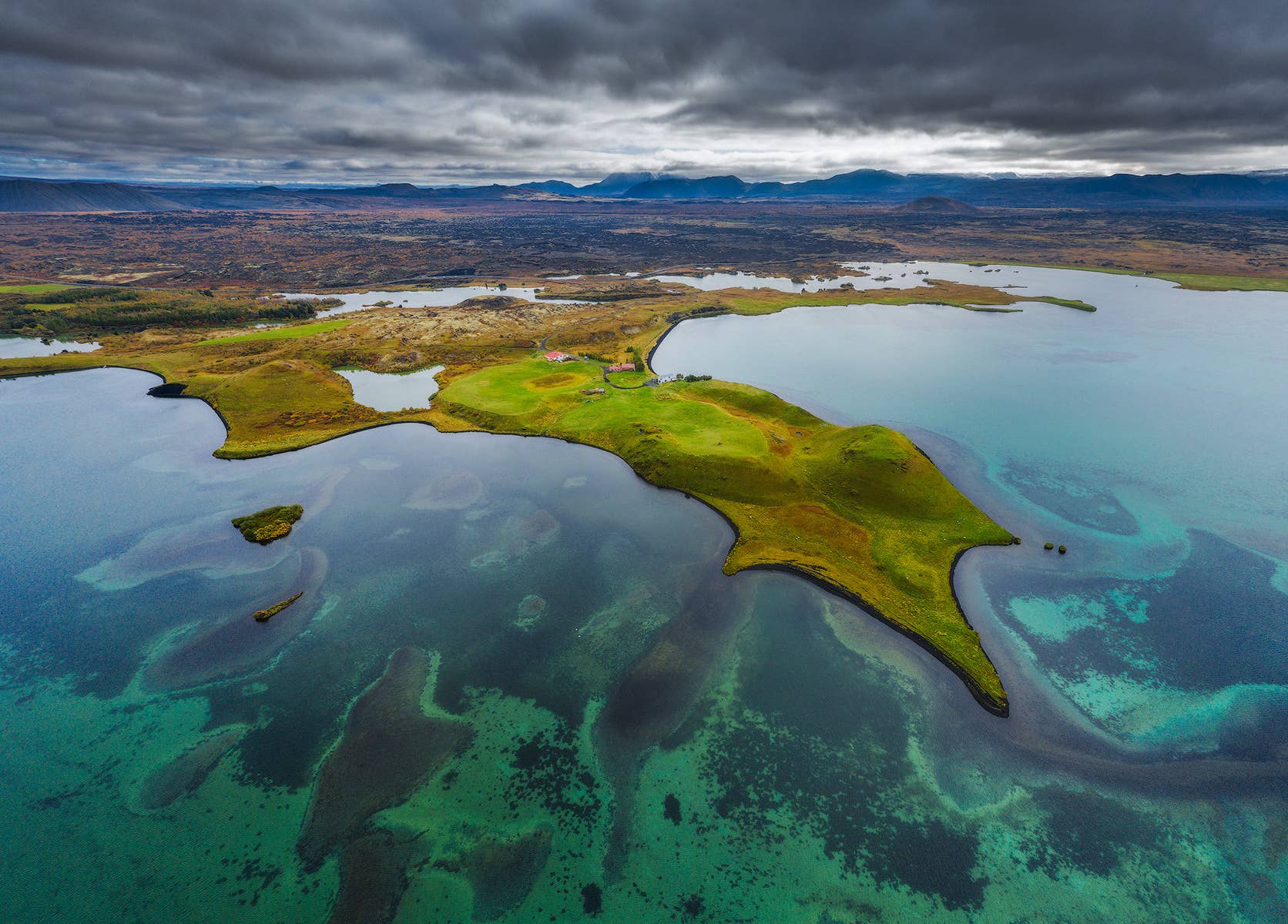
Mývatn is a lake-and-volcanic landscape area in North Iceland, best planned as a multi-stop base where craters, lava fields, geothermal areas, and baths compete for time, with enough flexibility for conditions and nearby route choices.