The Mid-Atlantic Ridge helps explain Iceland's rift valleys, fissures, geothermal areas, and volcanic landscapes. This page shows where travelers actually experience the concept and when to treat it as context rather than a separate destination.
Geology snapshot
Type
Geology concept, not one fenced attraction
Best places
Þingvellir, Silfra, Bridge Between Continents, Reykjanes
Region
Visible in South Iceland and Reykjanes contexts
Best for
Making rifts, fissures, and volcano stops clearer
Time
No separate time; use named stops
In this guide
What the Mid-Atlantic Ridge means for an Iceland trip
The Mid-Atlantic Ridge is a geology concept, not a single attraction gate. It matters because it explains why Iceland has visible rifts, fissures, geothermal areas, earthquakes, and volcanic landscapes in places travelers already visit.
The ridge is worth attention when it helps you read the landscape. It is not worth adding as an extra stop if your route already includes too many viewpoints, bookings, or road-sensitive detours.
Þingvellir, Silfra, and the easy rift explanation
For most first-time travelers, Þingvellir is the cleanest way to understand the ridge without turning the day into a specialist geology project.
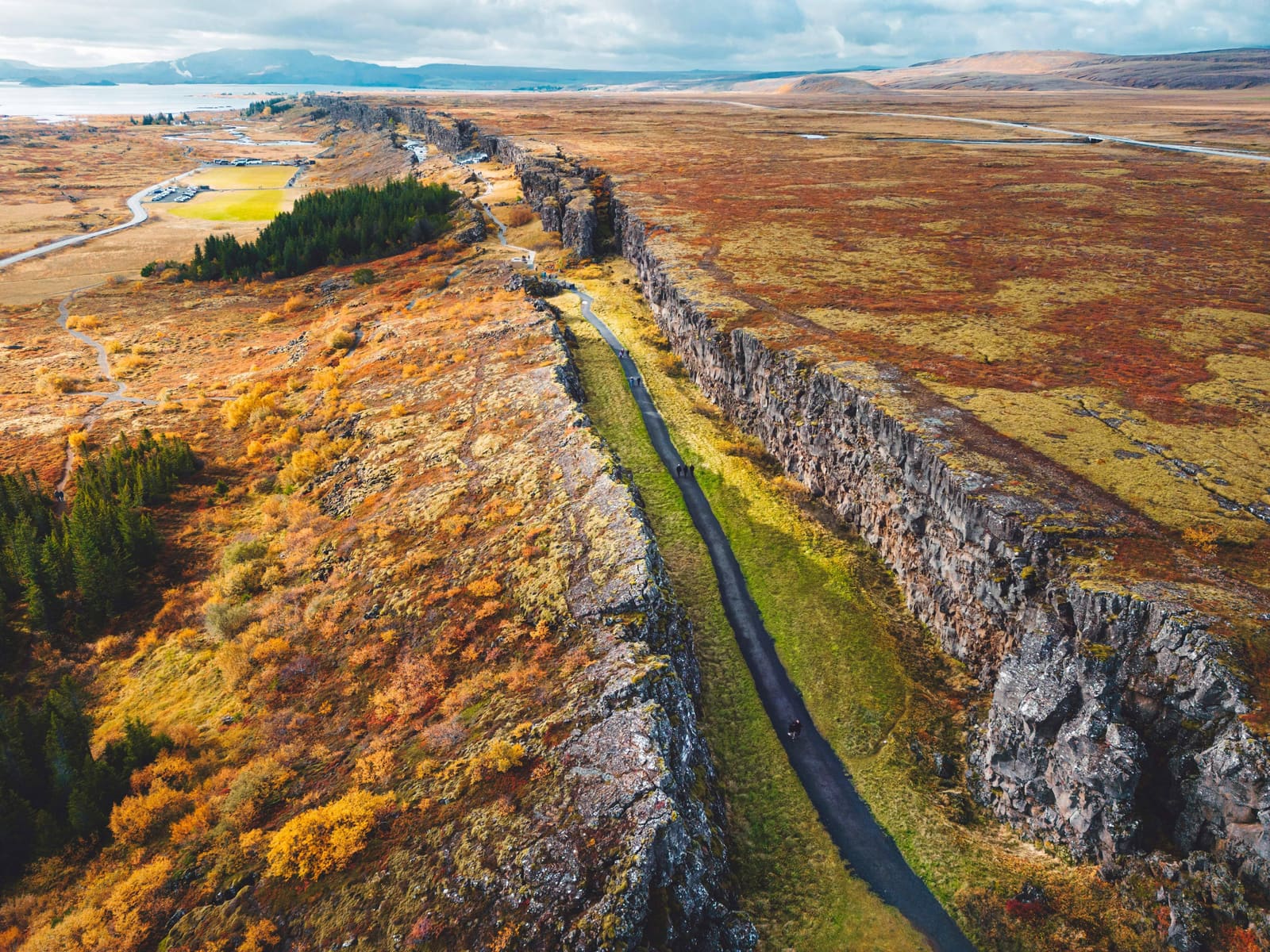
At Þingvellir, the official park material explains the active rift setting, the movement of the North American and Eurasian plate boundaries, and the way the land between faults has changed over time. You do not need to book anything to see the above-ground landscape around Almannagjá.
Silfra is the more specialized version of the same broad story. It makes sense when you actively want a guided cold-water fissure experience and can let operator requirements, park rules, weather, and road conditions shape the day.
Best way to experience the ridge idea
Place
Why it helps
Planning tradeoff
Þingvellir
Easy rift-valley context on a Golden Circle day.
Can be busy and deserves more than a rushed photo stop.
Almannagjá
Visible fault-wall landscape inside the park.
Best understood as part of Þingvellir, not a separate day.
Silfra
Clear-water fissure experience inside the rift setting.
Usually needs a guided activity plan and suitability checks.
Almannagjá lets many visitors experience the rift as a walkable landscape rather than an abstract map line.Silfra is a very specific rift experience, useful context but not the whole Mid-Atlantic Ridge story.
Reykjanes is where the ridge becomes a route
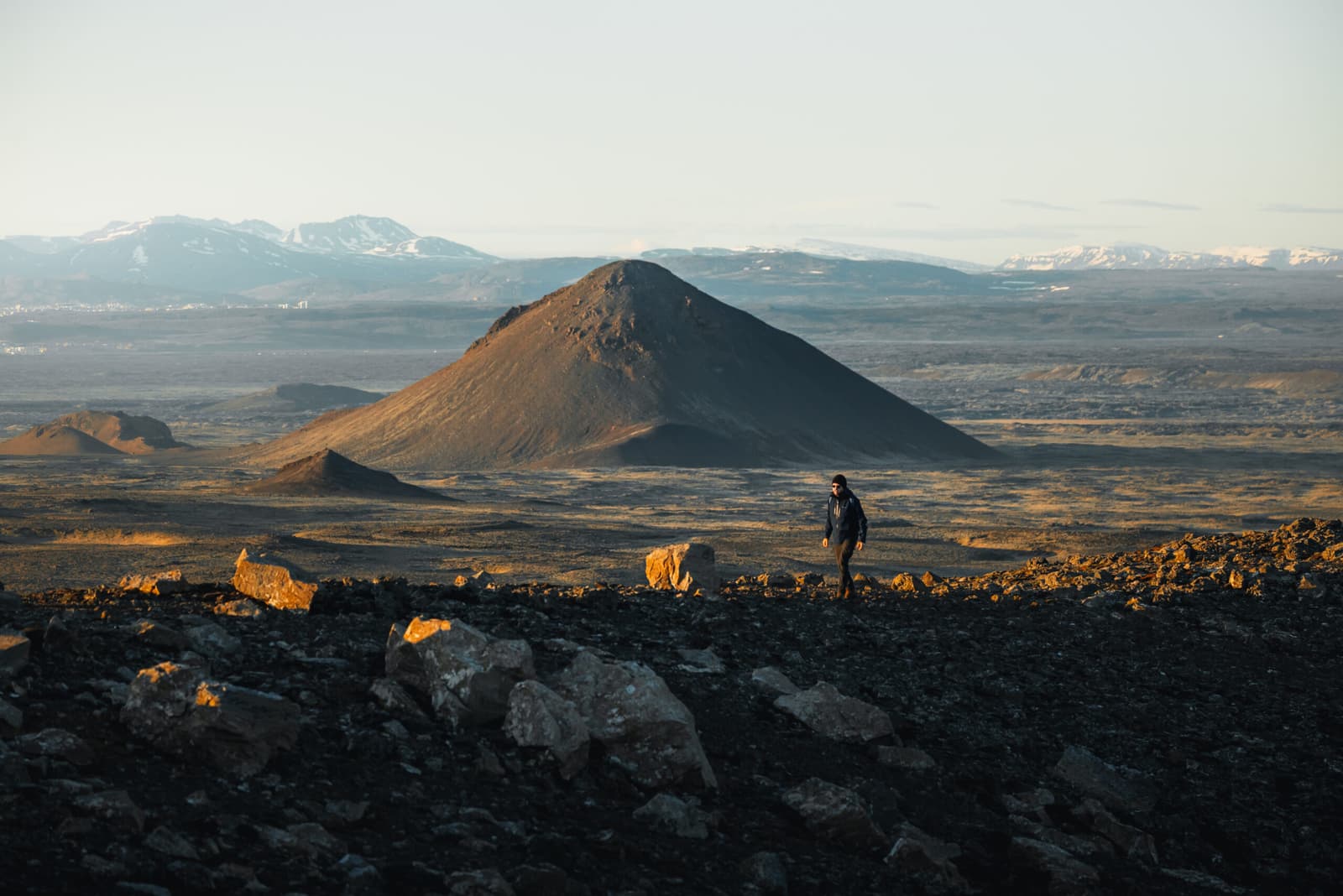
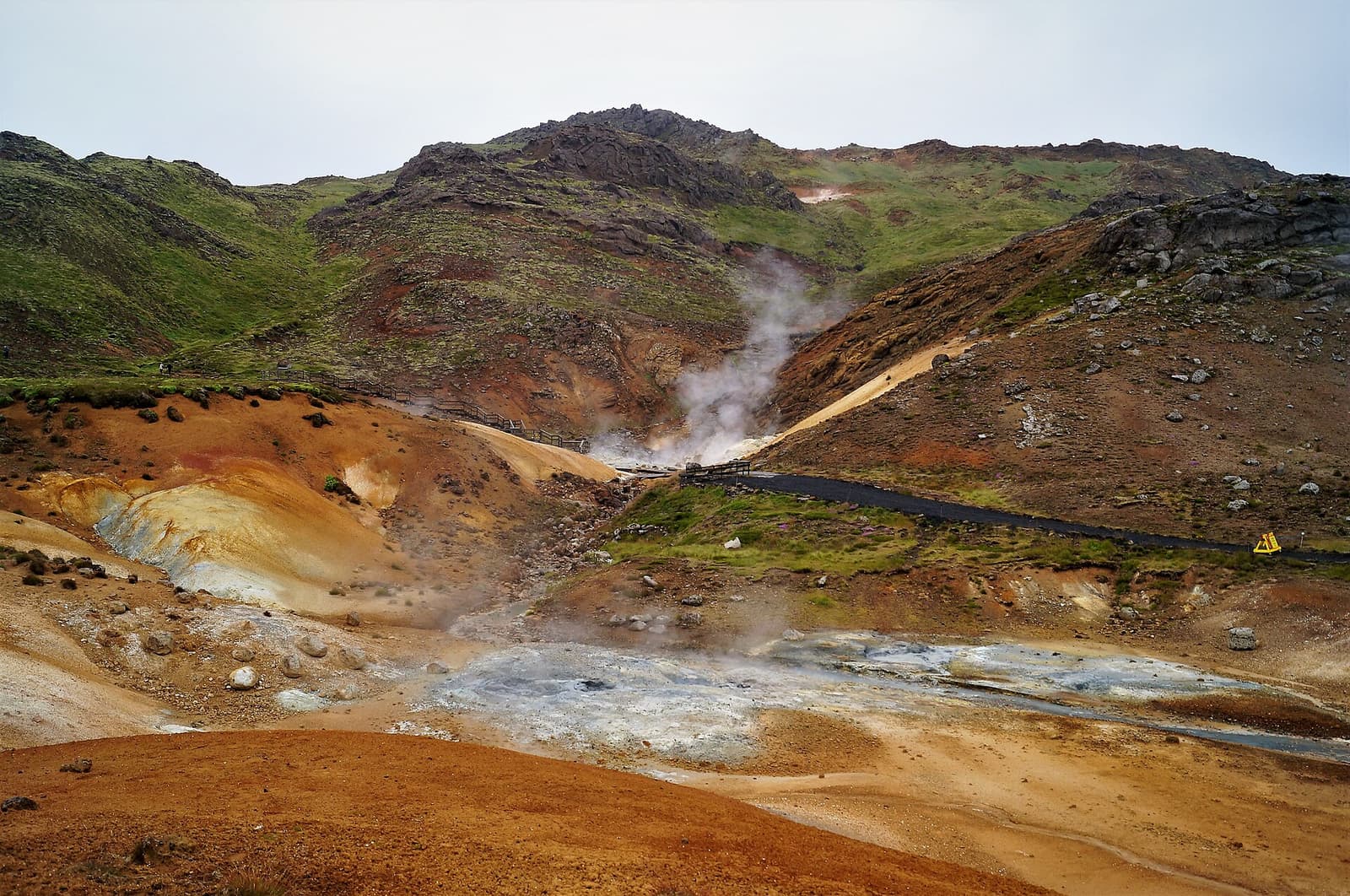
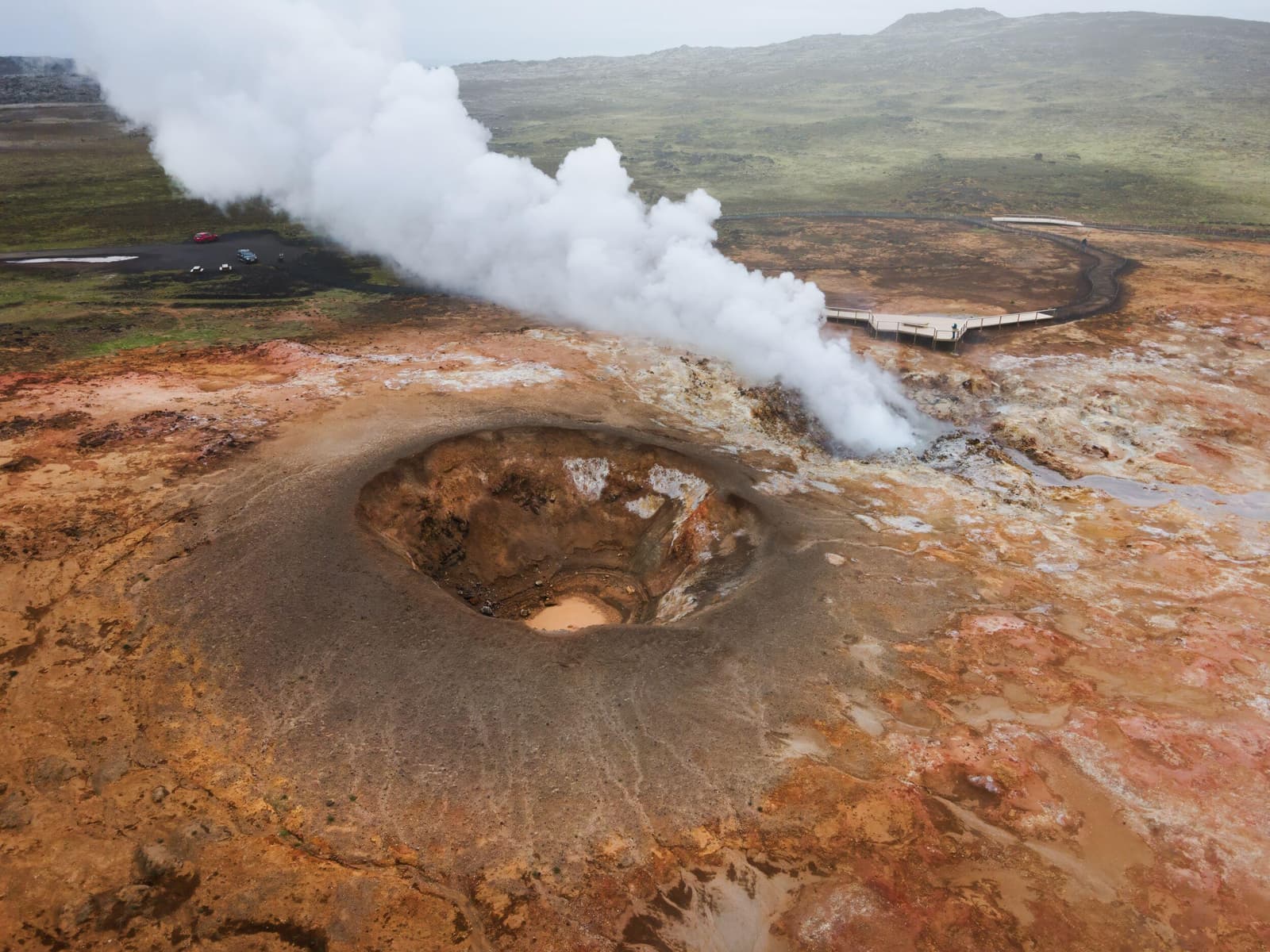
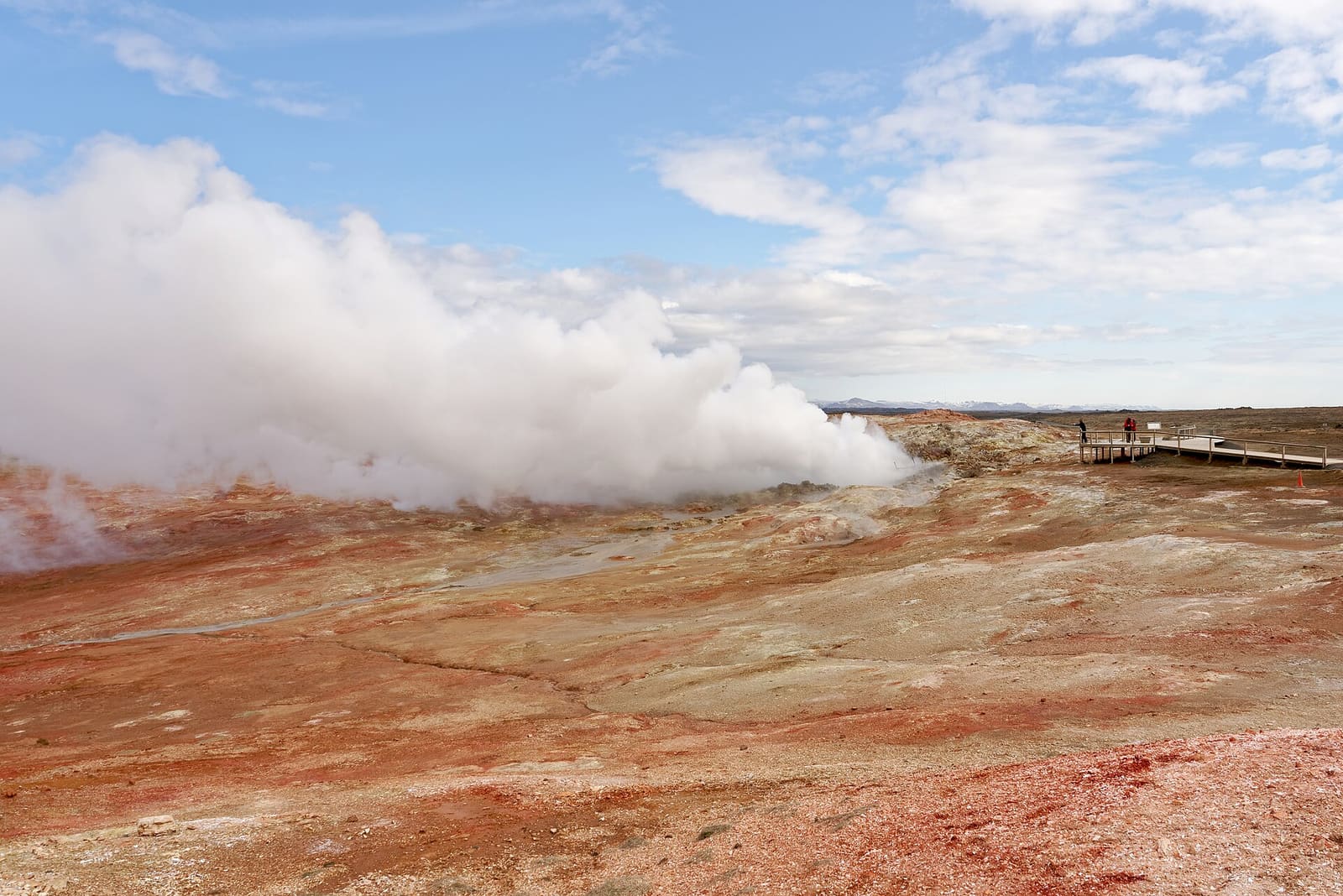
On Reykjanes, the Mid-Atlantic Ridge feels less like one viewpoint and more like a chain of linked landscapes: fissures, lava fields, geothermal steam, coast, towns, and recent volcanic context.
Bridge Between Continents is the simplest symbolic stop. It is useful because a short footbridge, signs, and a visible fissure make the plate-boundary idea easy to grasp quickly, especially when paired with Gunnuhver, Reykjanesviti, Sandvík, or other western peninsula stops.
The wider Reykjanes landscape is more important than any one sign. Geopark sources describe a young volcanic peninsula with rifting, fissures, geothermal areas, and geosites. Recent volcanic areas add context, but they should be treated as condition-sensitive places rather than predictable sightseeing.
On Reykjanes, the ridge reads as a sequence of lava, fissures, geothermal areas, and coastal stops.For most travelers, the ridge works best through concrete stops instead of as a separate abstract destination.
Should you plan a day around the ridge?
Only geology-focused travelers should plan a whole day around the Mid-Atlantic Ridge idea. Most visitors should let the concept sharpen a day they already wanted: Golden Circle, Reykjanes, Silfra, or a volcano-context route.
A good first trip usually handles the ridge through Þingvellir on the Golden Circle. A more geology-heavy trip can use Reykjanes to compare the symbolic Bridge Between Continents stop with geothermal Gunnuhver, lava fields, coastal geosites, and recent volcanic landscapes.
Do not overbuild the day around abstract plate-boundary language. Iceland's strongest trips still depend on pacing: enough daylight, fewer rushed detours, sensible road choices, and a backup plan when weather or access makes an exposed stop less useful.