Is Lækjartorg Square worth adding to a Reykjavík walk?

Yes, if you are already in the old center. Lækjartorg is a useful crossroads and orientation point, but it is not a place to build a whole Reykjavík day around.

The square sits where several downtown walking lines meet: Lækjargata, Bankastræti, Austurstræti, Arnarhóll, and the route toward Austurvöllur and the harbor. That makes it valuable for shaping a walk, not for filling a long visit on its own.

A local Iceland travel editor would add Lækjartorg when a traveler is already moving between Lækjargata, Dómkirkjan, Alþingi, Arnarhóll, Harpa, or the harbor. They would skip it as a named stop when the traveler has only one short city window and still has not chosen a stronger landmark, museum, or viewpoint.

Worth the stop?

When this stop makes sense

Good match for

  • central Reykjavík walks
  • arrival-day city wandering
  • travelers linking old-town landmarks
  • short low-effort stops

Think twice if

  • travelers expecting a major standalone attraction
  • scenery-first days outside Reykjavík

Pair it with

ReykjavikLækjargataDómkirkjanAlþingi

What are you looking at around Lækjartorg?

Look for the way old Reykjavík, everyday traffic, public buildings, shops, buses, and short walking routes meet in one compact downtown space.

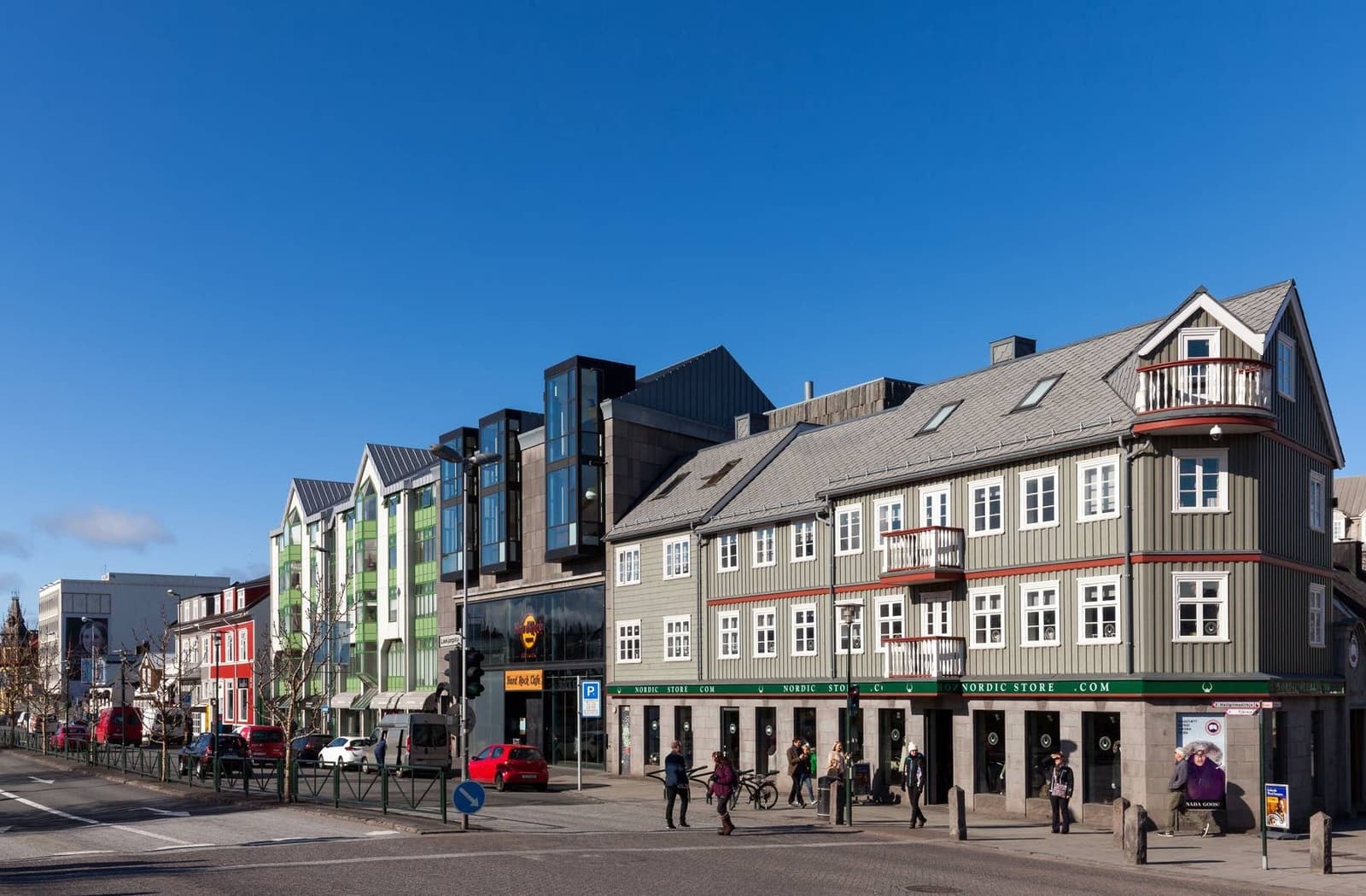
Lækjartorg is not a quiet garden square. Its texture comes from movement: people crossing between streets, buses and taxis using the central area, older timber buildings nearby, the Government Council building across Lækjargata, and the pull toward Austurstræti's shops.

The name also matters. The square and Lækjargata both connect to Lækurinn, the stream that once flowed north from Tjörnin toward the sea before it was put underground. That hidden waterline makes the square more interesting than a simple traffic junction.

Read the square quickly

If you like history
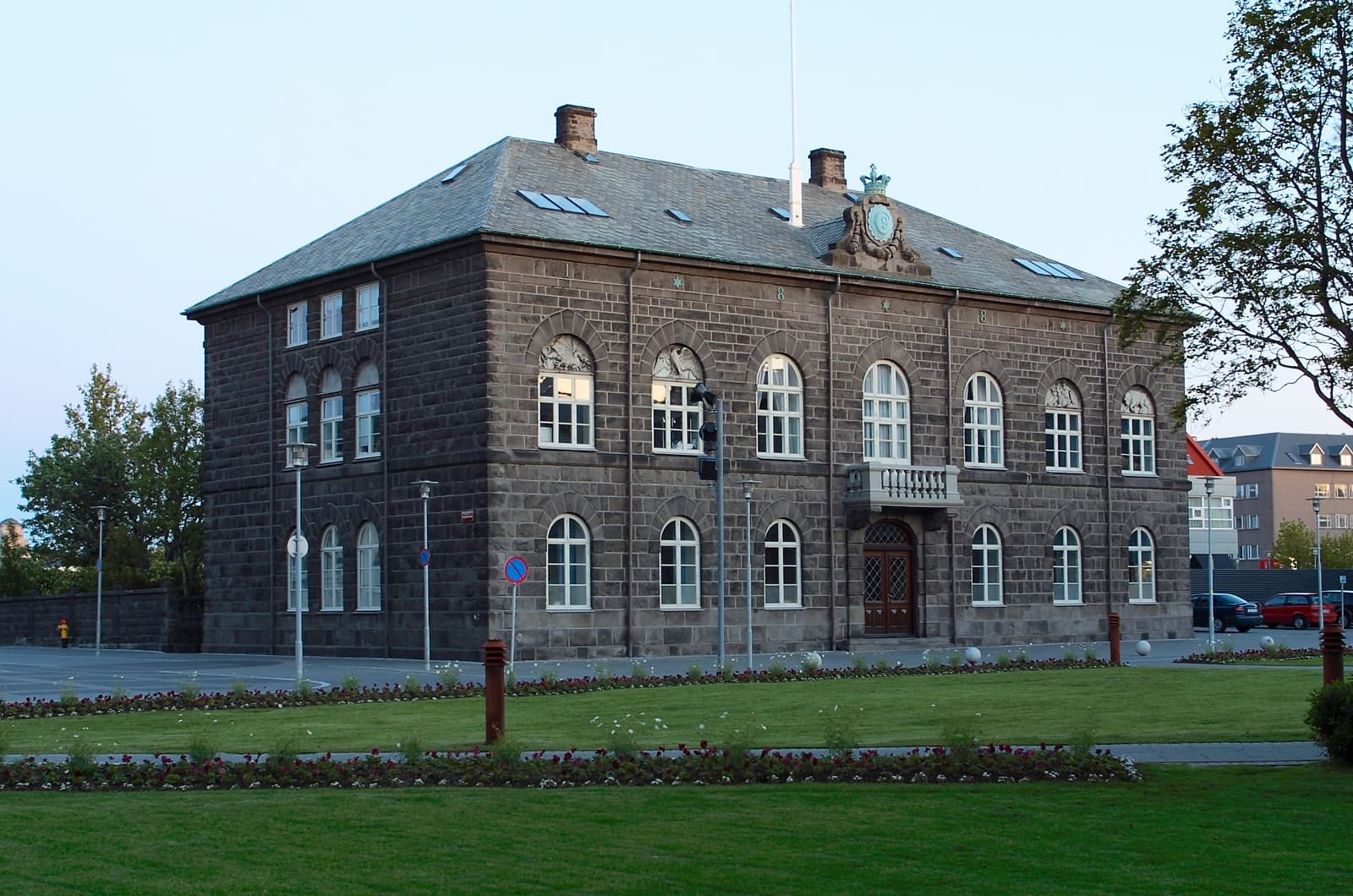
Use Lækjartorg to connect Lækjargata, the old government quarter, Dómkirkjan, and Alþingi.
If you like city texture
Pause long enough to notice the street mix, then continue toward Austurstræti, Arnarhóll, or the harbor.
If you want a landmark photo
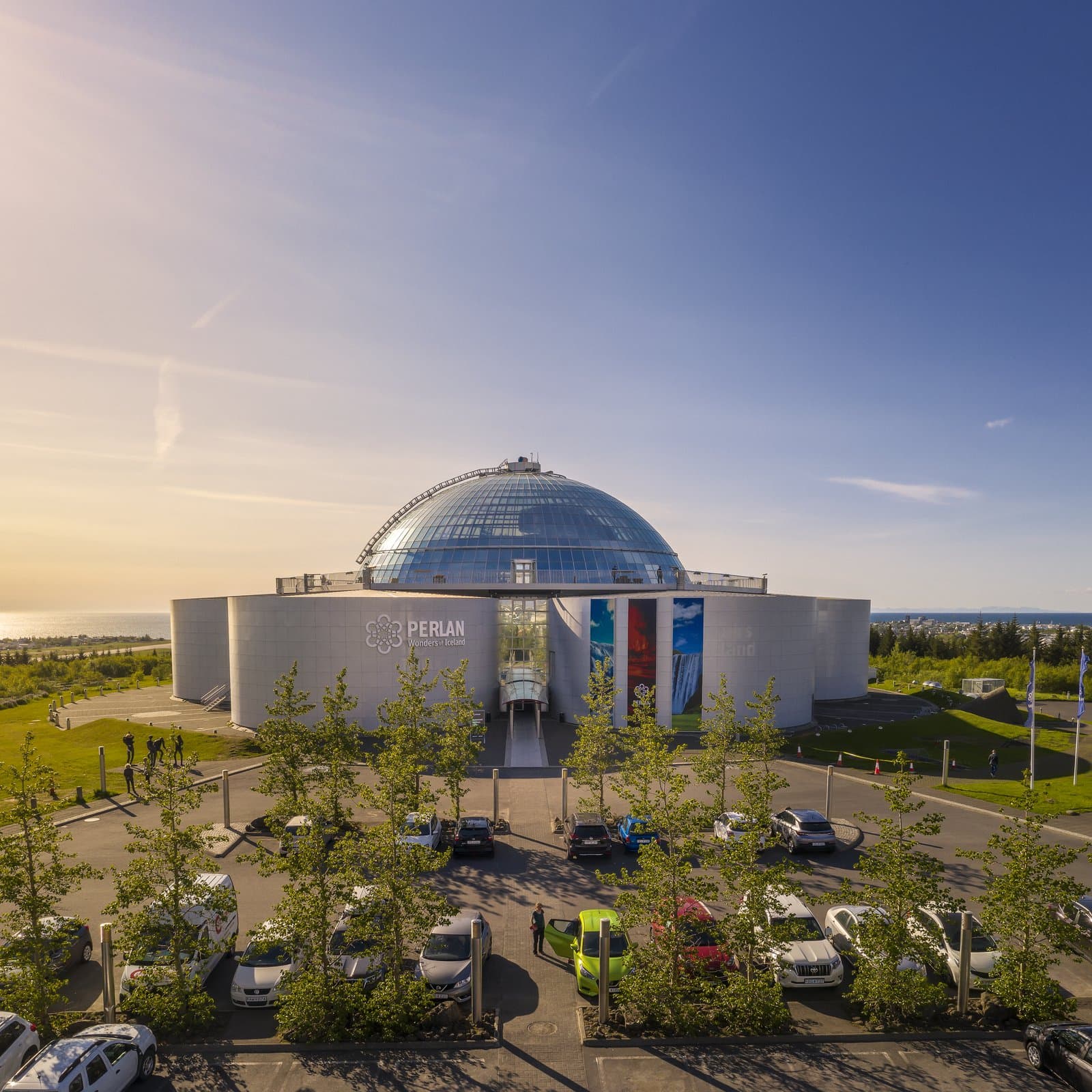
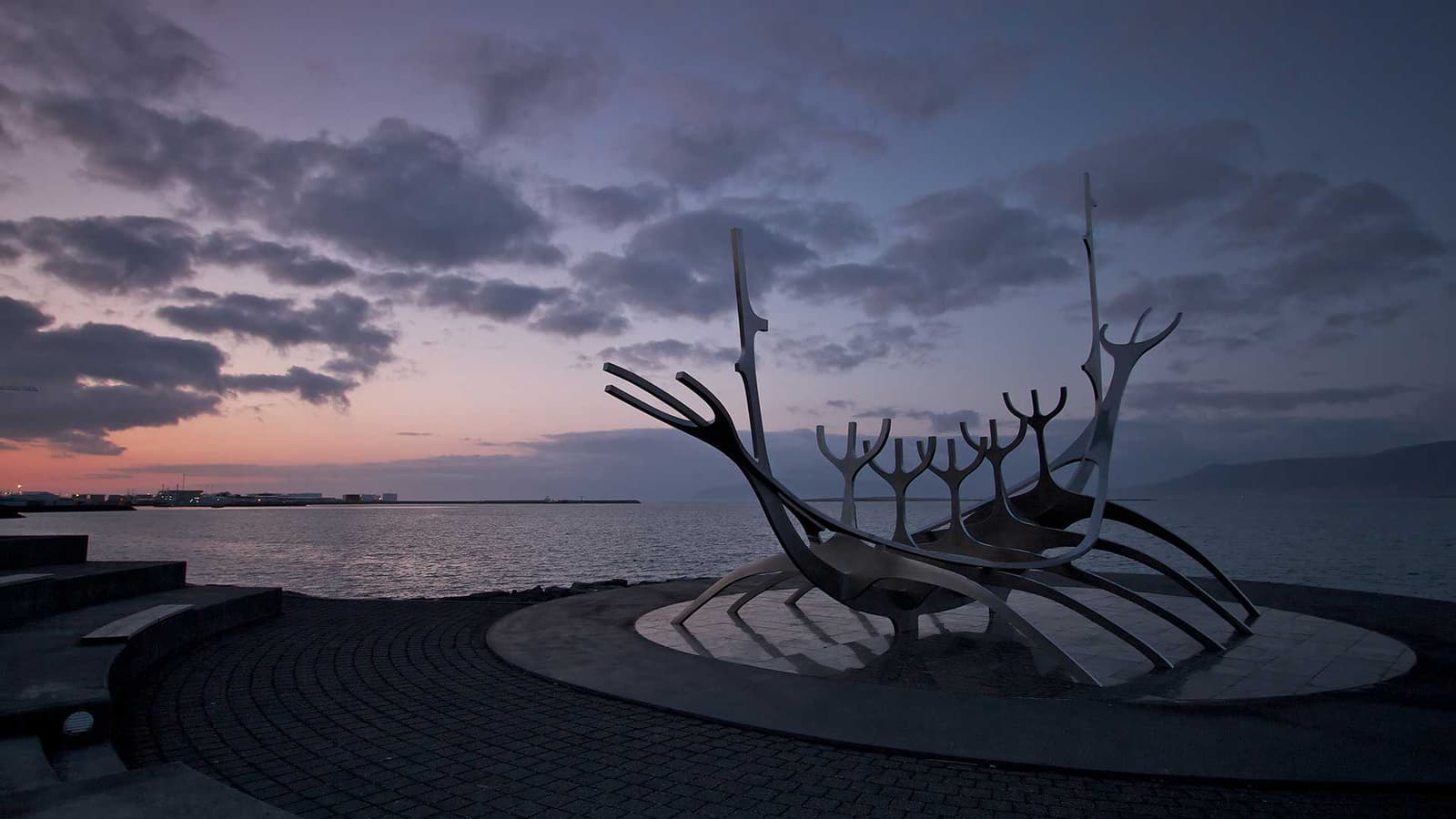
Use the square as context, then choose Hallgrímskirkja, Harpa, Sun Voyager, or Perlan for the clearer visual payoff.
The square sits beside Reykjavík’s civic core, so the surrounding buildings are part of what gives it context.
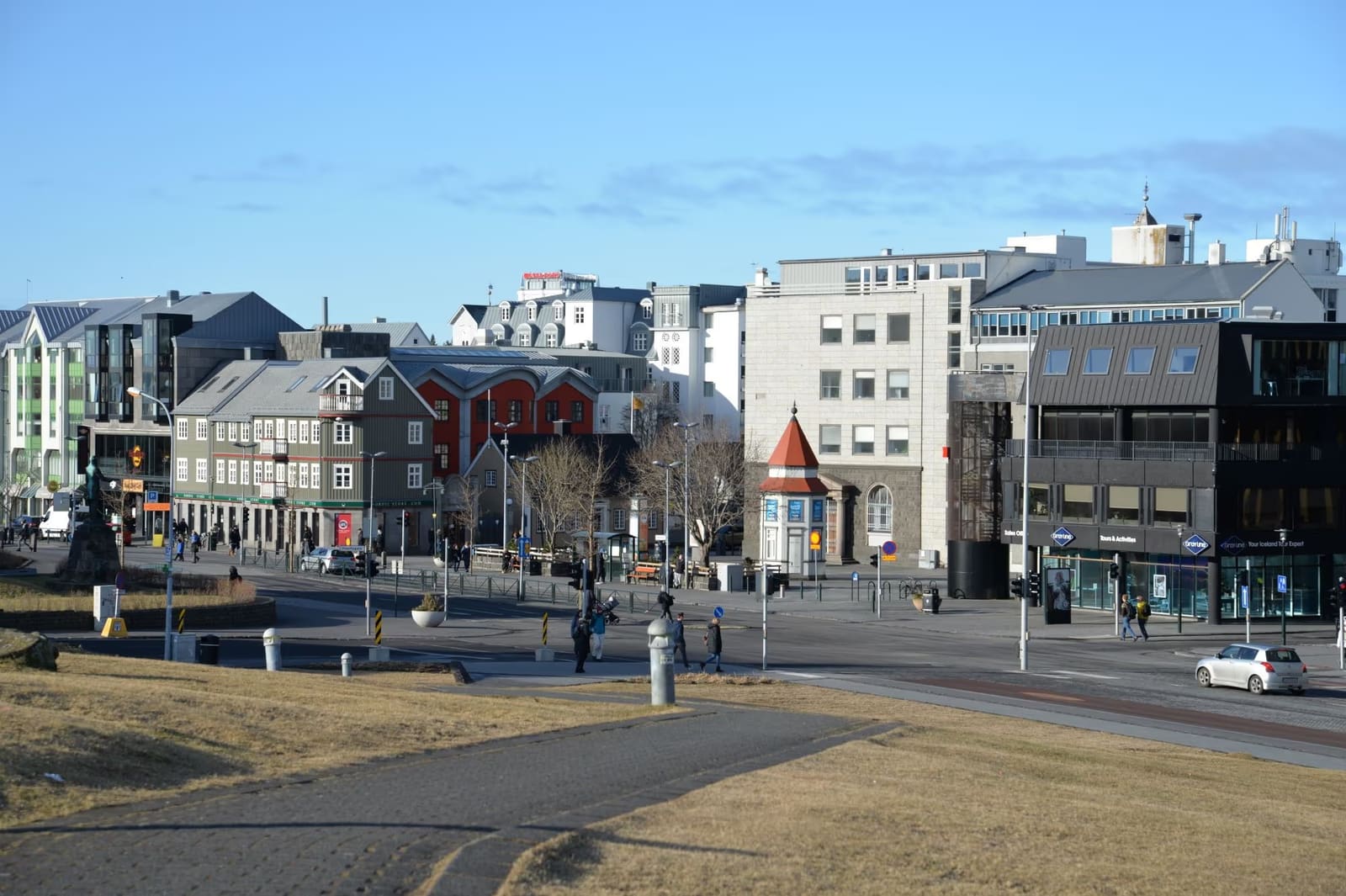
The value of Lækjartorg is easier to read when you notice the old and new downtown buildings around it.

How much time should you give Lækjartorg?

Most travelers need only a few minutes at the square itself. The real planning choice is whether it belongs in a quick pass-through, a balanced old-center loop, or a slower downtown morning.

Choose the version that matches your Reykjavík time.
Visit styleTimeWhat it includesBest fit
Quick pass-through5-15 minutesCross the square, orient yourself, notice the old/new street mix, and continue.Arrival day, weather gap, or short downtown errand.
Old-center loop45-60 minutesAdd Lækjargata, Austurvöllur, Dómkirkjan, Alþingi, Arnarhóll, and nearby old streets.Travelers who want city history without a full museum stop.
Slow city version60-90 minutesUse the square as a midpoint between Tjörnin, the old center, Harpa, and the harbor.A relaxed Reykjavík morning before wider Iceland plans.

If the weather is rough, keep the square short and let nearby indoor choices do more work. The Icelandic Punk Museum, Reykjavík 871±2, Harpa, or Perlan will usually give a clearer bad-weather payoff than standing around Lækjartorg.

The square is an active downtown junction, so a short visit often depends on traffic, crossings, and walking direction.

Which nearby stops make the square more worthwhile?

Lækjartorg improves when it connects stronger places. Think of it as the middle of a walking decision, not the end point.

  • Walk south on Lækjargata if you want Tjörnin, old city buildings, and a short civic-history line.
  • Continue toward Dómkirkjan and Alþingi when the old center and Austurvöllur are the main interest.
  • Go up toward Arnarhóll when you want a small rise, public art, and a better sense of the harbor side of town.
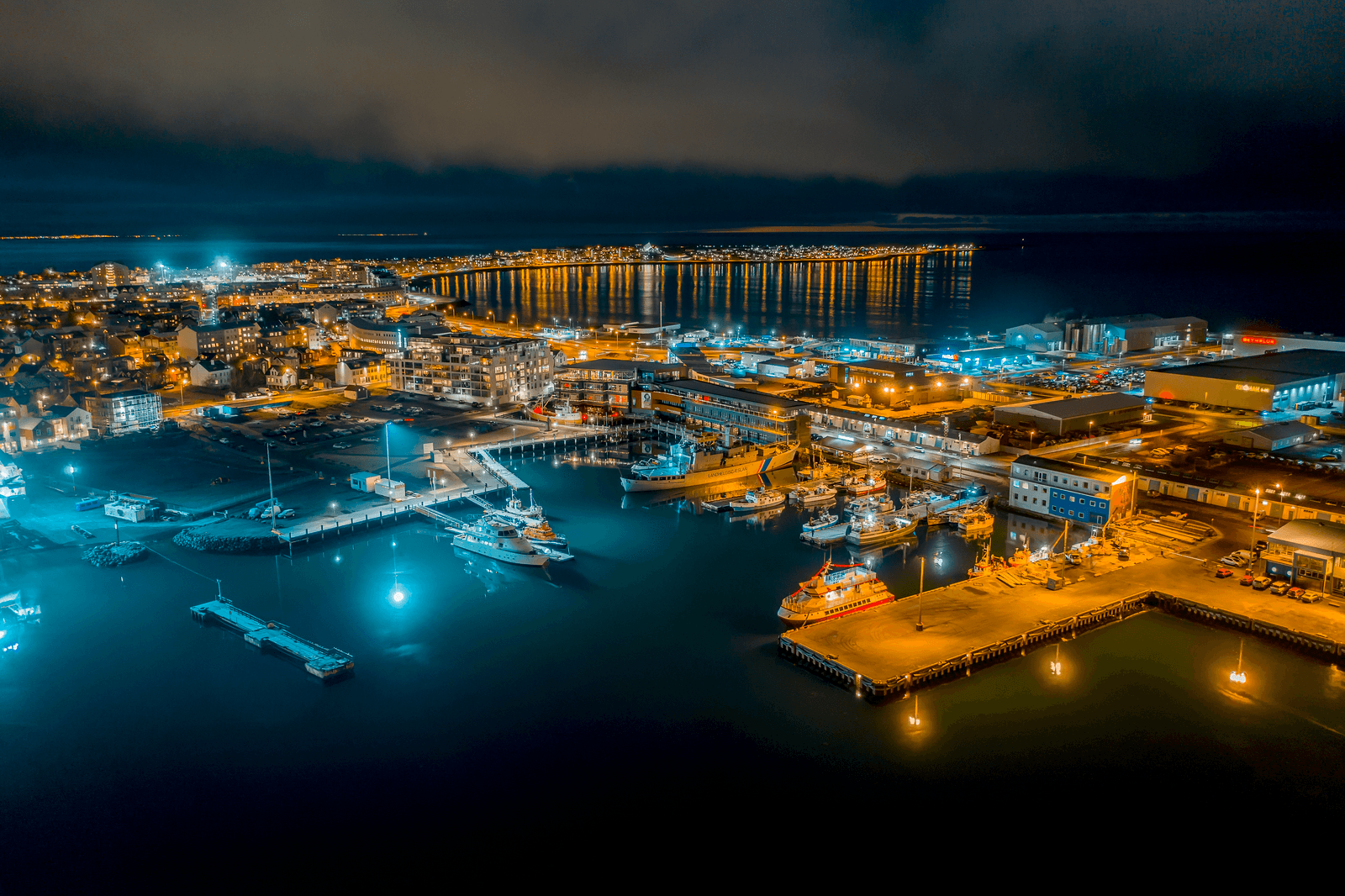
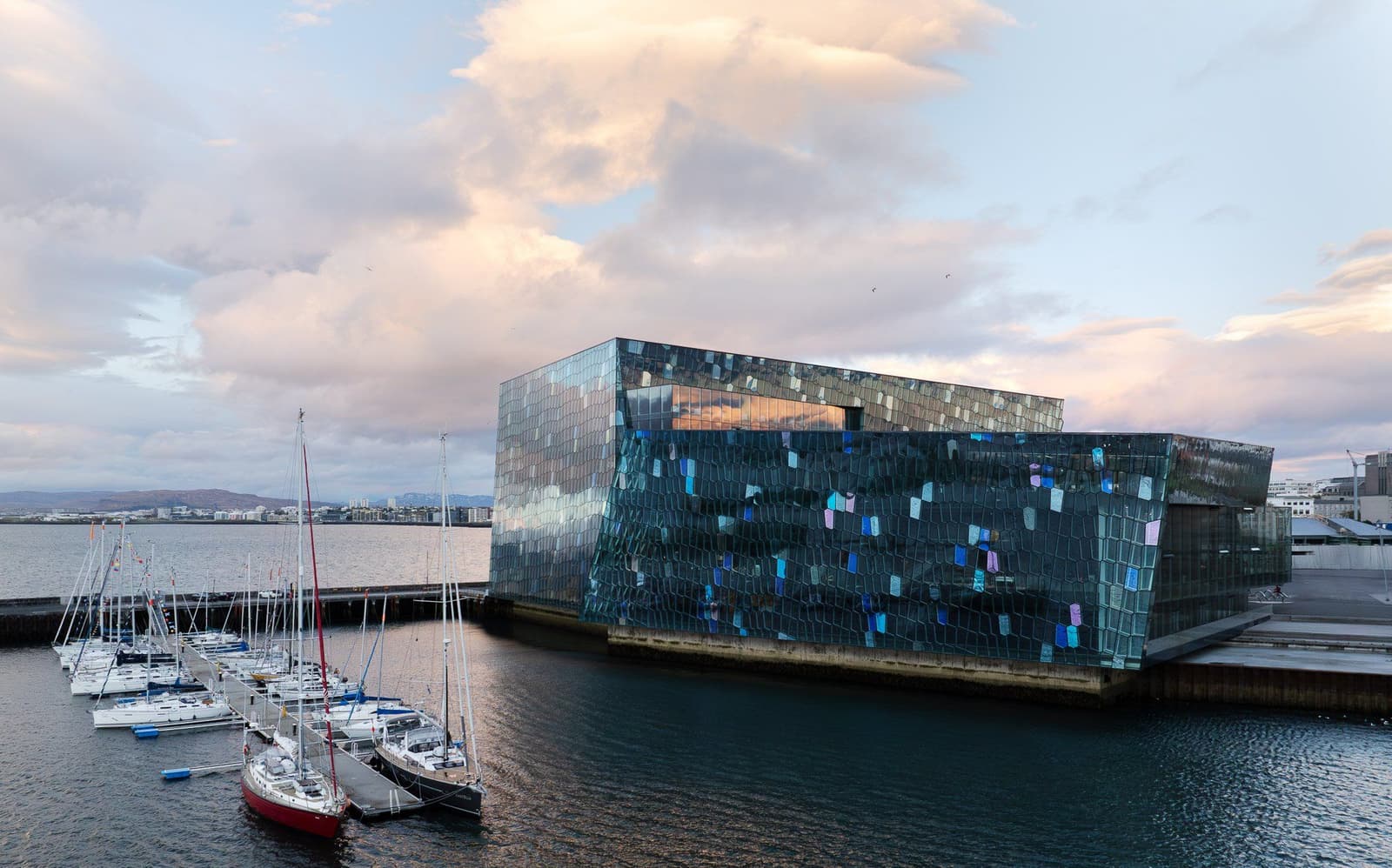
  • Head toward Harpa and Reykjavík Harbour when waterfront architecture and sea air should shape the next part of the walk.
  • Choose Hallgrímskirkja or Perlan instead when you need one clear landmark rather than a street-level city connector.

A good compact loop is Lækjartorg, Lækjargata, Tjörnin, Dómkirkjan, Alþingi, Austurvöllur, Arnarhóll, and Harpa. Trim it when wind, rain, icy pavements, or short daylight make the city feel slower than it looks on a map.

Nearby pedestrian streets make Lækjartorg more useful when it becomes part of a wider downtown loop.
Colorful nearby streets can turn the square into a more satisfying short downtown loop.

What should you check before using Lækjartorg as a meeting point?

The square is central, but it is also an active downtown space. If timing matters, verify practical details from official city sources before treating it as a fixed logistics point.

Street works, events, seasonal installations, traffic management, bus-zone rules, and winter surface conditions can all change how simple the square feels. This matters most if you are meeting a guide, moving with luggage, relying on a pickup point, or planning around limited mobility.

For a relaxed sightseeing walk, you do not need to over-plan it. For a tight connection, use Reykjavík City and official visitor information before assuming where vehicles stop, how crowded the area will be, or which side of the square is easiest to use.

Useful official checks