Arnarhóll is a small central Reykjavík hill and landmark, useful when a city walk needs views, settlement-history context, and a quick decision on whether the pause deserves more than a few minutes.
Culture snapshot
Type
Central city hill, public landmark, and Ingólfur Arnarson statue setting
Setting
Central Reykjavík, between the waterfront, Harpa area, Lækjargata, and downtown streets
Time to allow
About 10-20 minutes, or longer only when folded into a slower city walk
Best experience
Use it as a viewpoint and orientation pause, then continue toward stronger nearby landmarks
Effort
Low walking effort, with comfort shaped by wind, rain, snow, ice, and city events
In this guide
Arnarhóll is worth a short stop if you are already moving through central Reykjavík and want a small rise
Arnarhóll is worth a short stop if you are already moving through central Reykjavík and want a small rise, a city view, and the Ingólfur Arnarson statue in one pause.
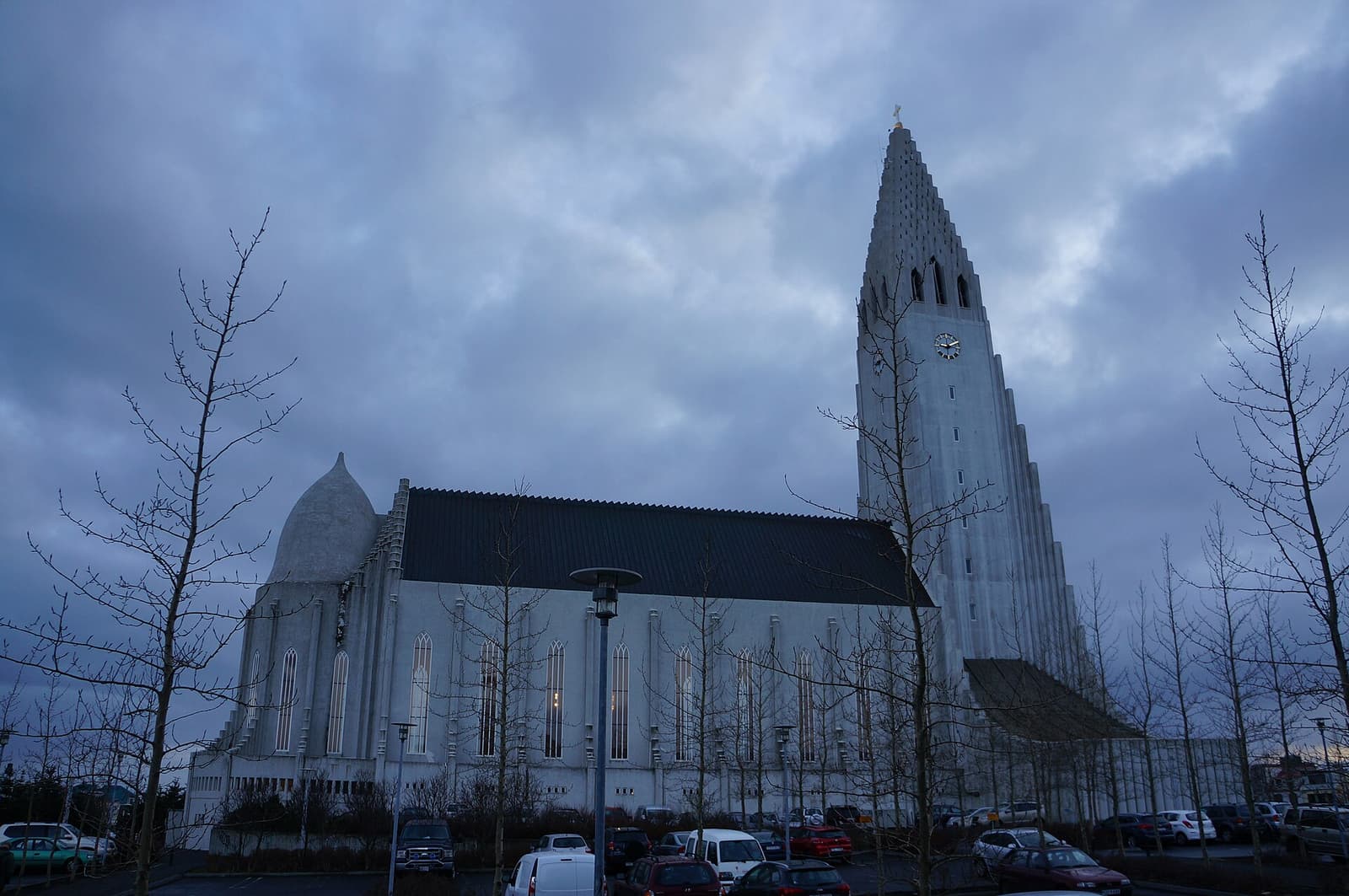
It is not the kind of attraction that should pull you across town by itself. The better use is practical: let Arnarhóll break up a walk between the waterfront, Lækjargata, and the older downtown grid, then decide whether your day needs a bigger landmark such as Hallgrímskirkja or a more scenic waterfront pause at Sun Voyager.
Arnarhóll: the stop feels like a short city breather rather than a long attraction visit
The stop feels like a short city breather rather than a long attraction visit.
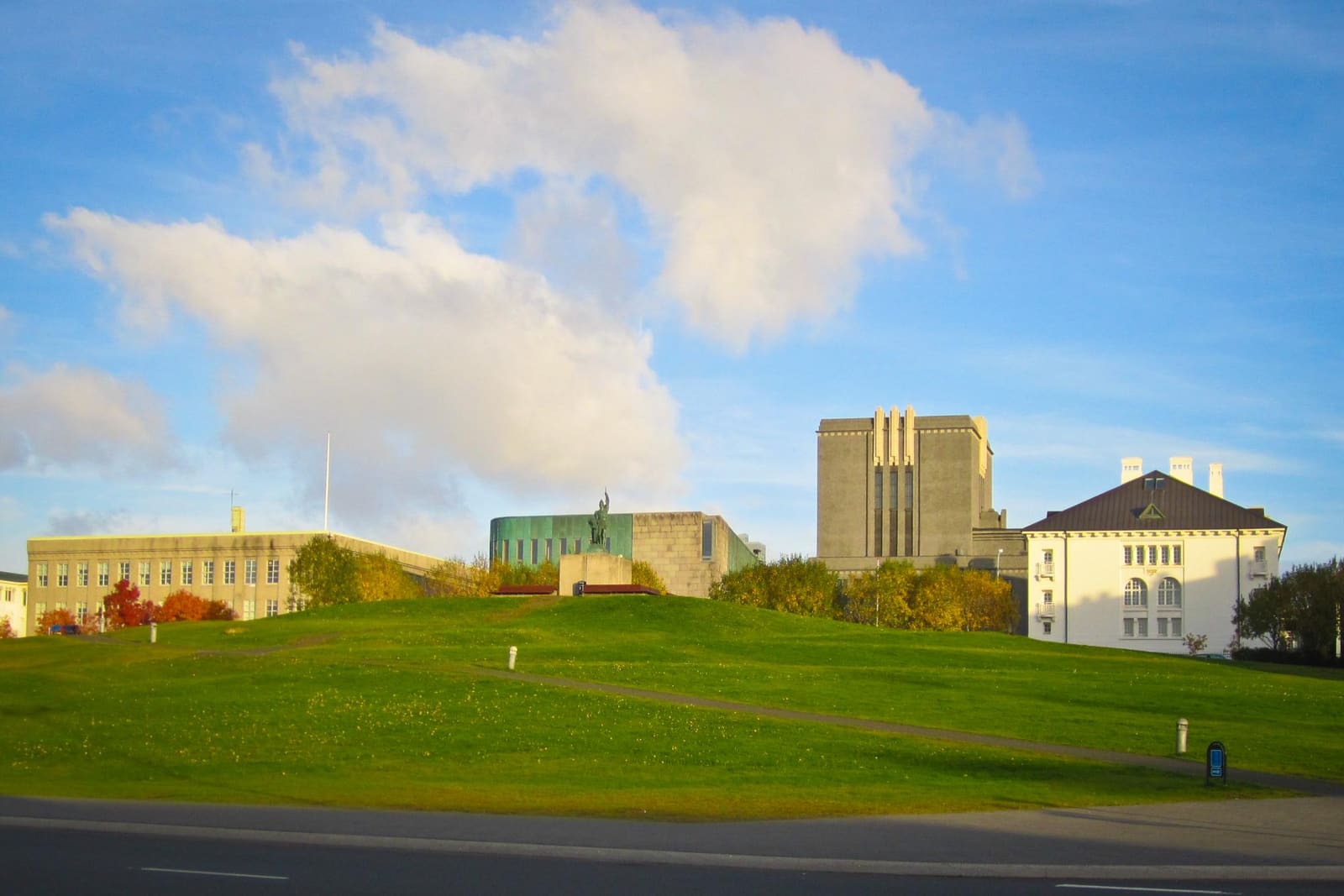
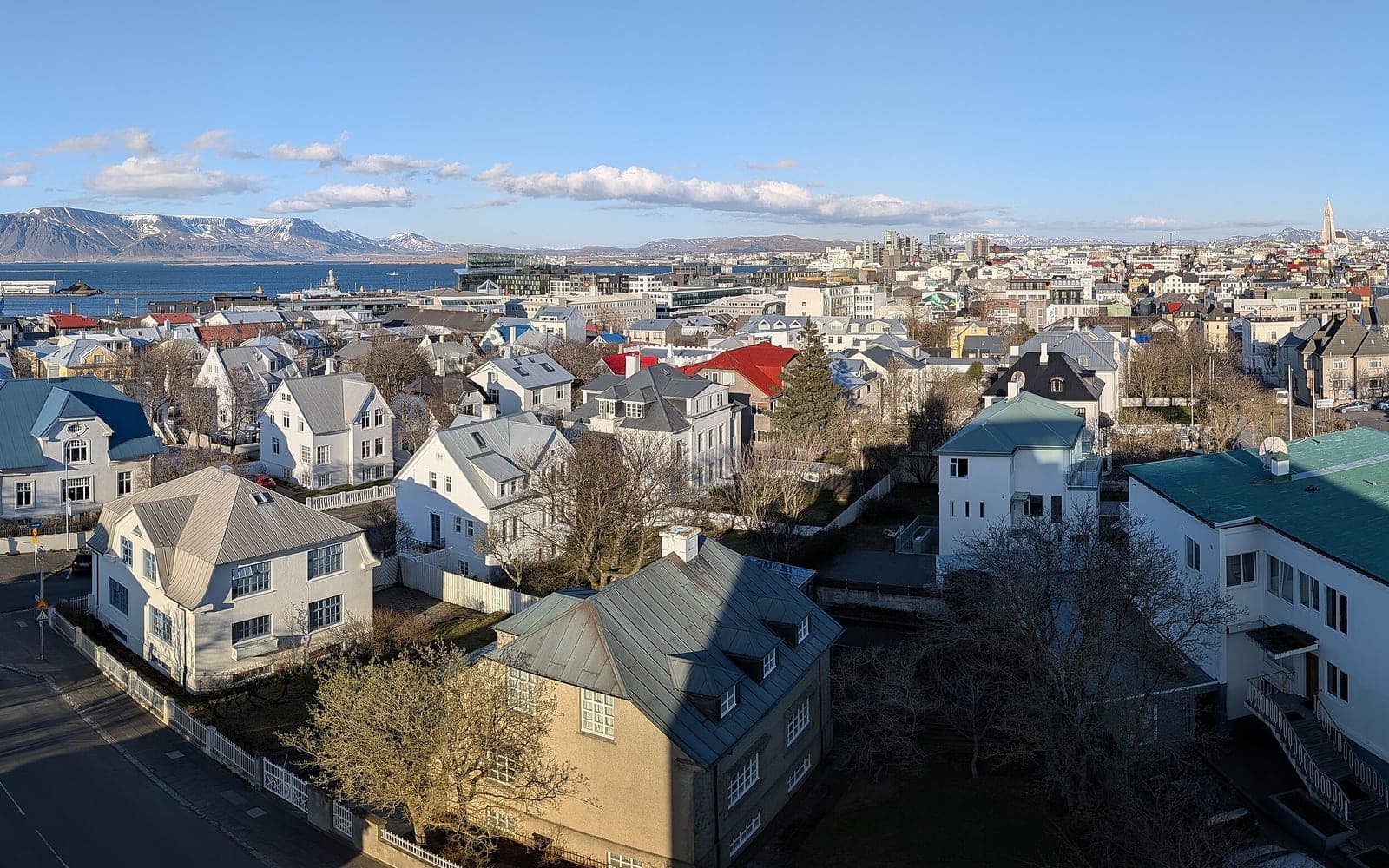
You walk up a modest grassy hill, look back over central streets and the waterfront edge, and meet the statue of Ingólfur Arnarson, the settler figure tied to Reykjavík's origin story. The appeal is the combination of city orientation, public art, and a little elevation without leaving downtown.
The hill is exposed enough that wind, rain, snow, ice, or event setup can change how pleasant it feels. Give it a flexible place in the day rather than making it a fixed anchor.
The Ingólfur Arnarson statue gives the short stop its historical focus, even when the visit lasts only a few minutes.The statue is the visual reason to slow down on the hill rather than treating Arnarhóll as only a patch of grass.
How should Arnarhóll fit into a Reykjavík walk?
Use Arnarhóll as a connector, not a destination that dominates the route.
A good sequence is to pair the hill with Lækjargata, Harpa, the Old Harbour edge, or the waterfront line toward Sun Voyager. If you are building a larger city loop, Hallgrímskirkja gives the stronger skyline landmark, while Perlan is the better choice when you want a more deliberate viewpoint and indoor backup.
Best add-on: a central Reykjavík walk with spare time and decent visibility.
Best comparison: Hallgrímskirkja for a bigger landmark, Sun Voyager for a waterfront photo stop, Perlan for a broader city-view decision.
Best role in a trip: arrival-day orientation, departure-day filler, or a pause between downtown stops.
The Old Harbour is close enough that Arnarhóll usually works as a small pause inside a wider downtown walk.The harbour and Grandi waterfront show how quickly an Arnarhóll walk can shift from city hill to sea-level Reykjavík.
When should you slow down or skip it?
Slow down when the hill helps you read the city; skip it when it becomes a forced checkbox.
Arnarhóll is strongest when Reykjavík is part of the plan, not when you are trying to squeeze a city list between airport logistics and a long drive. If you only have one central stop, choose the place that solves the bigger decision for your trip.
For a short break, the hill can add useful context before dinner, a museum visit, or a harbor walk. For a scenery-first Iceland itinerary, keep it light and save most planning effort for the route outside the city.
Arnarhóll: because this is an outdoor city place, the important checks are practical rather than complicated
Because this is an outdoor city place, the important checks are practical rather than complicated.
Check official visitor information if access details, city events, maintenance, or mobility needs matter. Check official weather guidance before treating the hill as a comfortable viewpoint, especially in wind, winter darkness, rain, or icy conditions.