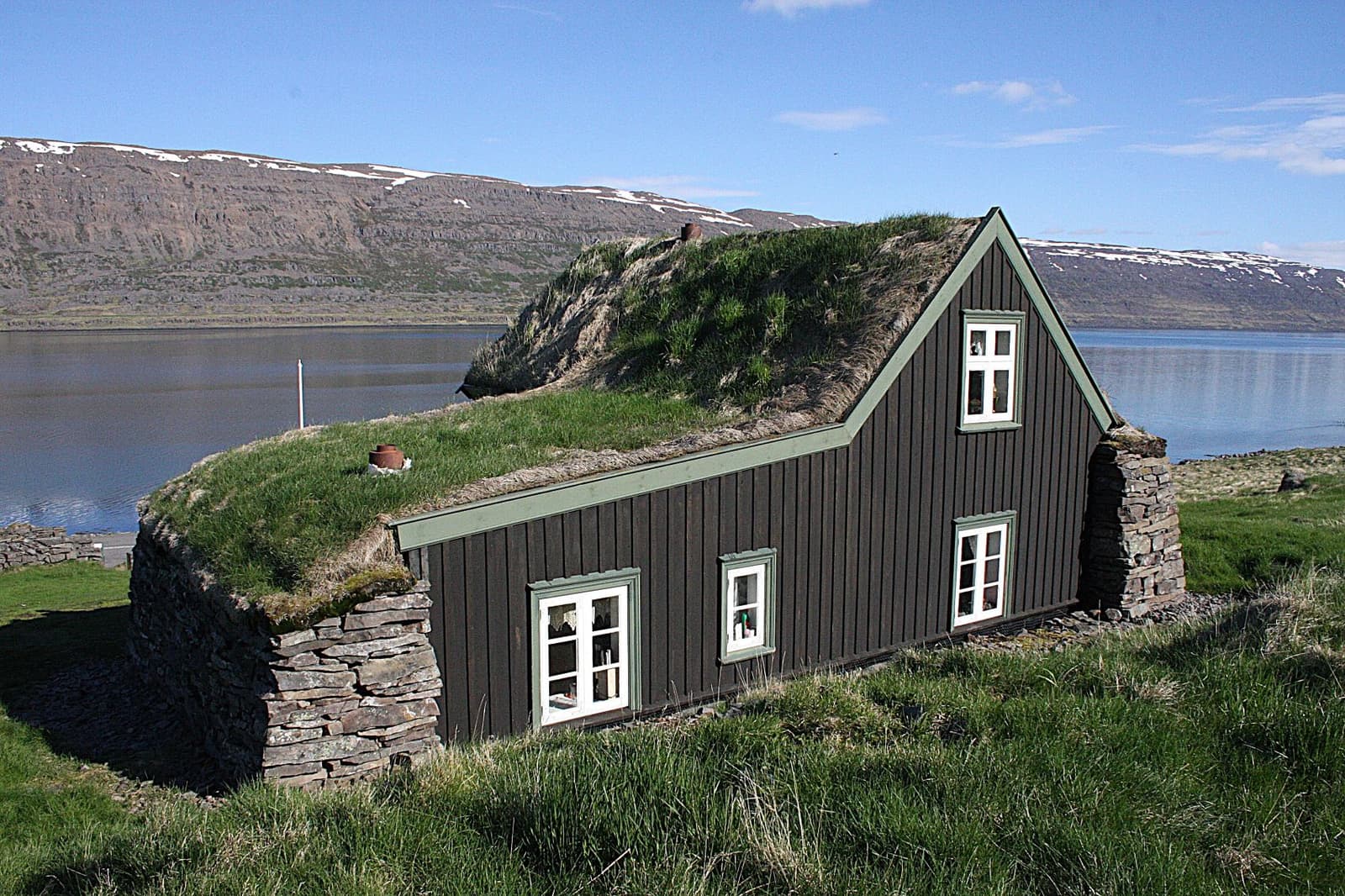
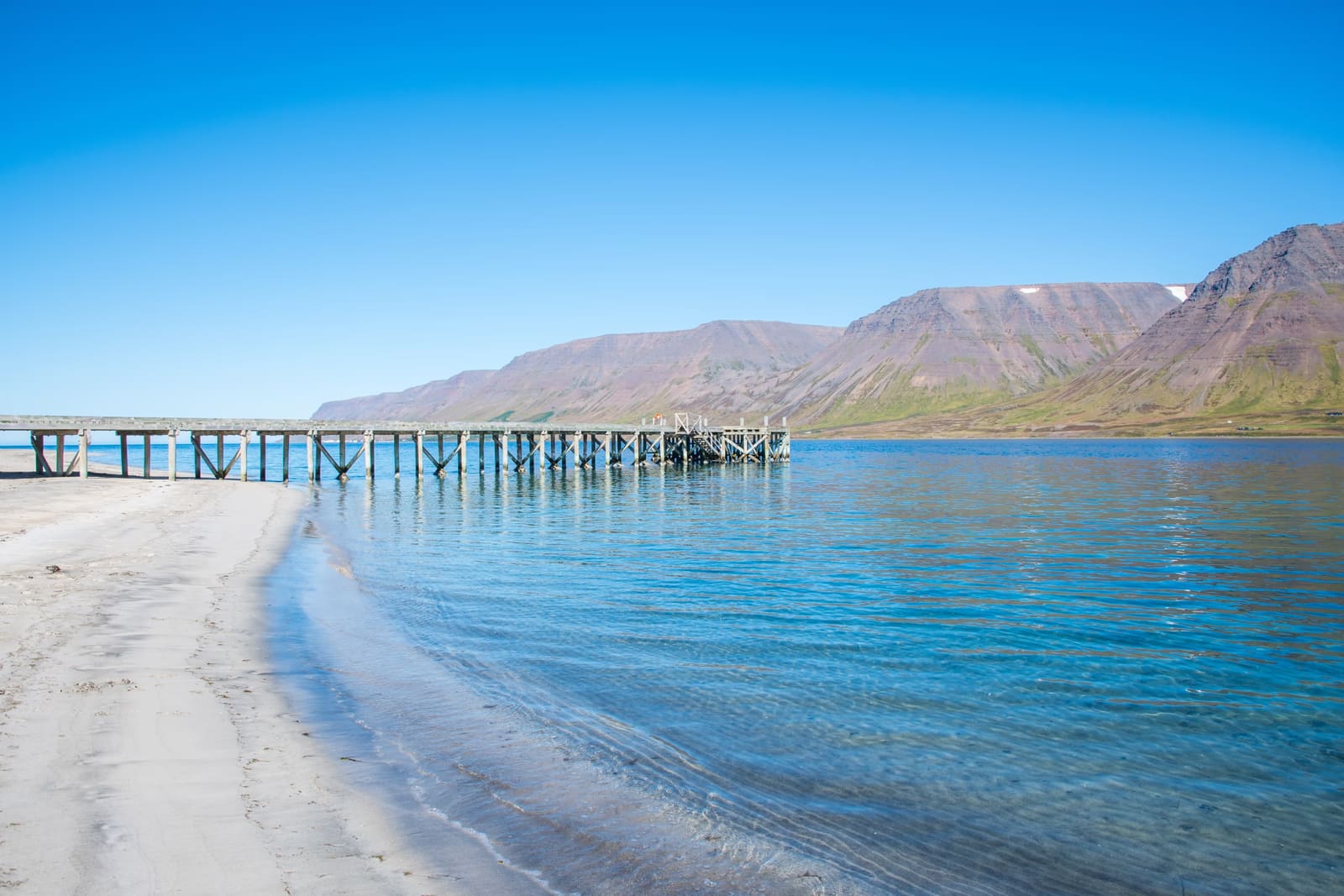
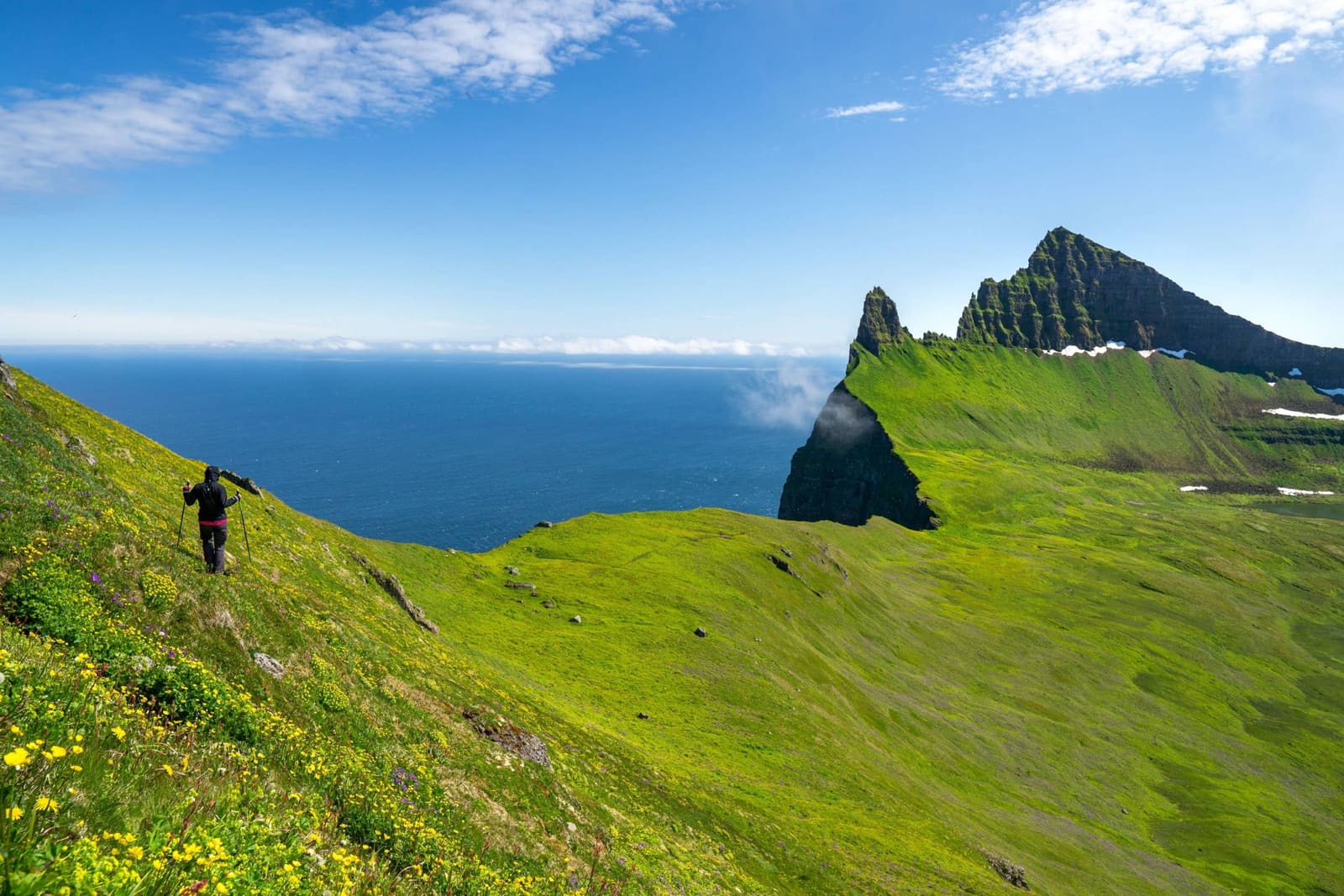
Ísafjörður is the main town base in the Westfjords, useful for travelers deciding whether to slow down for harbor streets, maritime culture, nearby fjords, Hornstrandir access, and weather-aware side trips.
Town snapshot
Type
Westfjords town, harbor base, cultural stop, and outdoor access point
Region
Skutulsfjörður in the Westfjords
Route context
Westfjords Way base for northern fjords, nearby villages, Hornstrandir planning, and slower self-drive days
Typical visit
1-2 hours for a town walk; half a day or overnight when museums, harbor time, or nearby outdoor plans matter
Best experience
Slow down for the old town, harbor edge, mountain-backed fjord setting, and a realistic plan for nearby side trips
In this guide
Ísafjörður works best if the Westfjords are a real part of your route
Yes, if the Westfjords are a real part of your route. Ísafjörður is most useful when it becomes a base, a town pause, or the practical hinge for nearby fjords rather than a rushed name on the map.
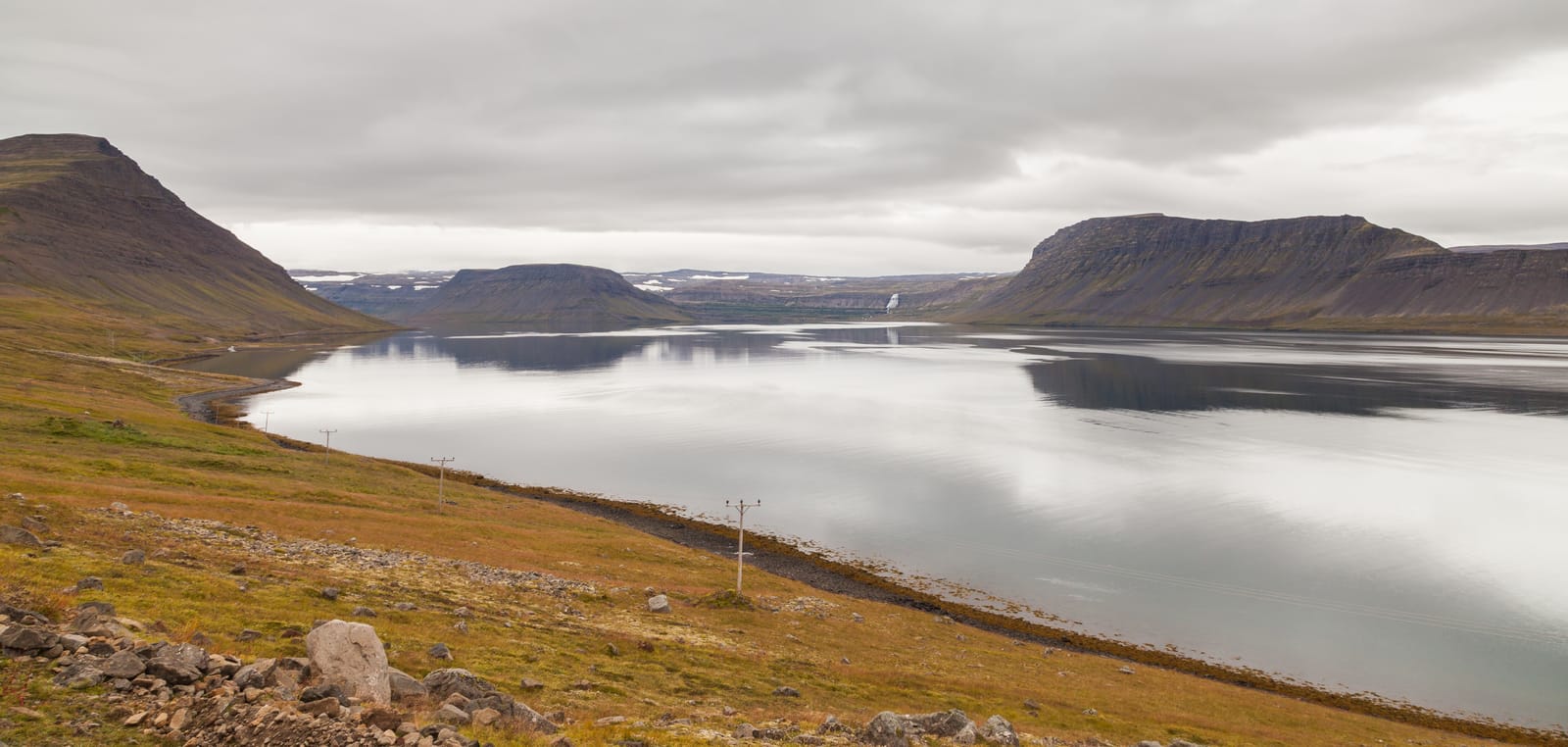
The town sits on Skutulsfjörður with steep mountains close on both sides, a compact center, a harbor edge, and enough cultural depth to break up a scenery-only Westfjords plan. It is not the same kind of stop as Dynjandi or Hornstrandir. Its value is the combination of place, services, old streets, maritime history, and access to harder-to-plan surroundings.
Add Ísafjörður when the trip gives the northern Westfjords at least one unhurried segment, especially if Hornstrandir, Bolungarvík, Flateyri, Dýrafjörður, Þjófatindar, or Seljalandsdalur are competing for space. Skip it on a fast Ring Road-style loop where entering the Westfjords would make the whole route weaker.
Go if you want a real town base inside Westfjords scenery.
Skip if your itinerary only has time for one famous Westfjords landscape.
Check before committing if the plan depends on boats, guided activities, winter roads, museums, or fixed local services.
Ísafjörður feels compact and lived-in
Ísafjörður feels compact and lived-in: harbor streets, older buildings, mountain walls, and a fjord setting that keeps the town connected to the landscape.
The strongest first impression is enclosure. The streets and harbor sit on a narrow spit, while the mountains and dark water make the town feel remote even before you leave the center. That contrast is why Ísafjörður works better as a pause than as a drive-through.
Look for the old-town and harbor texture before adding more sights. Visit Westfjords traces Ísafjörður's role as a trading post to the 16th century, while the Port's visitor guidance places the Westfjords Heritage Museum in Neðstikaupstaður, the country's oldest surviving house cluster. Those details make the center more than a service stop: the harbor, preserved buildings, and fishing history explain why this remote town became the region's hub.
Ísafjörður: plan a short stop only if you are passing through
Plan a short stop only if you are passing through. Ísafjörður becomes more useful when you allow half a day or an overnight around nearby fjords, museums, or outdoor plans.
Choose the Ísafjörður visit length that matches your Westfjords plan.
Visit style
Time to allow
Best when
Main check
Quick town walk
1-2 hours
You want the center, harbor, and a sense of the fjord before moving on.
Onward driving margin
Town plus culture
Half day
The old town, maritime history, food, or local galleries are part of the reason to stop.
Visitor details for any specific stop
Northern Westfjords base
Overnight or longer
You want time for Hornstrandir, Bolungarvík, Flateyri, Dýrafjörður, Þjófatindar, or Seljalandsdalur.
Road, weather, boat, and provider details
Remote access plan
Flexible day or more
The town is supporting boats, guided hiking, wildlife viewing, kayaking, or other weather-sensitive plans.
Operator rules and backup time
The balanced version is usually half a day plus a night nearby. That gives the town its own place in the route and keeps the next decision from becoming rushed. If you only have a short pause, keep the plan honest: walk the center, see the harbor, and leave the bigger side trips for a slower Westfjords visit.
The harbor and fjord setting are what turn Ísafjörður from a quick pause into a stronger base.
What nearby places make Ísafjörður useful as a base?
Ísafjörður earns its route value when it helps you choose nearby places instead of adding them all at once.
Hornstrandir is the biggest planning leap from the Ísafjörður area because access, weather, and return timing shape the entire day. Bolungarvík is easier to use as a nearby town-and-viewpoint side trip. Flateyri and Dýrafjörður add slower fjord and village texture. Þjófatindar and Seljalandsdalur make more sense when the group wants an active local mountain or valley option.
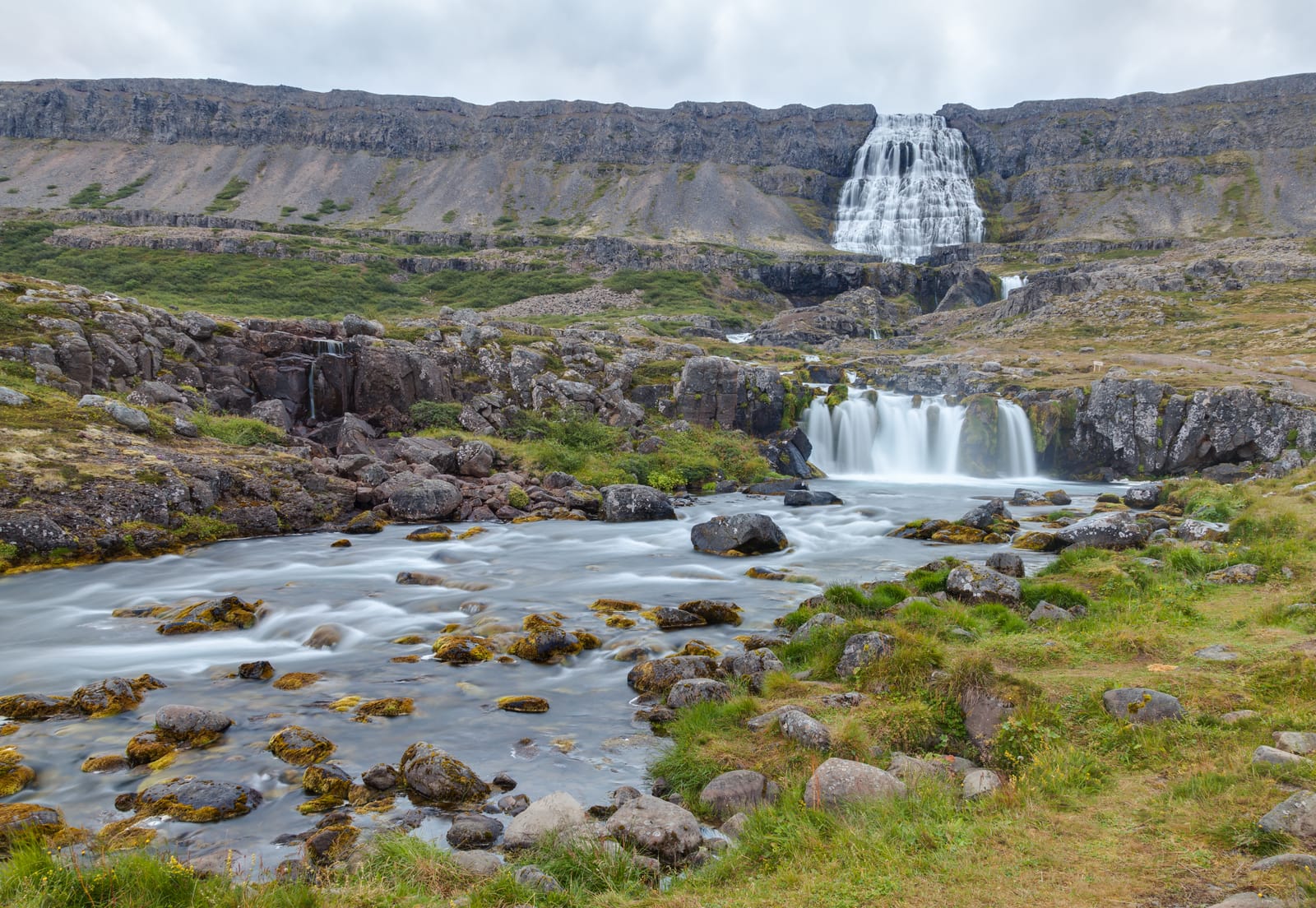
Dynjandi is the stronger scenic anchor if the day needs one unforgettable stop rather than a spread of smaller places. Use the Westfjords region guide when the real question is whether the area deserves one night, two nights, or a fuller detour.
Pair Ísafjörður with Hornstrandir only when the boat and weather plan is the main event.
Pair it with Bolungarvík when you want a short northern Westfjords side trip.
Pair it with Flateyri or Dýrafjörður when the route needs slower fjord texture.
Pair it with Dynjandi when the day still has enough road margin for a major waterfall anchor.
Ísafjörður is most useful when it helps organize nearby fjord roads and side trips realistically.
What should you check before depending on Ísafjörður?
The stable decision is whether Ísafjörður belongs in the route. The day-specific details should come from official and operator sources.
Westfjords plans are more sensitive than they look on a map. Roads, wind, visibility, daylight, boats, guided activities, and visitor details can change whether Ísafjörður makes the day calmer or more complicated. Treat the town as a flexible base until the checks line up.
This matters most when Ísafjörður is not just a town walk. If the day depends on Hornstrandir, a guided activity, a museum visit, a domestic flight, or a long transfer toward Dynjandi, verify the details directly and keep a backup plan.
Specific town visits, museums, and activities should stay flexible until visitor details and conditions line up.
How should Ísafjörður shape a Westfjords route?
Let Ísafjörður simplify the route instead of turning the northern Westfjords into a long list of side trips.
The town works best when it gives the trip a base rhythm: arrive, walk, eat, check conditions, then choose one or two nearby plans that fit the weather and the group. That is different from treating every fjord, village, trail, and boat option as equally urgent.
If the day has clear weather and enough road margin, use Ísafjörður to reach a stronger side trip. If conditions are marginal, the better choice may be a town walk, a museum, the harbor, or a lower local valley rather than forcing the most exposed plan.
The fjord and weather context should decide whether Ísafjörður becomes a base day or a simpler town stop.
Use for travel-condition, preparation, and emergency-aware planning.
Ísafjörður FAQ
Most Ísafjörður decisions come down to time, base value, and whether nearby side trips are realistic.
Is Ísafjörður worth visiting on a first Iceland trip?
Yes, if the first trip already gives the Westfjords enough time. On a short first trip focused on easier regions, Ísafjörður is usually too remote to add casually.
How long do you need in Ísafjörður?
Allow 1-2 hours for a simple town walk, or at least half a day if the old town, harbor, museum context, food, or nearby side trips are part of the reason to stop.
Is Ísafjörður mainly a Hornstrandir gateway?
No. Hornstrandir access is one important role, but Ísafjörður also works as a town base for harbor walks, cultural stops, nearby villages, fjord roads, and local mountain or valley outings.
Should you stay in Ísafjörður or just pass through?
Stay if you want the northern Westfjords to feel unhurried. Pass through if the route is already dominated by Dynjandi, long transfers, or a single larger Westfjords objective.
Map
See where this stop sits
Use nearby places and useful bases before opening directions.
Region
Westfjords
Works well with
Westfjords Way
Useful base
Ísafjörður
Interactive planning map for Ísafjörður
Interactive map
Load the map when you need it
Place context and external map links remain available without loading it.
Nearby places
Use the town as a base or pass-through
Compare nearby places to decide whether to stop briefly, stay longer, or use the town as a base.