Coast snapshot
- Type
- Wildlife research and exhibition center
- Region
- Súðavík, north Westfjords
- Best for
- Arctic fox context near Ísafjörður
- Time
- About 45 to 90 minutes
- Access
- Easy village stop, road-dependent region
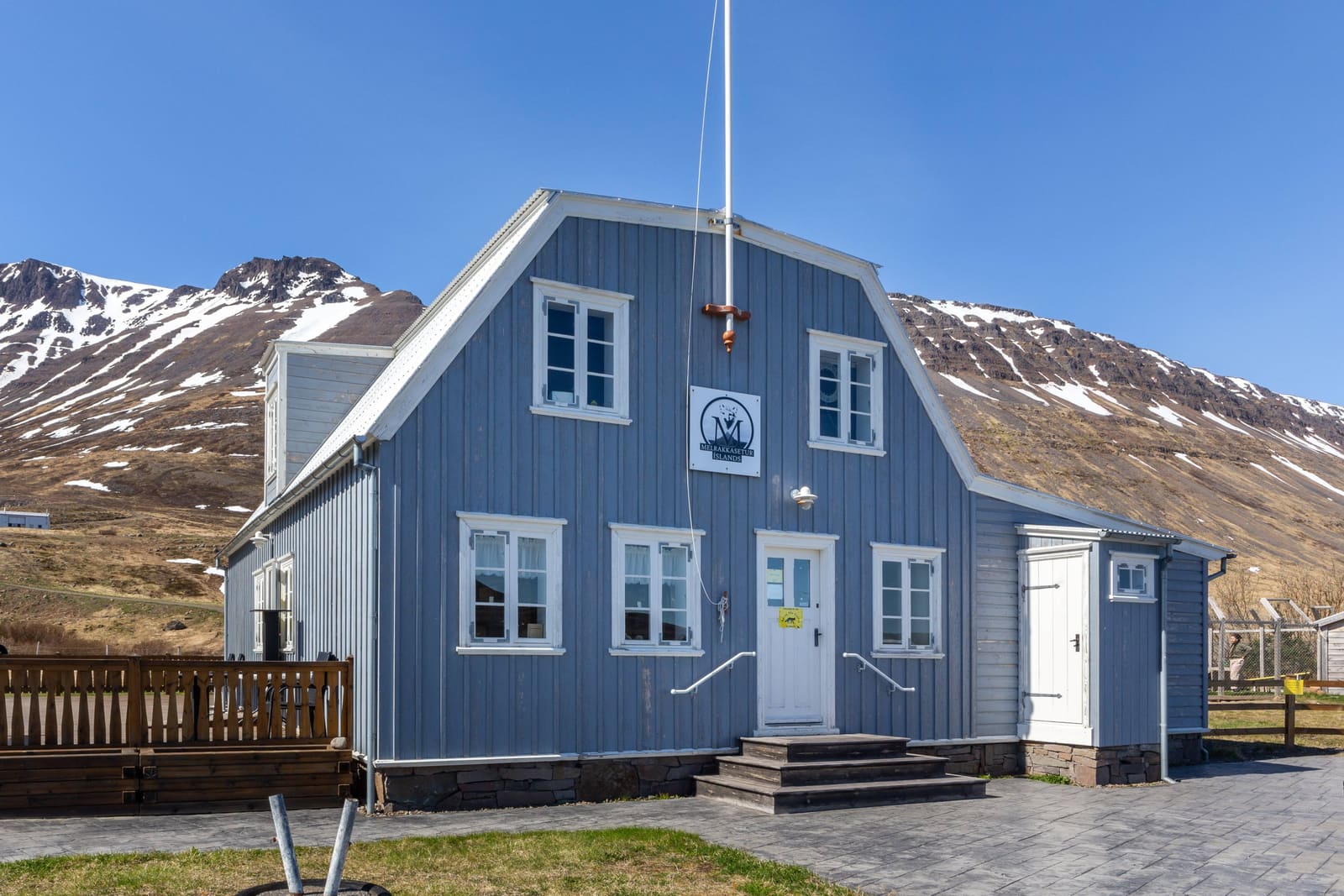
The Arctic Fox Centre in Súðavík is a compact Westfjords wildlife stop for travelers who want Arctic fox context, a rescued-fox encounter, and a meaningful indoor pause near Ísafjörður.
Coast snapshot
Yes, if Arctic foxes, wildlife interpretation, or a compact indoor stop would improve a north Westfjords day. It is less convincing as the single reason to drive far into the region.
The center is most useful when Súðavík already fits your route from Ísafjörður. It gives the village a clear purpose: learn about Iceland's only native land mammal, see how people have understood and managed foxes, and add a wildlife layer to a fjord day.
Treat it as a focused museum and education stop, not as a wildlife safari. If you want dramatic cliffs, long hikes, or wild fox watching, the decision belongs closer to Hornstrandir planning. If you want a humane, easy-to-understand introduction before or after bigger Westfjords landscapes, this is a useful pause.
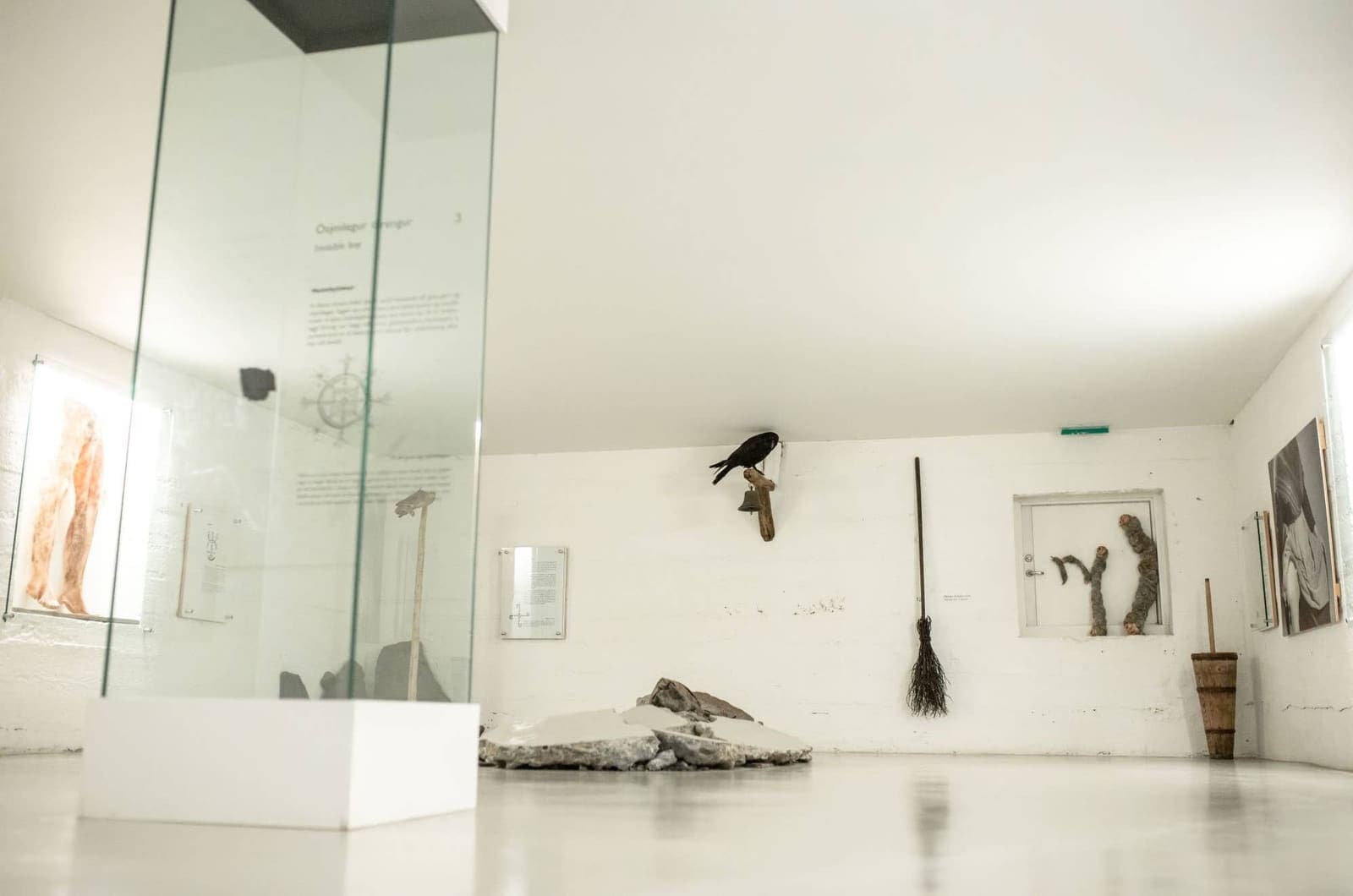
The visit combines an exhibition, fox-focused interpretation, and a live ambassador-animal element when the center is receiving visitors.
Official and regional sources describe the center as a non-profit research and exhibition center focused on the Arctic fox. The exhibition material covers biology, Icelandic history, hunting, farming, and the animal's place in a country where it is the only native terrestrial mammal.
That mix matters because many travelers reach the Westfjords hoping to see wildlife but do not have the time, boat access, or weather margin for a remote nature reserve. The center offers a more controlled way to understand the species without pretending that every visitor will see foxes in the wild.
The building adds a local history layer that makes the stop feel rooted in Súðavík rather than interchangeable with a small animal exhibit.
The center is based in Eyrardalsbær, a restored historic house connected with the old Eyrardalur farm area. Official background from the center ties the building to local stories, whaling-era timber, and a long restoration before public use.
This is the useful secondary angle: the stop is not only about whether you can look at a fox. It also gives the village a heritage setting and a research identity, which helps the visit carry more weight than another quick roadside photo.
Most travelers should treat the center as a compact stop, then decide whether the rest of Súðavík or the fjord deserves extra time.
A practical visit usually fits into about 45 to 90 minutes, depending on how much you read, whether children want more time with the displays, and how slowly you want to move around the site. Add more margin if the stop is part of a slower village pause.
From an Ísafjörður base, the center is easiest to justify as part of a small north Westfjords cluster. You can pair it with the broader Súðavík village guide, a harbor or fjord look, or a cultural comparison such as the Westfjords Heritage Museum.
| Plan type | How the center fits |
|---|---|
| Fast north Westfjords day | Use it only if wildlife context is a priority. |
| Ísafjörður base day | A good half-day add-on with Súðavík. |
| Wildlife-focused trip | Pair the center with broader Hornstrandir research. |
The center works best when it stays near its natural cluster instead of being stretched into a whole-region checklist.
Use Ísafjarðardjúp for the wider fjord setting, Vigur if birdlife and an island visit fit your plans, or Hornstrandir when wild Arctic fox viewing is the bigger dream and you have the right weather, transport, and planning margin.
Avoid pairing it casually with distant Westfjords icons just because they share the same region. Dynjandi and Látrabjarg are excellent places, but they belong to larger driving decisions than a quick center visit near Súðavík.
Use official sources for visitor details and road conditions before you rely on the center inside a tight Westfjords day.
The durable advice is simple: confirm the center's own visitor information, then check road and weather sources for the north Westfjords. This matters most when the stop sits between longer fjord drives, boat plans, or a same-day return to Ísafjörður.
Use for visitor details and center background.
Use for regional context and contact details.
Use before driving in the Westfjords.
Use before fixing a narrow schedule.
Families are a strong fit, but the center also works for adults who want wildlife, research, and Westfjords context in a compact stop.
Use it as an easier introduction to Arctic foxes. Hornstrandir is a separate remote-nature decision with very different access, timing, and weather demands.
By ThorPublished Updated
Map
Use nearby places and useful bases before opening directions.
Interactive planning map for Arctic Fox Centre in Súðavík
Interactive map
Place context and external map links remain available without loading it.
Planning context
Open the region or practical guide that resolves the next planning decision.
Wider route
Use broader place relationships for route comparison; they are not presented as immediate nearby stops.