Geology snapshot
- Type
- Working geothermal power plant
- Visitor role
- Home of The Geothermal Exhibition
- Region
- Hellisheiði, near Hengill
- Best for
- Geothermal energy context
- Route
- Useful on Route 1

Hellisheiðarvirkjun helps travelers decode the Icelandic name for Hellisheiði Power Plant, decide whether the Geothermal Exhibition is worth adding, and understand how the stop fits Route 1, Hengill, and Hveragerði planning.
Geology snapshot
Hellisheiðarvirkjun is best understood as Hellisheiði Power Plant: a working geothermal-power site where the visitor-facing reason to stop is The Geothermal Exhibition.
If the name Hellisheiðarvirkjun appears in your route notes, it usually points to infrastructure rather than a classic Iceland attraction. The practical question is whether the power plant's exhibition, steam-filled setting, and geothermal-energy story add enough value to your drive.
For many travelers, the answer is yes only when the stop has a clear purpose: learning how Iceland uses geothermal heat, giving a family or group an indoor-leaning break, or connecting the landscape around Hellisheiði with the energy systems that serve Reykjavík and beyond. It is not a must-see detour for every South Coast or Golden Circle day.
Hellisheiði is the broader pass and lava-plateau context; Hellisheiðarvirkjun is the power plant within that landscape.
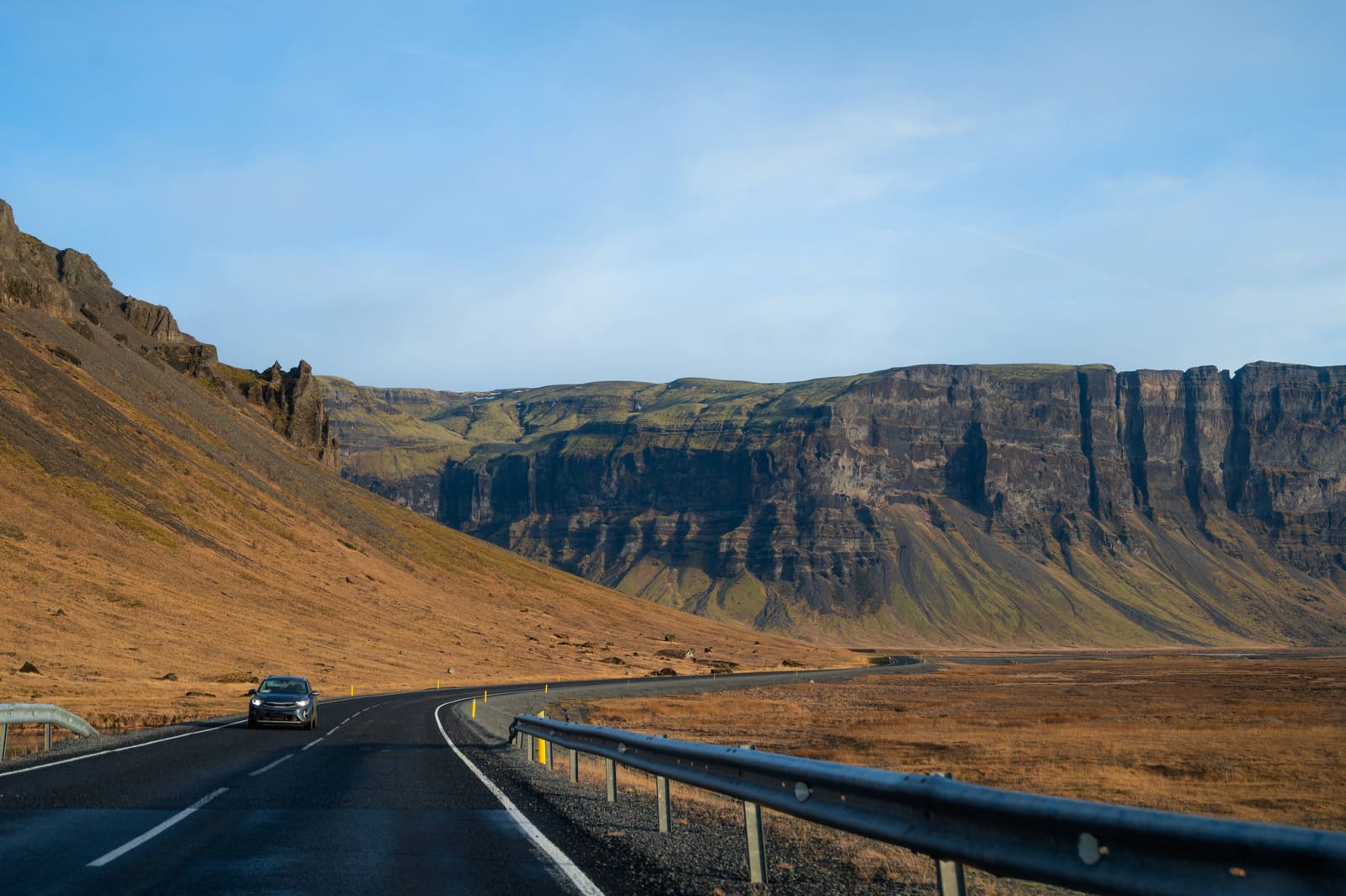
This distinction matters because the two names answer different planning questions. Hellisheiði helps you think about Route 1, exposed weather, steam, Hengill, and the drive between Reykjavík and Hveragerði. Hellisheiðarvirkjun helps you decide whether a working power-plant visitor stop belongs in the day.
The site sits in the Hengill geothermal area, where power production, steam, mossy lava, and mountain weather meet. Pair it with Hengill when you want the landscape context, or with Hveragerði when you need a practical south-side town anchor after the pass.
The strongest reason to stop is curiosity about geothermal power, not the need to collect another roadside attraction.
The Geothermal Exhibition is the traveler-facing part of Hellisheiðarvirkjun. It is most useful for visitors who want a concise explanation of sustainable energy, power-plant operation, Icelandic geothermal culture, turbine-hall views, or climate-technology projects such as Carbfix.
It can work well for families, school groups, energy professionals, repeat visitors, or self-drivers who want a meaningful pause before continuing toward South Iceland. It is less useful when the day is already stretched between Þingvellir, Geysir, Gullfoss, Kerið, waterfalls, beaches, and long driving.
| Trip situation | Good fit? | Main check |
|---|---|---|
| Energy, geology, or climate-tech interest | Strong fit | Operator visitor details |
| Fast South Coast day | Only if time is spare | Daylight and route pace |
| Winter self-drive route | Conditions-dependent | Roads, weather, warnings |
| Outdoor-only sightseeing plan | Usually weak | Whether the exhibition adds value |
Because this is a working power-plant visitor site on an exposed route, current official details matter more than a fixed guidebook promise.
Before building a day around Hellisheiðarvirkjun, confirm the operator's current visitor information for opening, tickets, guided options, group visits, facilities, accessibility, and any special Carbfix-related tours. These details can change by season, staffing, maintenance, events, or operational needs.
For the drive, check Umferðin, the Icelandic Met Office, and SafeTravel before relying on Route 1 across Hellisheiði. Wind, snow, ice, visibility, road work, and warnings can change the value of what looks like a simple stop near Reykjavík.
By ThorPublished Updated
Map
Use nearby places and useful bases before opening directions.
Interactive planning map for Hellisheiðarvirkjun
Interactive map
Place context and external map links remain available without loading it.
Routes and itineraries
Compare road trips and itineraries that give this place a sensible position in the wider journey.
Planning context
Open the region or practical guide that resolves the next planning decision.
Next step
Use the next page that helps turn this stop into a practical route decision.