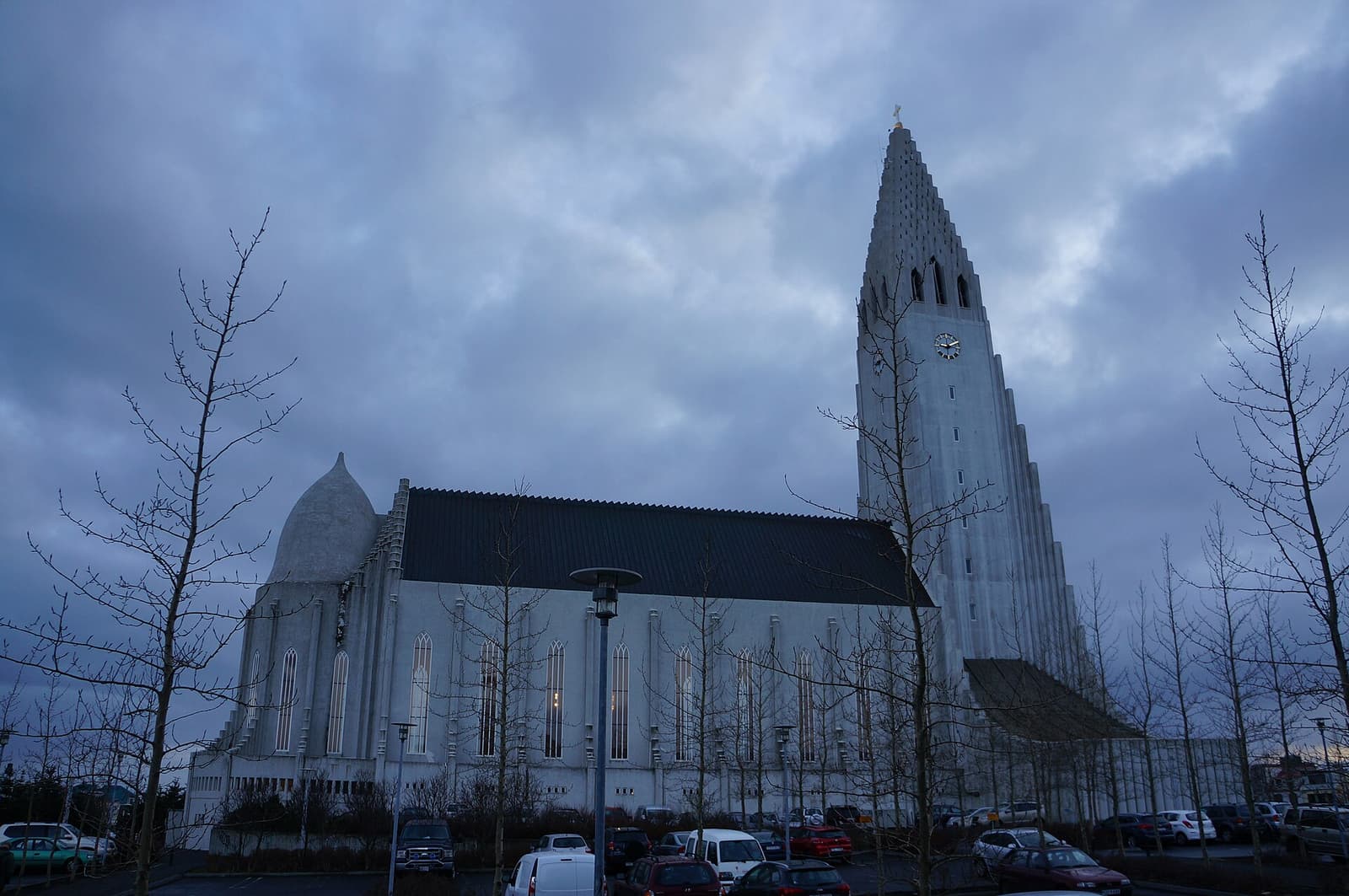
Bessastaðir is Iceland’s presidential residence on Álftanes near Reykjavík, a historic coastal estate best treated as a short outside view or quiet cultural detour within a wider city day.
Culture snapshot
Type
Official residence, historic estate, church, and cultural site
Region
Álftanes in the Reykjavík capital area
Time to allow
About 20-45 minutes for a simple outside stop; longer only if official visitor access or an event makes sense for your day
Best experience
Use it as a quiet history stop, not as a major sightseeing anchor
Access reality
Public access can be limited by official use, events, and on-site rules; verify official visitor details before relying on more than an outside view
In this guide
Is Bessastaðir worth visiting near Reykjavík?
Bessastaðir is worth visiting only when you want a quiet, history-led detour near Reykjavík. It is not the city’s strongest first landmark, but it can add civic context and a different coastal mood to a slower capital-area day.
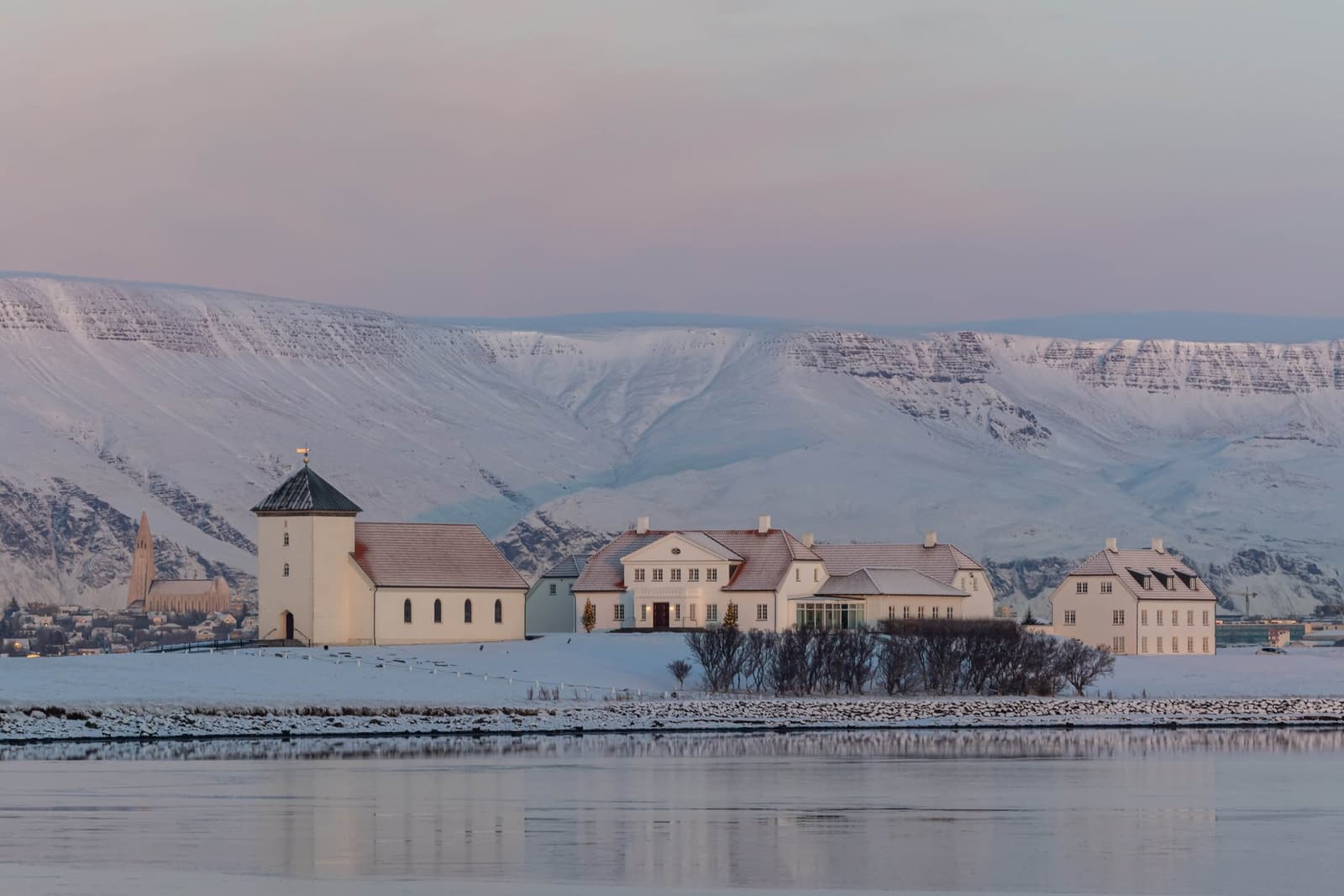
The main reason to go is the setting and significance: this is Iceland’s presidential residence, set on Álftanes with low white buildings, a church, open coastal space, and views back toward the capital area. The visit is strongest when you understand it as an outside-looking cultural stop rather than a normal museum visit.
Add Bessastaðir when a Reykjavík plan already has room for a calm extra window, especially after Hallgrímskirkja or Perlan. Skip it on a short first visit where every hour still has to compete with stronger central landmarks, food plans, or a first walk through Reykjavík.
What can you actually see at Bessastaðir?
Most travelers should think in terms of the estate setting, church exterior, road approach, and coastal context. Do not assume interior access, formal tours, or facility details unless an official source confirms them for your visit.
From the outside, the place is understated: white buildings, red roofs, the church tower, lawns, low shoreline, and mountains across the water. That restraint is part of the appeal. Bessastaðir feels more like a working civic residence than a visitor attraction designed around displays.
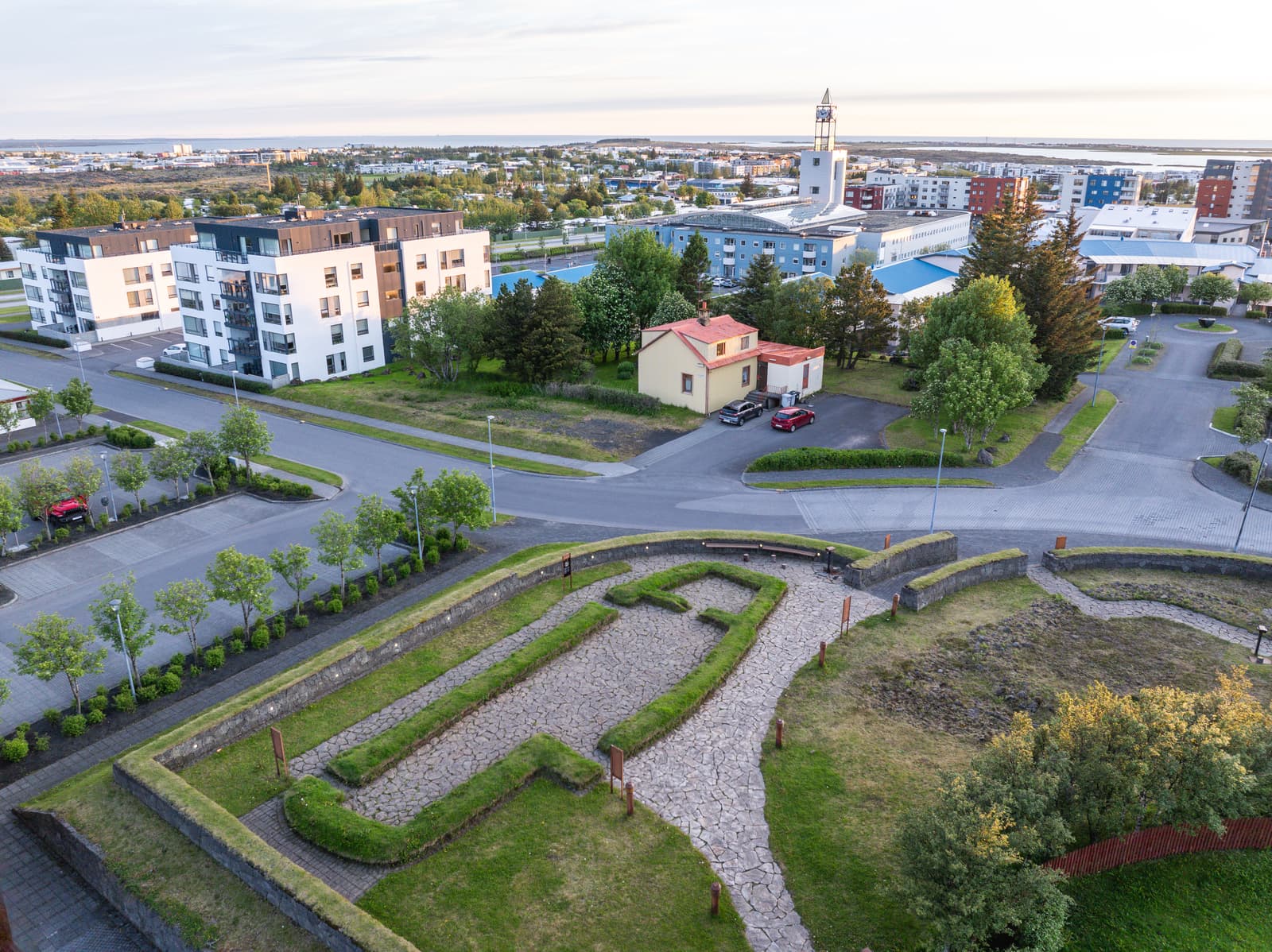
The approach is simple and low-key, which is why Bessastaðir works best as a quiet detour.
How to judge a Bessastaðir stop
Visit style
Good when
Plan around
Quick outside view
You want the residence setting and a short history pause
About 20-30 minutes and modest expectations
Balanced cultural detour
You are already exploring Reykjavík, Álftanes, or nearby coastal stops
About 30-45 minutes plus time for the surrounding drive
Skip for this trip
You need a high-impact landmark or guaranteed indoor visit
Use Hallgrímskirkja, Perlan, or another central stop instead
The table matters because Bessastaðir can disappoint if it is planned like a major attraction. It works better when it adds tone and context to a day that already makes sense.
Why does Bessastaðir matter in Icelandic history?
Bessastaðir matters because it connects Iceland’s civic life, church history, education history, and presidential office in one compact place near the capital.
The official residence role is the headline, but the older layers are what make the site more than a photo stop. Bessastaðir has long been tied to power, learning, and public life in Iceland, and the church and residence buildings make that history visible in a restrained way.
The National Gallery of Iceland also documents art connected with Bessastaðir, which helps explain why the place belongs in a cultural itinerary even when visitors are mostly experiencing it from outside.
Official art context is part of the cultural story, even when ordinary visit planning should not rely on interior access.
Allow about 20-45 minutes for a normal Bessastaðir stop
Allow about 20-45 minutes for a normal Bessastaðir stop. The shorter version is an outside view and a few photos; the longer version works only if the detour also serves your coastal or Reykjavík-area plan.
The effort is low if you have a car and are already moving around the capital area. It is less efficient if you are on foot in central Reykjavík, because the point of the stop is not strong enough to justify awkward transport by itself.
Weather changes the experience more than the map suggests. On a clear, calm day, the coastal setting and mountain backdrop can make the stop feel quietly memorable. In hard wind, poor visibility, or icy conditions, keep it shorter and use your time somewhere more sheltered.
The setting carries much of the visit, so weather and visibility affect how rewarding the stop feels.
Bessastaðir works best when paired with a stronger Reykjavík-area anchor
Bessastaðir works best when paired with a stronger Reykjavík-area anchor. That keeps the stop useful without asking it to carry the day.
Choose Hallgrímskirkja first if you still need a central Reykjavík landmark, skyline moment, and easy city-walk anchor.
Choose Perlan if the day needs an indoor museum, viewpoint, and weather backup before or after a short outside detour.
Add Nauthólsvík when you want the day to lean coastal and relaxed rather than museum-heavy.
Use the Reykjavík region guide to decide whether this belongs in a city day, arrival day, or quiet spare window.
For most travelers, Bessastaðir fits better inside a 5-day Iceland itinerary as a small Reykjavík-day option than as a headline attraction. If your trip already feels tight, the better move is to protect the main city or driving plan and leave this as an optional add-on.
The cultural value is real, but it is best planned with access expectations kept conservative.
Check official visitor information before treating Bessastaðir as more than a short outside stop
Check official visitor information before treating Bessastaðir as more than a short outside stop. The residence has an official function, so visitor access and appropriate behavior can depend on official use, events, and on-site guidance.
Use official sources for access, event, and visitor details. Use weather information if the coastal view and outdoor setting are the main reason you are going. If the stop feels uncertain, keep it optional and build the day around a more dependable Reykjavík anchor.
Use before relying on the coastal setting, visibility, or winter surfaces.
Bessastaðir FAQ
These are the practical questions that usually decide whether Bessastaðir belongs in a Reykjavík plan.
How long do you need at Bessastaðir?
Most travelers should allow about 20-45 minutes. That is enough for the outside setting, photos, and a short history pause unless official visitor information gives you a specific reason to stay longer.
Can you go inside Bessastaðir?
Do not assume interior access at Bessastaðir. Verify official visitor details before planning around anything beyond the estate setting and outside view.
Is Bessastaðir worth it without a car?
Usually only if the wider day already makes the capital-area detour easy. Without a car, central Reykjavík landmarks and Reykjavík activities will usually be simpler and more rewarding.
What should you pair with Bessastaðir?
Pair it with a stronger Reykjavík-area stop such as Hallgrímskirkja, Perlan, or Nauthólsvík. That keeps Bessastaðir as a useful extra rather than the main point of the day.