Culture snapshot
- Type
- Maritime and regional heritage museum
- Setting
- Neðstikaupstaður in old harbor Ísafjörður
- Time
- About 45 to 90 minutes
- Best for
- Harbor walks, history, and rainy gaps
- Nearby
- Ísafjörður, Naustahvilft, Ósvör, Bolungarvík
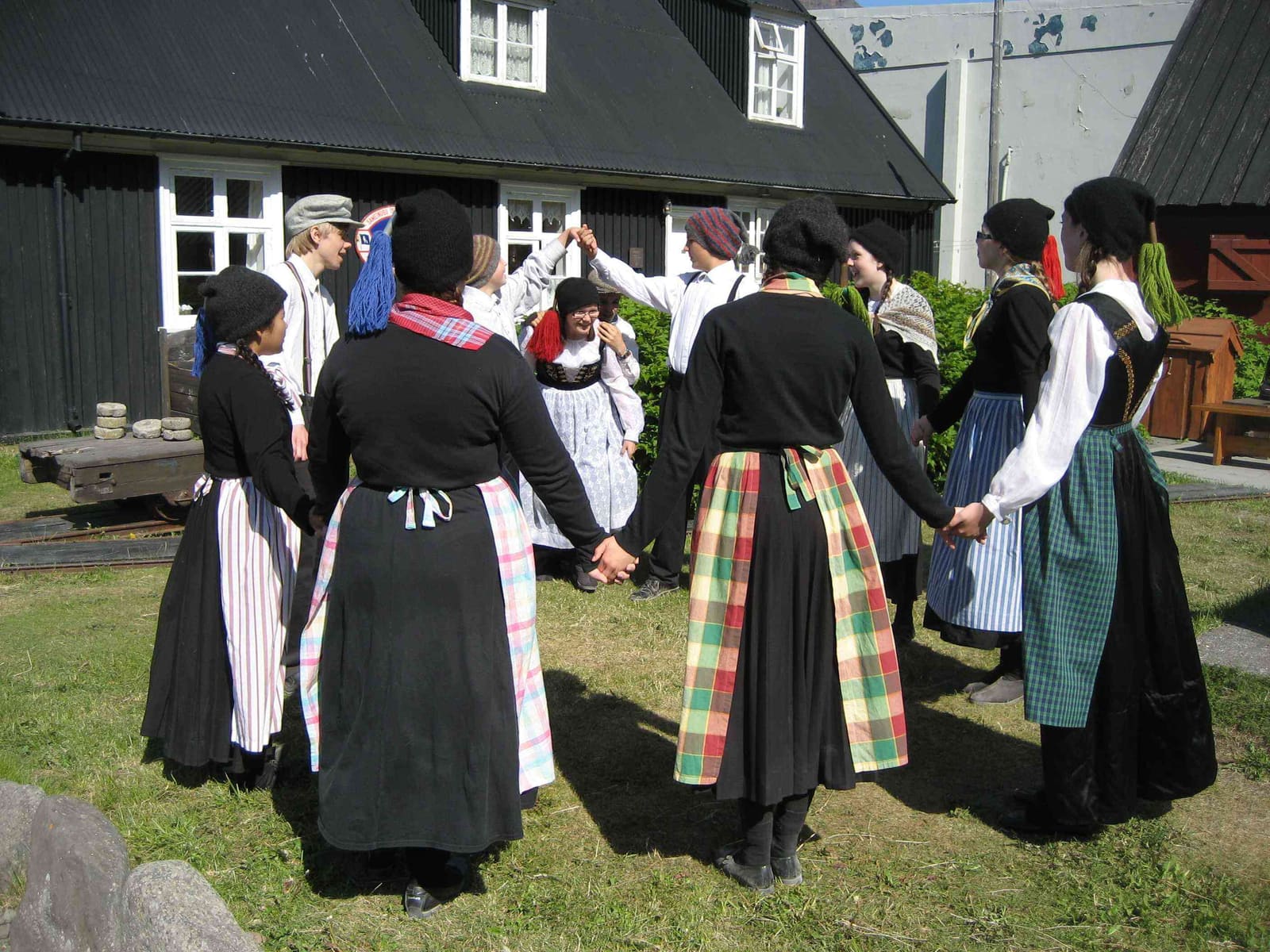
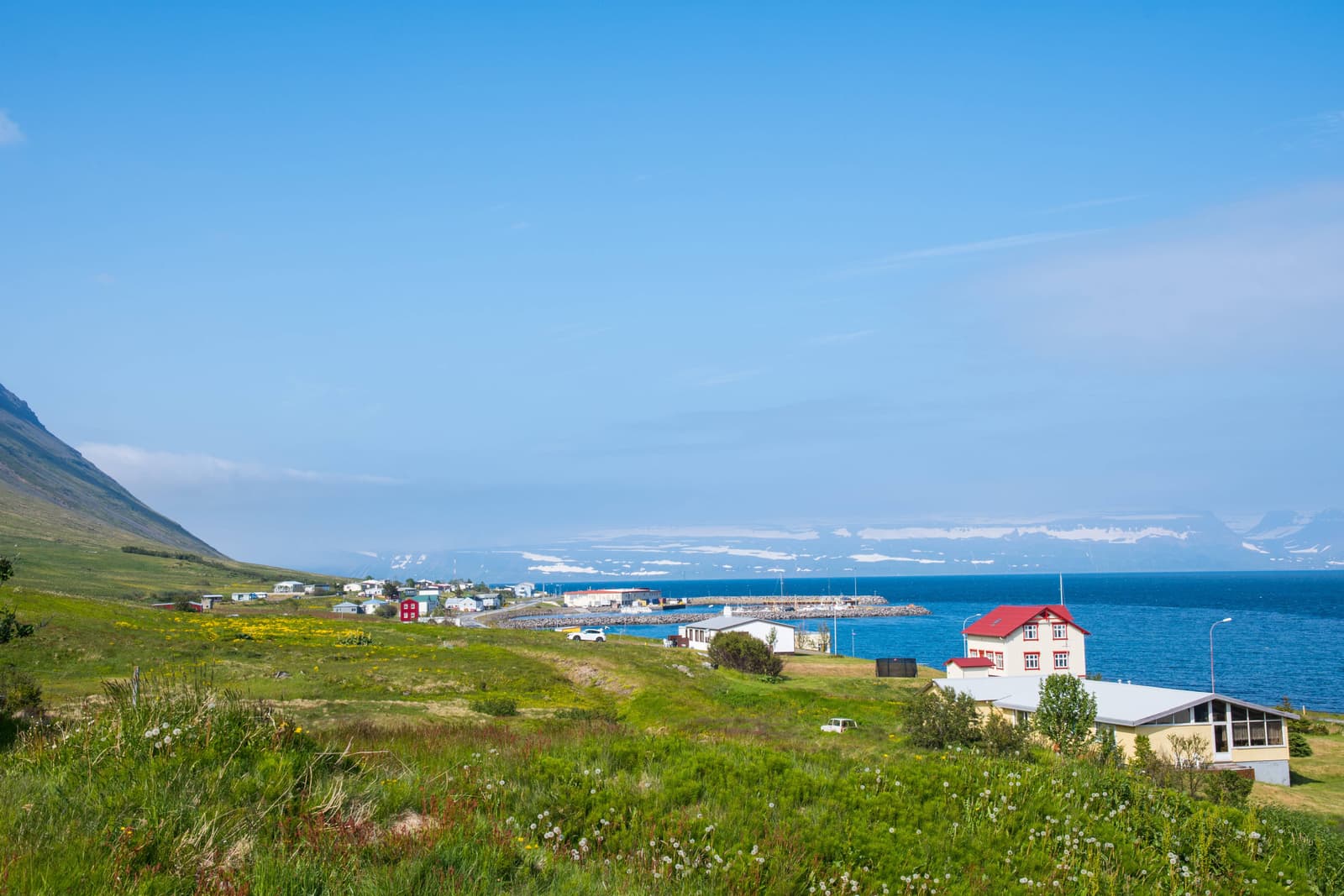
Westfjords Heritage Museum is a compact but meaningful Ísafjörður stop for travelers who want maritime history, the Neðstikaupstaður old harbor cluster, and a cultural break between bigger Westfjords drives, walks, or boat-linked plans.
Culture snapshot
Yes, when you want Ísafjörður to feel like more than a fuel, ferry, or overnight base. It is much less convincing when the day only has room for headline scenery and long-distance driving.
The museum works because it gives the harbor town a story you can stand inside. If Ísafjörður is only a practical stop on the way to something bigger, you may not need it. If you want the old harbor, fishing history, and town identity to land properly, this is one of the clearest places to do that.
The strongest version of the stop is deliberate but compact. Go when the town itself matters, when the weather makes another exposed viewpoint less appealing, or when a Westfjords day needs one cultural counterweight to all the fjords, roads, and outdoor decisions.
More than a generic maritime room. The museum gathers fisheries history, preserved boats, old-harbor context, and a few unexpected collection layers inside the oldest part of town.
Regional and museum sources both describe the attraction as a maritime-history stop, and that is the core reason most travelers come. You get the fishing story, tools, and boat-preservation angle that explain why the Westfjords coastline developed the way it did.
The useful surprise is that the museum does not stay narrow. Official museum material also points to preserved boats and an accordion collection in Turnhúsið, which helps the visit feel more like a regional heritage stop than a single-theme display.
That makes this page different from a simple list entry. The question is not only whether you like maritime history. It is whether you want one short stop that explains how the harbor, old buildings, and local culture fit together.
Neðstikaupstaður is part of the attraction, not just the address line.
The museum sits inside the oldest preserved house cluster in Ísafjörður, and that changes the feel of the visit. You are not entering an isolated modern museum box. You are moving through a part of town where the trading and fishing history is still visible in the buildings themselves.
This is also why the stop can beat a purely indoor museum for some travelers. The building cluster gives the visit texture before you even start reading. It is a better fit for travelers who like old towns, harbors, and the sense that place and collection still belong together.
If you already plan to visit Ísafjörður Culture House, the contrast is useful. The Culture House is a compact civic culture stop inside town. The Westfjords Heritage Museum is more anchored to the harbor and the working history that shaped it.
Most travelers do not need a half day here, but they do need enough time for the museum and a short look around the harbor cluster.
| Visit style | Time to allow | Best when |
|---|---|---|
| Focused museum stop | 45-60 minutes | You want the core maritime history without reshaping the day |
| Museum plus old harbor walk | 60-90 minutes | The buildings and waterfront are part of the reason to slow down |
| Town culture cluster | Half-day | You pair it with Ísafjörður streets, another cultural stop, or weather-flexible town time |
That timing works best when the museum is one piece of the town. If your schedule is already competing with Naustahvilft, harbor wandering, food, or a boat-linked plan, keep the stop honest and focused rather than turning it into an obligation.
Choose the Westfjords Heritage Museum when you want your history inside Ísafjörður. Choose a different stop when the day needs a stronger outdoor setting or a lighter town rhythm.
If you are deciding between this museum and Ósvör Maritime Museum, the difference is practical. Ósvör gives you a stronger rebuilt fishing-station setting on the Bolungarvík side of the coast. Westfjords Heritage Museum is better when you want the history to stay tied to old-harbor Ísafjörður itself.
If your group wants one shorter cultural stop inside town, this page usually beats scattering time across smaller museum-like pauses. If the group is tired of interiors, a walk, viewpoint, or harbor meal may carry the day better.
Keep the page durable. Use official sources for the details that change, and use the rest of the page to judge whether the stop is worth your time at all.
Check the official museum site for visitor details, any seasonal changes, and practical access information. If the museum is one part of a longer Westfjords day, check road conditions, weather, and safety guidance before you treat the whole route as fixed.
The strongest pairings stay local: Ísafjörður for the wider town decision, Bolungarvík or Ósvör Maritime Museum for coastal heritage, and the broader Westfjords guide when the museum is only one choice inside a longer fjord route.
Use for official museum information and visitor-detail checks.
Use for regional tourism framing and location context.
Use for local harbor proximity and Neðstikaupstaður context.
Use before combining the museum with longer Westfjords drives.
By ThorPublished Updated
Map
Use nearby places and useful bases before opening directions.
Interactive planning map for Westfjords Heritage Museum
Interactive map
Place context and external map links remain available without loading it.
Planning context
Open the region or practical guide that resolves the next planning decision.
Wider route
Use broader place relationships for route comparison; they are not presented as immediate nearby stops.